AI Model & API Guides · Page 14 of 20

Source-linked guidance for AI models, API integration, and developer workflows—turning fast-changing prices, quotas, capabilities, and limits into decisions you can verify.
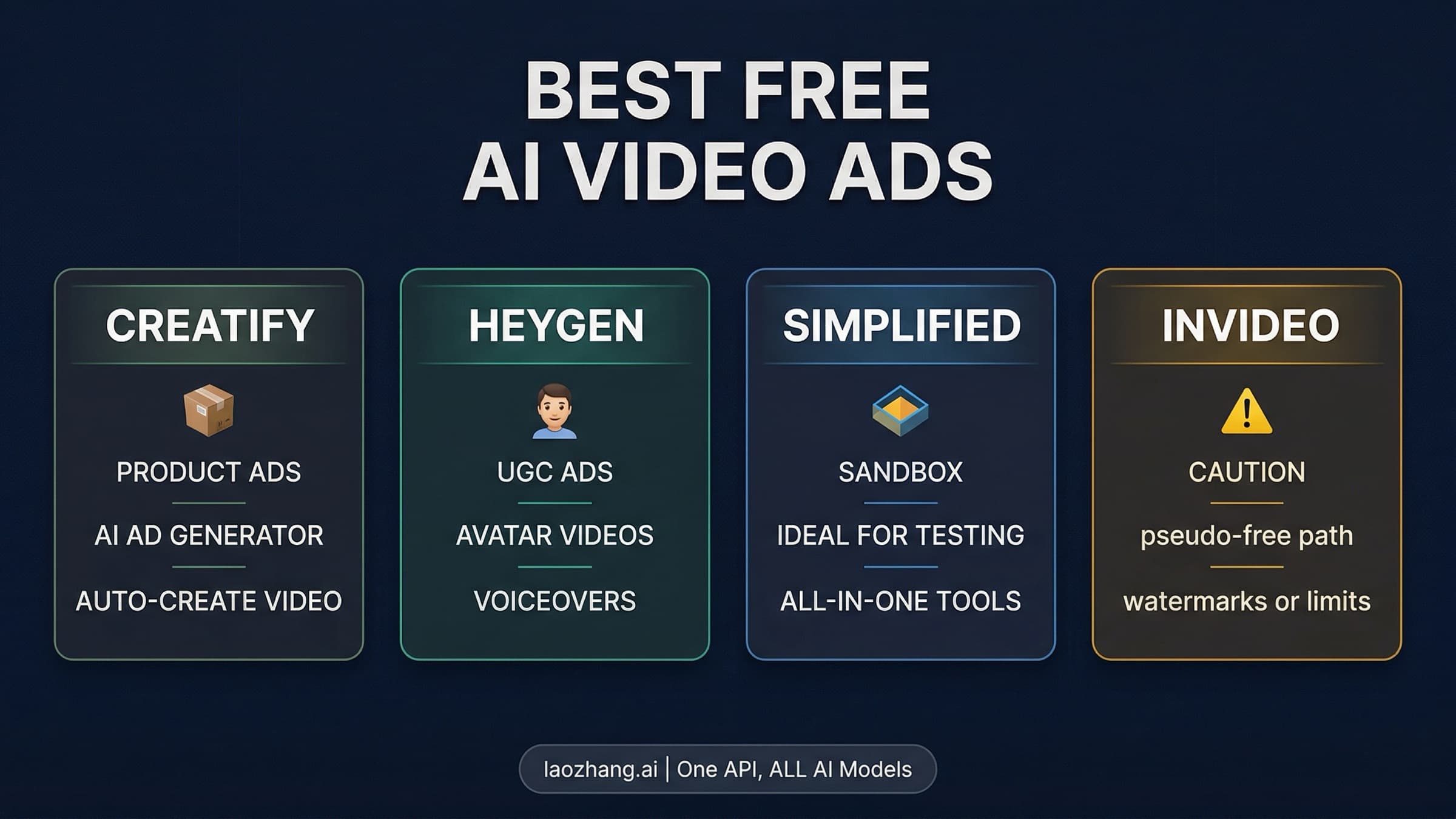
Best free AI video ad generator route map comparing product ads, spokesperson ads, sandbox tools, and mixed-contract options
AI Video Generation

Best Free AI Video Ad Generators in 2026: Which Ones Are Actually Free?

The best free AI video ad generator depends on how the ad starts. Creatify is the clearest free route for product-led ads, HeyGen is the cleanest free path for avatar-led ads, and some tools that rank for this query are not truly free generative ad workflows at all.

13 min
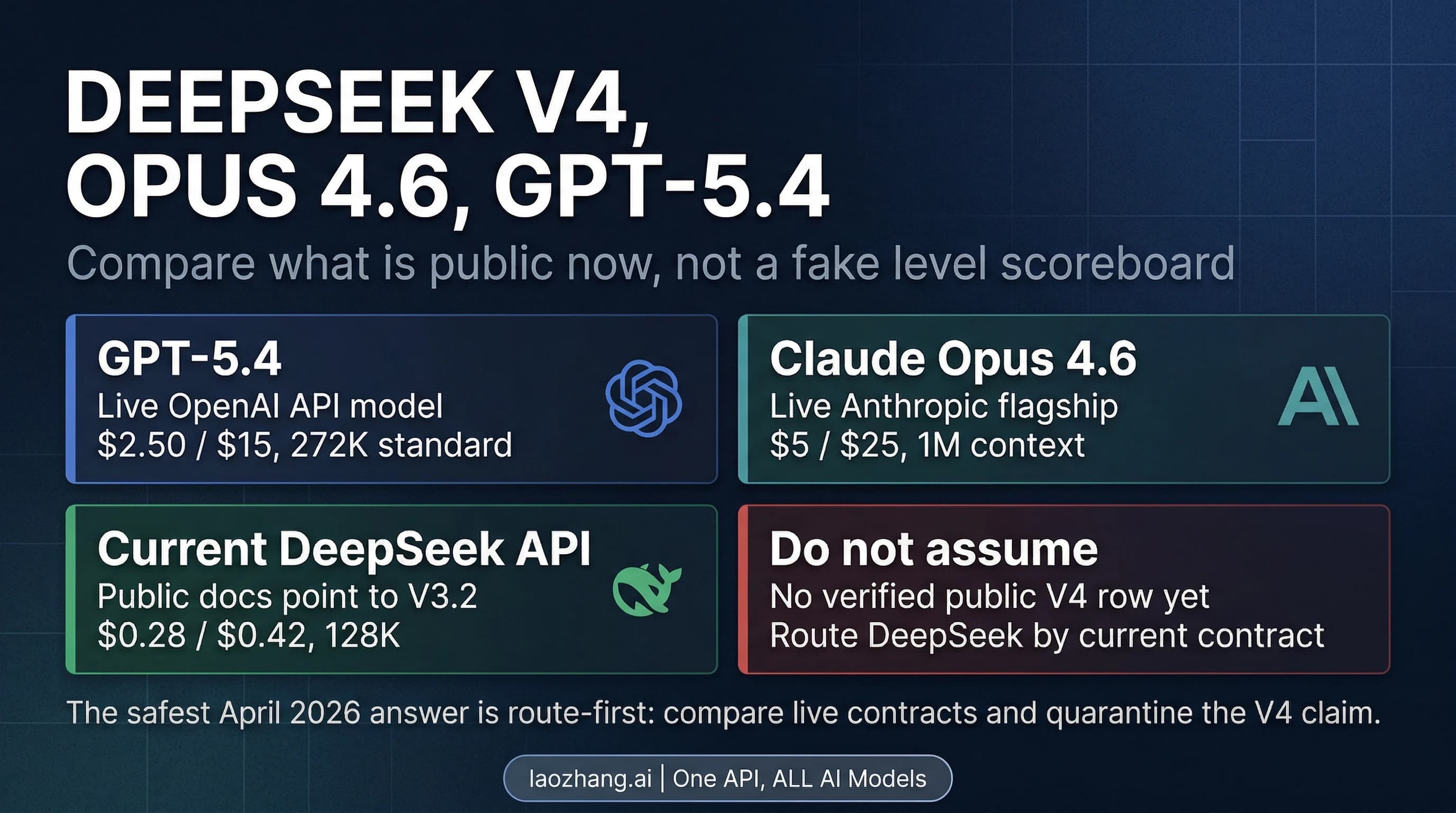
DeepSeek V4, Claude Opus 4.6, and GPT-5.4 comparison showing what is publicly documented in April 2026
Model Comparisons

DeepSeek V4 vs Claude Opus 4.6 vs GPT-5.4: What You Can Actually Compare in April 2026

If you need a production choice today, compare GPT-5.4 and Claude Opus 4.6 as the two clean current frontier contracts, then place DeepSeek through the current V3.2-backed public API rather than a not-yet-verified V4 row. GPT-5.4 is the clearest OpenAI route, Opus 4.6 is the premium long-horizon coding route, and current DeepSeek is the cost floor.

16 min
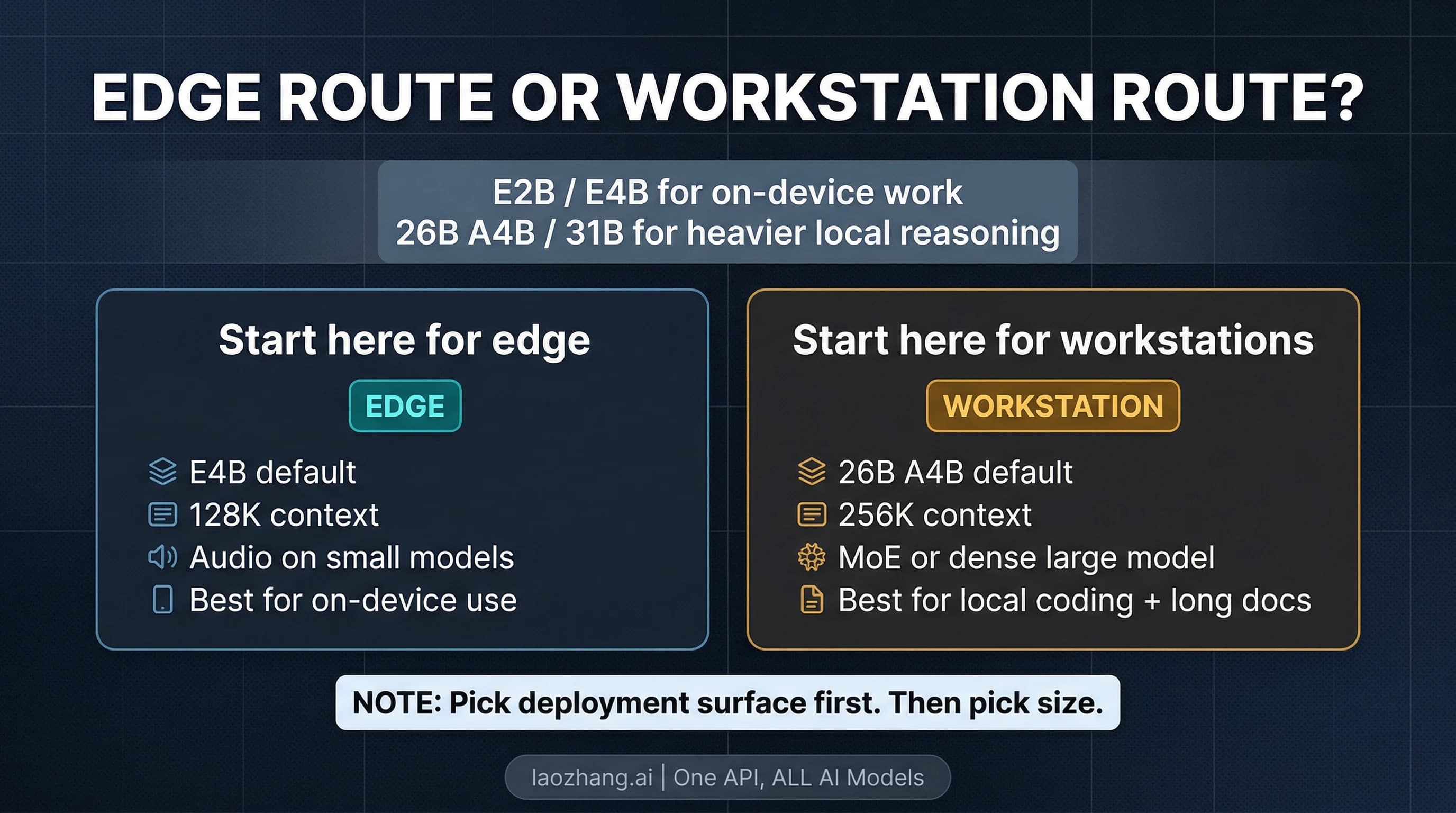
Gemma 4 guide cover showing the split between edge models and workstation models
Gemini & Google AI

Gemma 4 Guide: Which Model to Use and Where to Run It

Gemma 4 is not one model. It is a four-model open family with a clear practical split: E2B and E4B for edge and on-device work, 26B A4B and 31B for workstation-class local inference. This guide helps you pick the right branch and the right place to run it.

12 min
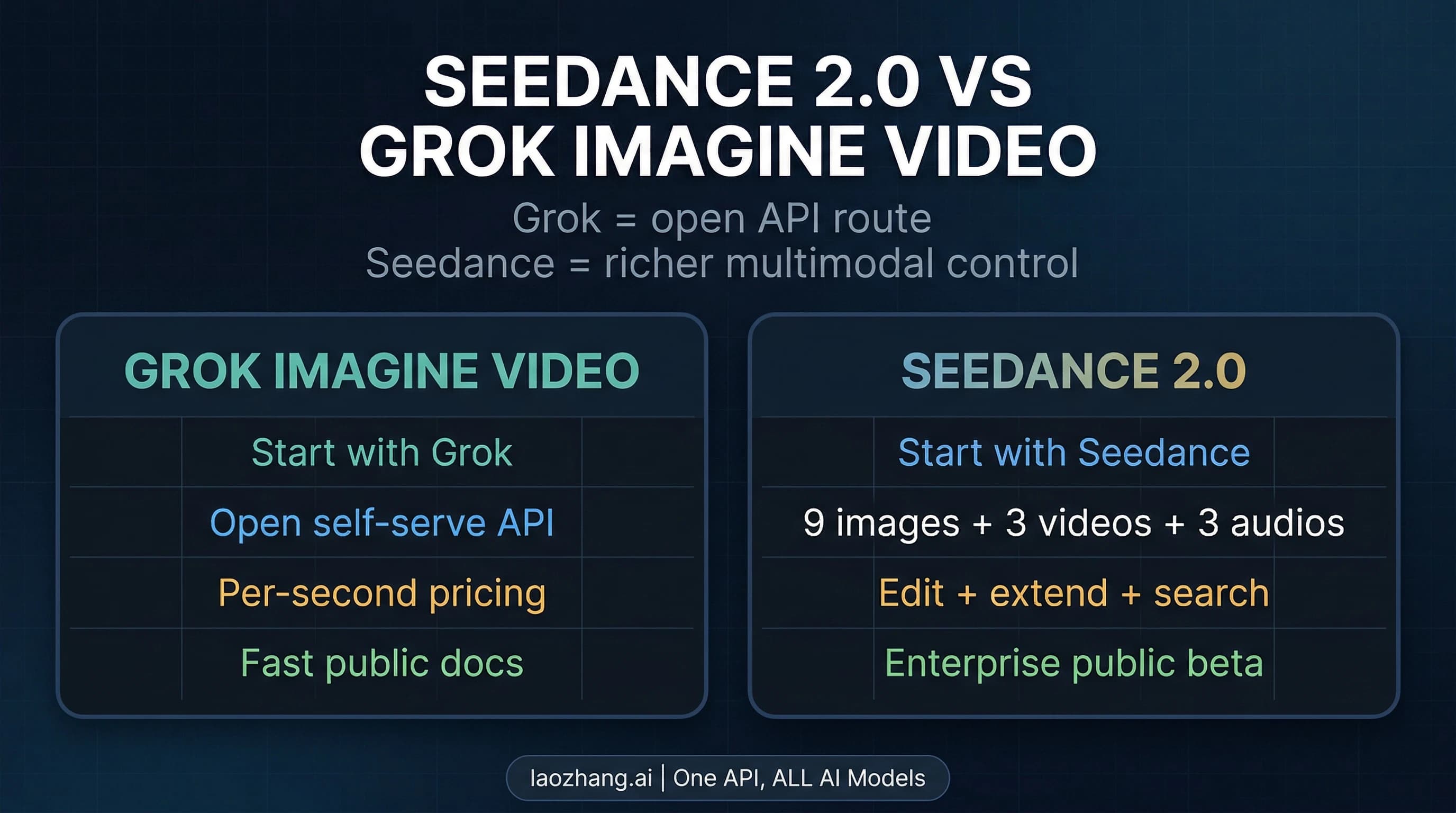
Seedance 2.0 and Grok Imagine Video comparison showing access versus control
AI Video Generation

Seedance 2.0 vs Grok Imagine Video: Pick Control or Access?

Start with Grok Imagine Video if you need the easier public API and simpler pricing today. Start with Seedance 2.0 if you need a richer multimodal video workflow with more image, video, and audio conditioning inside one official surface.

10 min
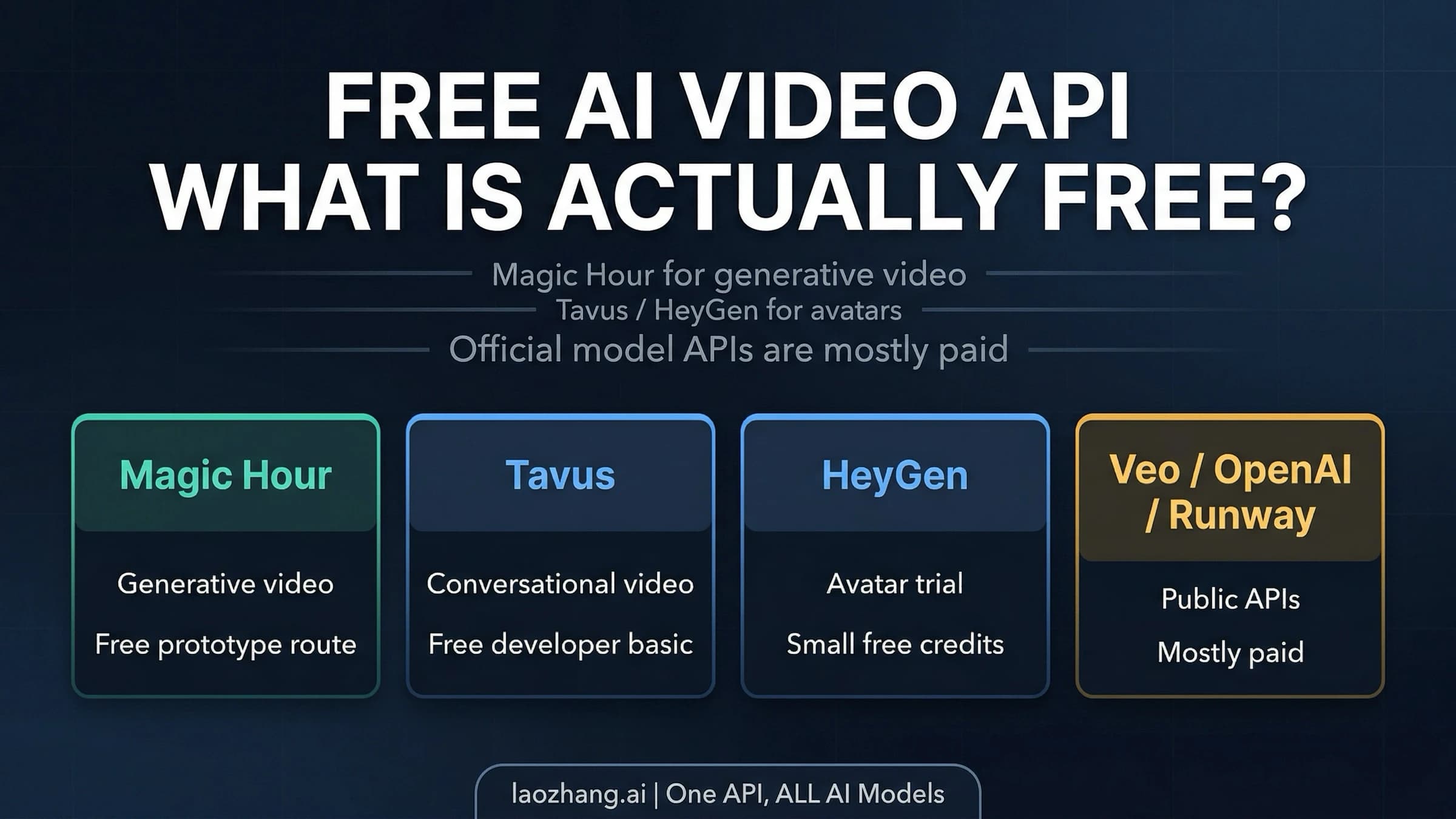
Best free AI video API comparison showing generative video, avatar video, and paid official model API routes
API Guides

Best Free AI Video API in 2026: Which Ones Are Actually Free?

If you want one free AI video API for real text-to-video or image-to-video prototyping, start with Magic Hour. If you need conversational or avatar video, Tavus is the better free route and HeyGen is the easiest small trial. If you mean official model APIs like Veo, OpenAI's public video API, or Runway's public API, the honest answer is that those routes are mostly paid.

10 min
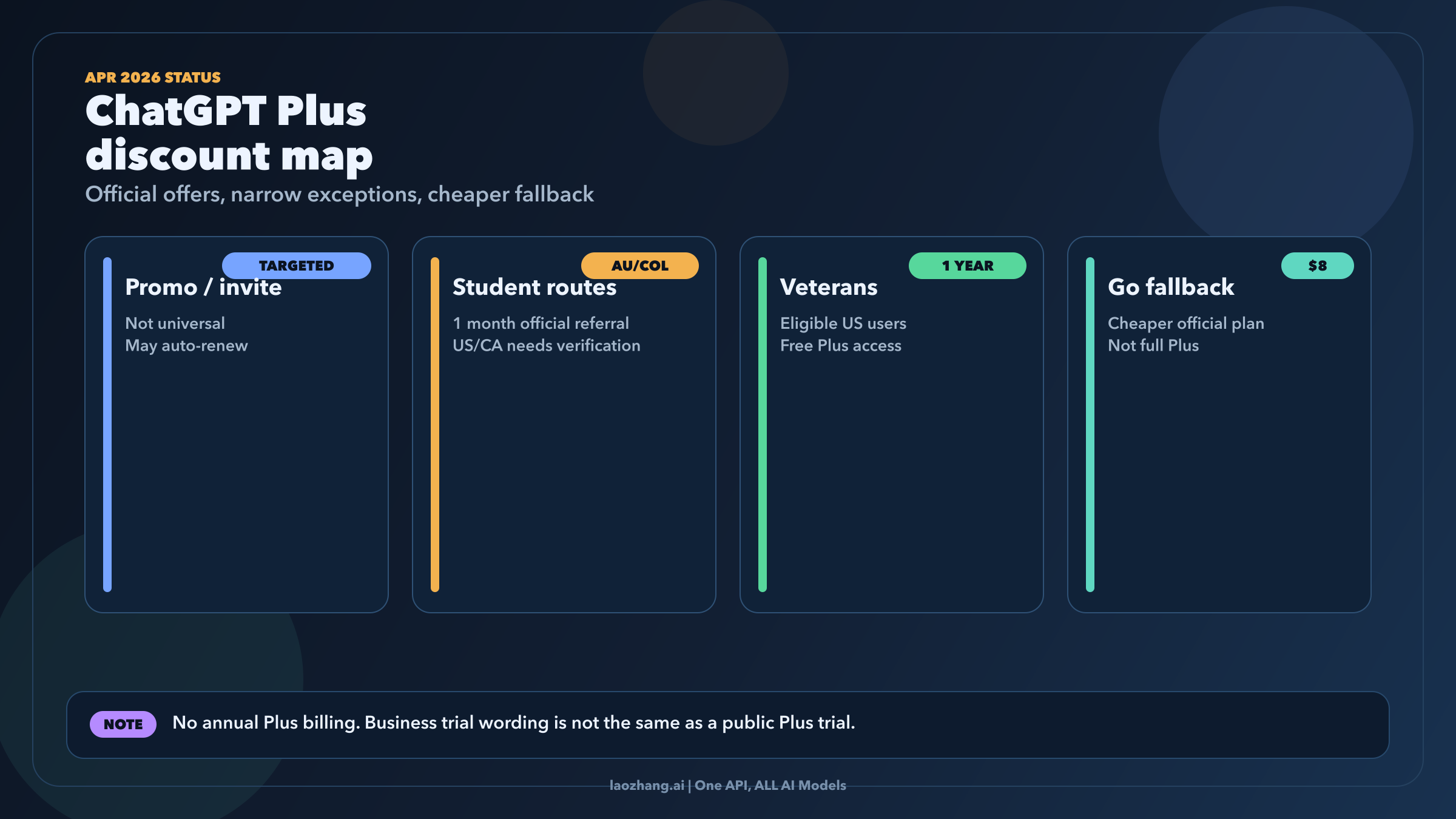
Route map showing the real ChatGPT Plus savings lanes in 2026
ChatGPT & OpenAI

ChatGPT Plus Discount Guide 2026: What Still Works and the Cheapest Legitimate Paths

As of April 2, 2026, ChatGPT Plus does not have a standing public annual or universal discount. The real ways to pay less are targeted OpenAI promos or invite offers, a few narrow student or veteran exceptions, and ChatGPT Go at $8 per month if what you really need is a lower official bill rather than full Plus.

16 min
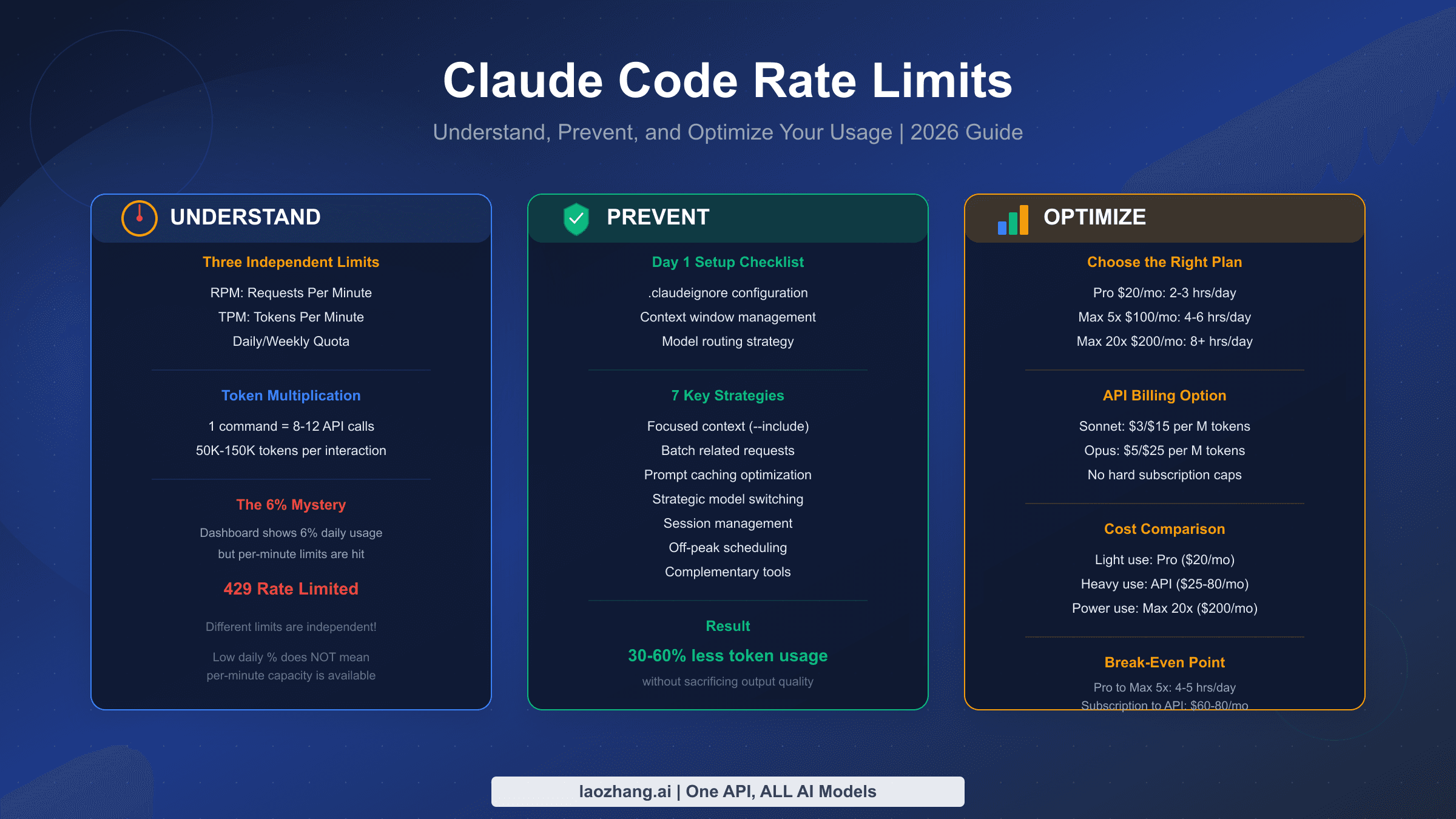
Claude Code token usage guide covering tracking, reduction, and plan choices
Claude Code

Claude Code Token Usage Guide: How to Track, Reduce, and Plan Around Limits (2026)

Claude Code does not have one universal usage meter. On Pro and Max plans, usage is shared across Claude and Claude Code and tracked through five-hour session and weekly limits. In API mode, usage is measured with RPM, input tokens per minute, output tokens per minute, and spend caps. This guide explains why Claude Code drains so fast, how to check it with `/status` and `/cost`, and how to reduce usage without giving up the workflow.

18 min
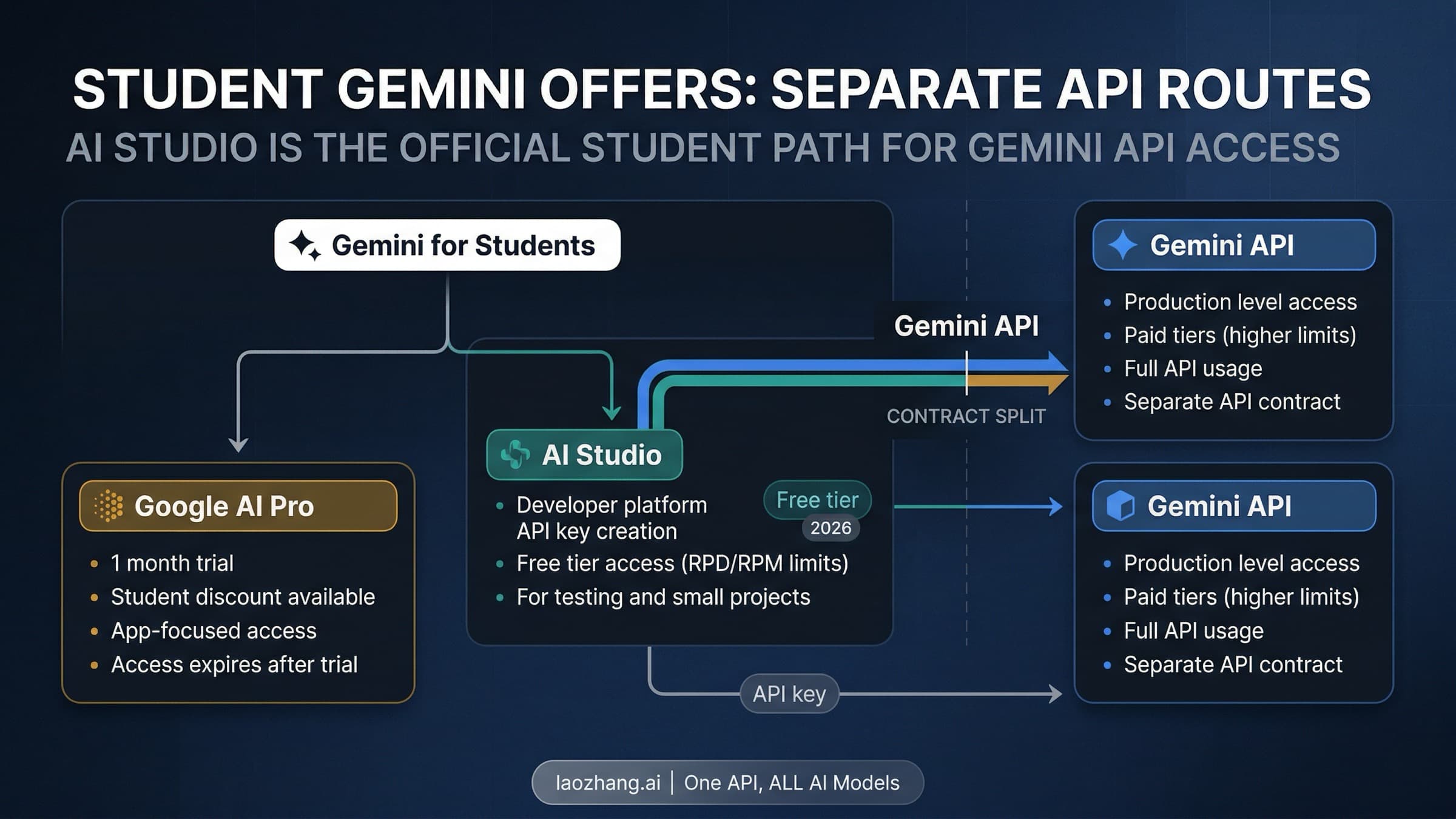
Gemini student offer versus Gemini API free tier contract split
API Guides

Gemini API Key Free for Students? What's Actually Free in 2026

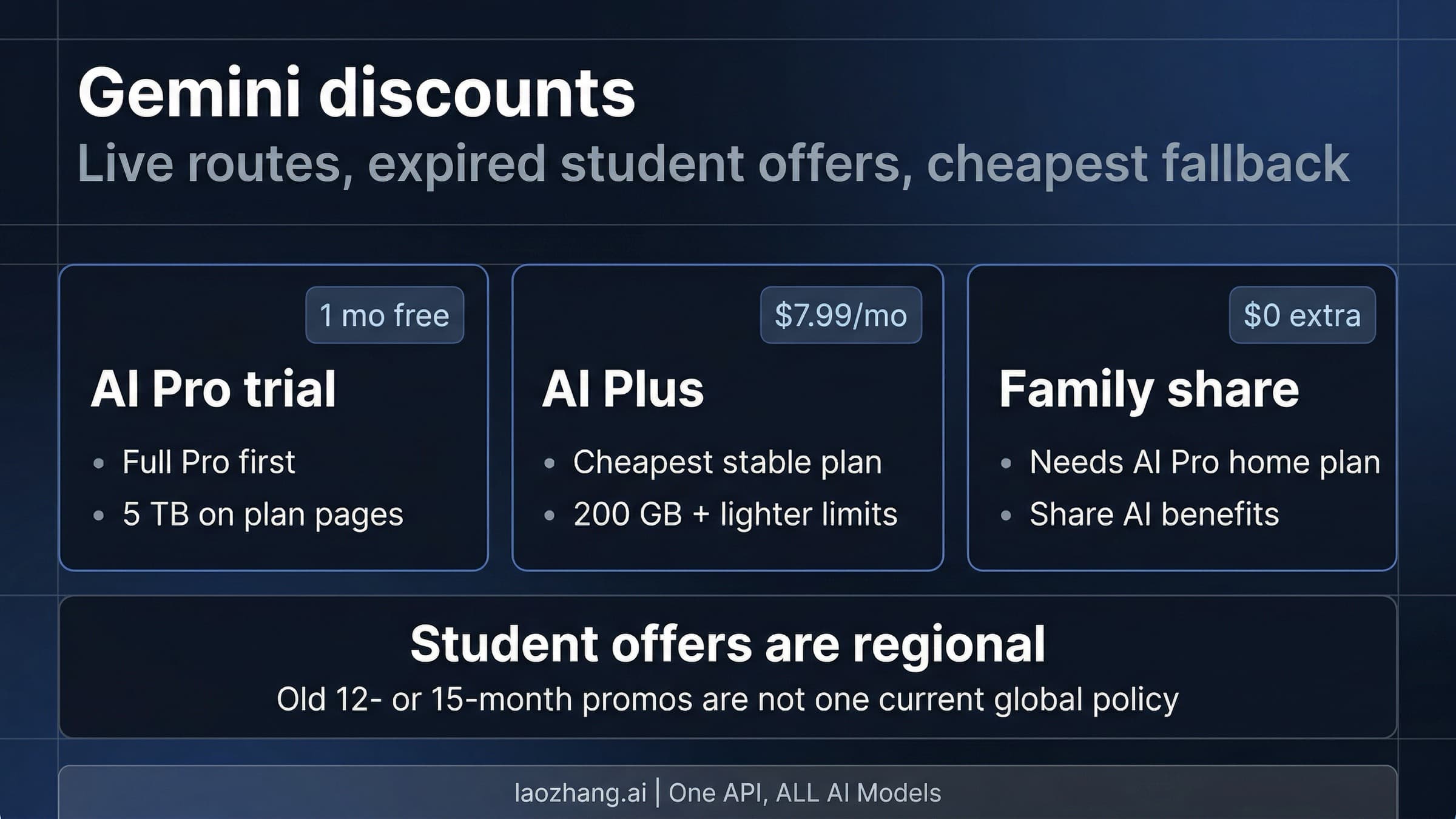
Students can still get a free Gemini API key in 2026, but not through a special education-only program. The real path is Google AI Studio's standard Gemini API free tier, while the student-facing Google AI Pro offer is a separate Gemini app bundle that currently does not list API credits.

11 min
OpenAI auth overview showing API key as the default credential and org or project IDs as conditional scope selectors
API Guides

OpenAI API Key and Organization ID: What You Actually Need in 2026

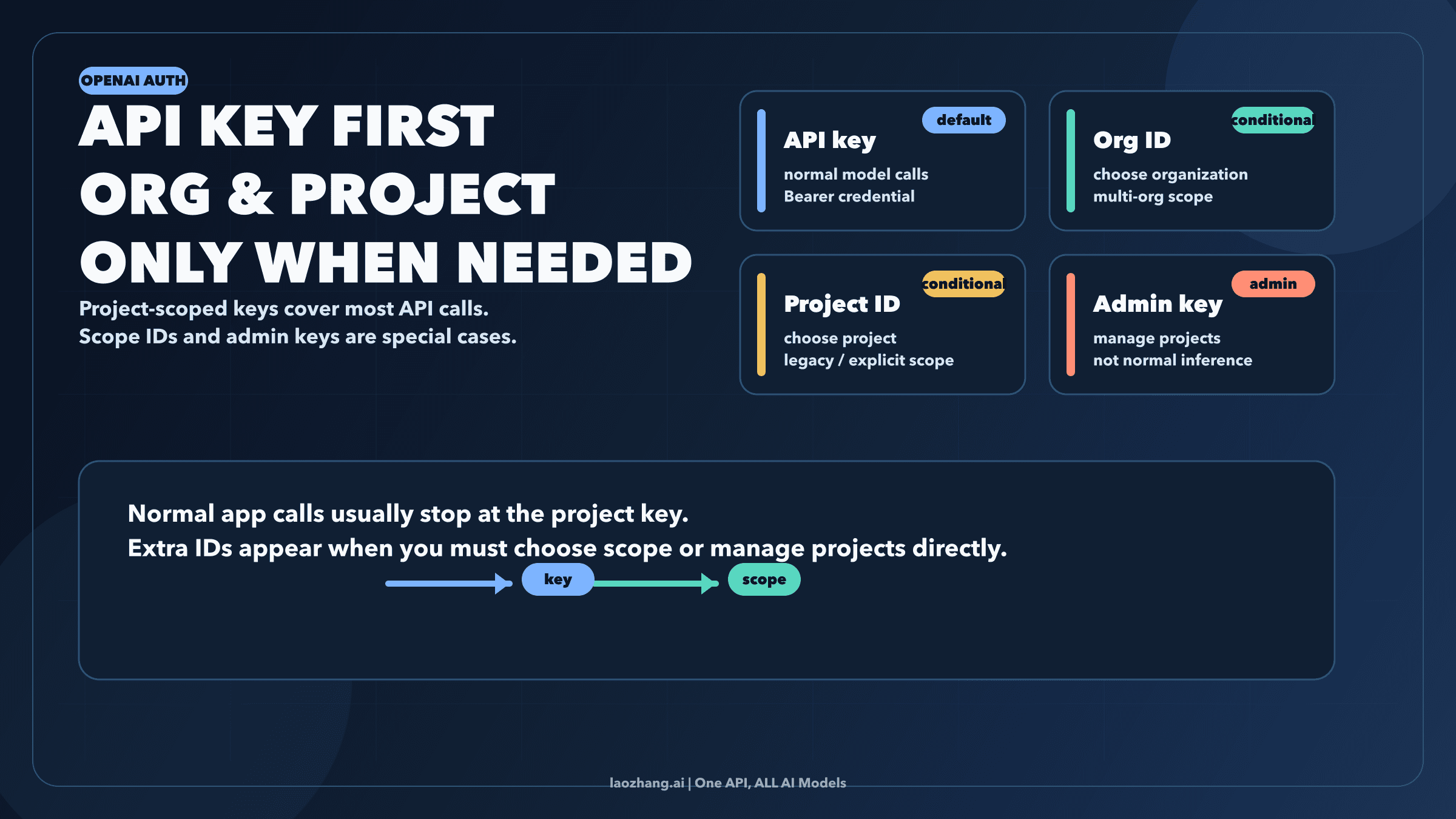
OpenAI's API auth is project-first now. For most developers, `OPENAI_API_KEY` is enough. Organization ID and project ID still matter, but mainly when you must choose scope explicitly or when you're using admin endpoints rather than normal inference.

10 min
Wan 2.7 versus Seedance 2.0 comparison showing image workflow on one side and video workflow on the other
AI Video Generation

Wan 2.7 vs Seedance 2.0: Pick by Workflow, Not by Hype

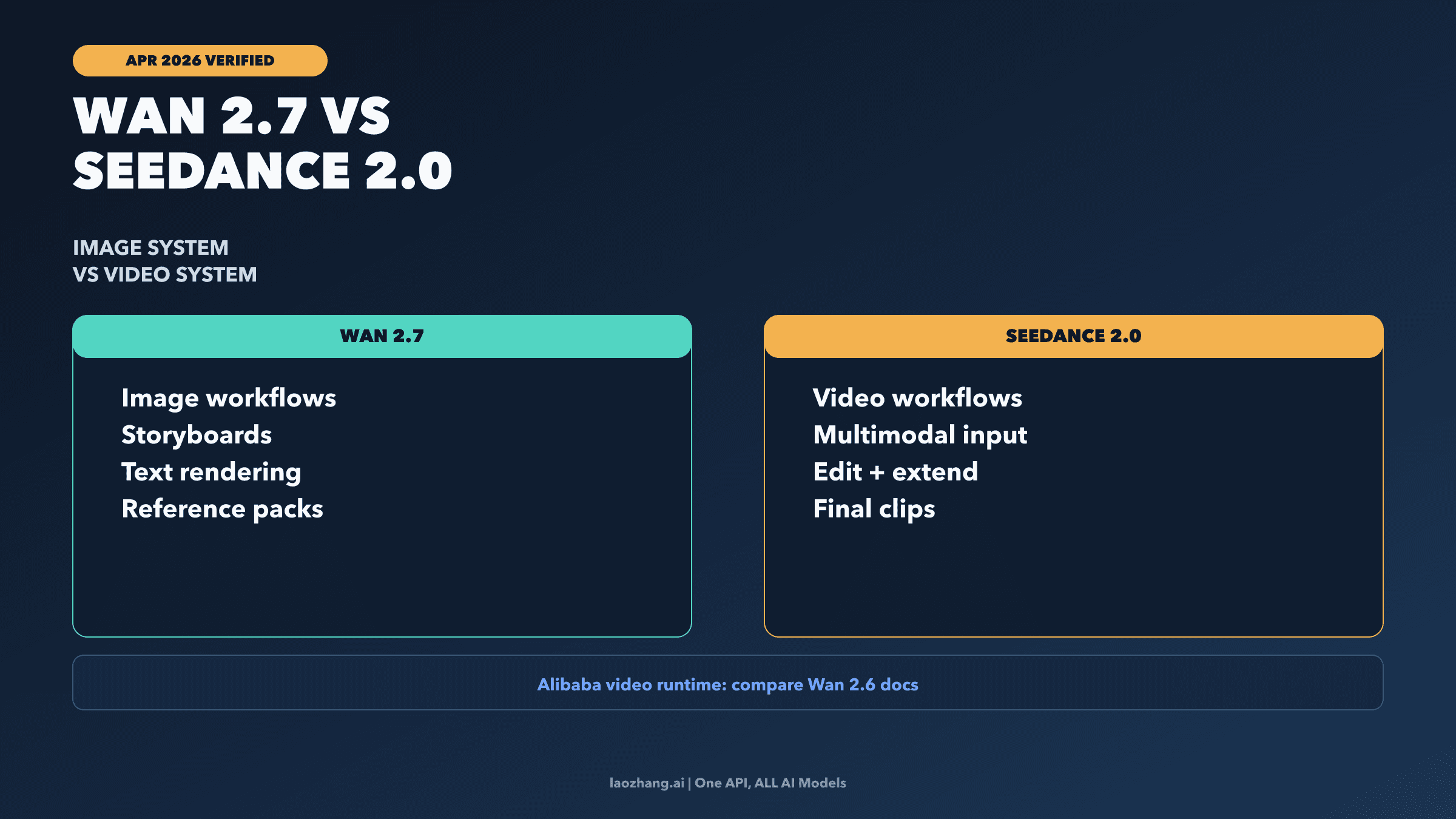
Wan 2.7 is Alibaba's image-first release; Seedance 2.0 is ByteDance's multimodal video system. The useful decision is not which model is 'better overall,' but which workflow layer you are actually choosing for: still-image ideation, final video generation, or a two-model pipeline.

11 min
Route map showing Brave Search, LLM Context, Answers, and Place Search as separate builder paths
API Guides

Brave Search API in 2026: Search vs Answers, Pricing, and First Working Requests

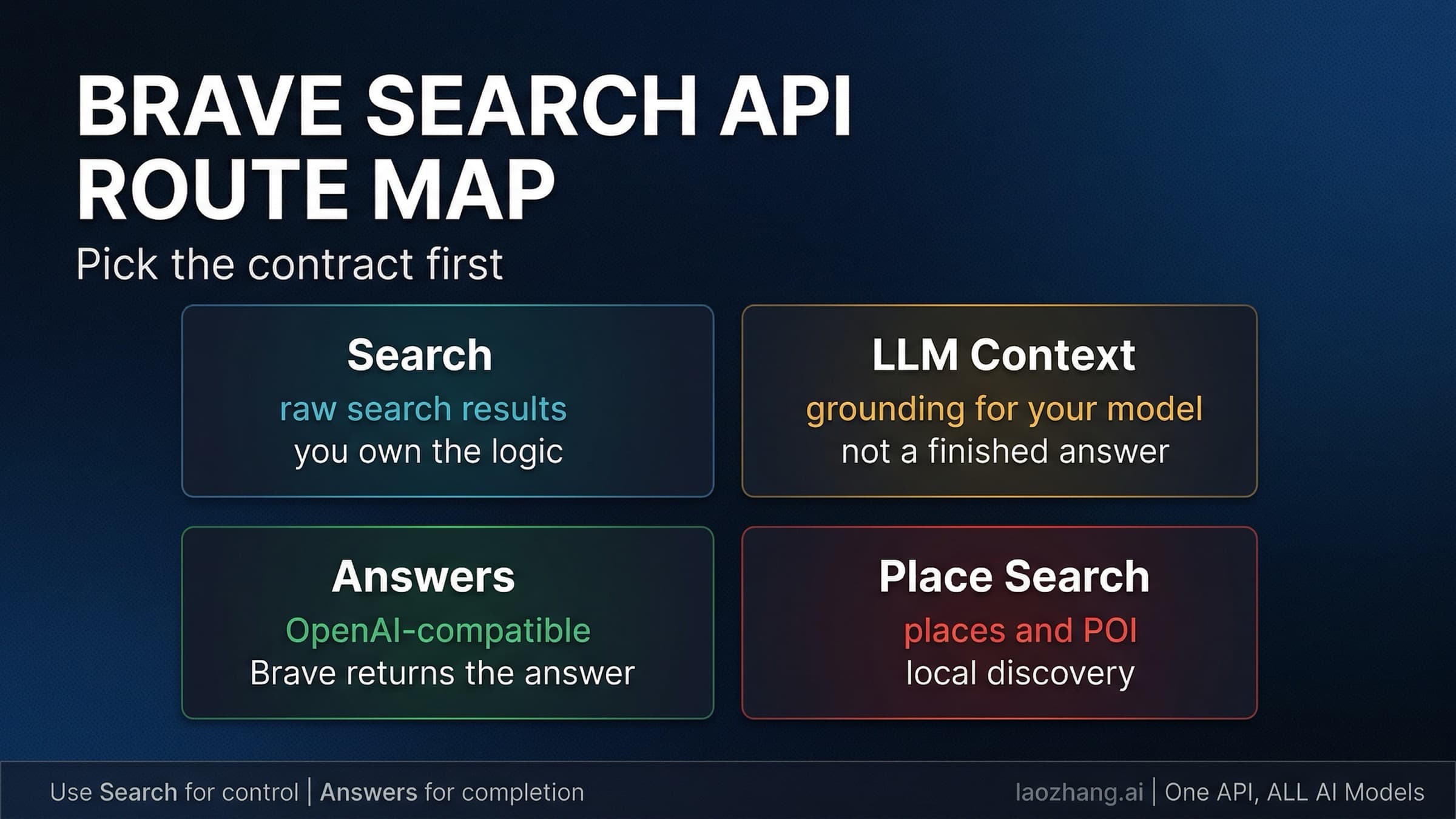
If you want the Brave Search API today, start by choosing between Search and Answers. Search is the better default when you want raw results, LLM Context, or specialized search endpoints and still own the application logic yourself. Answers is the OpenAI-compatible path when you want Brave to return the grounded answer.

14 min
Claude Code leak reality shown beside public model and account contract facts
Claude Code

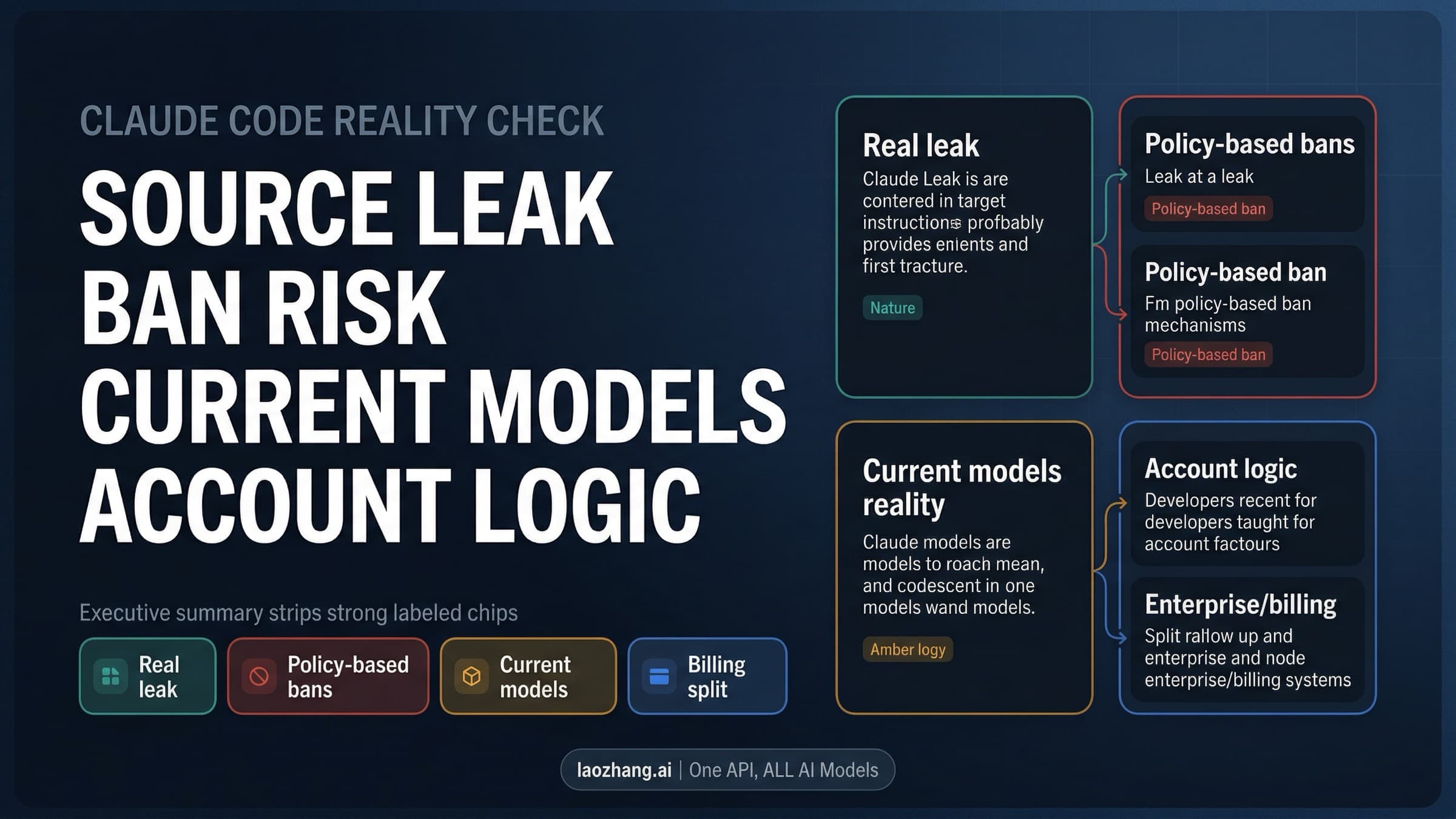
Claude Code Source Code Leak: Ban Risk, Current Models, and Account Logic Explained (2026)

Claude Code really did have a source-code leak in March 2026. Anthropic says it was a packaging mistake, not a breach, and that no customer data or credentials were exposed. The harder part is separating that fact from the actual ban surface, Anthropic's current cyber safeguards, the current model lineup, and the real Claude vs Console account split.

16 min
Claude Sonnet 4.6 and DeepSeek shown as separate layers from the observed identity-confusion answer
Claude & Anthropic

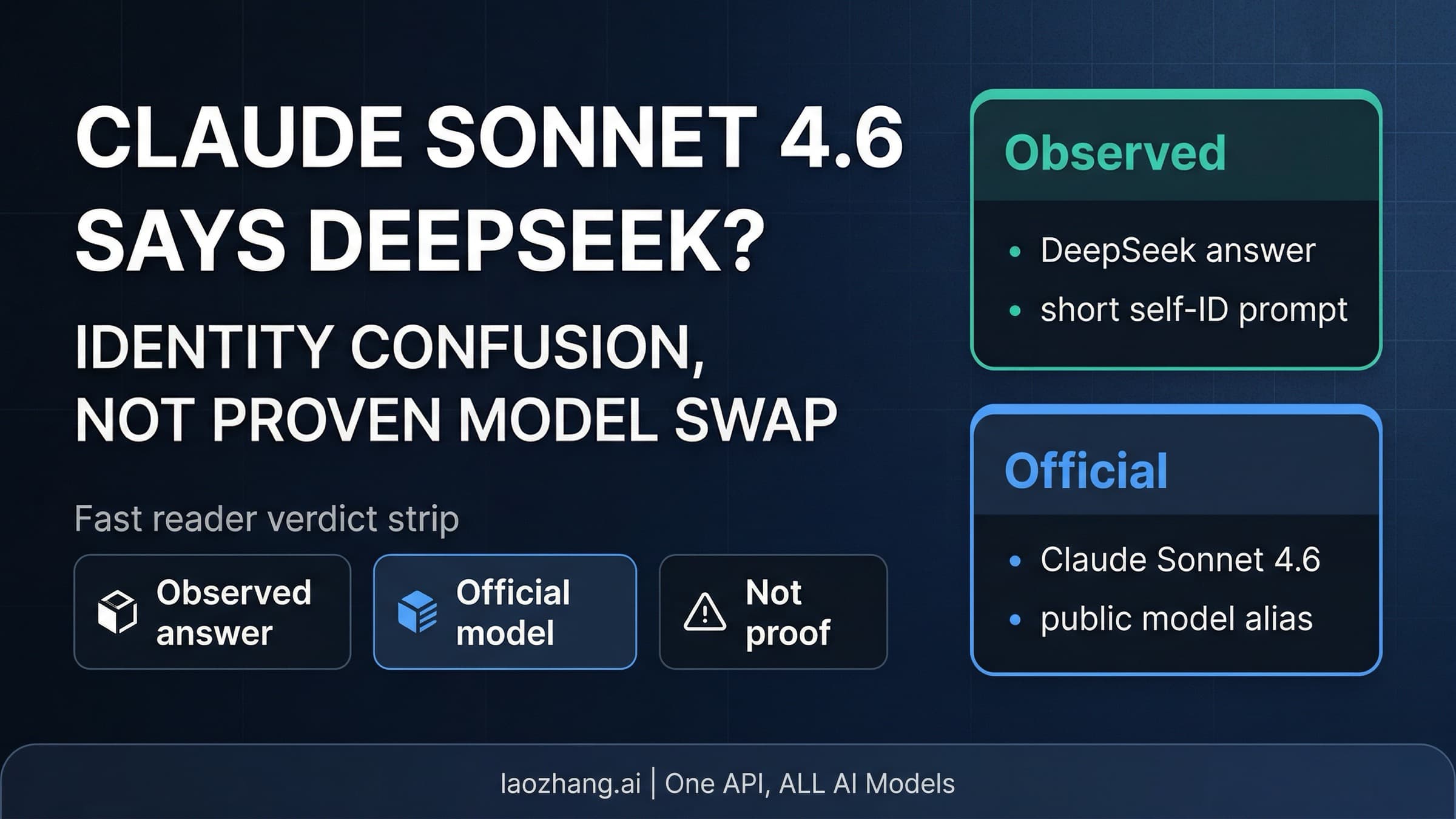
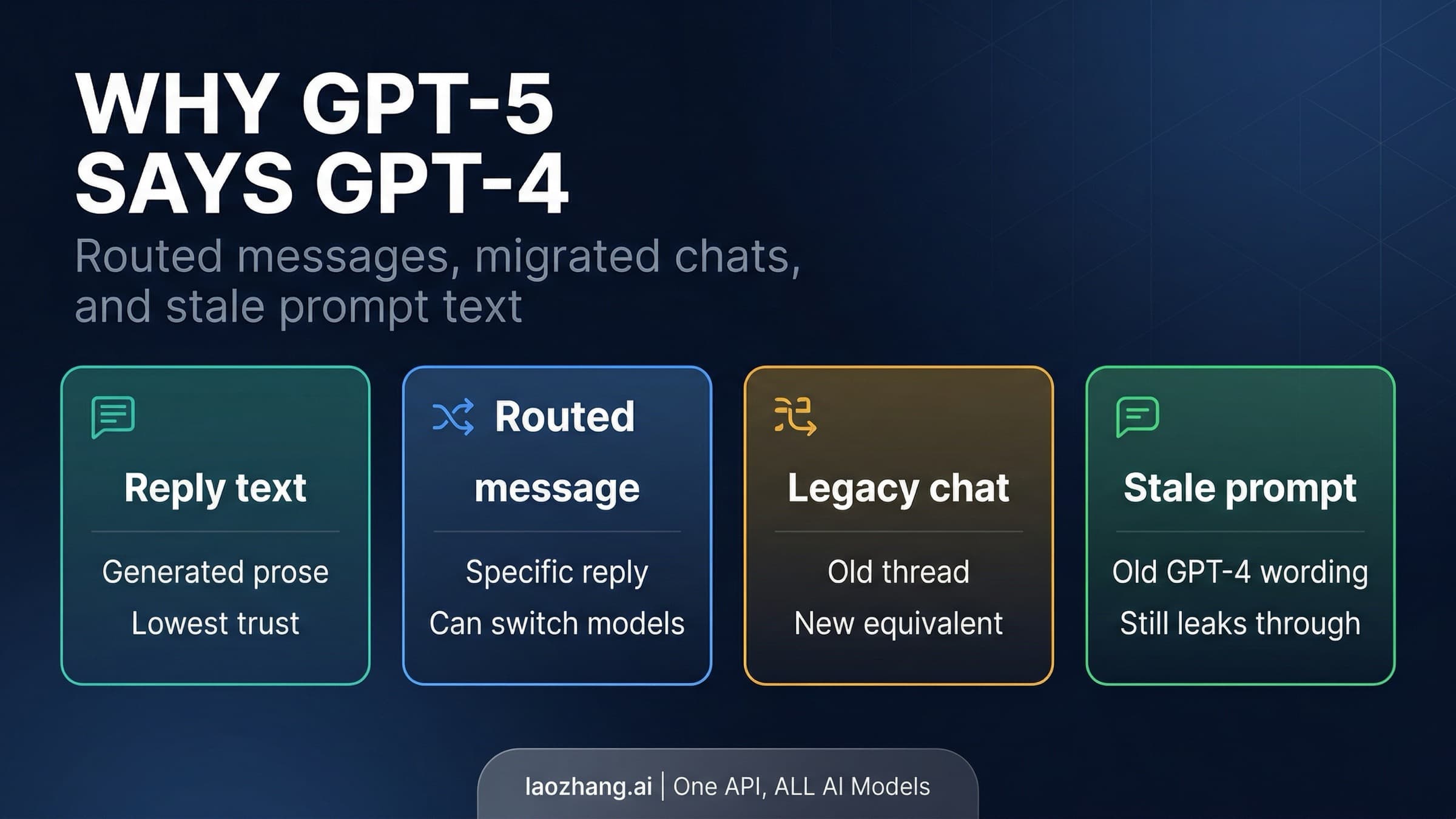
Why Claude Sonnet 4.6 Says DeepSeek: What It Likely Means, and What It Doesn't

Claude Sonnet 4.6 can sometimes answer that it is DeepSeek when its identity is weakly anchored, especially in Chinese-language self-identification prompts. That output is real enough to explain, but it is not proof that Anthropic secretly replaced Sonnet with DeepSeek or that one screenshot proves distillation.

12 min
Three-surface map showing why Nano Banana Pro can feel different across Gemini Apps, AI Mode, and the API
AI Image Generation

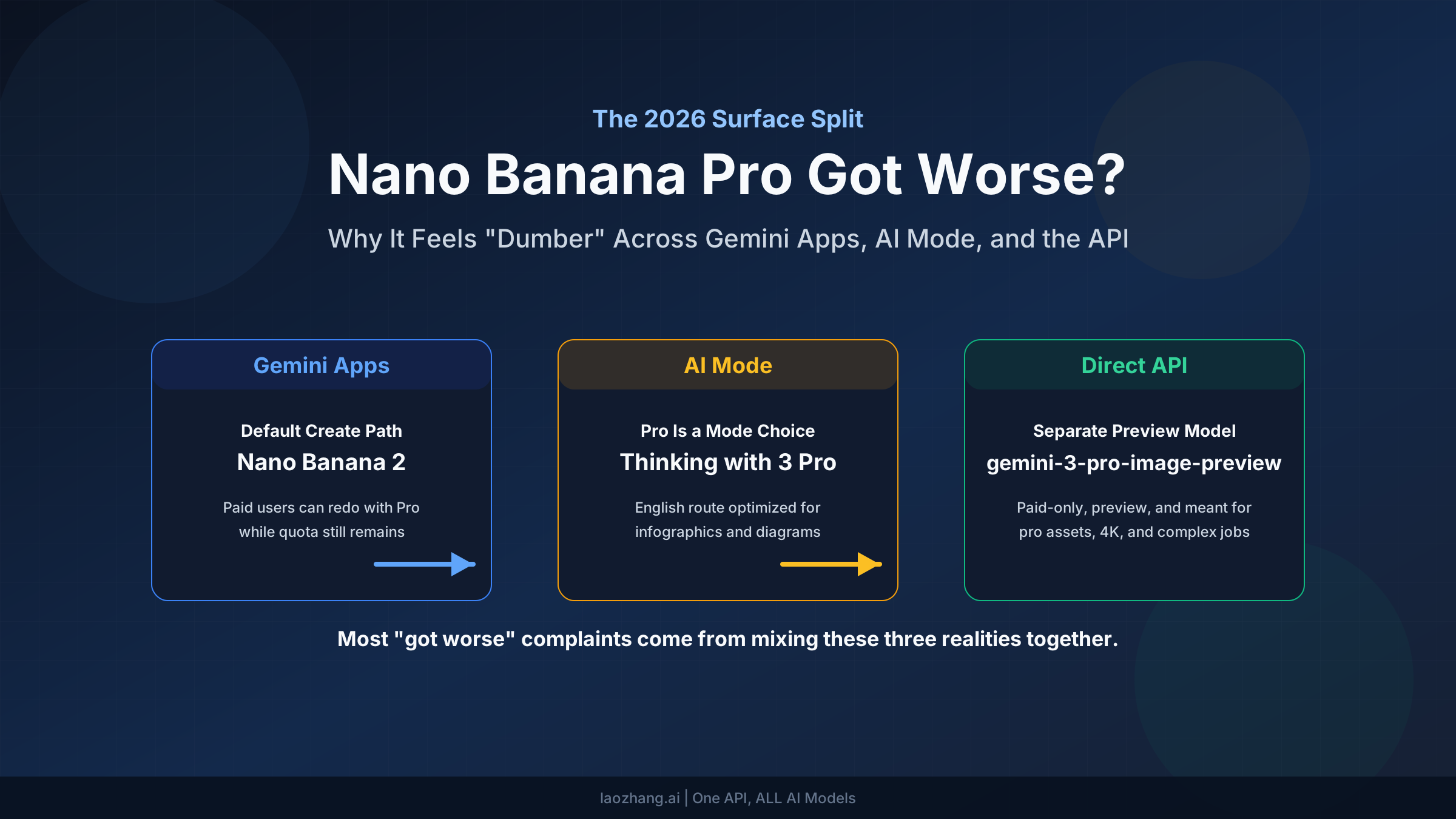
Nano Banana Pro Got Worse? Why It Feels 'Dumber' in 2026

Nano Banana Pro has not turned into one universally worse model. As of April 1, 2026, the bigger change is that Google now exposes Pro differently across Gemini Apps, AI Mode, and the API. This guide explains what changed, why it now feels inconsistent, and what to fix first.

11 min
OpenAI Codex March 2026 capability stack showing GPT-5.4, app workflows, security, and mini subagents
Developer Tools & Agents

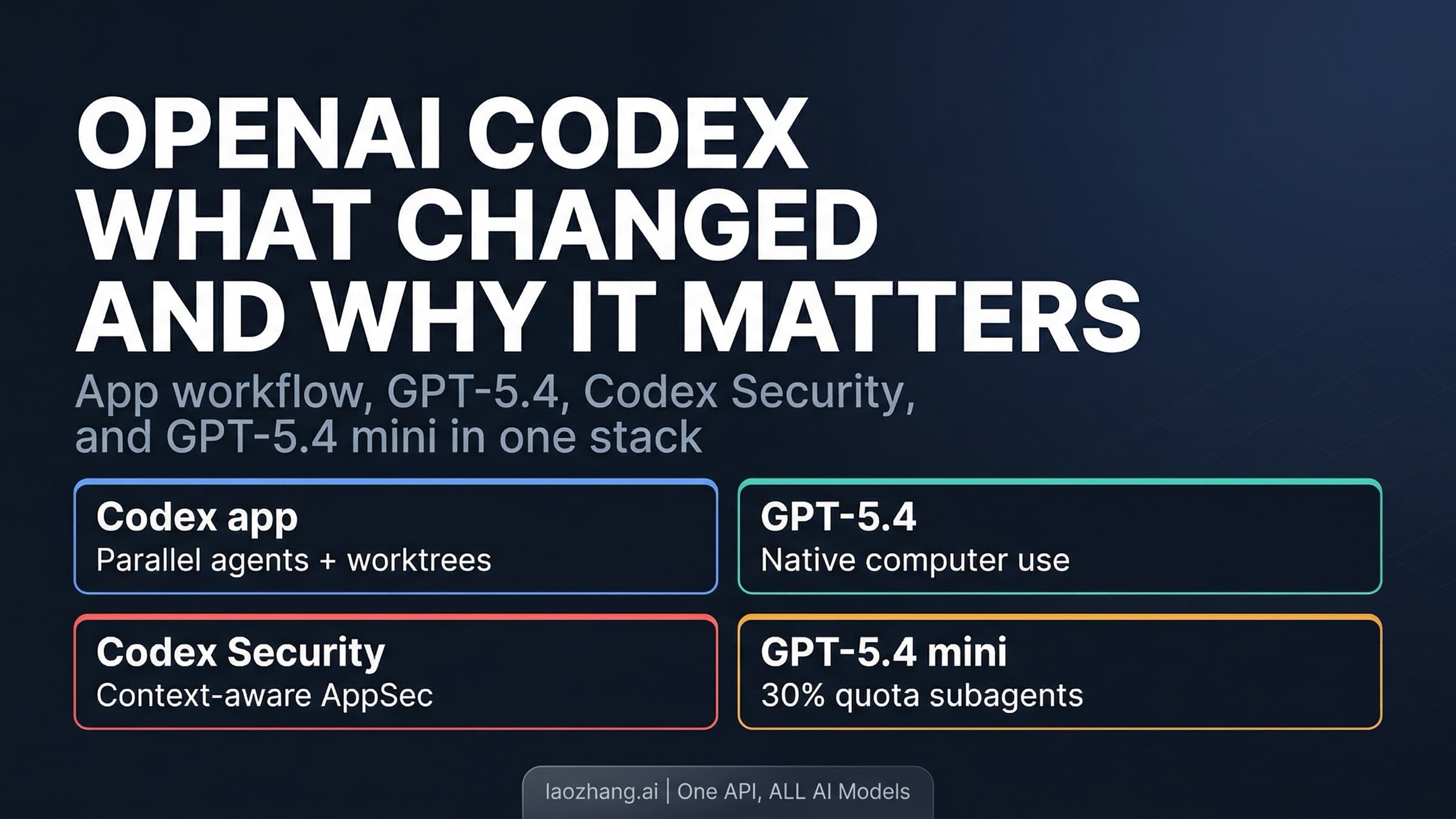
OpenAI Codex in March 2026: What's New and What It Can Do Now

March 2026 was the month Codex started making sense as a full agent system rather than a loose collection of surfaces. GPT-5.4 became the new core model, GPT-5.4 mini changed cheaper task routing, Codex Security entered research preview, and the app made parallel agents, worktrees, skills, and automations much easier to use.

11 min
Claude Code Max quota consumption abnormal diagnosis and fix guide
Claude Code

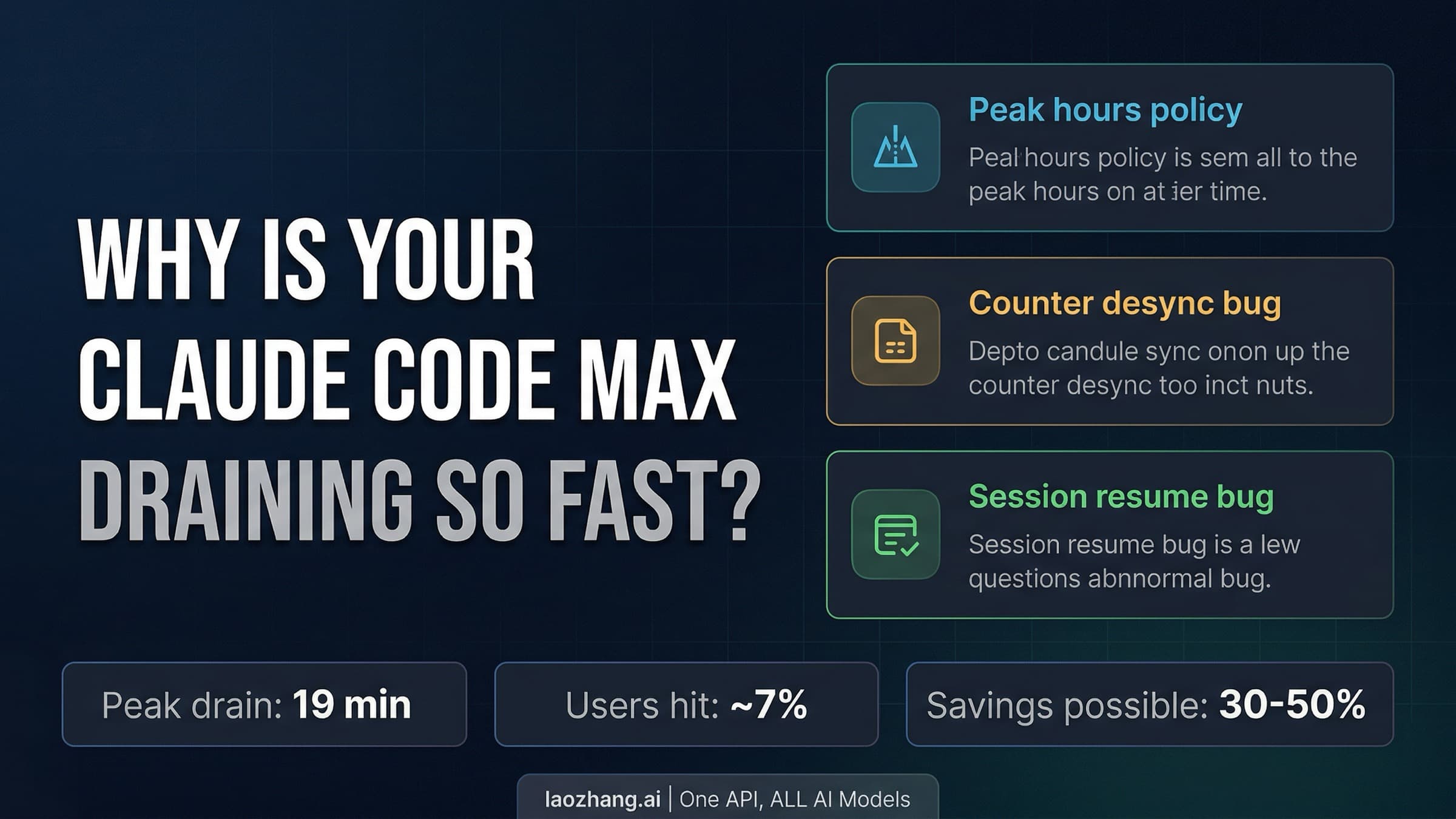
Claude Code Max Quota Consumption Abnormal? Complete Diagnosis and Fix Guide (2026)

Since March 23, 2026, Claude Code Max subscribers report abnormally fast quota exhaustion — sessions draining in as little as 19 minutes instead of 5 hours. This guide explains the three root causes (peak hours policy, counter desync bugs, session resume bugs), provides a systematic diagnostic framework, and shares 12 proven strategies to reduce token consumption by 30-50%.

24 min
Nano Banana 2 API proxy provider comparison covering price stability and TCO
AI Image Generation

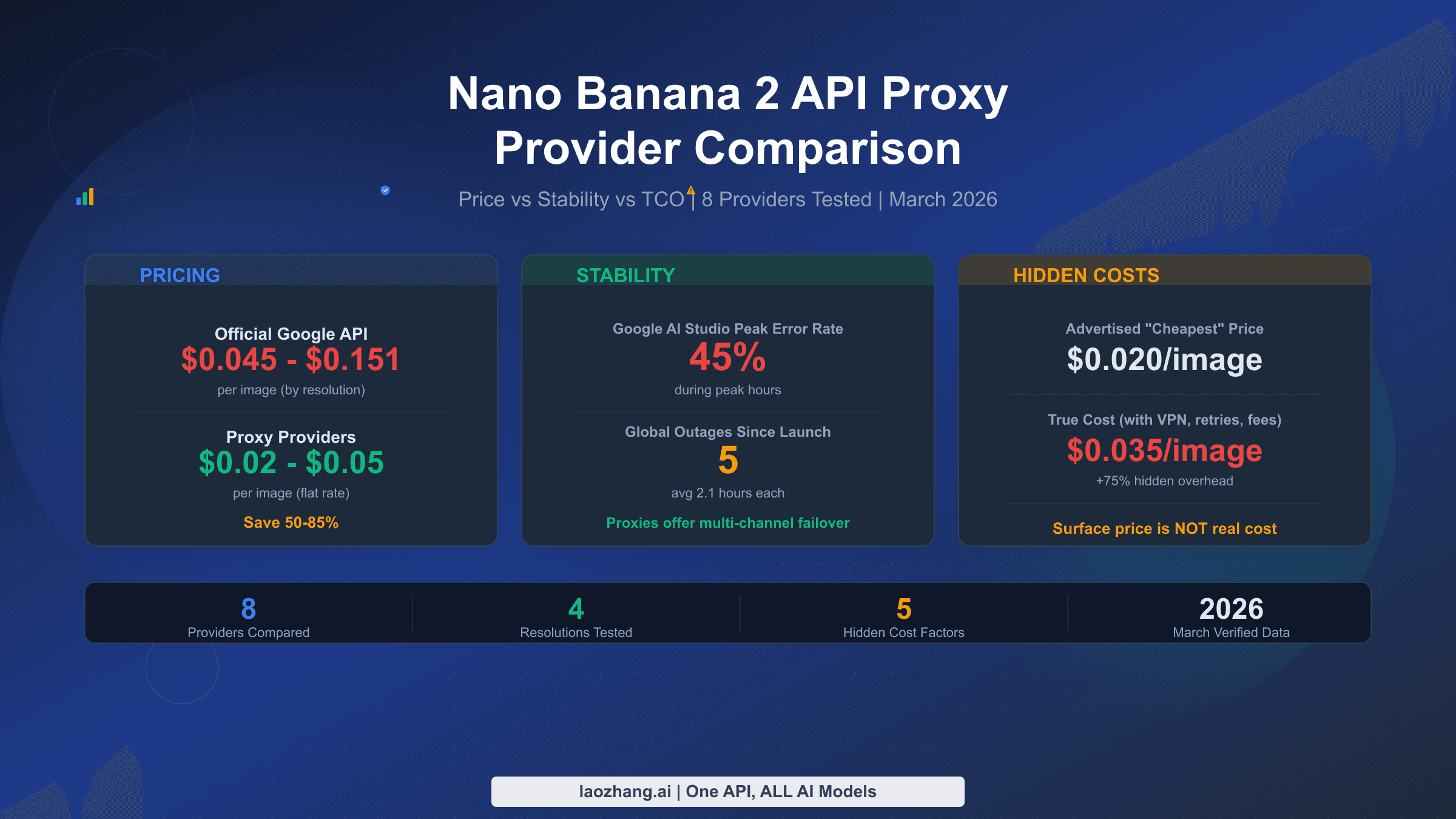
Nano Banana 2 API Proxy Comparison: Price, Stability & True Cost Analysis [2026]

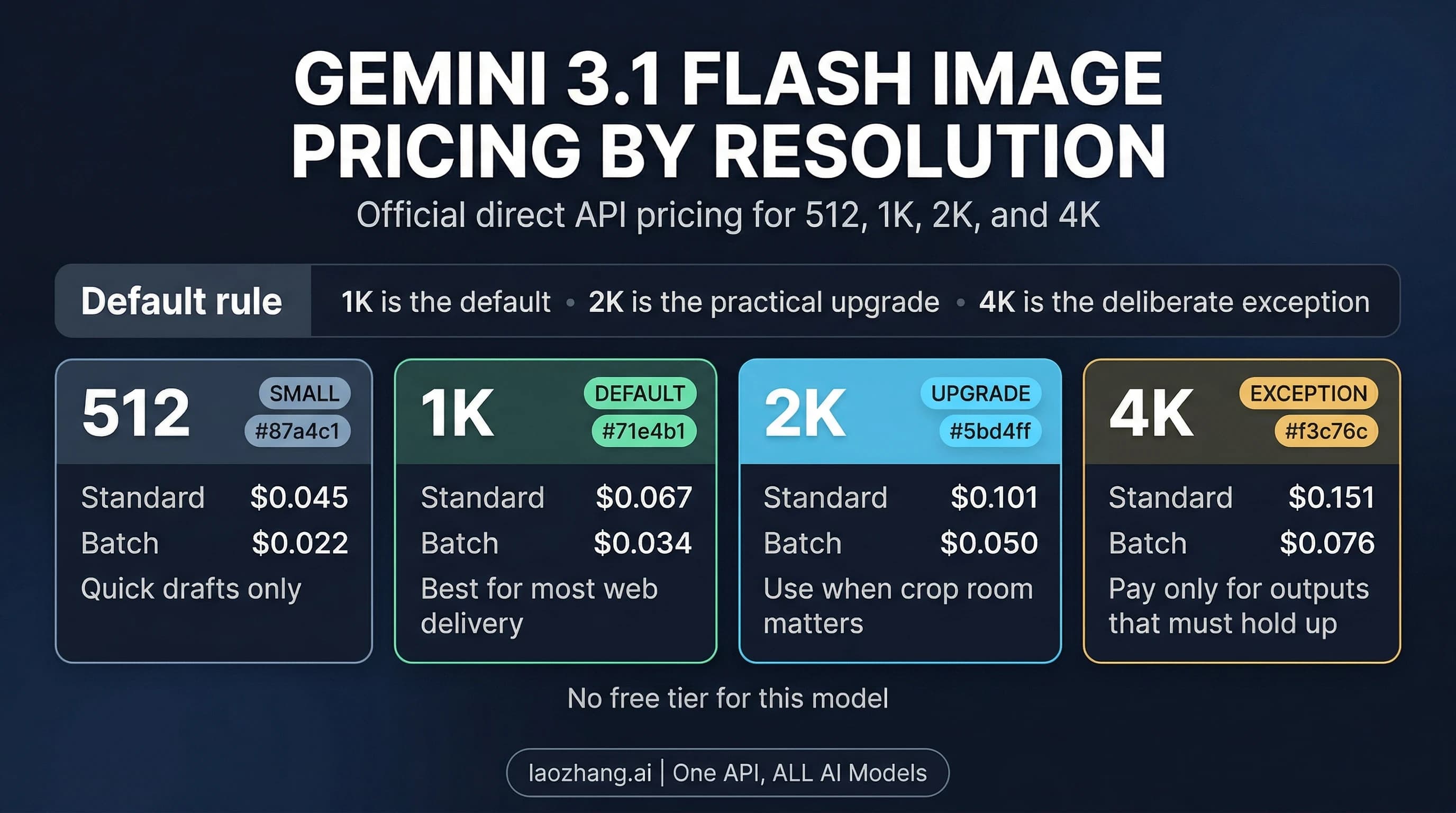
Eight Nano Banana 2 API proxy providers charge between $0.02 and $0.05 per image, compared to Google's official $0.045–$0.151. But surface price hides 50–150% in additional costs from VPN fees, retry failures, and payment overhead. This guide compares every provider on pricing, stability, hidden costs, and security—with a scenario-based decision framework to find the right fit for your use case.

18 min