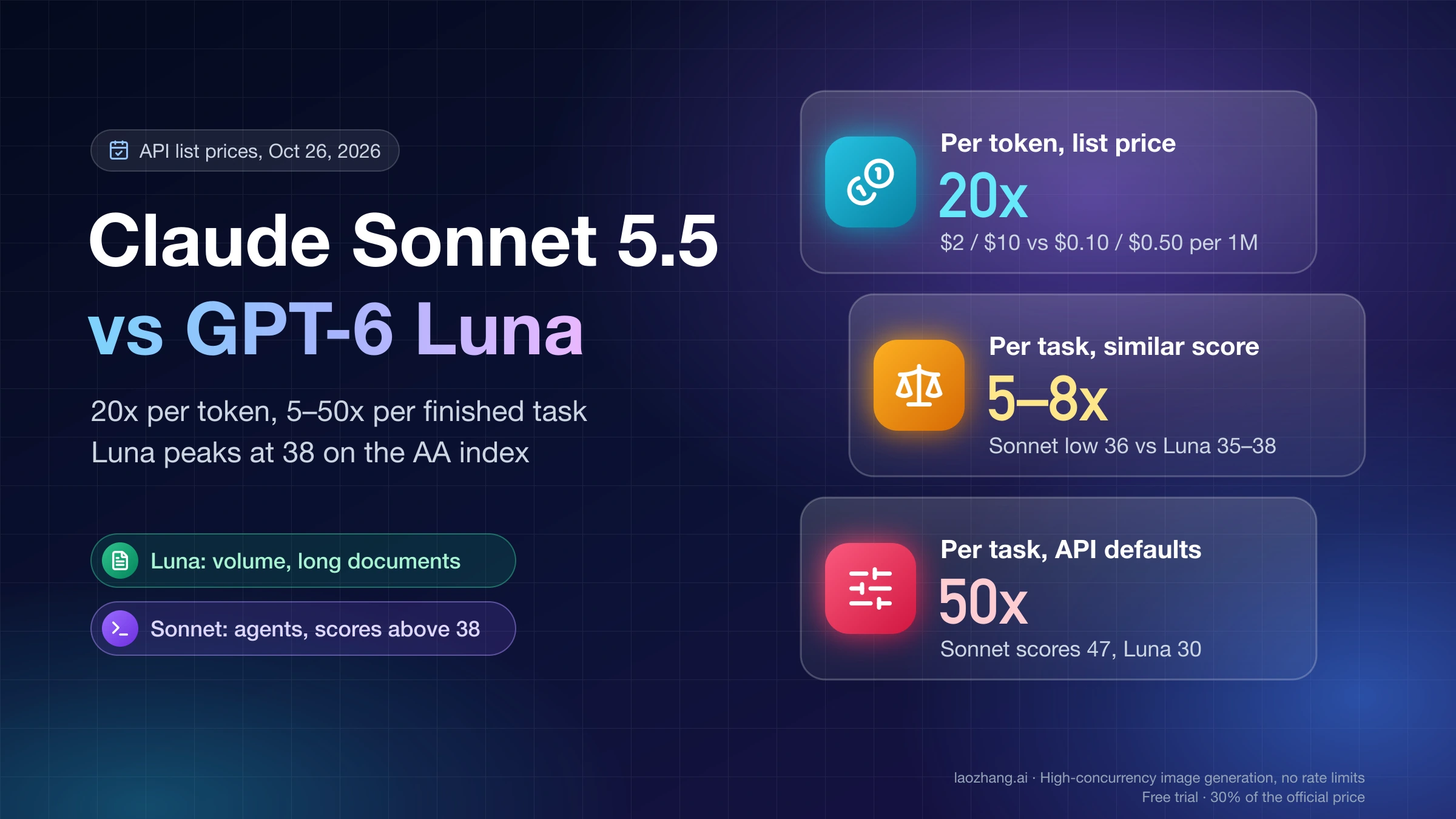
Claude Sonnet 5.5 vs GPT-6 Luna: 20x per Token, 5–50x per Task
Sonnet 5.5 costs 20x GPT-6 Luna per token and 5–50x per benchmark task. Luna fits volume and long documents; Sonnet fits agentic coding and scores above 38.
18 min
Sonnet 5.5 costs 20x GPT-6 Luna per token and 5–50x per benchmark task. Luna fits volume and long documents; Sonnet fits agentic coding and scores above 38.
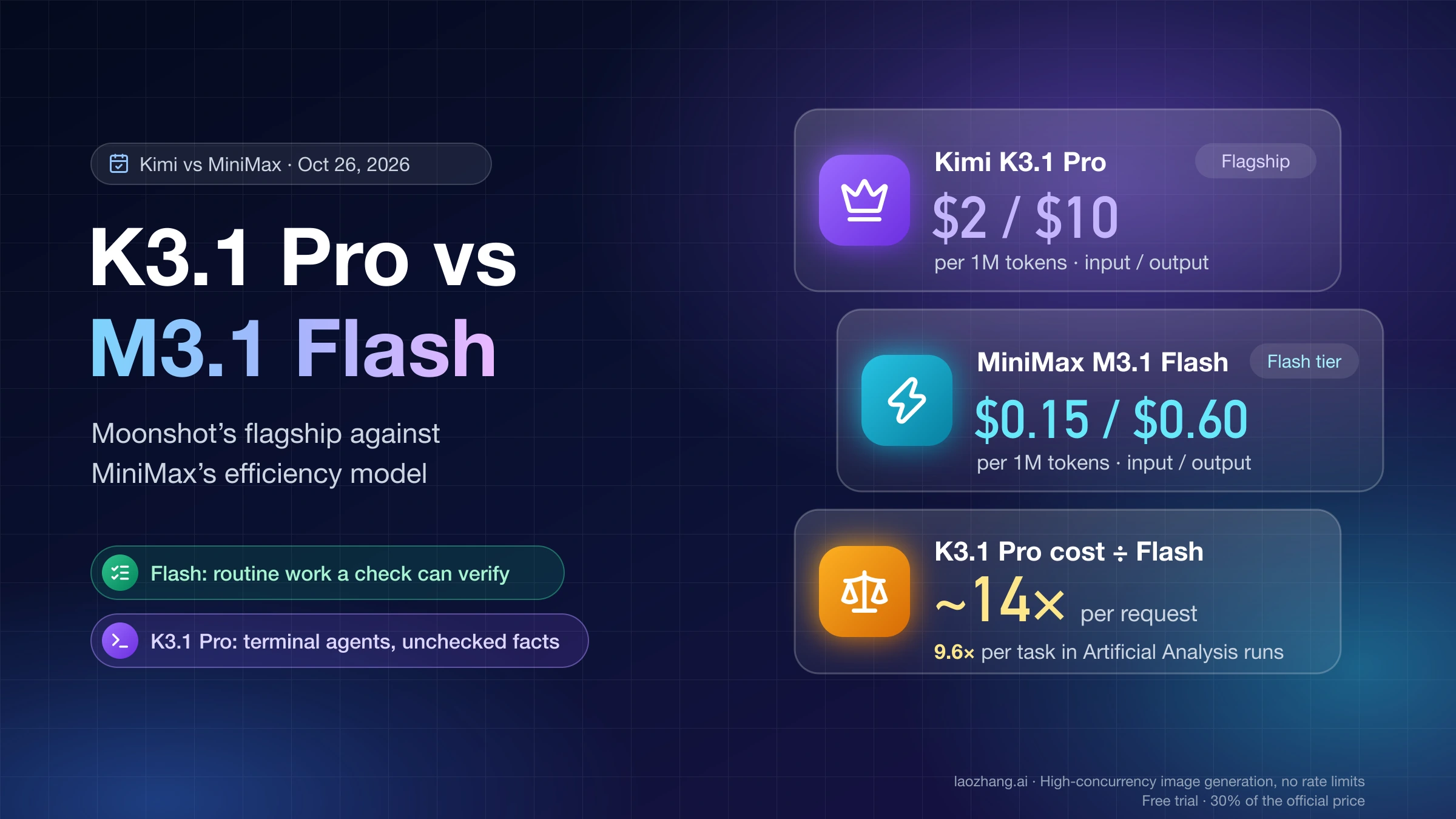
Kimi K3.1 Pro costs about 14× MiniMax M3.1 Flash per request. Flash holds up on routine, checkable work; K3.1 Pro earns its price on agents and facts.
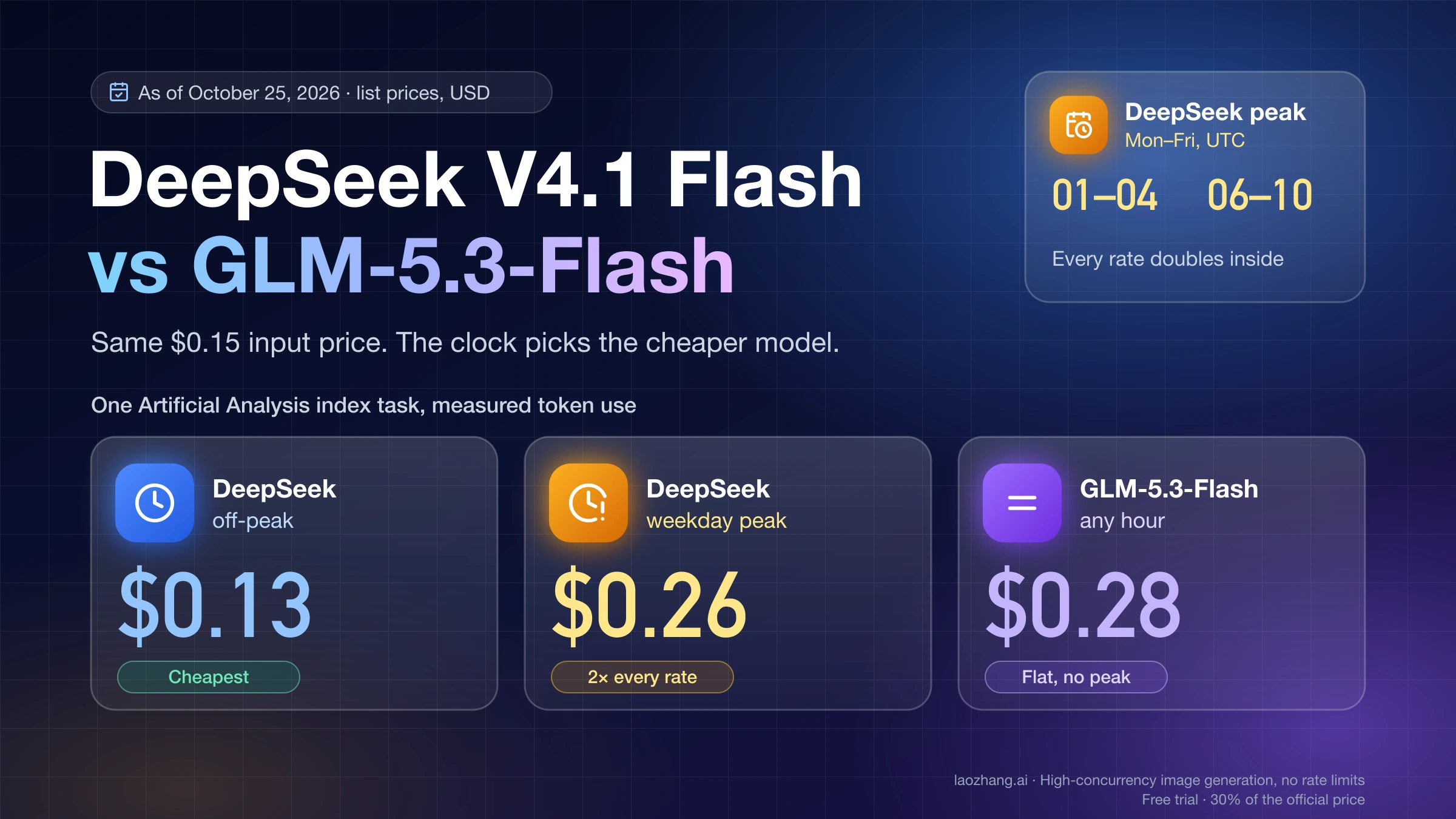
Both list $0.15 per 1M input. Off-peak, DeepSeek V4.1 Flash wins on agent loops and short calls; at its weekday peak, GLM-5.3-Flash often costs less.
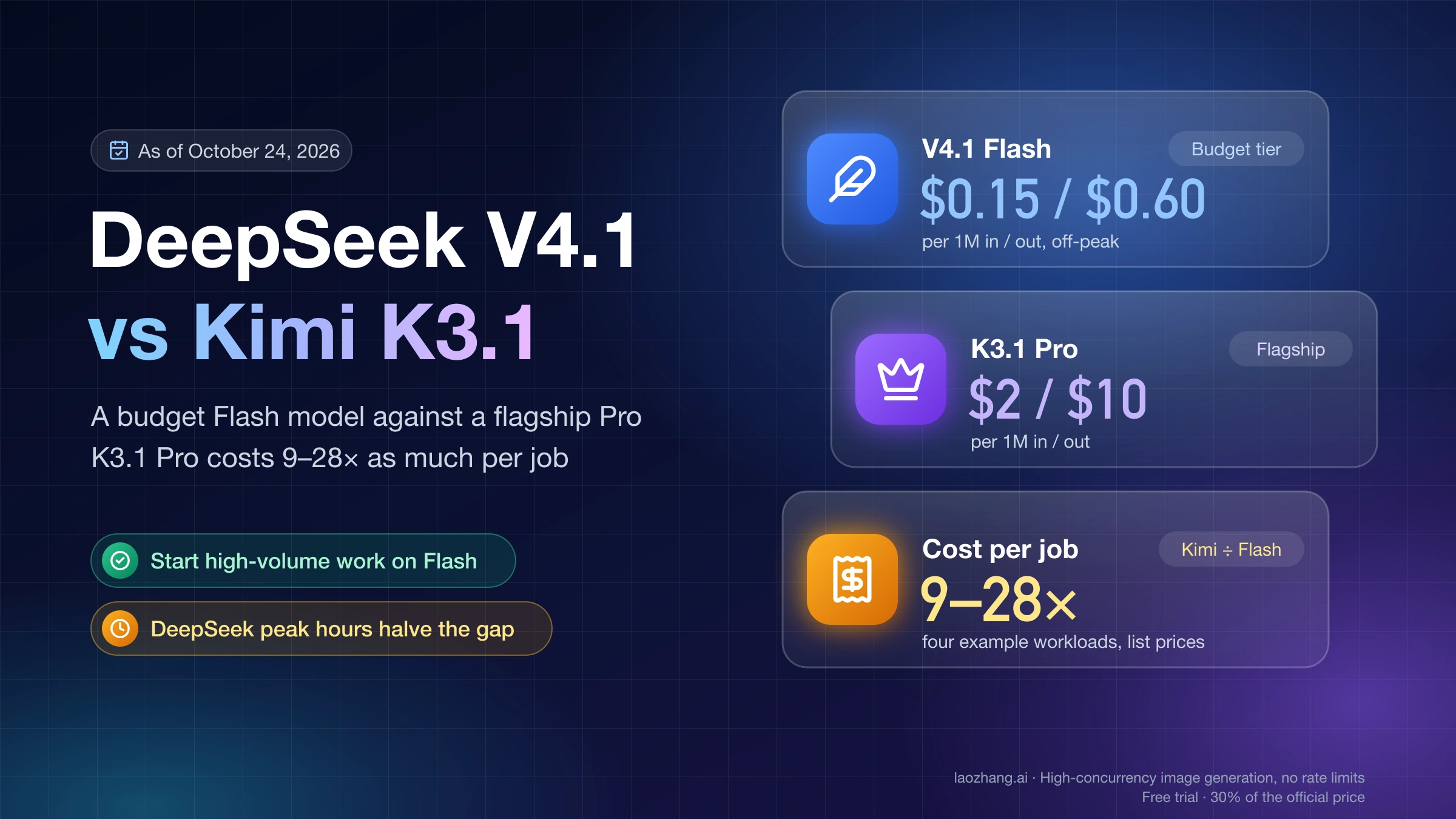
DeepSeek V4.1 is only Flash and Kimi K3.1 only Pro. In an October 25, 2026 test, both got the 3 graded tasks right; K3.1 Pro cost 12.8× as much, 3× slower.
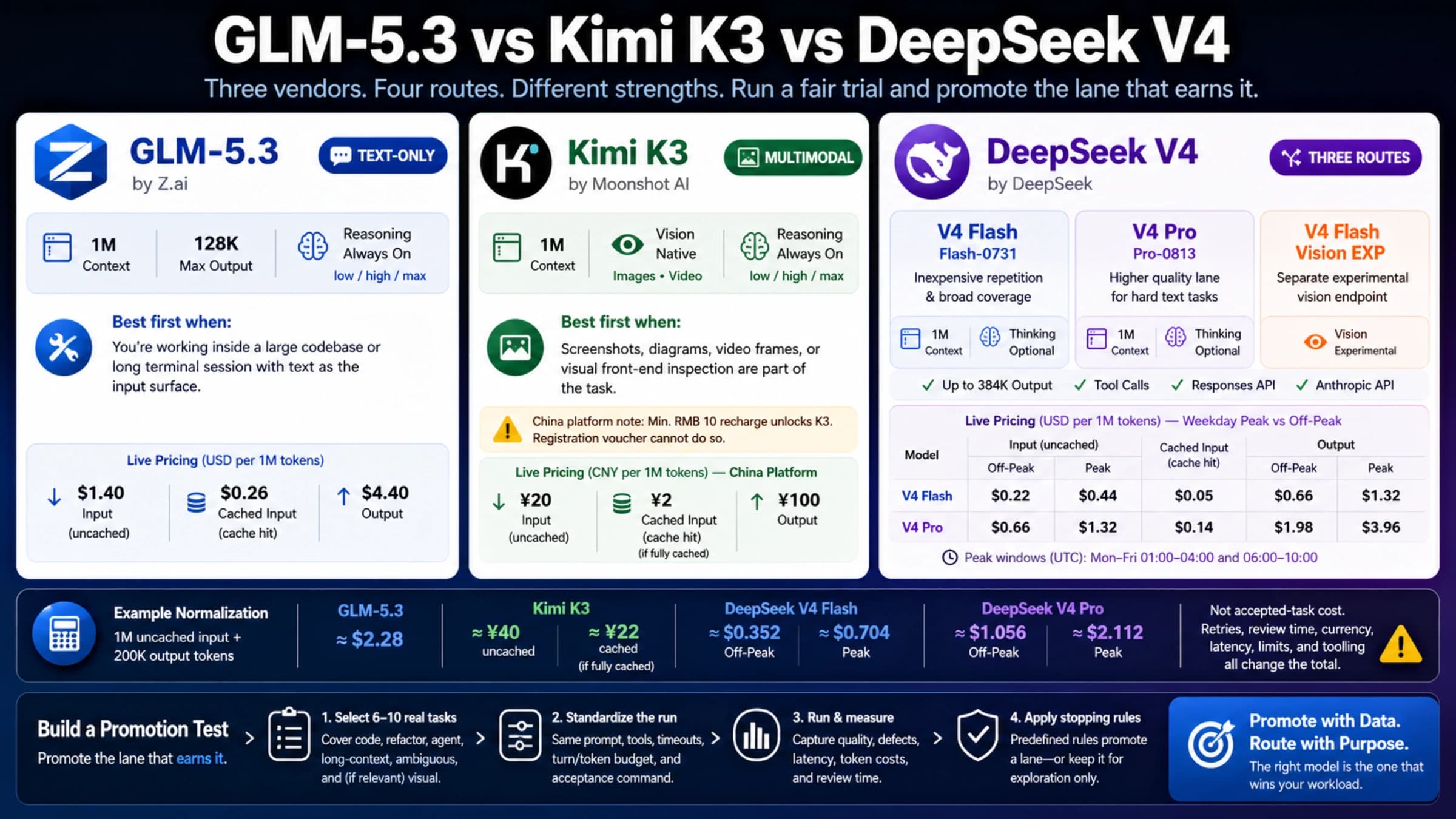
Test GLM-5.3 first for text-only work, Kimi K3.1 Pro or K3 when images are in the loop, DeepSeek V4.1 Flash for cheap repeats, and V4 Pro for hard text tasks.
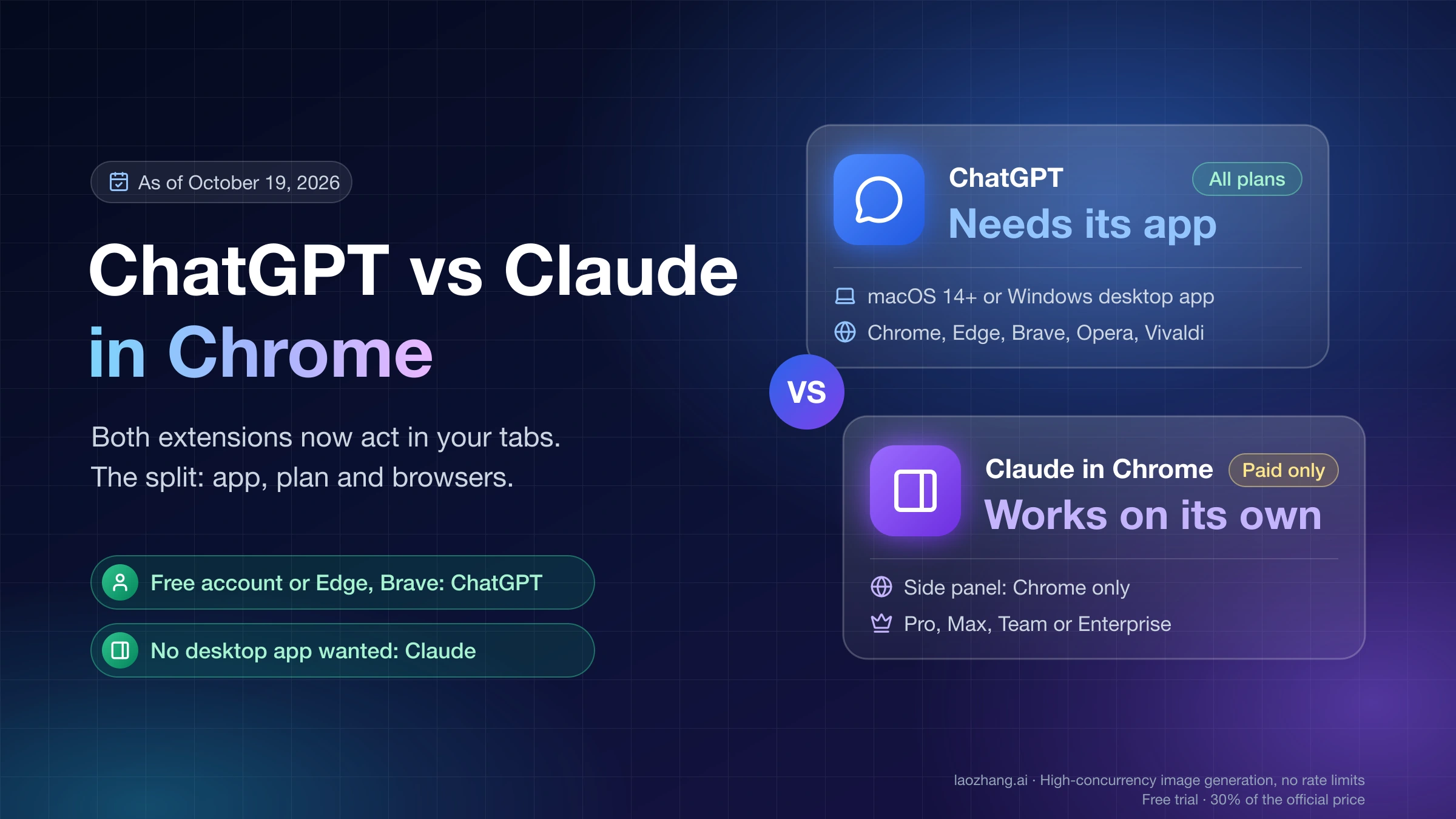
Since October 15, 2026, both extensions act in your tabs. ChatGPT needs its desktop app and covers more browsers; Claude runs alone in Chrome but is paid-only.
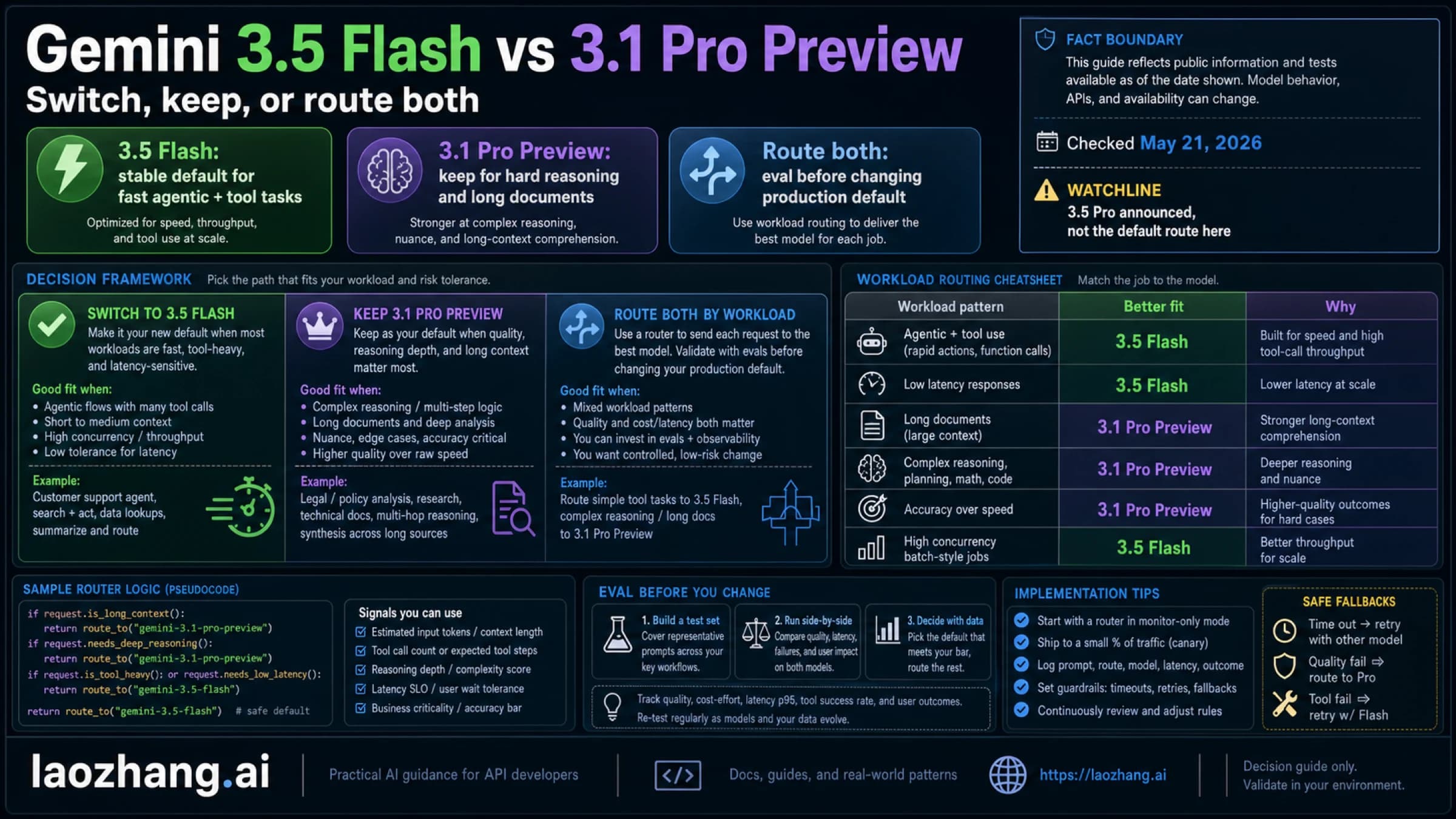
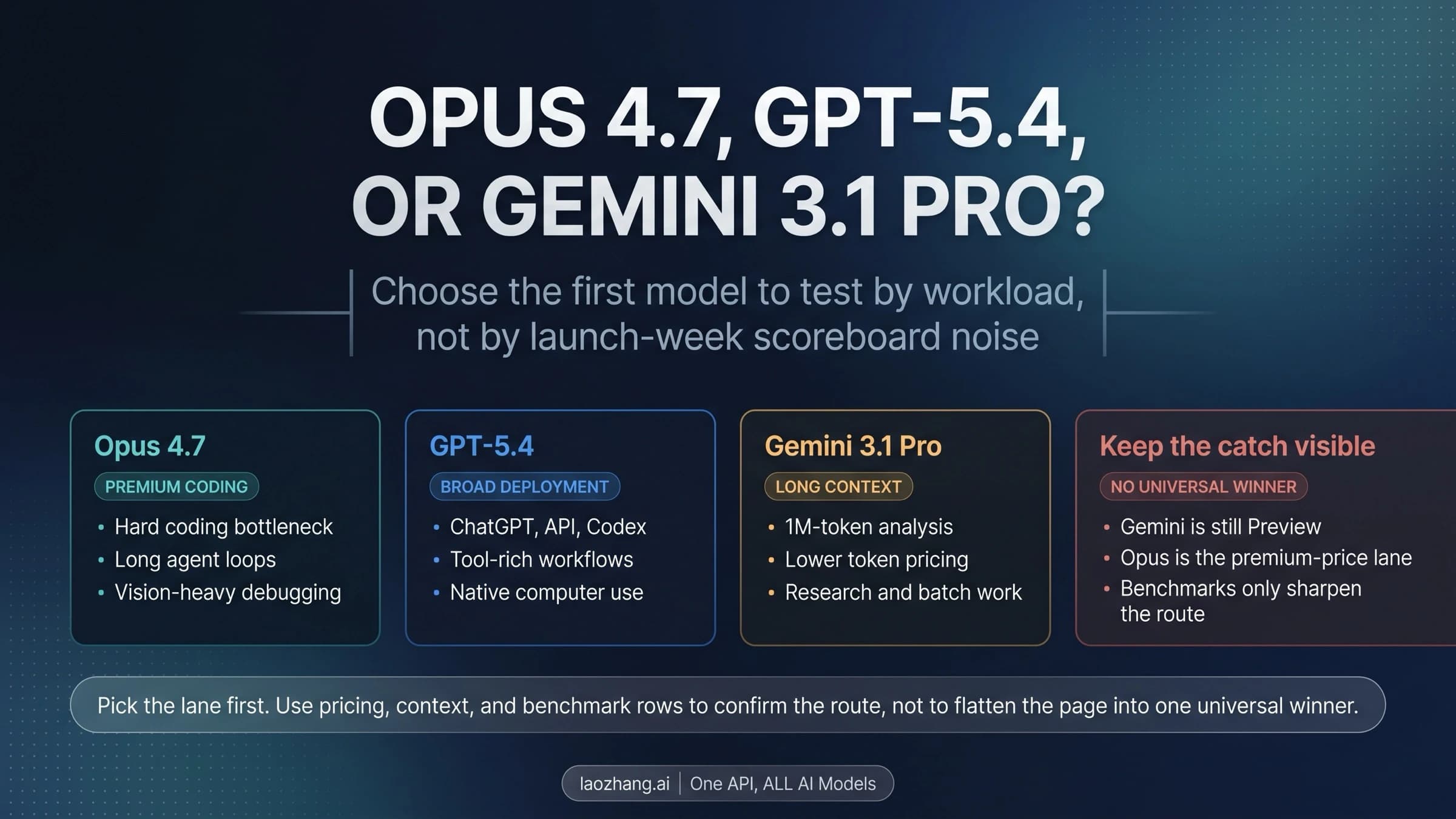
In May 2026, 3.5 Flash was the first test for fast tool-heavy API work and 3.1 Pro Preview kept hard reasoning. Since Oct 8, the 3.5 ID routes to 3.6 Flash.
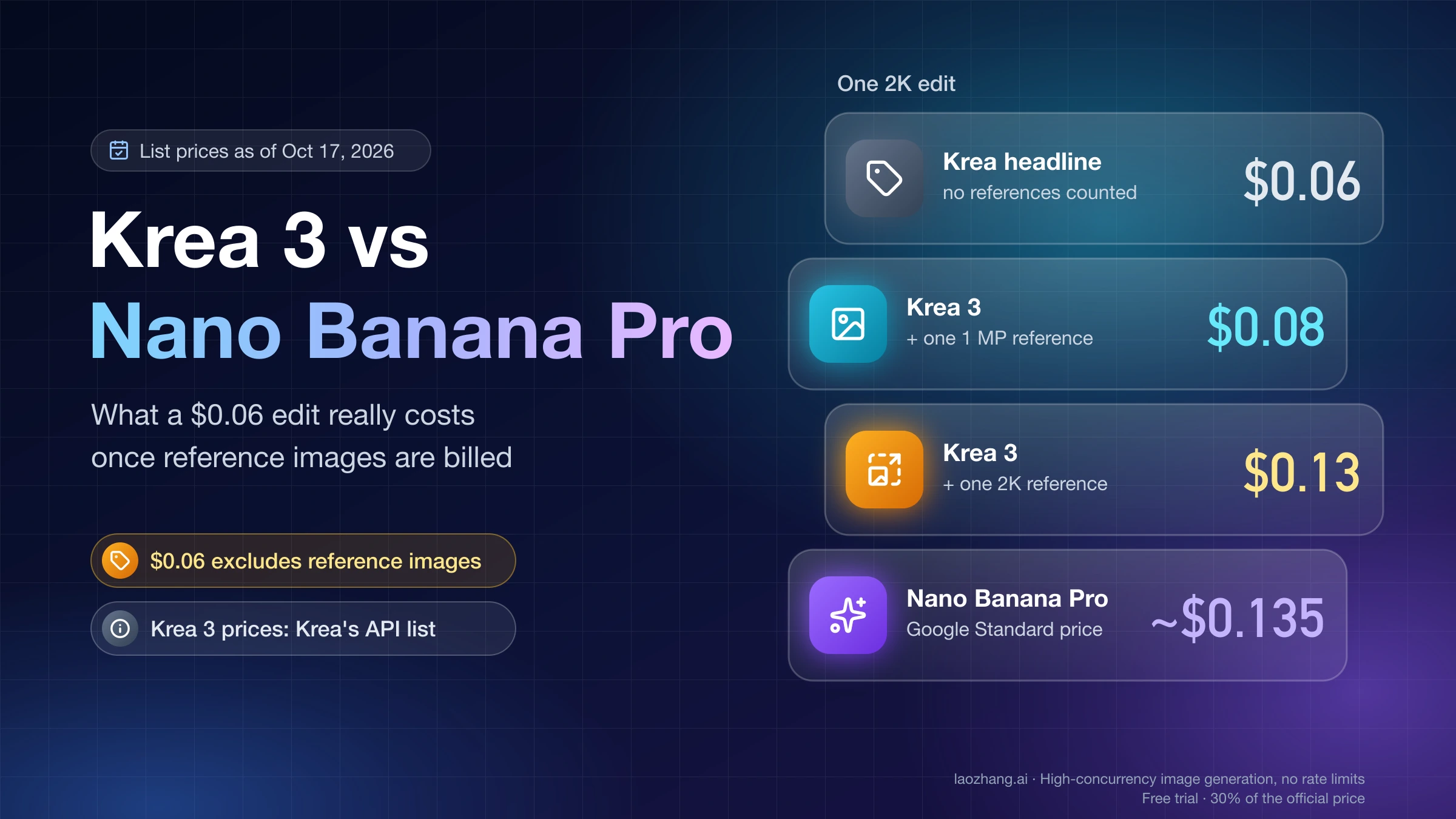
Krea's $0.06 excludes reference images. A 2K edit with a 1 MP reference is $0.08 on Krea 3 vs about $0.135 on Nano Banana Pro; a 2K reference erases most of it.
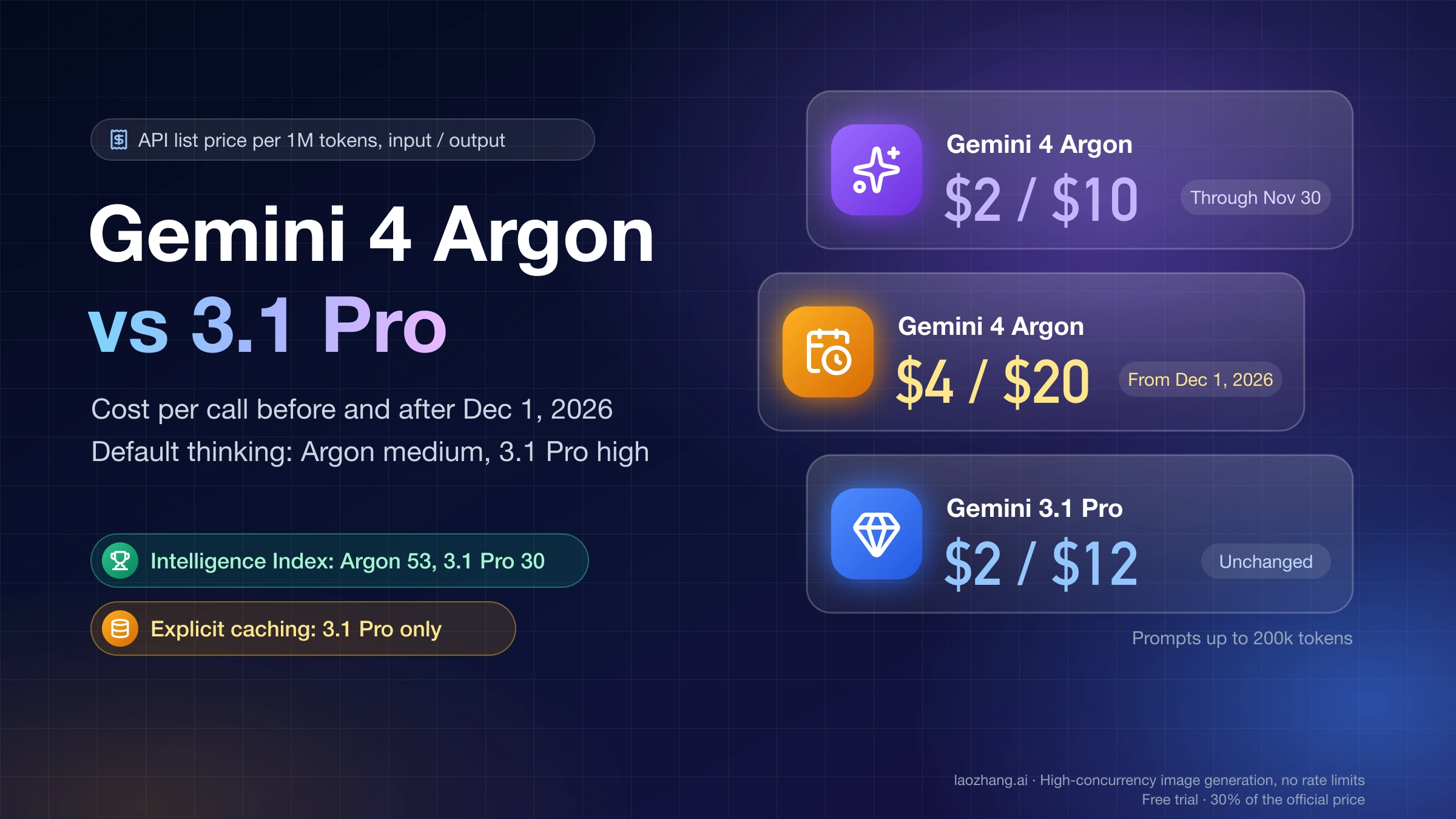
Each at its default thinking, Gemini 4 Argon cost 57% less than 3.1 Pro on five test calls through Nov 30, 2026, and 14% less from Dec 1. Hard tasks cost more.
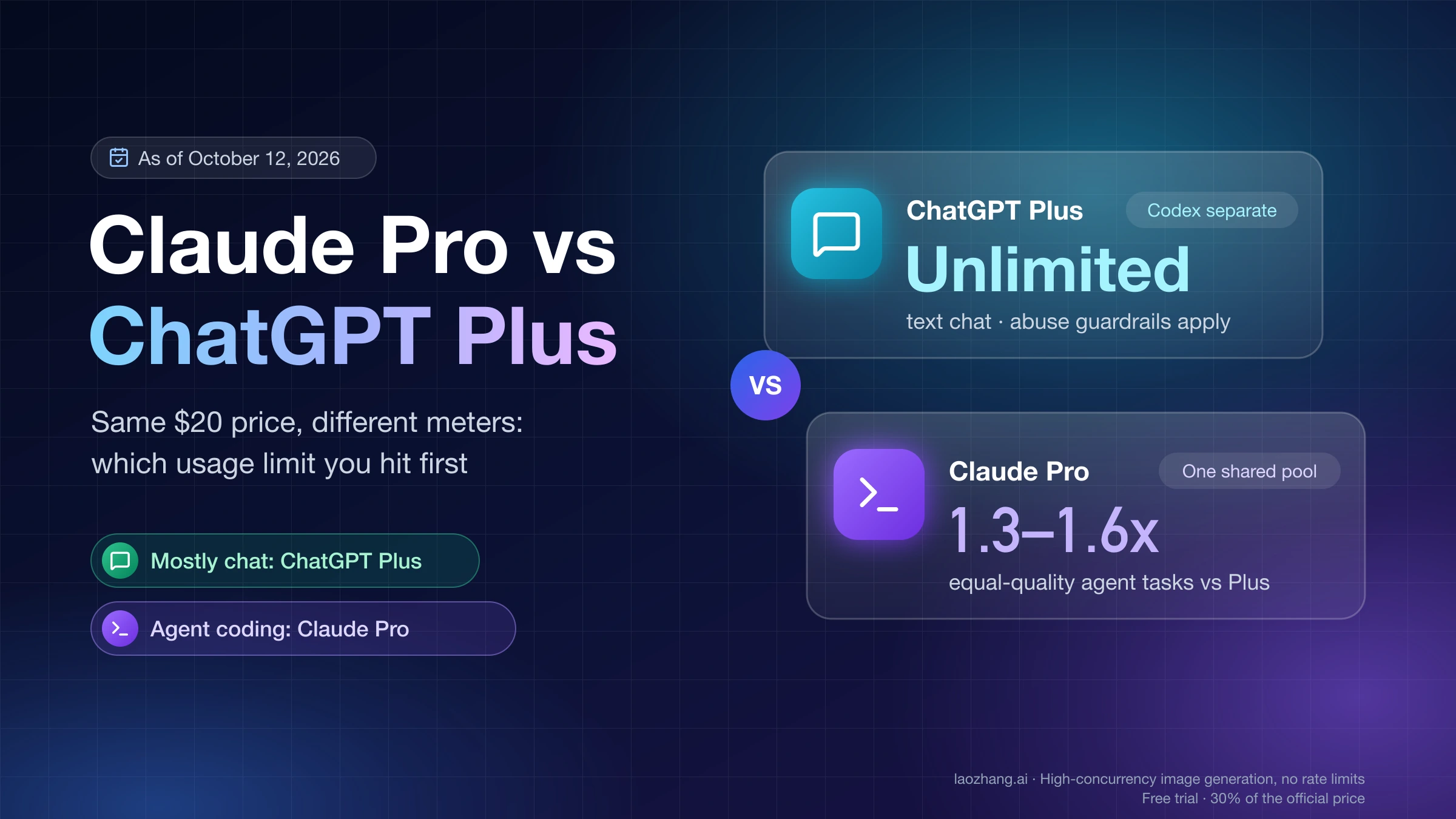
Claude Pro vs ChatGPT Plus usage limits as of October 15, 2026: Plus doesn't cap everyday text chat; Claude Pro fits more agent coding in one shared pool.
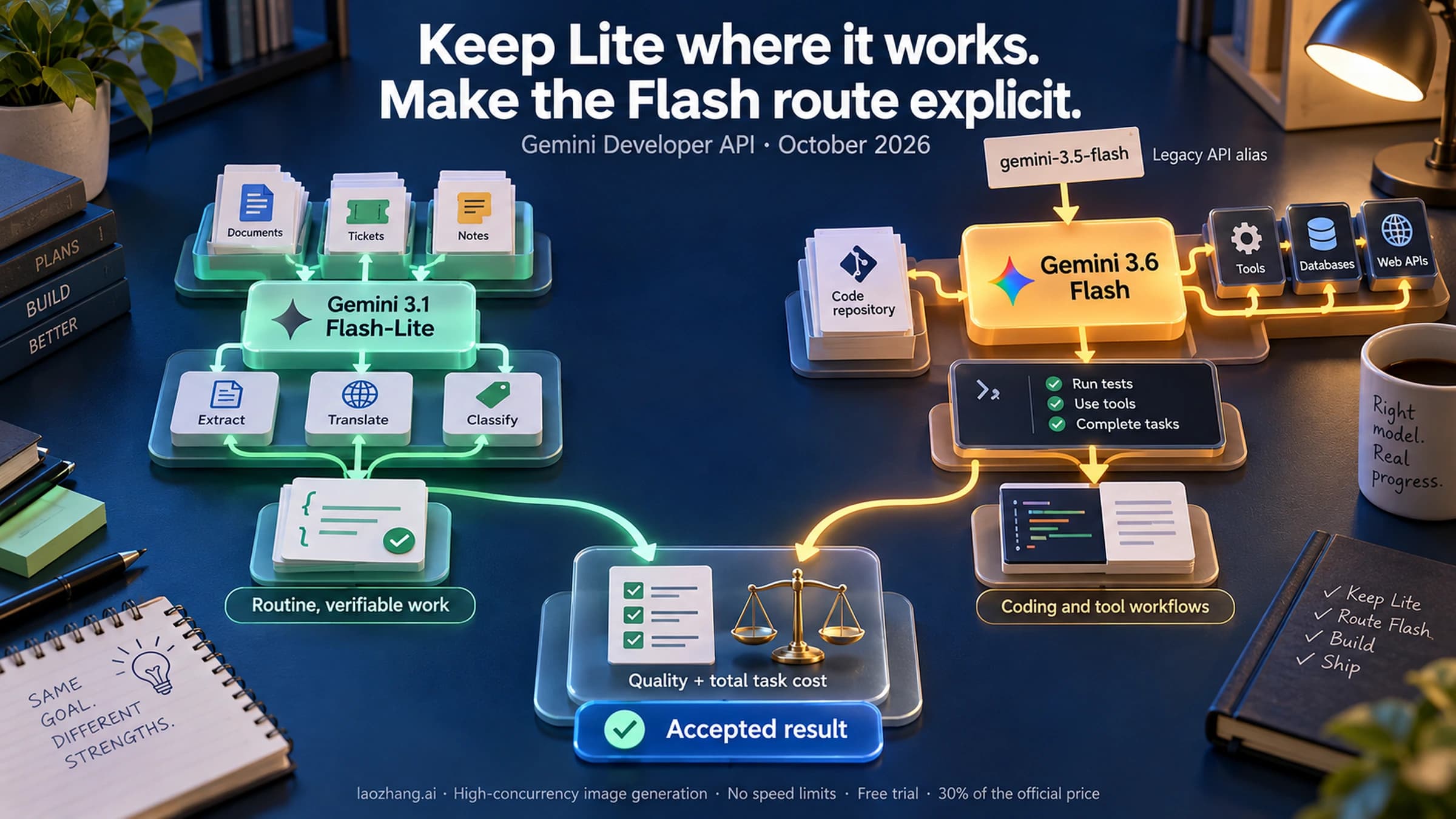
Keep Gemini 3.1 Flash-Lite for routine work that passes validation. An old 3.5 Flash API configuration now serves 3.6 Flash; compare current costs before switching.
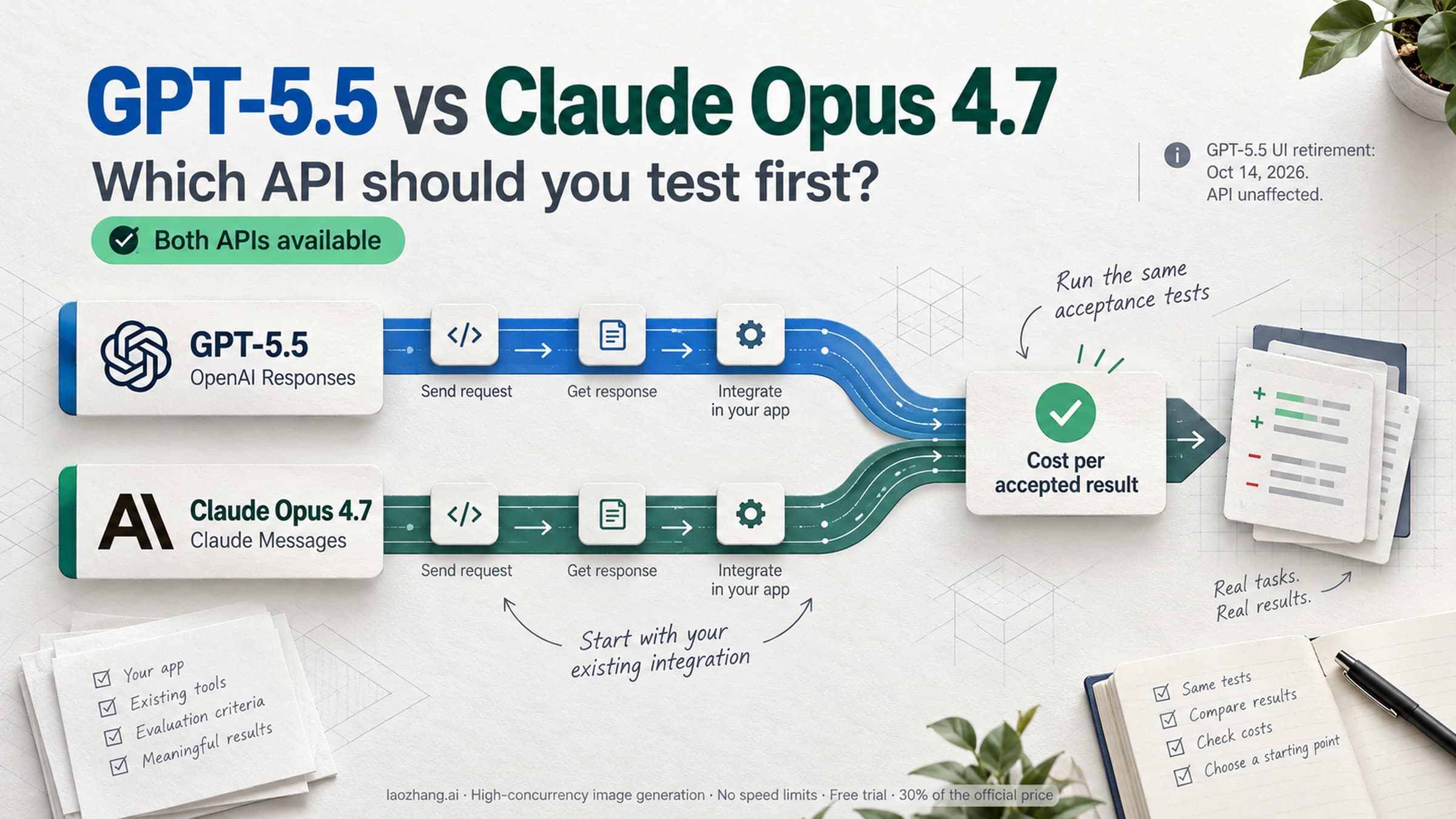
Both APIs are available. GPT-5.5 is the first test for an existing Responses integration; Opus 4.7 has lower standard output rates and no long-input premium. Choose on accepted-task cost, not a universal coding ranking.
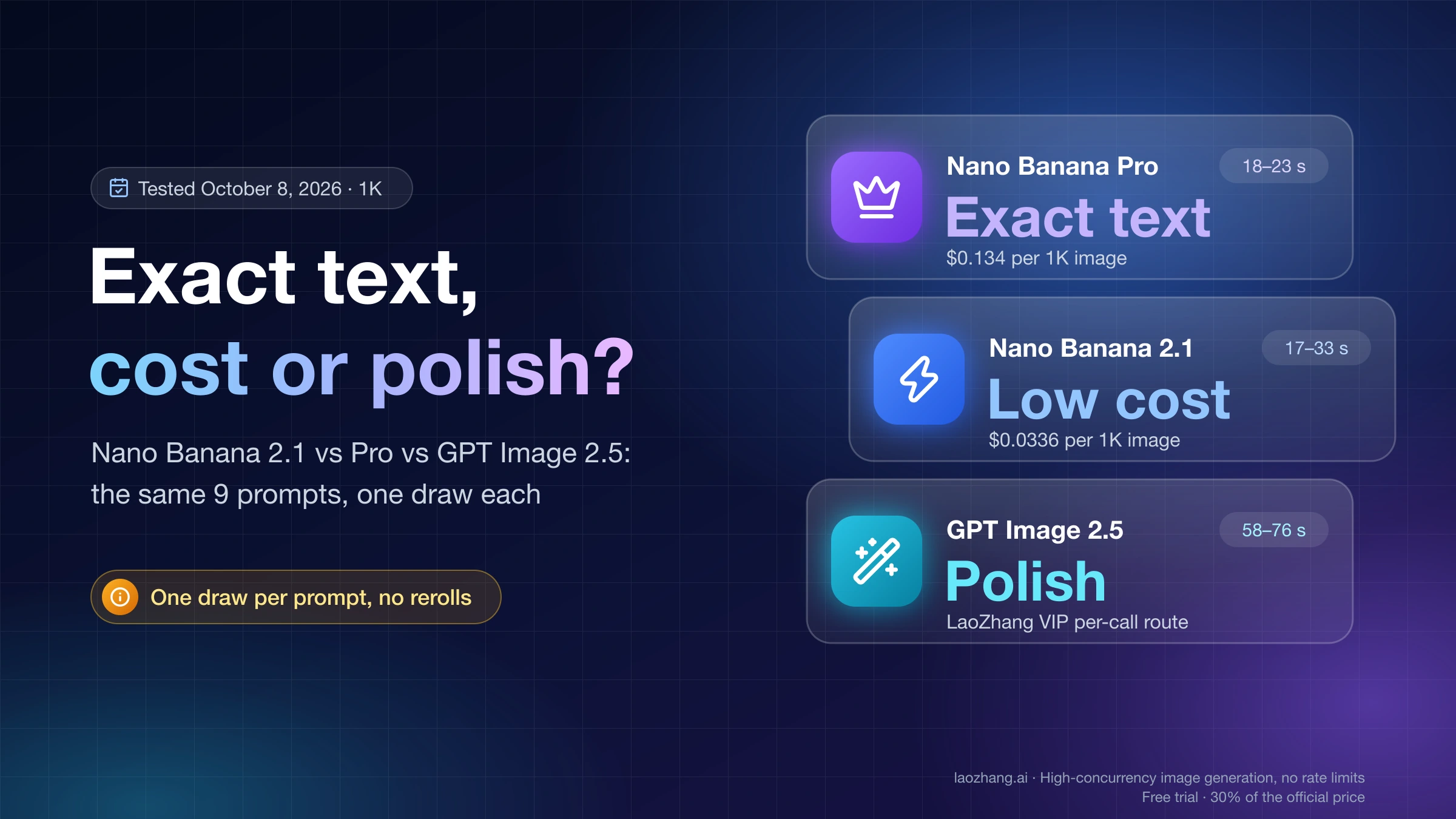
Same 9 prompts, one draw each at 1K: Pro and GPT Image 2.5 matched the requested wording; Nano Banana 2.1 slipped on text but costs a quarter of Pro.
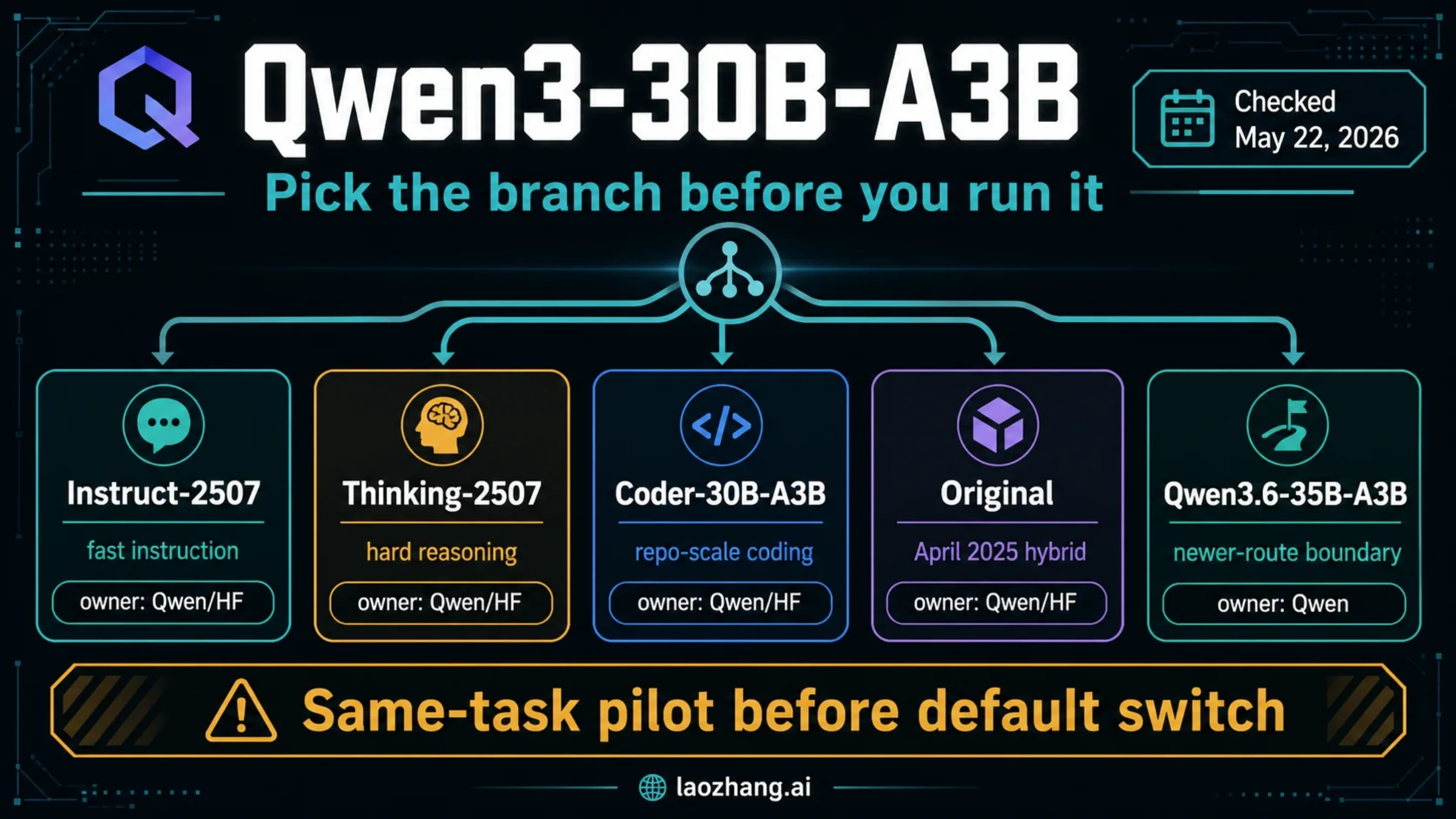
Use Instruct-2507 for everyday instructions, Thinking-2507 for reasoning-focused work, Coder for code, or the original when you need switchable thinking. An explicit model tag and a short context window make the first local check easier to interpret.
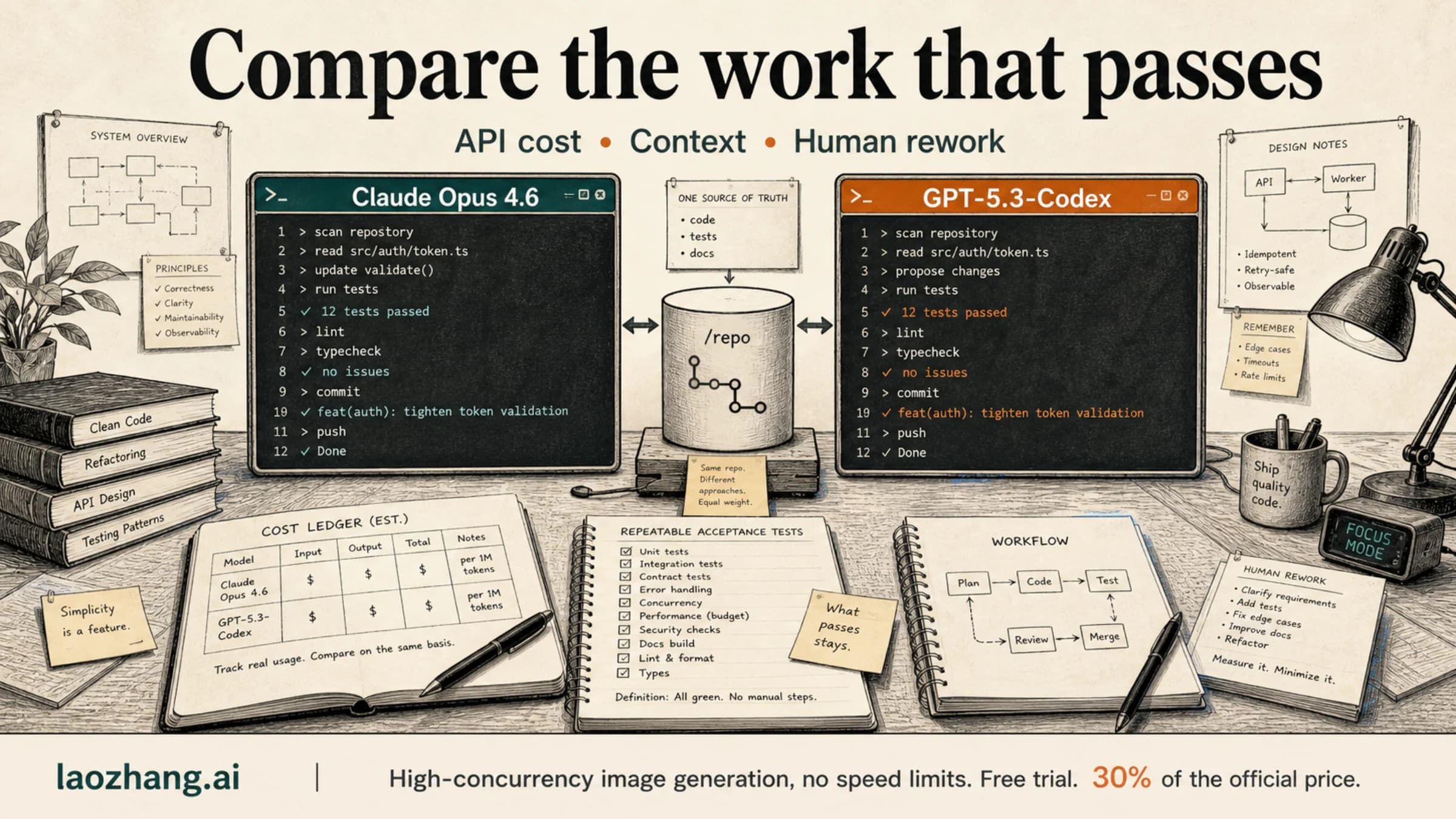
GPT-5.3-Codex has lower token rates; Claude Opus 4.6 has a larger context window. Compare both models' cache costs and test the same coding task before deciding which produces cheaper, acceptable work.
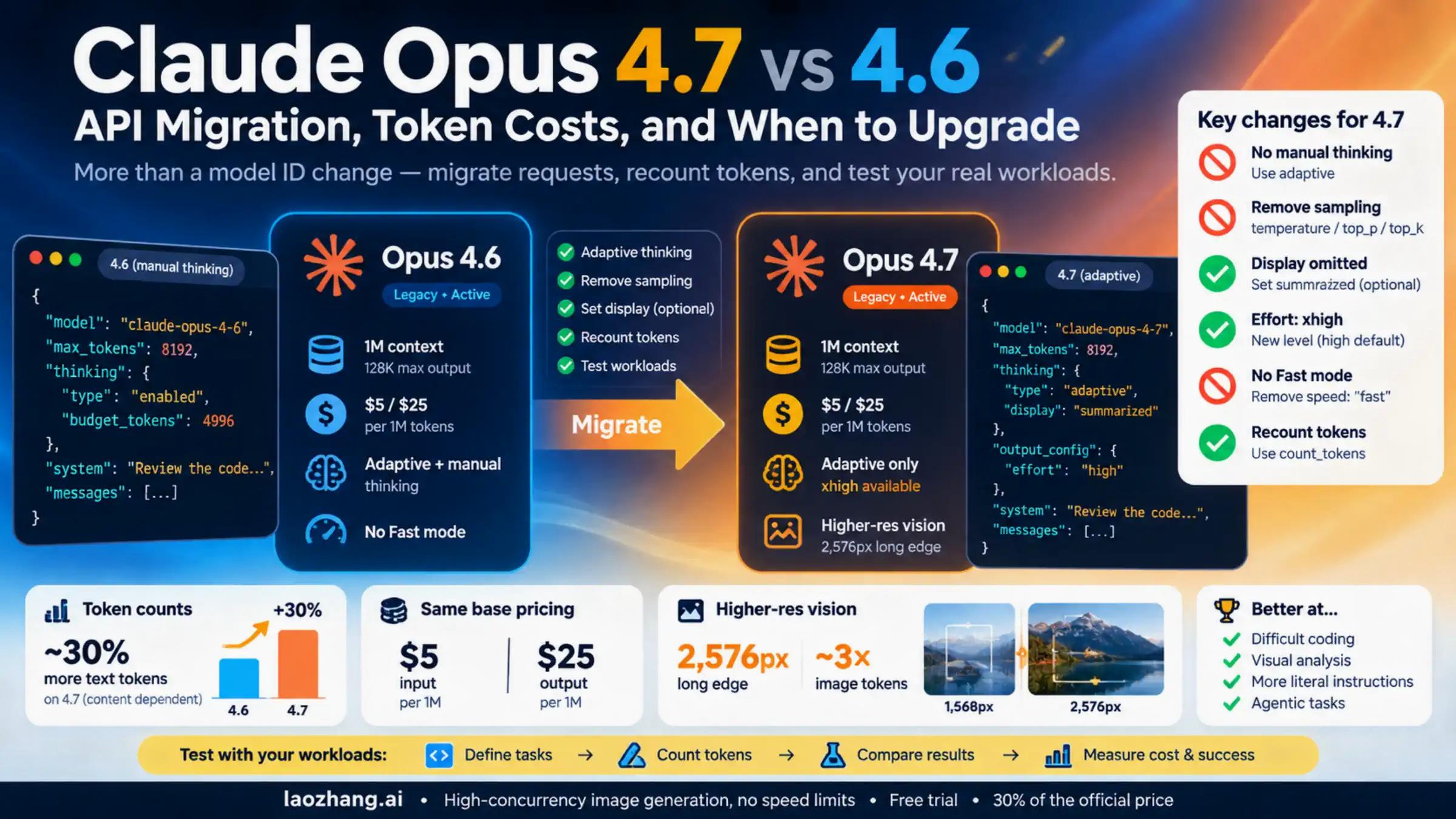
Moving an existing Claude Opus 4.6 integration to 4.7 changes thinking controls, sampling parameters, and token counts. Use these request examples and a controlled workload comparison to decide whether the upgrade pays off.
Compare the three APIs by input formats, context limits, tools, and request costs. Worked pricing examples show why the cheapest model changes with prompt size.
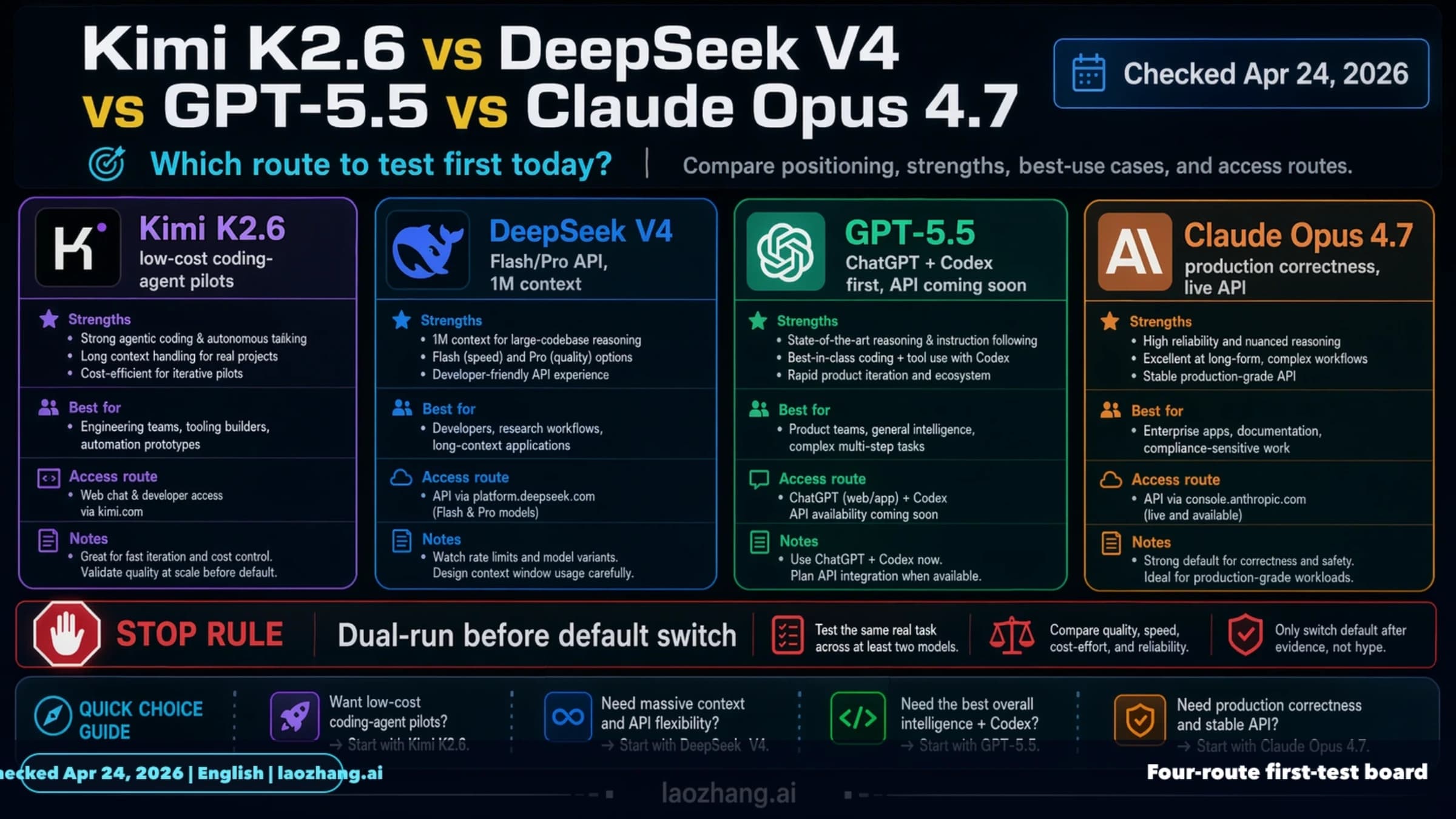
Compare Kimi K2.6, DeepSeek V4, GPT-5.5 and Claude Opus 4.7 APIs: context, current token prices, worked costs and tests for choosing a coding model.
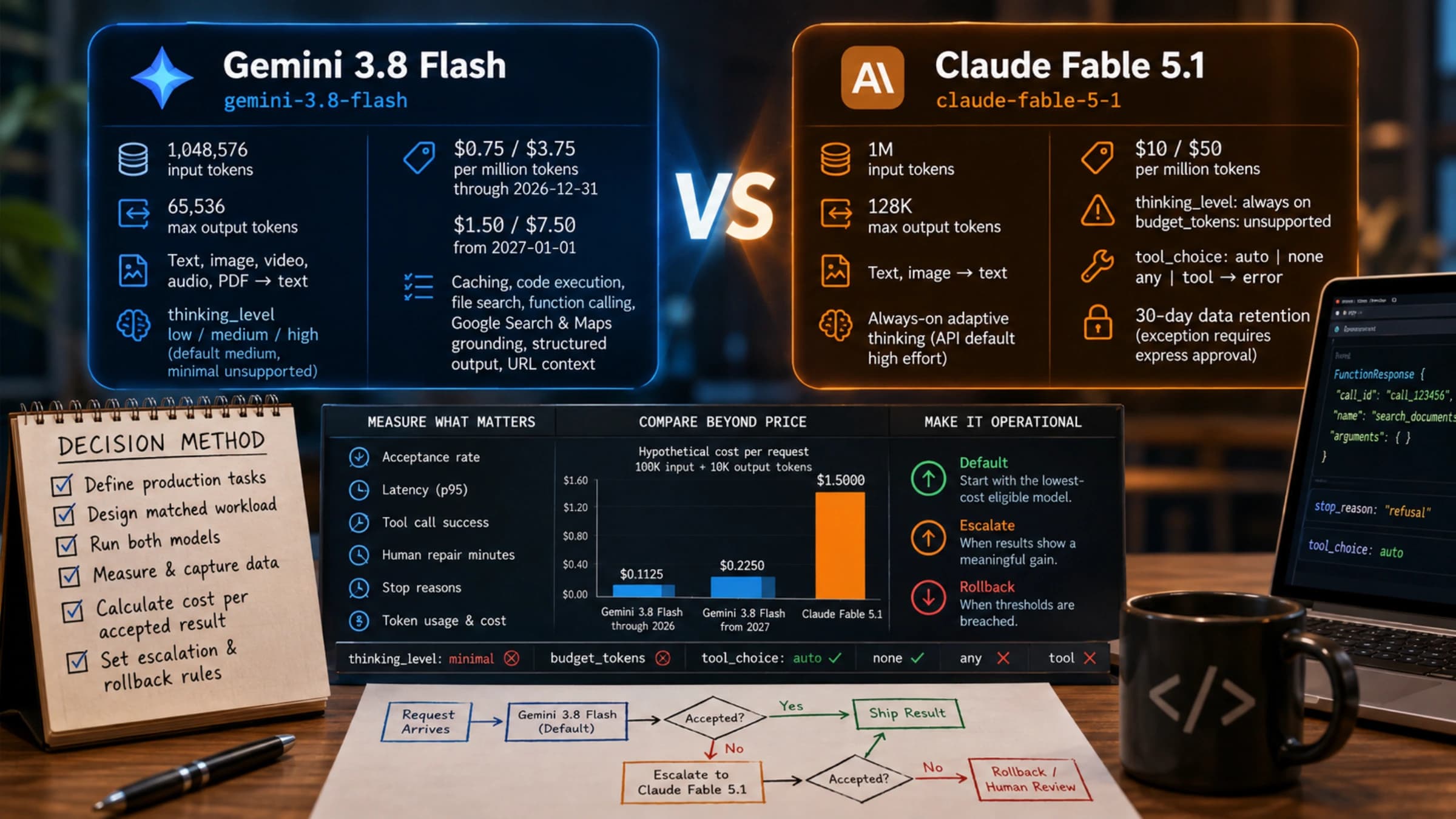
Gemini 3.8 Flash is the lower-cost first test for most high-volume workloads. Claude Fable 5.1 is a targeted challenger for demanding long-running work—but only your own acceptance, latency, and repair data can justify the premium.
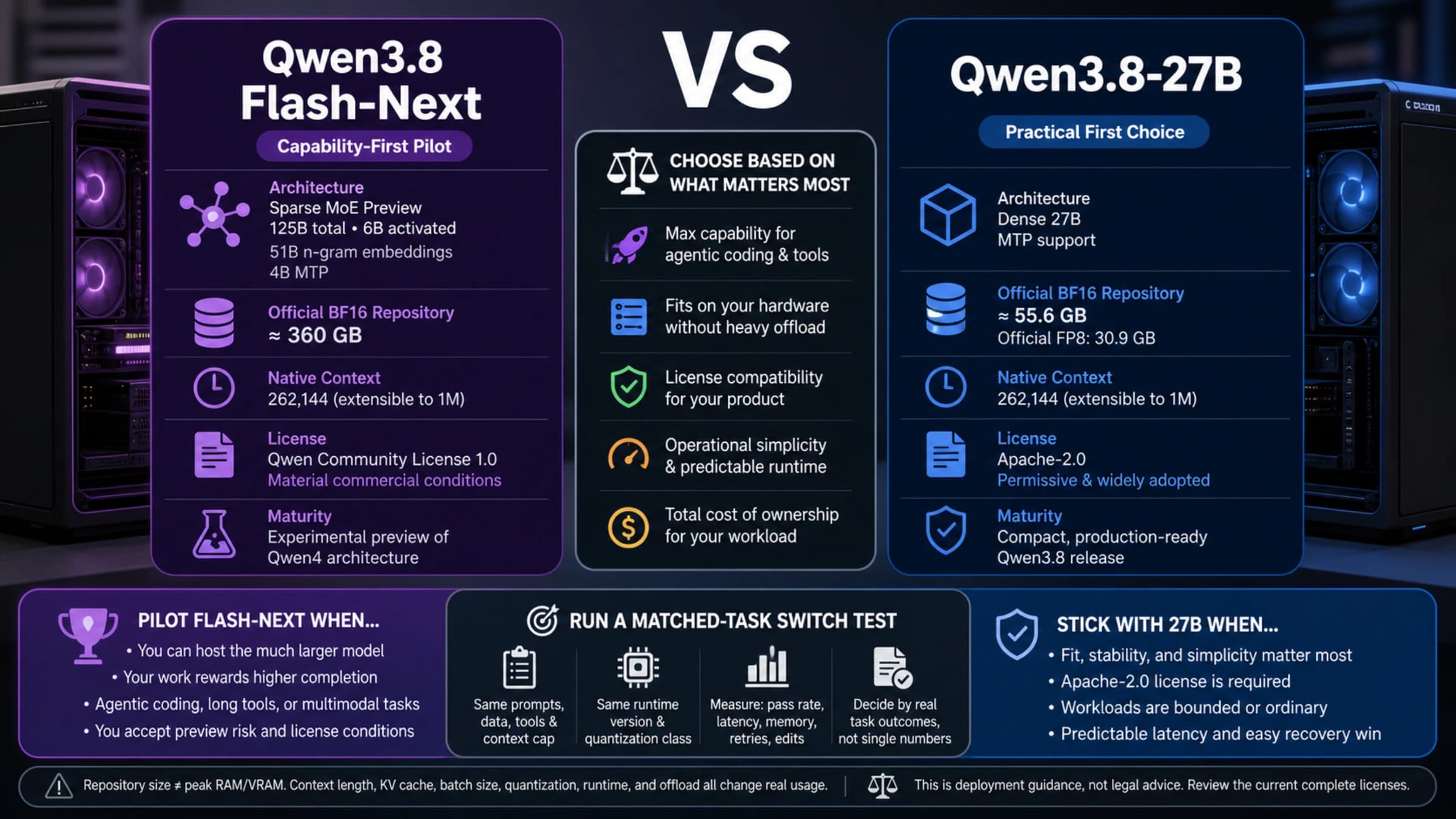
Start with Qwen3.8-27B when memory, a simpler serving setup, and Apache-2.0 matter most. Test Flash-Next if you can host its much larger weights and want to evaluate its reported advantages on coding and agent tasks.
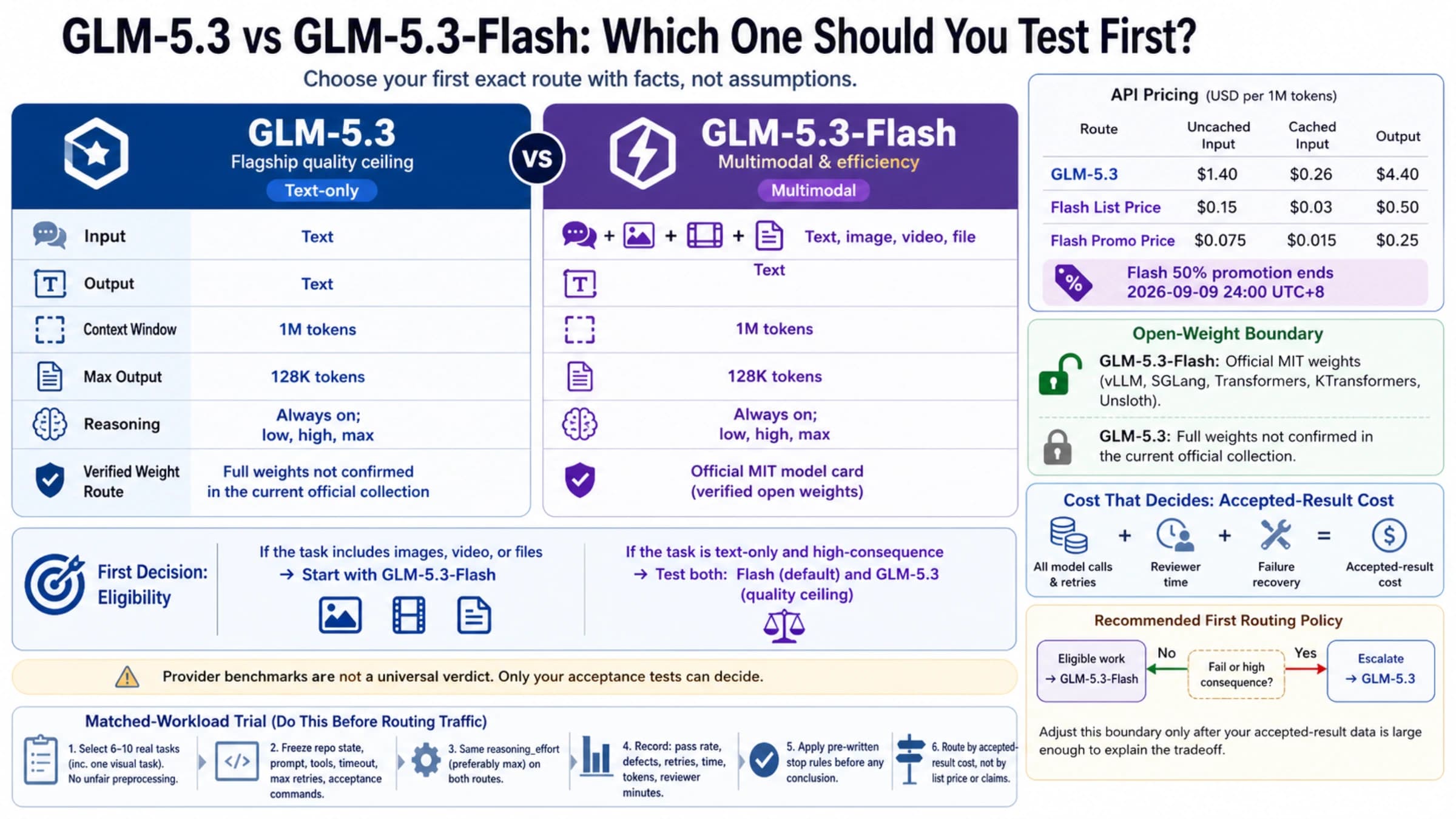
Start with GLM-5.3-Flash for multimodal or cost-sensitive work. Test GLM-5.3 alongside it for demanding text-only tasks, then choose by cost per accepted result.
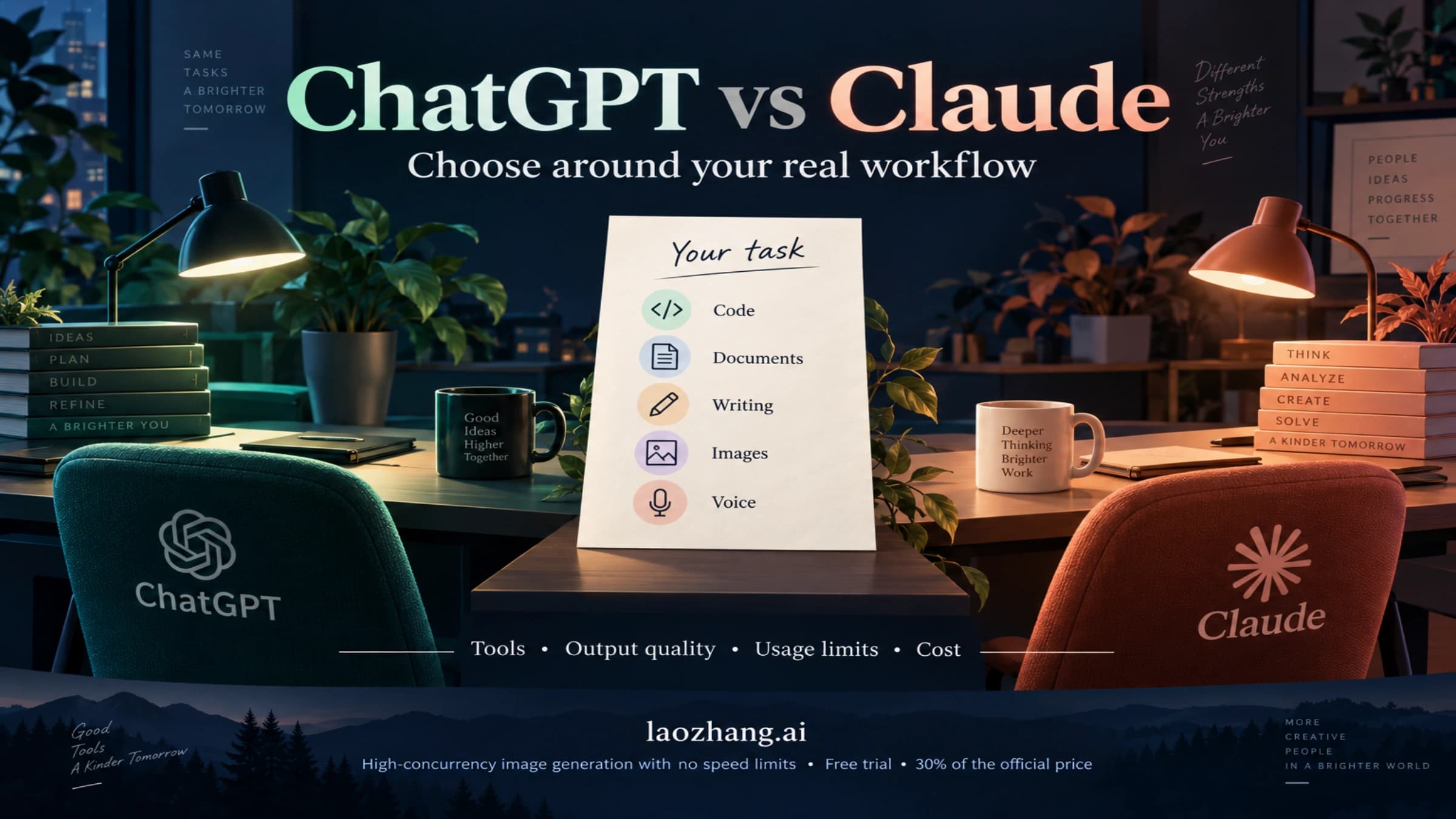
In March 2026, ChatGPT (GPT-5.4) and Claude (Opus 4.6) represent the two leading AI assistants with distinct strengths. ChatGPT excels at multimodal tasks, image generation, and web search, while Claude leads in coding accuracy, long-document analysis, and developer tooling. Both offer free tiers and $20/month paid plans. This guide compares them across coding, writing, research, pricing, and API capabilities with verified benchmark data.
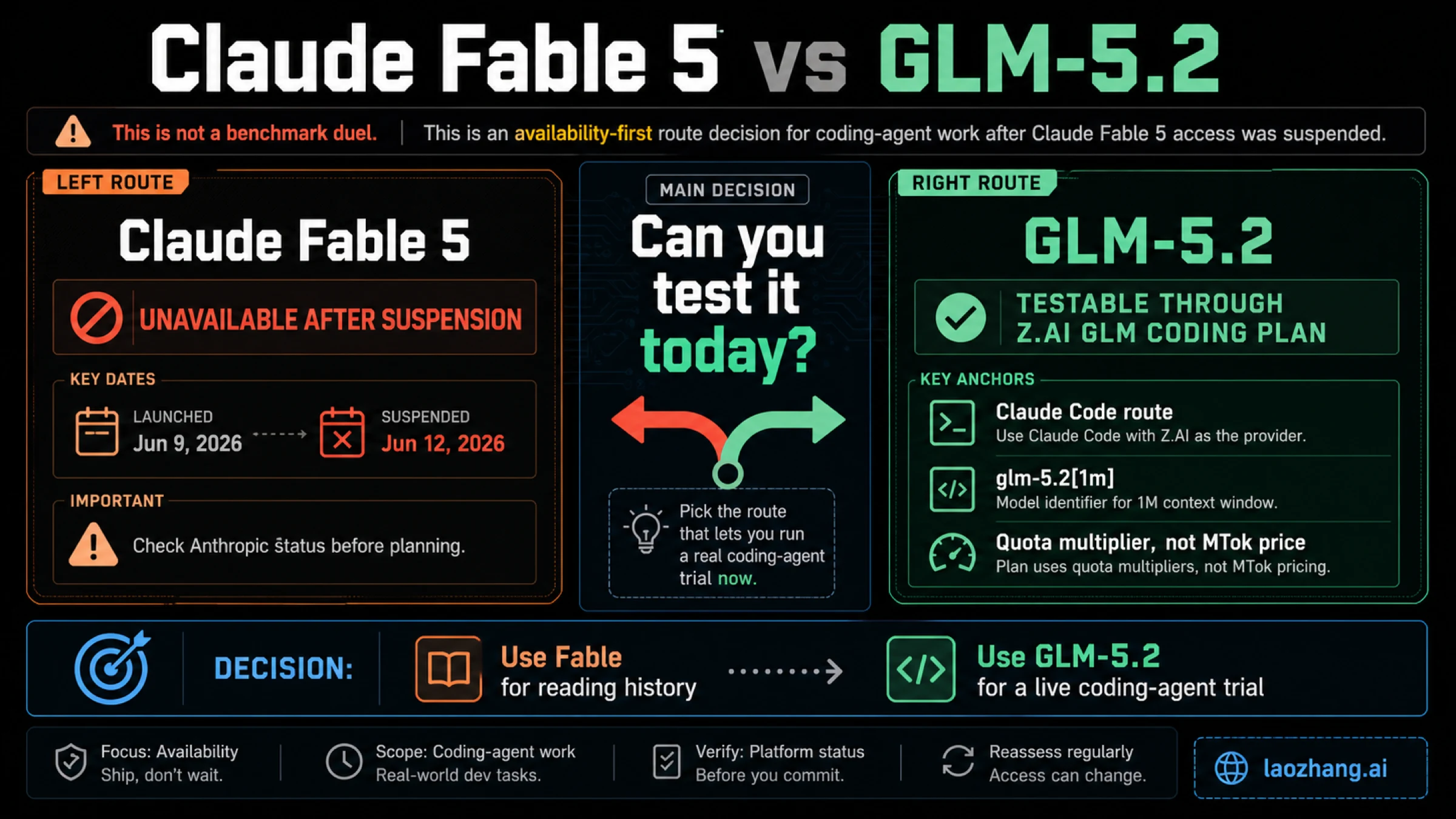
Claude Fable 5 is a wait-and-recheck branch while GLM-5.2 is a documented Z.AI Coding Plan route to test. Start with current access, then run one same-task trial before changing a default model.
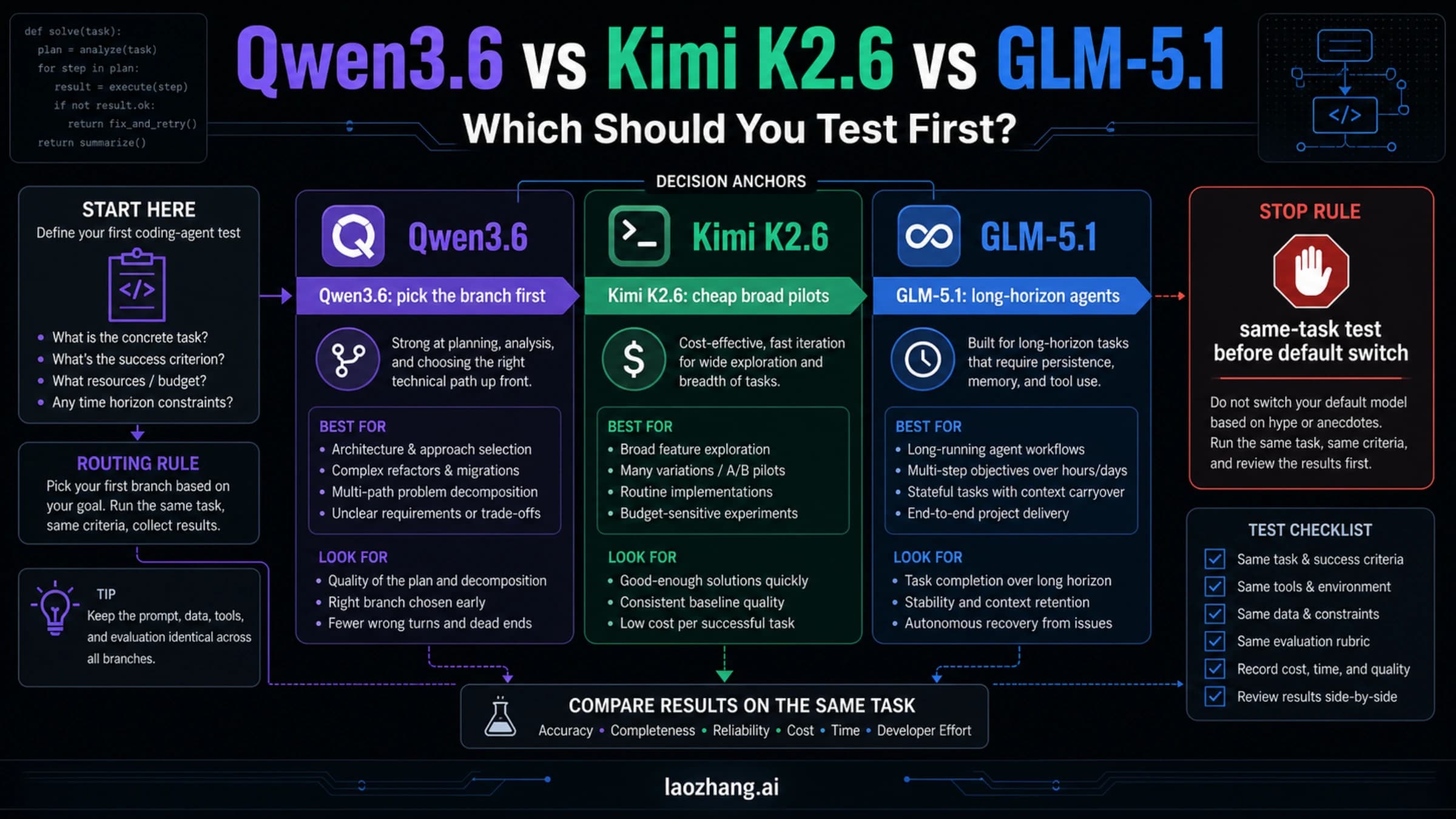
Use GLM-5.1 first for long-horizon agent work, Kimi K2.6 first for cheap pilots, and Qwen3.6 only after choosing the 35B-A3B open-weight or hosted Alibaba branch.