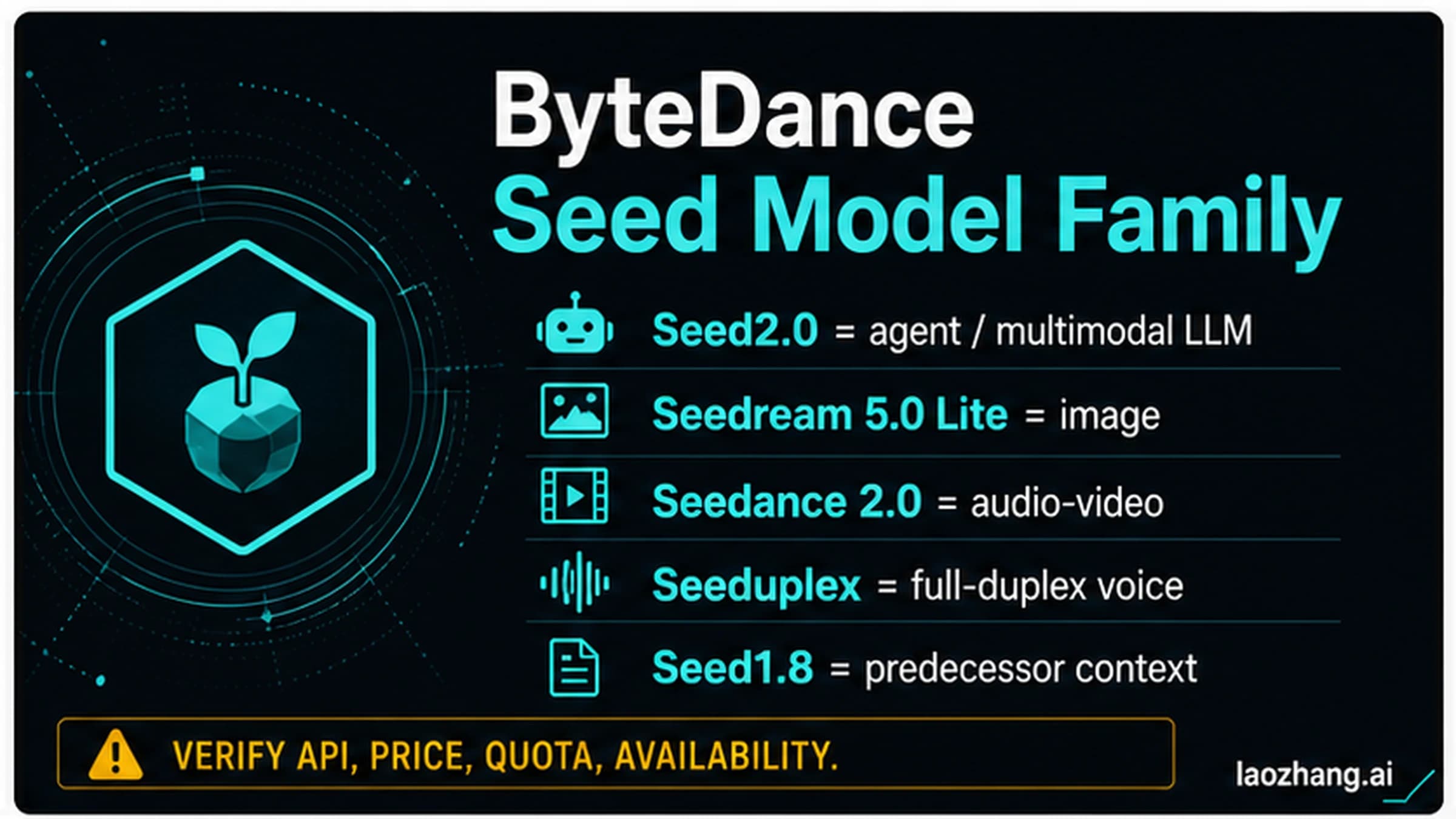
ByteDance Seed Model Family Guide: Seed2.0, Seedream 5.0 Lite, Seedance 2.0, and Seeduplex
Use Seed2.0 for agentic LLM work, Seedream for images, Seedance for audio-video, Seeduplex for voice, and Seed1.8 only as predecessor context.
8 min
Use Seed2.0 for agentic LLM work, Seedream for images, Seedance for audio-video, Seeduplex for voice, and Seed1.8 only as predecessor context.
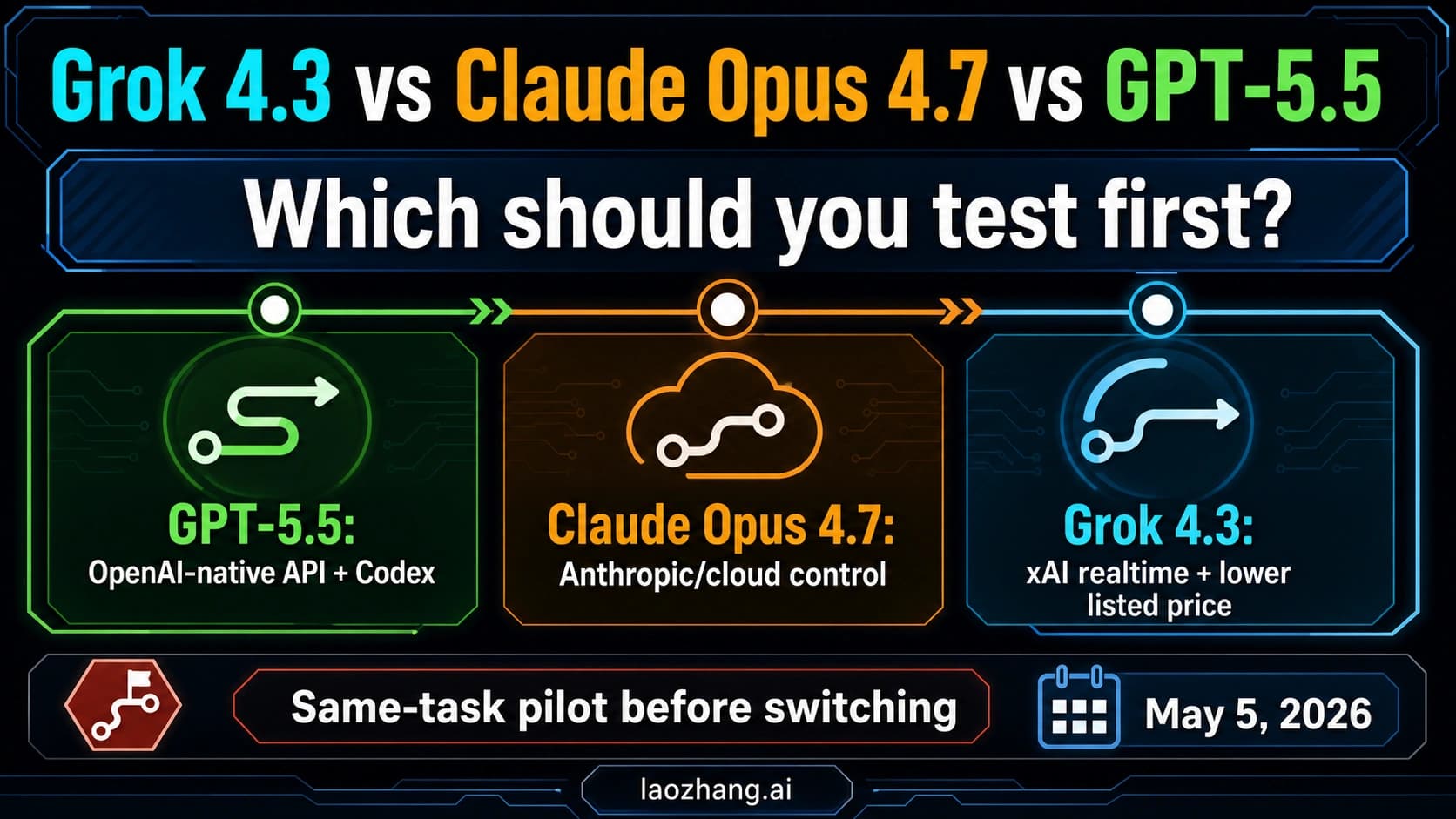
GPT-5.5 is the OpenAI-native first test, Claude Opus 4.7 is the premium Anthropic/cloud control, and Grok 4.3 is the xAI route for realtime or lower listed-price pilots.
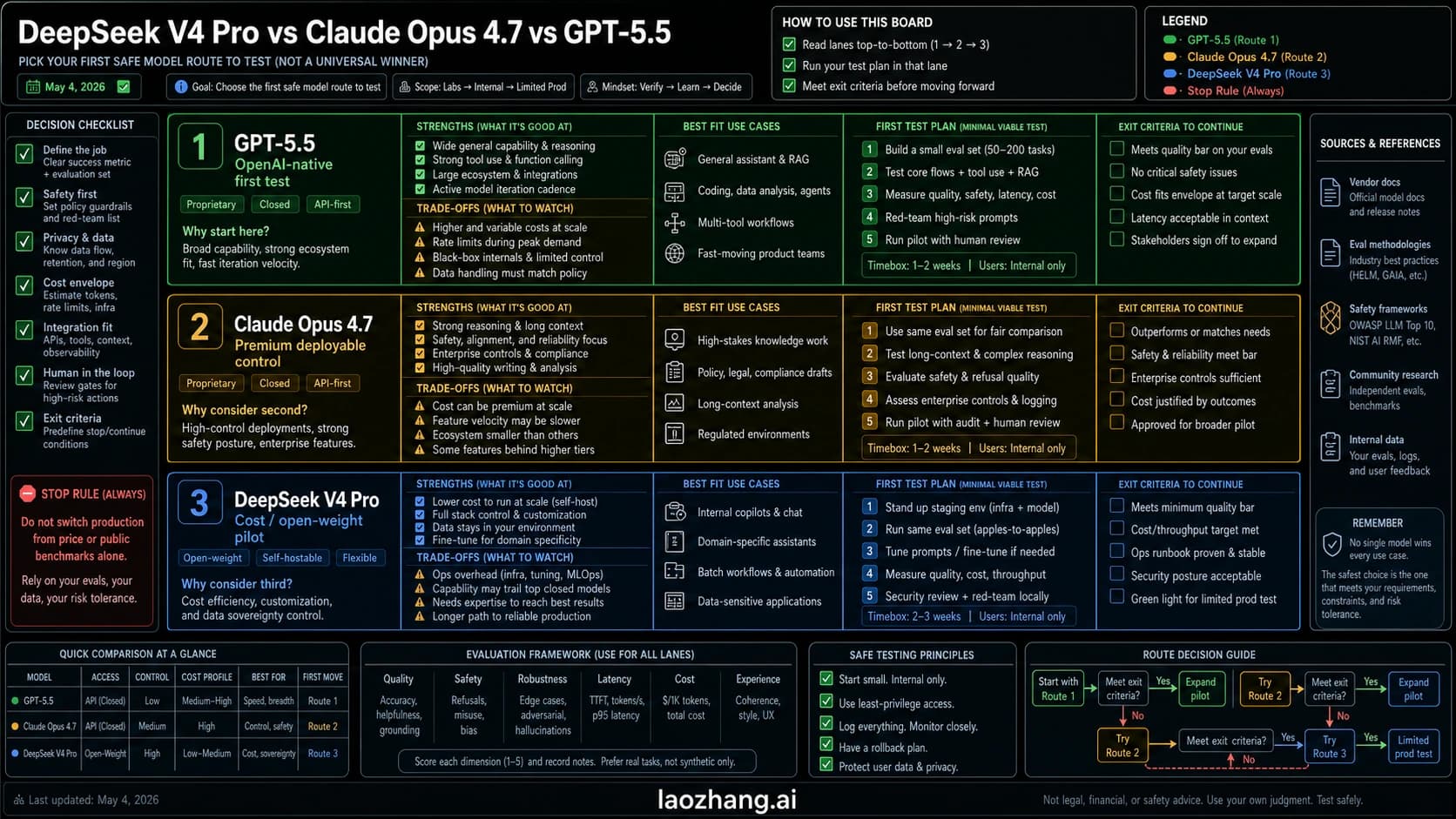
Test GPT-5.5 first for OpenAI-native workflows, keep Opus 4.7 as the premium control, and pilot DeepSeek V4 Pro only with same-task validation.
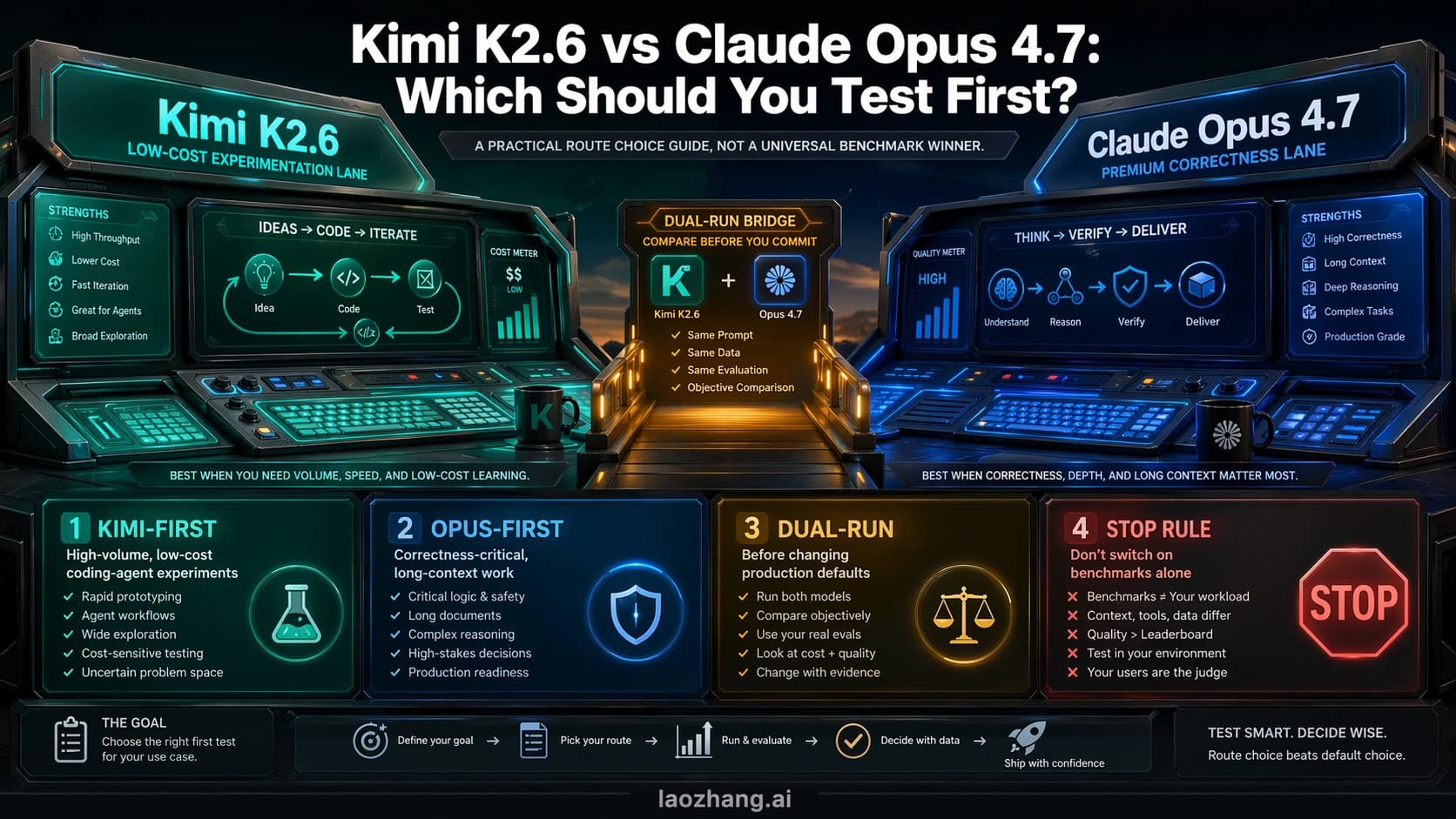
Start with Kimi for low-cost high-volume coding-agent experiments, keep Opus first for correctness-critical production, and dual-run before changing defaults.
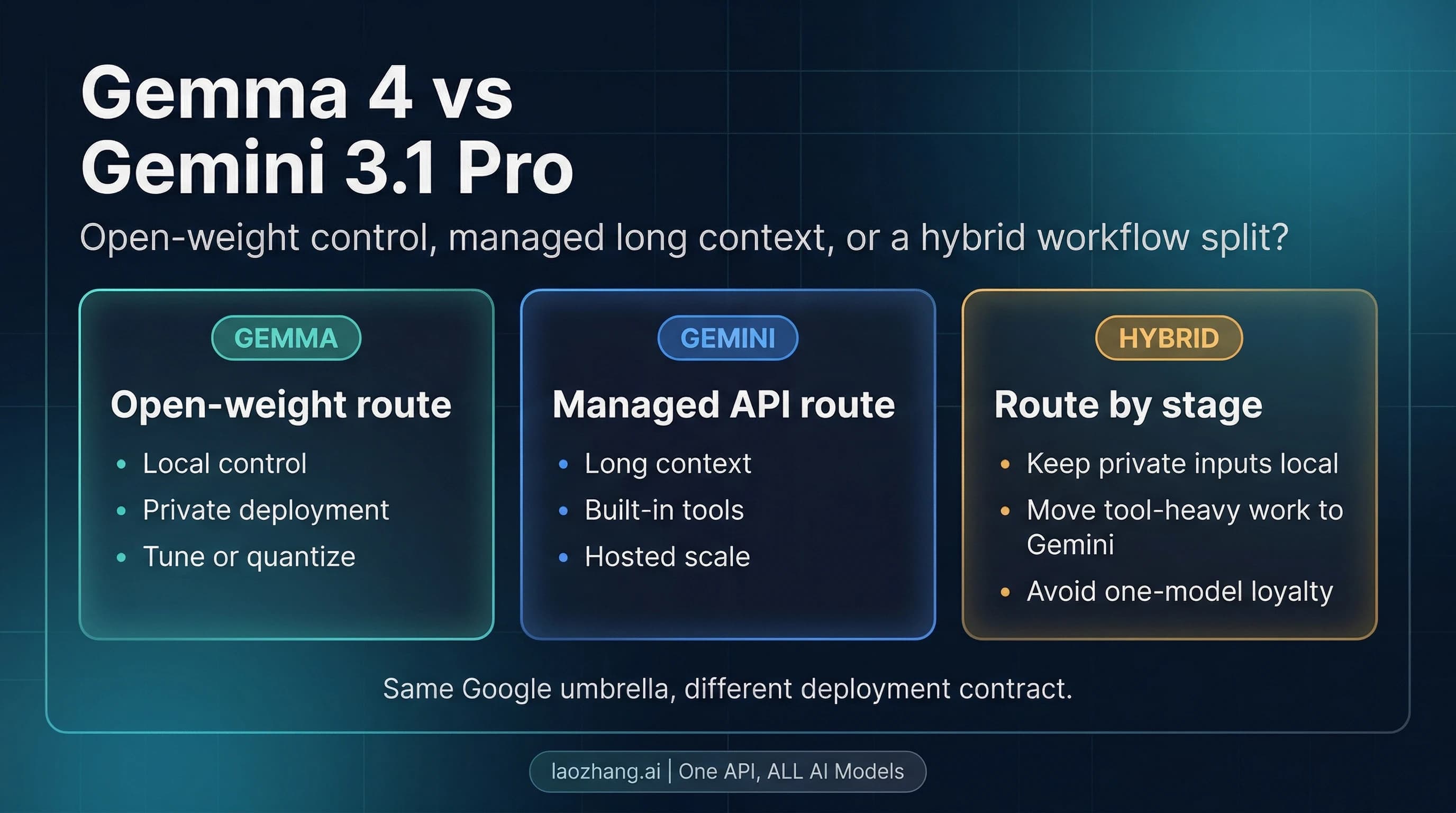
Choose Gemma 4 when you need open weights, local control, privacy, or customization. Choose Gemini 3.1 Pro when you need managed long context, Google-hosted tools, and faster setup. Use both when one workflow has both local-sensitive and cloud-heavy stages.
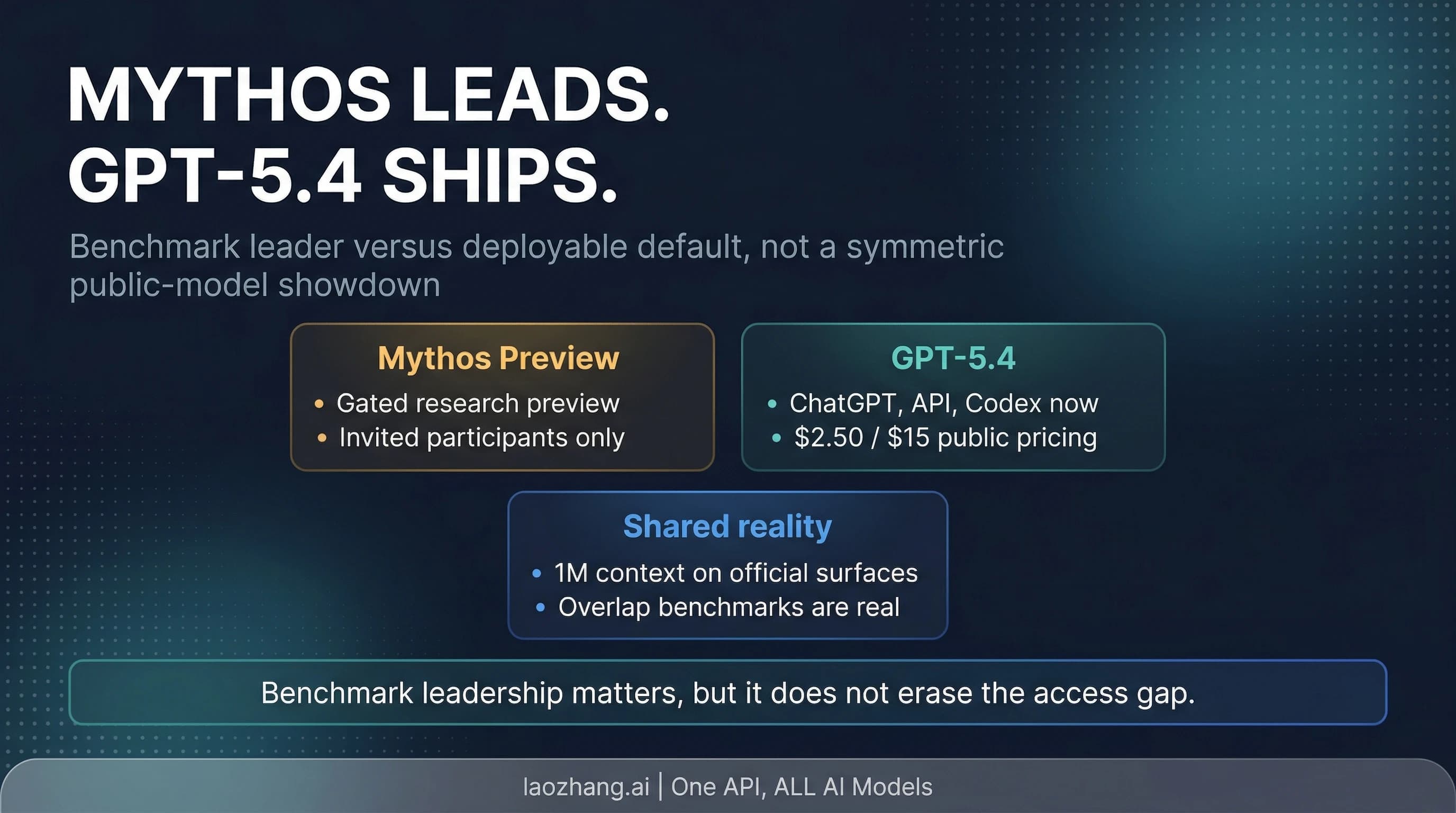
If you need a model today, GPT-5.4 is still the practical default. Claude Mythos Preview matters because Anthropic's official launch numbers are strong, but it remains a gated research preview rather than a normal public route for ordinary users.
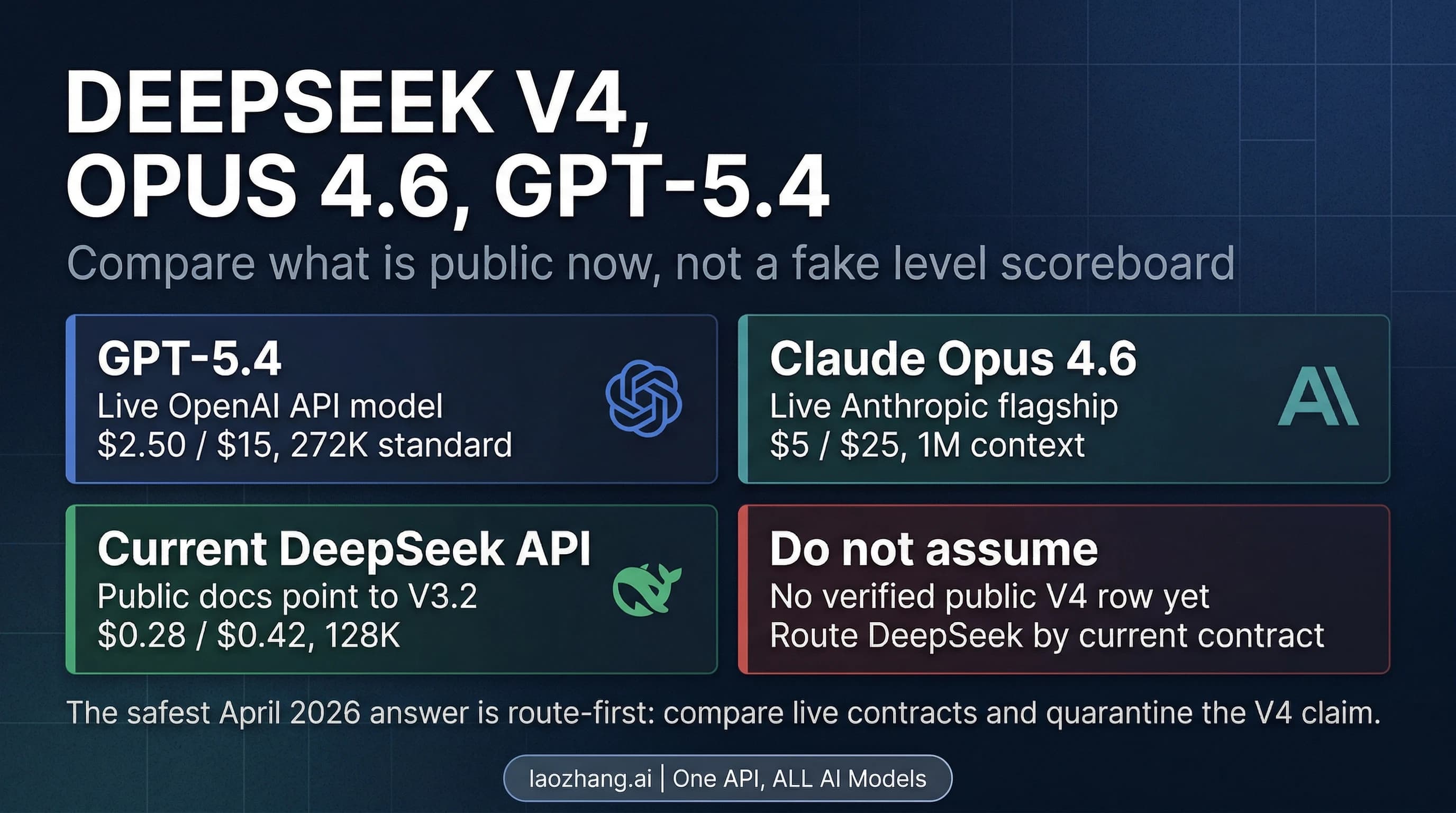
If you need a production choice today, compare GPT-5.4 and Claude Opus 4.6 as the two clean current frontier contracts, then place DeepSeek through the current V3.2-backed public API rather than a not-yet-verified V4 row. GPT-5.4 is the clearest OpenAI route, Opus 4.6 is the premium long-horizon coding route, and current DeepSeek is the cost floor.
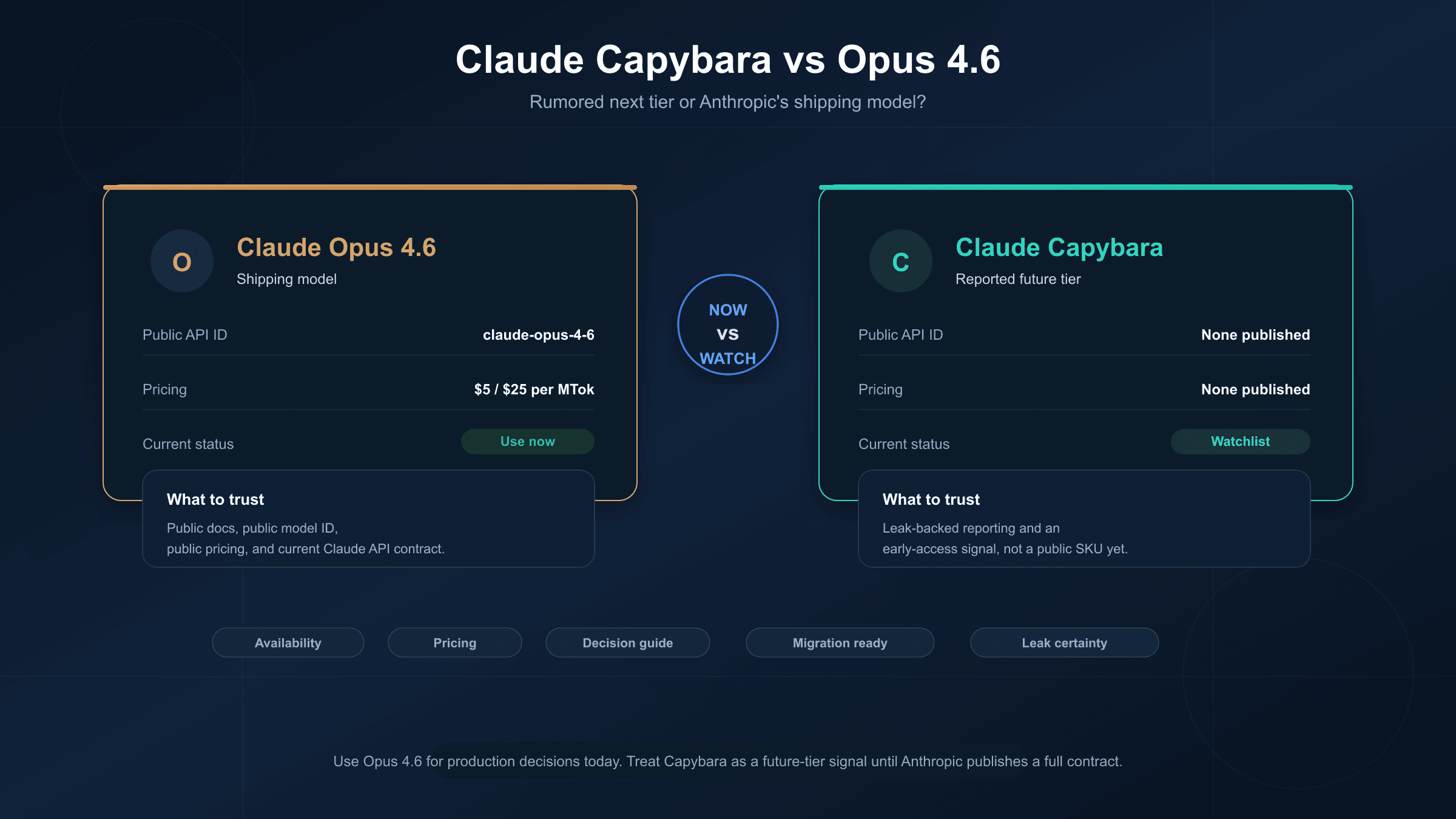
Claude Capybara is not a public Anthropic model contract you can select today. Anthropic's public docs still point to Claude Opus 4.6 as the top shipping model, while Capybara remains a leak-backed future-tier signal. Here's how to decide whether to use Opus 4.6 now or keep Capybara on your roadmap watchlist.
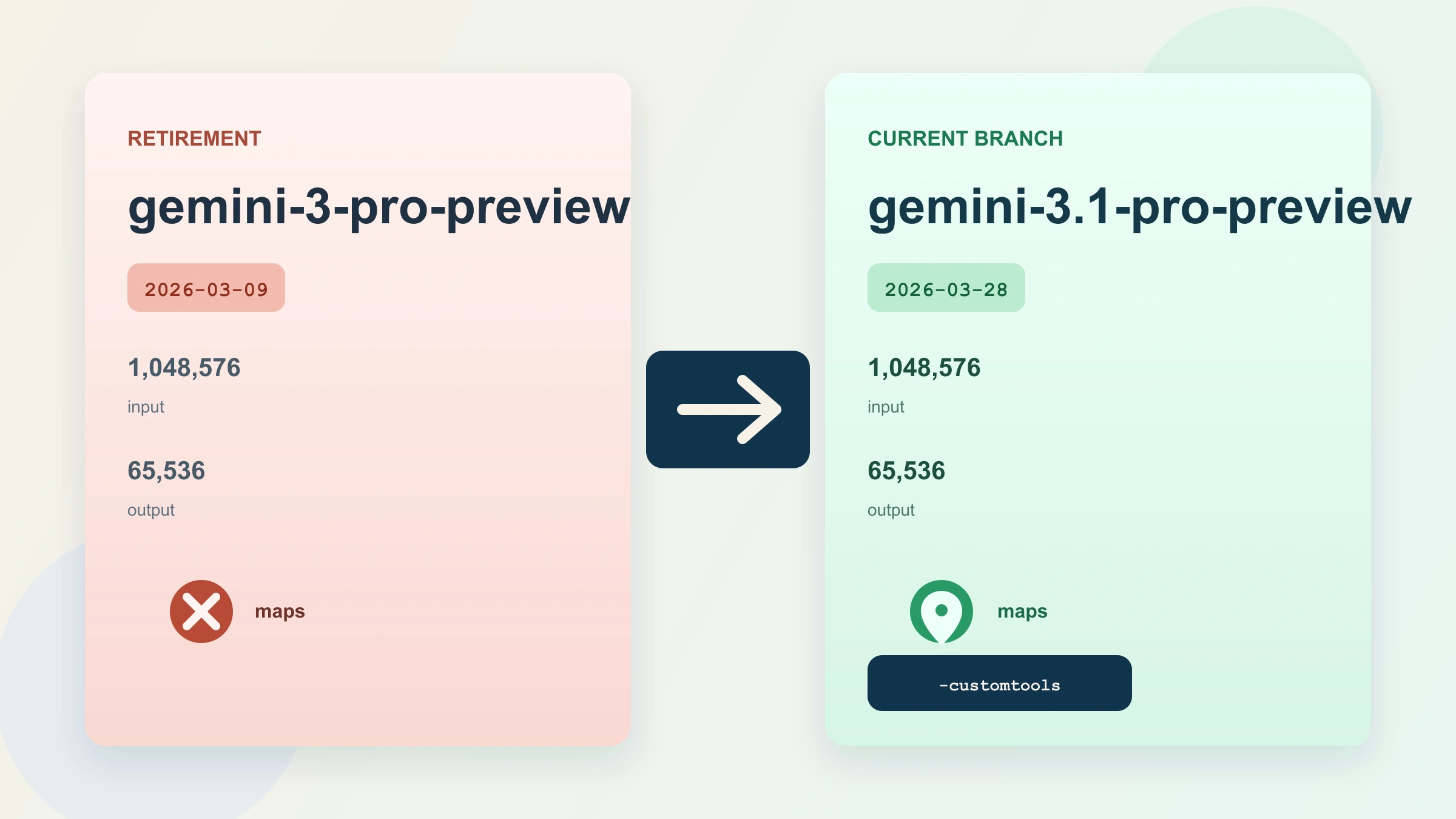
Gemini 3 Pro is already shut down, so this is no longer a normal head-to-head comparison. This guide explains what actually changed in Gemini 3.1 Pro, what stayed the same, and what developers should re-test during migration.
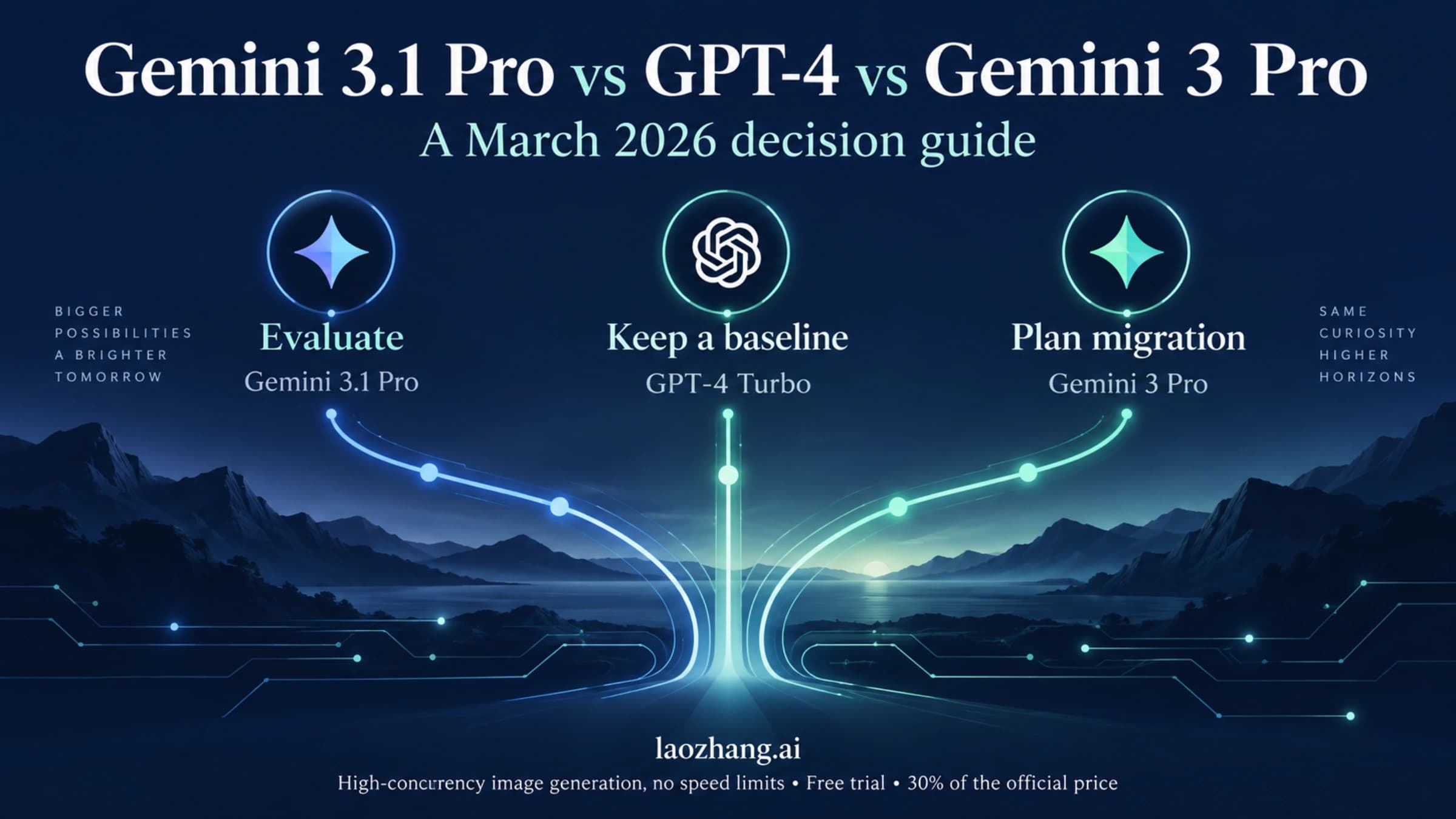
As of March 28, 2026, Gemini 3.1 Pro Preview is the only live flagship choice among these three names. Gemini 3 Pro Preview was shut down on March 9, 2026, and OpenAI describes GPT-4 Turbo as an older model while recommending newer models like GPT-4o. This guide explains what that means for developers choosing, migrating, or benchmarking today.
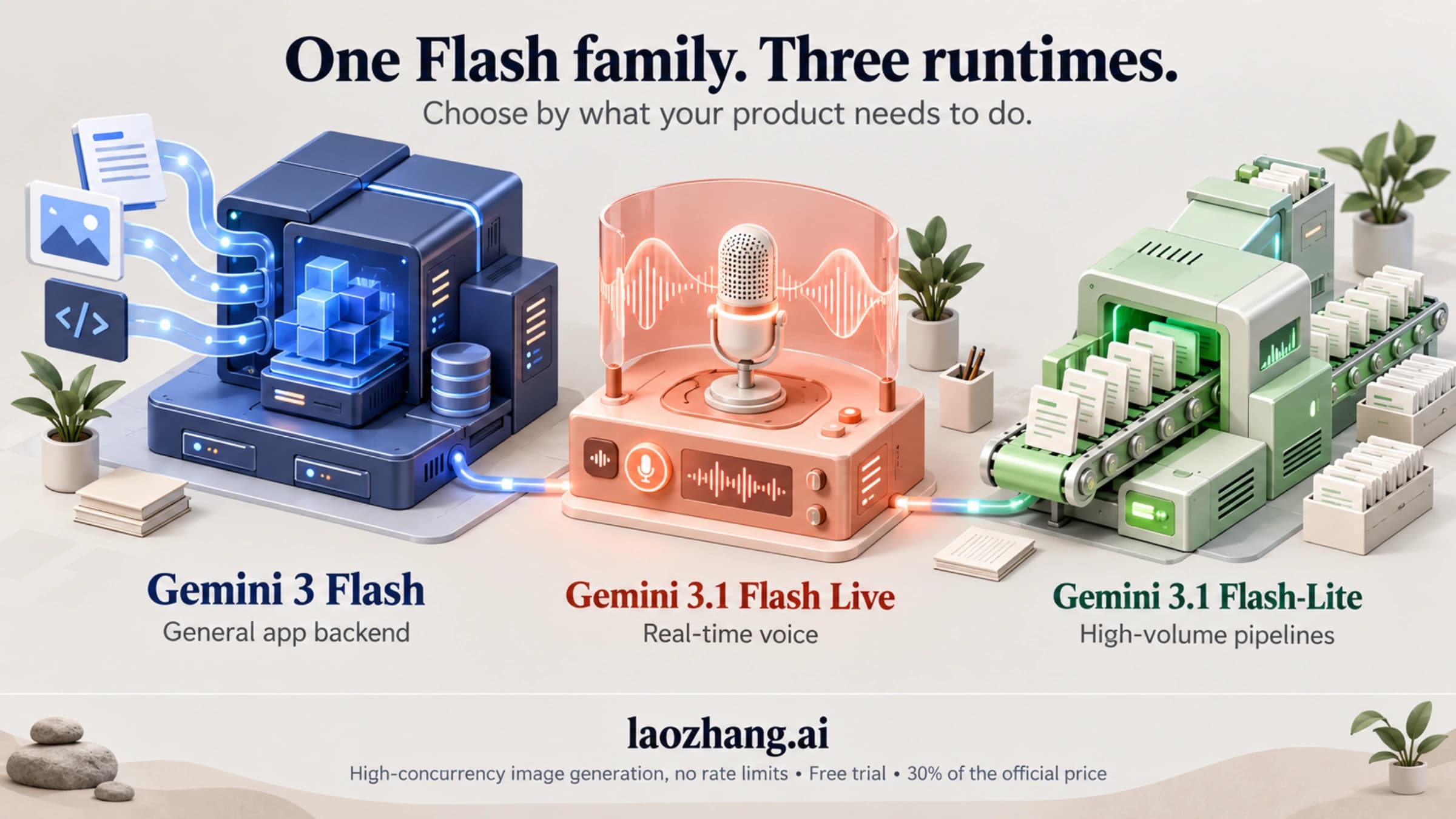
If you are choosing between Gemini 3 Flash, Gemini 3.1 Flash Live, and Gemini 3.1 Flash-Lite, the right answer is to pick by runtime contract first: standard Flash for most multimodal app backends, Flash Live for real-time voice, and Flash-Lite for cheap high-volume work.
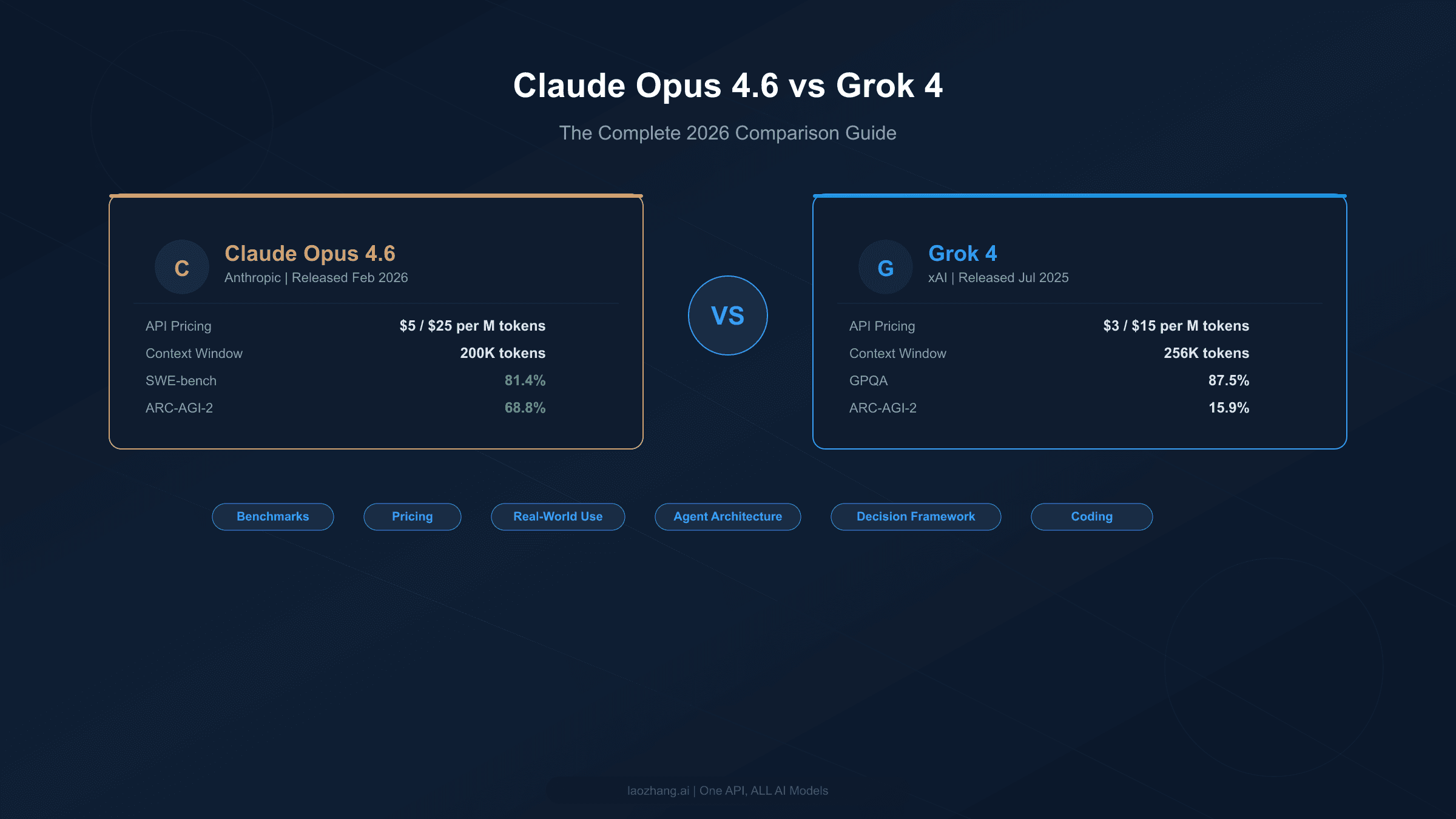
Claude Opus 4.6 outperforms Grok 4 on coding benchmarks (81.4% vs ~72% SWE-bench) and reasoning tasks (68.8% vs 15.9% ARC-AGI-2), while Grok 4 costs 40% less at $3/$15 per million tokens. This comprehensive comparison covers benchmarks, pricing, coding capabilities, agent architecture, and provides a scenario-based decision framework to help you choose the right model.
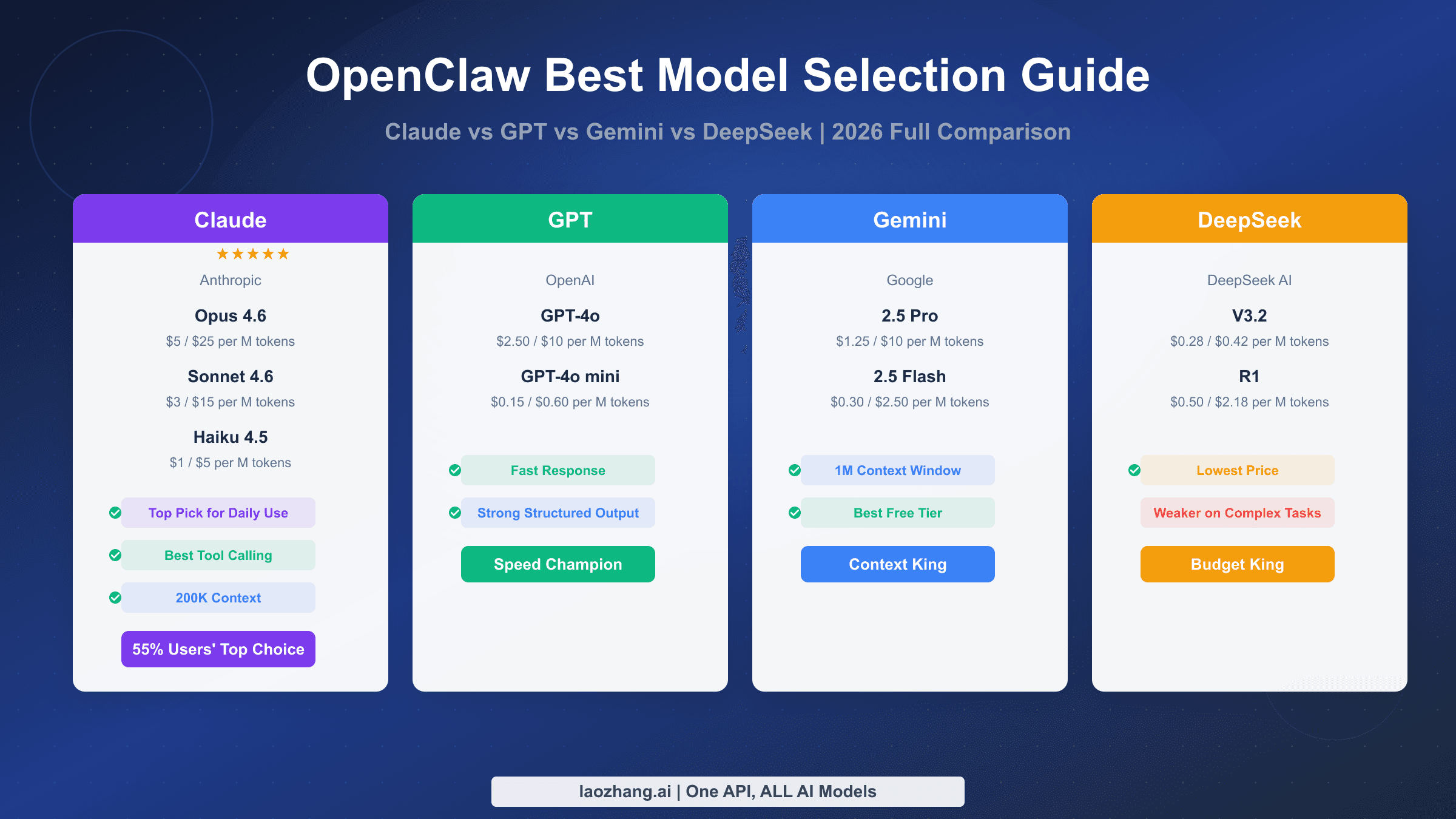
OpenClaw supports Claude, GPT, Gemini, DeepSeek, and over a dozen AI models. Claude Sonnet 4.6 ($3/$15/M tokens) is the best starting point for most users, while DeepSeek V3.2 ($0.28/$0.42) suits budget-conscious scenarios. This article compares 9 mainstream models on price, performance, and configuration, and provides a 3-tier routing strategy to save 65-80% on API costs.
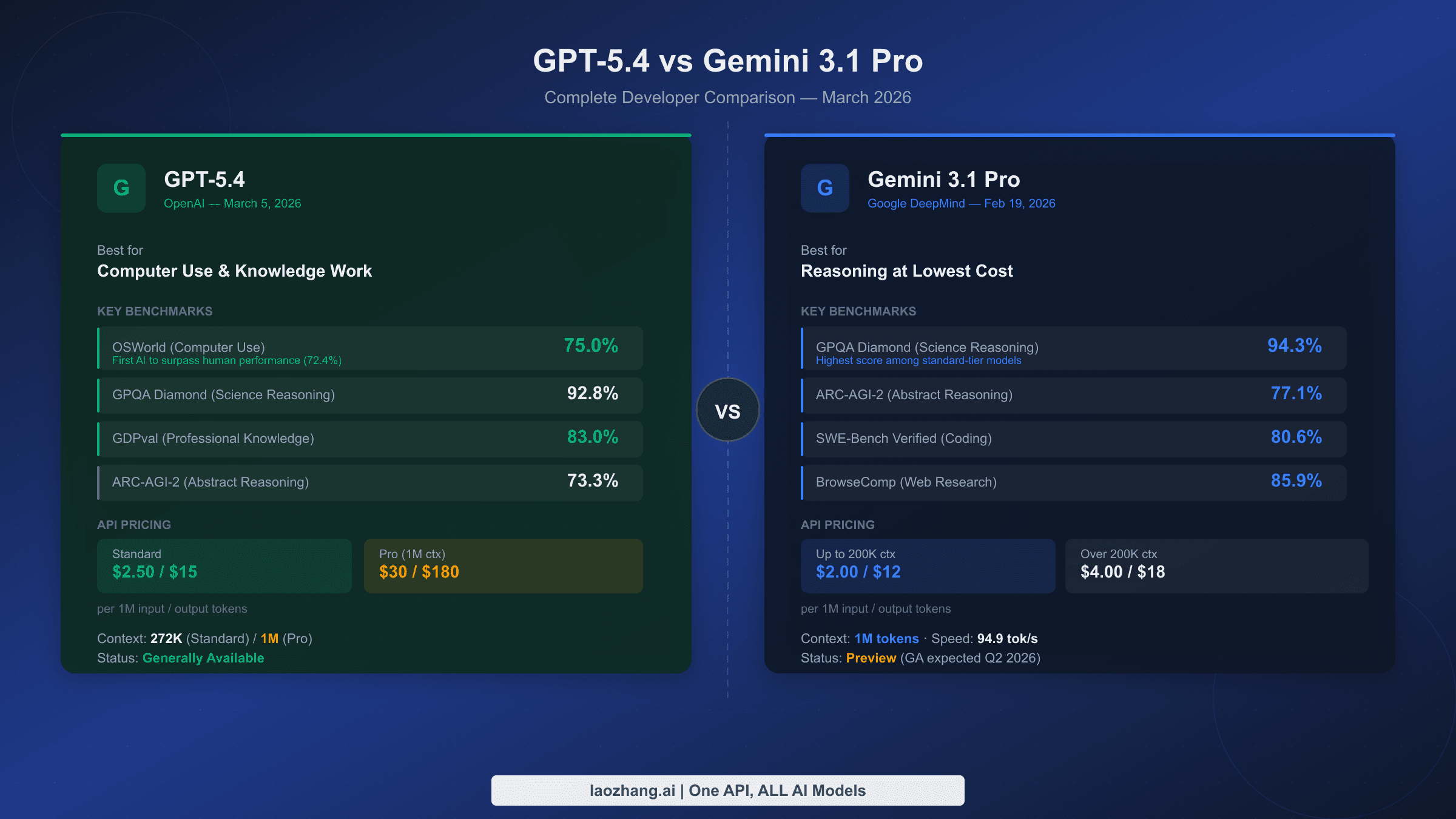
GPT-5.4 and Gemini 3.1 Pro split benchmarks almost evenly. Gemini leads in abstract reasoning (94.3% GPQA Diamond) and is up to 20% cheaper at the Standard tier — or 15x cheaper when comparing Pro tiers. GPT-5.4 is the first AI to exceed human performance on desktop computer use (75% OSWorld). Here is the complete data to help you choose.
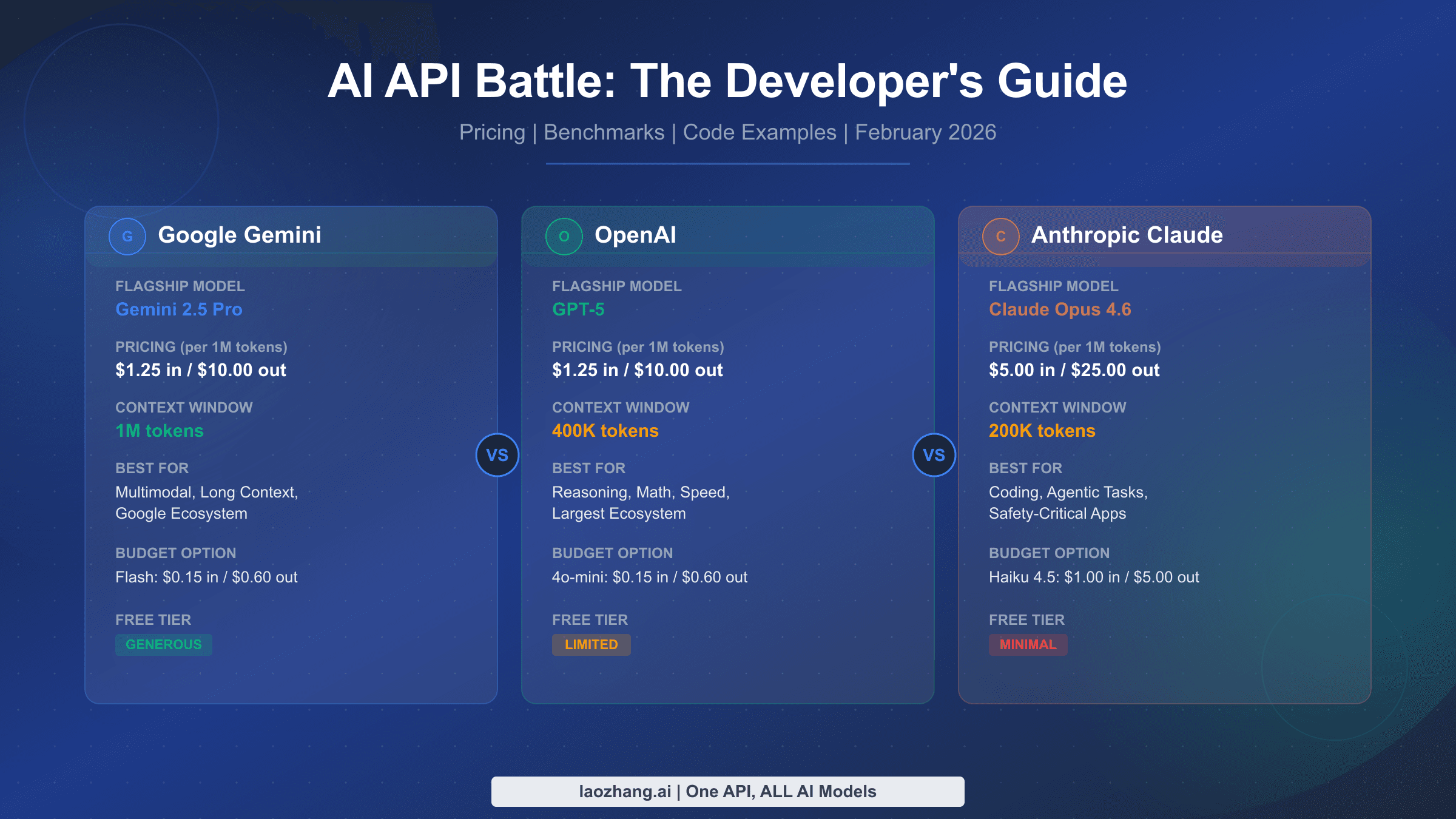
An in-depth comparison of the three leading AI APIs in February 2026. Covers verified pricing for GPT-5, Gemini 2.5 Pro, and Claude Opus 4.6, real-world cost calculations for indie developers through enterprise teams, benchmark analysis on SWE-bench and AIME, side-by-side code examples, and a practical decision framework to help you choose the right API for your project.
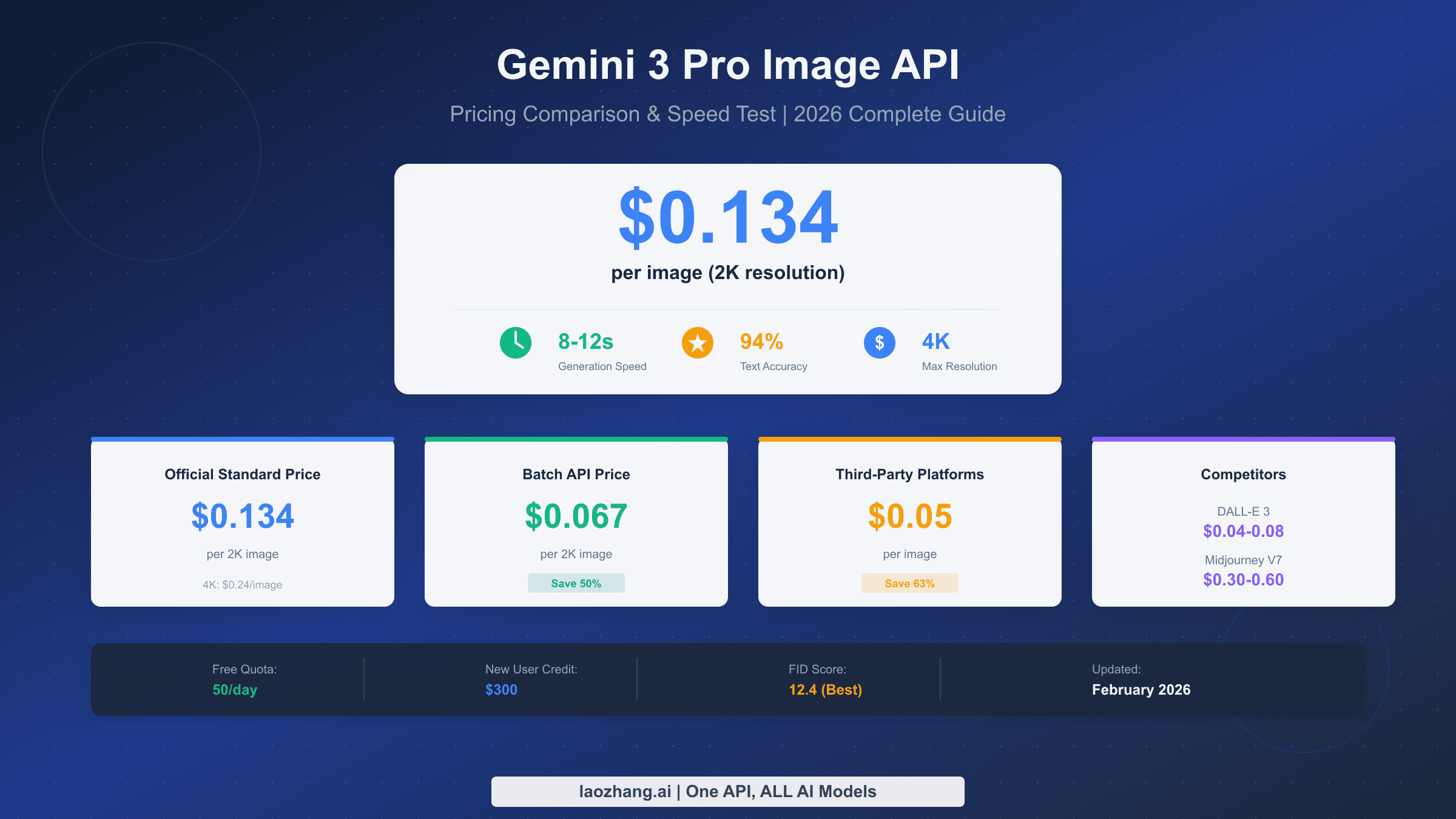
Gemini 3 Pro Image (Nano Banana Pro) official pricing is $0.134/image (2K) to $0.24/image (4K), with 8-12 second generation speed and 94% text rendering accuracy. Batch API offers 50% discount, while third-party platforms like laozhang.ai go as low as $0.05/image, saving up to 63%.
Comprehensive comparison of Google Veo 3.1 and Kuaishou Kling 2.6 AI video generators. Includes benchmark scores, pricing calculator, native audio analysis, API access options, and decision guide for January 2026.