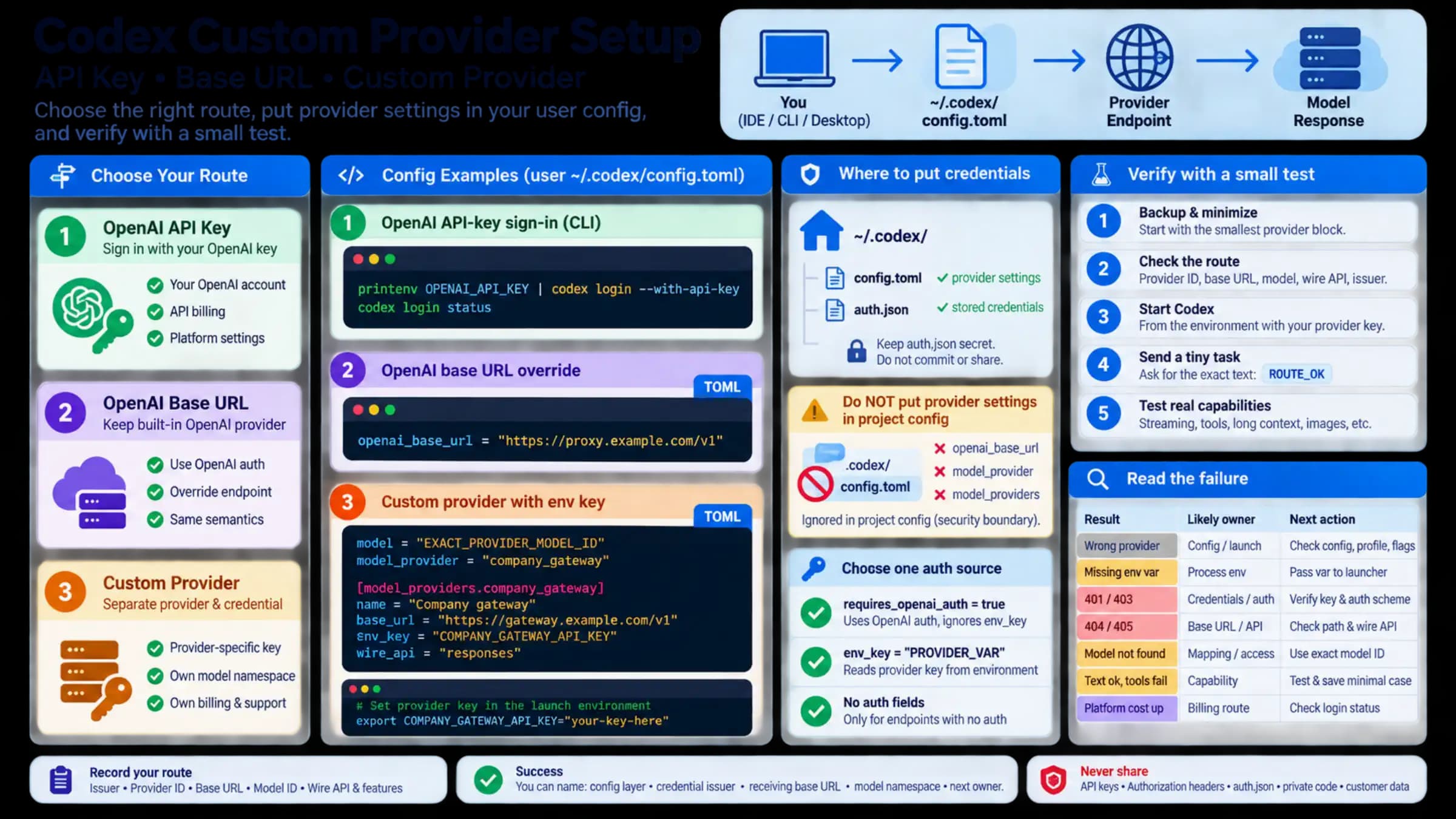
Codex Custom Provider Setup: API Key, Base URL, and Auth
Choose the credential and endpoint owner before editing TOML. The right route may be API-key sign-in, openai_base_url, or a separate provider—and each failure has a different owner.
7 min
Choose the credential and endpoint owner before editing TOML. The right route may be API-key sign-in, openai_base_url, or a separate provider—and each failure has a different owner.
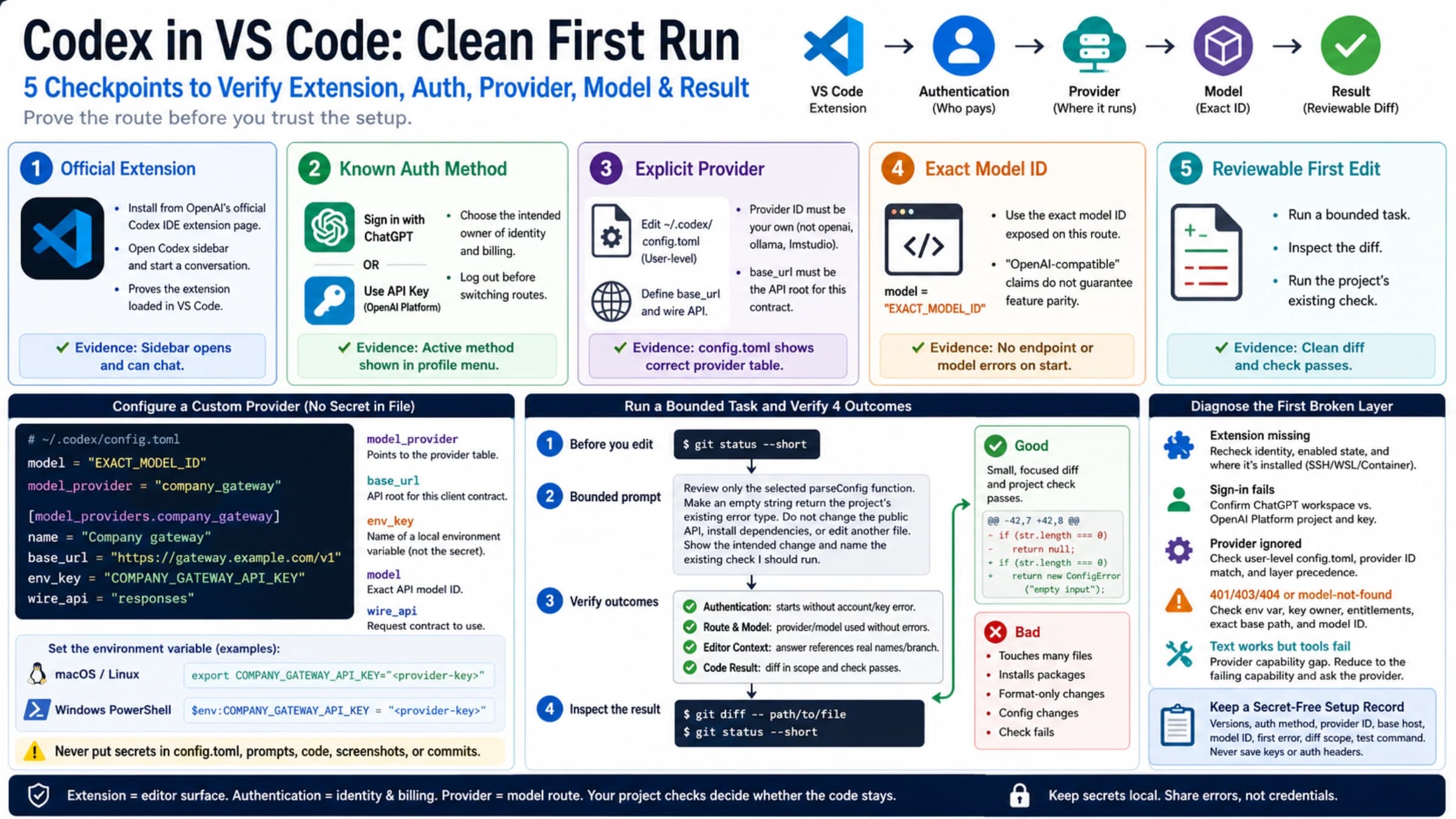
Check which account and provider Codex uses, configure the exact model ID, and verify that your first edit uses the selected code and passes the project’s checks.
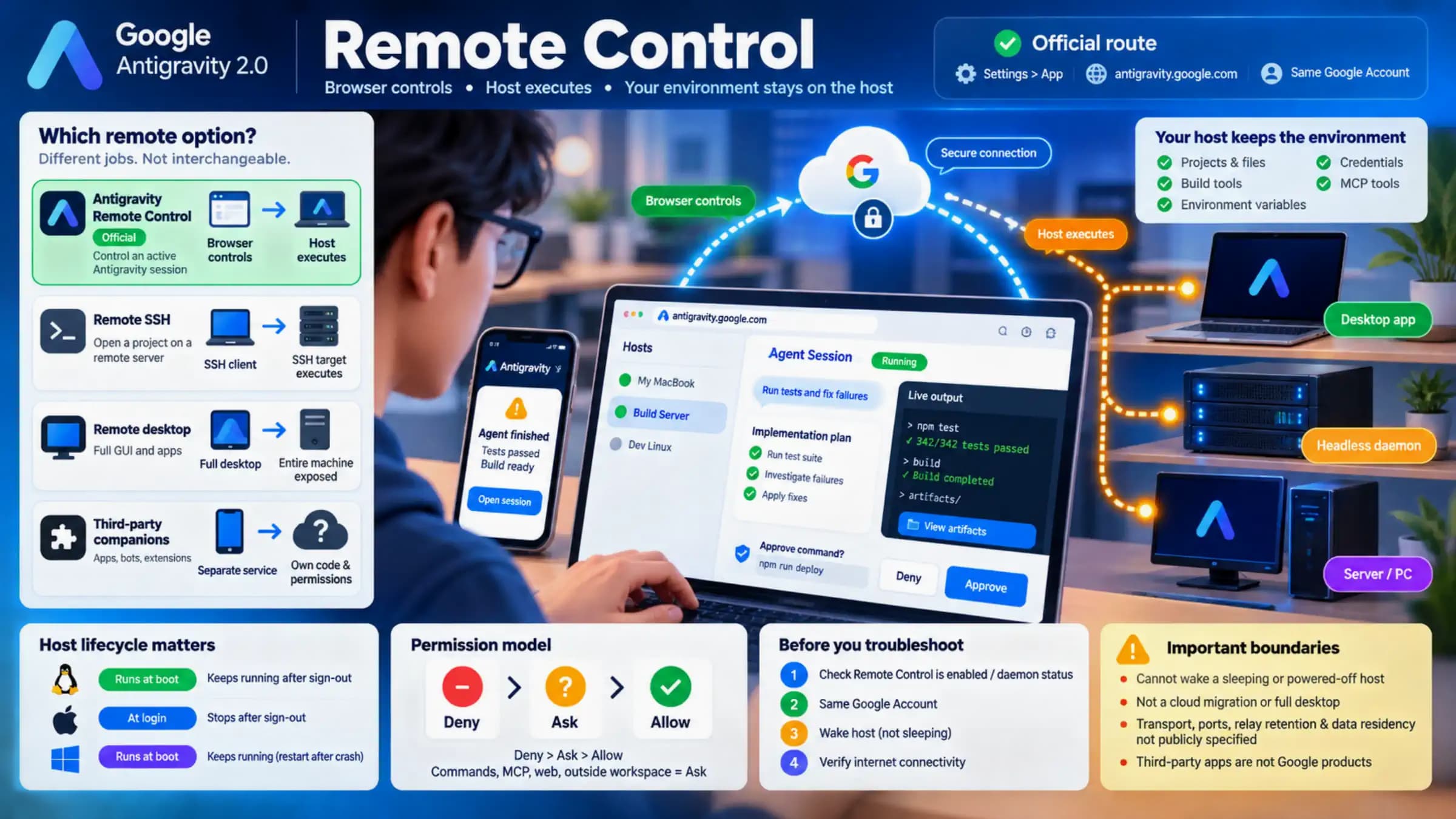
Choose the right remote boundary before you install anything: official Remote Control drives an Antigravity session, while Remote SSH, remote desktop, and third-party companions solve different jobs.
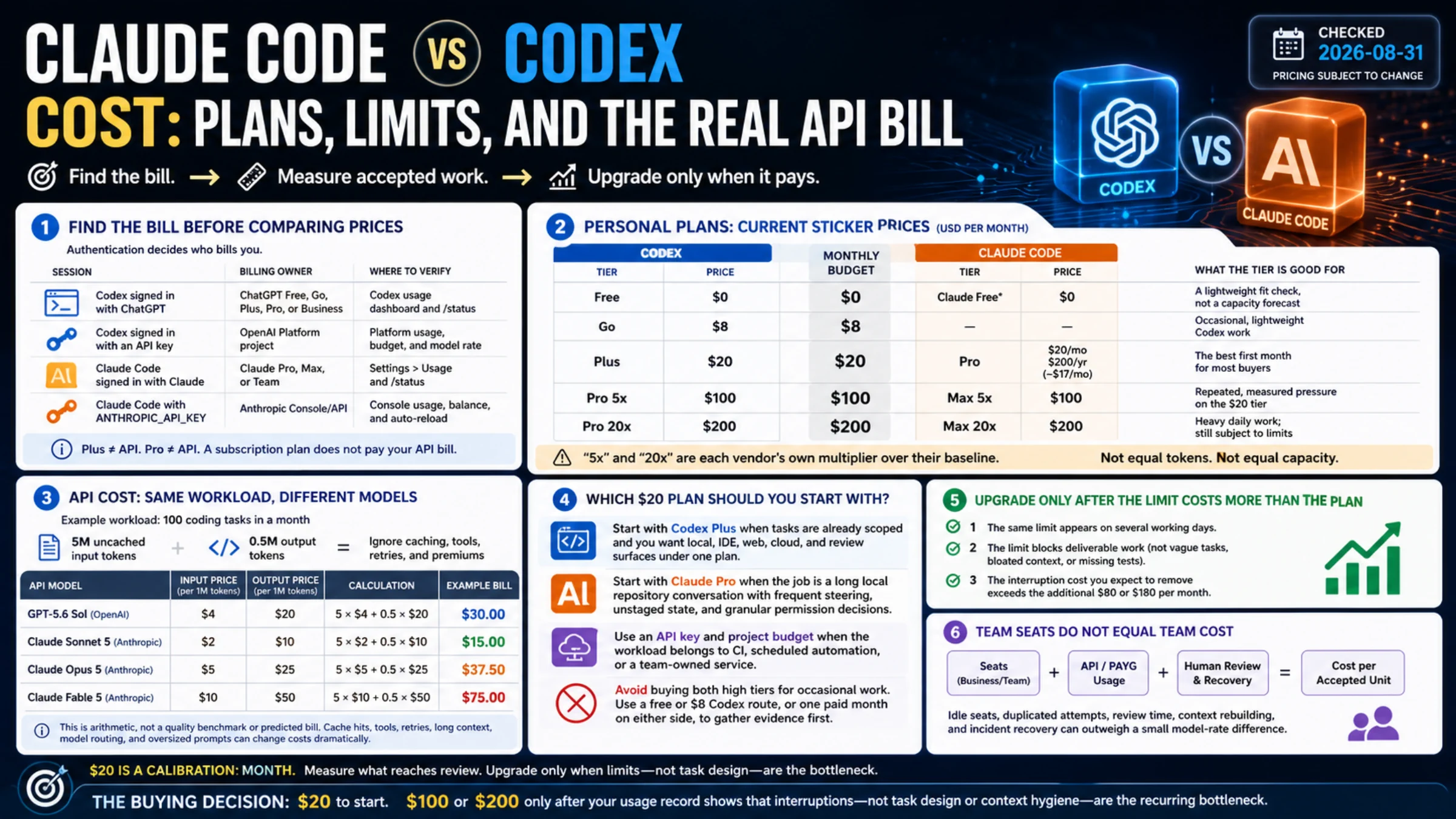
Both tools sell $20, $100, and $200 tiers, but equal sticker prices do not buy equal capacity. Identify the bill first, then measure accepted work before upgrading.
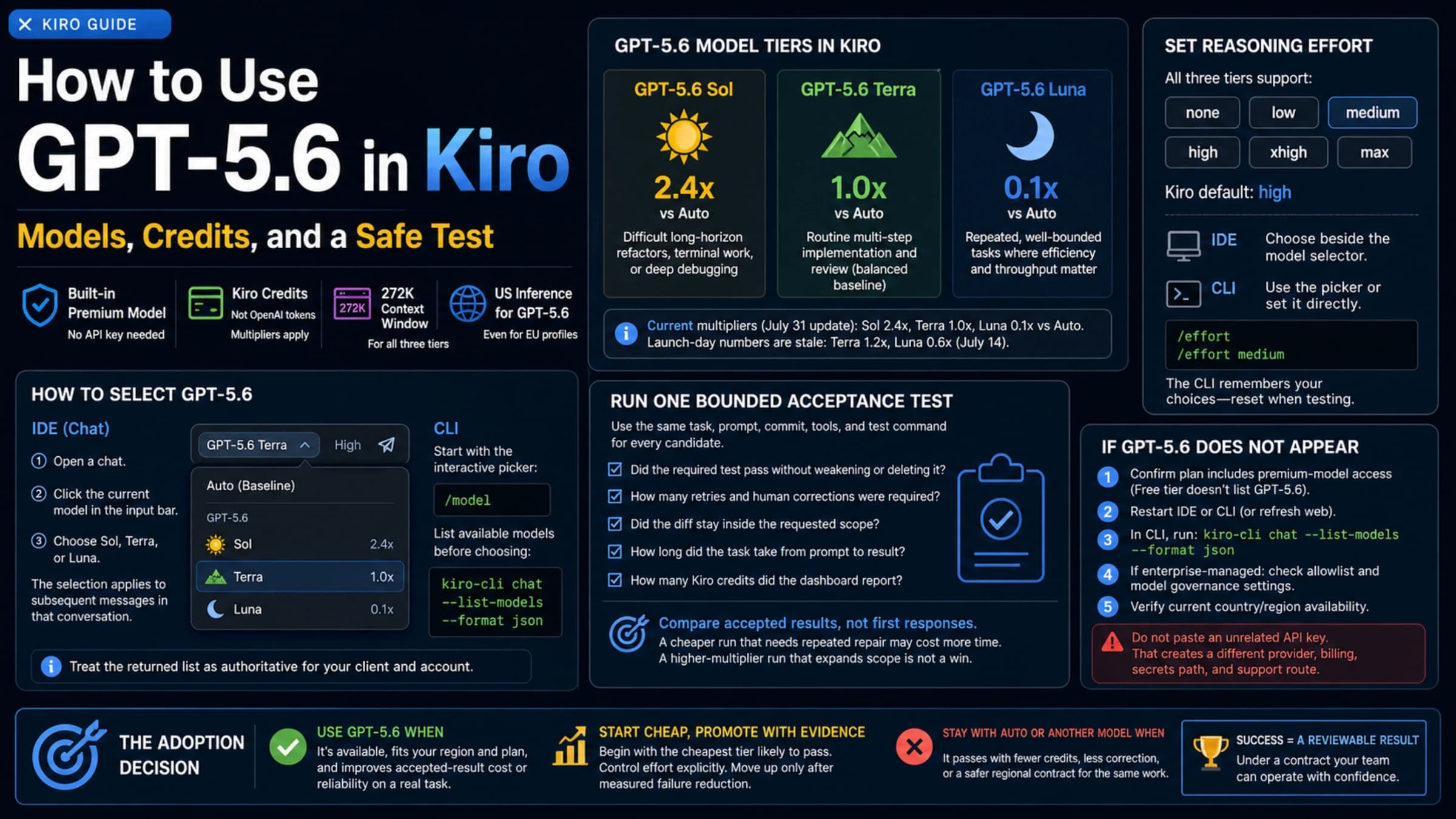
GPT-5.6 is a built-in premium model choice in Kiro, not an OpenAI API key setup. Confirm access, pick a tier and effort level, then measure accepted-task cost on your own repository.
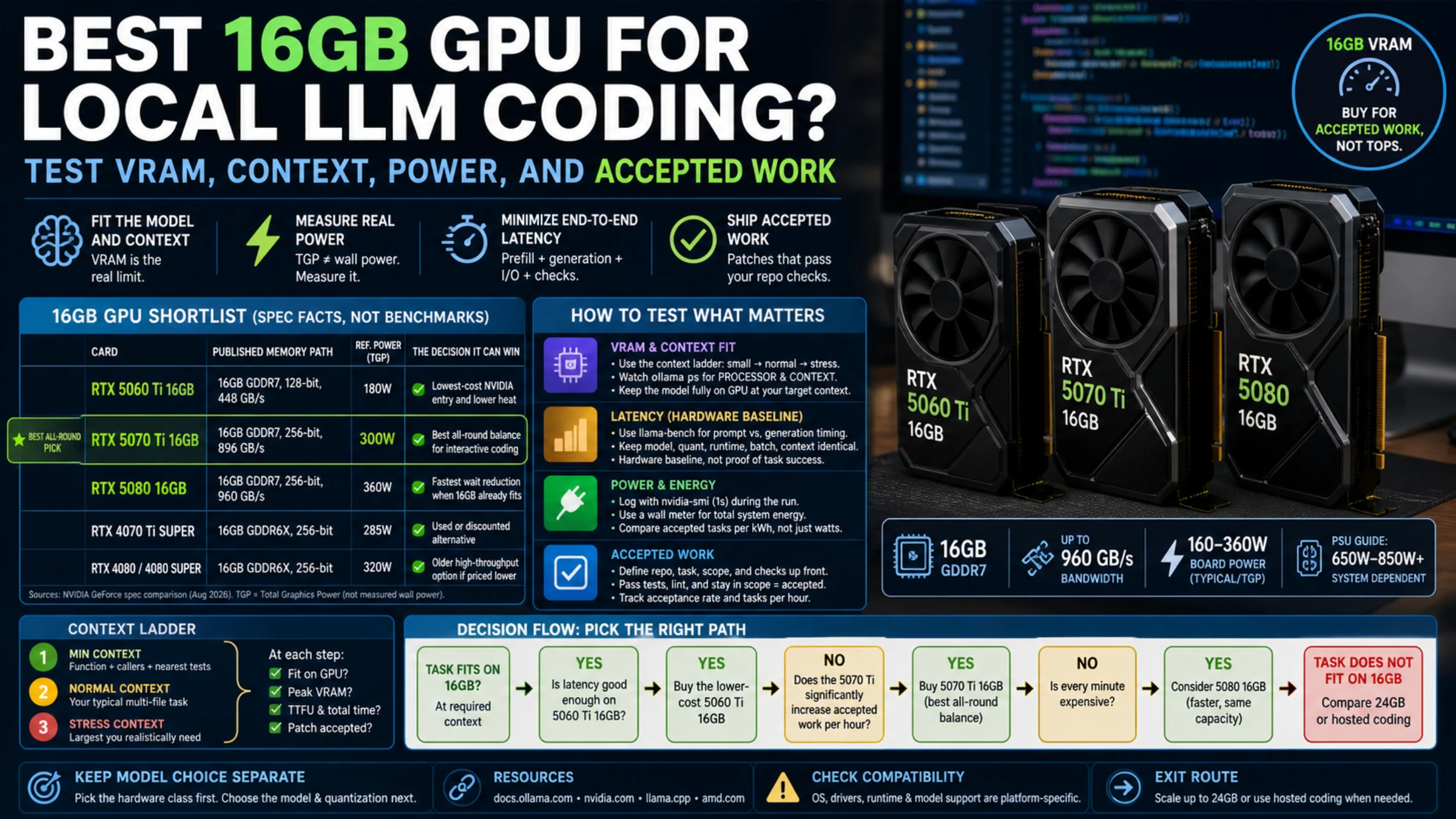
The RTX 5070 Ti is our first 16GB candidate to test, but the right purchase is the least expensive card that fits your real context and completes accepted repository work fast enough.
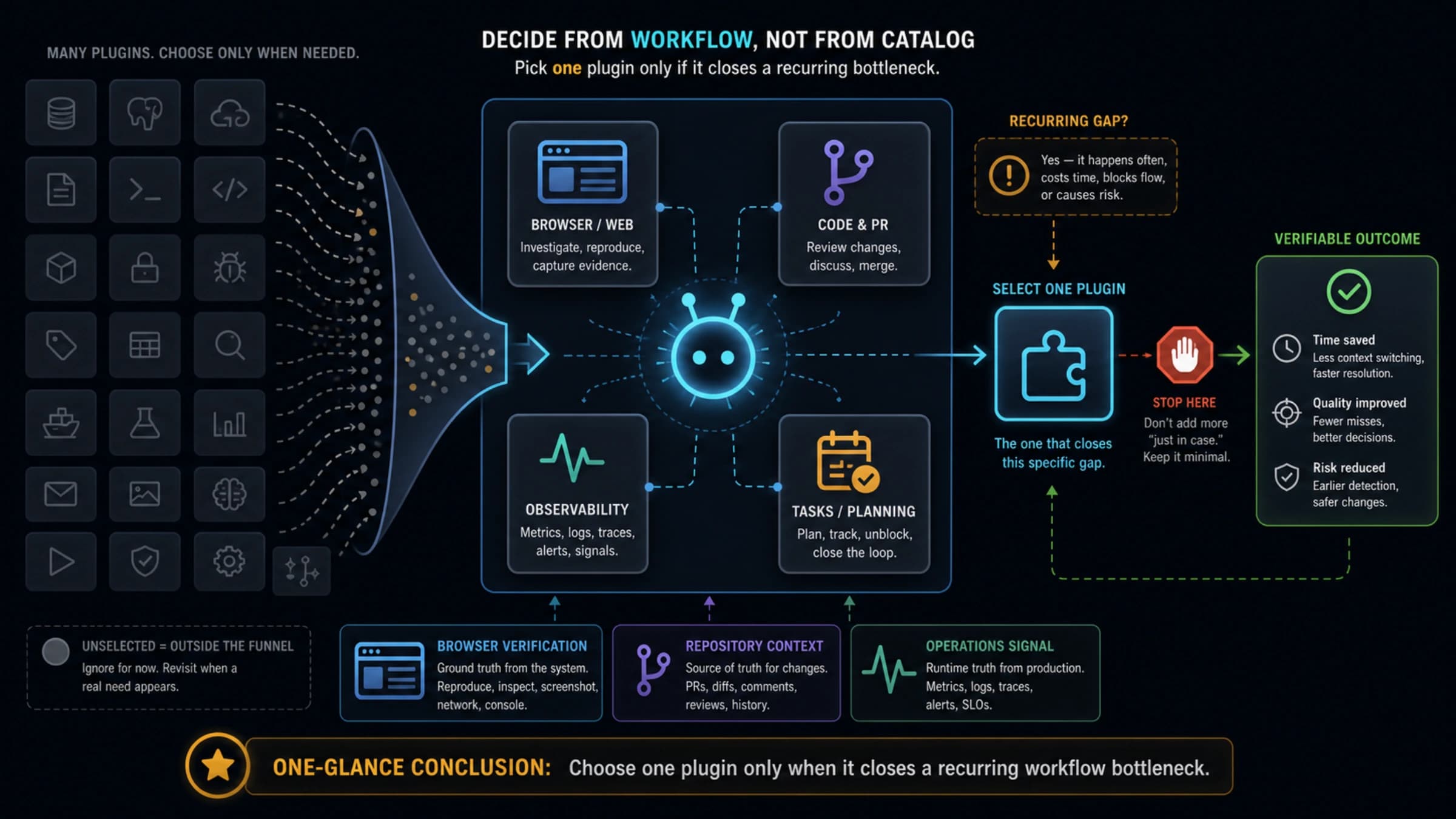
The best first Codex plugin is the one that removes a repeated external-workflow bottleneck. Start with one, review its access, prove it on a small task, and stop until a second need is real.
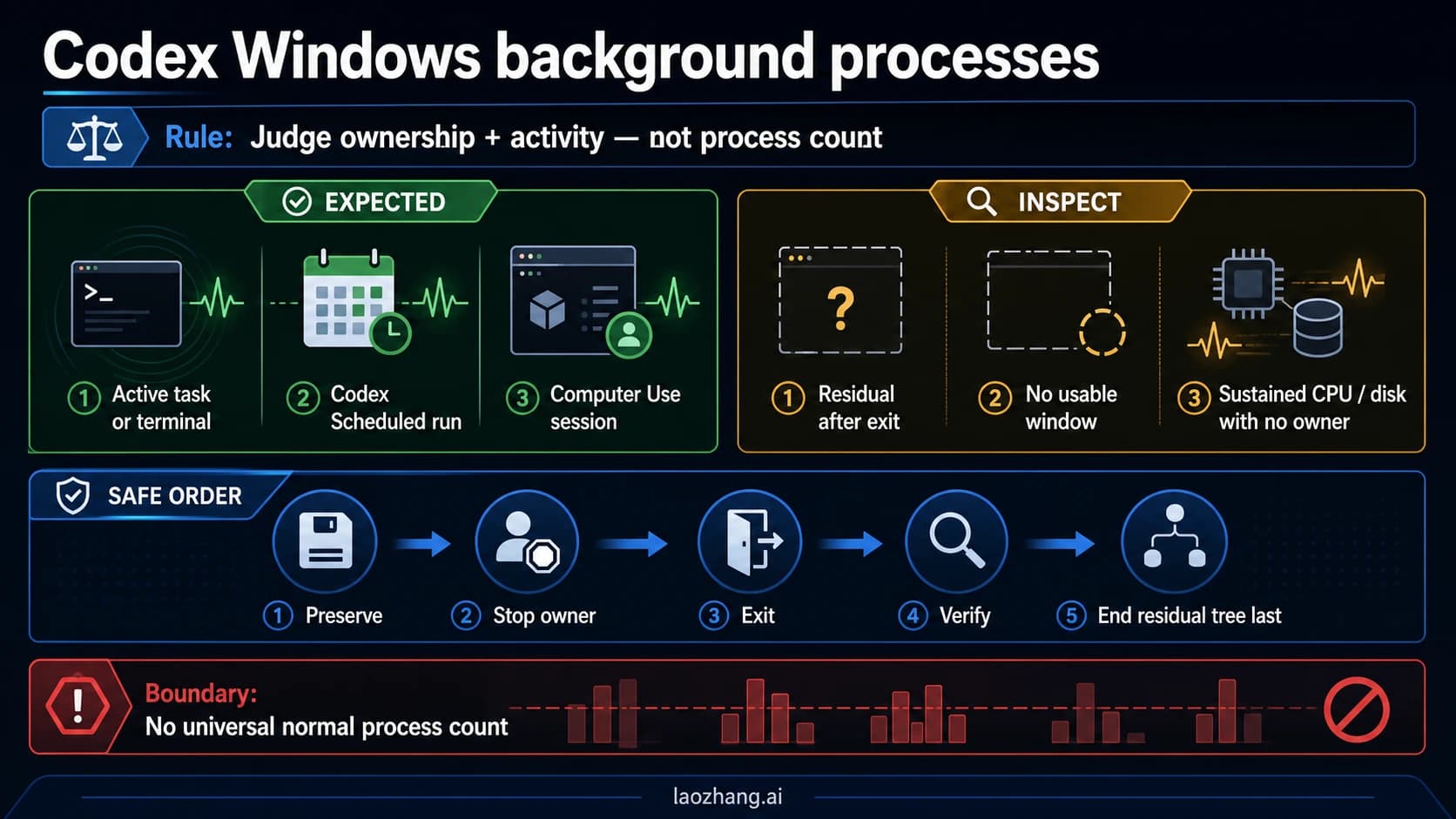
Use ownership, activity, and lifecycle—not a raw process count—to decide what to leave running, what to verify, and when to end a residual Codex process tree.
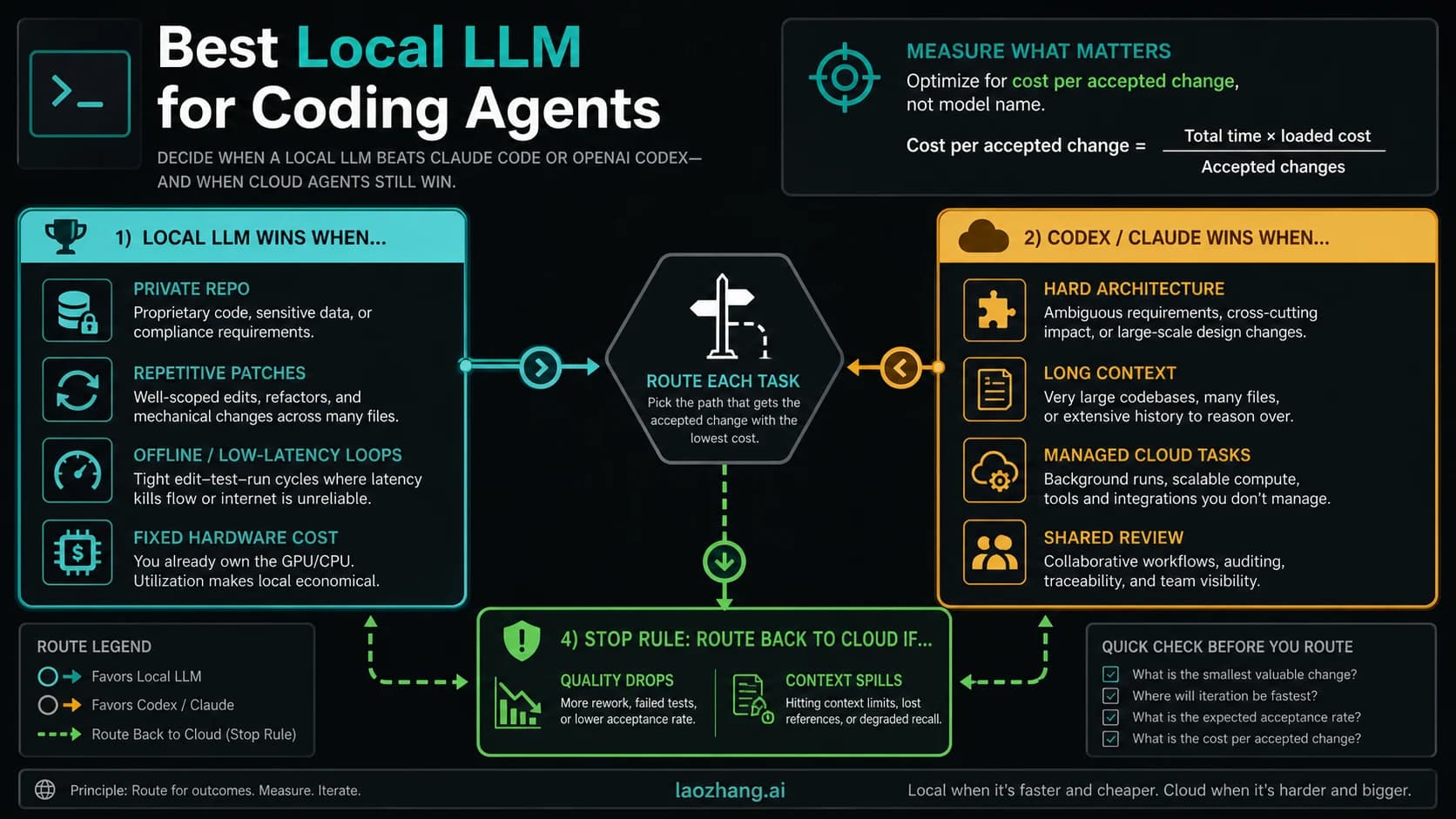
Local is not the default winner. It wins when the job is bounded, private, repetitive, and cheaper per accepted change after review. Claude Code, Codex, and hosted agents still win the hard ambiguous work.
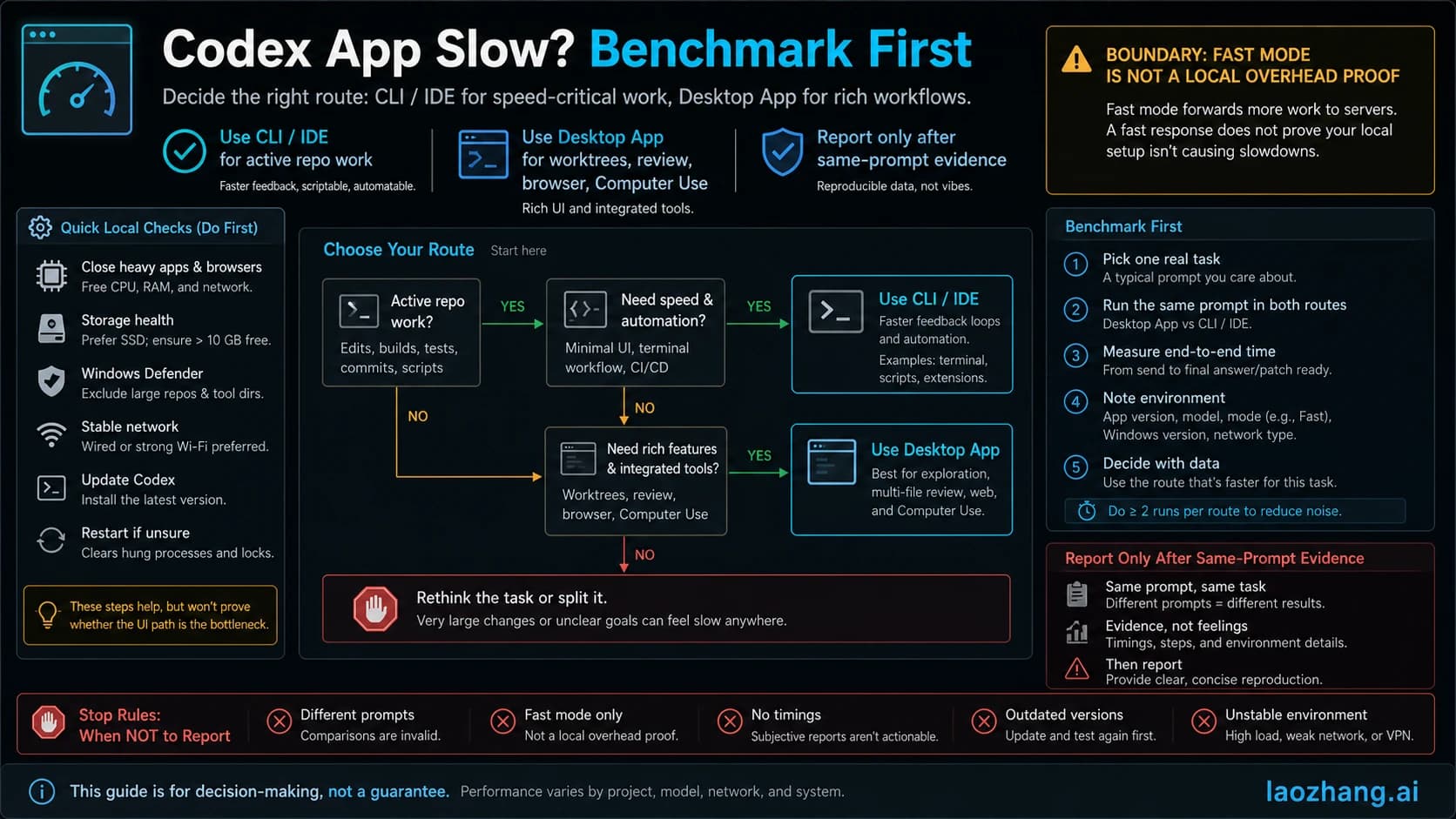
Use the same-prompt test to separate local app overhead from model speed, choose the right Codex surface, and collect report-ready evidence.
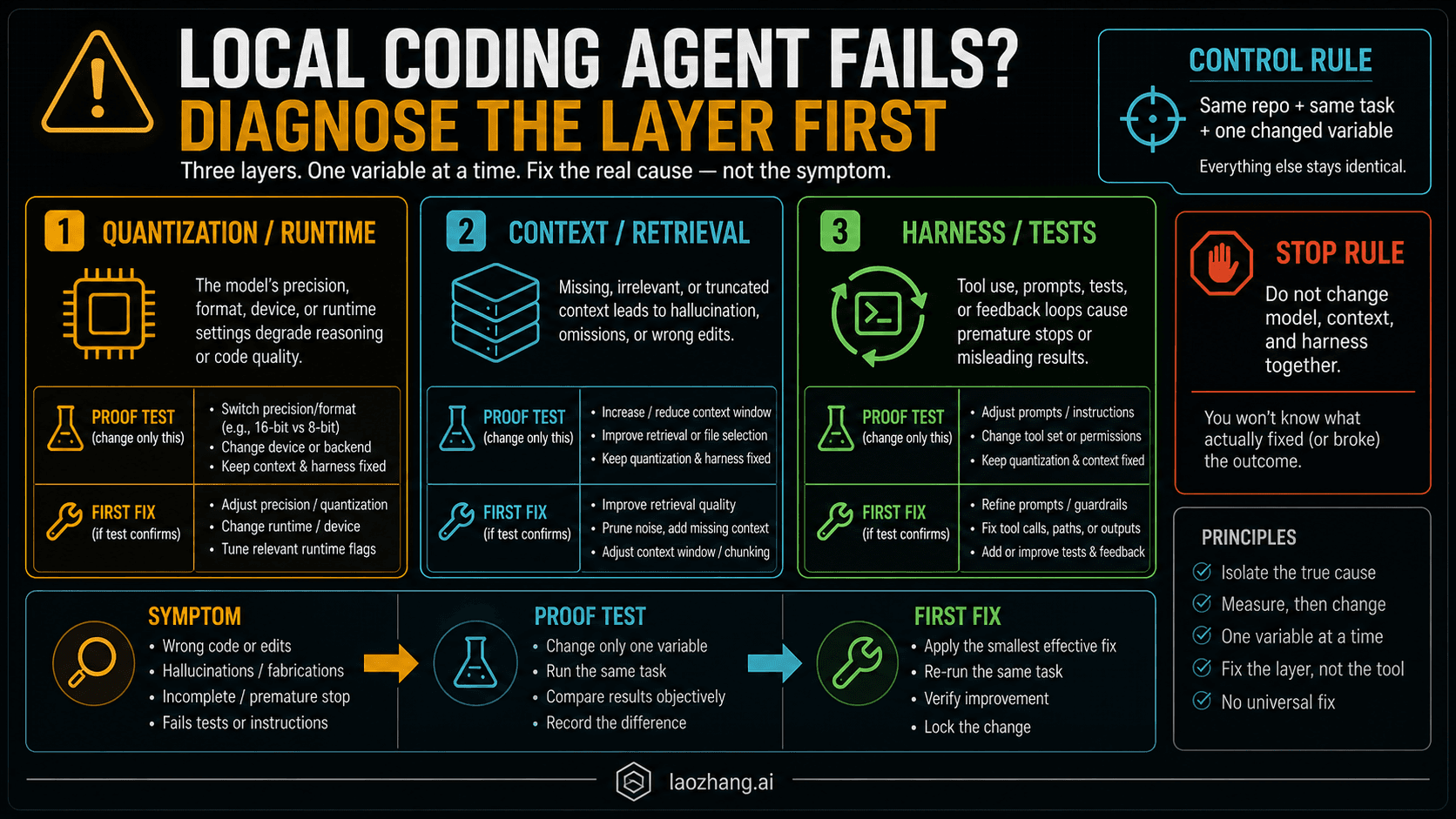
Diagnose local coding-agent failures with a three-layer matrix, a one-variable control, proof tests, and a stop rule for local tuning.
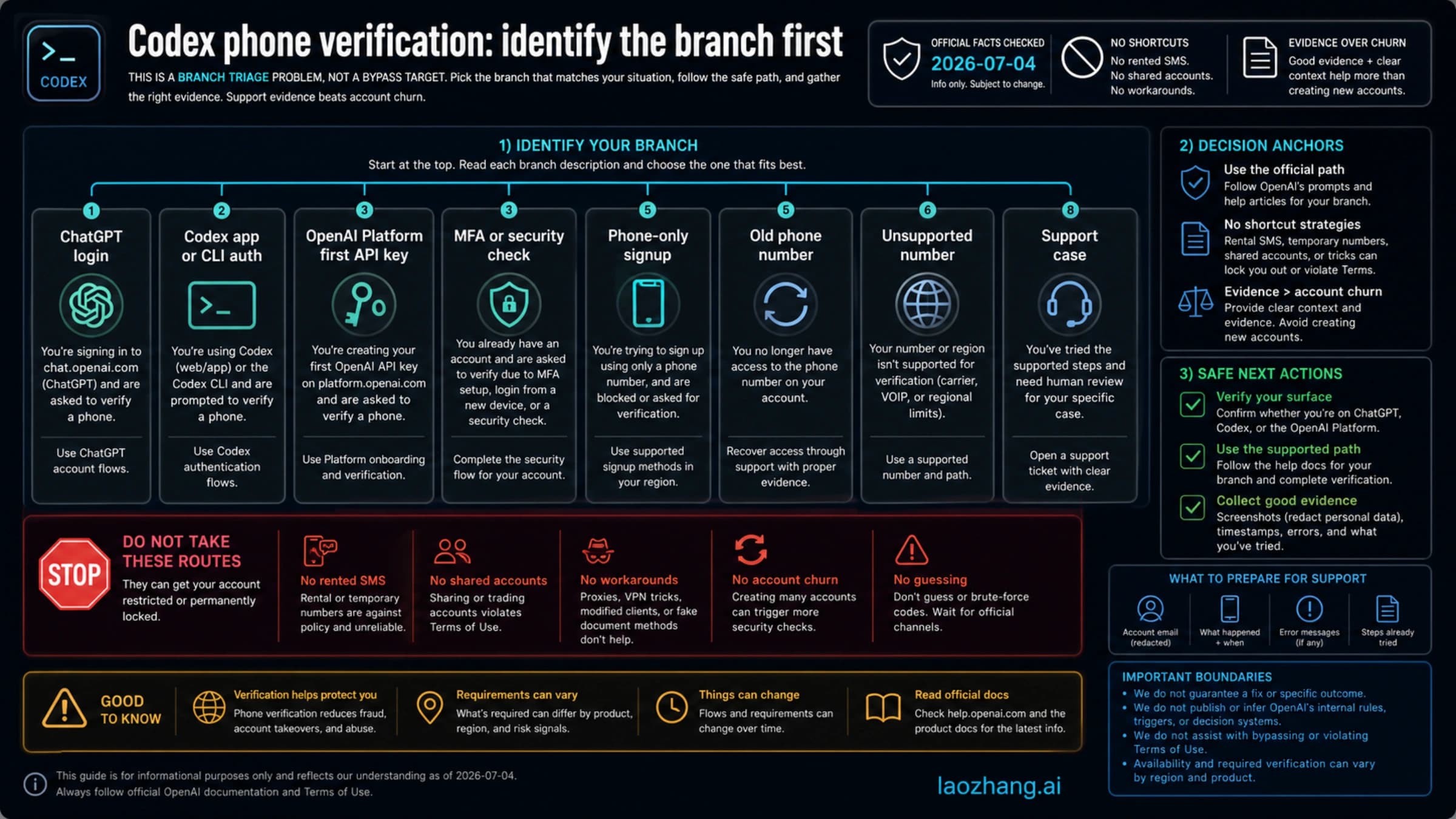
Codex phone verification is a branch problem. Check whether the prompt comes from ChatGPT login, Codex auth, first API-key generation, MFA, an old number, an unsupported number, or support review before acting.
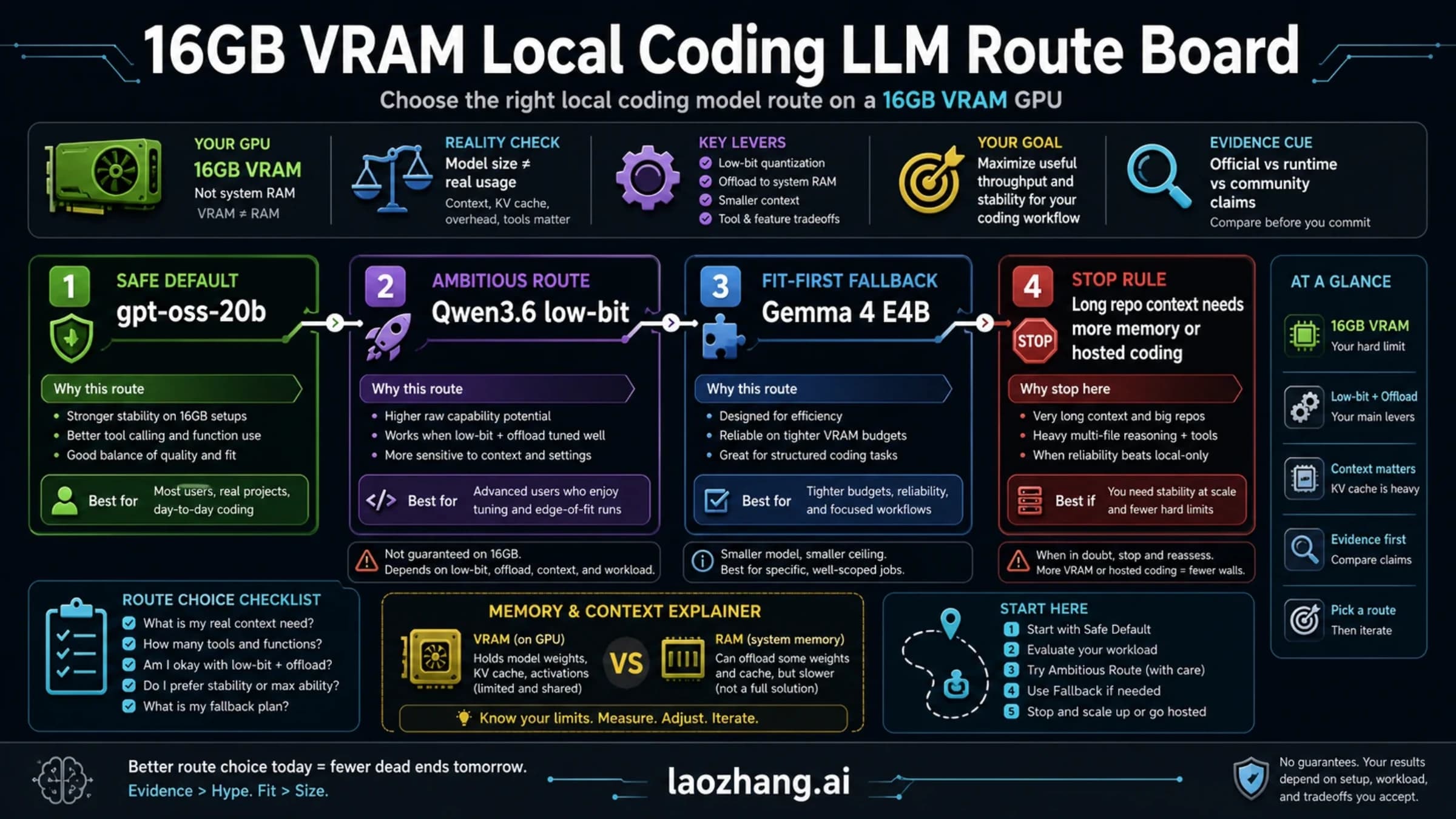
Use 16GB VRAM for local coding help by choosing the right route: safe fit, ambitious low-bit model, lightweight fallback, or stop.
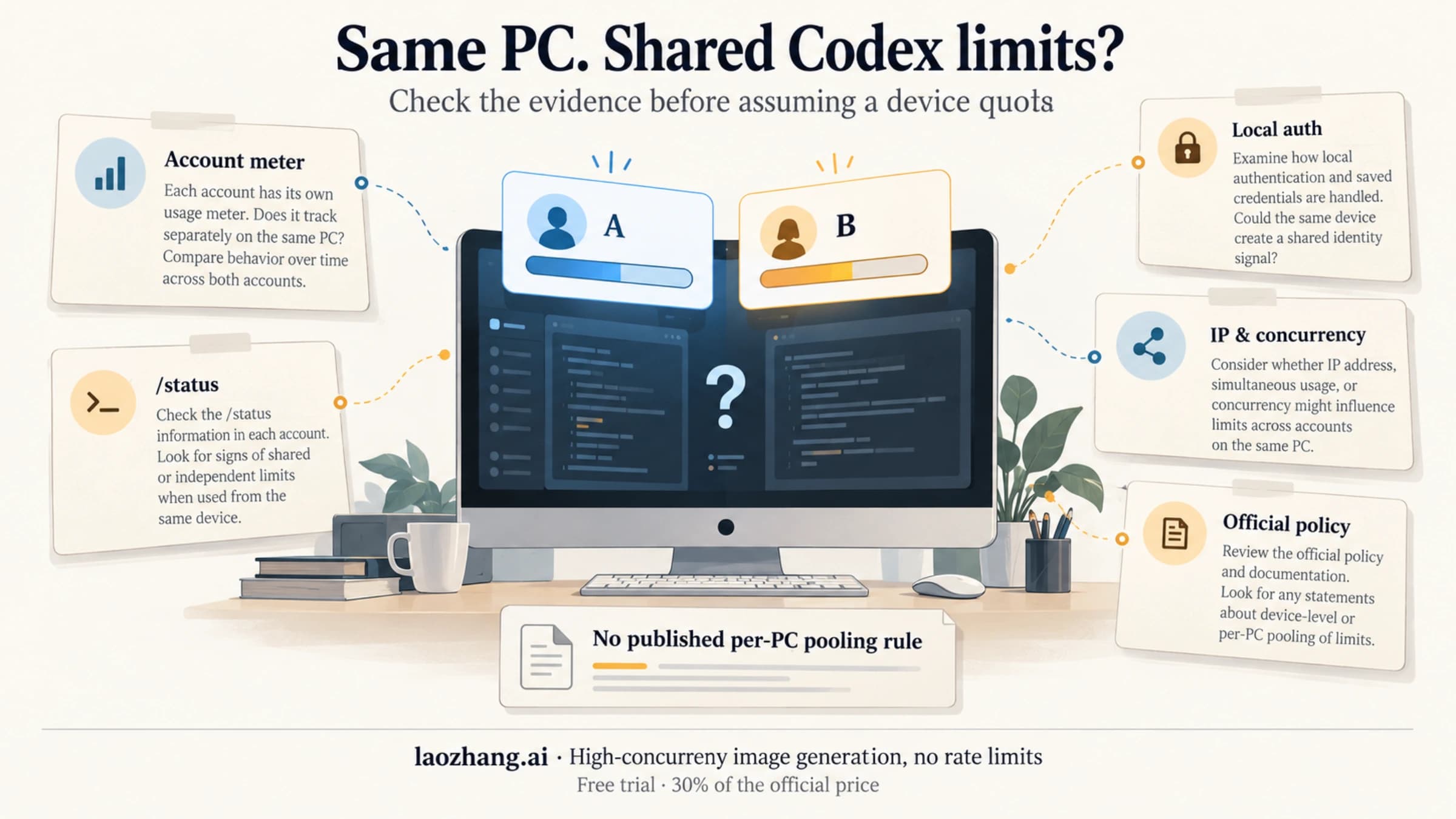
Do not treat a same-PC Codex limit as proof that OpenAI merged several ChatGPT accounts into one device quota. Separate official limit sharing, account auth, local state, IP pressure, and API-key billing before acting.
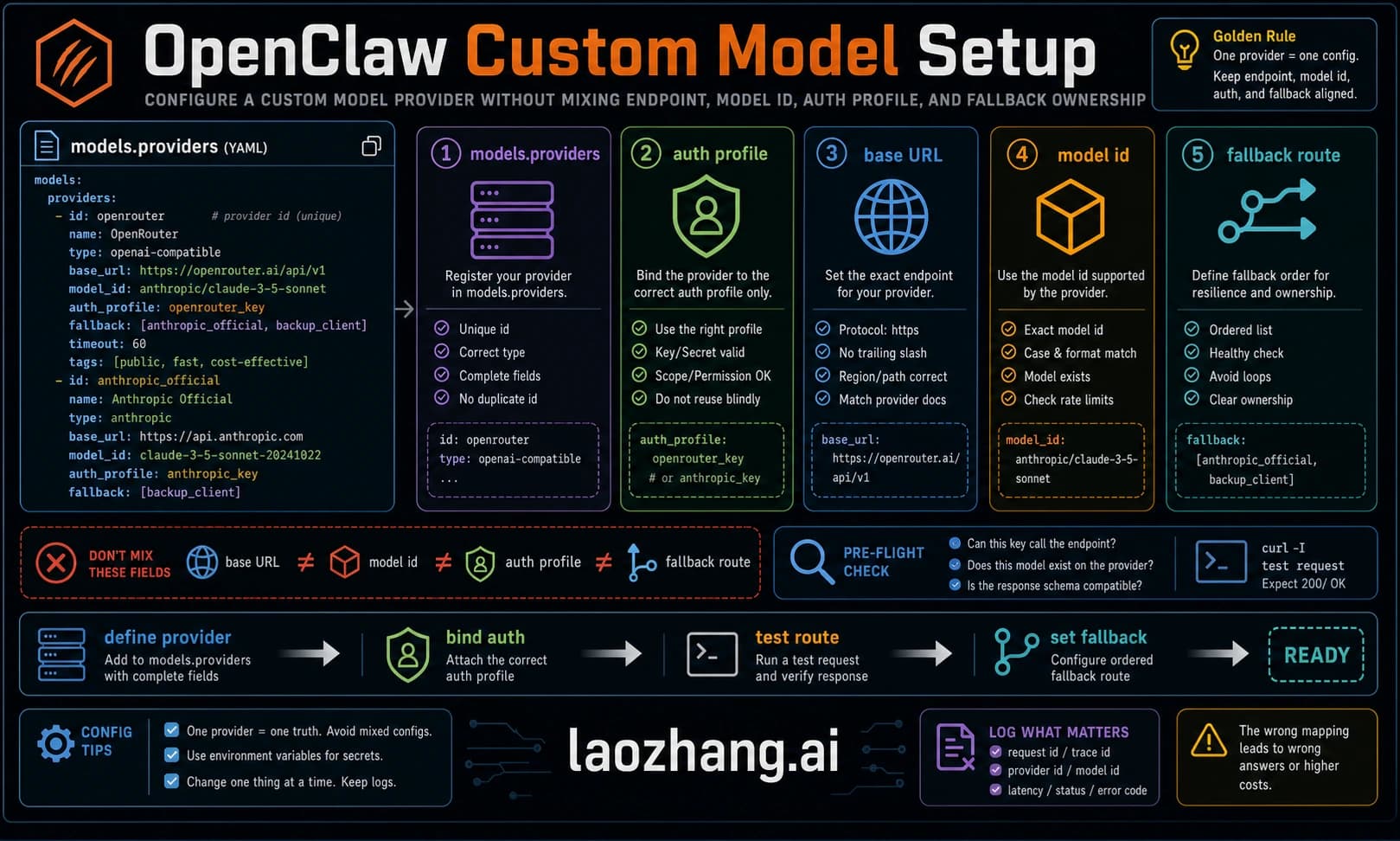
OpenClaw custom models work best when you separate four jobs: authenticate the provider, define the provider/model catalog, set the primary and fallback model refs, and verify with openclaw models status/list before starting a real agent run.
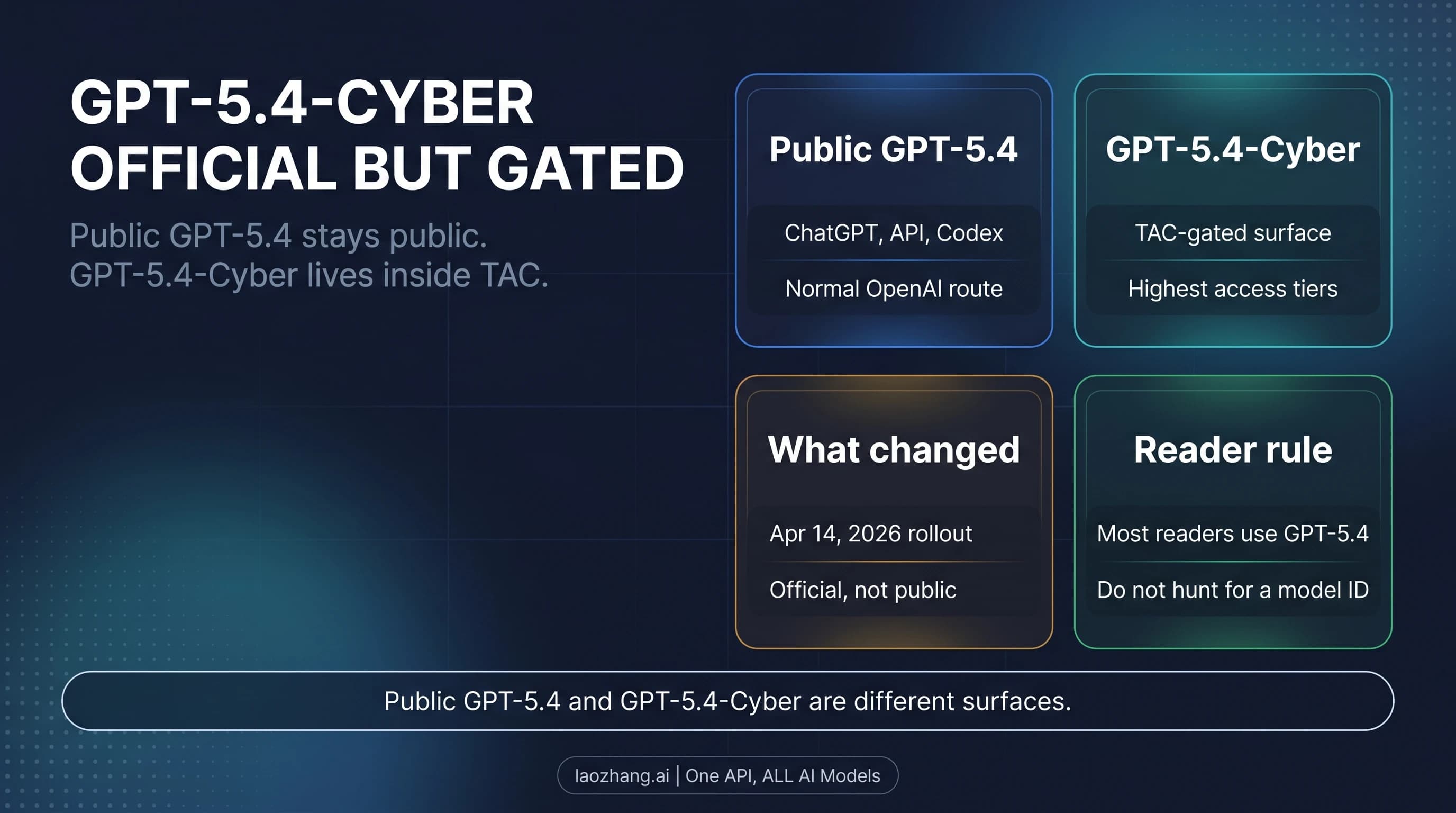
GPT-5.4-Cyber is official but not public. Most readers should stay on public GPT-5.4, while vetted defenders need to confirm whether they actually reach the highest TAC tiers.
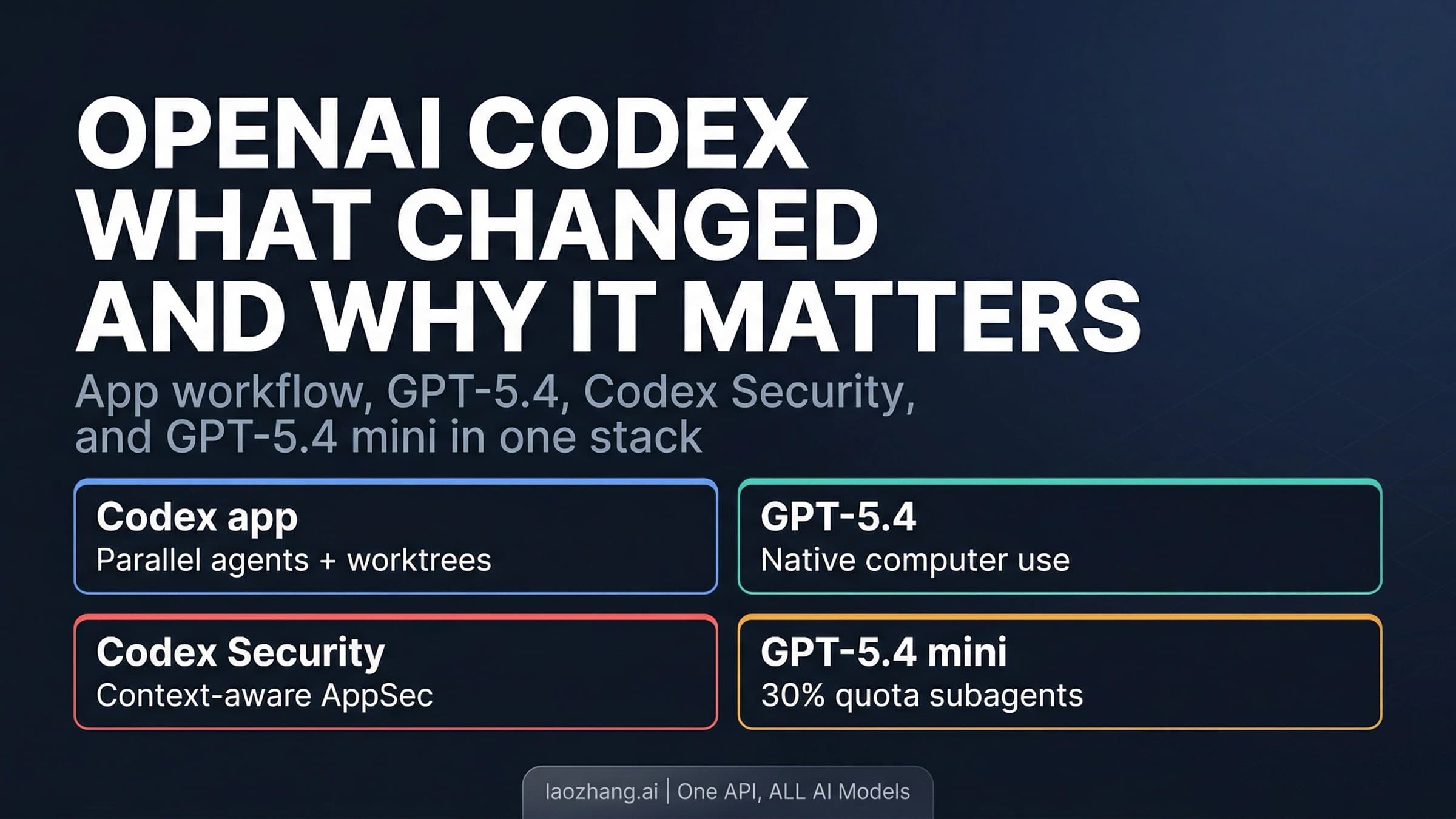
March 2026 was the month Codex started making sense as a full agent system rather than a loose collection of surfaces. GPT-5.4 became the new core model, GPT-5.4 mini changed cheaper task routing, Codex Security entered research preview, and the app made parallel agents, worktrees, skills, and automations much easier to use.
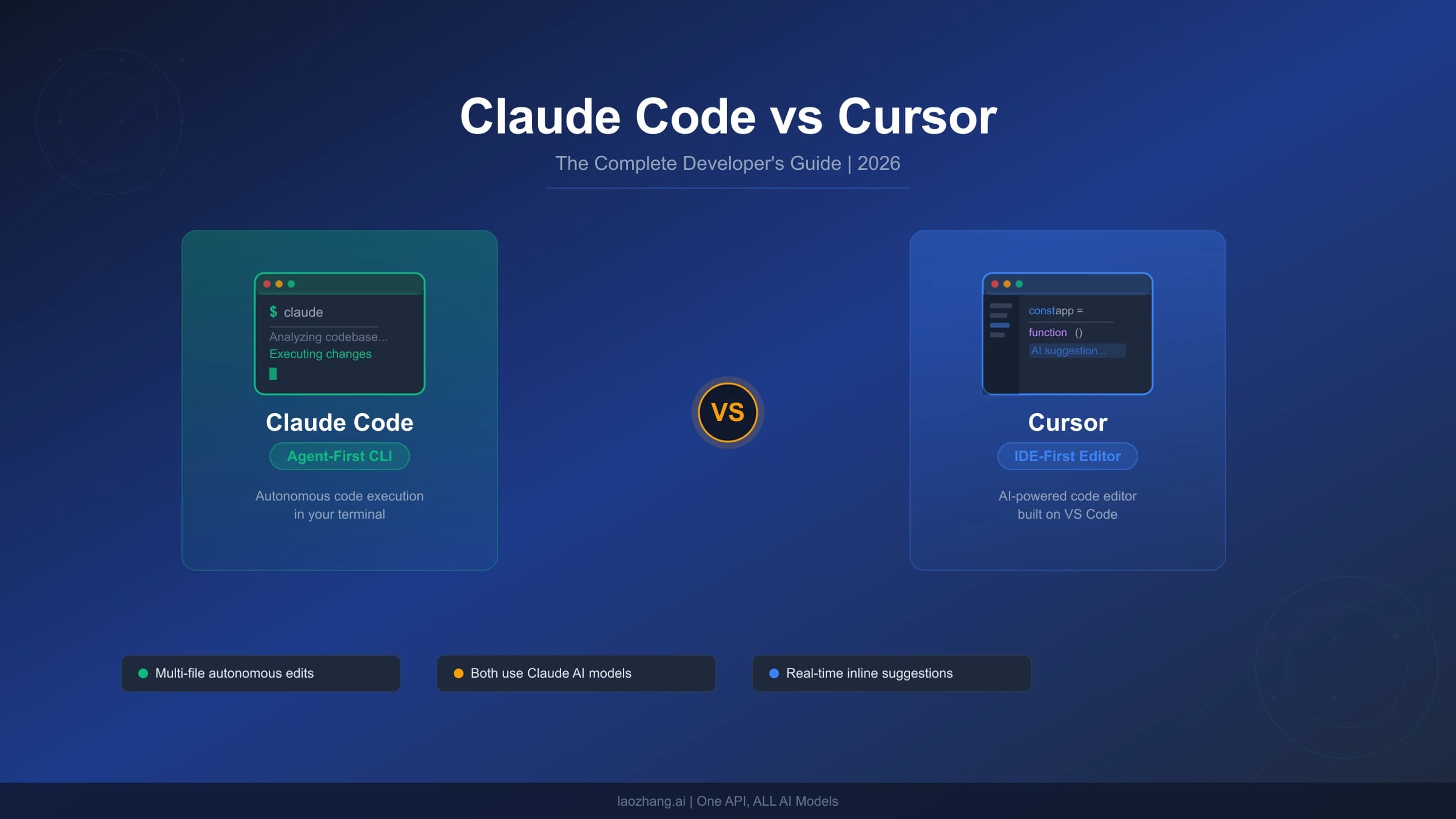
Claude Code and Cursor both cost $20-$200/mo but take fundamentally different approaches to AI-assisted coding. Claude Code operates as an autonomous agent in your terminal (using 5.5x fewer tokens), while Cursor enhances your IDE with real-time suggestions. This guide covers architecture differences, real benchmarks, true cost analysis, and includes a developer profile framework to help you decide — or learn why many senior developers use both.
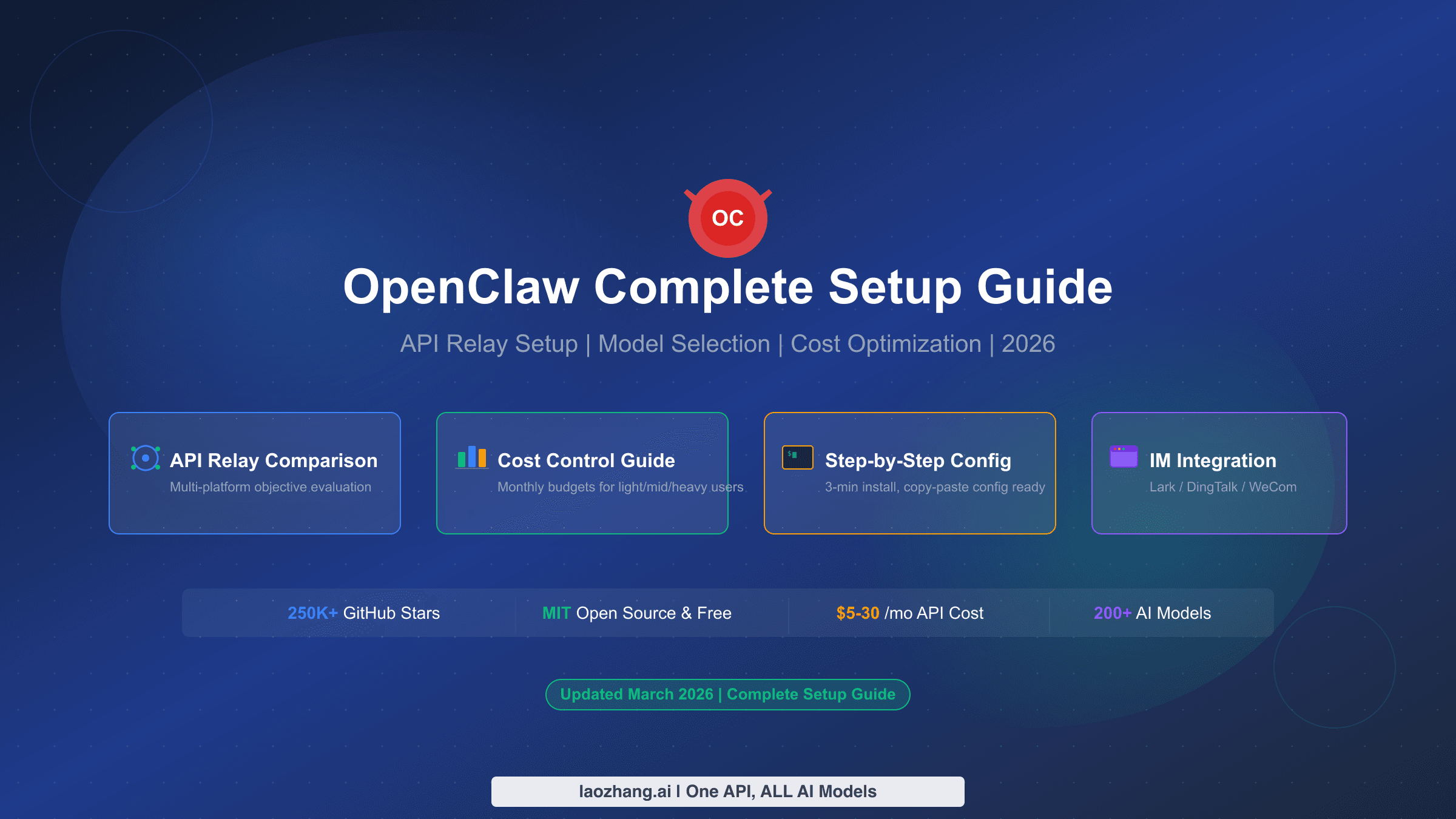
OpenClaw is a 250K+ Star open-source AI Agent platform on GitHub, but users in restricted network regions cannot directly reach overseas AI APIs. This guide provides a full comparison of three relay solutions, ready-to-copy openclaw.json config templates, scenario-based model recommendations, and monthly cost control strategies — helping you go from installation to fully working setup in 3 minutes.
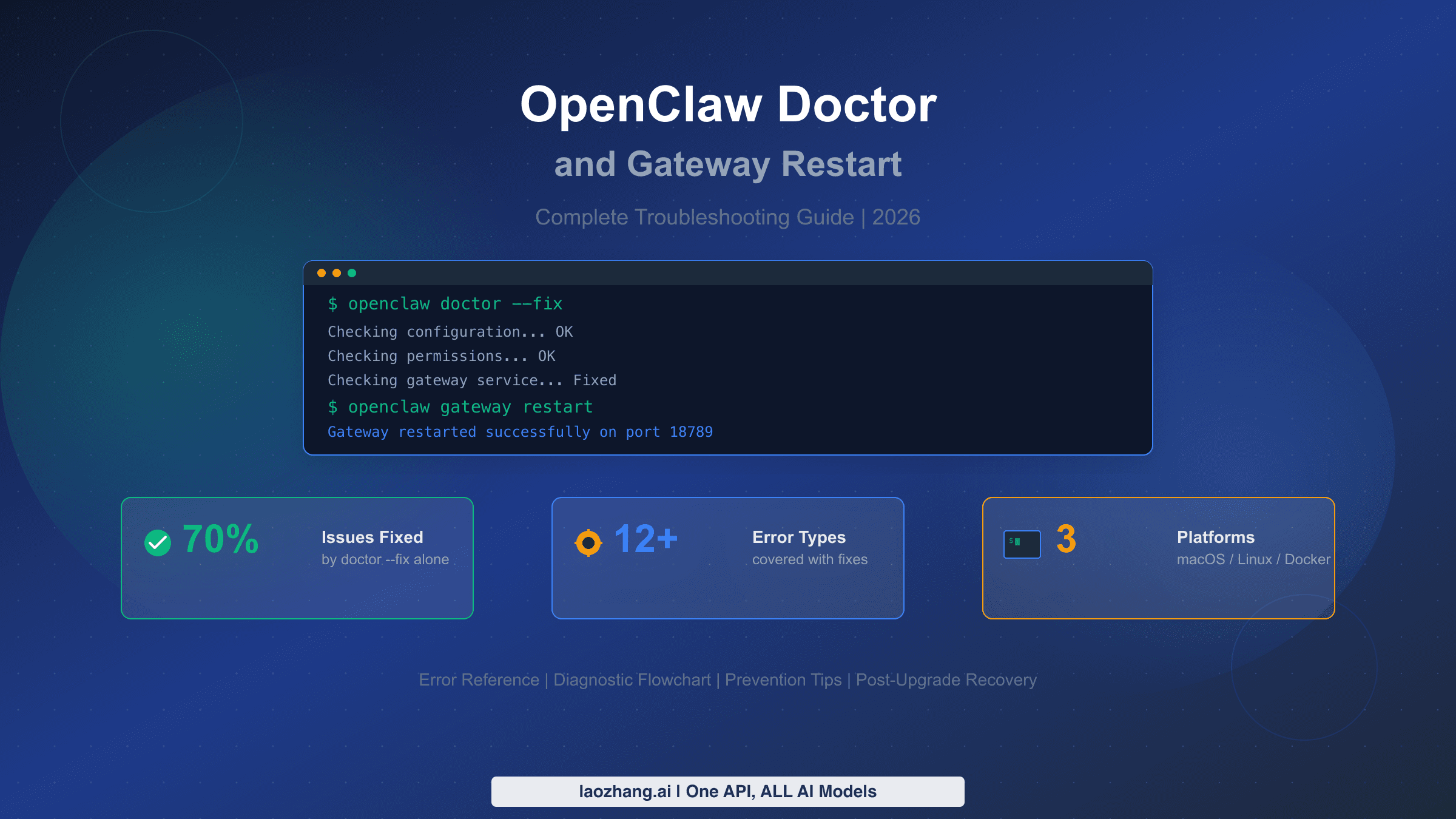
OpenClaw's gateway powers every channel connection your bot relies on. When it breaks, openclaw doctor --fix resolves roughly 70% of issues automatically. This guide covers the complete diagnostic workflow — from the 30-second universal fix to platform-specific solutions for macOS, Linux, and Docker — plus 12 error messages with verified fixes and a prevention strategy that keeps your gateway healthy long-term.
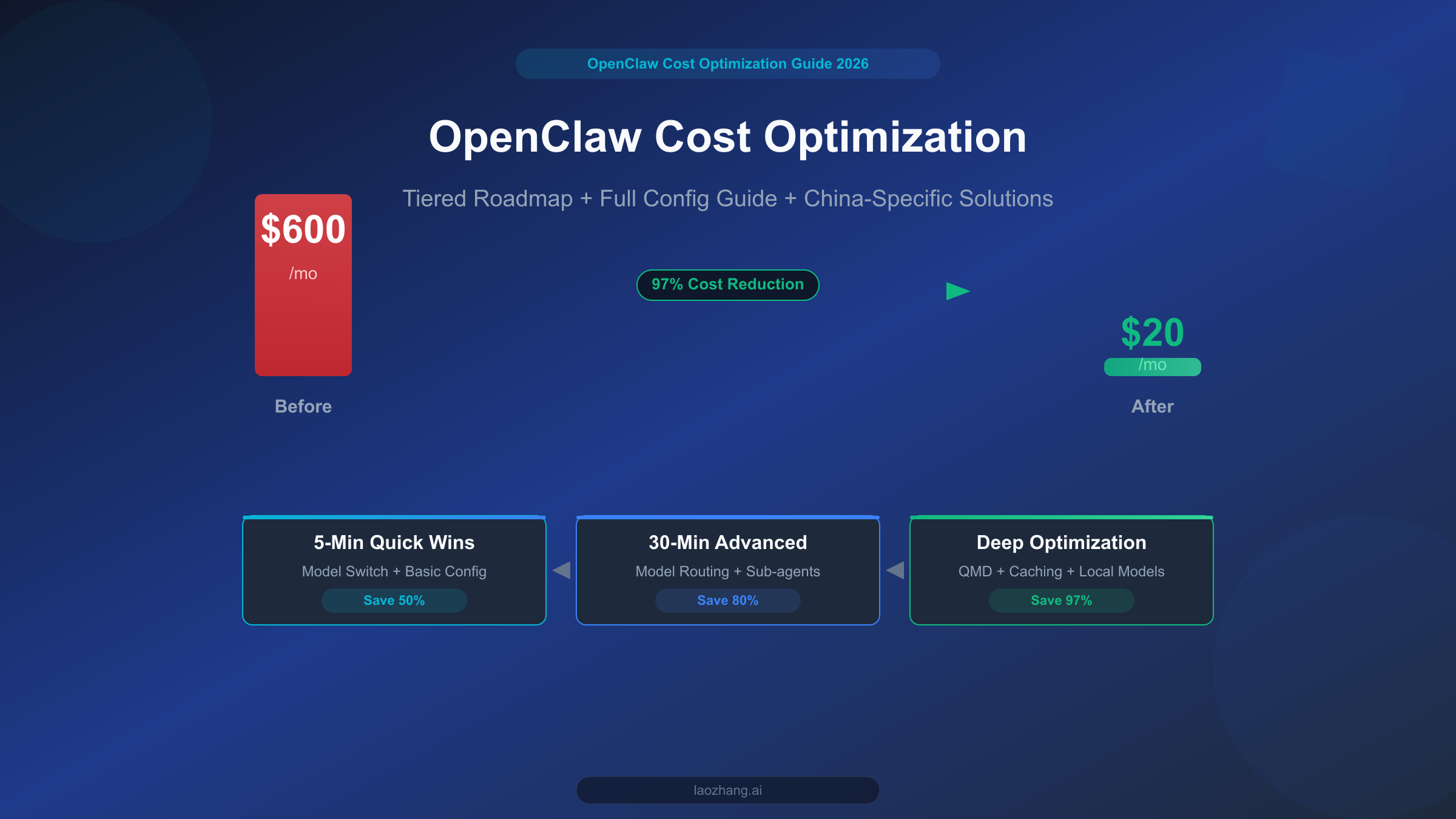
OpenClaw is powerful but expensive. This guide shares a proven path from $600/month to $20/month through three tiers: 5-minute quick wins, 30-minute advanced setup, and deep optimization with QMD, local models, and caching strategies.

Learn how to install Gemini CLI on macOS, Windows, or Linux using npm, Homebrew, or npx. This guide covers system requirements (Node.js 20+), all 7 installation methods, 3 authentication options with free tier limits (60 RPM / 1,000 RPD via OAuth), troubleshooting common errors, and essential configuration to get productive immediately.
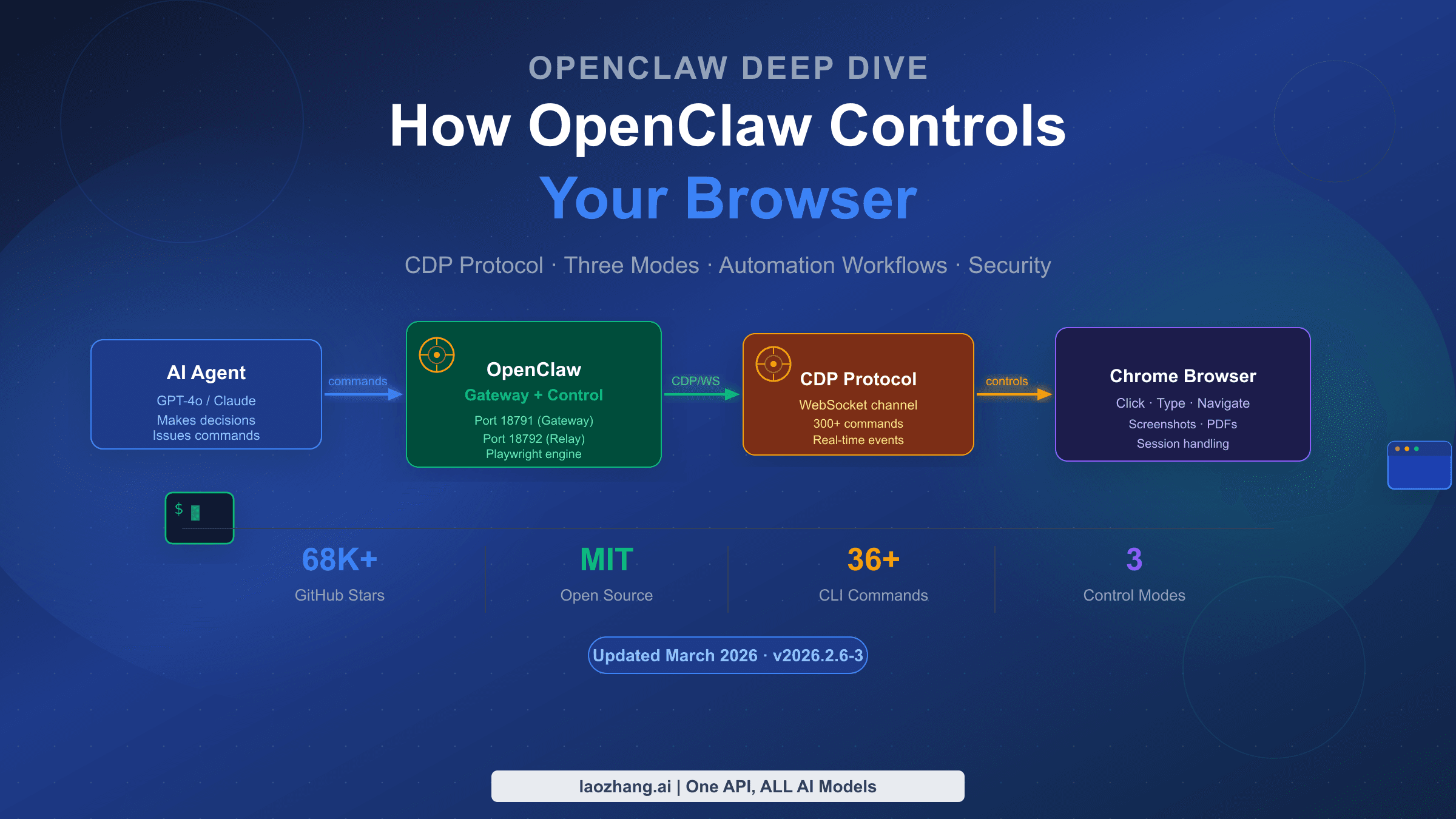
OpenClaw controls browsers through the Chrome DevTools Protocol (CDP), offering three modes: Extension Relay for logged-in sessions, Managed for isolated automation, and Remote CDP for cloud deployments. This guide covers how it all works, from snapshot refs to security best practices.
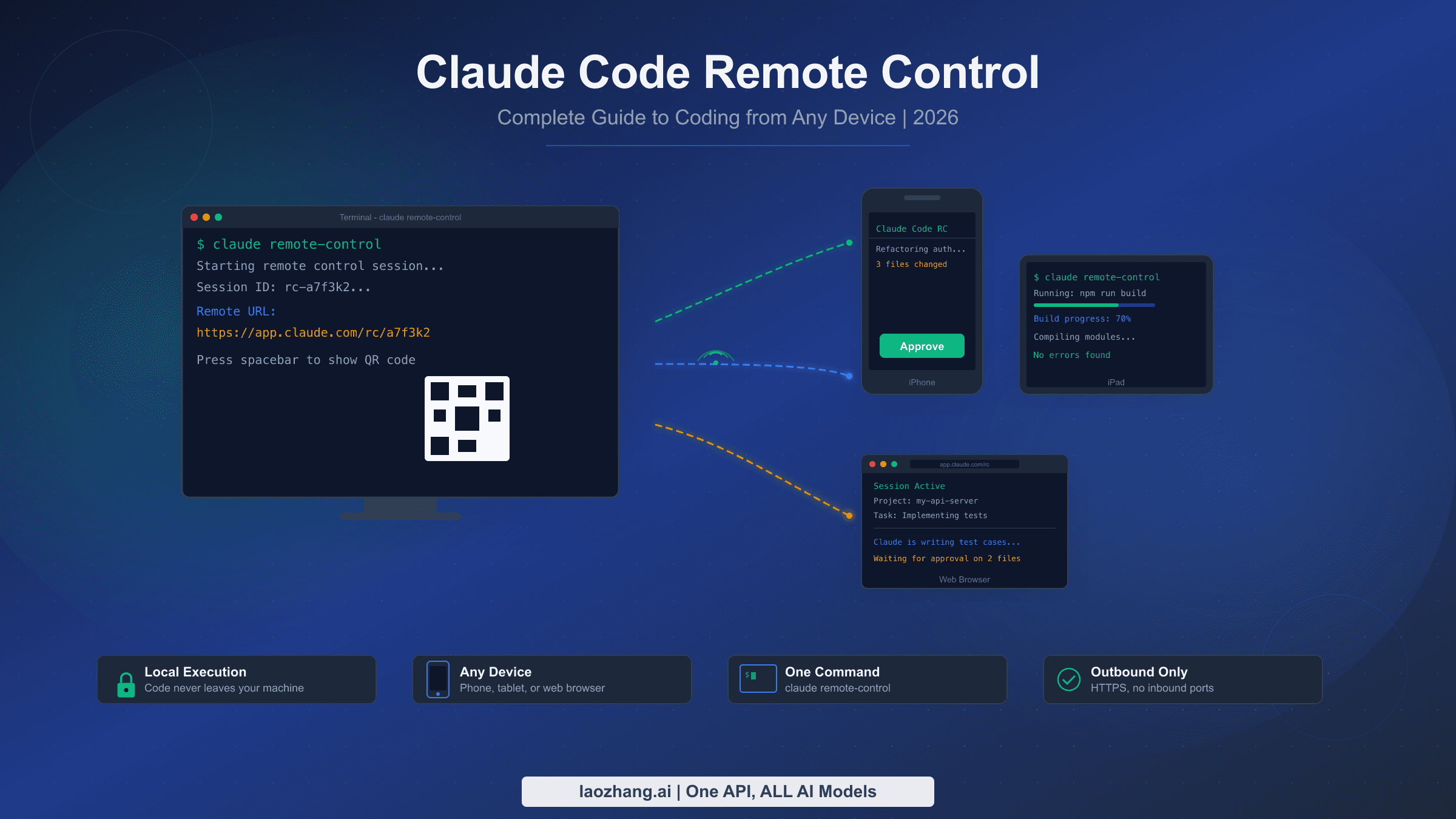
Claude Code Remote Control lets you monitor and manage your local terminal sessions from any phone, tablet, or browser. Released February 25, 2026, this research preview feature keeps all code execution on your machine while giving you full remote access. This guide covers setup, real workflows, security architecture, troubleshooting, and a comparison with alternatives like SSH and OpenClaw.