How to Stop an AI Agent Tool Loop—and Keep It Stopped
Stop new tool execution, preserve verified results, and reconcile any uncertain write before resuming. A turn limit contains a loop; progress checks and operation records make recovery safer.

Stop new tool execution, preserve verified results, and reconcile any uncertain write before resuming. A turn limit contains a loop; progress checks and operation records make recovery safer.

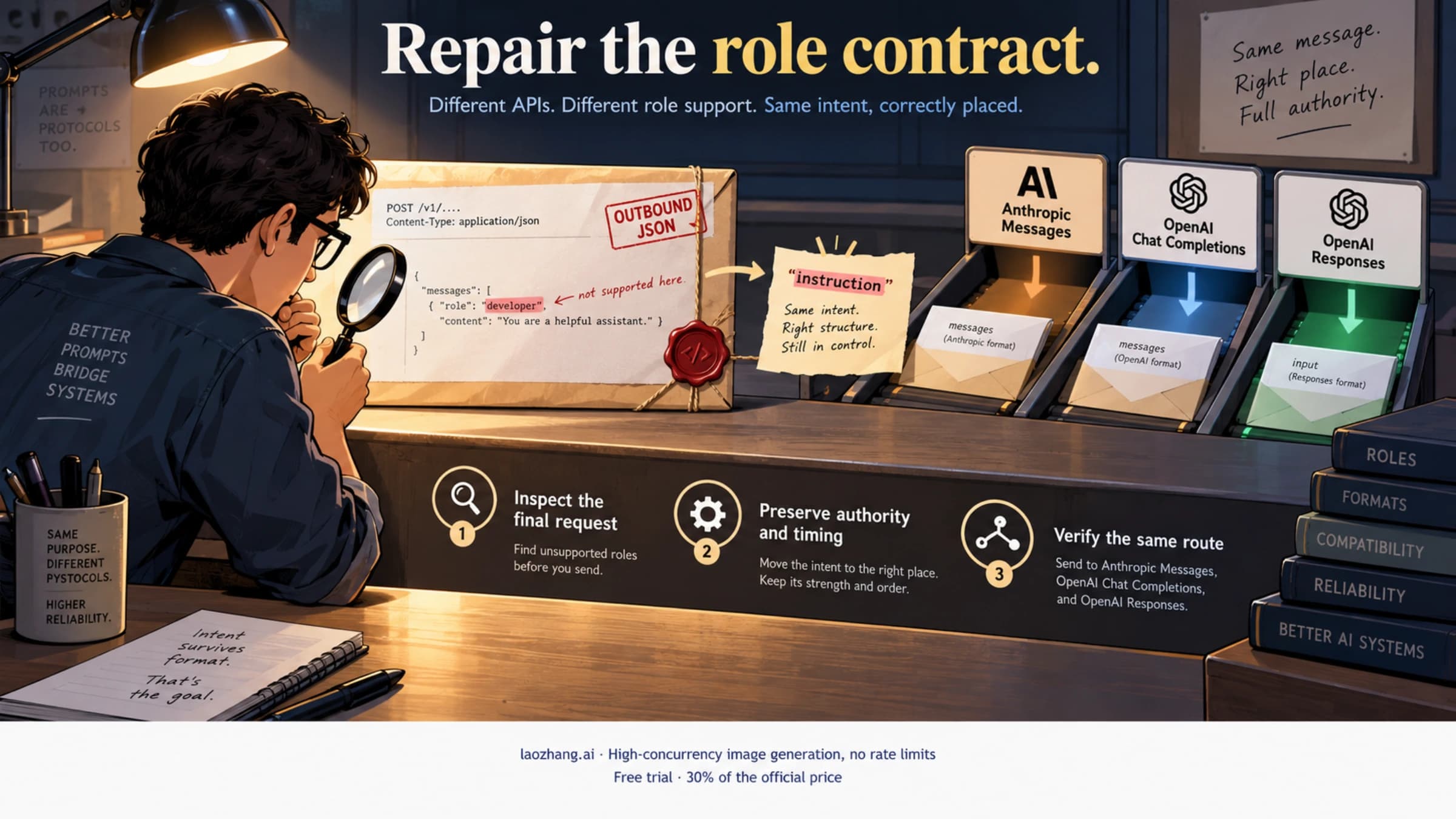
Start with the final outbound request. Use the instruction field and message positions supported by that exact endpoint, preserve tool-call pairs, and verify the full task after the role error clears.

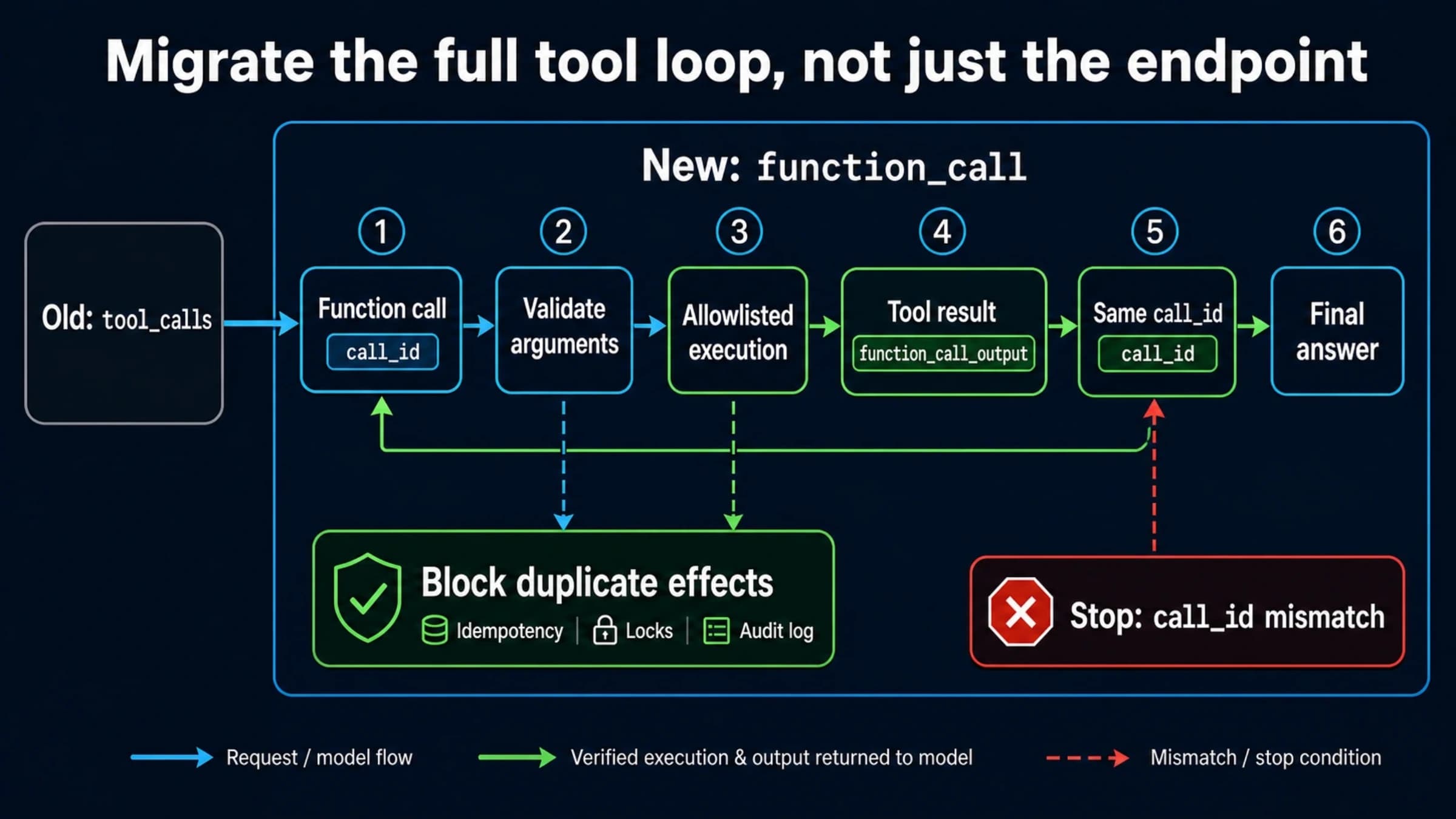
Move the whole function-calling loop: validate the model’s arguments, run the authorized handler, return the result with its original call_id, and continue until the user gets a final answer. The JavaScript example preserves typed state and handles failed or unfinished responses.

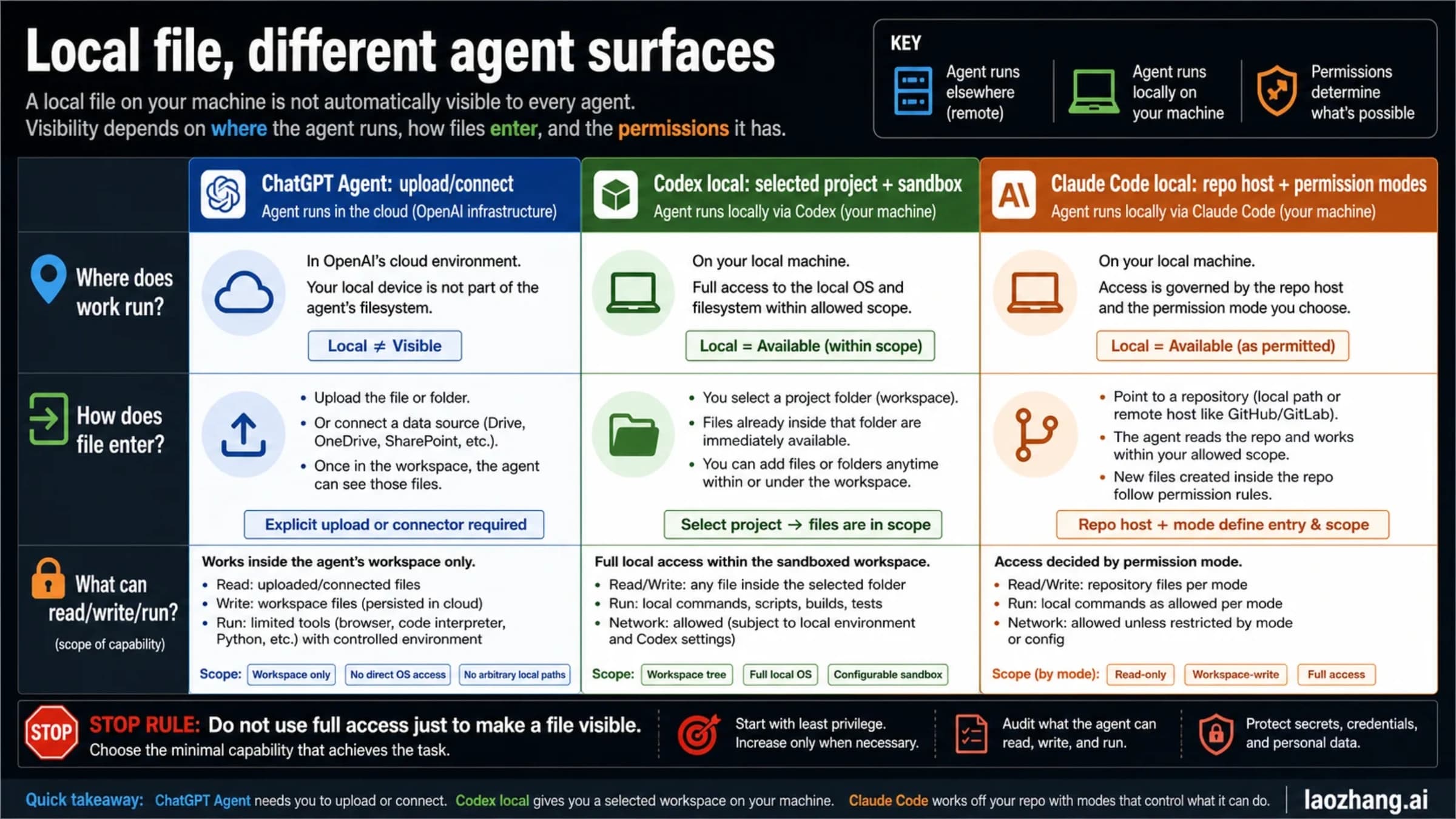
A local path alone grants no access. Upload a selected document, use Work with approved local computer access, or open the checkout in local Codex or Claude Code. Then verify the actual file version and permitted actions.

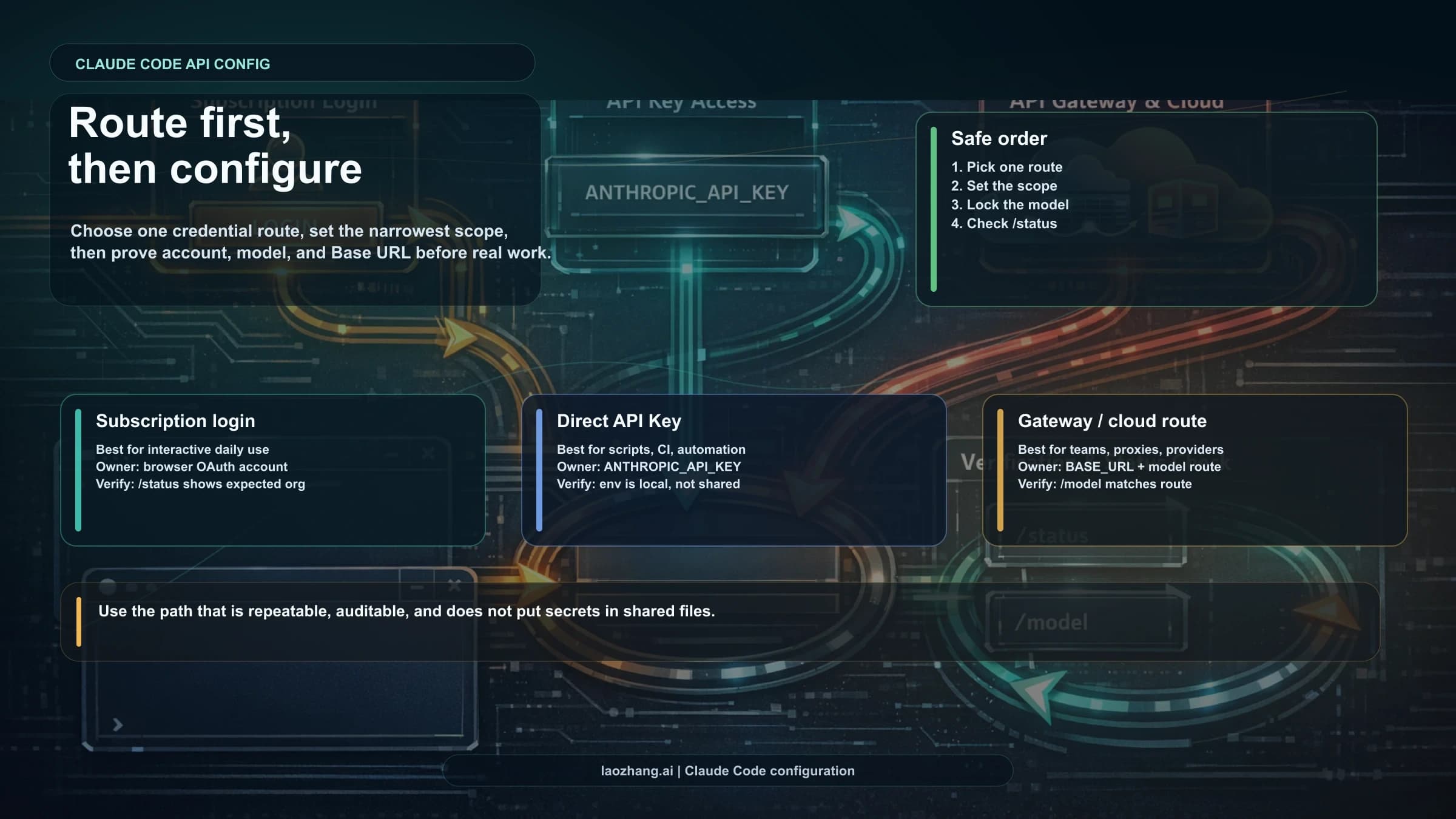
For direct Anthropic API access, set ANTHROPIC_API_KEY and approve it in the interactive CLI. Gateways need their own endpoint and credential; cloud providers and Desktop use separate configuration paths.

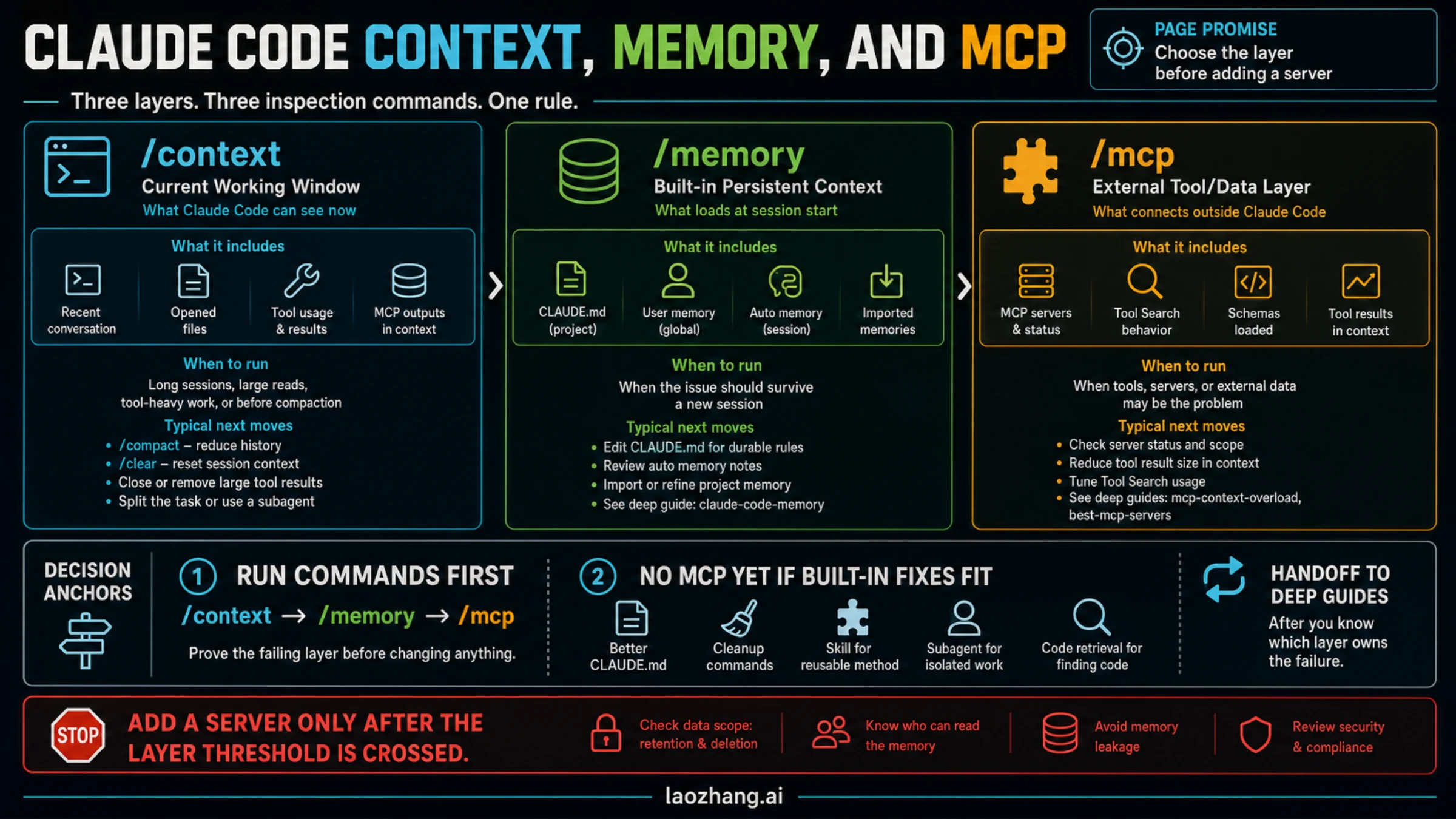
Start with /context for session drift, check loaded instructions before editing memory, and verify Context7 authentication and returned docs before adding another server.

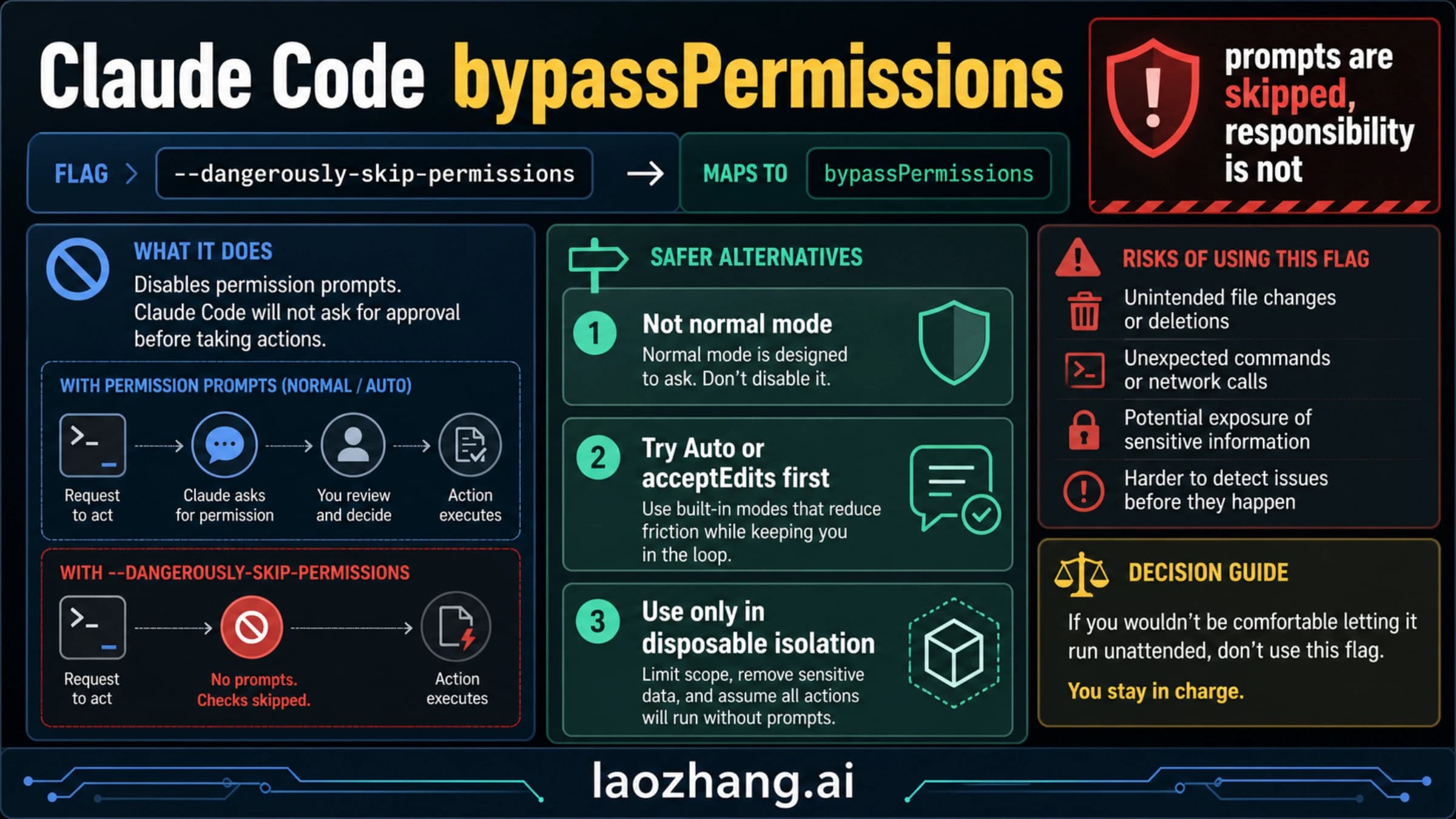
claude --dangerously-skip-permissions starts bypassPermissions. The --allow variant only enables mode selection; neither confines filesystem or network access. Use explicit modes and check how your surface restores sessions.

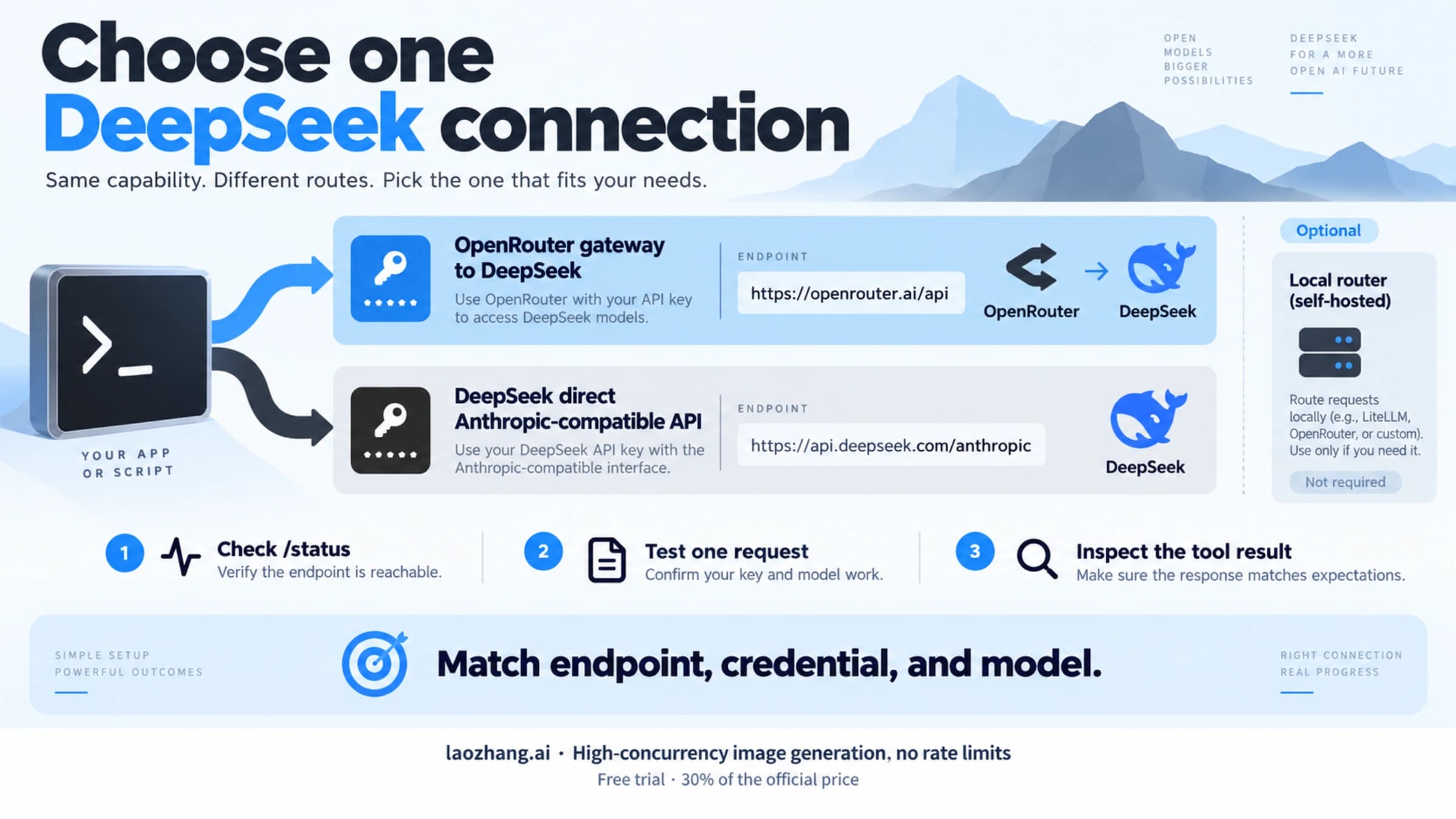
To use DeepSeek in Claude Code, choose OpenRouter's gateway or DeepSeek's Anthropic-compatible endpoint. Each needs its own key and model names; a successful reply alone does not confirm the model or coding-tool compatibility.

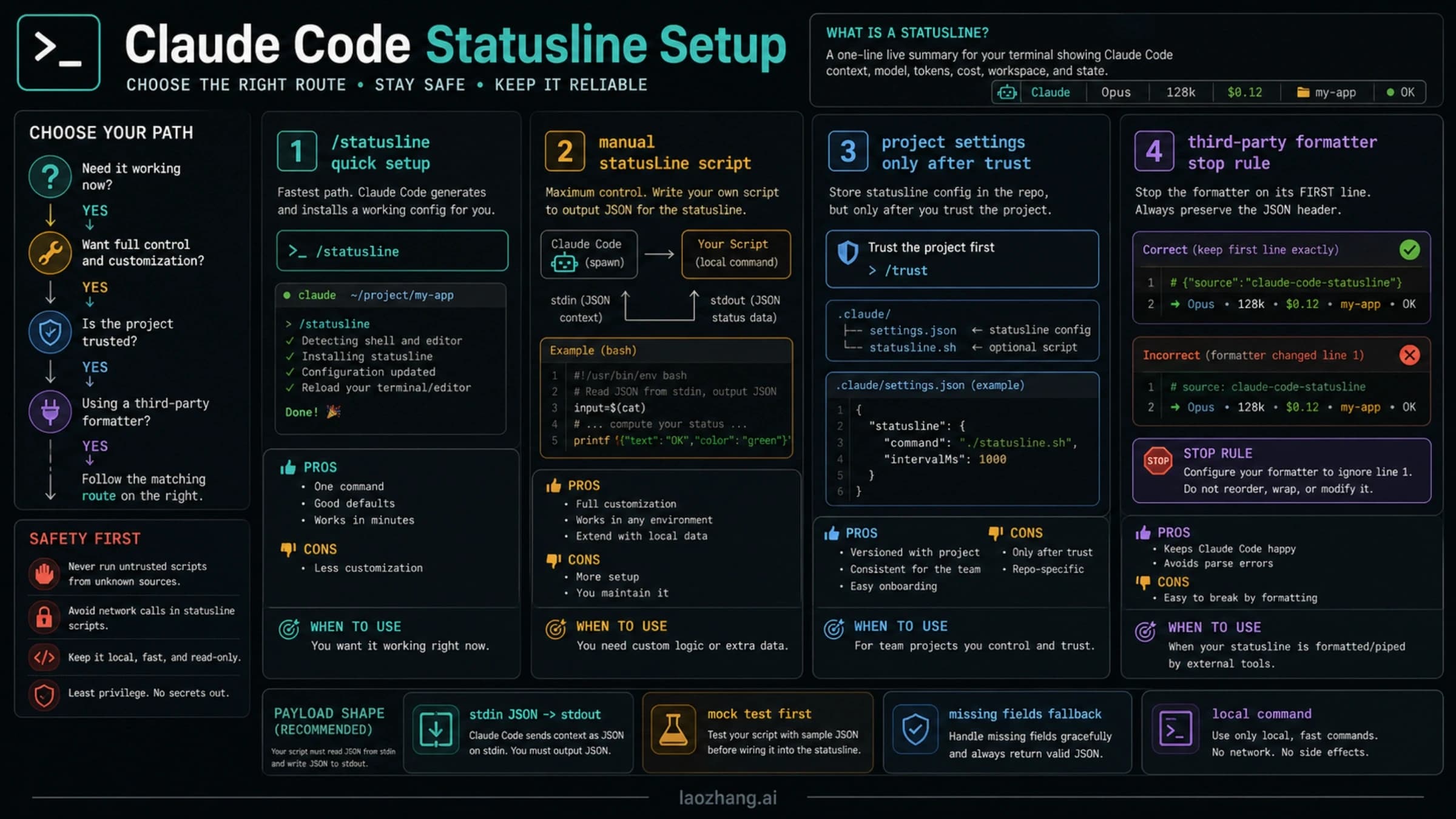
Use /statusline for a quick personal setup, or connect a small Python script for a configuration you can maintain. Test it with mock JSON before troubleshooting settings, update triggers, or Windows paths.

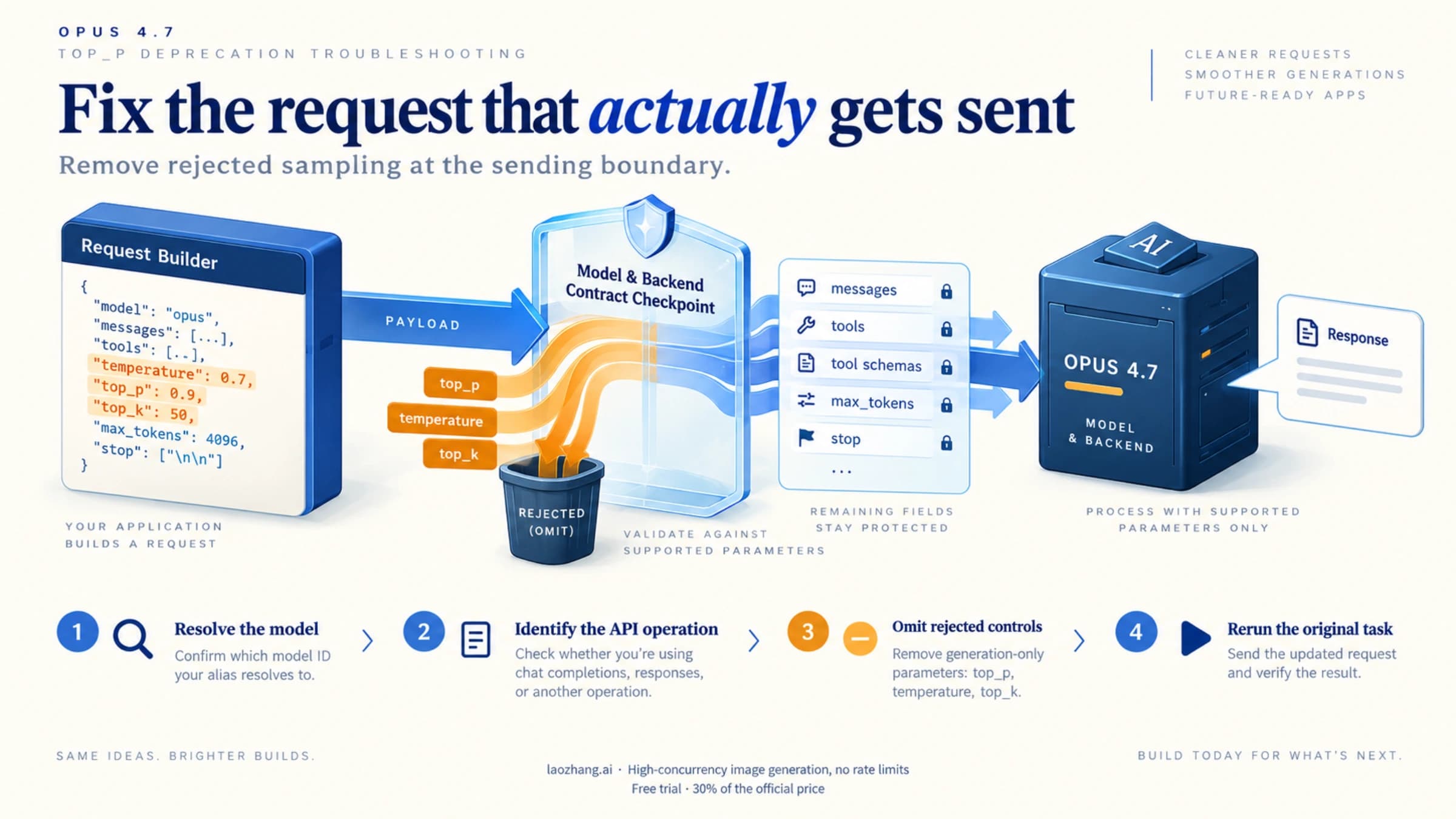
For an Opus 4.7 `top_p deprecated` error, omit sampling fields from the final request your client sends. Native Messages and Bedrock Converse put those fields in different places; keep the same model and task when checking the fix.

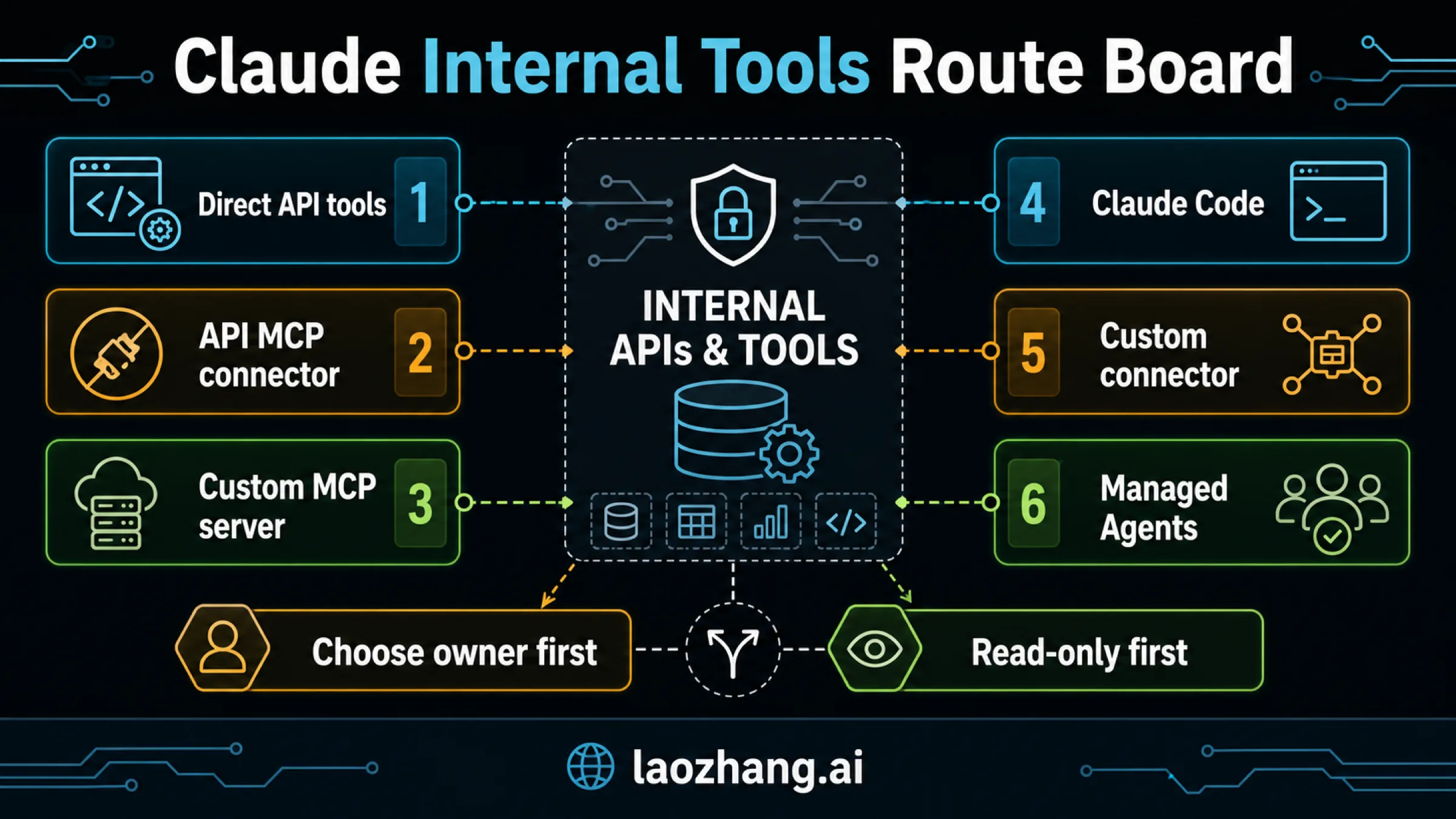
Start with direct Claude API tools if your application owns execution. Build MCP when several clients need the same bounded interface. In either route, trusted code must authorize the operation and return evidence of what actually happened.

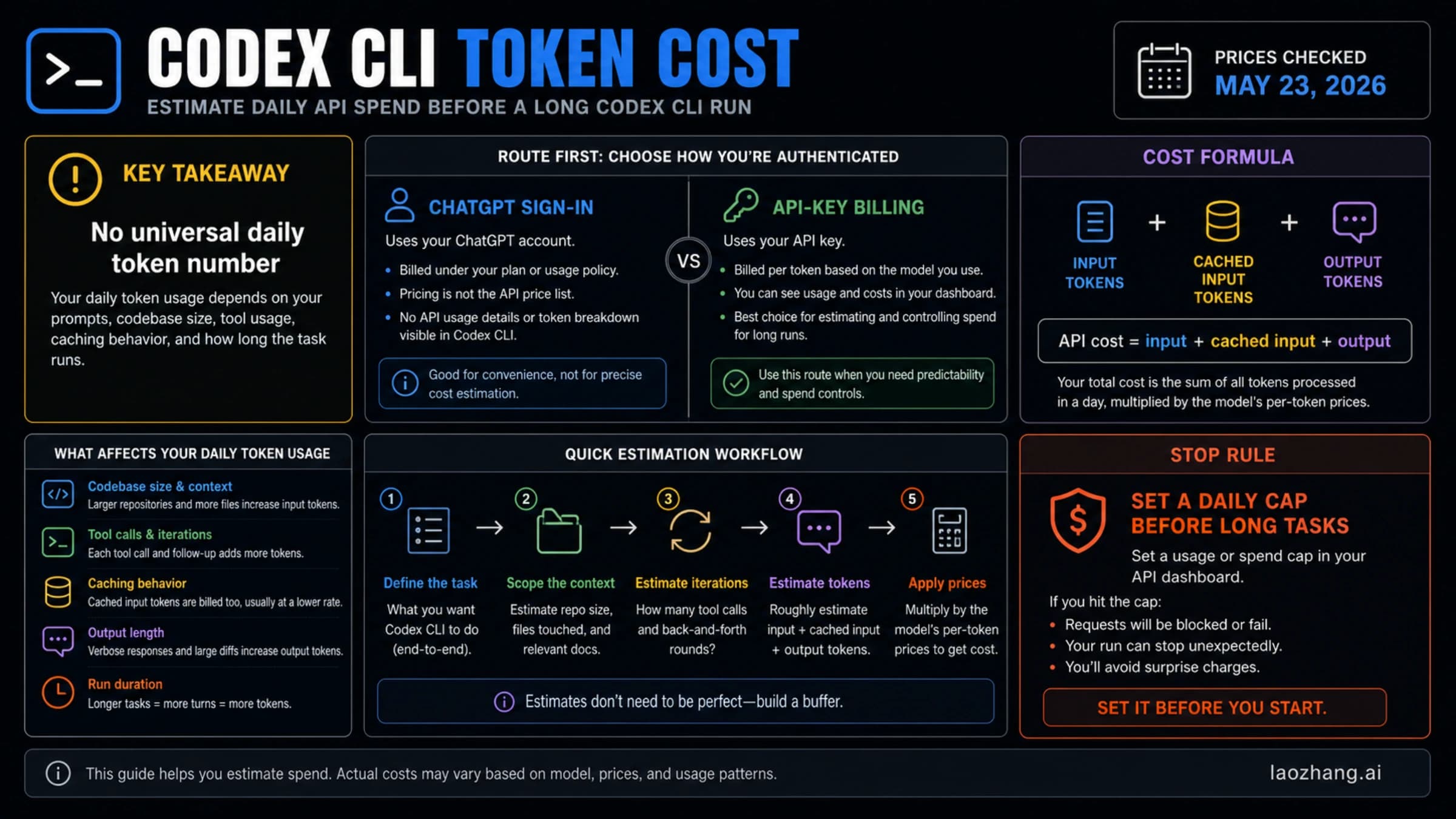
For API-billed Codex CLI work, price ordinary input, cache reads, cache writes, and output separately. A planned day can then be compared with your budget before the next long task starts.

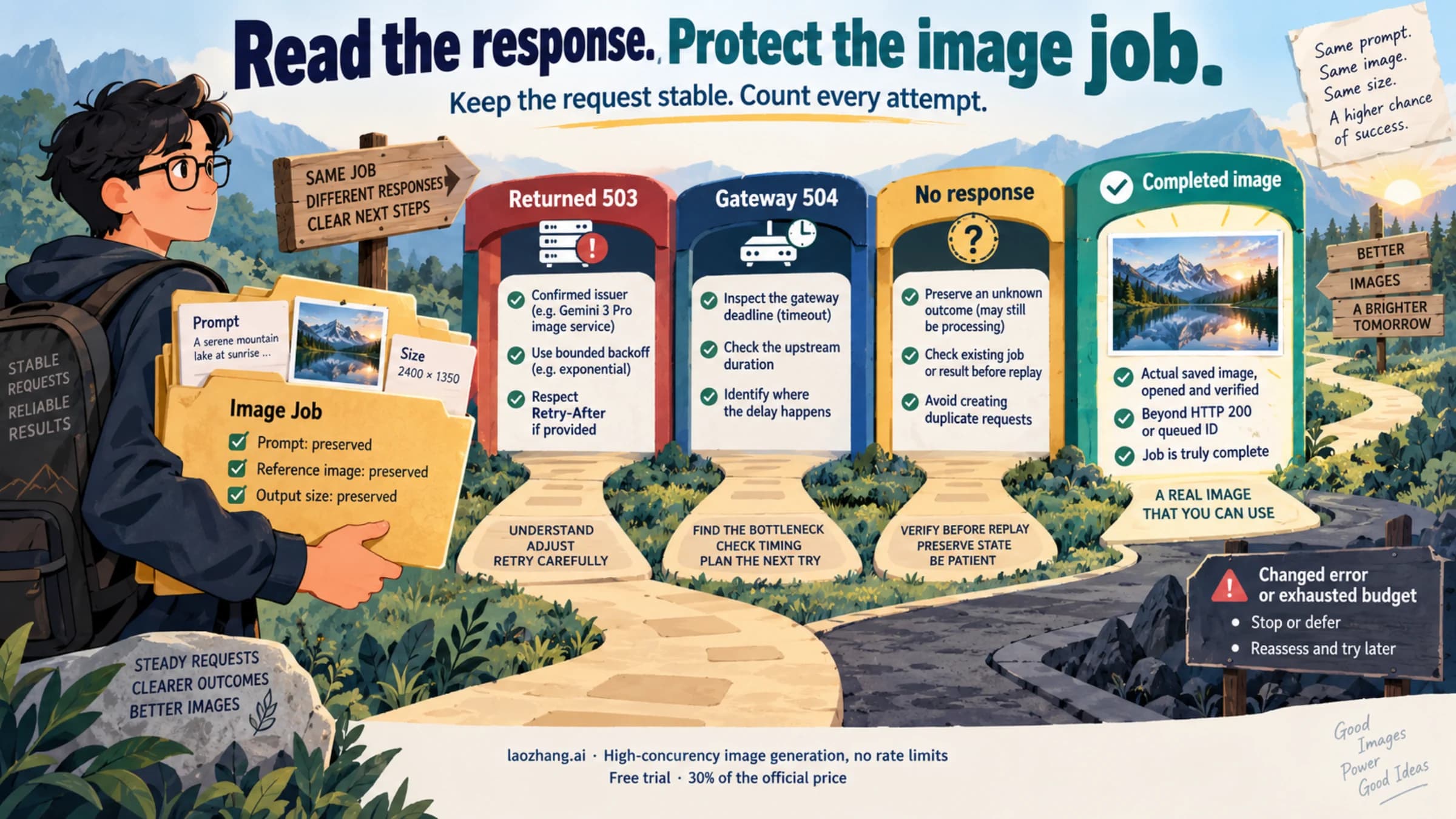
A Nano Banana Pro 503 can include Deadline expired wording. Check the responding service and error code first, retry with a clear limit, and count recovery only when the same image request produces a usable result.

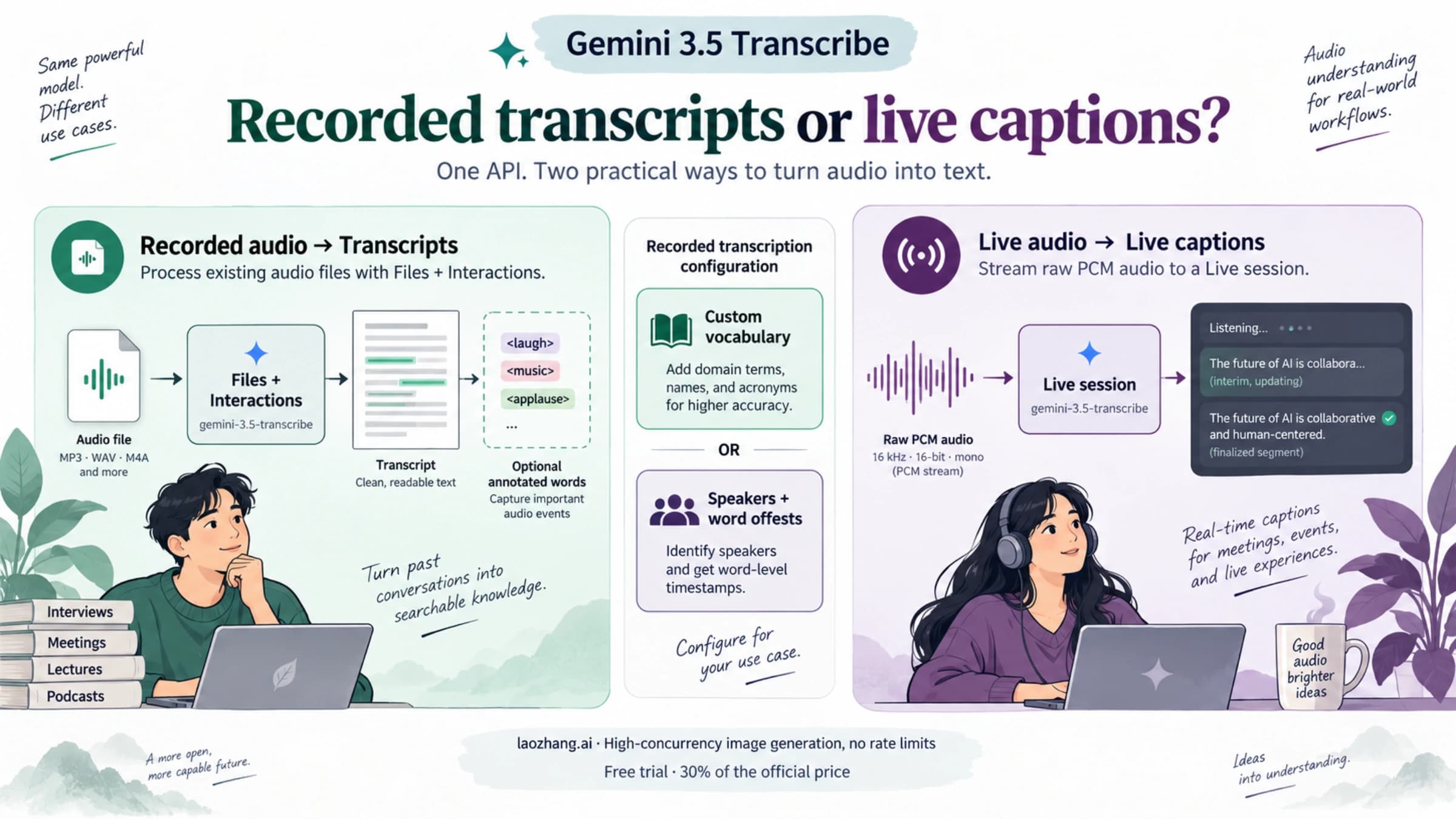
Use Files and Interactions for recordings, or the Live API for raw PCM captions. Vocabulary biasing and recorded speaker or word annotations require separate configurations.

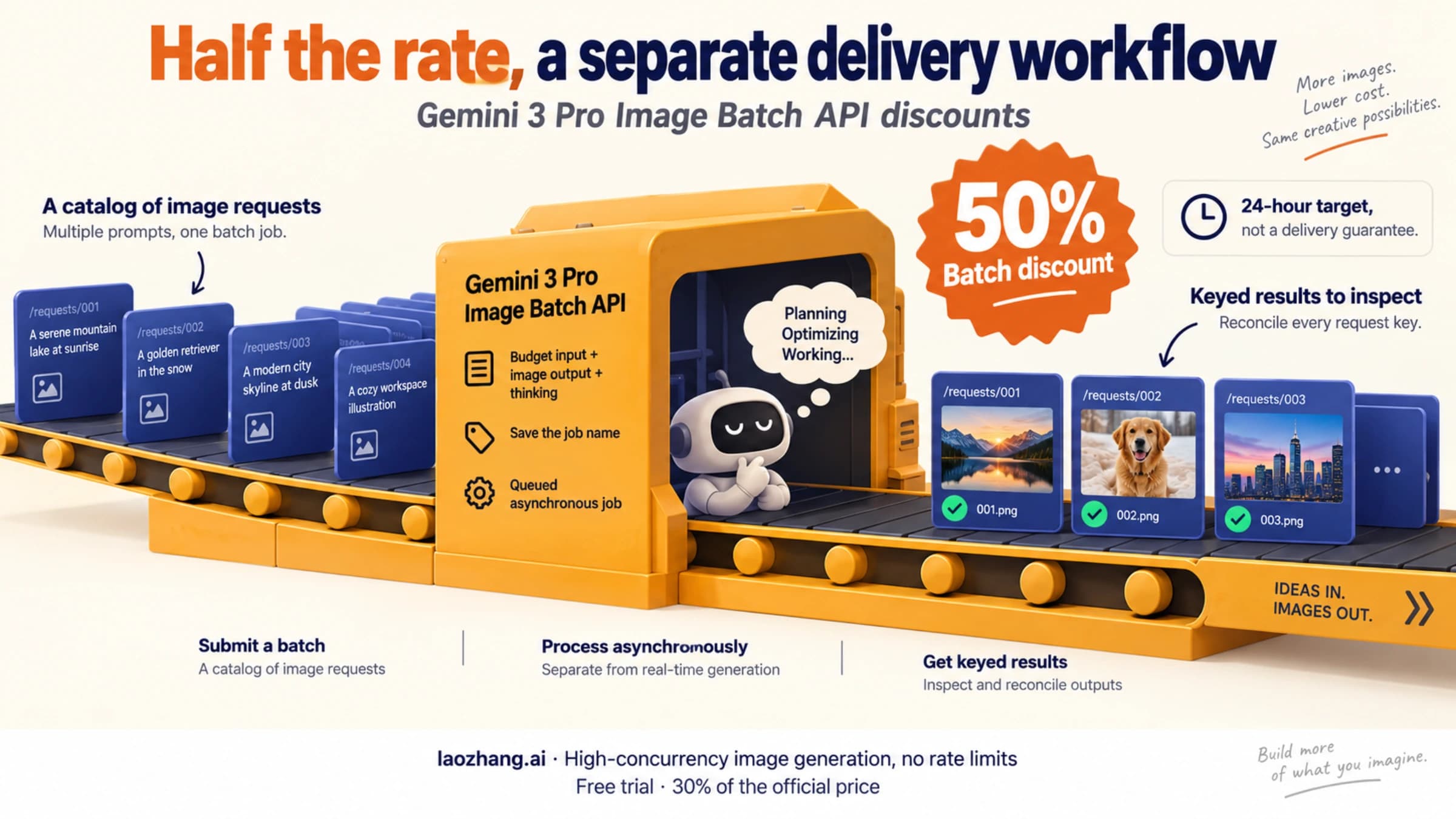
The official Batch API cuts Gemini 3 Pro Image output prices to $0.067 for 1K/2K and $0.12 for 4K, before input and thinking charges. Use it for nonurgent work, budget for all billed tokens, and match downloaded images to their request keys.

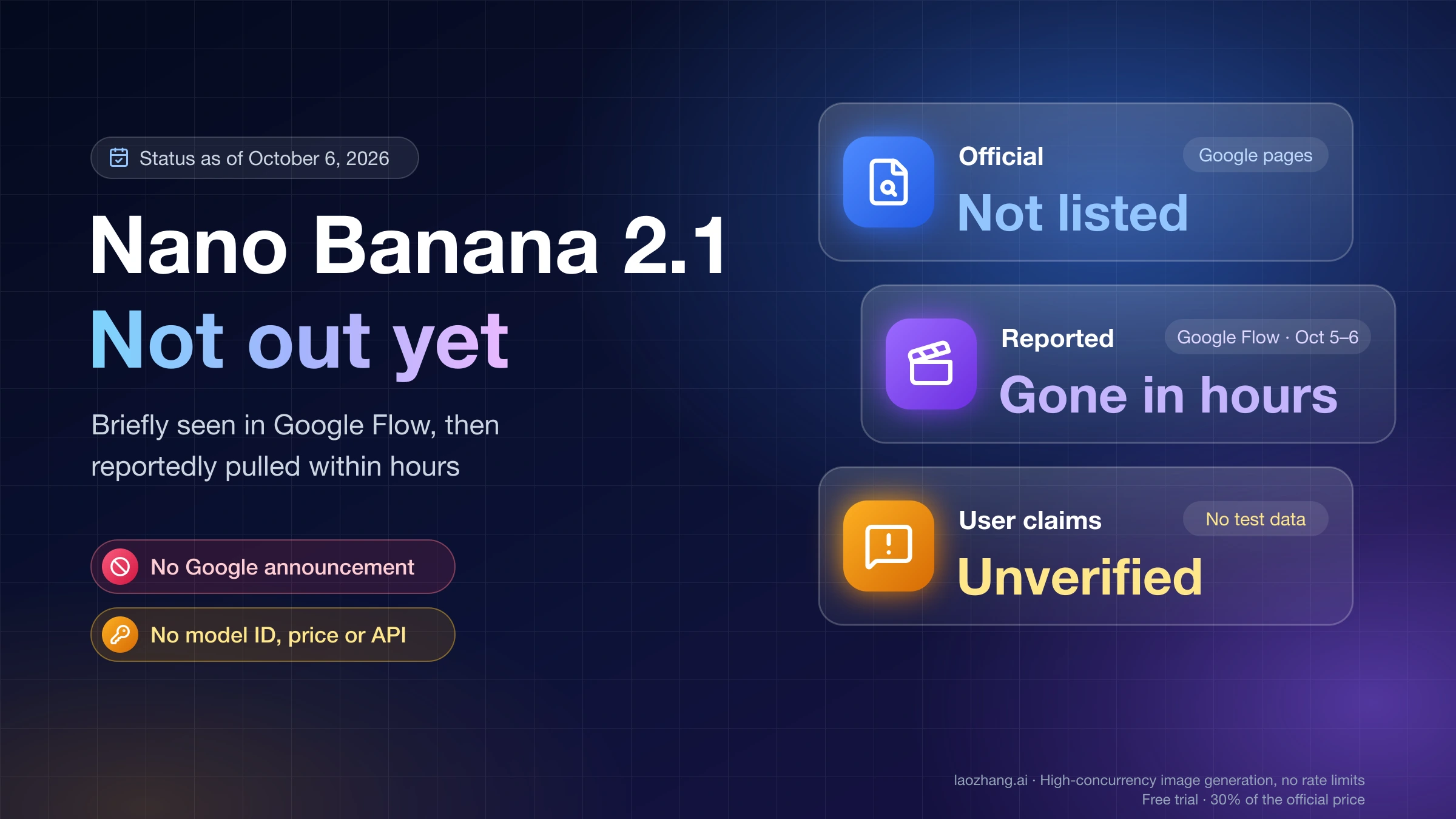
As of October 6, 2026, only GPT-6.1 Sol is open to developers. Fable 5.5 is unannounced, Gemini 4 Argon is limited to Fairwind, and GPT-6.1 Astra was canceled.

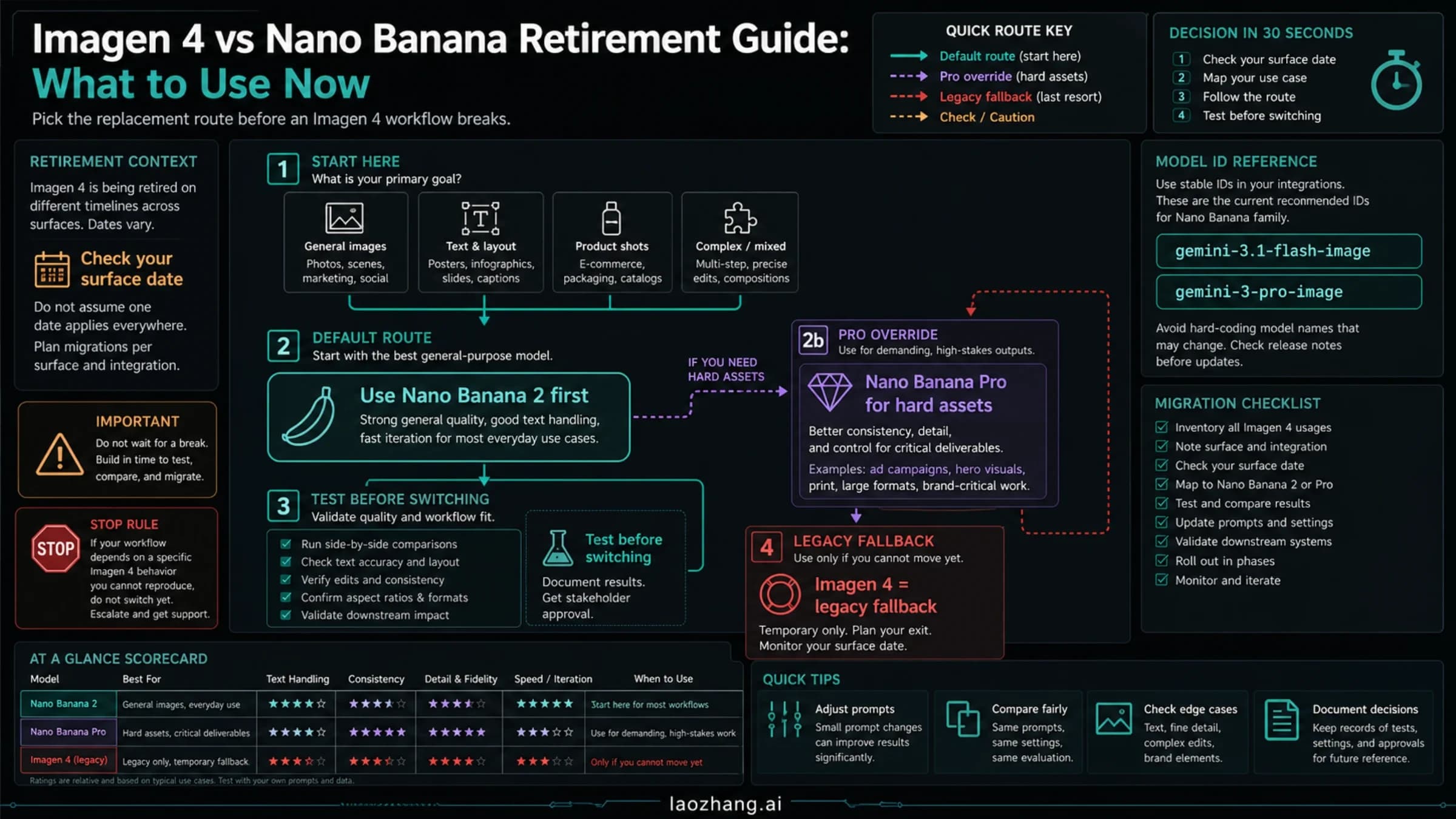
For a direct Gemini API migration, start with gemini-nano-banana-2.1. Firebase requires a separate support check. Replace the old Imagen request and image parser, then promote the model that meets your output requirements.

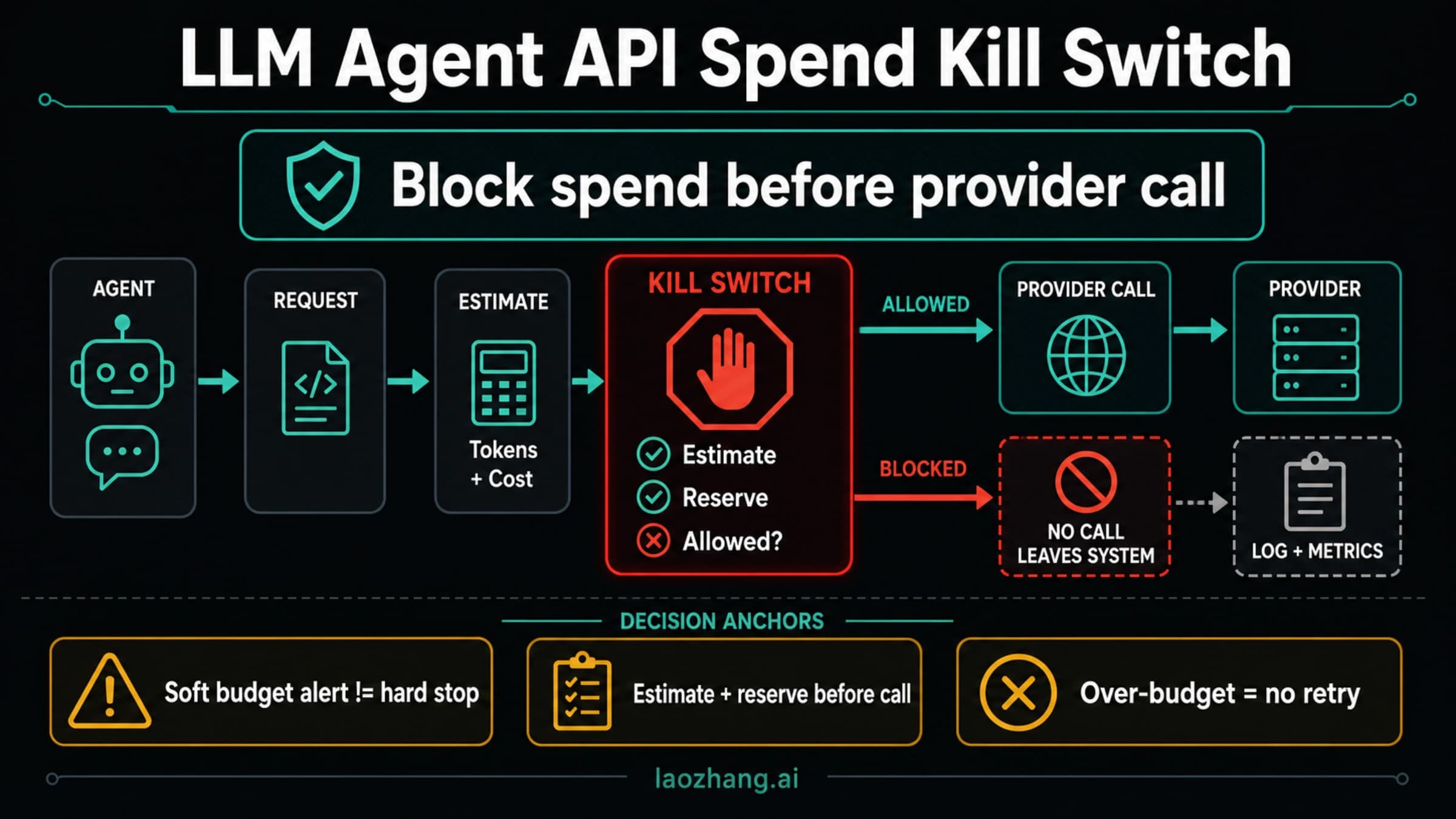
Block the next unaffordable model request before dispatch: reserve its maximum cost against the shared run budget, reconcile the billable result, and keep budget stops terminal across retries and helpers.

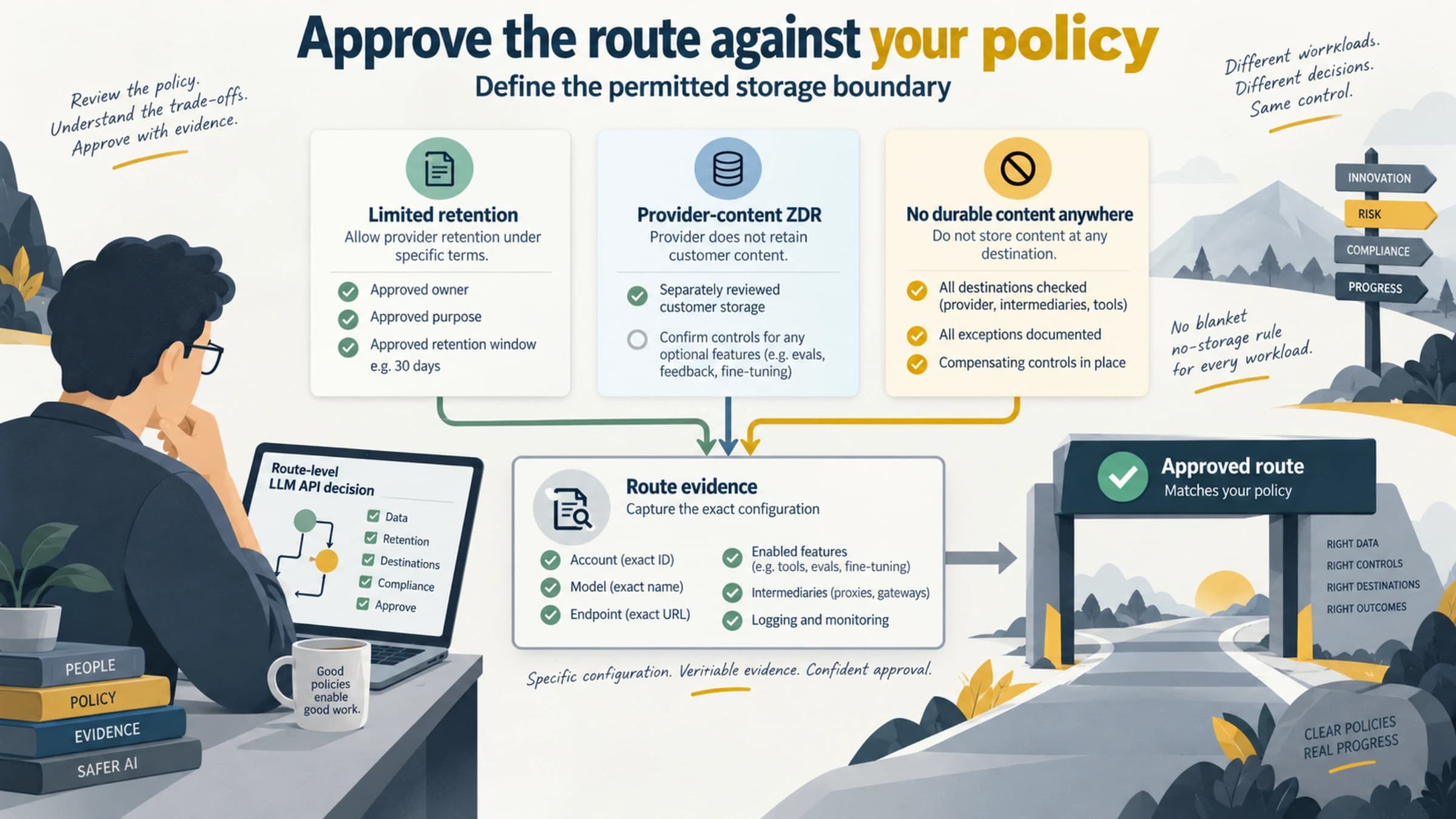
Limited retention can fit an approved workload. ZDR requires evidence for the exact account, model, endpoint, features, and data path—and a gate that rejects unapproved changes.

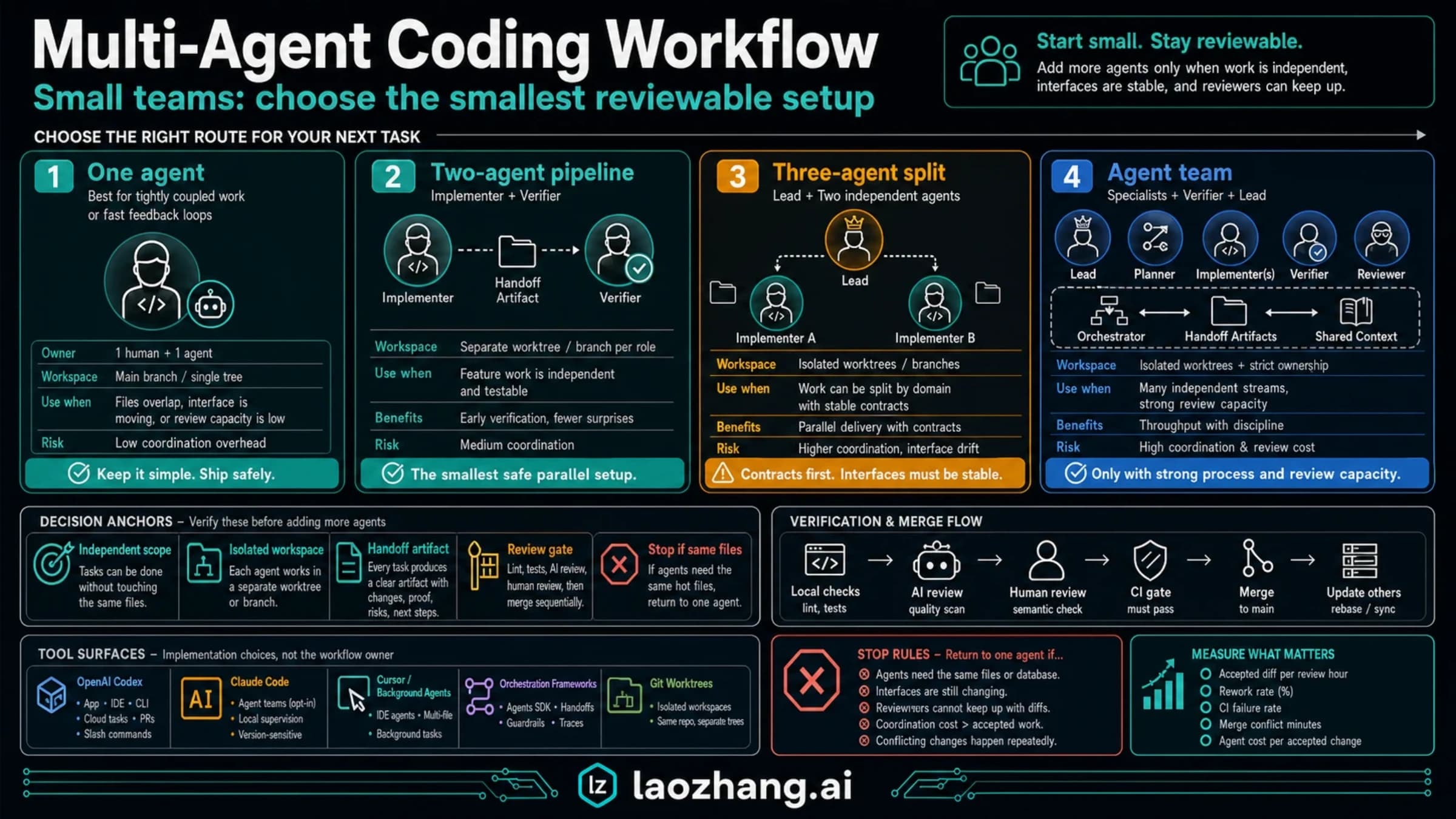
Start with one implementer and a separate review pass. Add parallel writers only when their tasks have stable boundaries, and test their combined candidate before it reaches main.

Nano Banana 2.1 is out at $0.0336 to $0.0756 per image, half of Nano Banana 2's rate, but input and thinking tokens cost more. Nano Banana 2 ends October 29.

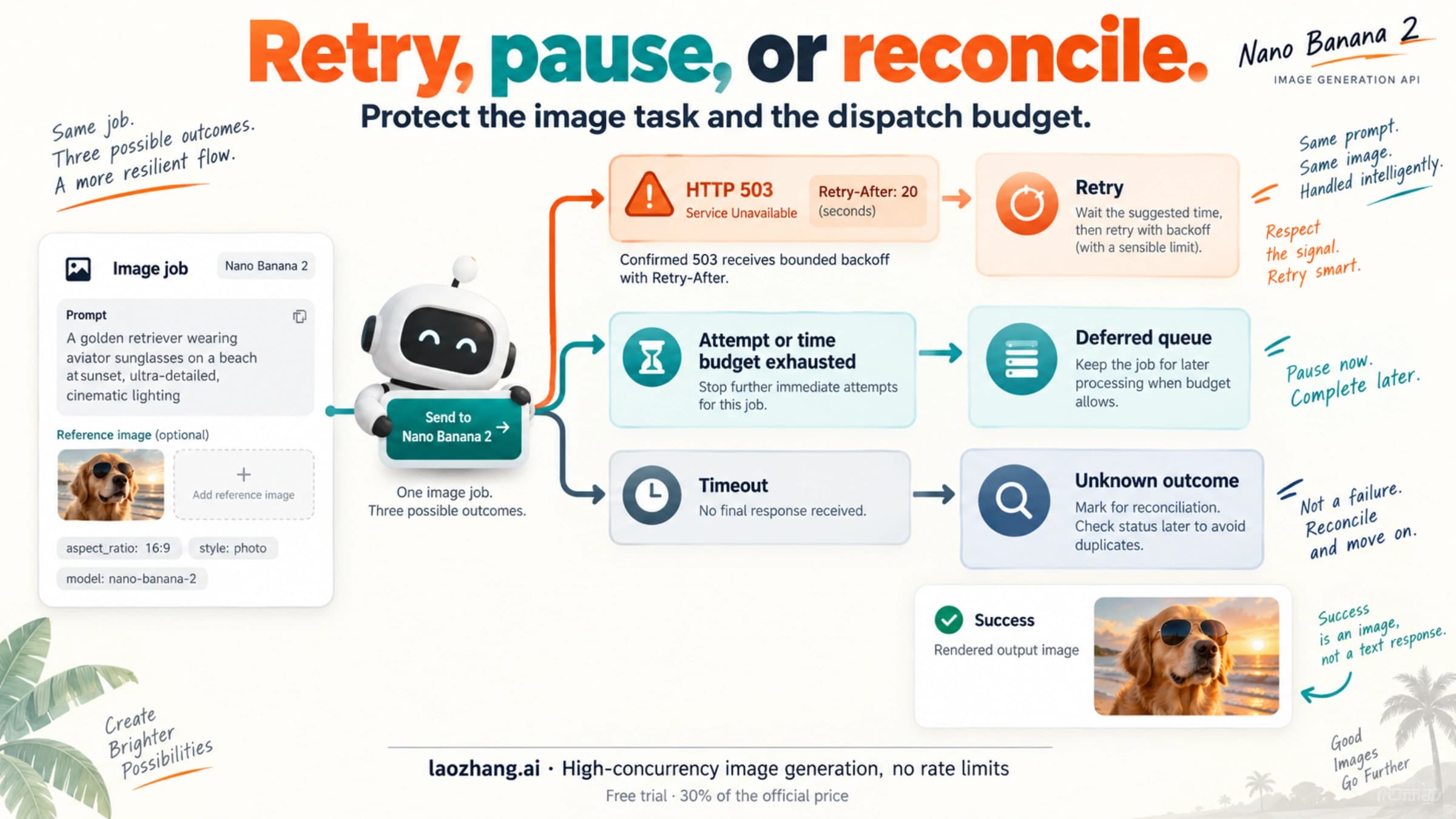
For a confirmed Nano Banana 2 503 response, retry with jitter within an attempt and time budget. Keep the image workflow intact, verify image output, and defer work when recovery cannot fit the deadline.

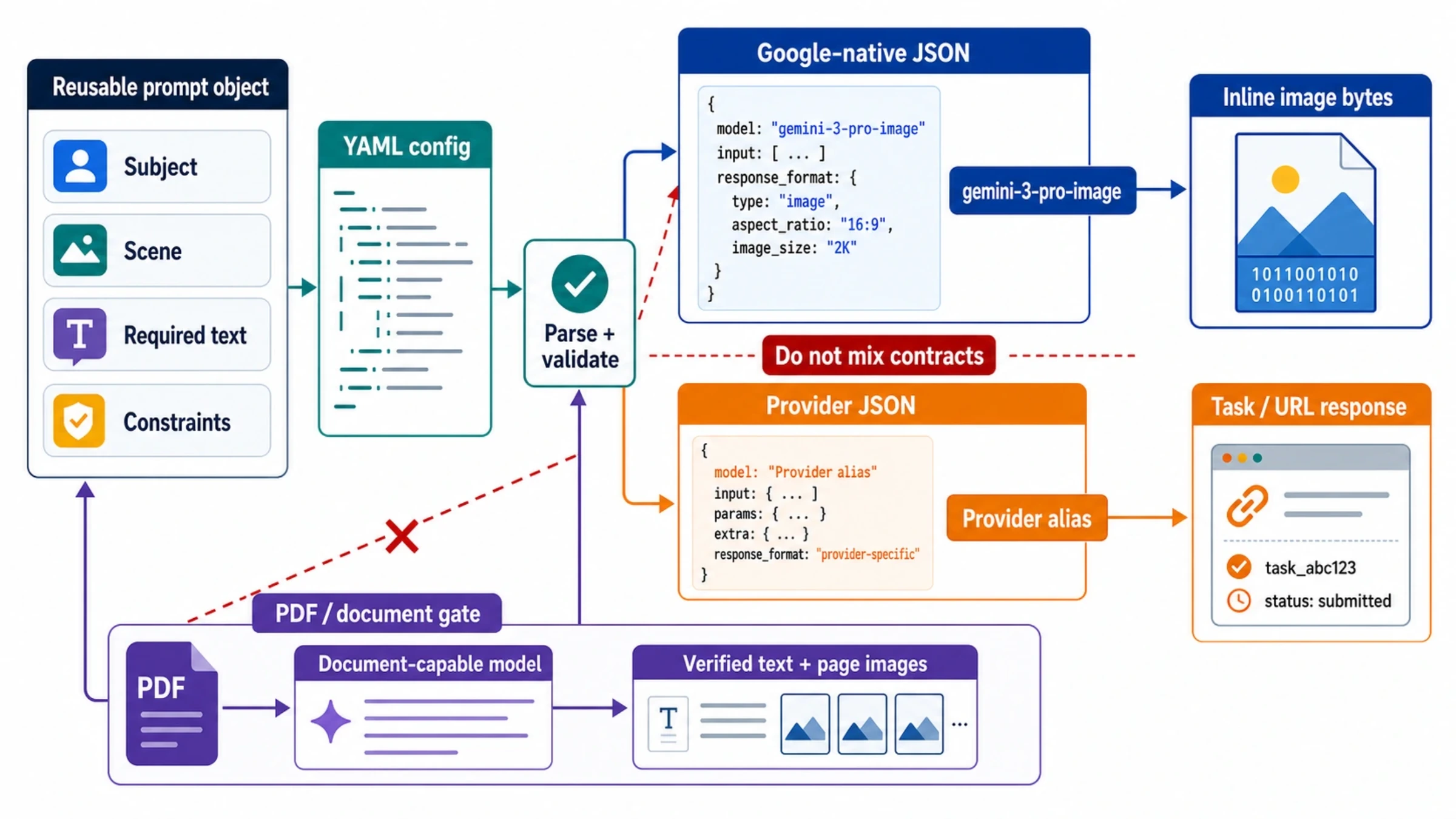
Call gemini-3-pro-image through Google Interactions, save image bytes from the full response, and compile your own JSON or YAML job settings. PDFs need a document-capable model before Pro receives the verified facts and page images.

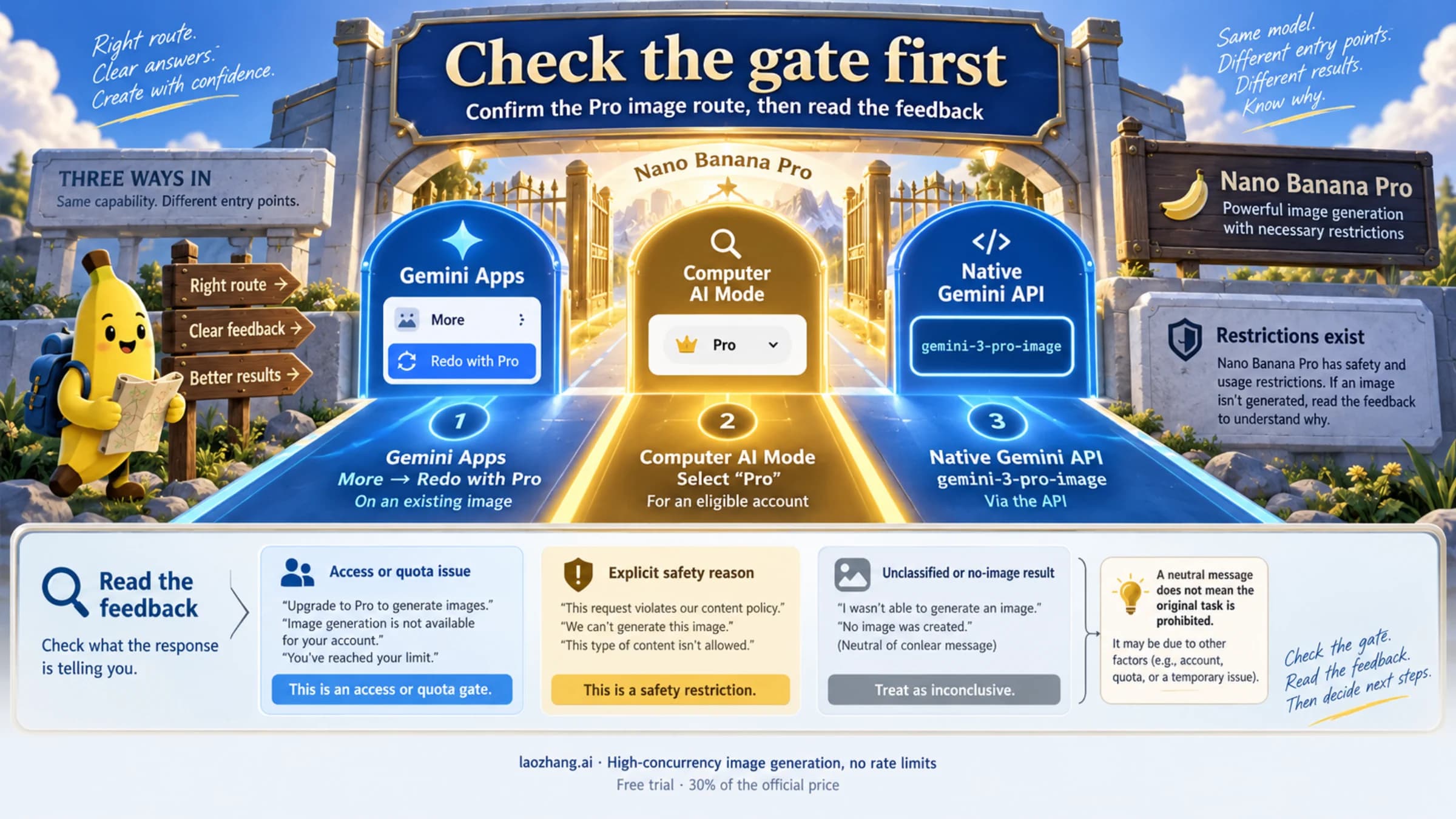
If Pro returns a restriction message or no image, first recover the correct Pro route: More → Redo with Pro in Gemini, the Pro menu in eligible AI Mode accounts, or gemini-3-pro-image in the API. Then check the actual response before calling the failure a policy block.