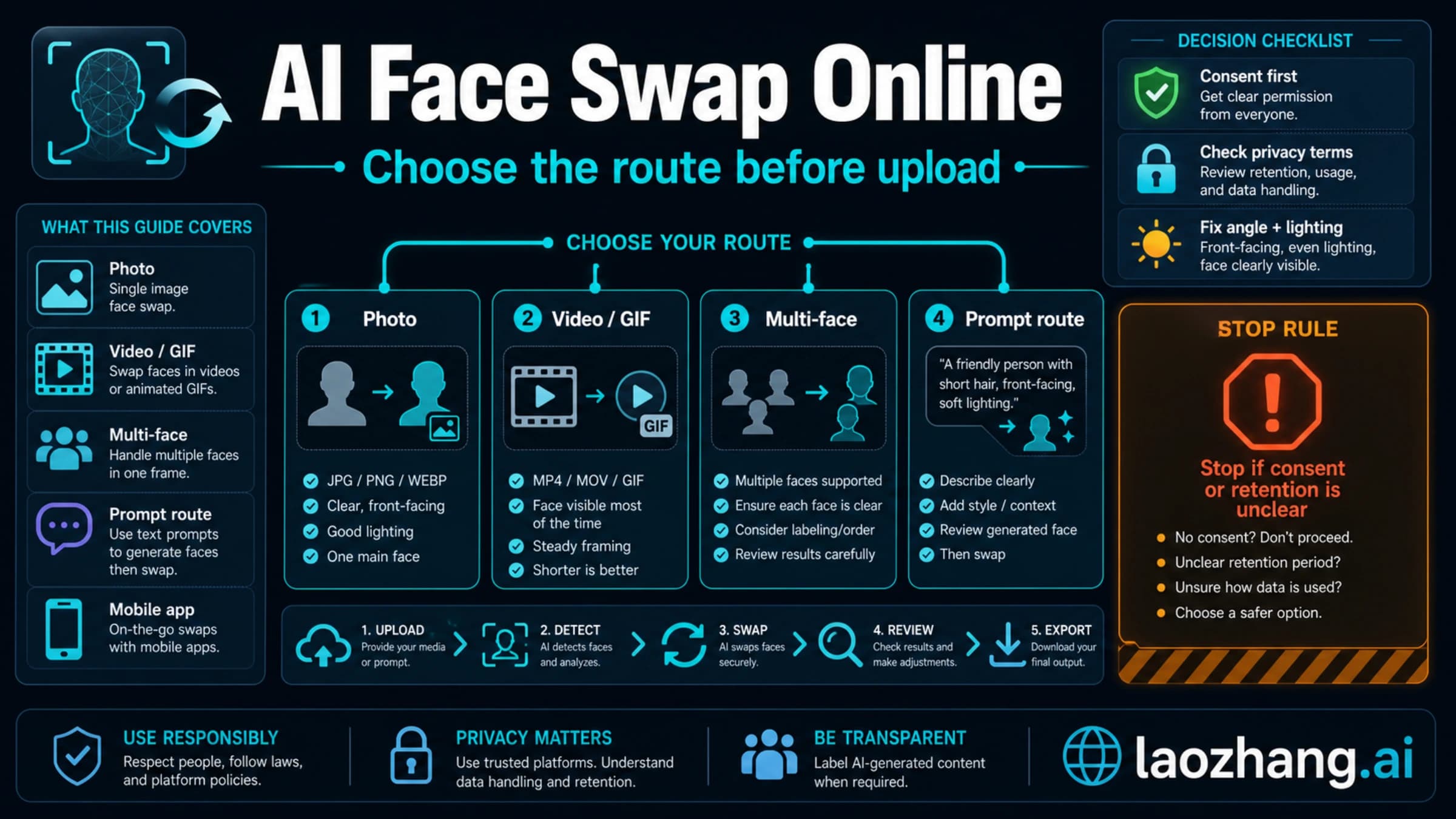
AI Face Swap Online: Safe Photo, Video, and Multi-Face Workflow
Pick the safest AI face swap workflow before upload: photo, video, GIF, multi-face, mobile app, or prompt-based generation, plus consent, privacy, and failure-fix checks.
11 min
Pick the safest AI face swap workflow before upload: photo, video, GIF, multi-face, mobile app, or prompt-based generation, plus consent, privacy, and failure-fix checks.
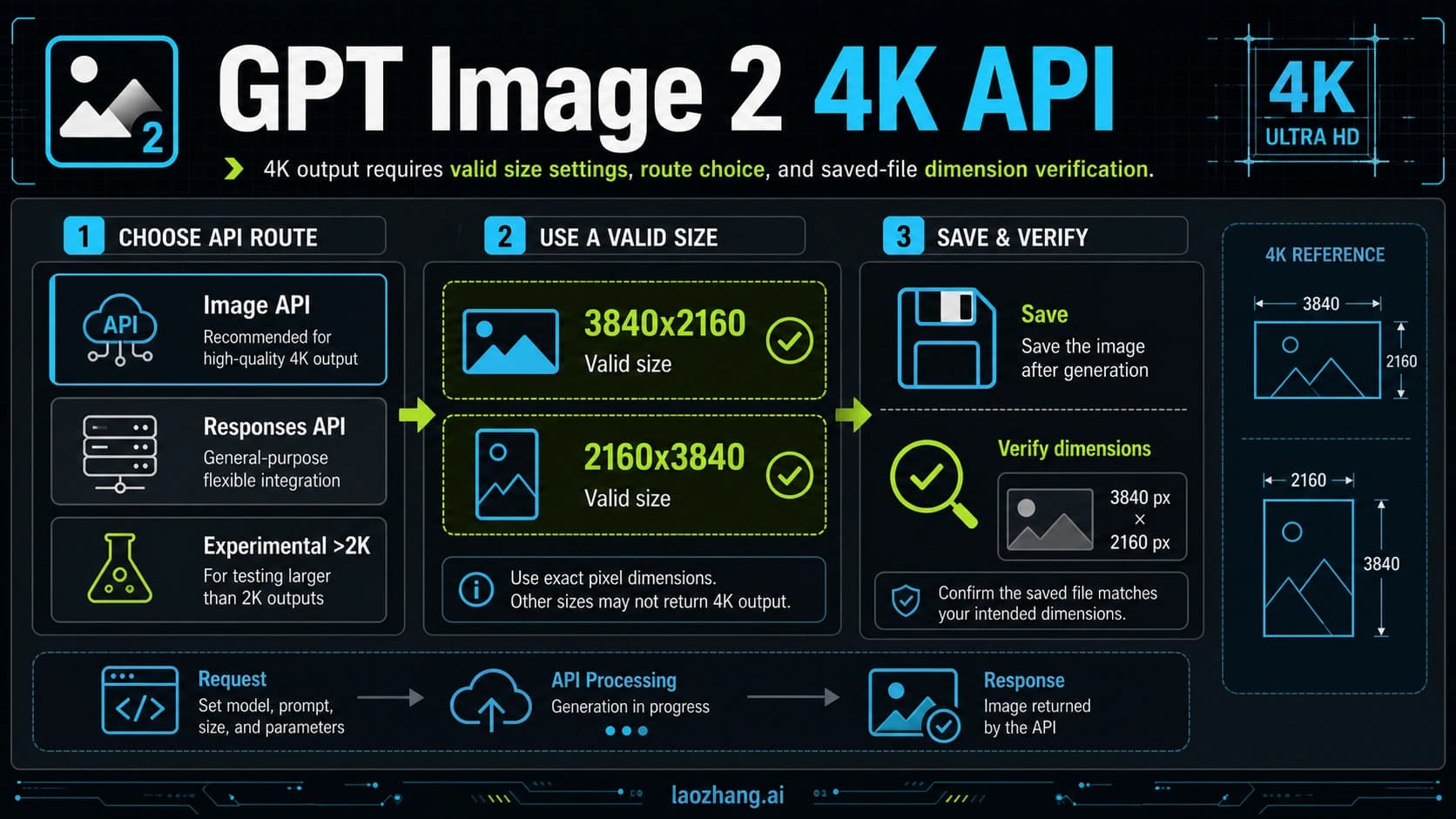
Use `3840x2160` or `2160x3840` with GPT Image 2 only when the full size constraints pass, then verify the saved file before shipping 4K output.
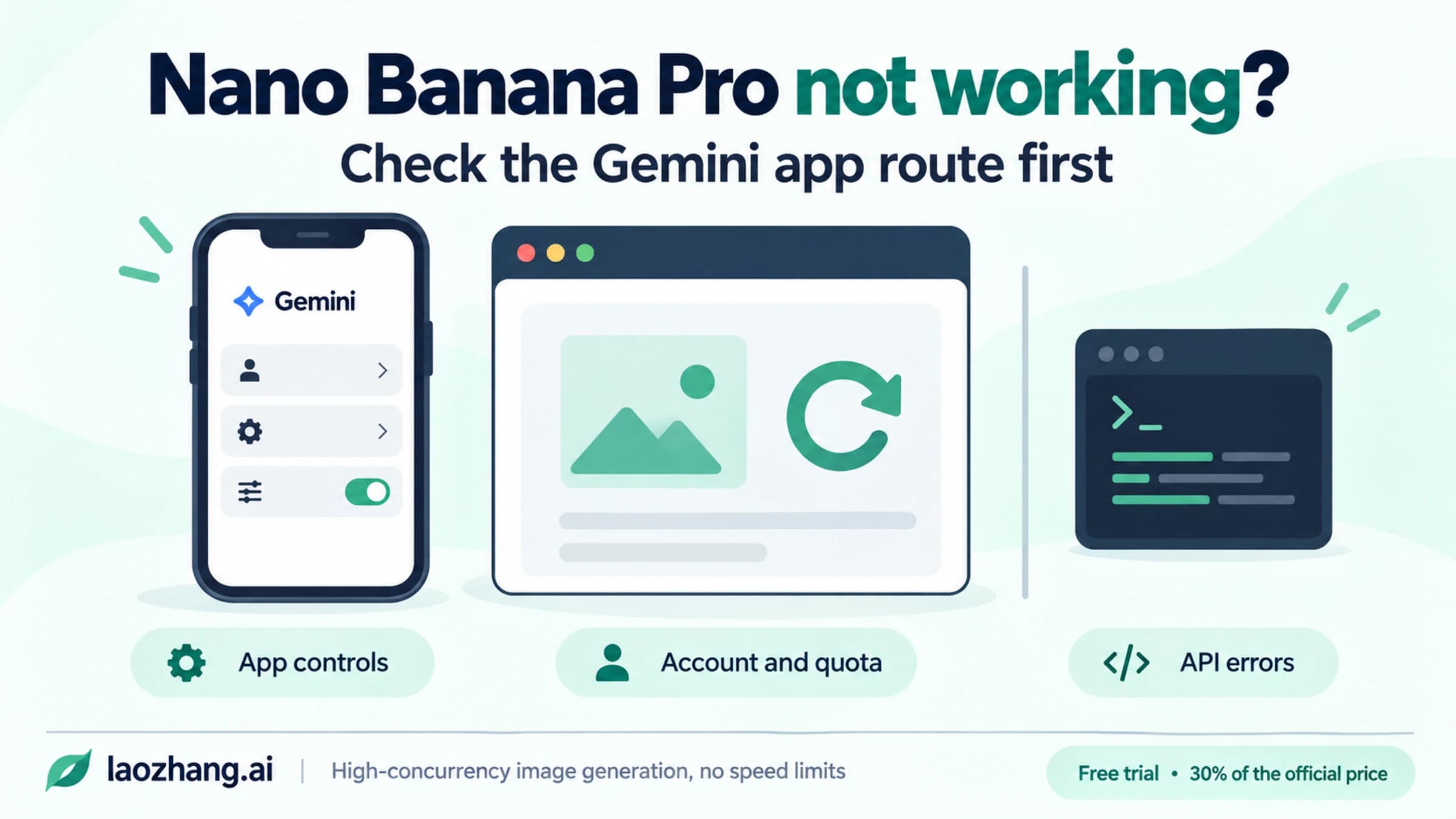
Fix Nano Banana Pro inside Gemini by separating the current Nano Banana 2 default, paid Redo with Pro path, session or quota failures, and API-only errors.
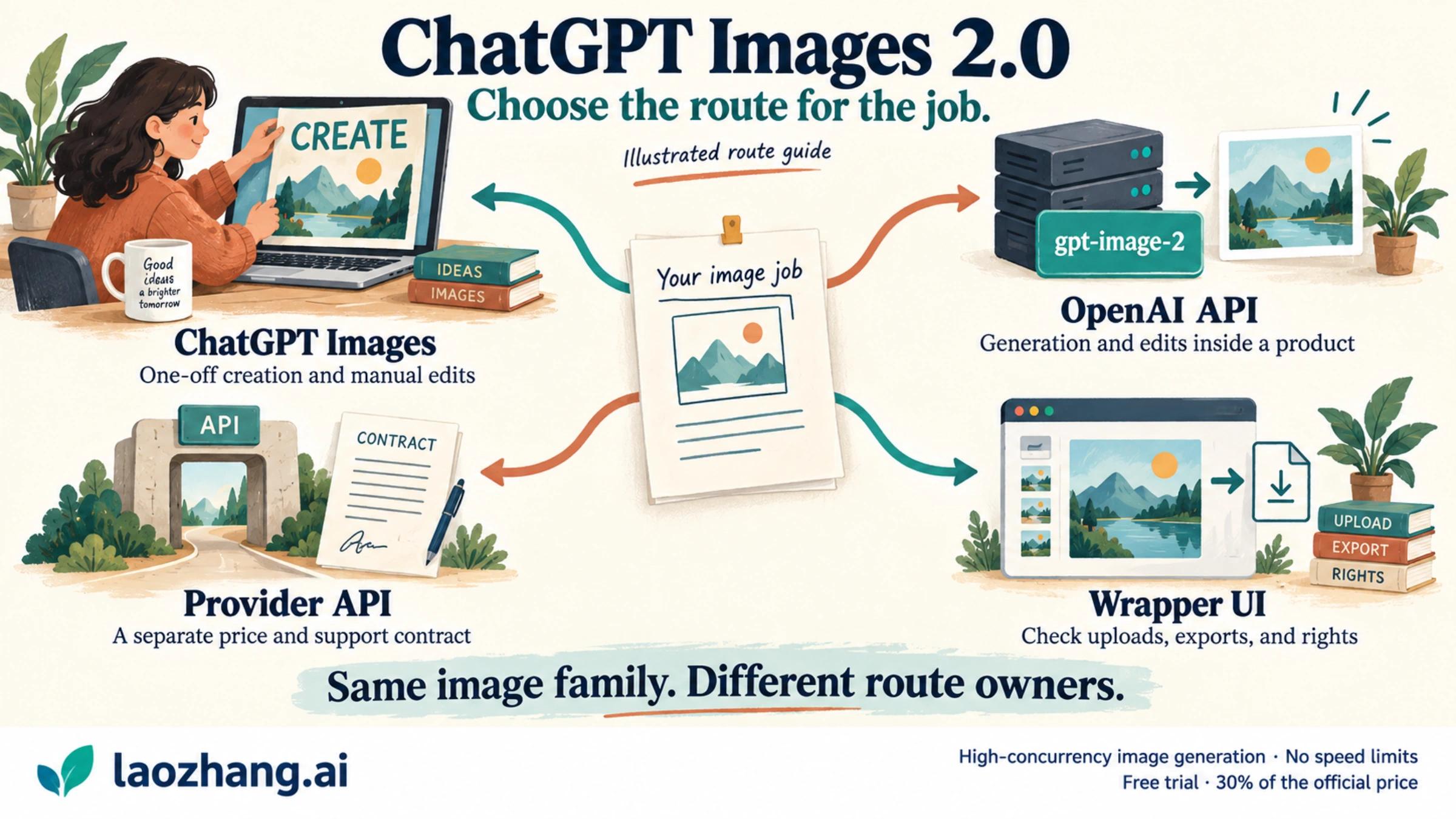
ChatGPT Images 2.0 is an official OpenAI image update. Start with the route: ChatGPT for manual creation, gpt-image-2 for API generation and edits, and provider or wrapper routes only after contract checks.
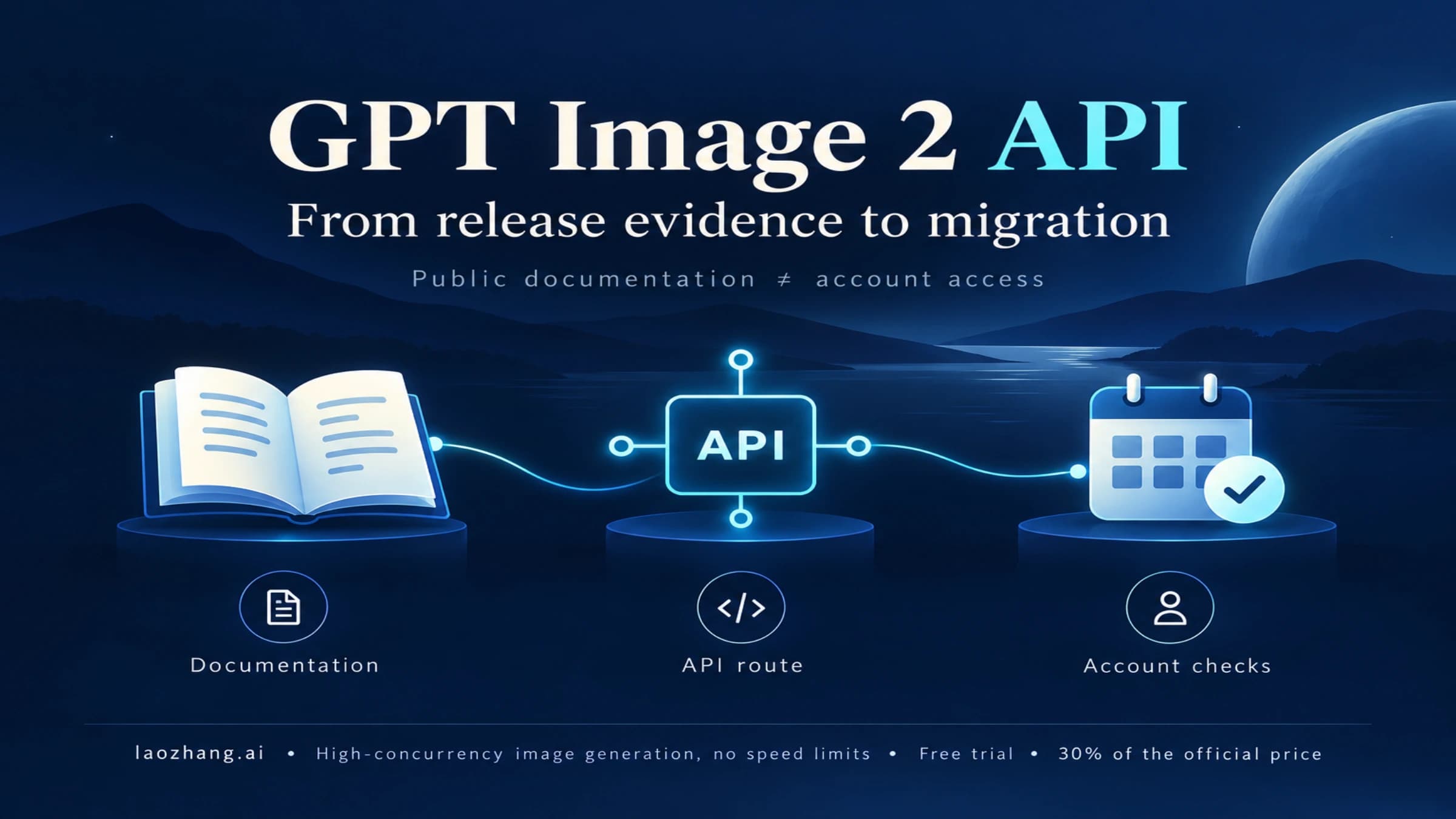
GPT-Image-2 API is public in OpenAI developer docs as model ID gpt-image-2 with snapshot gpt-image-2-2026-04-21. See what changed, what to call, and what to verify before migration.
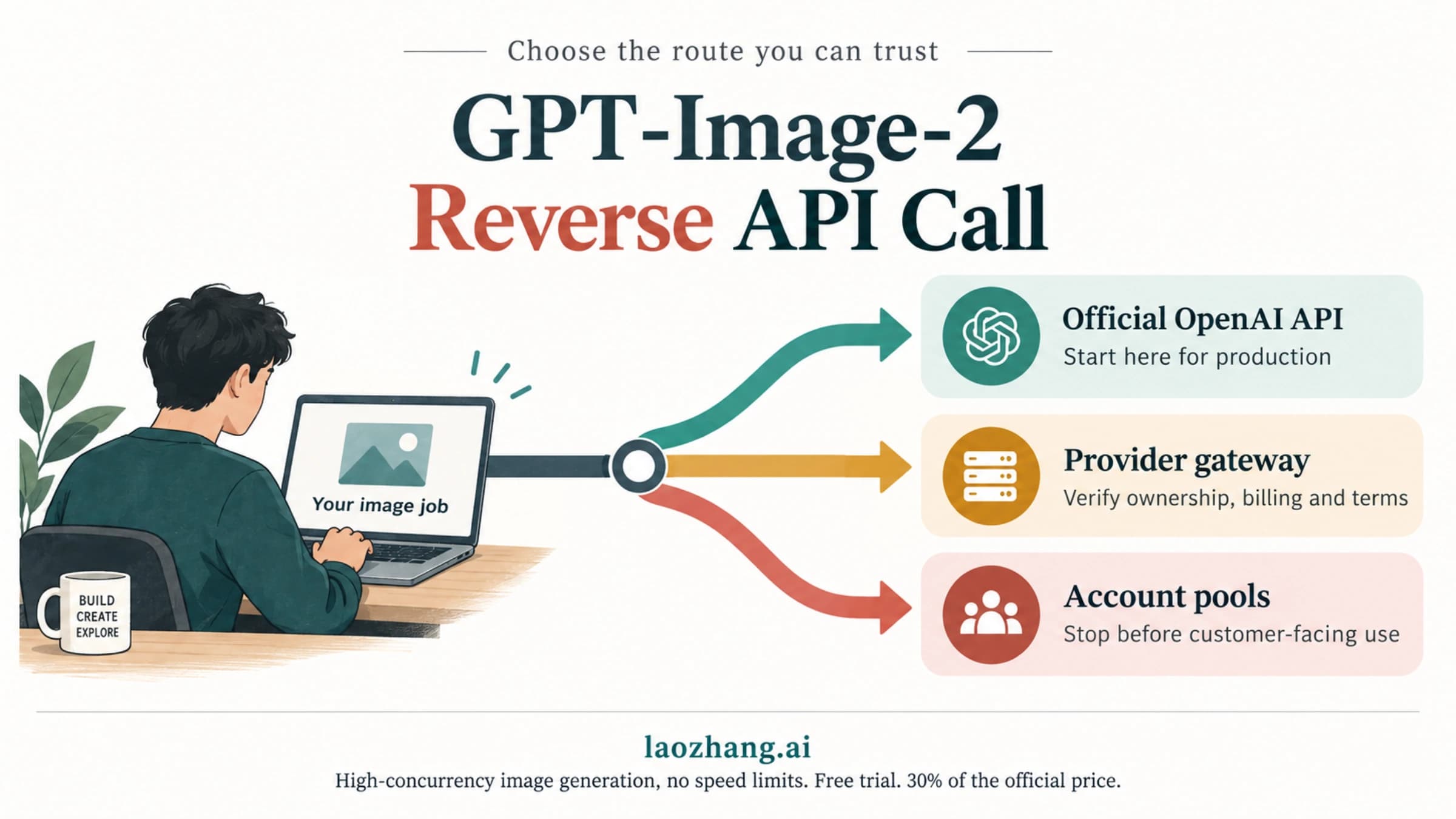
Now that OpenAI documents gpt-image-2, reverse-compatible routes are no longer the default production answer. Compare official API, provider gateways, wrappers, and account-pool risk.
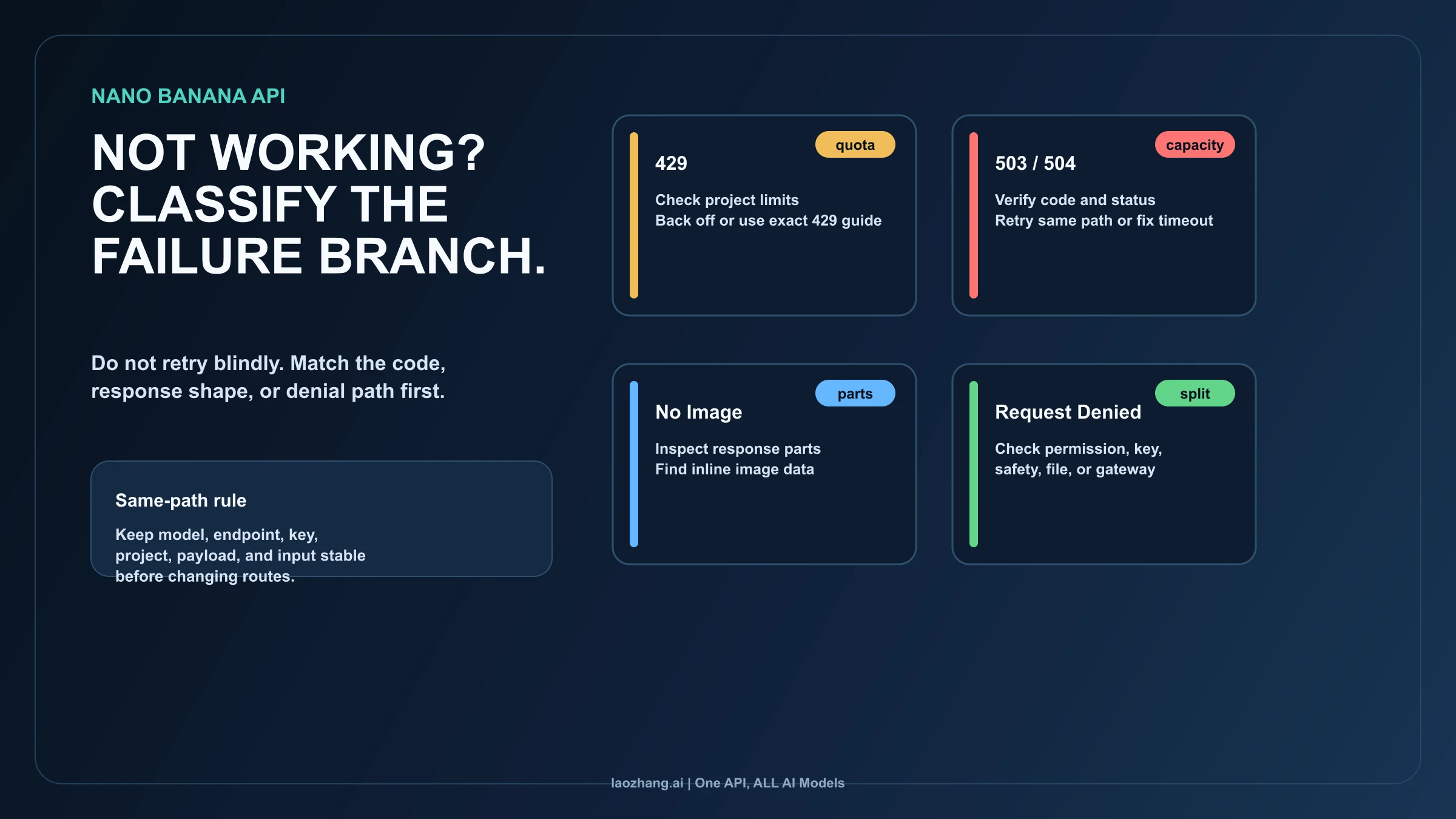
A branch-first Nano Banana API troubleshooting guide for 429, 503, no-image/text-only output, request-denied messages, and same-path verification.
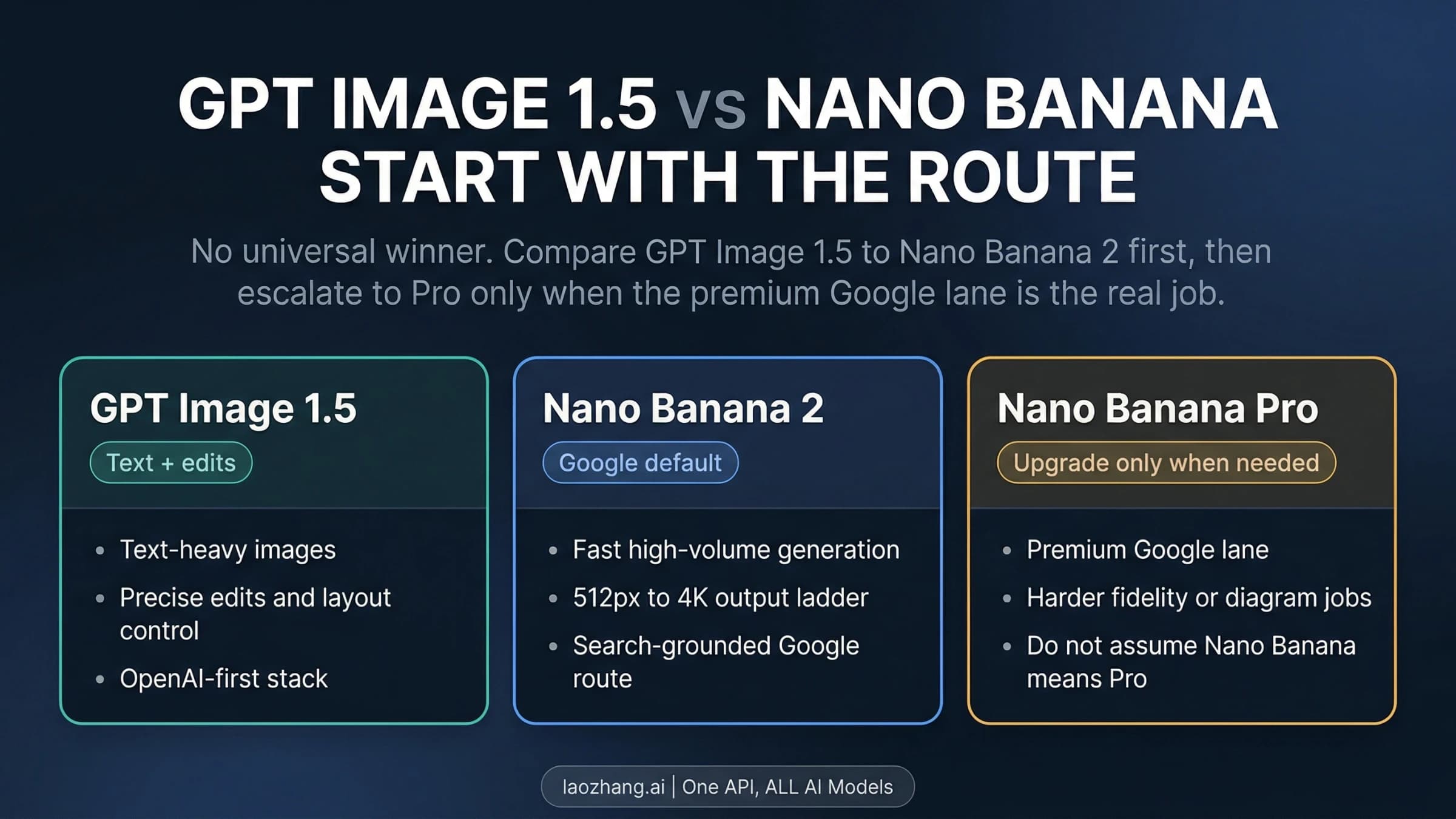
GPT Image 1.5 is not universally better than Nano Banana in 2026. The useful answer is to compare GPT Image 1.5 against Nano Banana 2 by default, use GPT when text rendering and precise edits matter most, use Nano Banana 2 as Google's faster broader default, and treat Nano Banana Pro as a premium override rather than the assumed baseline.
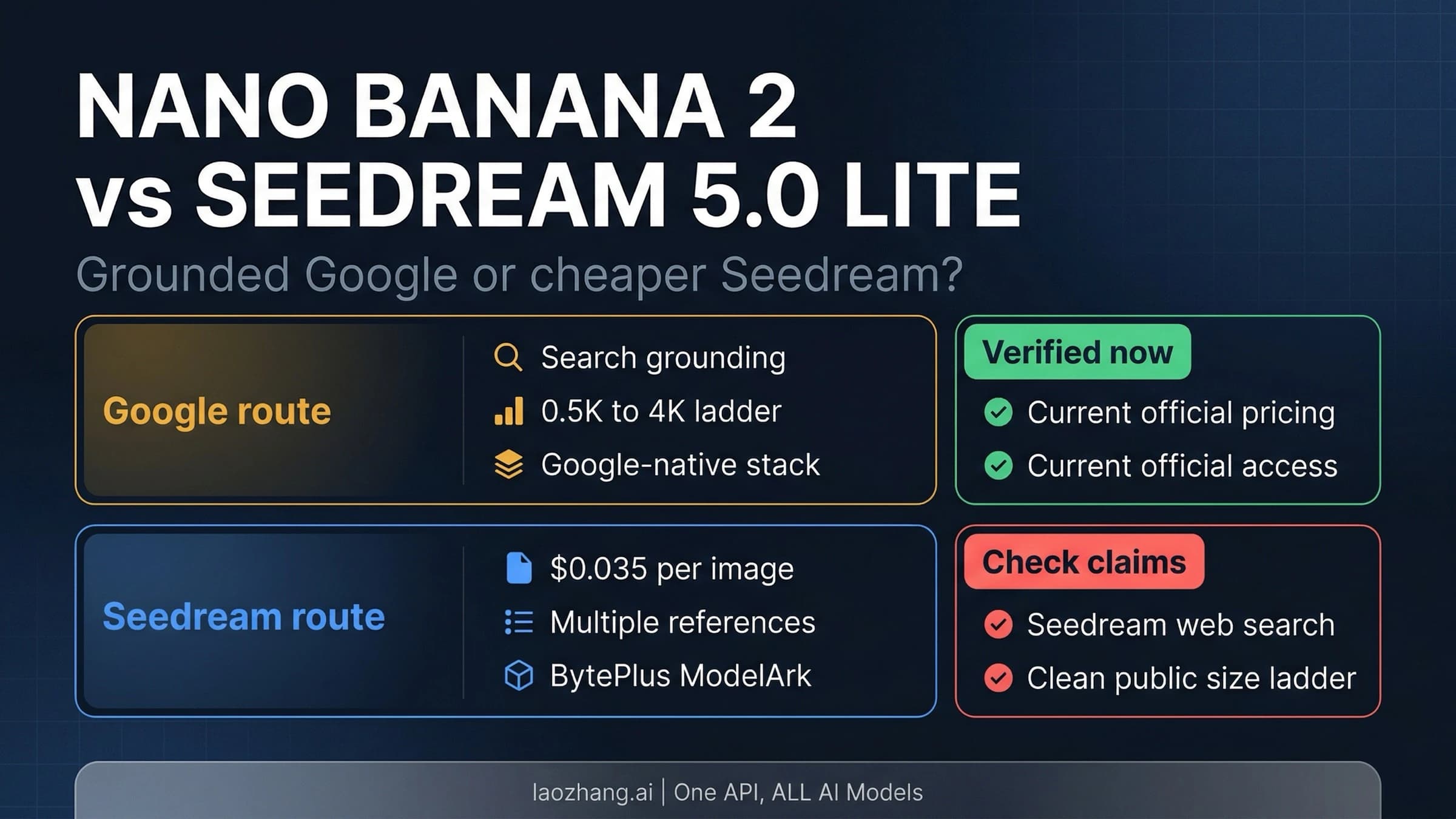
If your image workflow needs current information from Google Search and explicit 0.5K-to-4K sizing, start with Gemini 3.1 Flash Image Preview. If you need cheaper flat per-image pricing and multiple-reference workflows, start with Seedream 5.0 Lite.
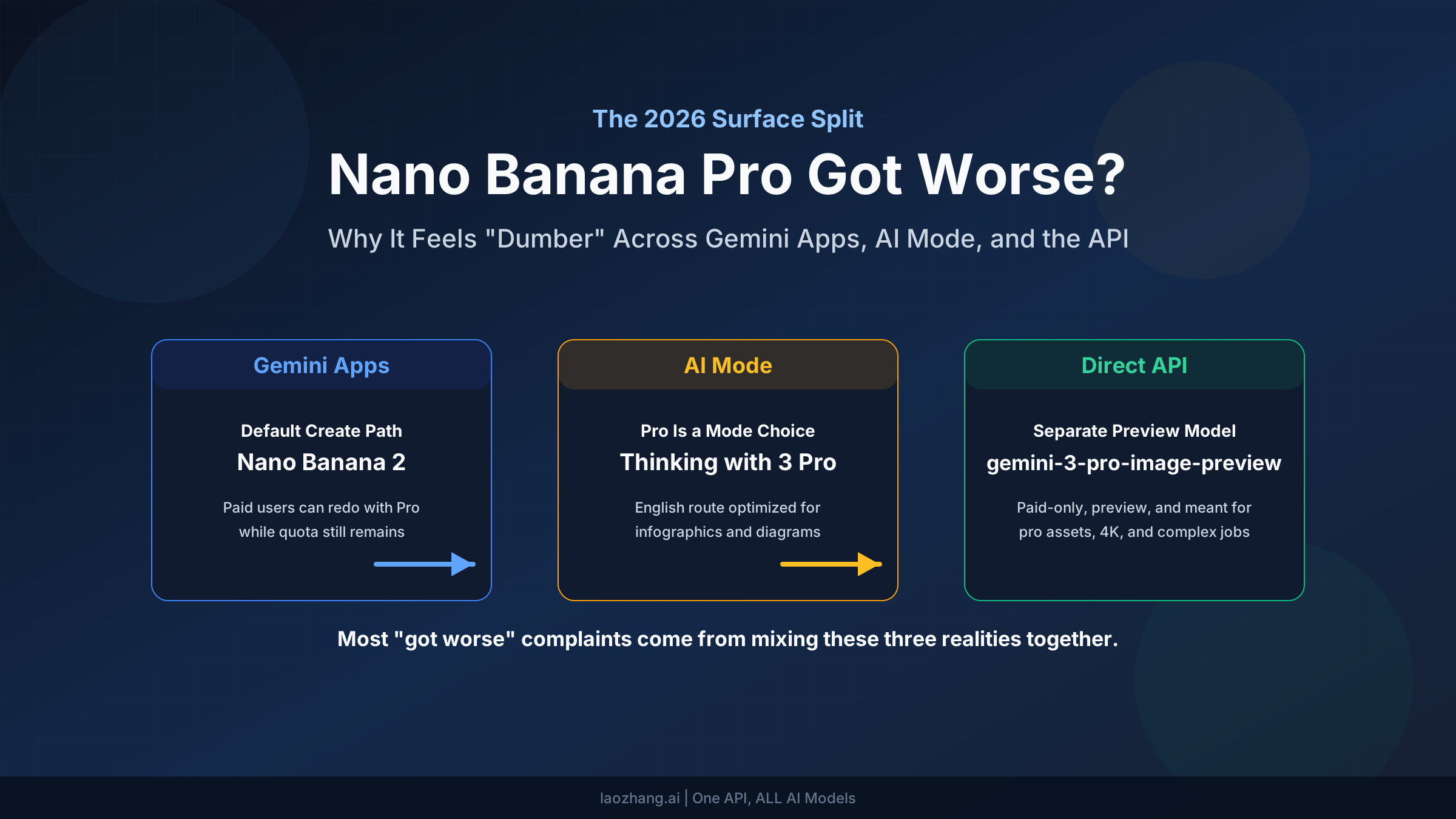
Nano Banana Pro has not turned into one universally worse model. As of April 1, 2026, the bigger change is that Google now exposes Pro differently across Gemini Apps, AI Mode, and the API. This guide explains what changed, why it now feels inconsistent, and what to fix first.
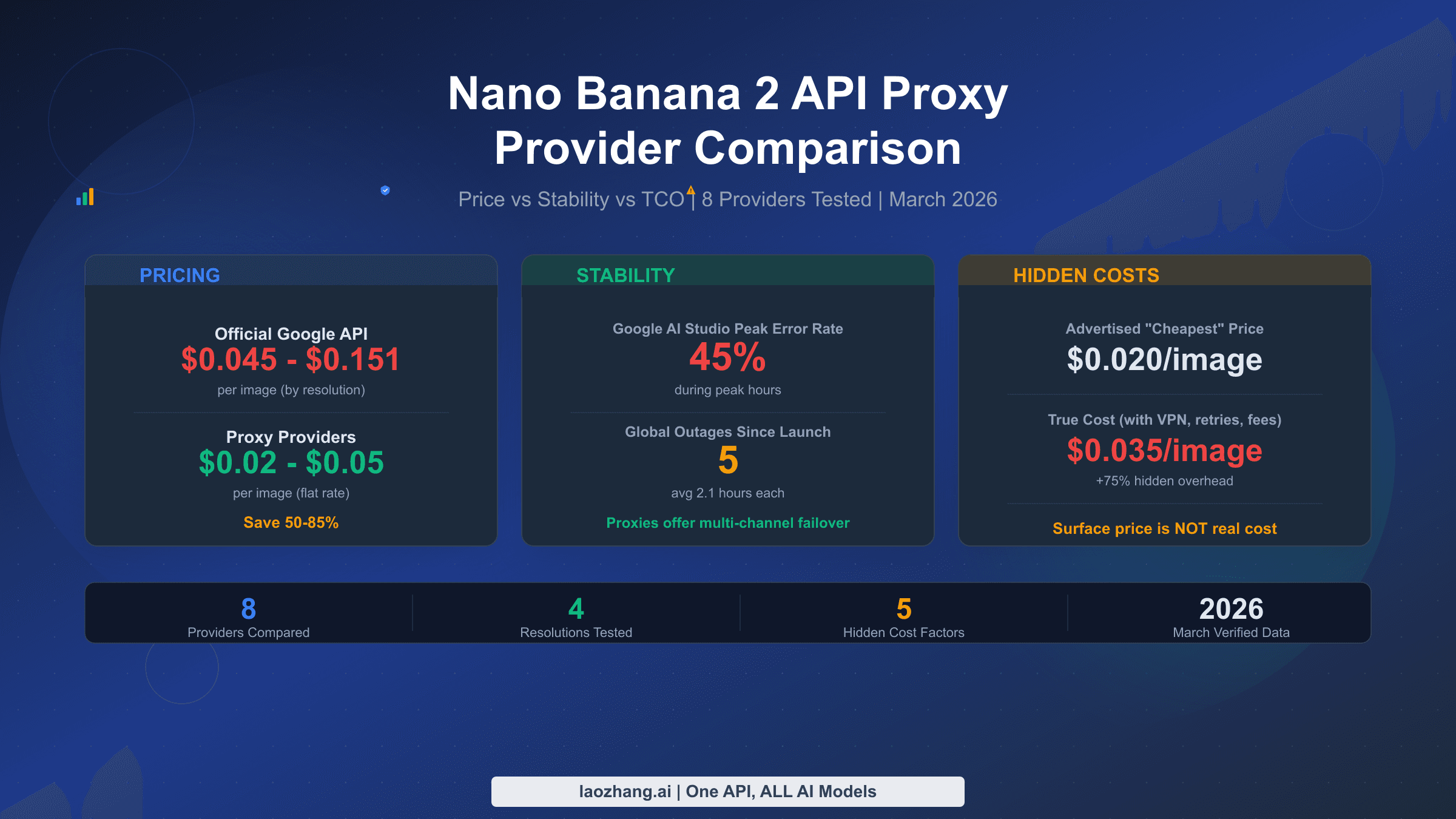
Eight Nano Banana 2 API proxy providers charge between $0.02 and $0.05 per image, compared to Google's official $0.045–$0.151. But surface price hides 50–150% in additional costs from VPN fees, retry failures, and payment overhead. This guide compares every provider on pricing, stability, hidden costs, and security—with a scenario-based decision framework to find the right fit for your use case.

If you want one AI image generator that does the widest range of everyday work with the least friction, use ChatGPT Images. But if your workflow is art-first, text-heavy, commercial-safety-sensitive, vector-heavy, or API-heavy, another tool is the smarter buy.
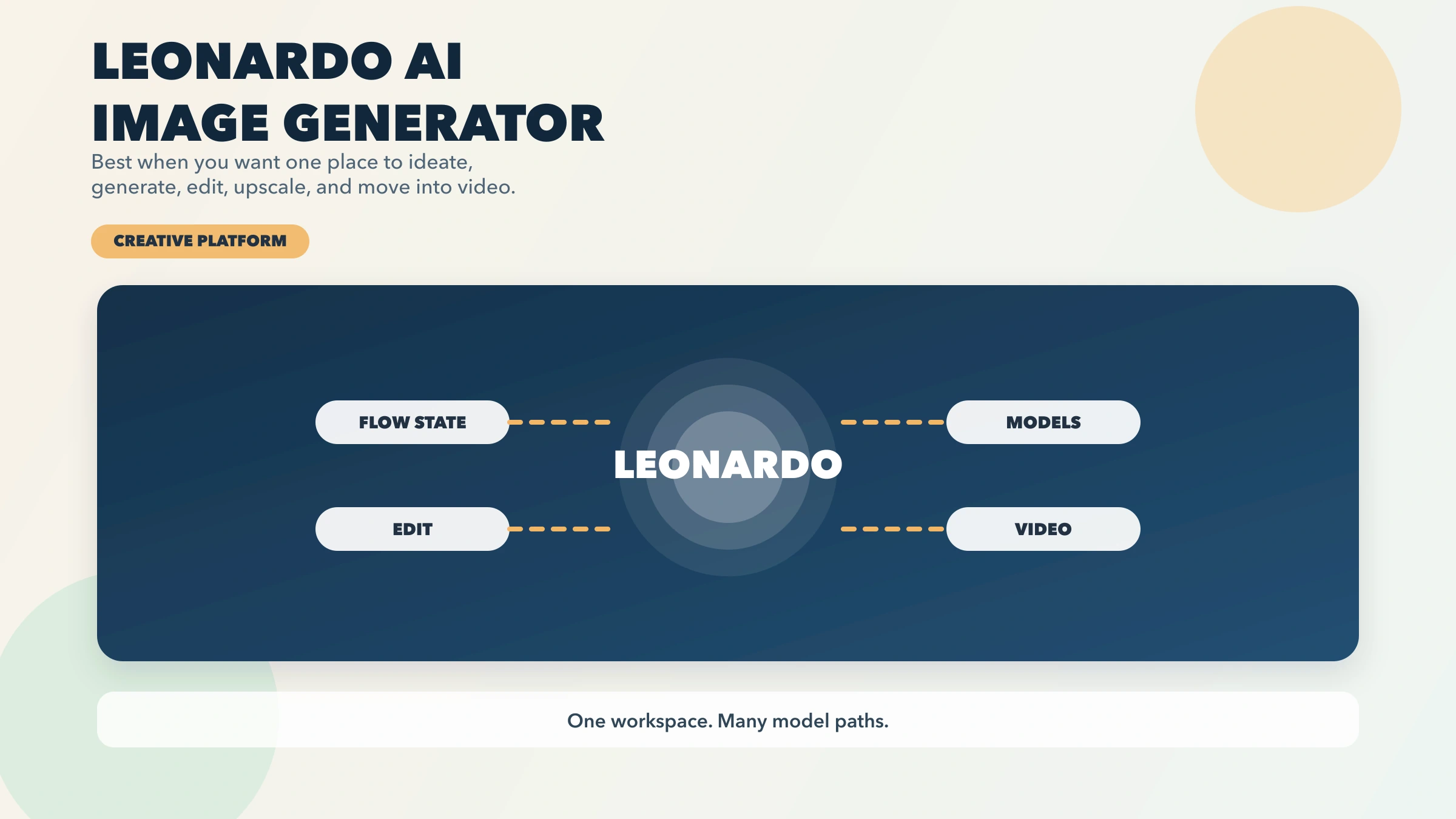
Leonardo.Ai is one of the strongest creative platforms for people who want model switching, Flow State ideation, editing, upscaling, and video in one place. But free is public, paid is private, and the relaxed 'unlimited' promise only applies to selected first-party models.
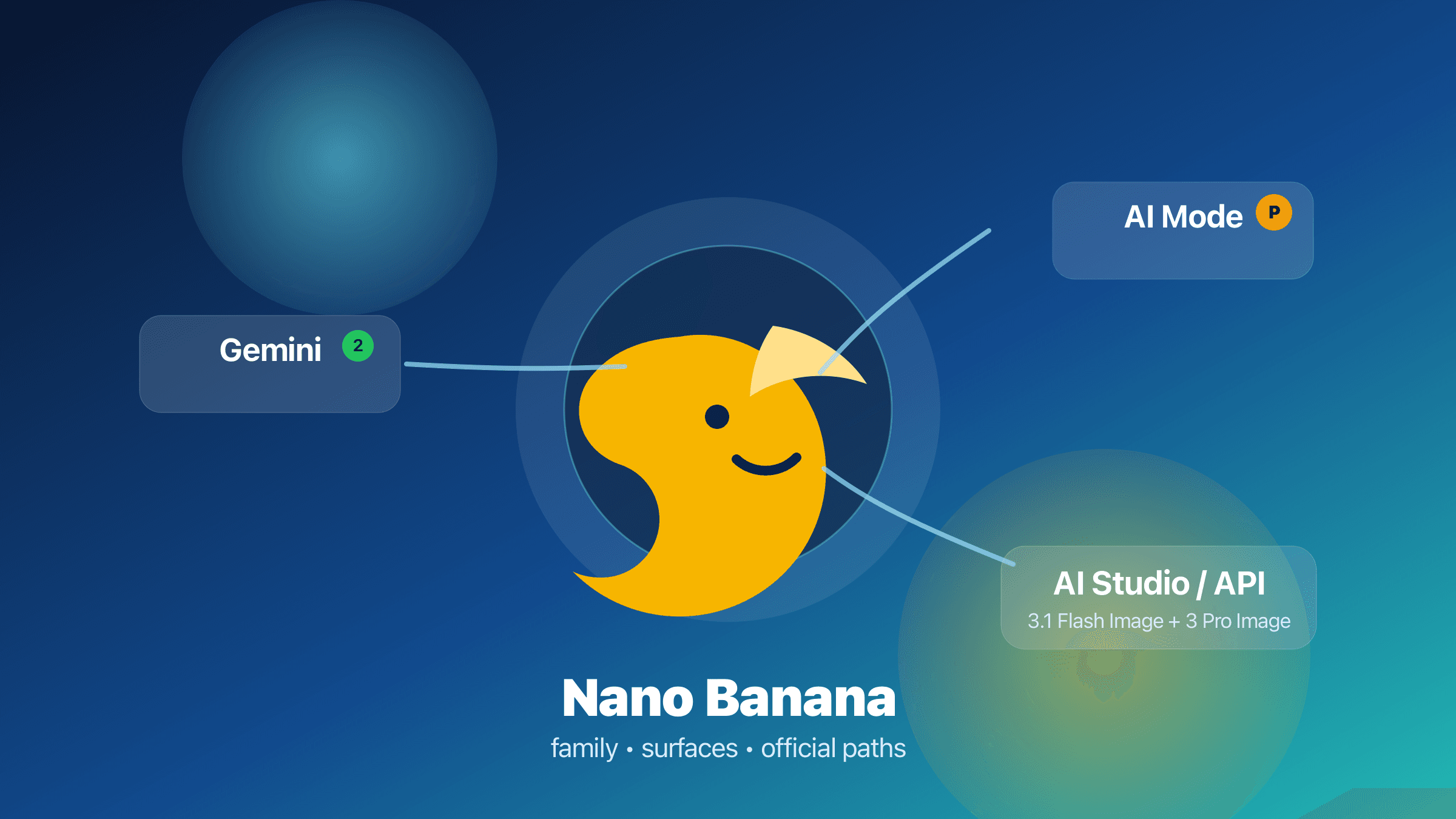
If you search for 'Nano Banana AI image generator' today, the safest answer is this: Nano Banana is now Google's image-model family, not one standalone tool. Start with Nano Banana 2 in Gemini for most work, move to Nano Banana Pro when text-heavy, diagram, or higher-fidelity jobs justify it, and use AI Studio or the Gemini API when you need direct control.
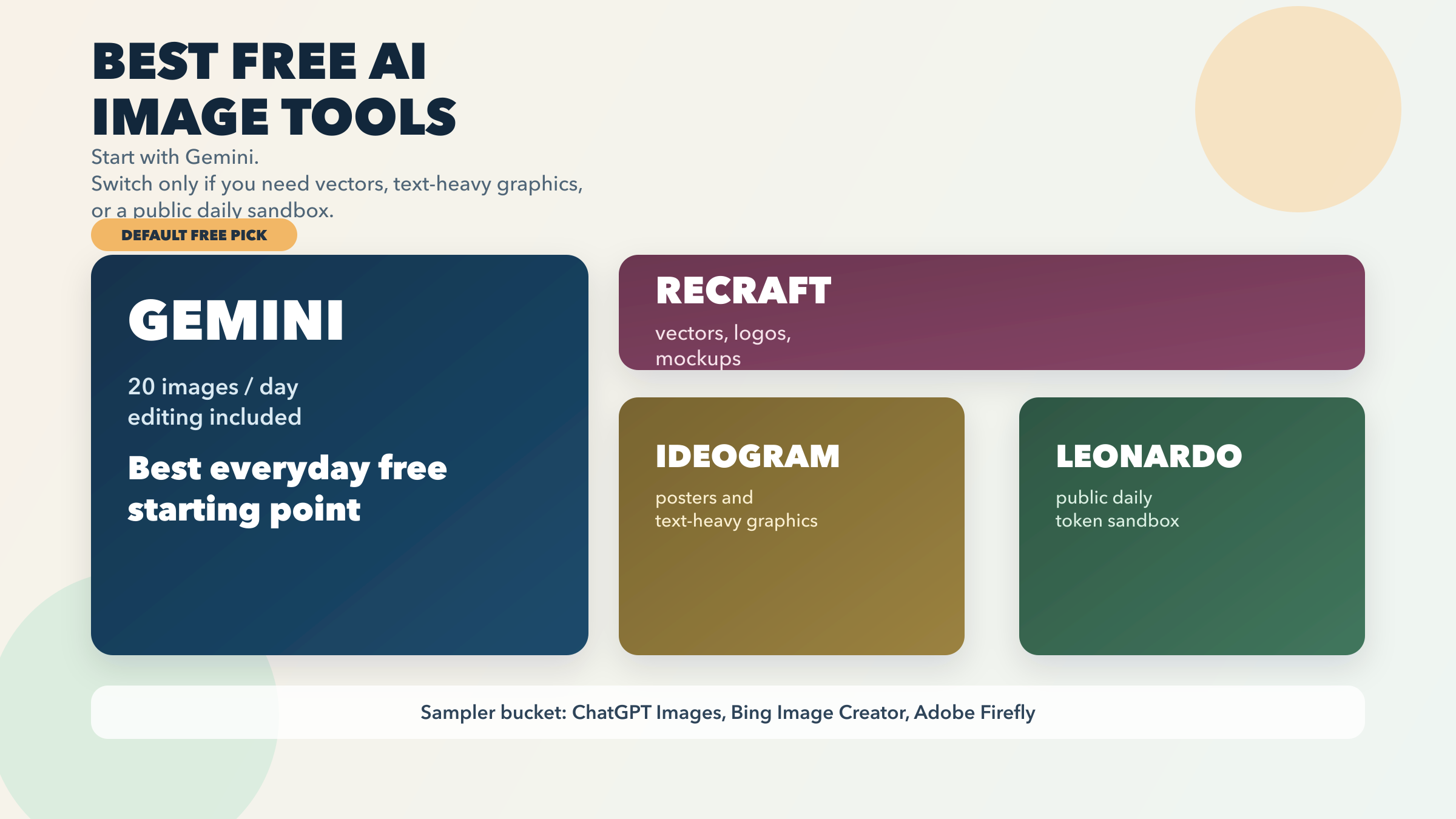
If you want one free AI image generator that still feels usable after the signup novelty wears off, start with Gemini. But if you need vectors, text-heavy graphics, or a public daily sandbox, Recraft, Ideogram, or Leonardo may be the better free fit.
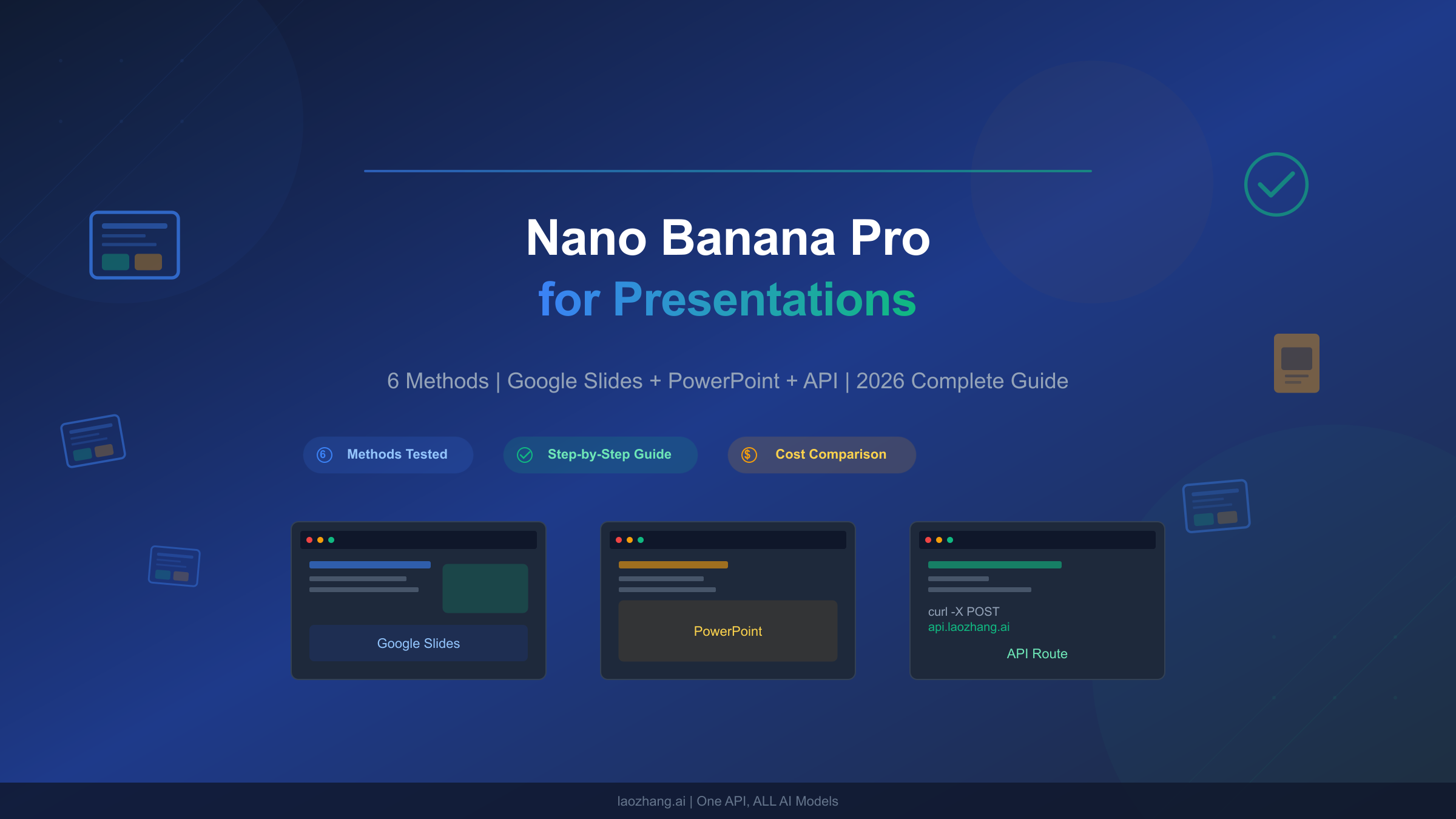
Nano Banana Pro has transformed presentation creation with its 94-96% text accuracy and professional infographic generation. This guide covers all 6 methods to use it — from Google Slides native features to API integration — with cost comparisons, prompt templates, and honest assessments of what works and what doesn't.
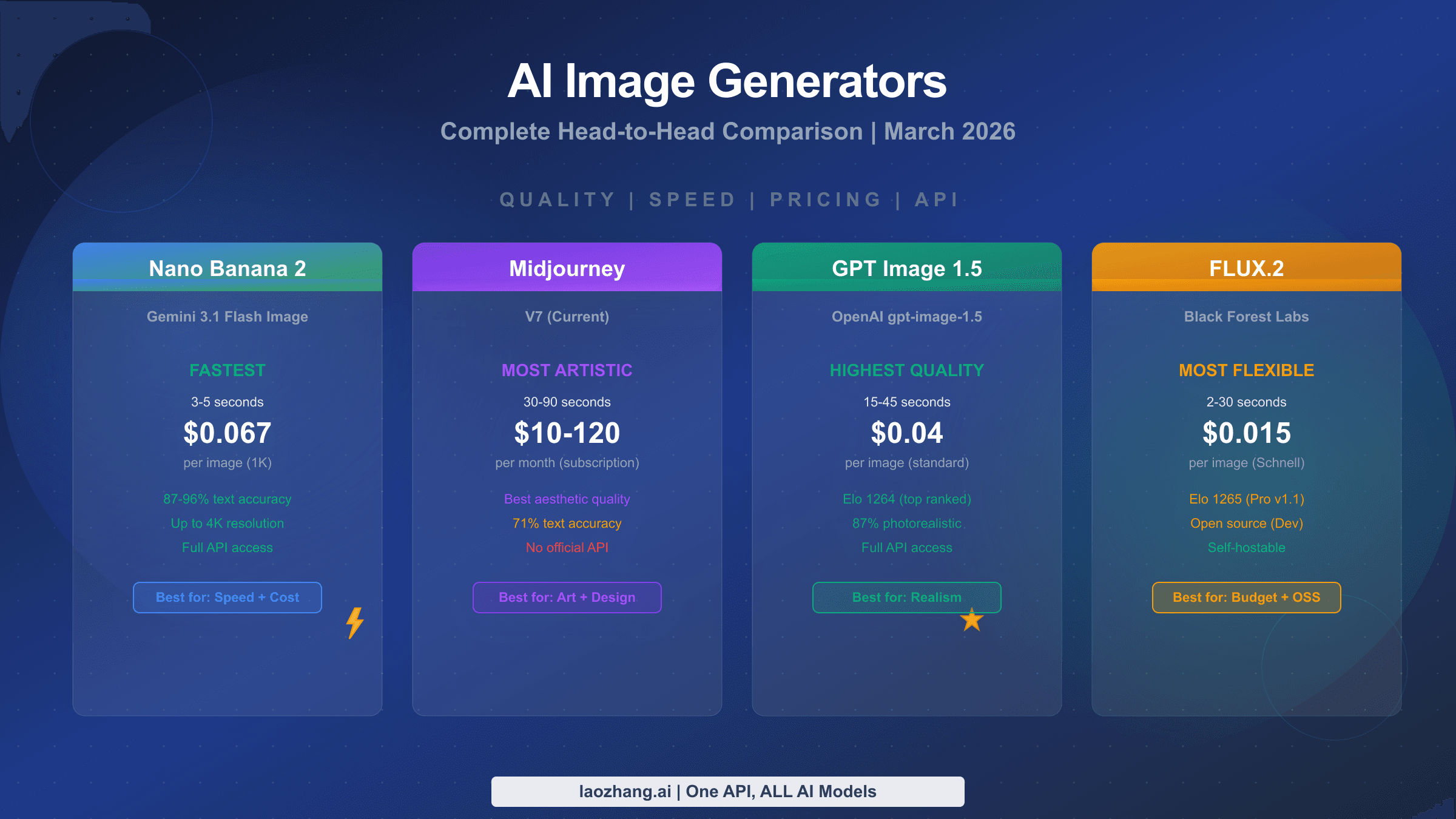
Choosing between Nano Banana 2, Midjourney, GPT Image 1.5, and FLUX.2 in 2026? This comprehensive comparison covers real-world quality tests, generation speed benchmarks, per-image pricing across all tiers, and API integration options. We test each model head-to-head and provide a clear decision framework based on your specific use case — whether you prioritize speed, artistic quality, photorealism, or cost efficiency.
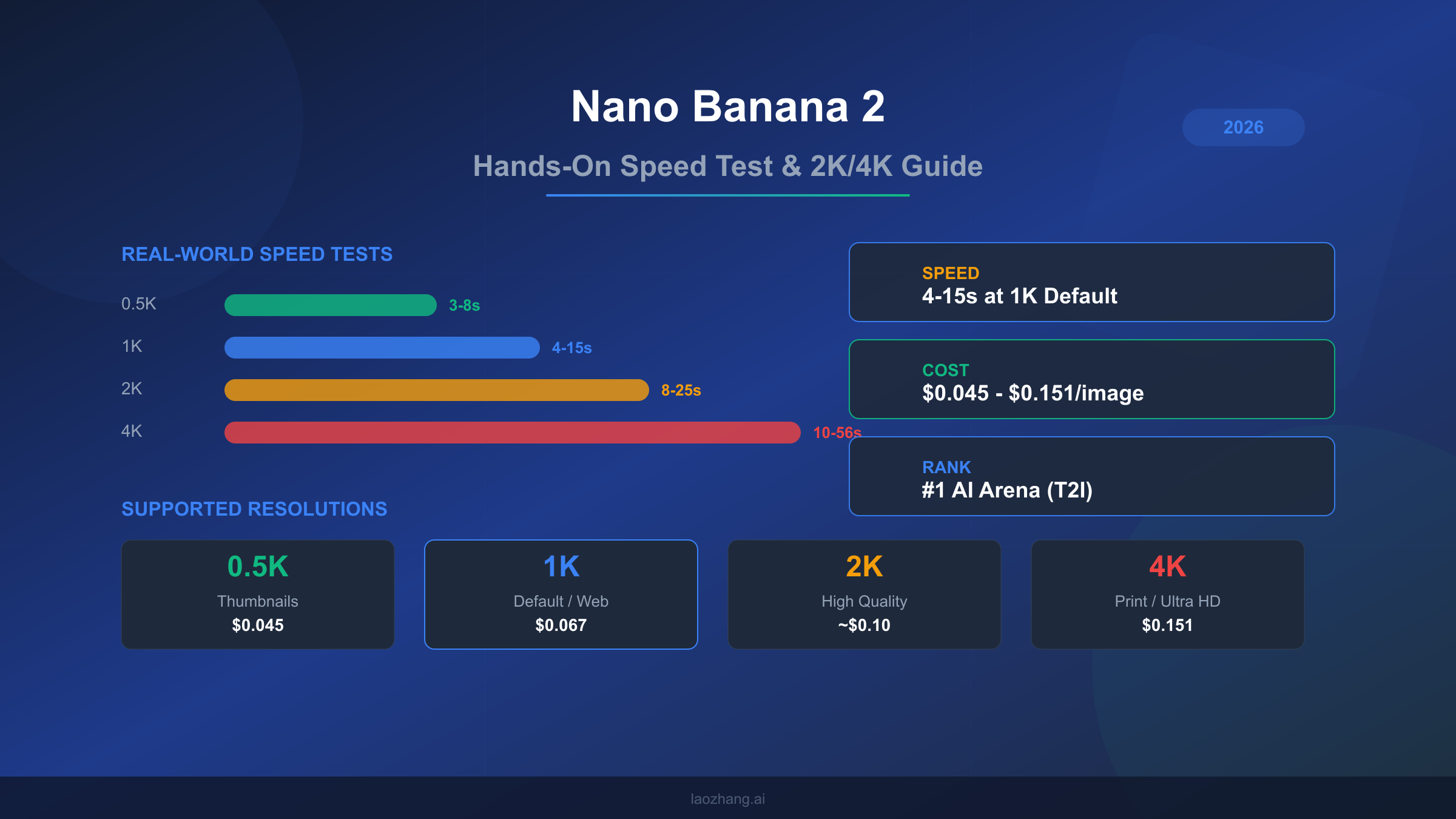
Nano Banana 2 (Gemini 3.1 Flash Image) generates images in 4-15 seconds at 1K and 10-56 seconds at 4K in real-world testing. At $0.045-$0.151 per image, it delivers roughly 95% of Pro quality at half the cost. This guide covers hands-on speed benchmarks, step-by-step 2K/4K generation, and cost optimization strategies based on actual API testing.
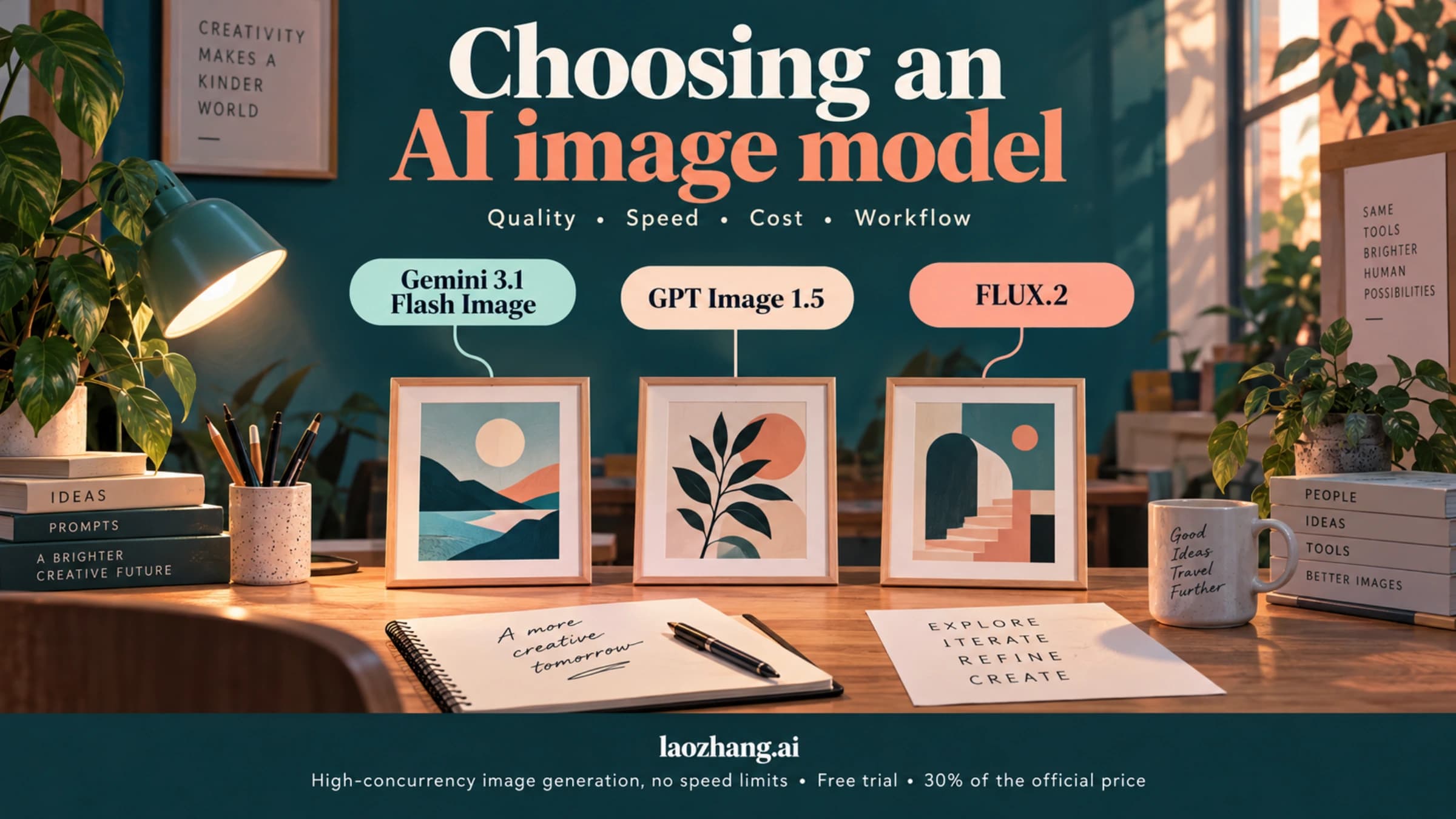
Gemini 3.1 Flash Image leads in speed (1-3s) and ranks #1 on Artificial Analysis Arena. GPT Image 1.5 excels at text rendering at just $0.04/image. FLUX.2 Pro dominates photorealism with Elo 1,265. This guide compares all three across quality, speed, pricing, and use cases with normalized data so you can choose the right model for your workflow.
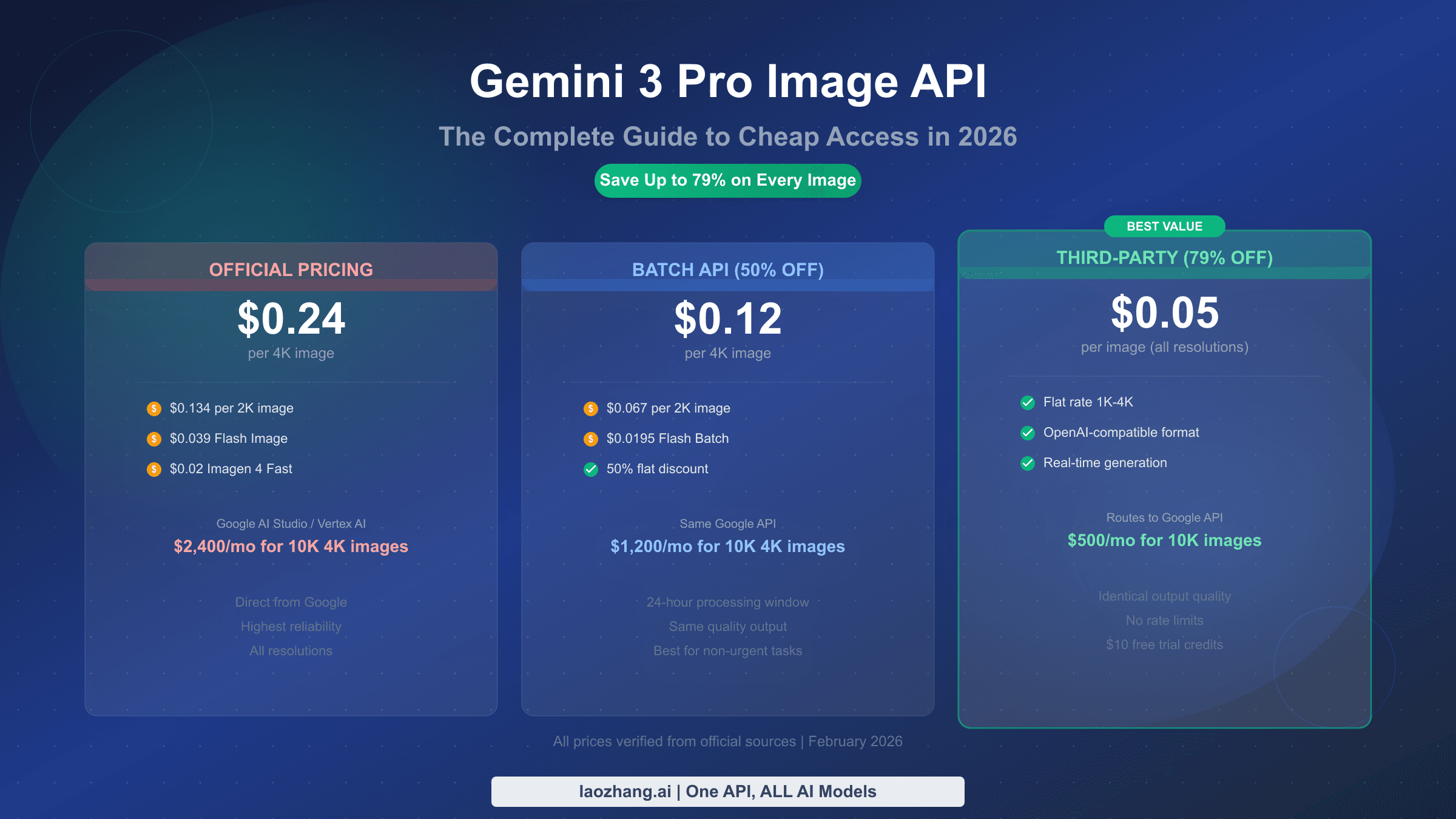
Google's Gemini 3 Pro Image API costs $0.24 per 4K image at standard pricing. This guide reveals every official discount, third-party alternative, and optimization strategy that can reduce your costs to as little as $0.02 per image — saving up to 92% without sacrificing quality.
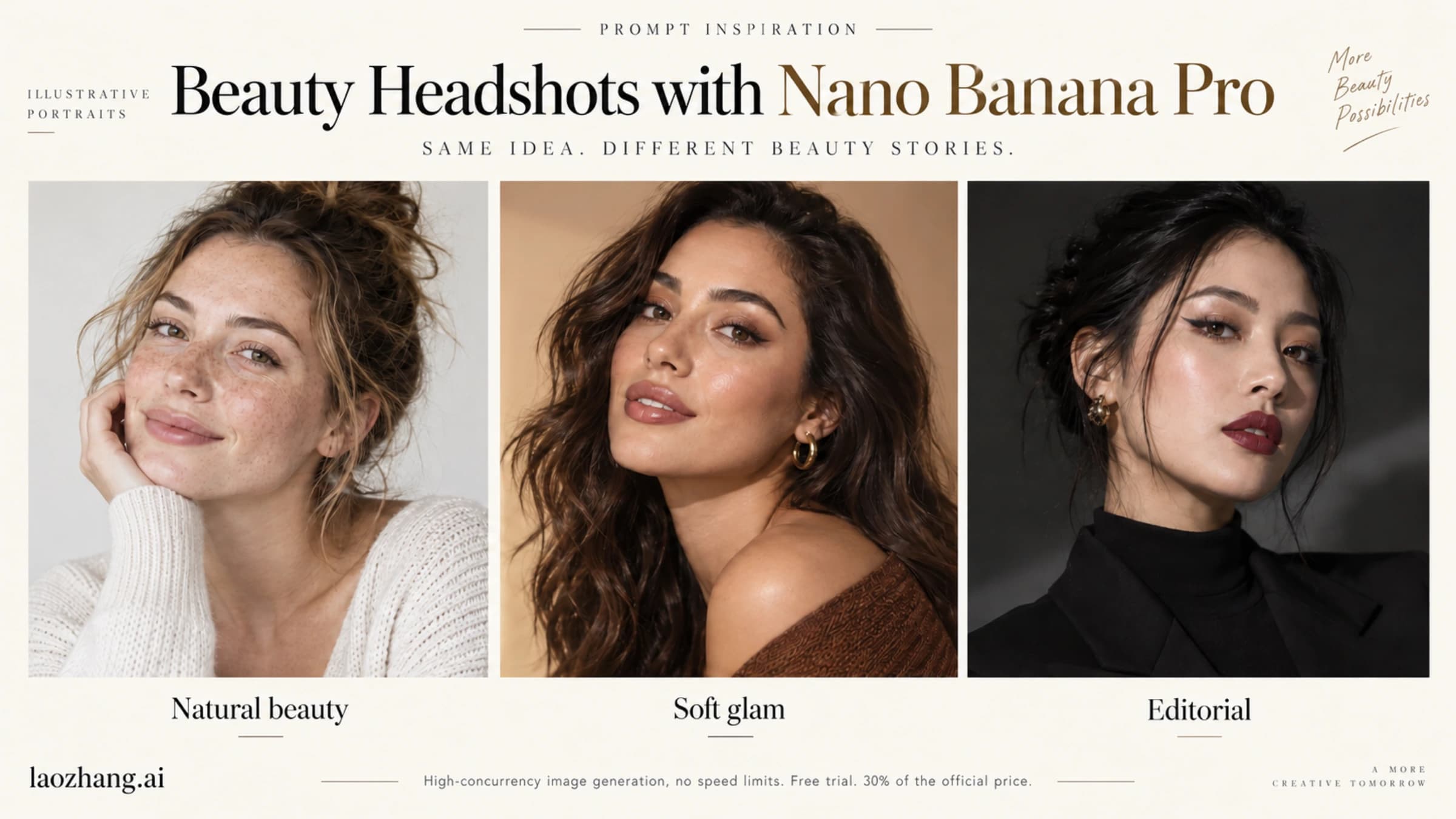
Create stunning beauty headshots with Nano Banana Pro using our 12 expertly crafted prompts. From soft glam to editorial beauty, learn how professional makeup direction translates into AI prompt language for salon-quality results starting at just $0.05 per image.
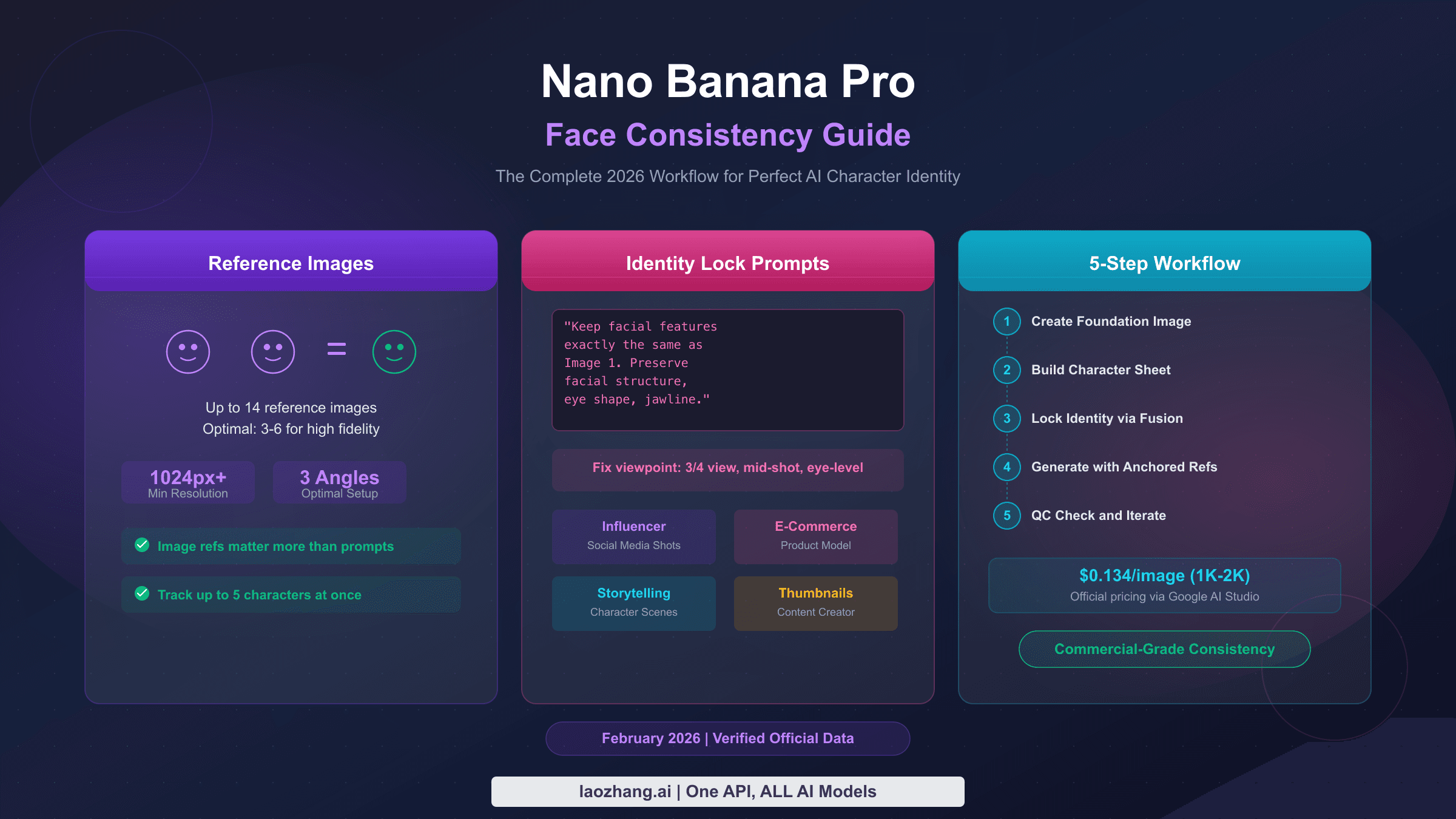
Achieving face consistency in Nano Banana Pro requires three core elements: high-quality reference images (minimum 1024×1024, with 3–6 angles), explicit identity preservation prompts, and iterative refinement. This guide provides the only systematic diagnostic framework for face drift, quantified parameters, and a complete 5-step production workflow.
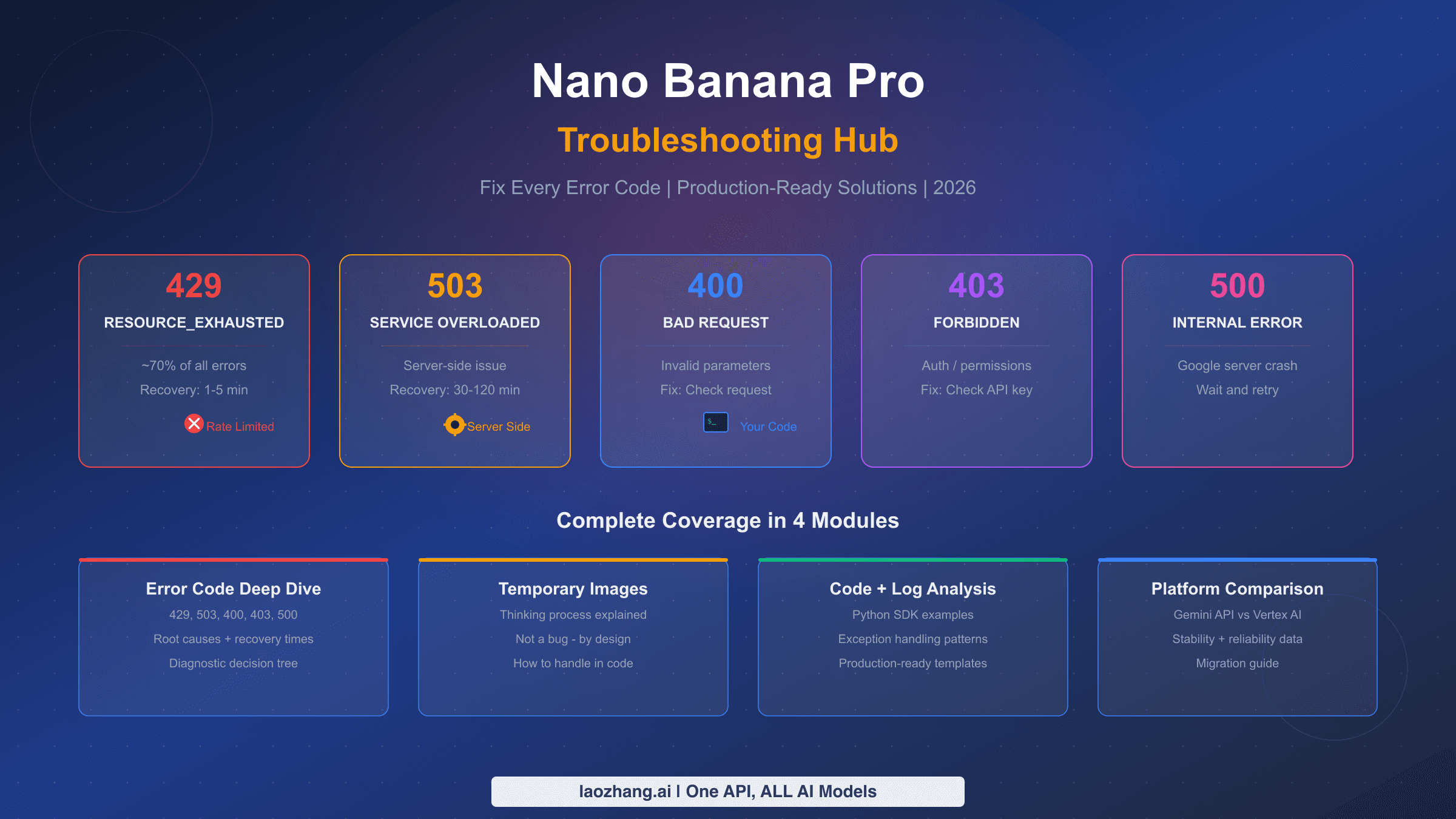
Nano Banana Pro API errors can derail your image generation pipeline. This troubleshooting hub covers every error code (429, 503, 400, 403, 500), explains the temporary image thinking mechanism, provides production-ready Python code for error handling, and compares Gemini API versus Vertex AI stability — all based on real developer reports and official documentation as of February 2026.
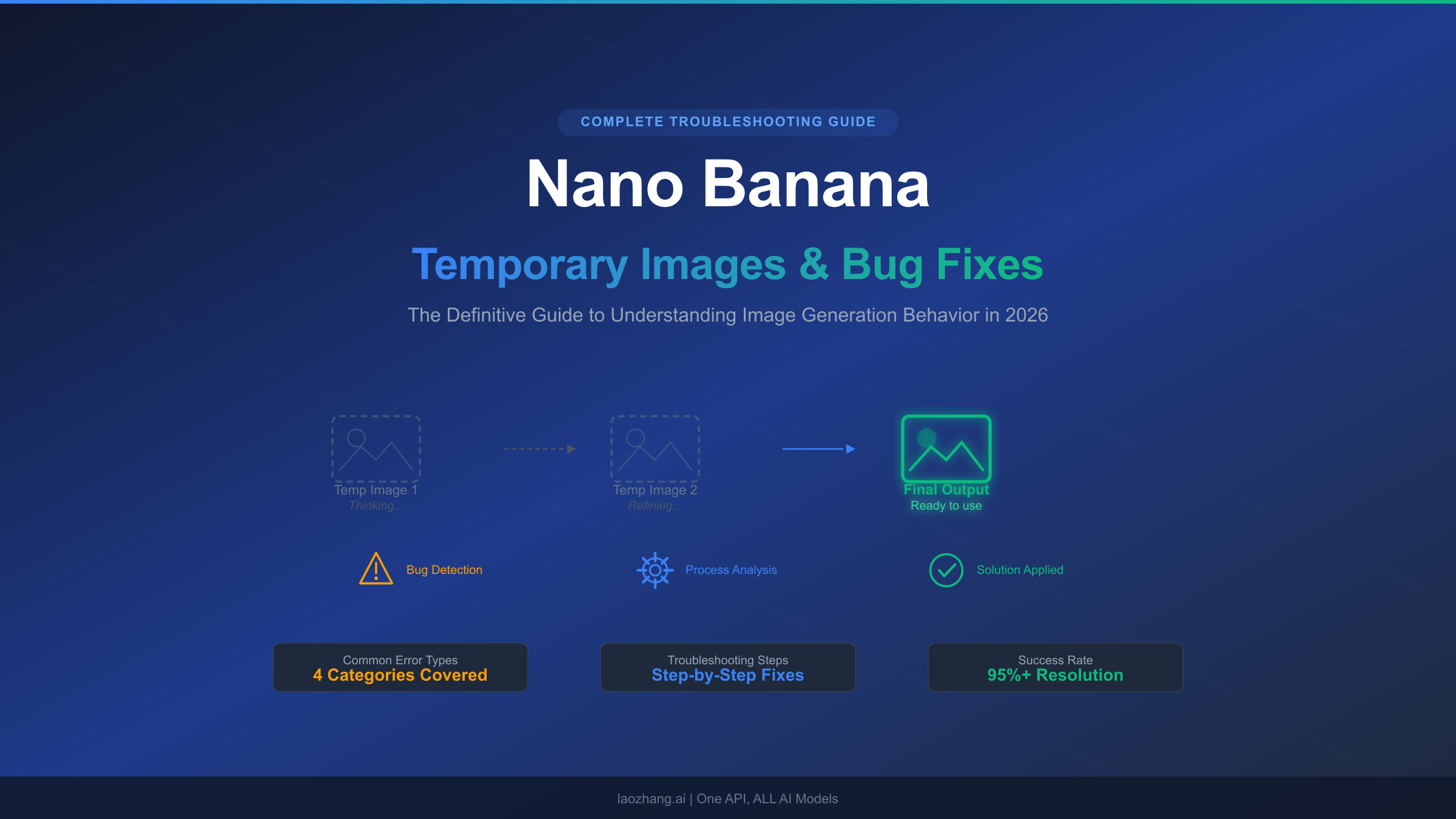
Temporary images during Nano Banana Pro API calls aren't a bug — they're Google's thinking process at work. This guide explains the thinking architecture, then walks through fixing every common Nano Banana error: IMAGE_SAFETY filters, 429 rate limits, blank outputs, sizing bugs, and more. Includes verified pricing data and production-ready code patterns.