API Guides
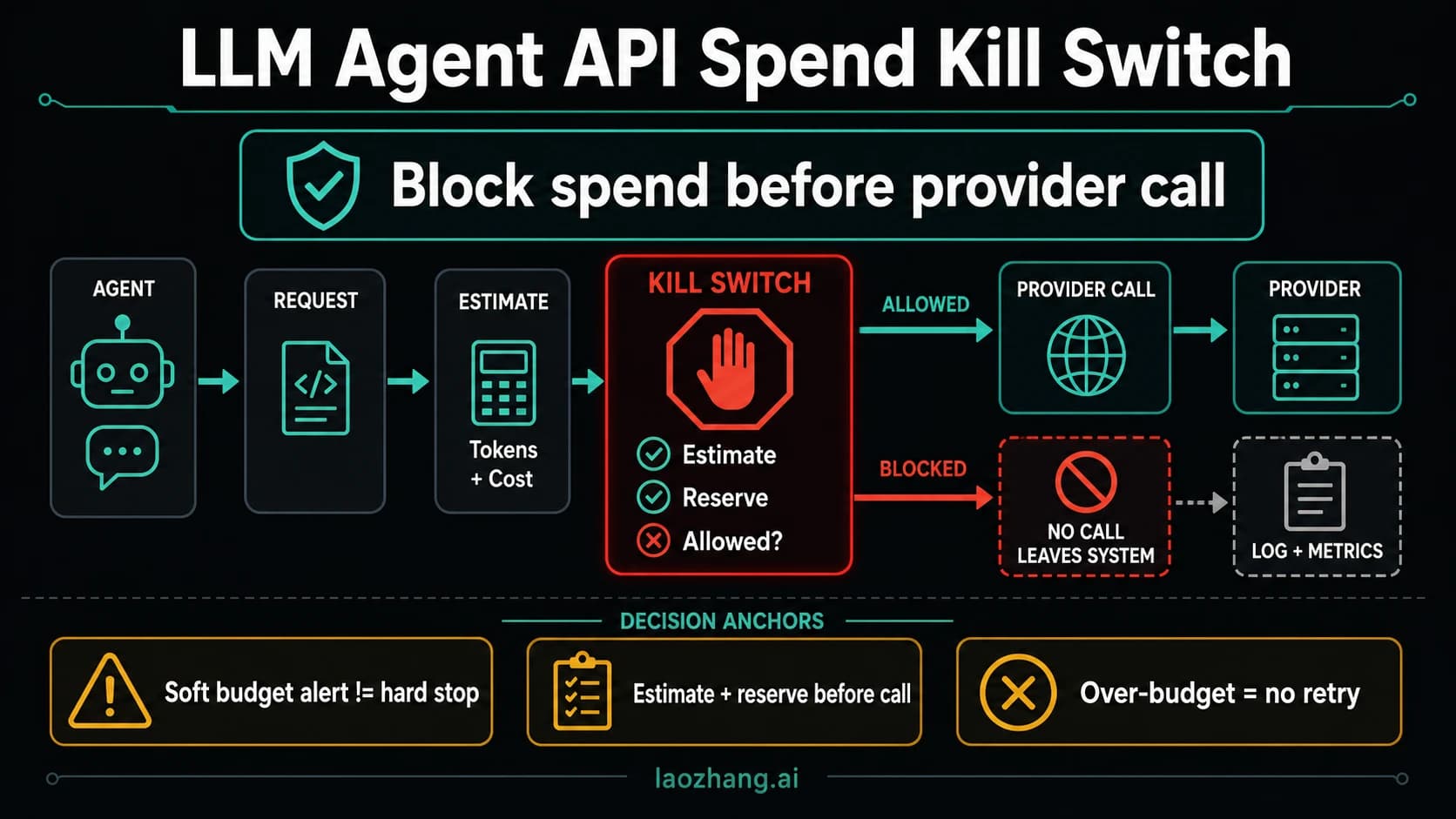
LLM Agent API Spend Kill Switch: Stop Runaway Costs Before the Provider Call
A practical architecture for blocking runaway LLM agent API calls before more budget is consumed.
9 min
A practical architecture for blocking runaway LLM agent API calls before more budget is consumed.
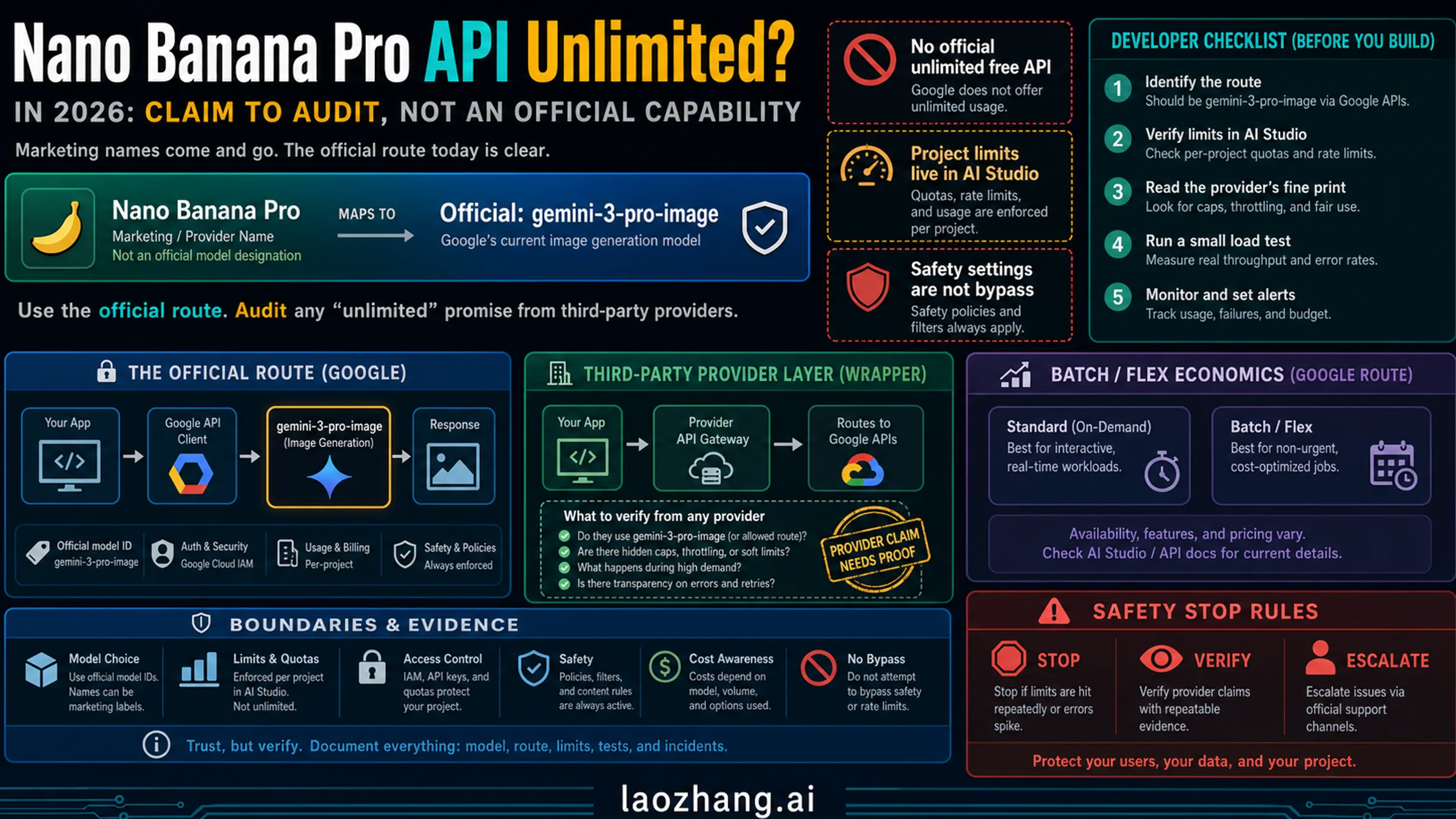
There is no official unlimited free Nano Banana Pro API. Use the current `gemini-3-pro-image` route facts, project limit checks, provider proof checklist, and safety stop rules before scaling.
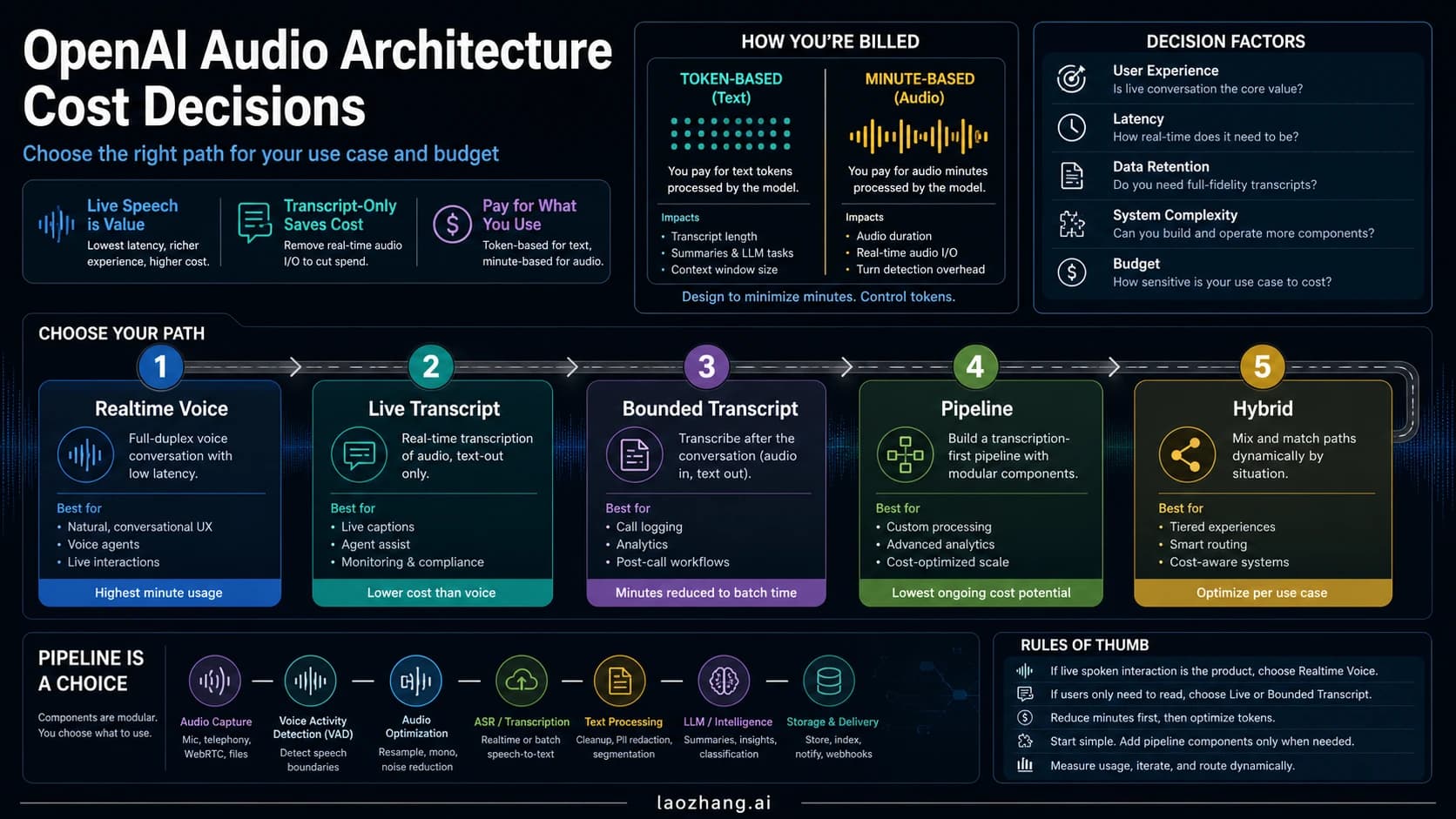
Realtime is worth paying for when live spoken interaction is the product. For transcripts, archives, QA, summaries, and compliance, start with a transcription-first route and model the variable components separately.
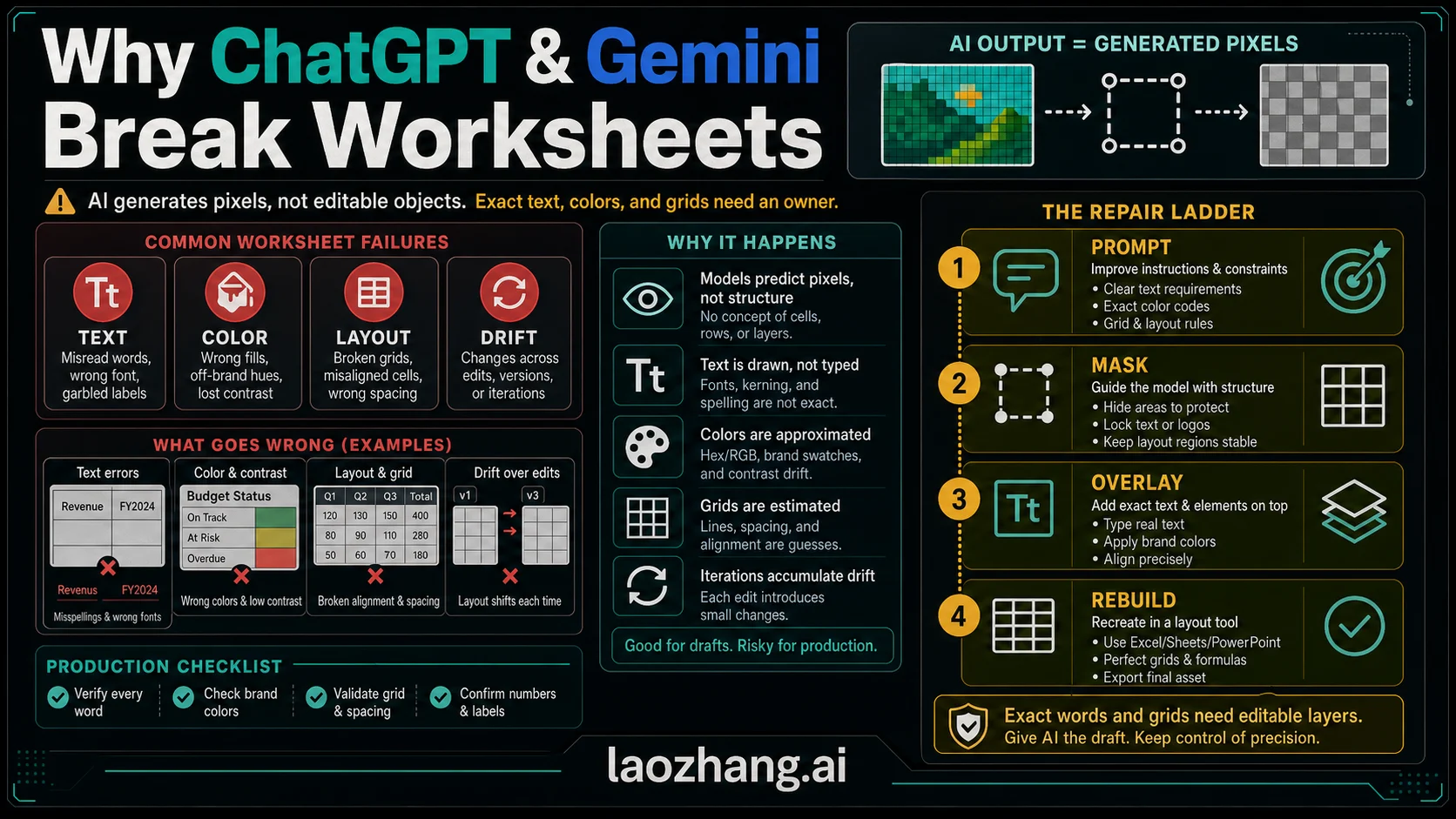
ChatGPT and Gemini can draft worksheet-style images, but exact text, color-coded boxes, and grids need a repair workflow: classify the damage, choose the right owner, and verify the final asset.
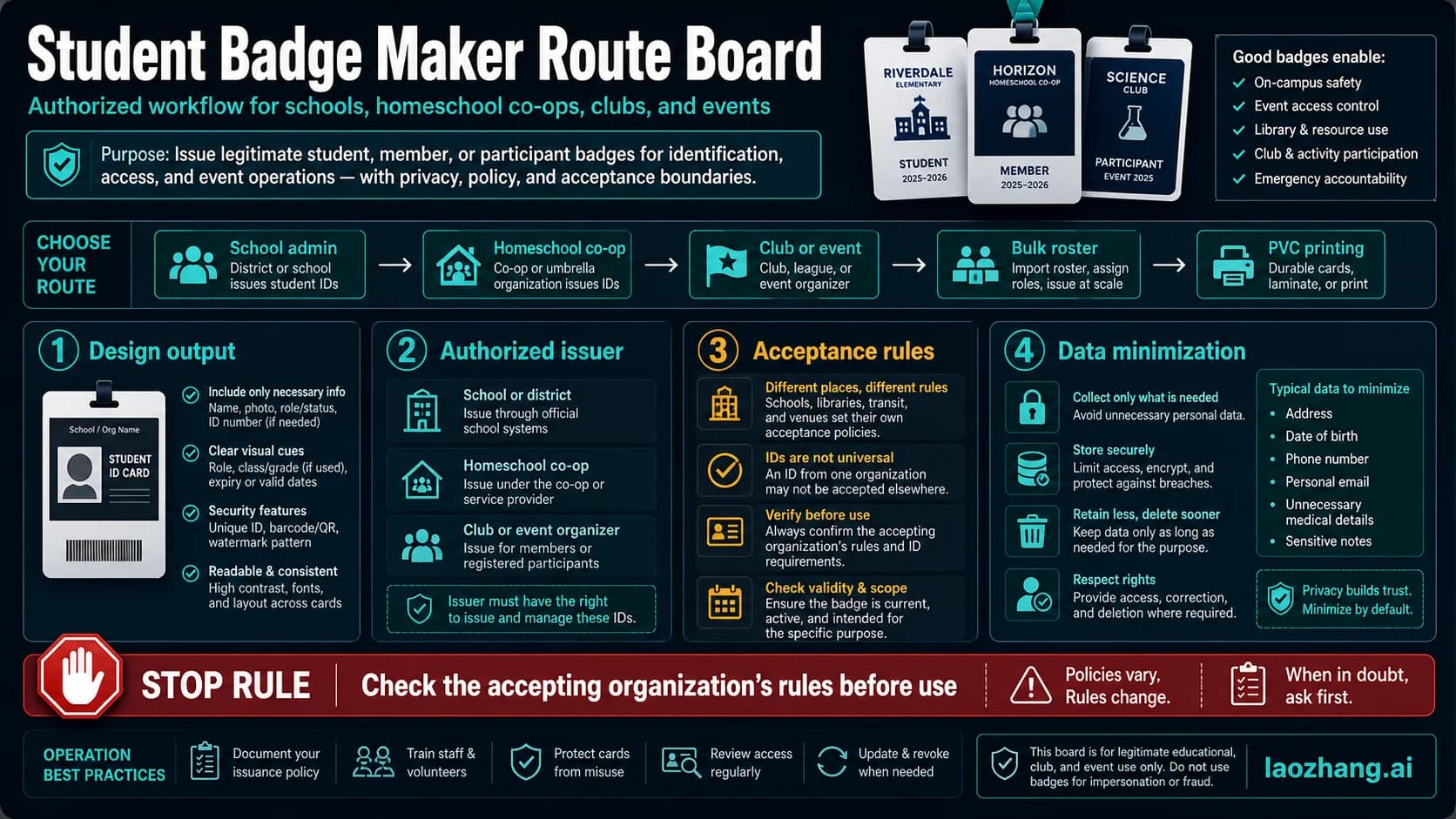
A maker can design or print a student ID card, but only an authorized issuer and an accepting verifier make it useful. Use this route board before choosing Canva, AI tools, bulk generators, or PVC printing.
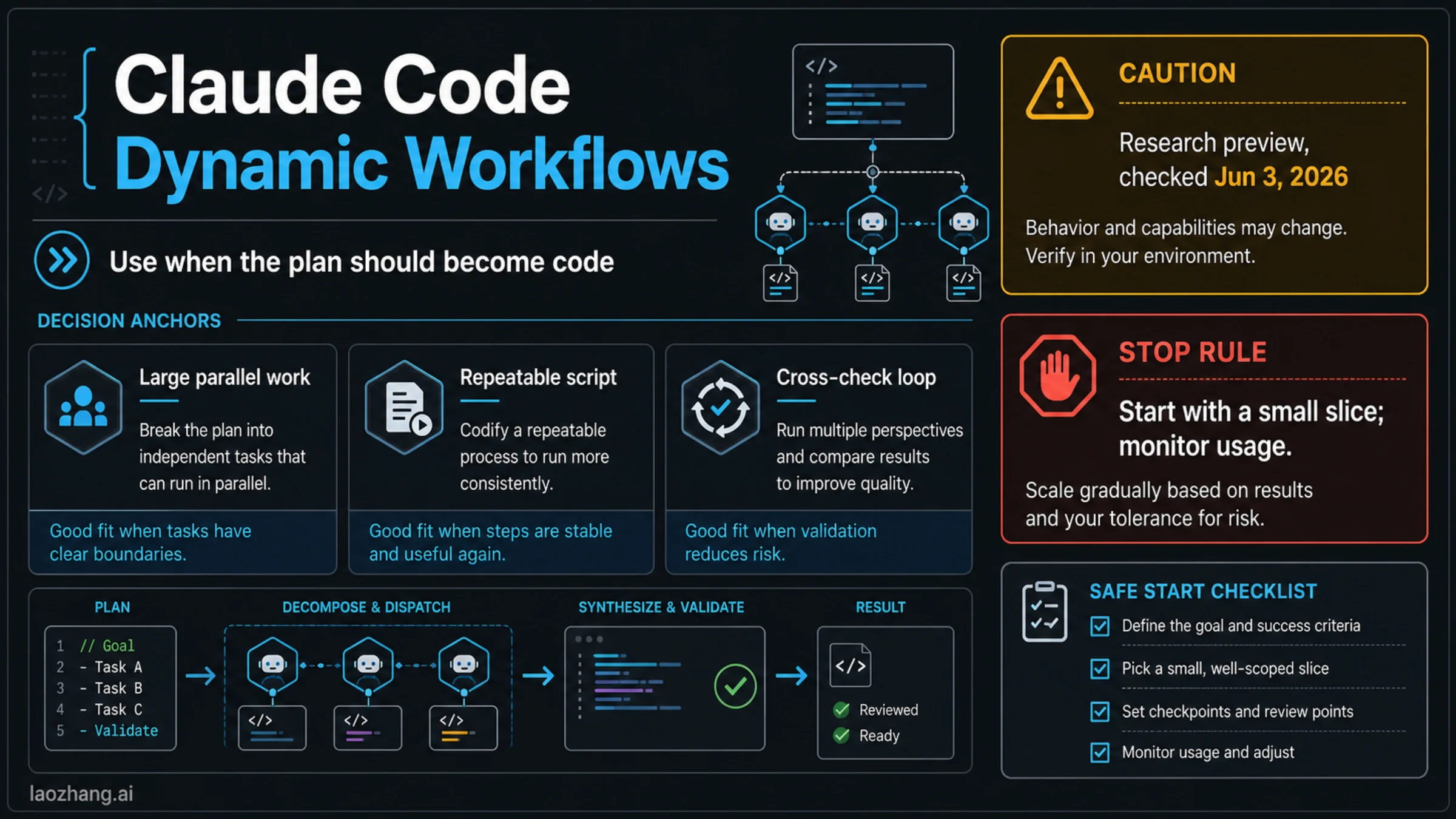
A practical guide to Claude Code Dynamic Workflows: when the plan should become a script, what `ultracode` changes, which smaller surface to use instead, and how to start without hiding cost or permission risk.
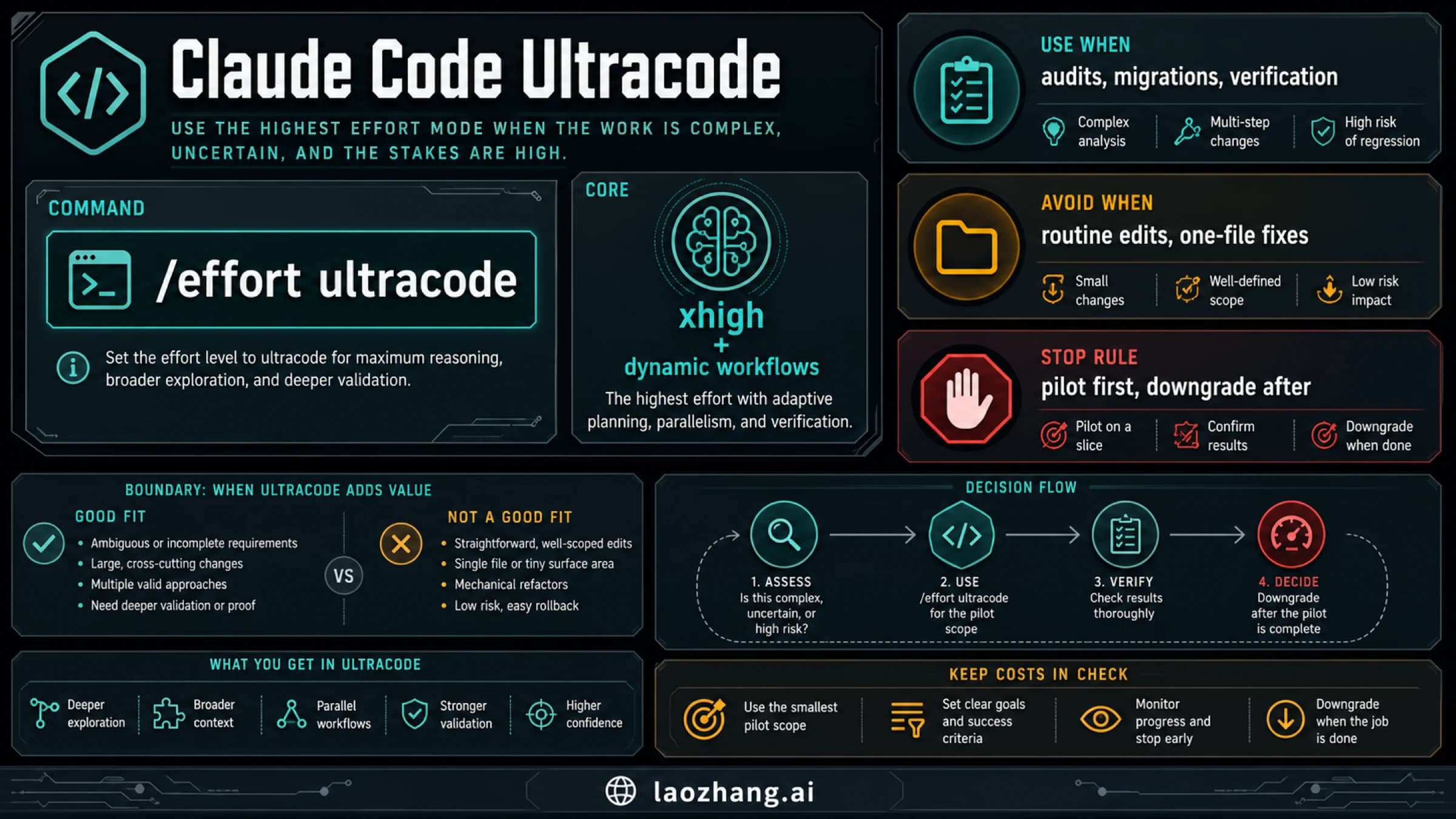
Ultracode is not a new model. Use it when workflow orchestration is worth the cost, verify version and workflow support first, and downgrade after the hard task.
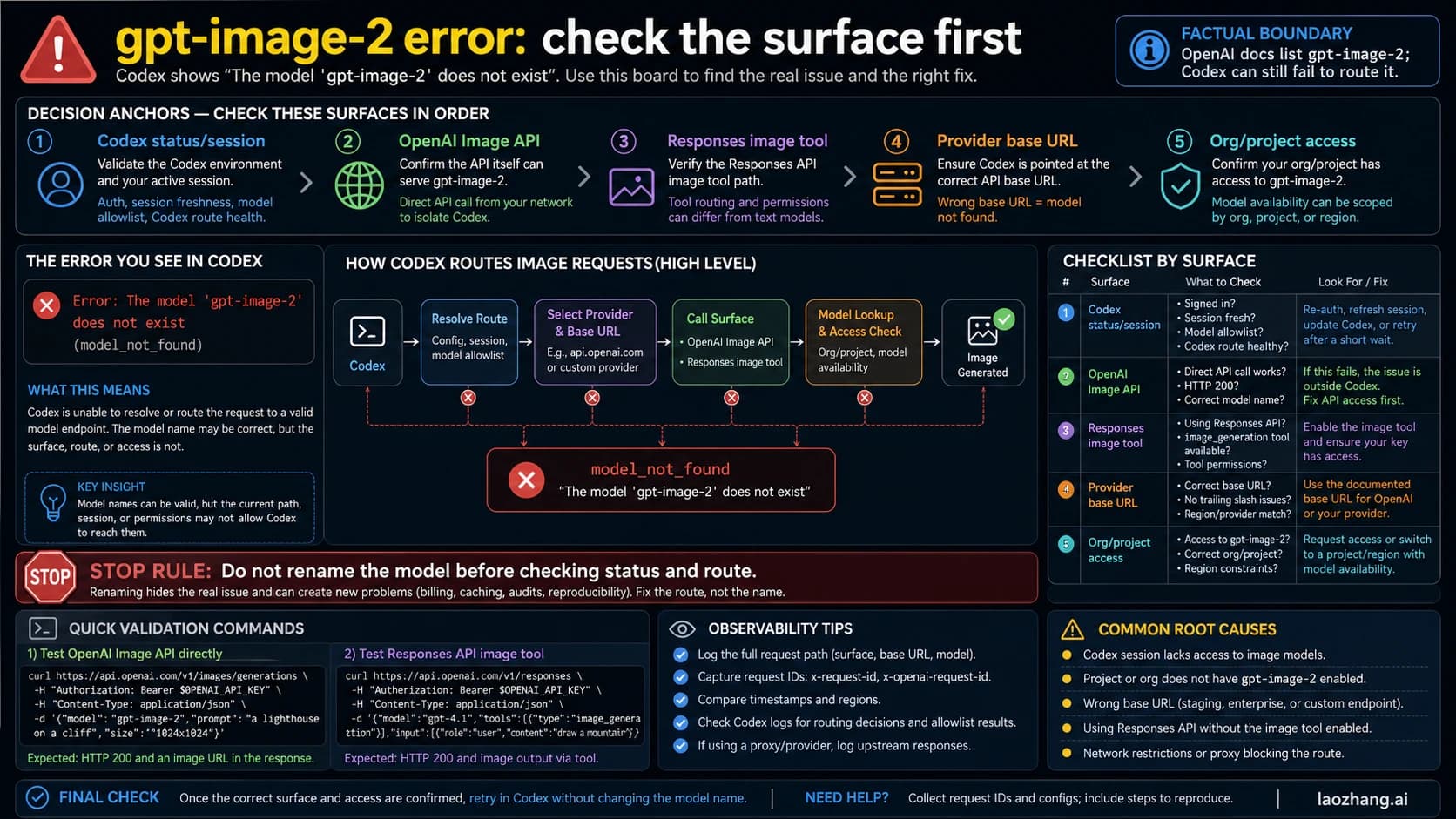
`gpt-image-2` is documented by OpenAI; when Codex says the model does not exist, the right fix depends on the surface that returned the error.
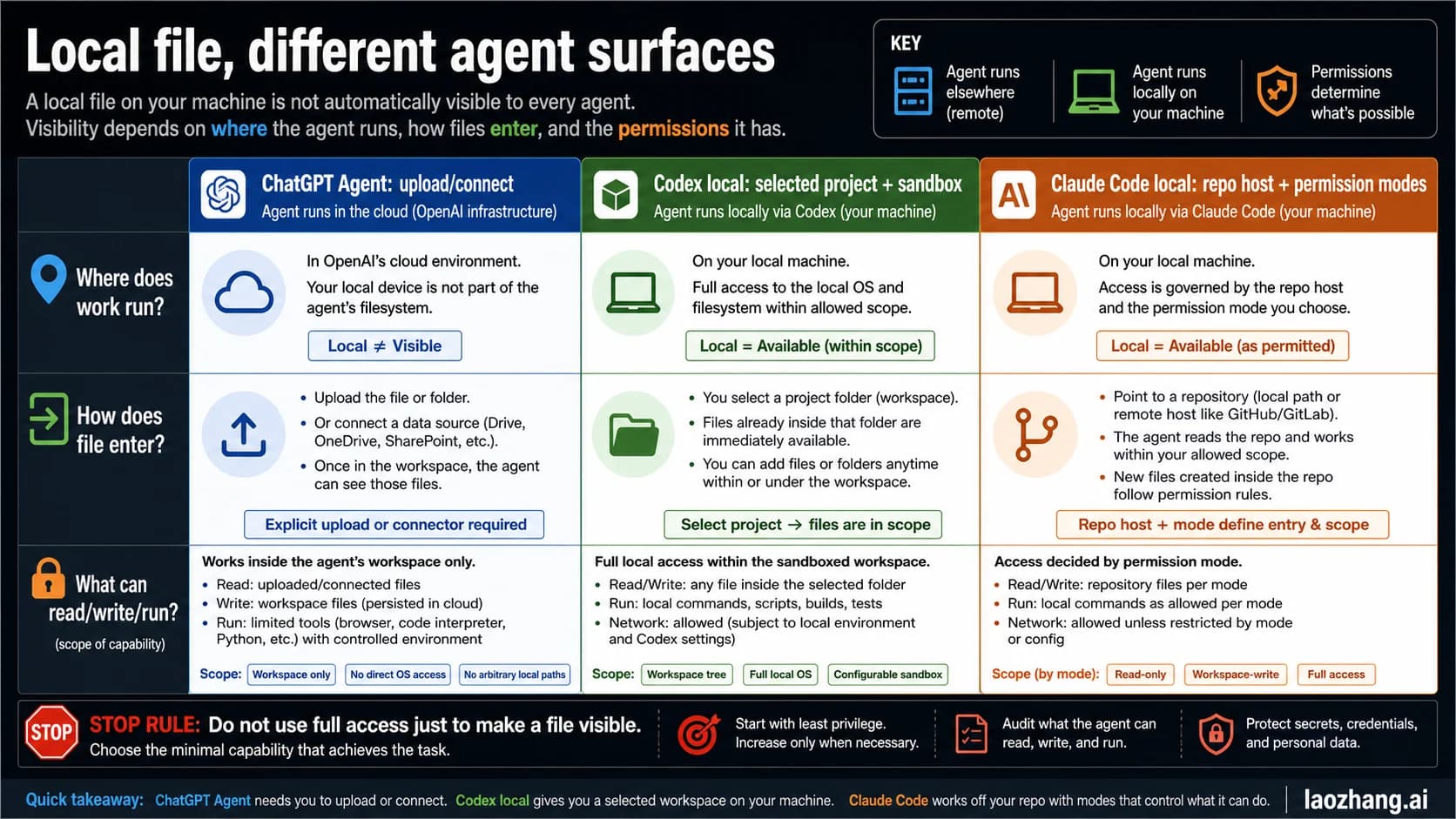
ChatGPT Agent local file workarounds are not all equal. Start with upload or Library, use GitHub for read-only repo questions, switch to Codex local for edits, and treat MCP bridges as high-risk.
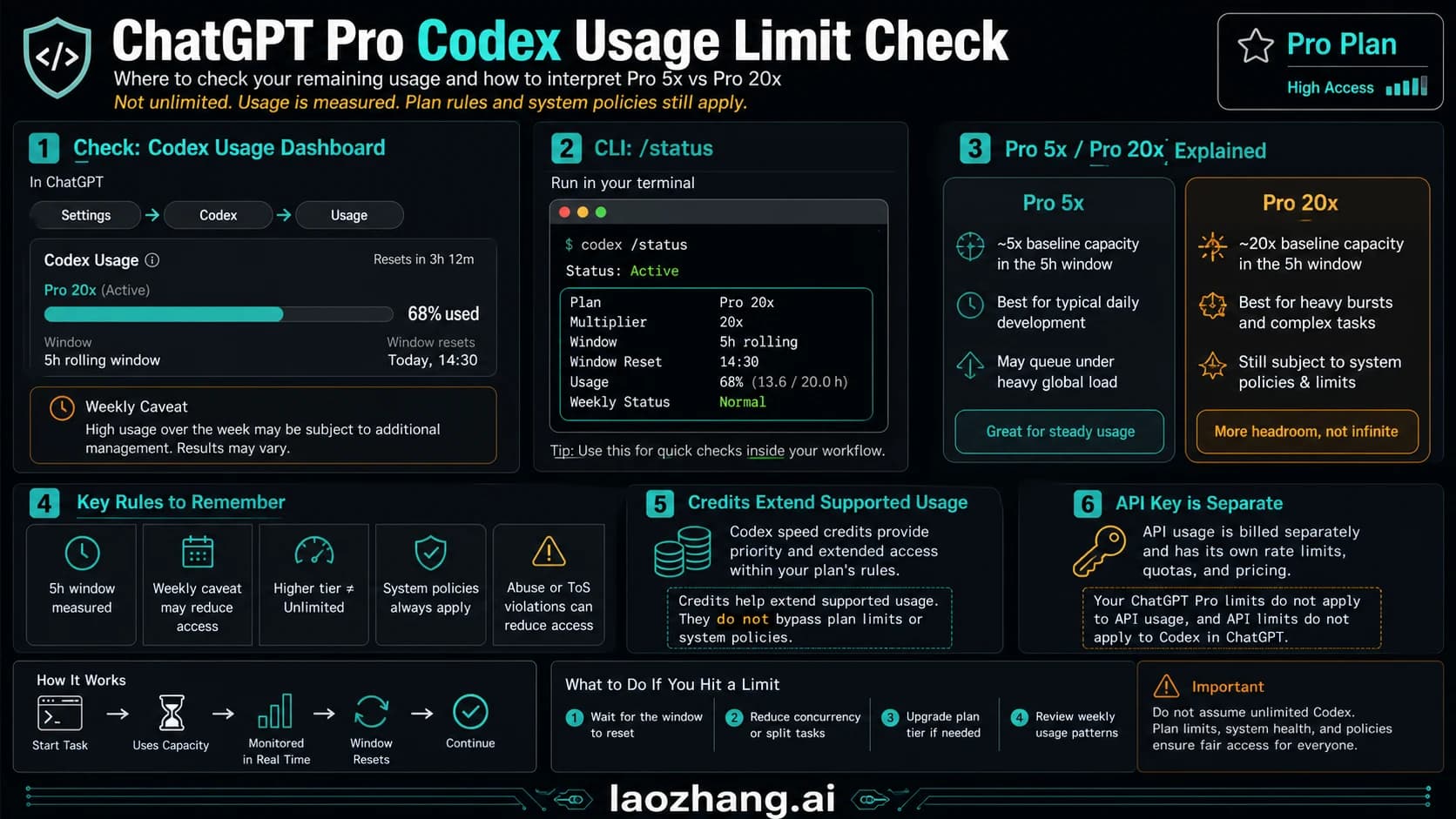
ChatGPT Pro gives Codex much more headroom, but not unlimited access. Check the Codex usage dashboard and /status before reading reset windows, credits, or API billing.
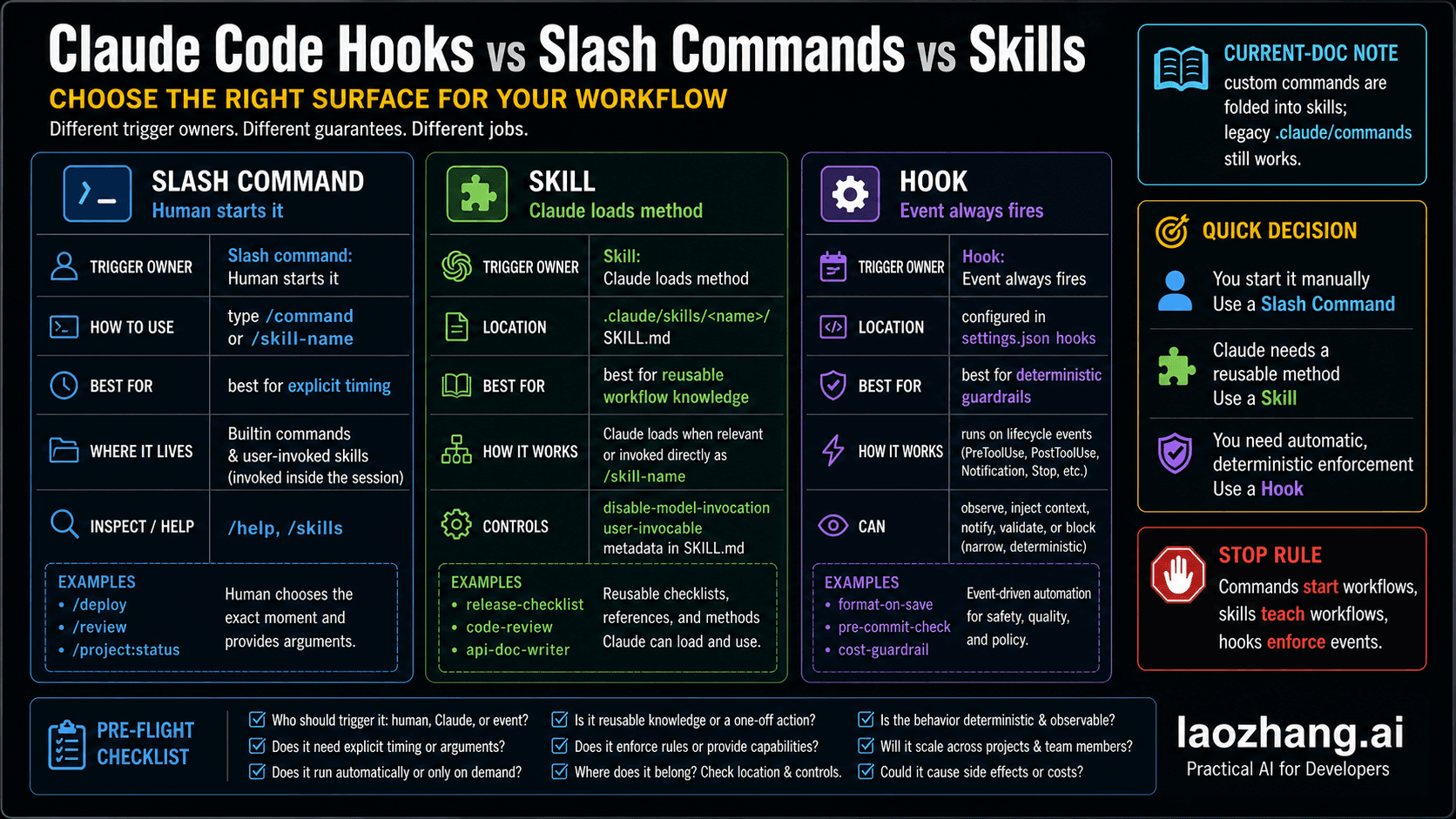
A trigger-owner guide to Claude Code hooks, slash commands, and skills: human-invoked commands, reusable skills, deterministic hooks, and when to combine them.
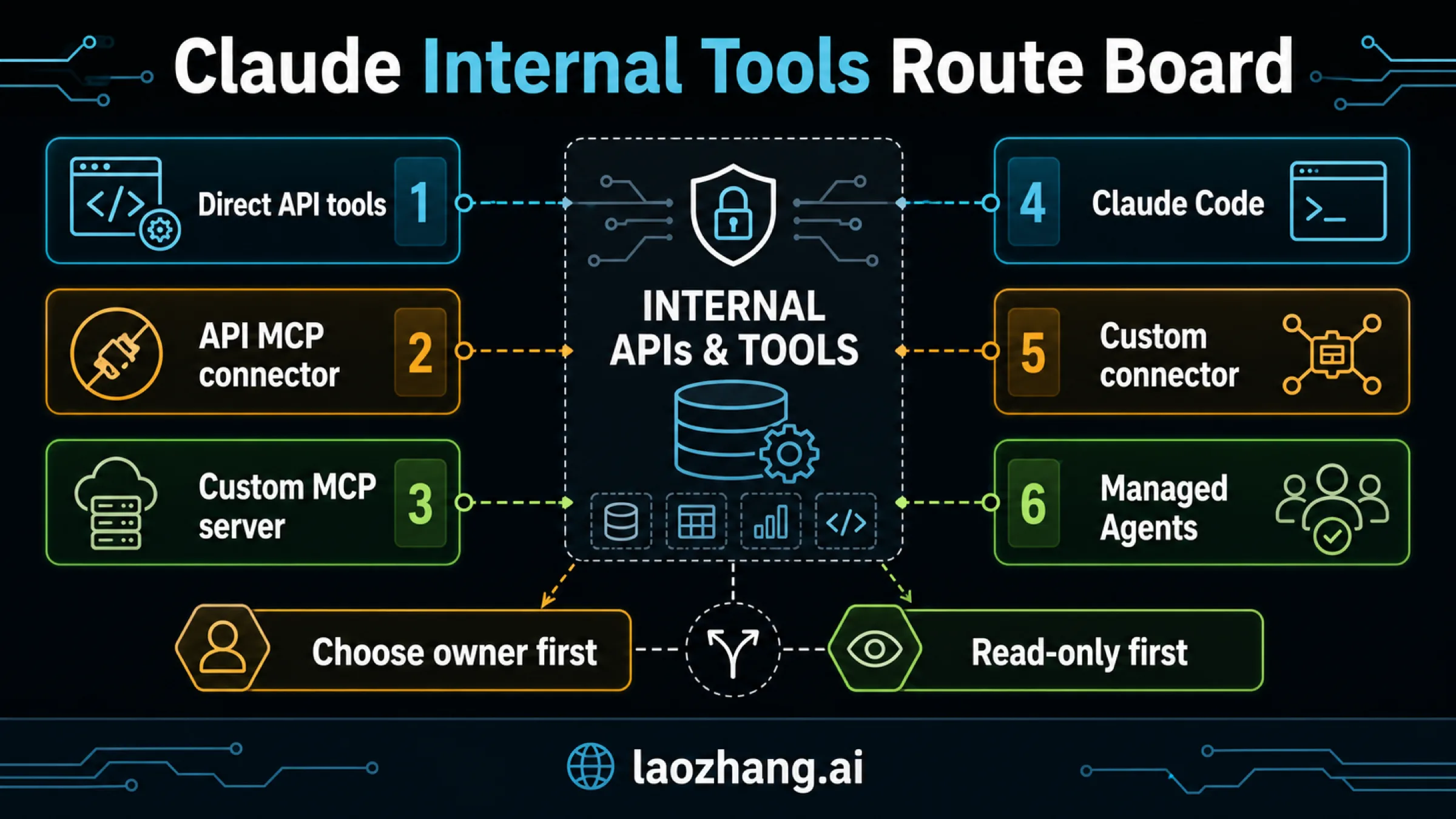
MCP is one way to expose internal tools to Claude, not a replacement for API design. Direct Claude API tools are simpler when one app owns the loop; remote MCP is worth building when reuse, connector ownership, and cross-client consistency matter.
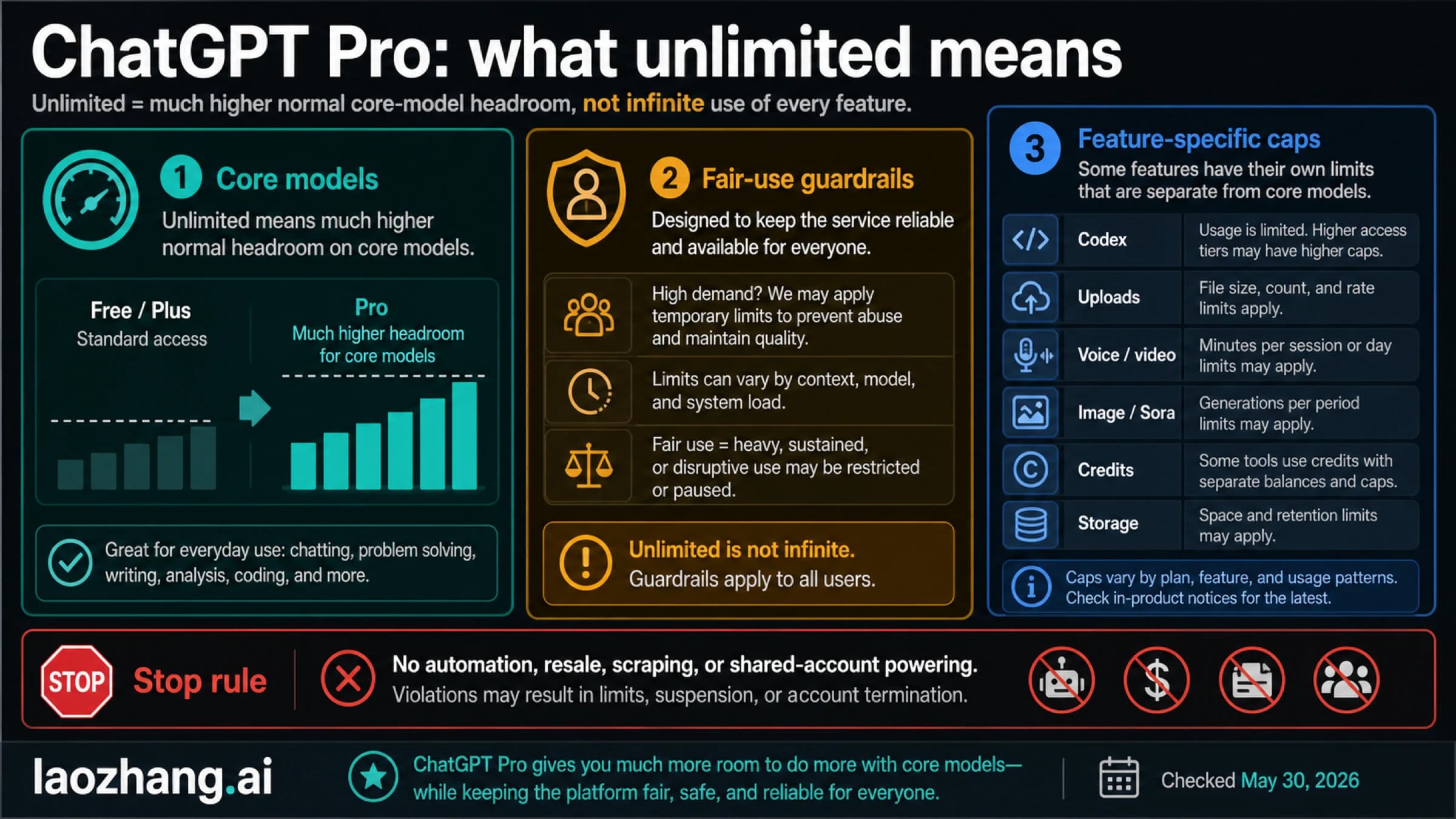
ChatGPT Pro gives much more room for core model work, but uploads, voice, Sora, Codex, credits, storage, and guardrails still need separate checks.
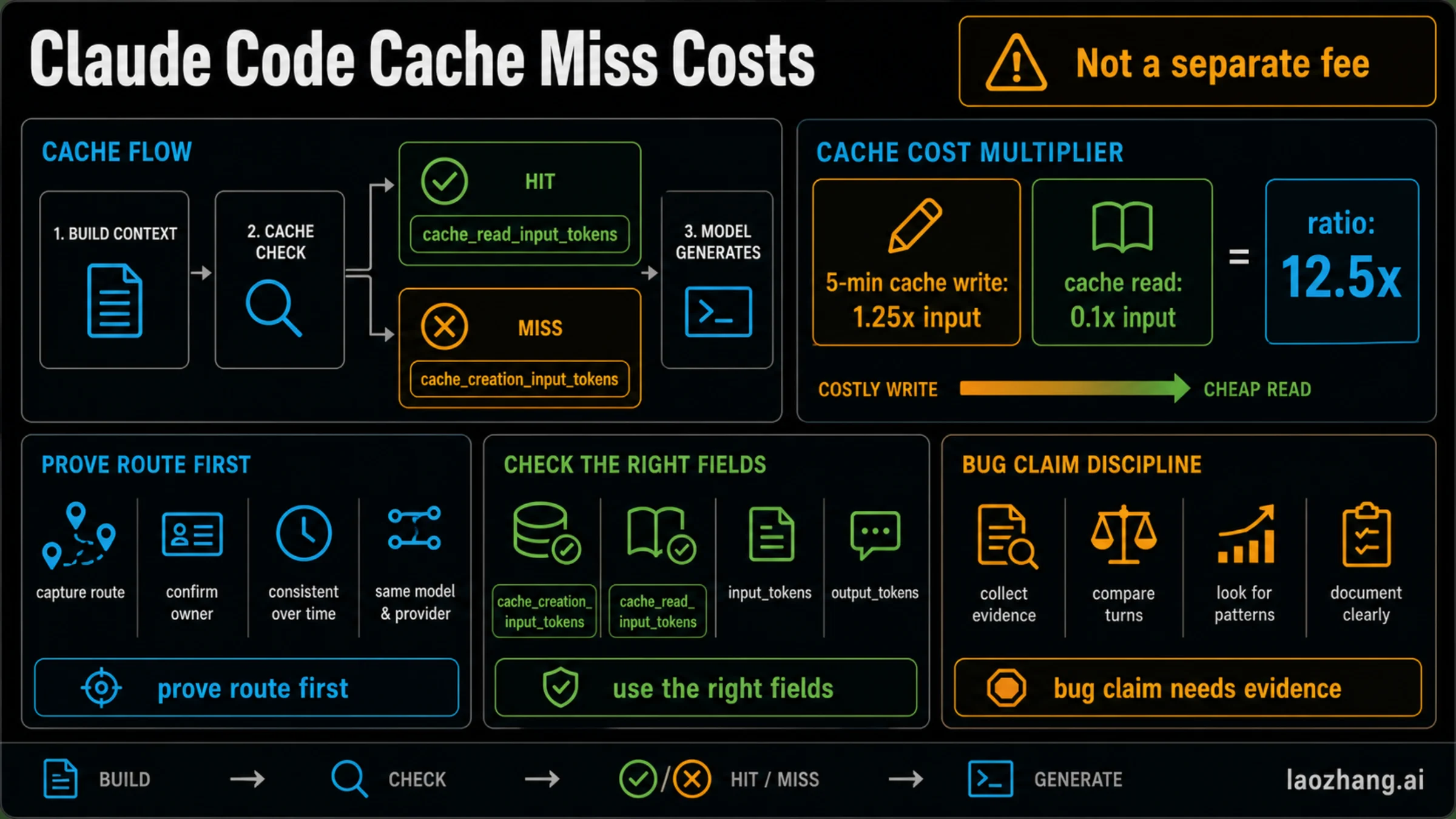
Claude Code cache TTL is route-specific. Check the active route, TTL, cache creation tokens, cache read tokens, invalidators, and billing proof before blaming a bug.
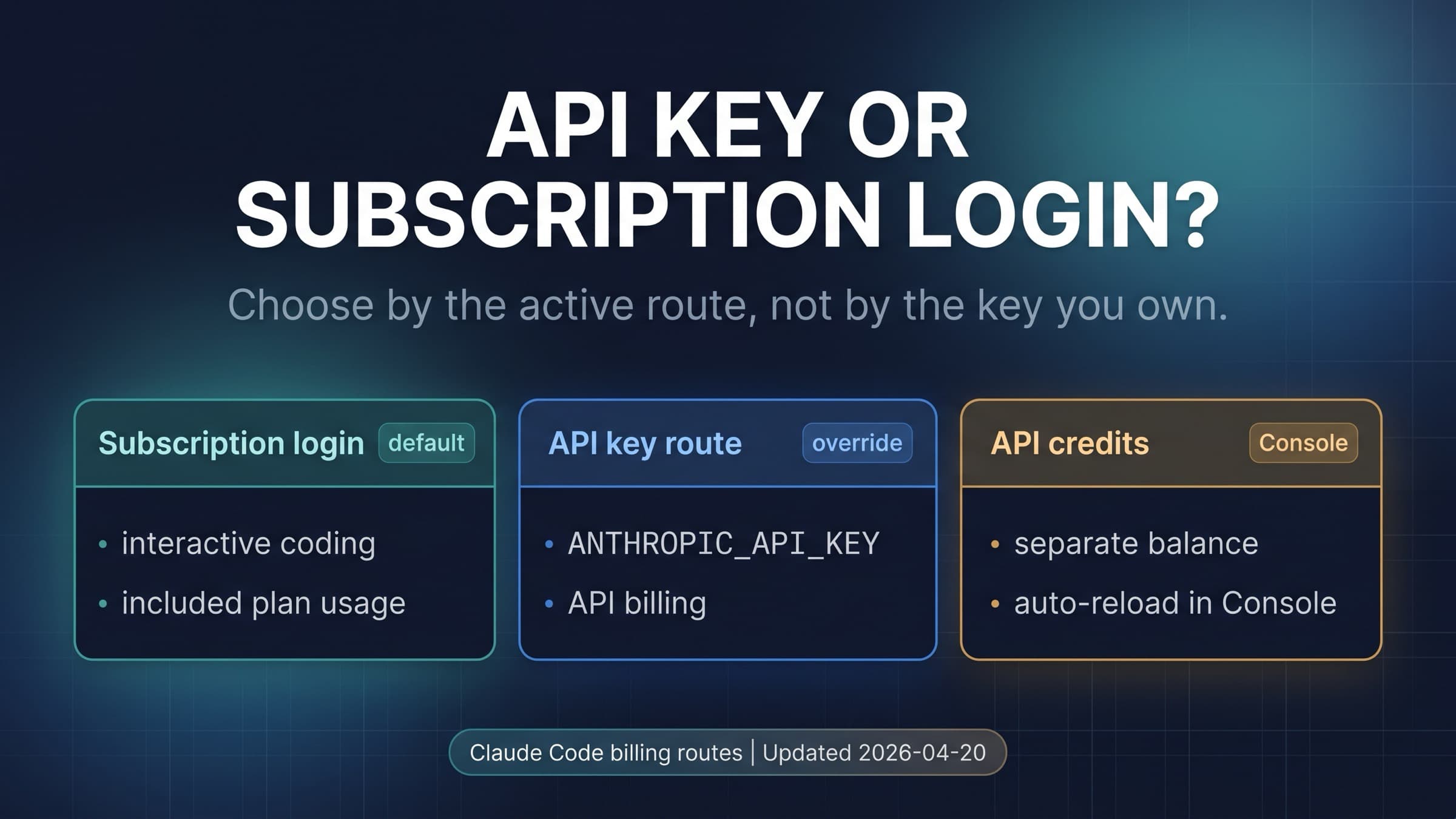
Decide whether Claude Code should use subscription login, an API key, or paid usage credits, and learn why /status matters before you change plans.
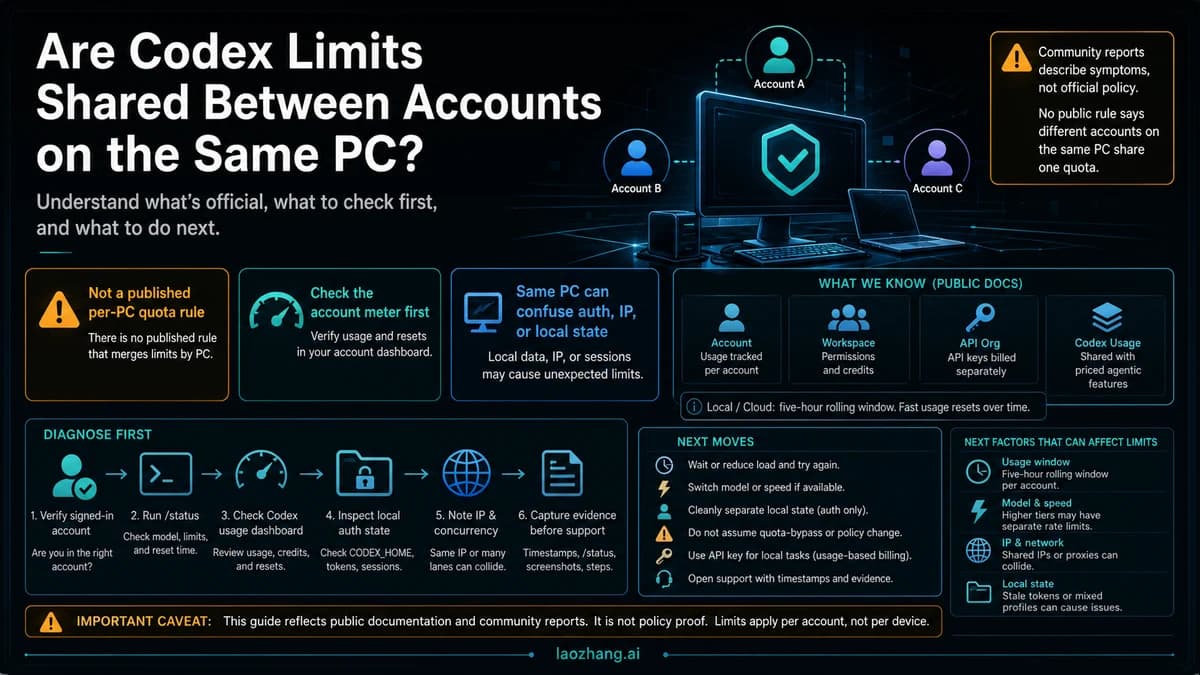
Do not treat a same-PC Codex limit as proof that OpenAI merged several ChatGPT accounts into one device quota. Separate official limit sharing, account auth, local state, IP pressure, and API-key billing before acting.
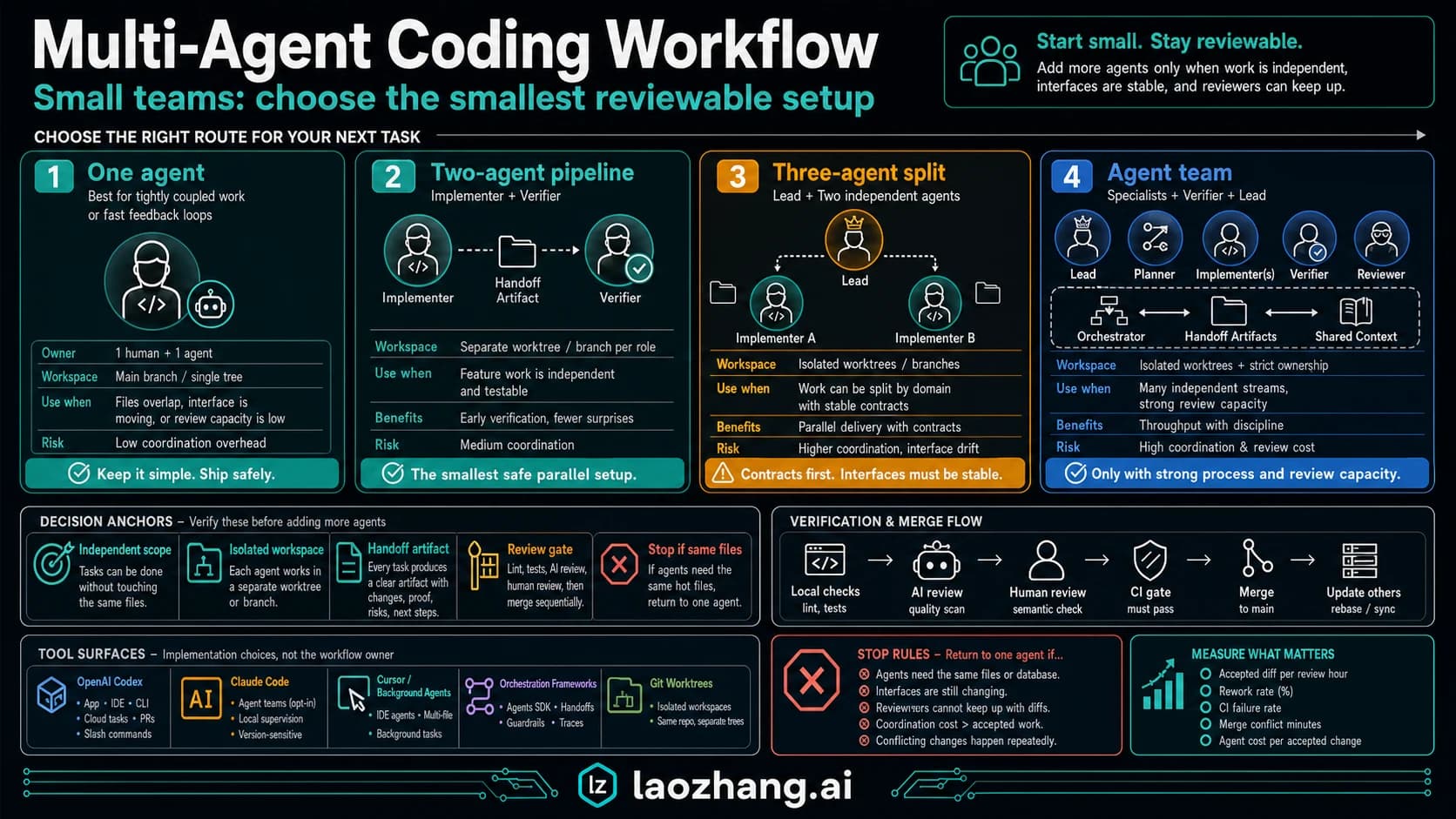
Multiple coding agents help only when ownership, workspaces, handoffs, and review gates are explicit. Start with a two-agent workflow before scaling the team.
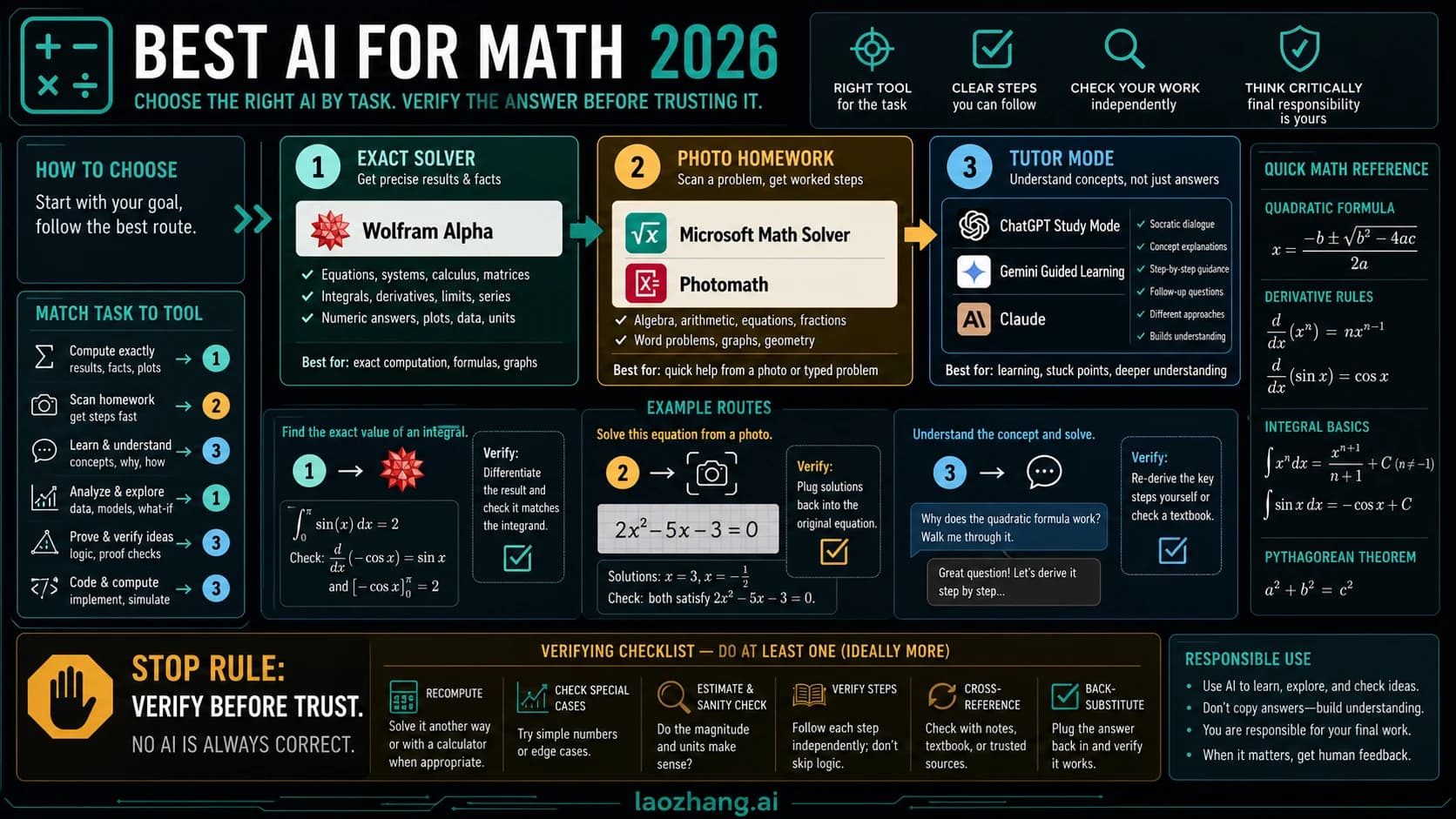
The best math AI is not one tool. Use a solver for exact answers, a scan-first app for homework capture, and a tutor mode for learning, then verify important results.
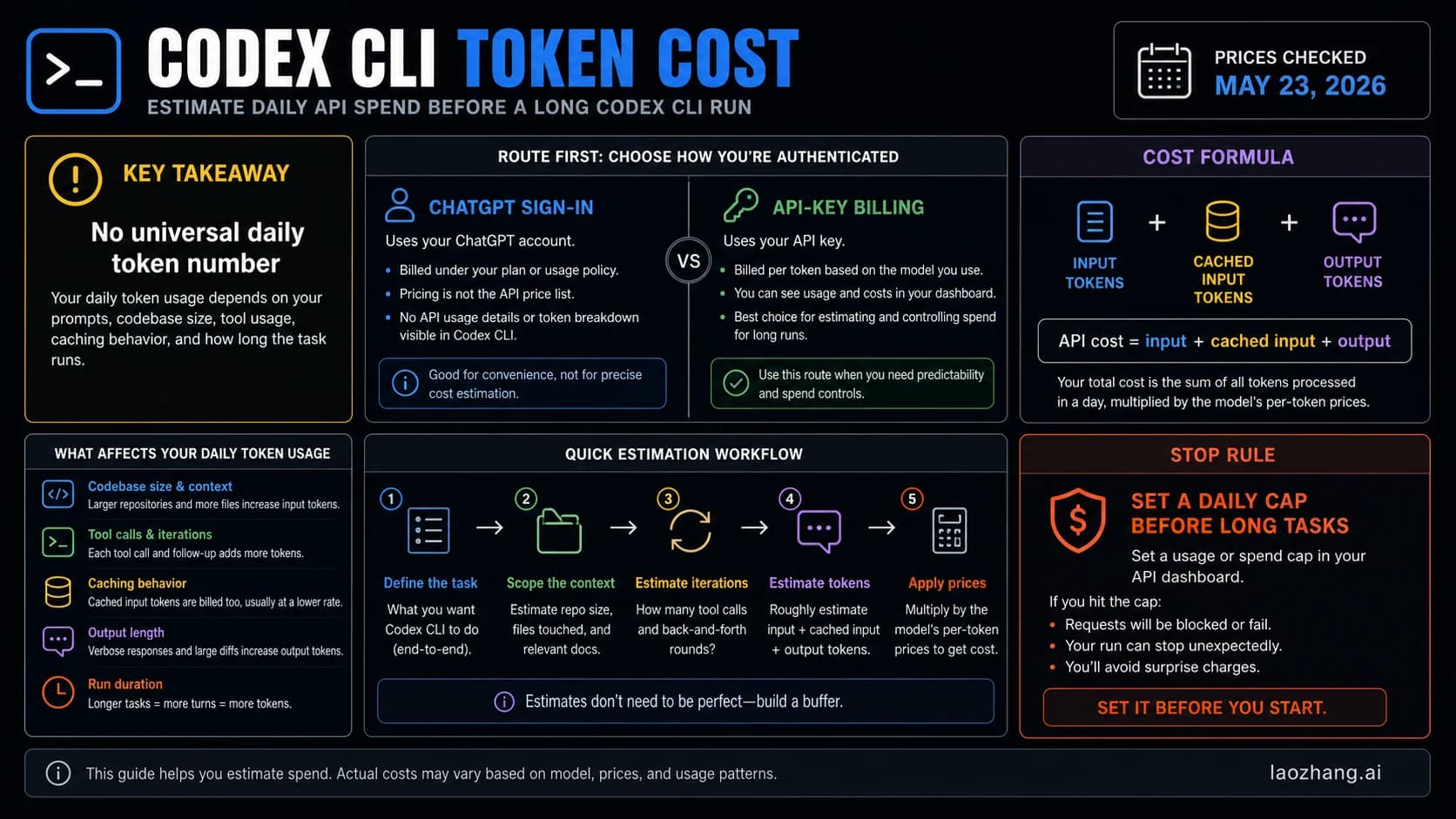
Codex CLI has no universal daily token number. Use the active route, token mix, model prices, and a budget cap to estimate API-key spend before a long run.
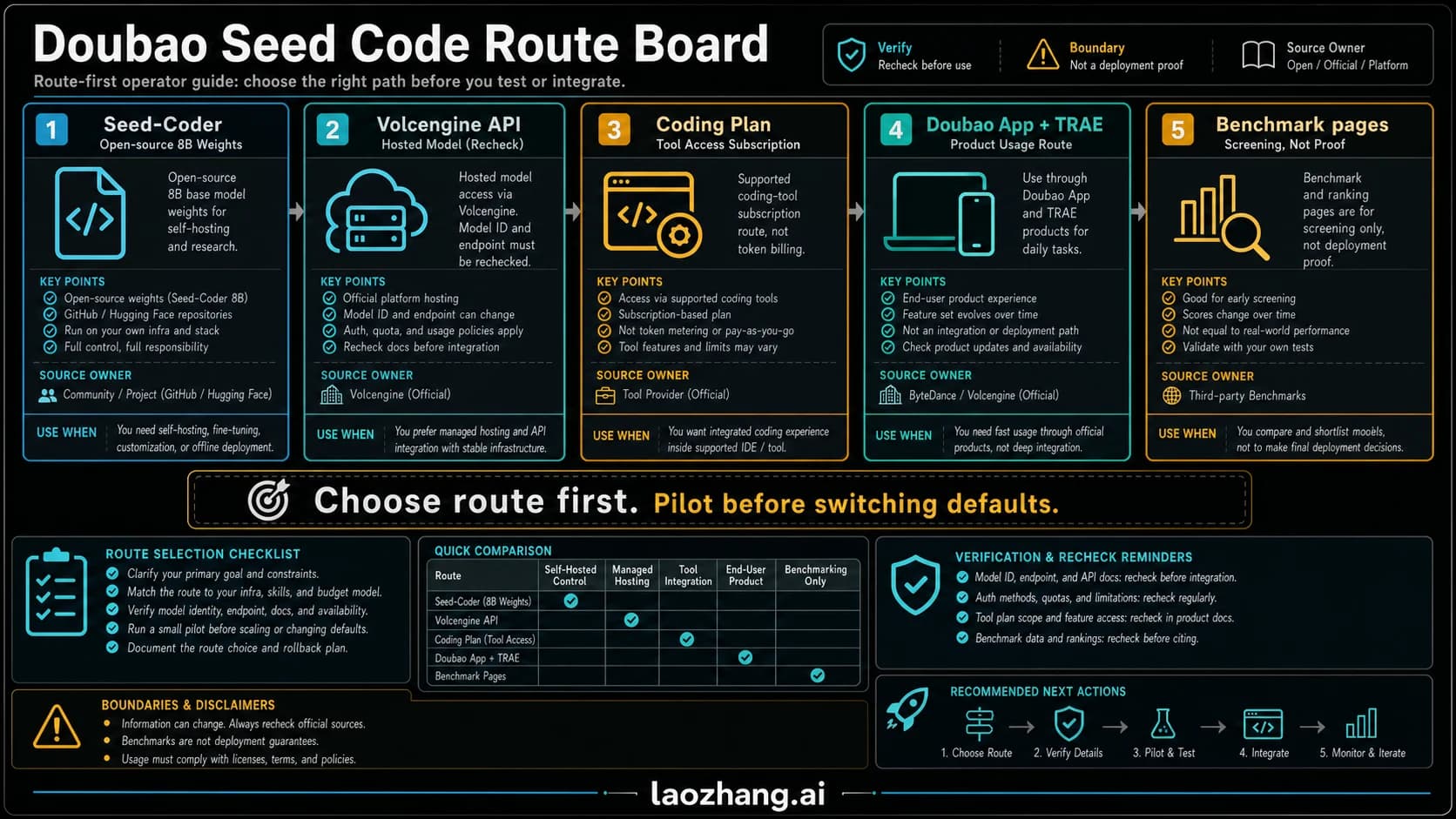
Doubao Seed Code spans open-source Seed-Coder weights, a hosted Volcengine API route, Coding Plan/tool access, Doubao App/TRAE usage, and benchmark pages; choose the route before testing.
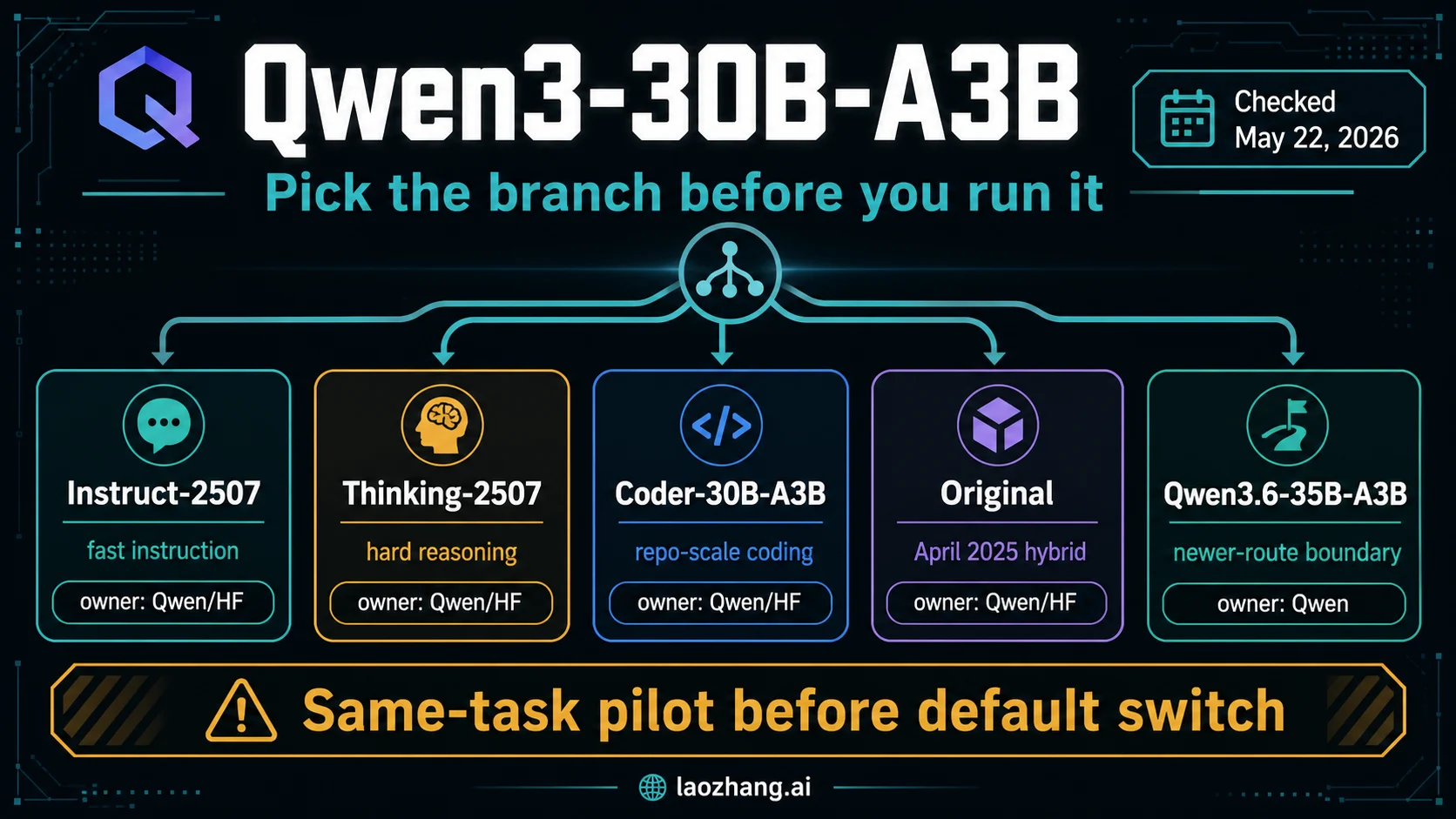
Pick the Qwen3-30B-A3B branch first: Instruct-2507 for fast instruction work, Thinking-2507 for reasoning, Coder for repo-scale coding, and the original model only for April 2025 reproduction.
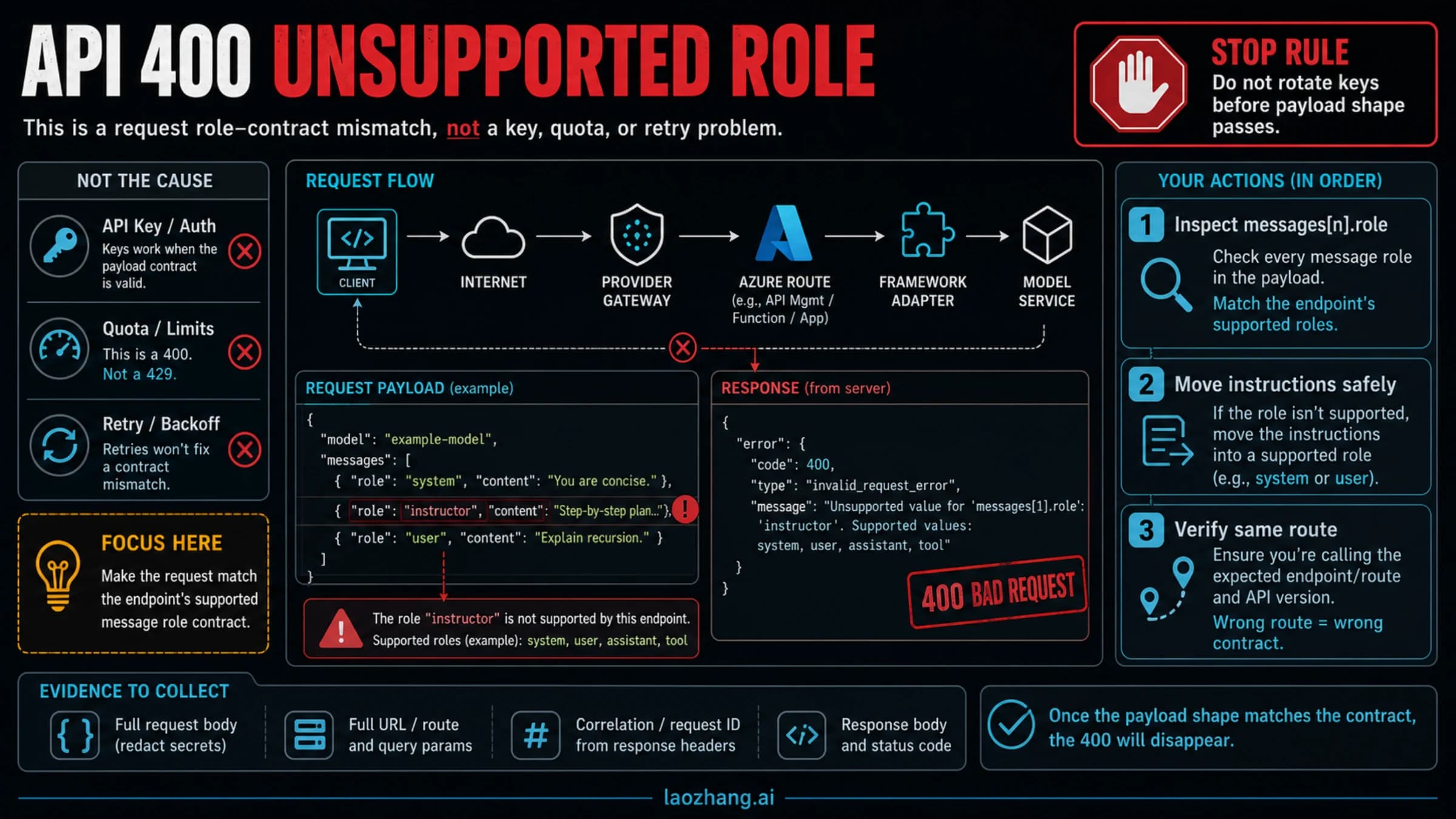
This error is a request role-contract mismatch. Use the failing `param`, sanitized payload, current OpenAI Chat Completions or Responses shape, and a same-route smoke test to repair it safely.
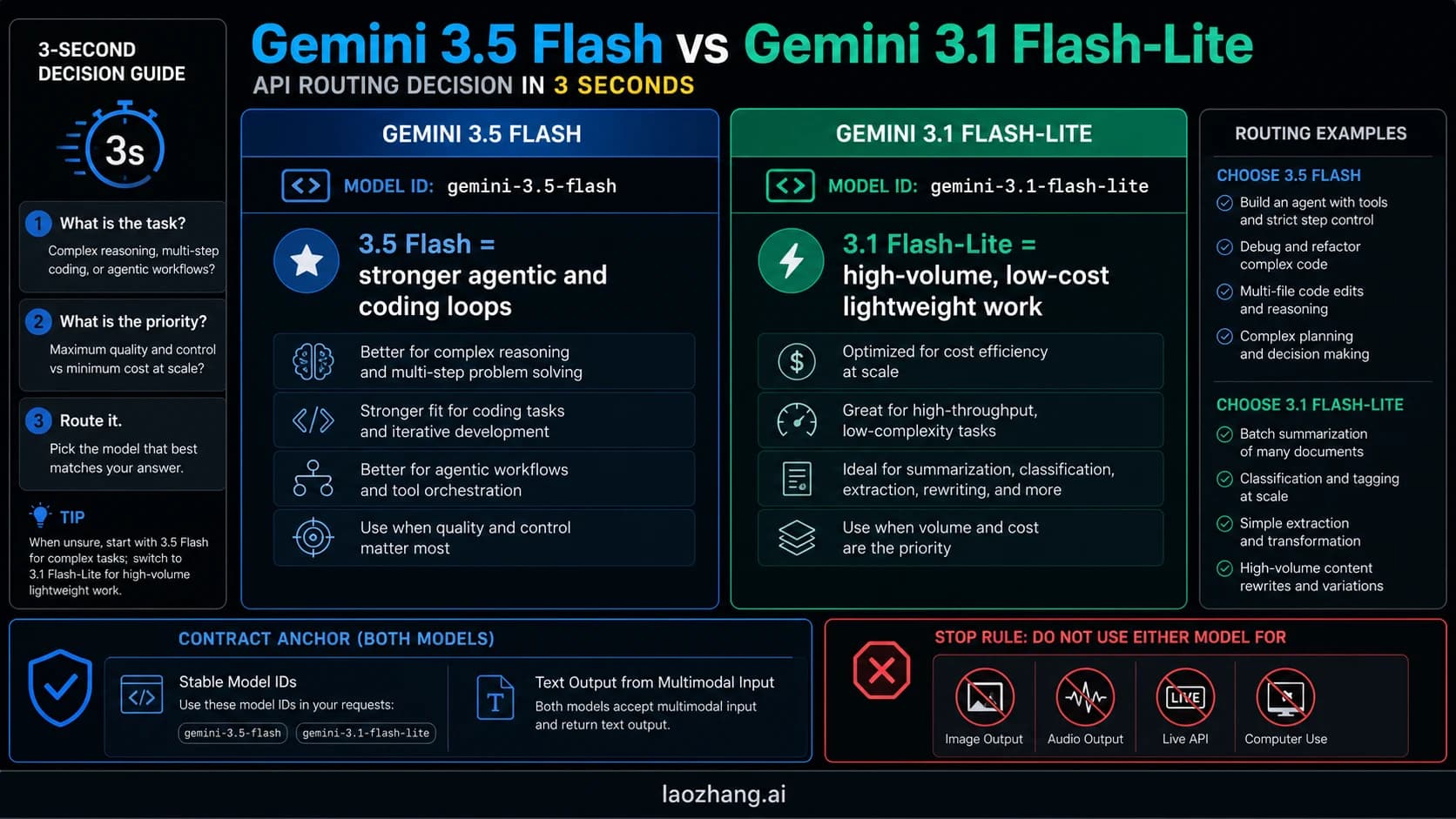
Use Gemini 3.5 Flash when stronger agentic, coding, and tool-heavy quality reduces retries. Keep Gemini 3.1 Flash-Lite when simple high-volume work stays accurate at a much lower token price.
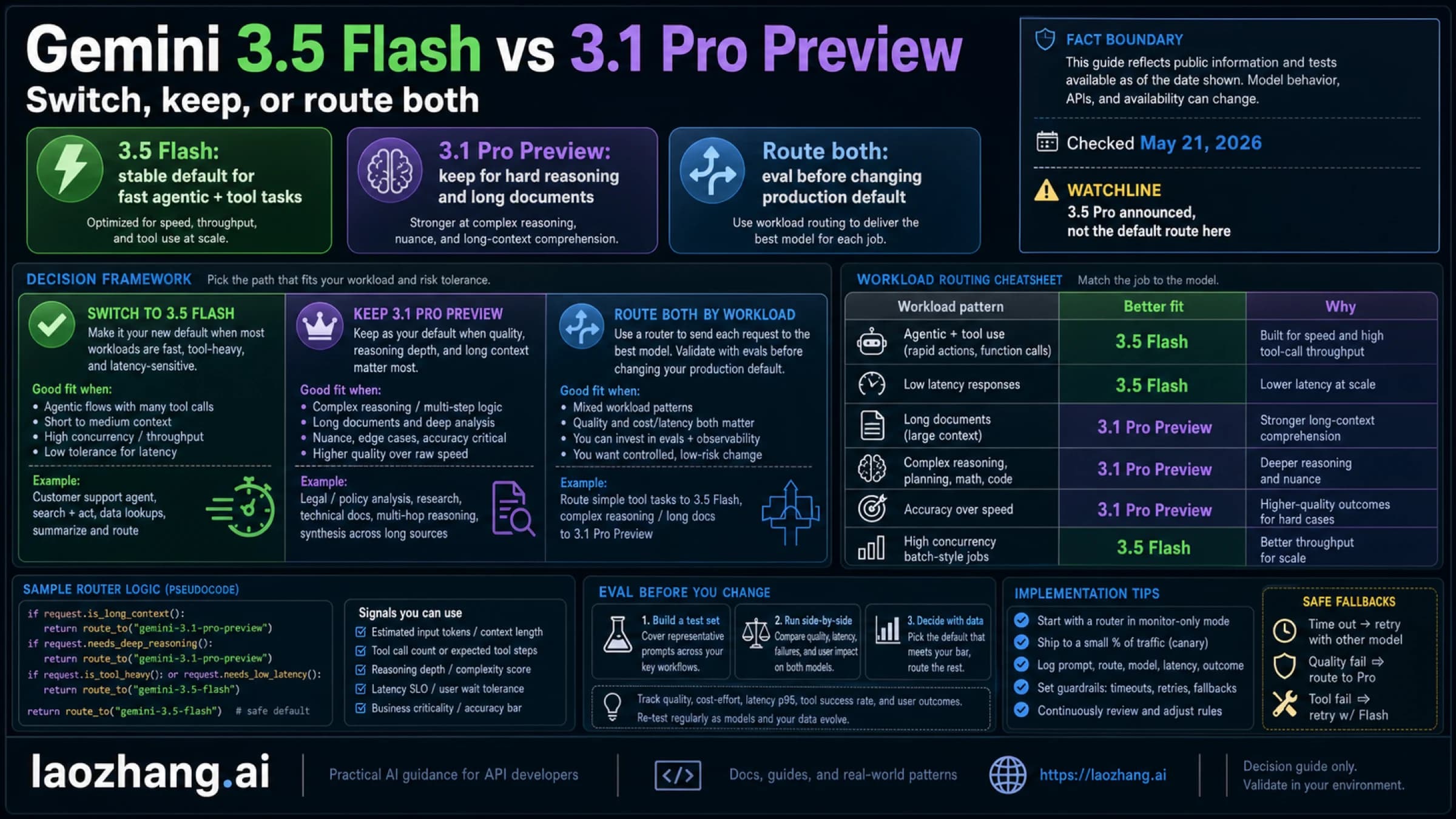
Gemini 3.5 Flash is the first API test for fast agentic coding and tool-heavy loops, but Gemini 3.1 Pro Preview still has a job in reasoning-heavy, long-document, and customtools-sensitive routes.