Developer Tools & Agents
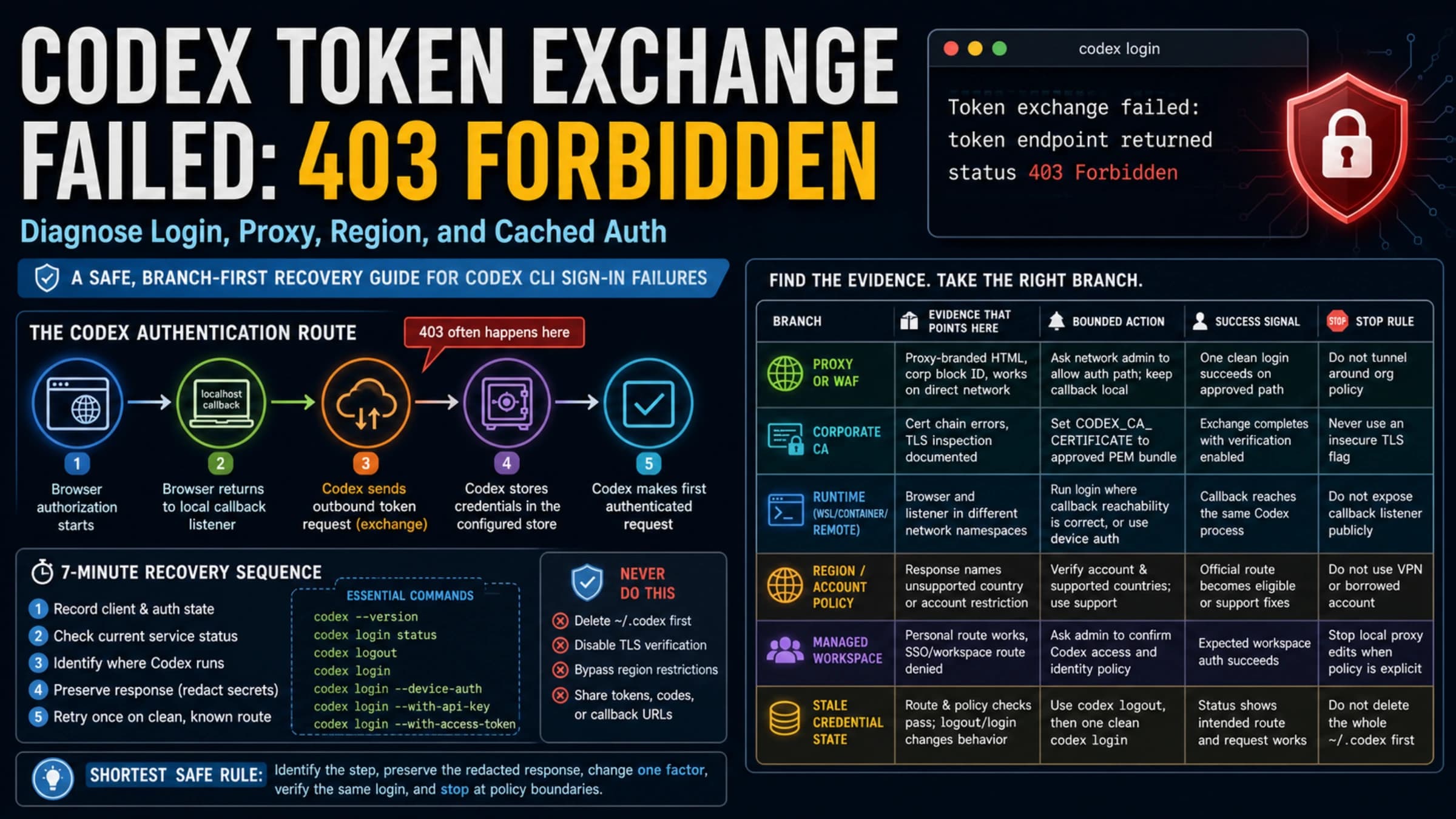
Codex Token Exchange Failed 403: Diagnose Login, Proxy, Region, and Cached Auth
A rapid, evidence-first recovery path for Codex sign-in 403 that protects credentials and replaces random fixes with proof.
9 min
A rapid, evidence-first recovery path for Codex sign-in 403 that protects credentials and replaces random fixes with proof.
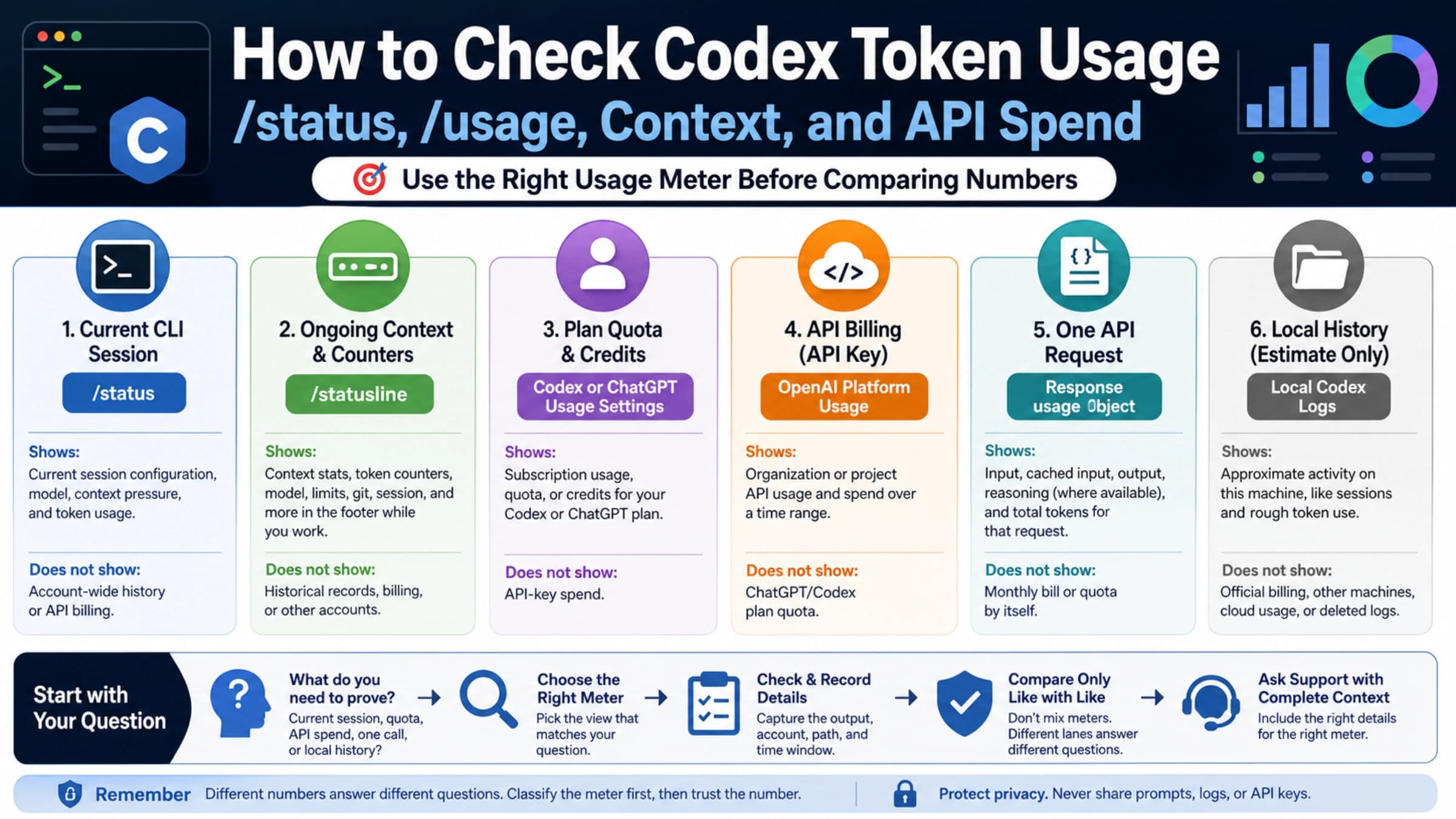
Use /status for the current session and context, /usage for account token activity, /statusline for ongoing display, Platform Usage for API spend, and local logs only as estimates.
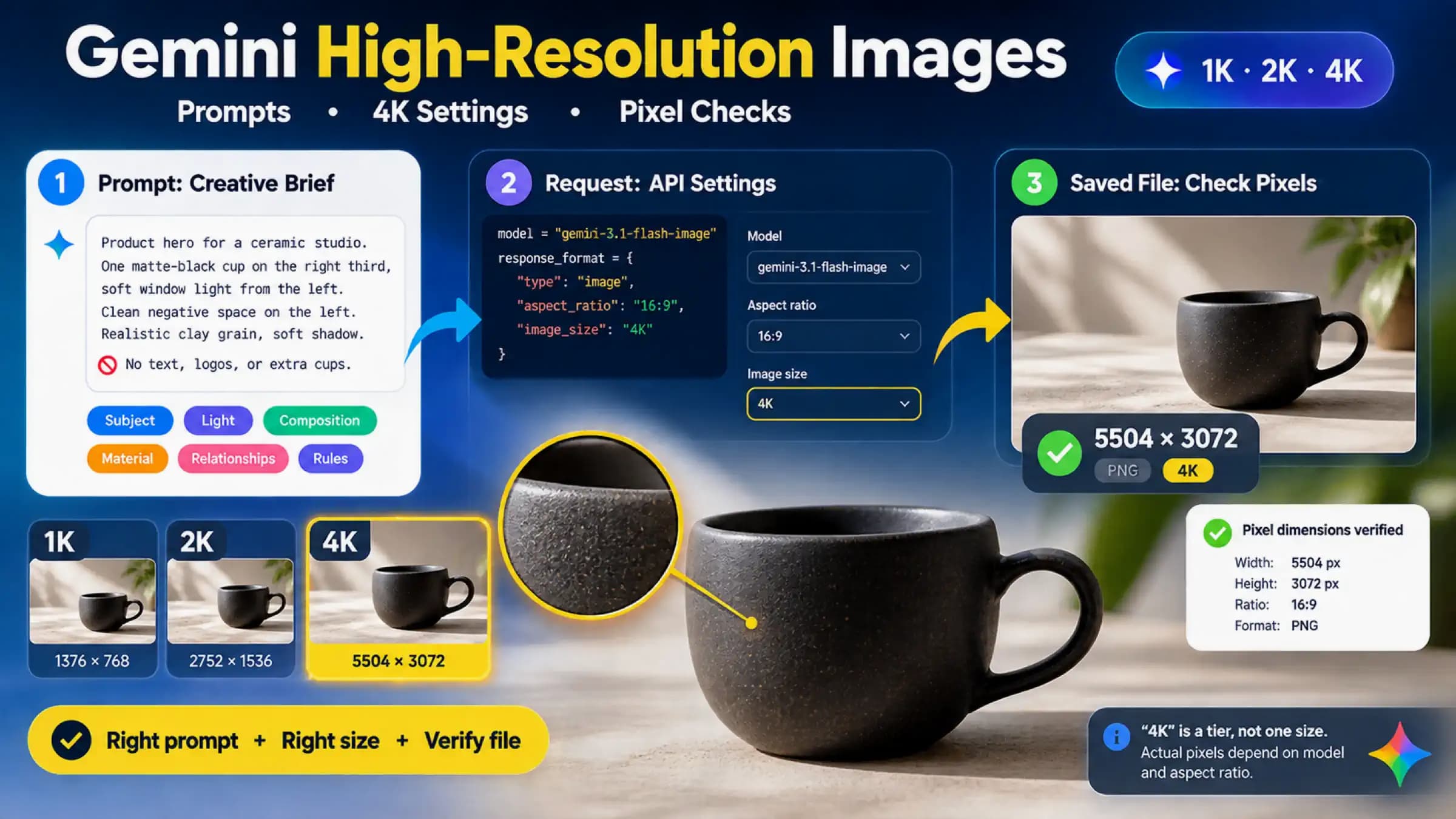
Writing HD or 4K in a Gemini prompt does not set the output pixels. Use a specific creative brief for visual quality, set image_size and aspect_ratio on a supported API model for delivery size, then inspect the saved file before changing prompts, plans, or providers.
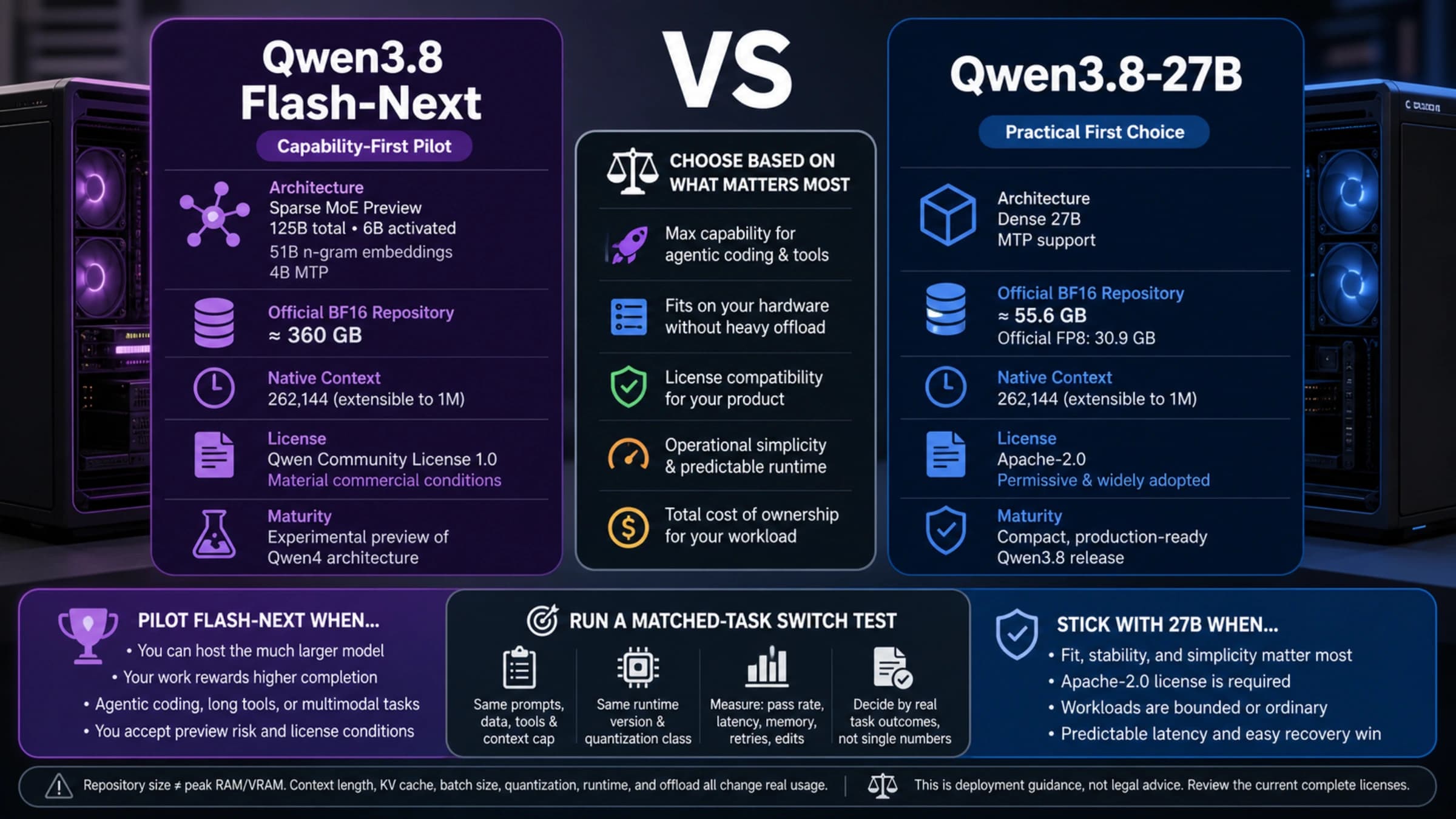
Start with Qwen3.8-27B when memory, a simpler serving setup, and Apache-2.0 matter most. Test Flash-Next if you can host its much larger weights and want to evaluate its reported advantages on coding and agent tasks.
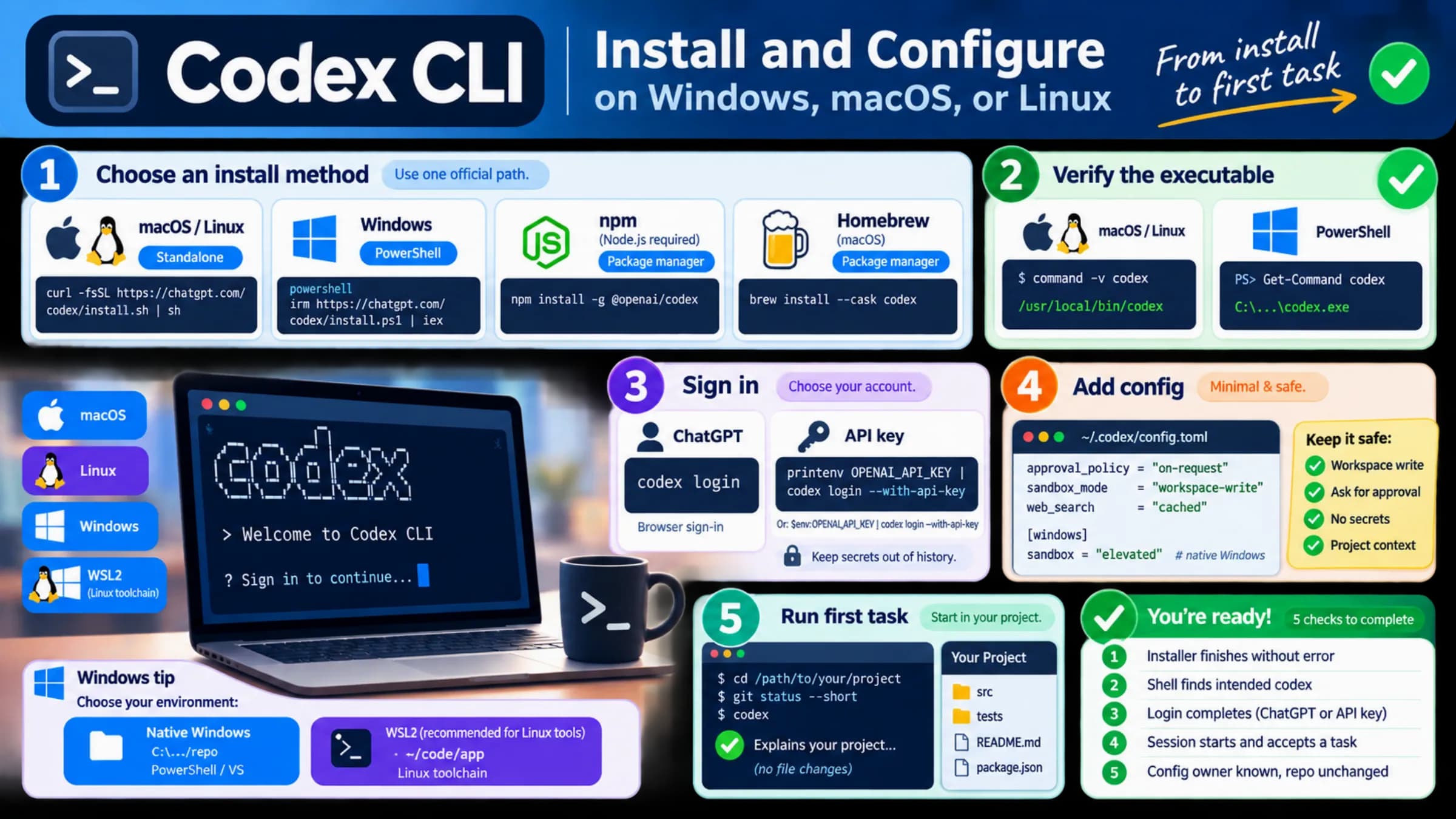
Choose native Windows, WSL2, or a Unix install path, then verify the executable, billing owner, safe configuration, and first repository task.
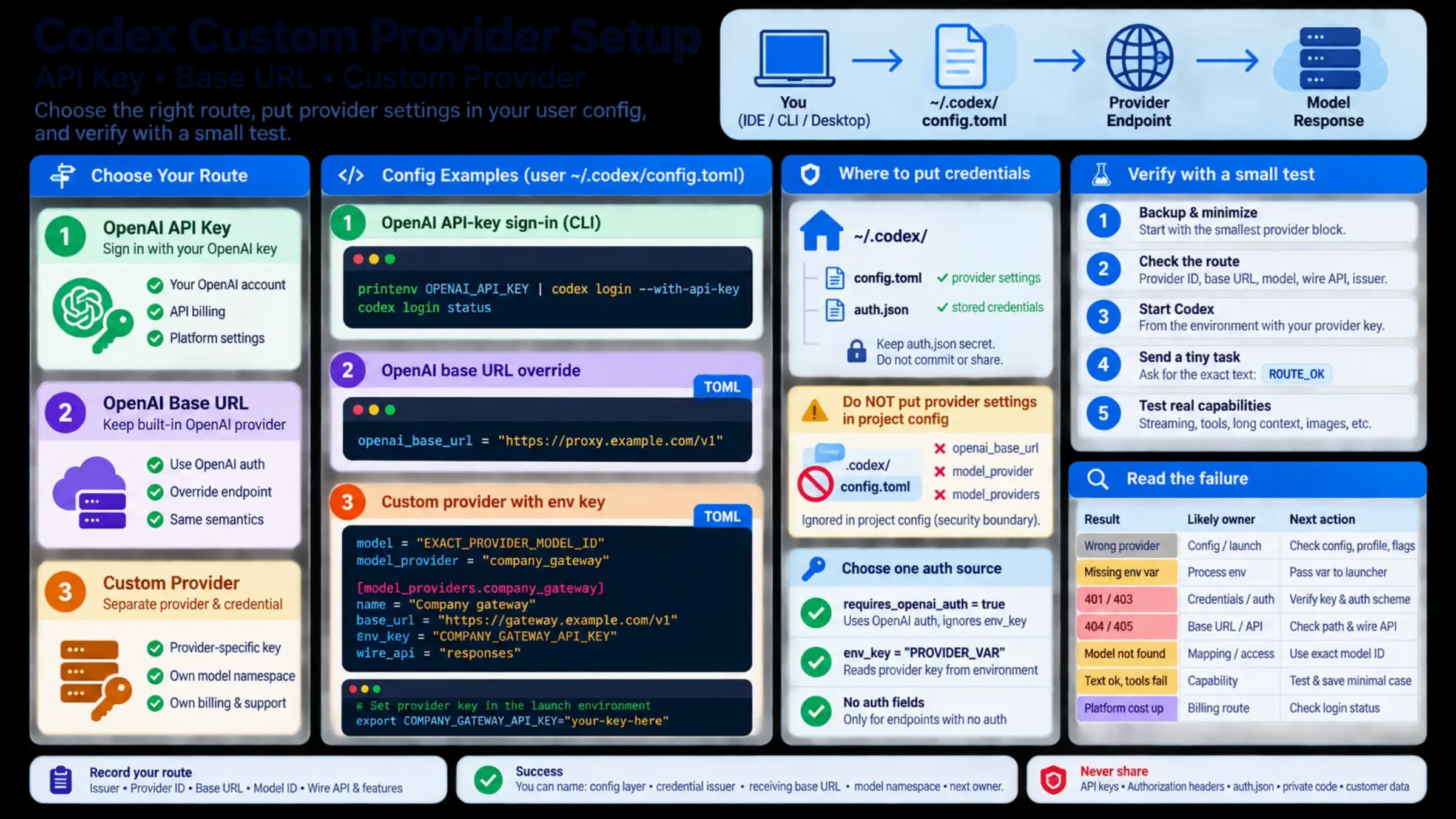
Choose the credential and endpoint owner before editing TOML. The right route may be API-key sign-in, openai_base_url, or a separate provider—and each failure has a different owner.
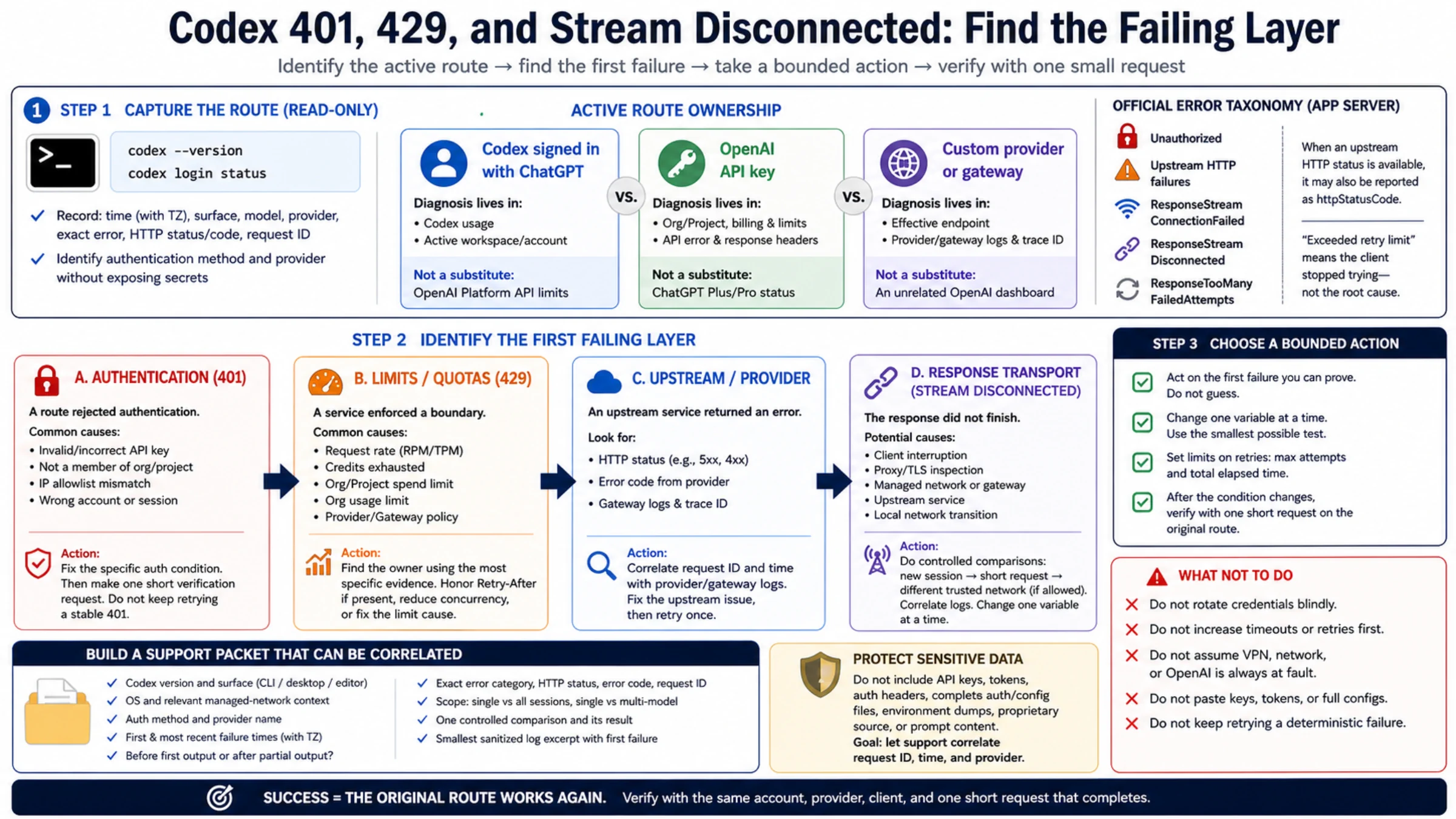
The final Codex error line is a symptom, not a root cause. Identify the active account and provider route, then act on the first failure you can prove.
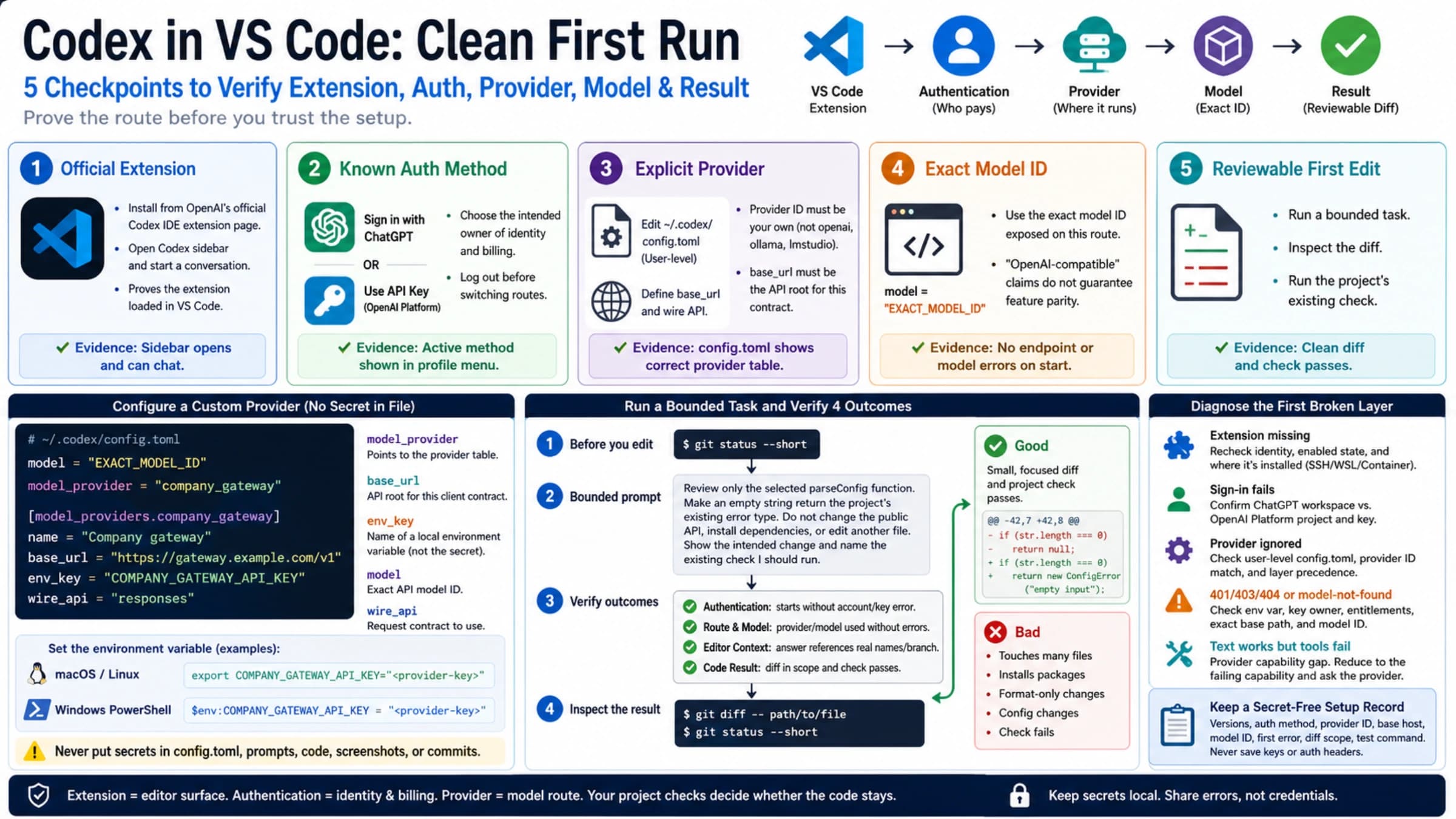
Check which account and provider Codex uses, configure the exact model ID, and verify that your first edit uses the selected code and passes the project’s checks.
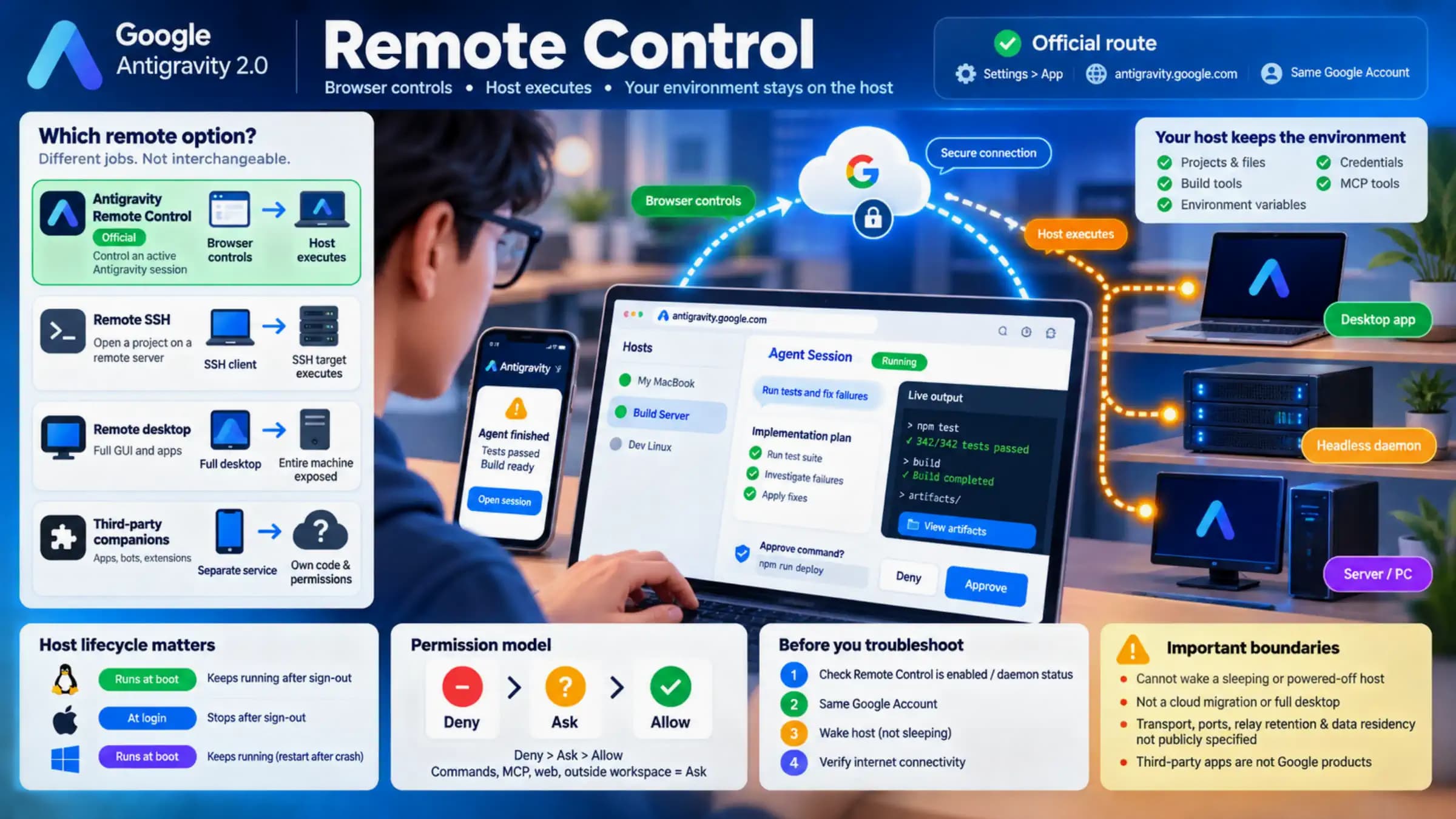
Choose the right remote boundary before you install anything: official Remote Control drives an Antigravity session, while Remote SSH, remote desktop, and third-party companions solve different jobs.
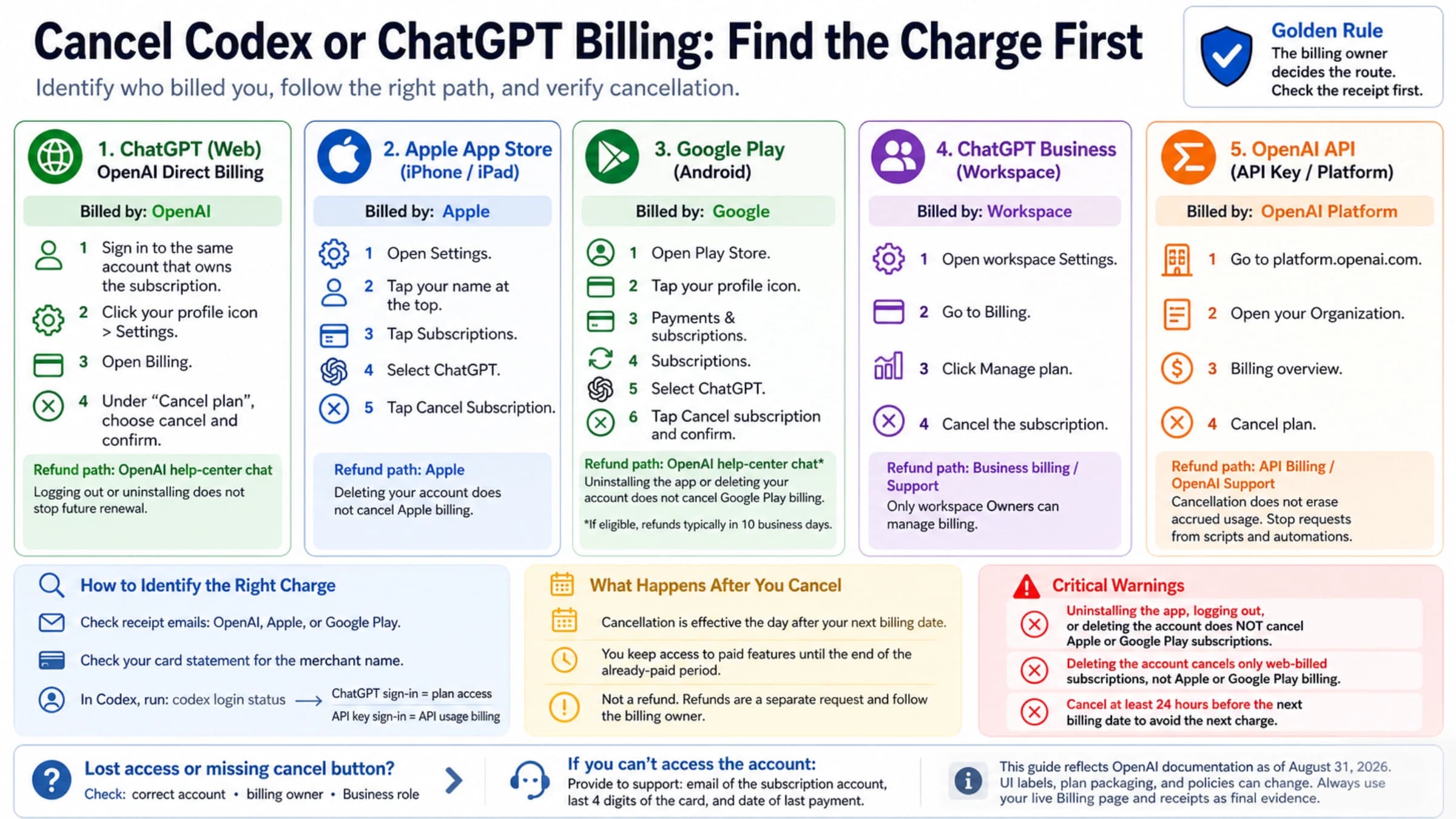
Codex may use access included with a ChatGPT plan or usage billed to an API key; it is not always a separate personal subscription. Check the receipt and authentication method, then cancel in ChatGPT, Apple, Google Play, Business, or Platform Billing.
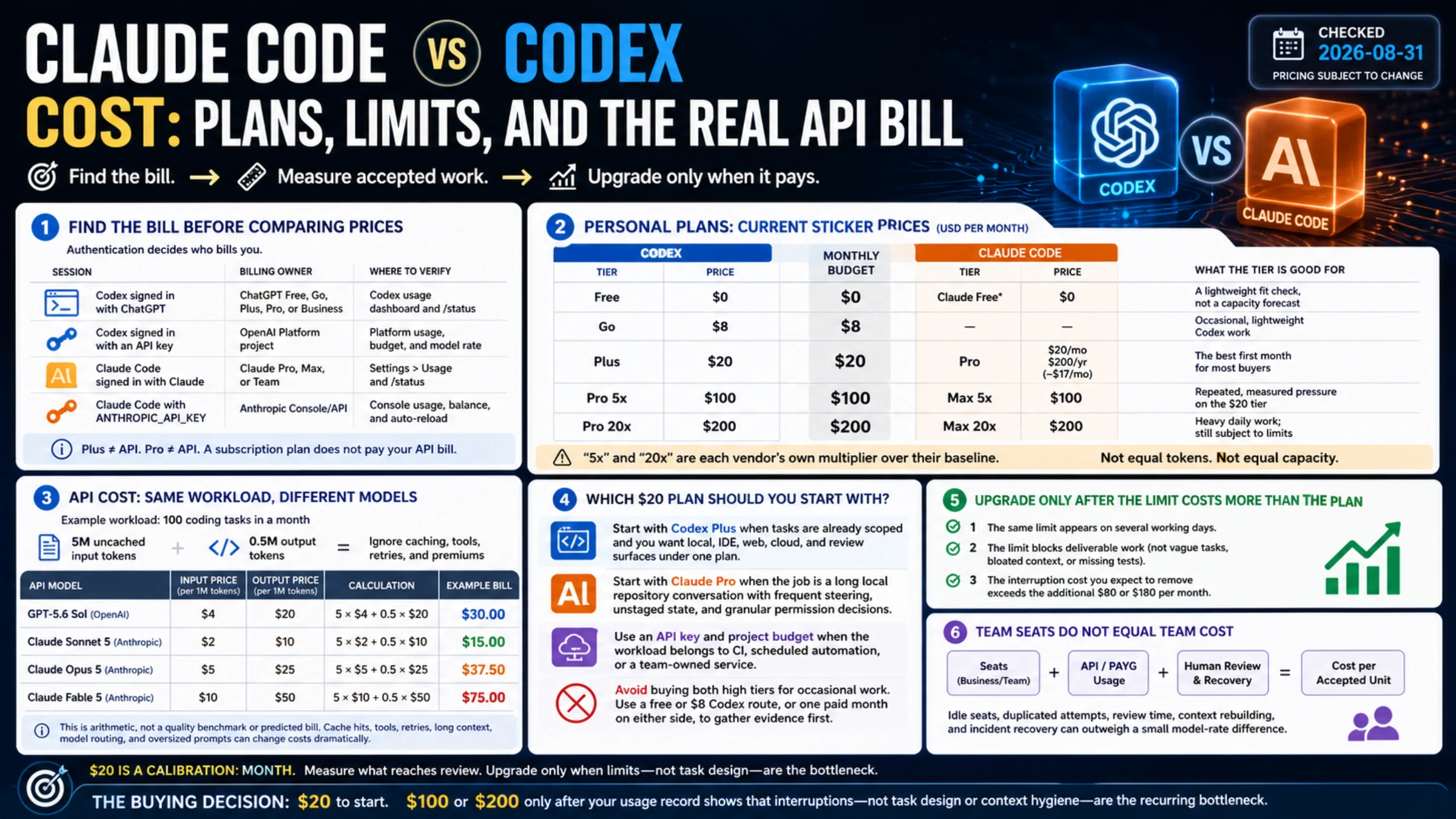
Both tools sell $20, $100, and $200 tiers, but equal sticker prices do not buy equal capacity. Identify the bill first, then measure accepted work before upgrading.
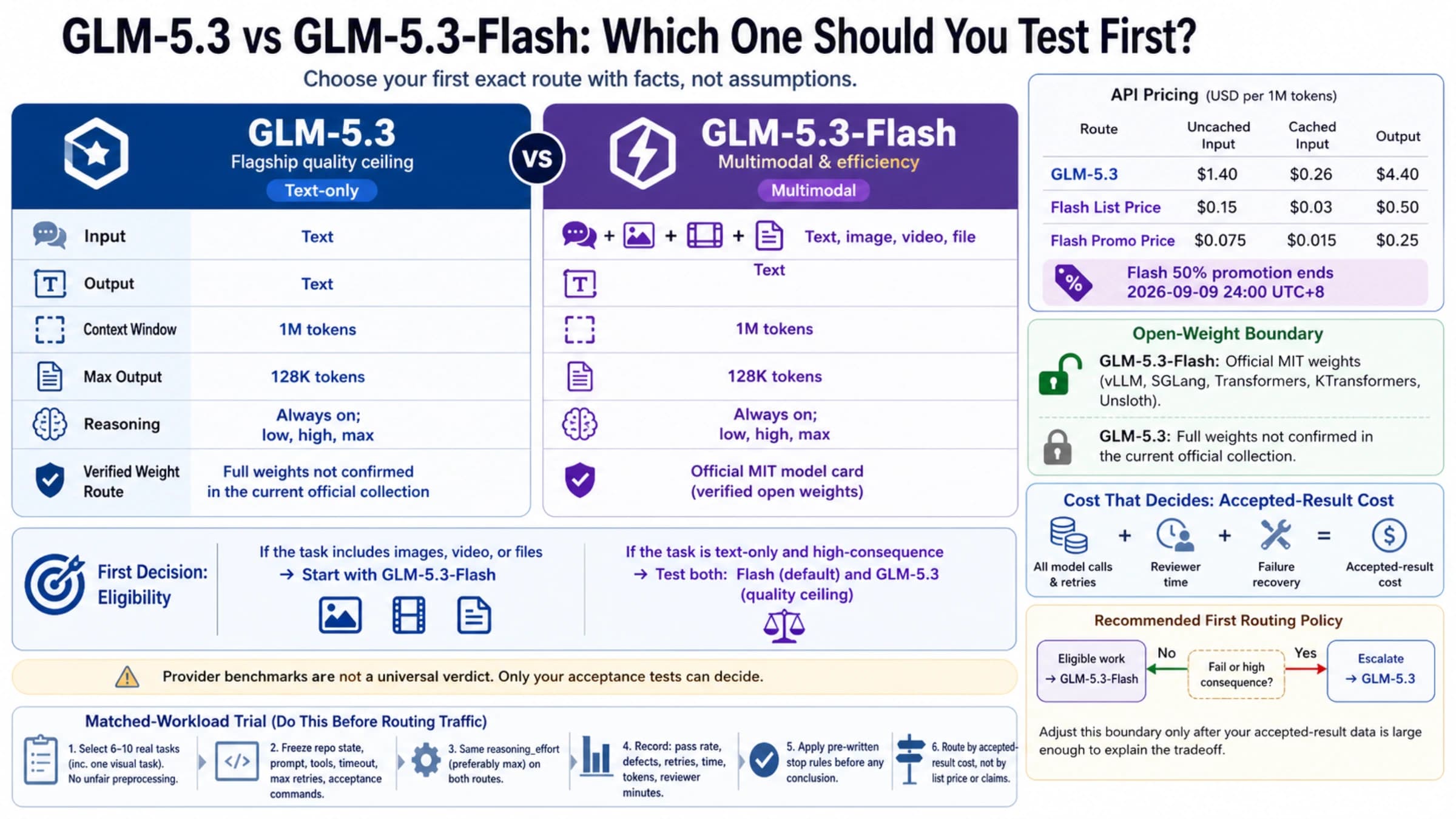
Start with GLM-5.3-Flash for multimodal or cost-sensitive work. Test GLM-5.3 alongside it for demanding text-only tasks, then choose by cost per accepted result.
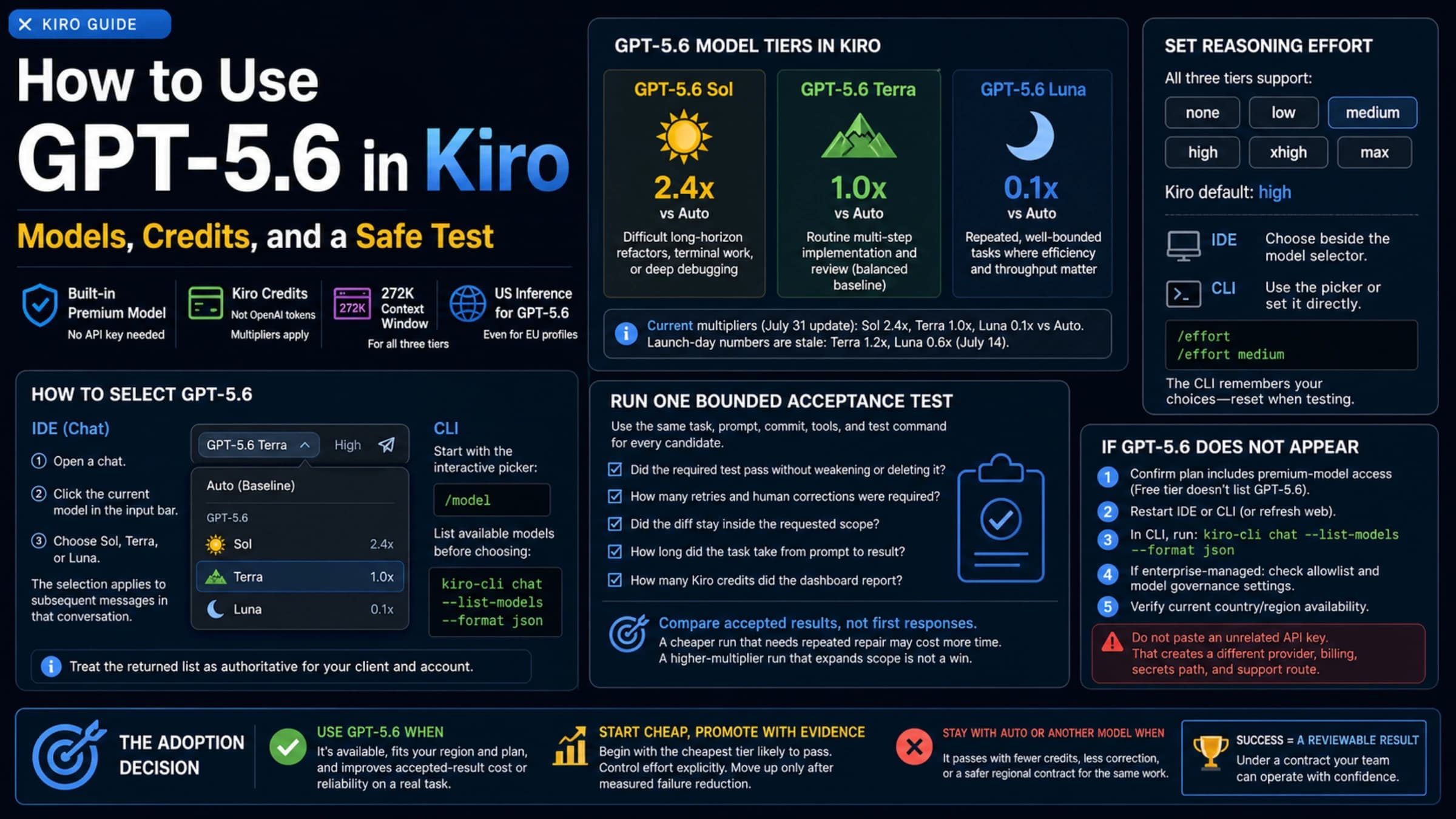
GPT-5.6 is a built-in premium model choice in Kiro, not an OpenAI API key setup. Confirm access, pick a tier and effort level, then measure accepted-task cost on your own repository.
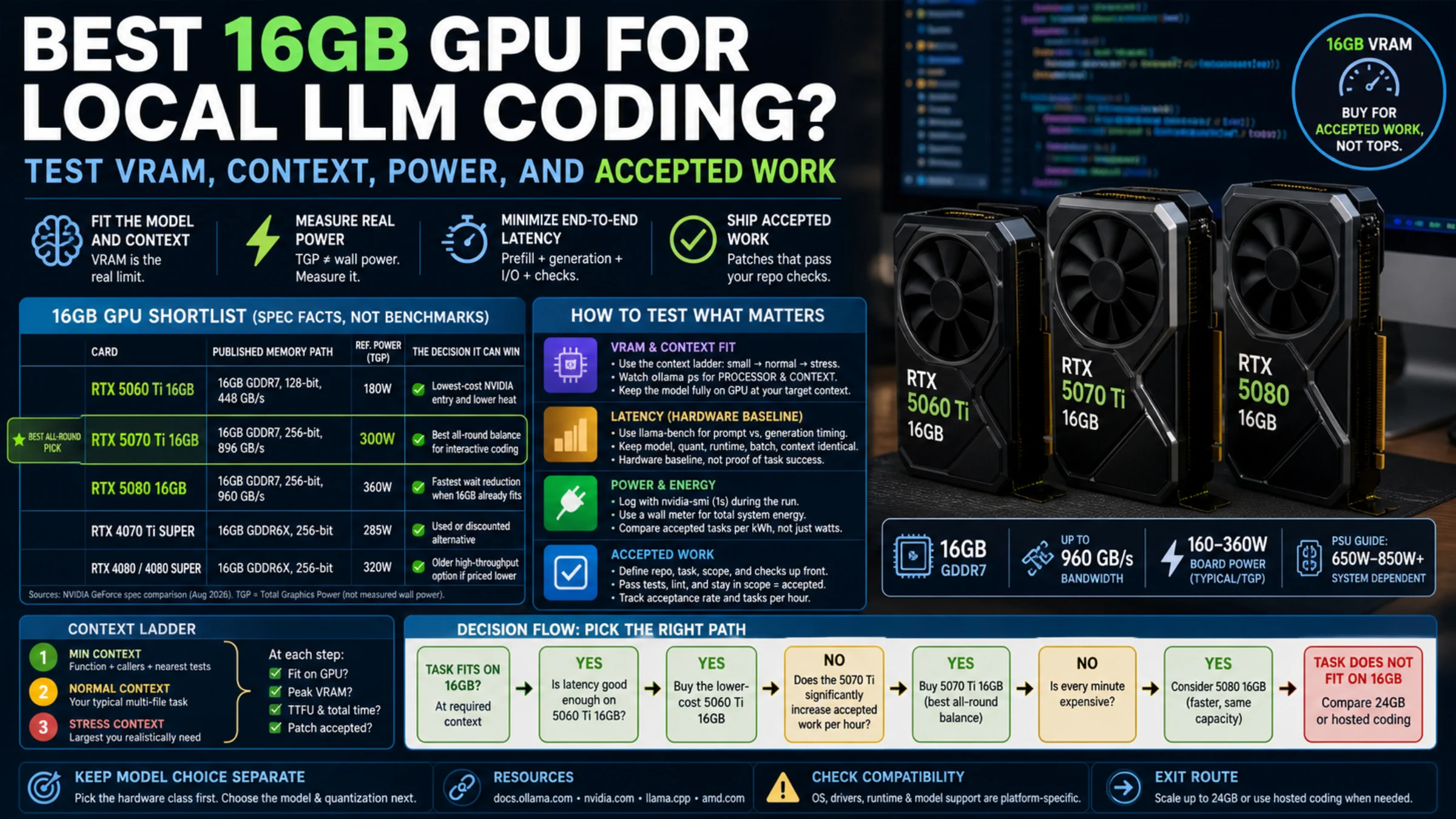
The RTX 5070 Ti is our first 16GB candidate to test, but the right purchase is the least expensive card that fits your real context and completes accepted repository work fast enough.

Google has reopened a live student offer: eligible U.S. college students can redeem 12 months of Google AI Pro at no charge through December 31, 2026. Eligibility is account-specific, a payment method is required, and the plan renews at $19.99 per month unless cancelled.
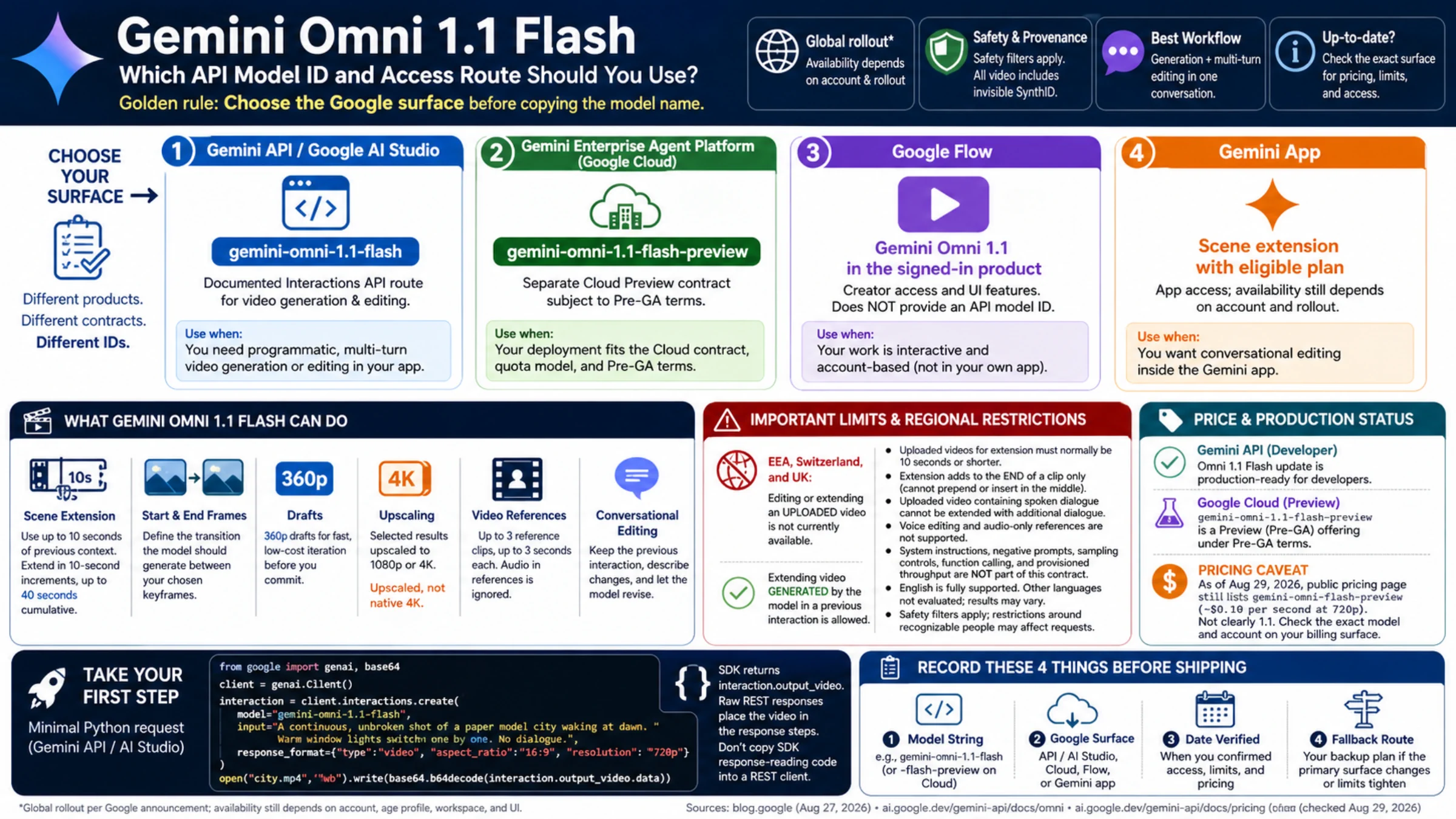
Gemini Omni now has an official developer route, but Google exposes different model IDs and lifecycle terms across its products. Choose the Google product first, then copy the matching identifier.
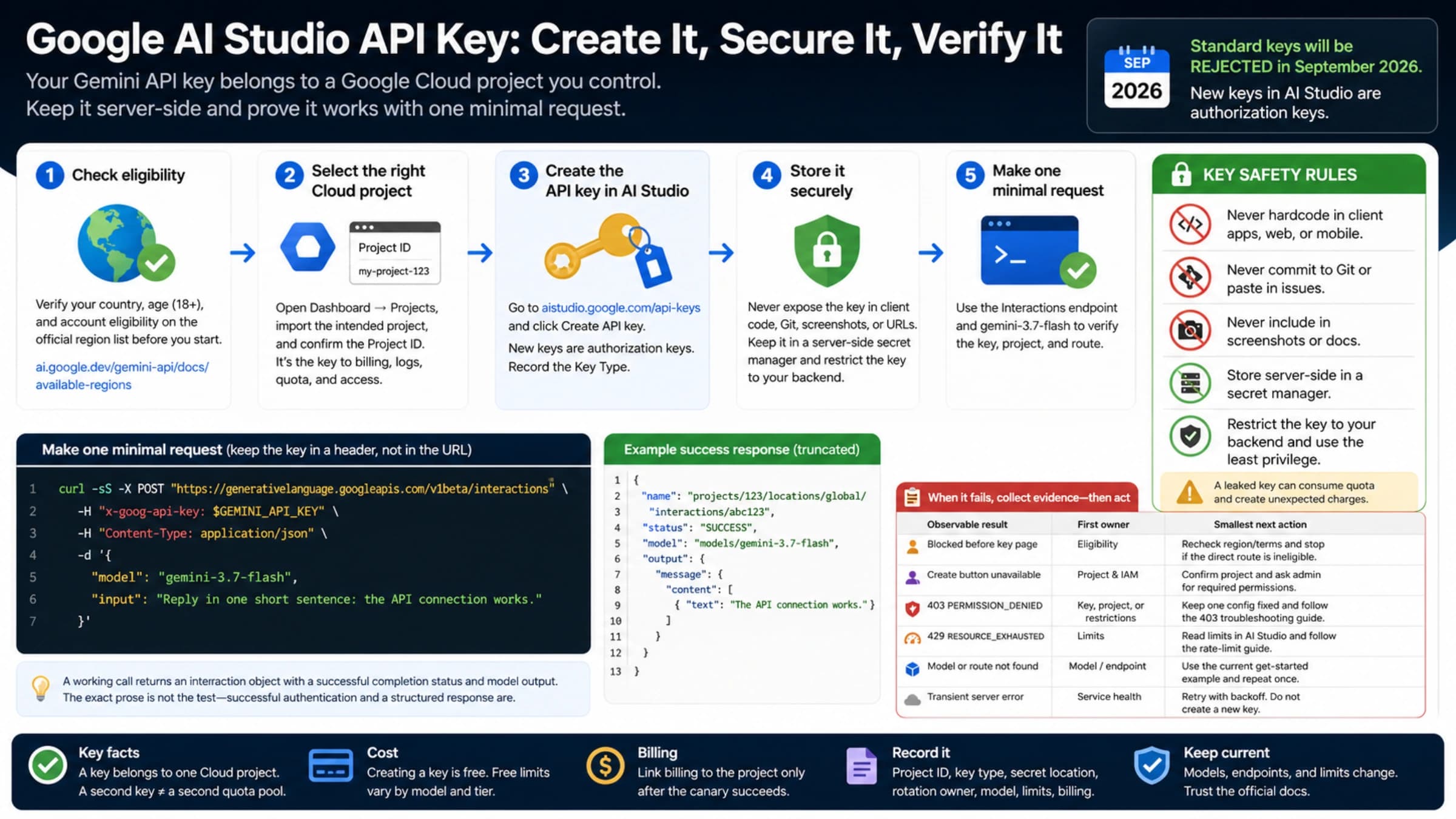
A Gemini API key is a project credential, not a subscription or a quota bundle. Create the current key type in AI Studio, keep it server-side, and test the setup with one small request.
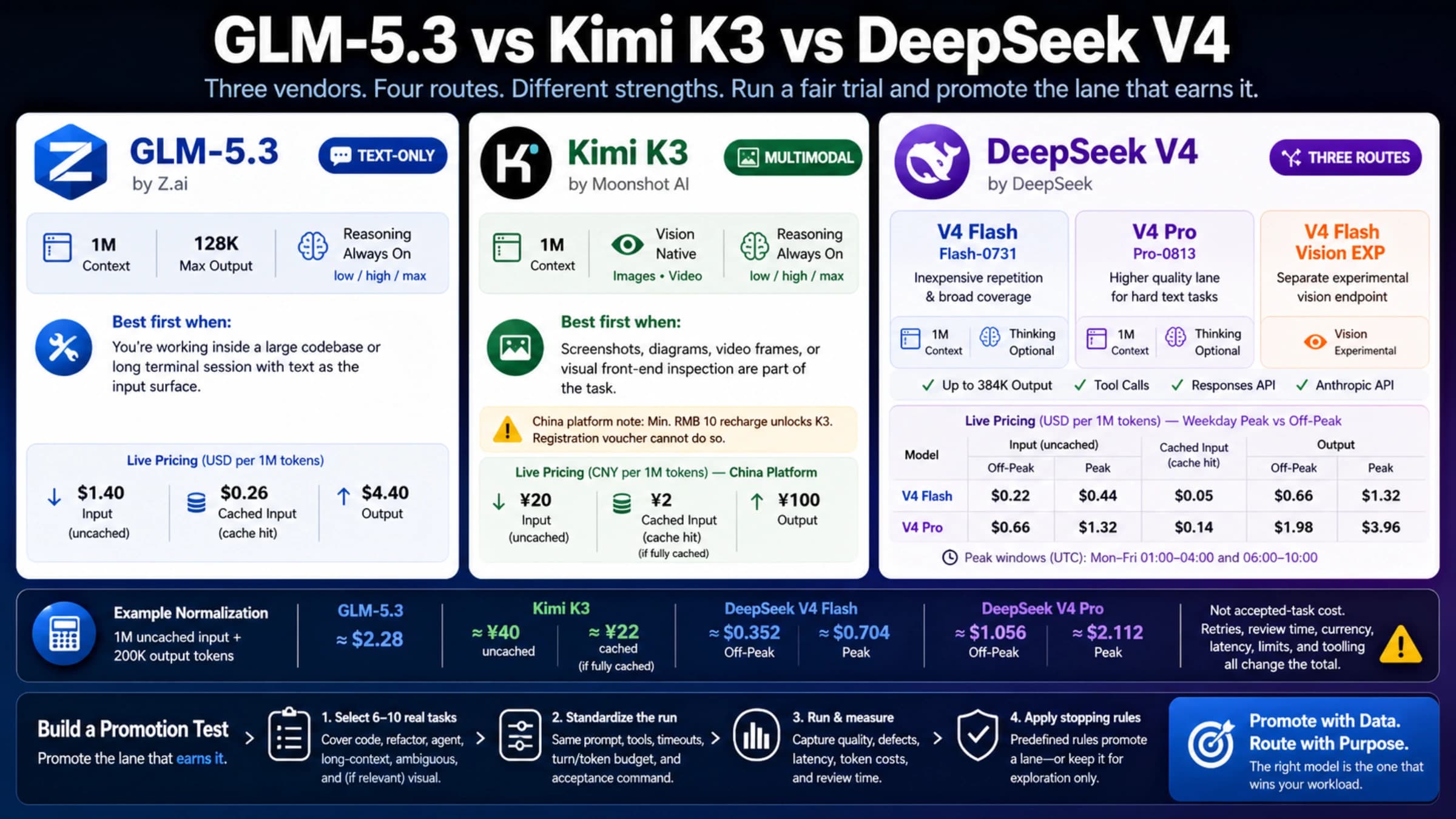
Start with GLM-5.3 for text-only long-horizon engineering, Kimi K3 when vision belongs inside the model loop, and DeepSeek V4 Flash when cheap repeated coverage matters; use V4 Pro as the harder-task control.
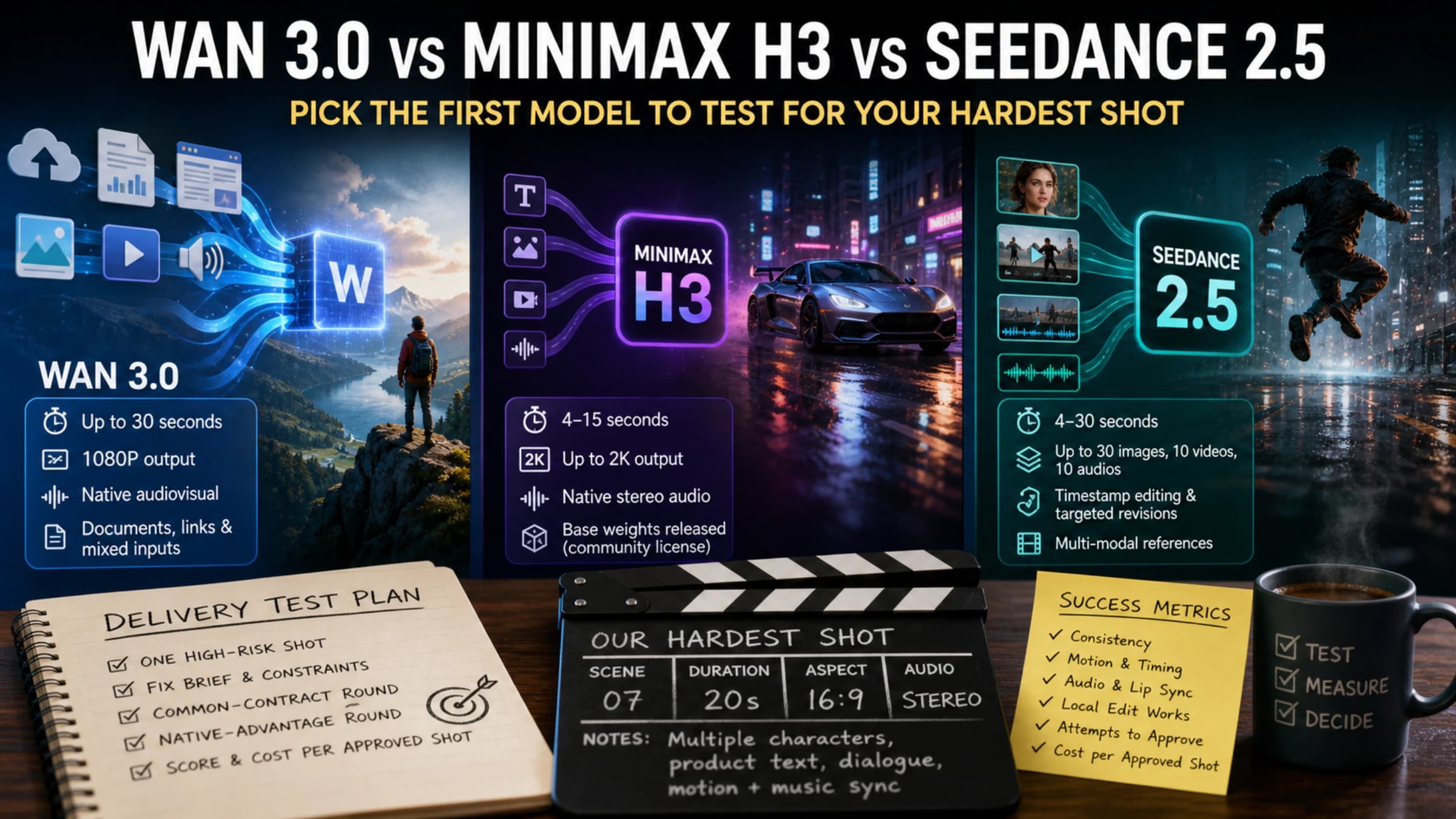
There is no task-free winner: Seedance 2.5, MiniMax H3, and Wan 3.0 optimize different delivery constraints. Choose a first test from your hard requirements, then compare cost per approved shot.
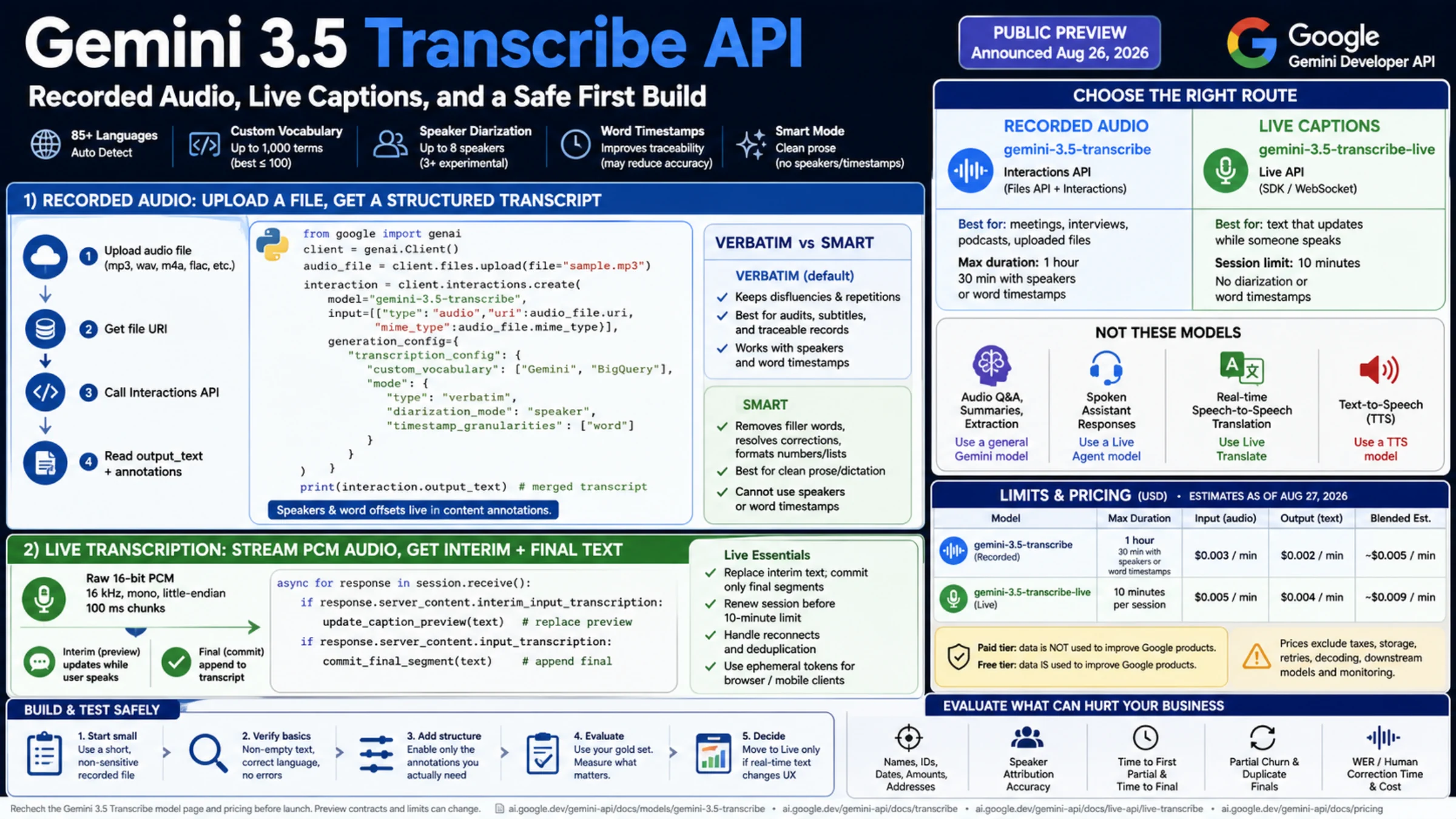
Gemini 3.5 Transcribe has separate contracts for files and live streams. This guide shows how to choose one, verify the output you actually need, and test the preview safely before production.

Use Gemini Apps’ Media Watermark control for new media, see which provenance signals remain, and check the documented limits if the setting is unavailable.
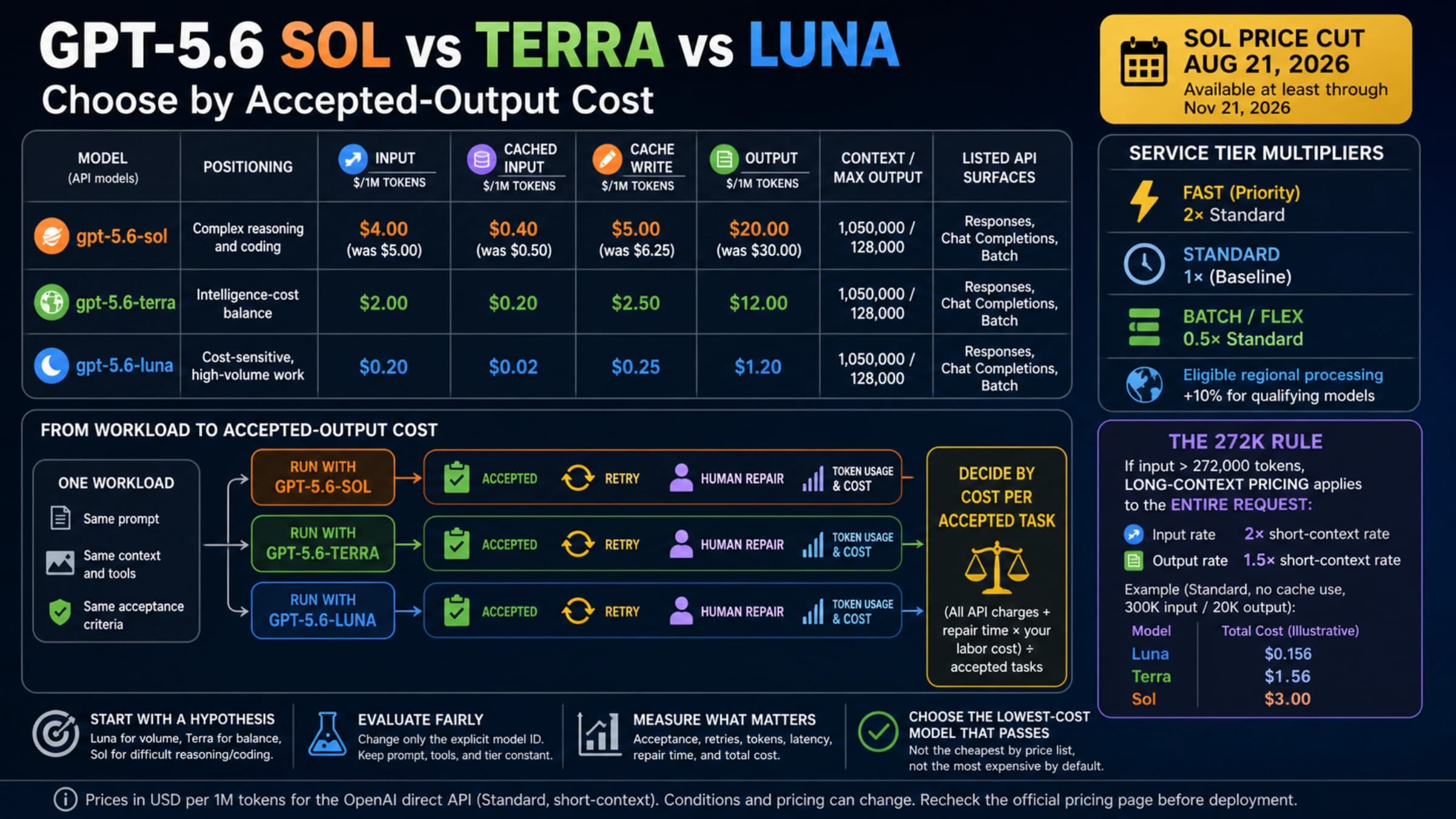
Sol now has a temporary lower rate. Calculate the applicable GPT-5.6 bill, keep plan limits separate, and choose by cost per accepted task.
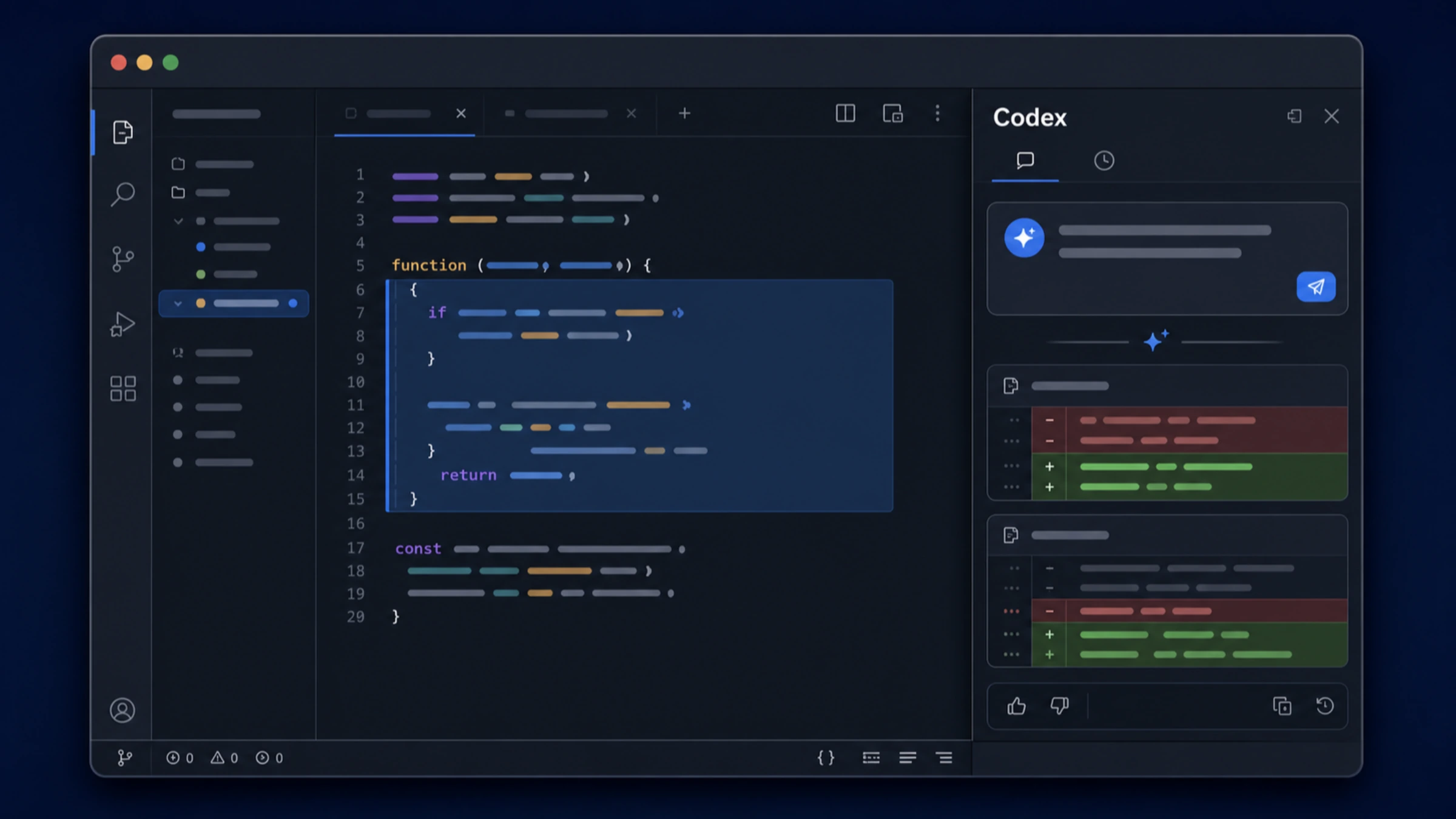
Get the official Codex extension working in a real Cursor project, then confirm the workflow with one narrow edit you can inspect and reverse.
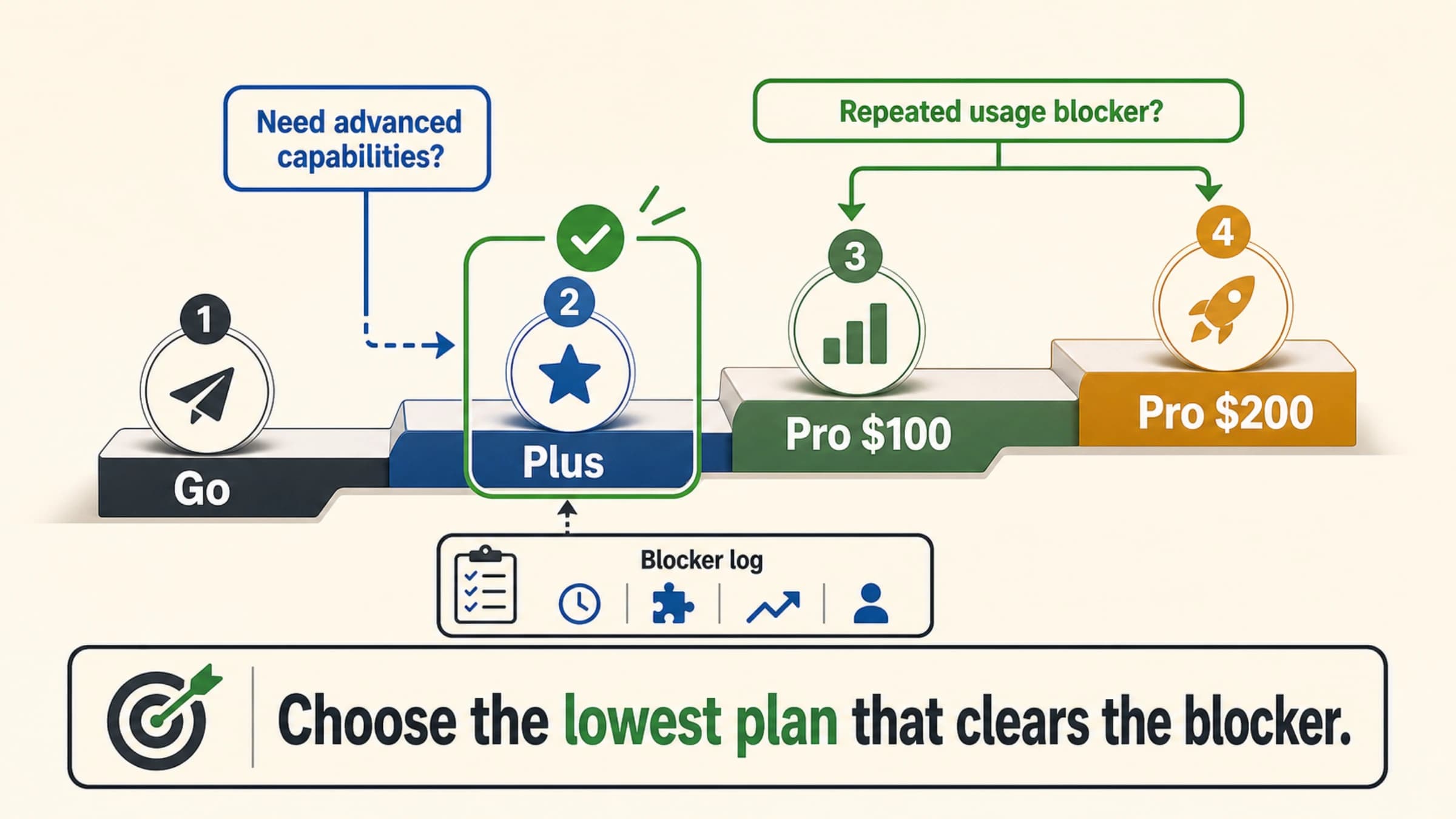
Go covers budget-minded everyday use, Plus is the practical default for recurring advanced work, and Pro earns its price only when a documented Plus limit keeps interrupting valuable tasks.