Claude API vs OpenAI API Pricing: When Each One Costs Less
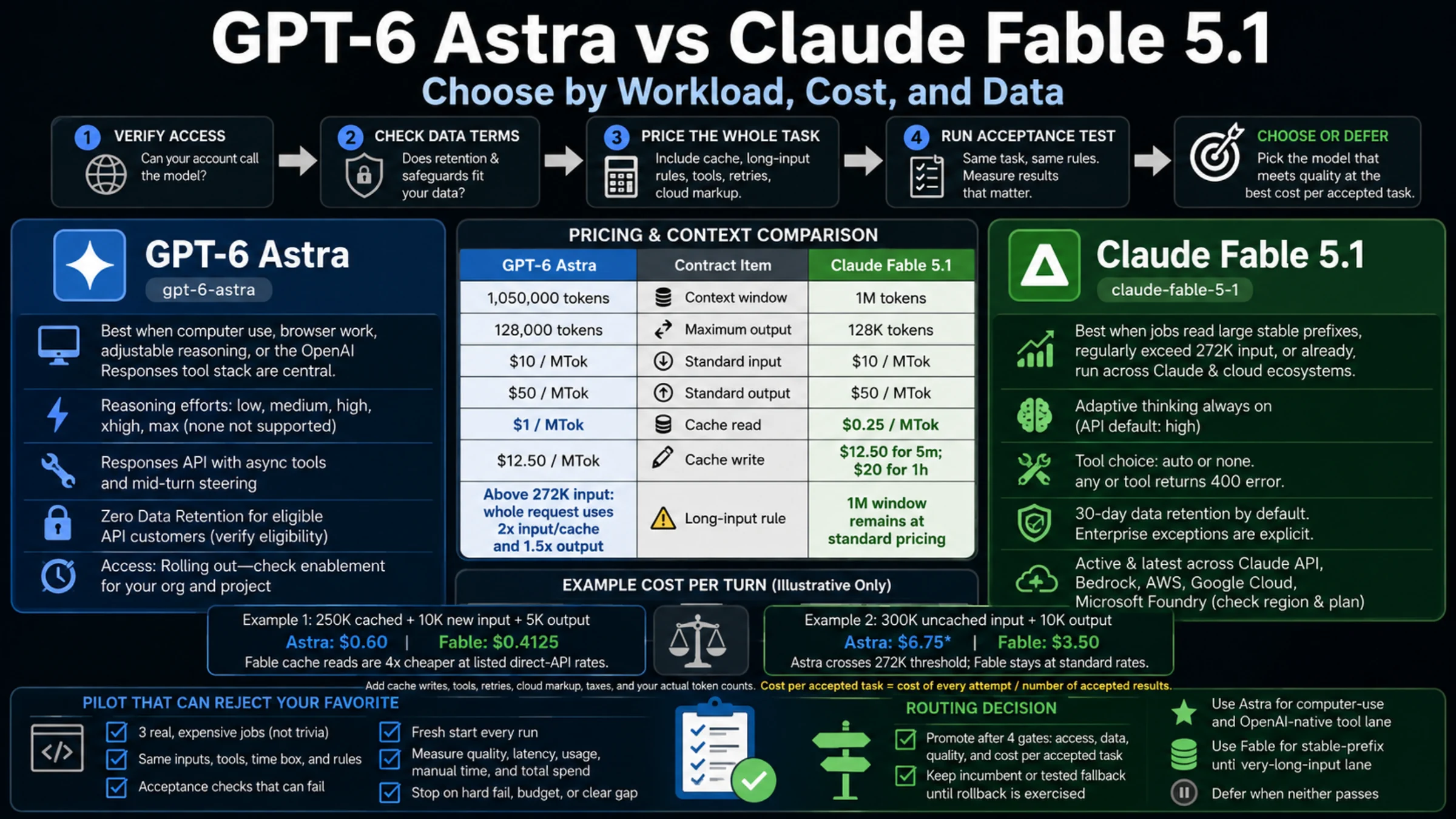
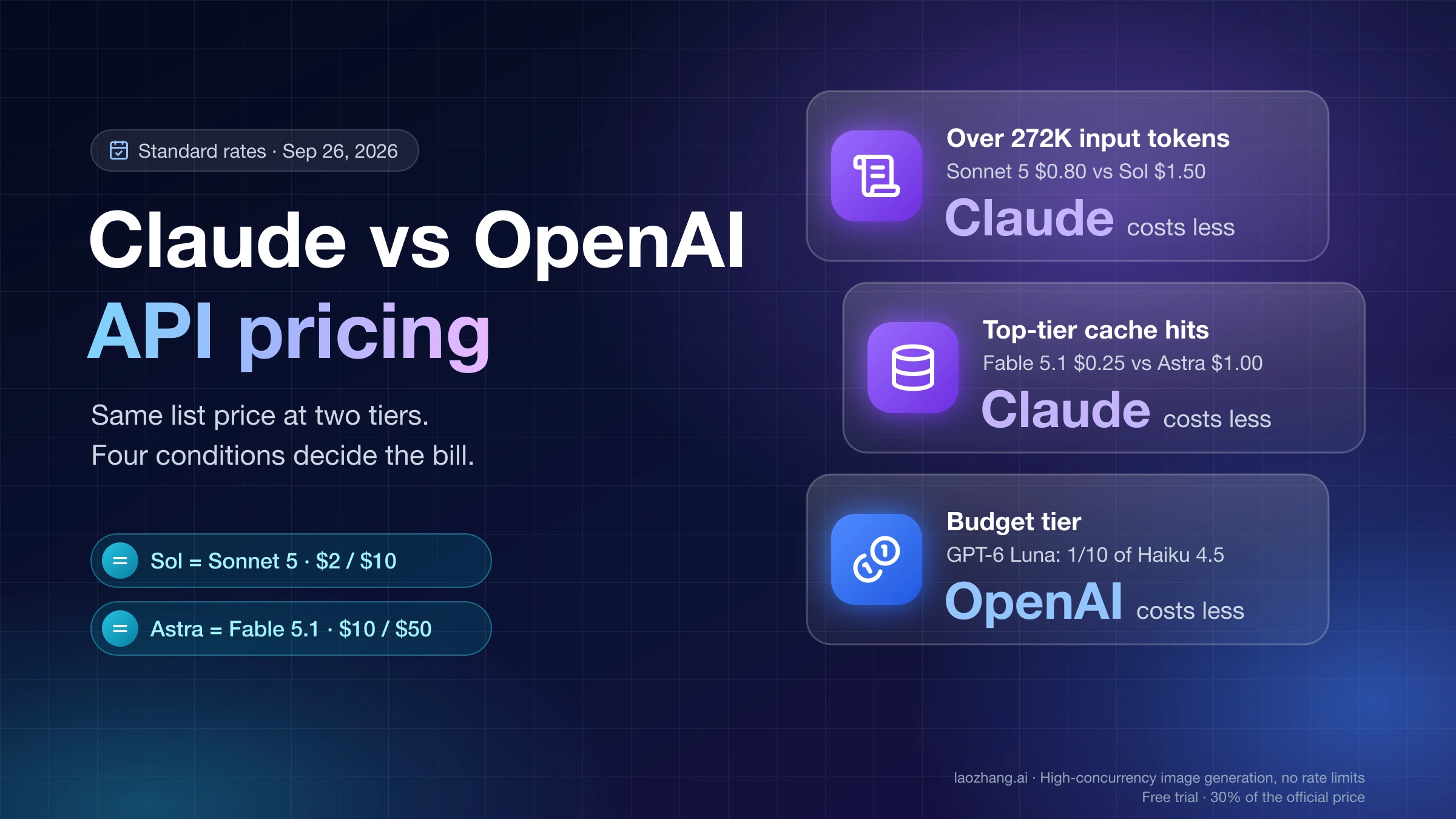
As of September 26, 2026, GPT-6 Sol matches Sonnet 5 and Astra matches Fable 5.1 on list price. Prompts over 272K favor Claude; Luna costs a tenth of Haiku 4.5.

As of September 26, 2026, GPT-6 Sol matches Sonnet 5 and Astra matches Fable 5.1 on list price. Prompts over 272K favor Claude; Luna costs a tenth of Haiku 4.5.

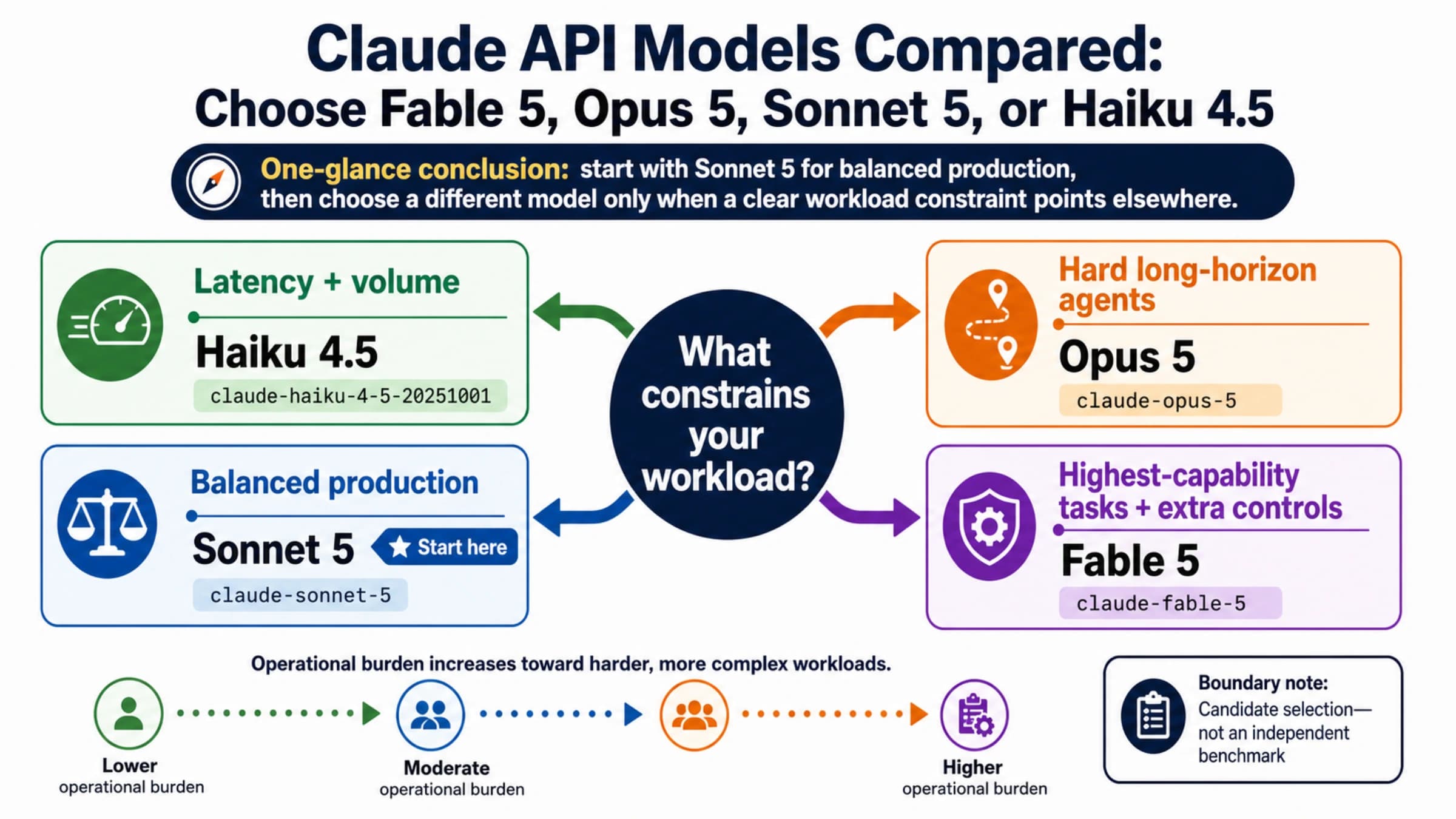
Start with Sonnet 5.5 in the Claude apps and Opus 5.5 in the API, move narrow high-volume work to Haiku 5.5, and try Fable 5.1 only when Opus falls short.

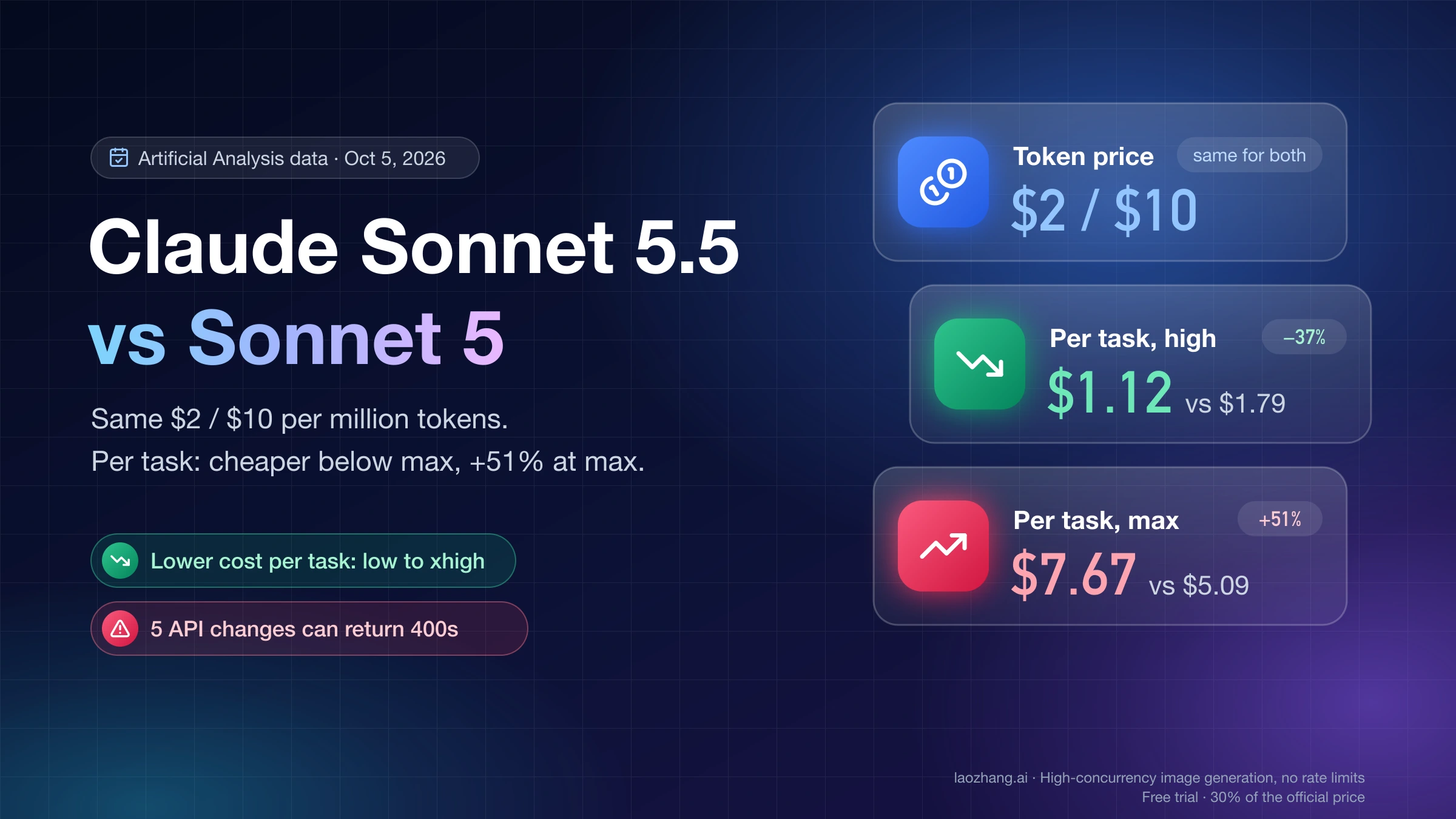
Sonnet 5.5 keeps Sonnet 5's $2/$10 token prices. On Artificial Analysis tests it costs less per task from low to xhigh effort and about 51% more at max.

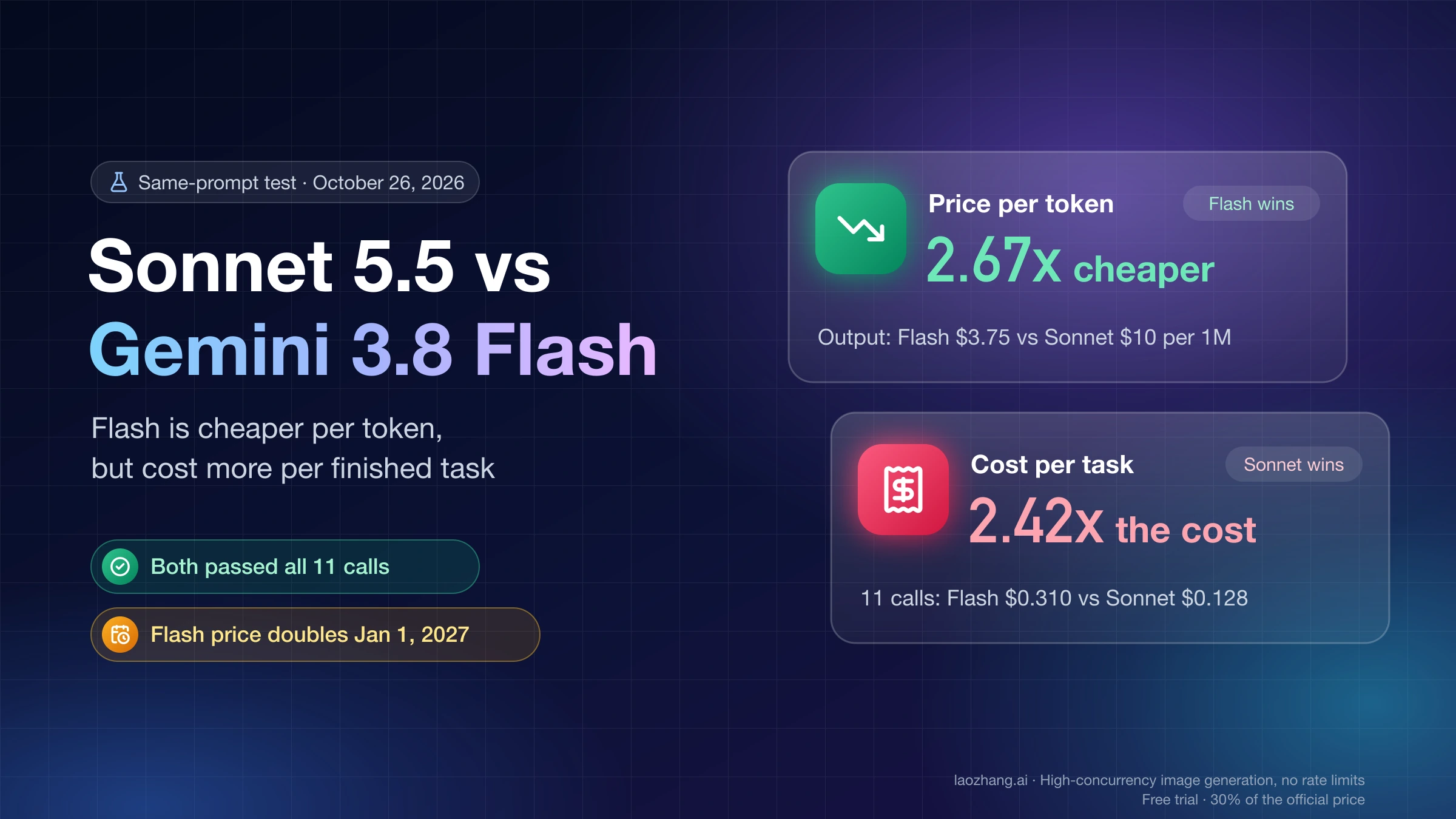
Gemini 3.8 Flash is 2.67x cheaper per token, yet on 11 identical calls at high effort on October 26, 2026 it cost 2.42x as much as Claude Sonnet 5.5.

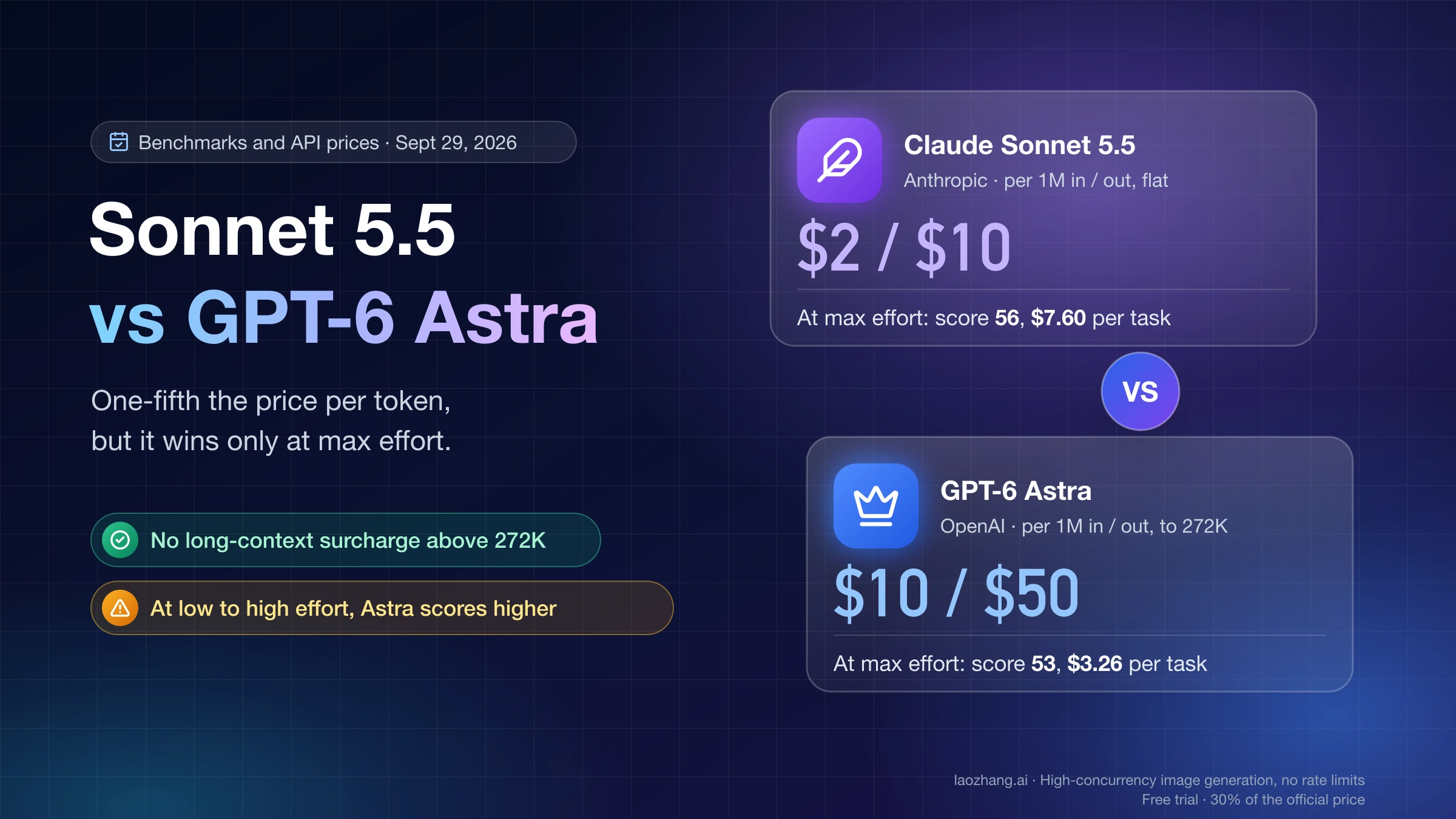
Sonnet 5.5 beats GPT-6 Astra only at max effort, at a higher cost per task. Astra leads from low to high, ties at xhigh; Sonnet's low rates win on long inputs.

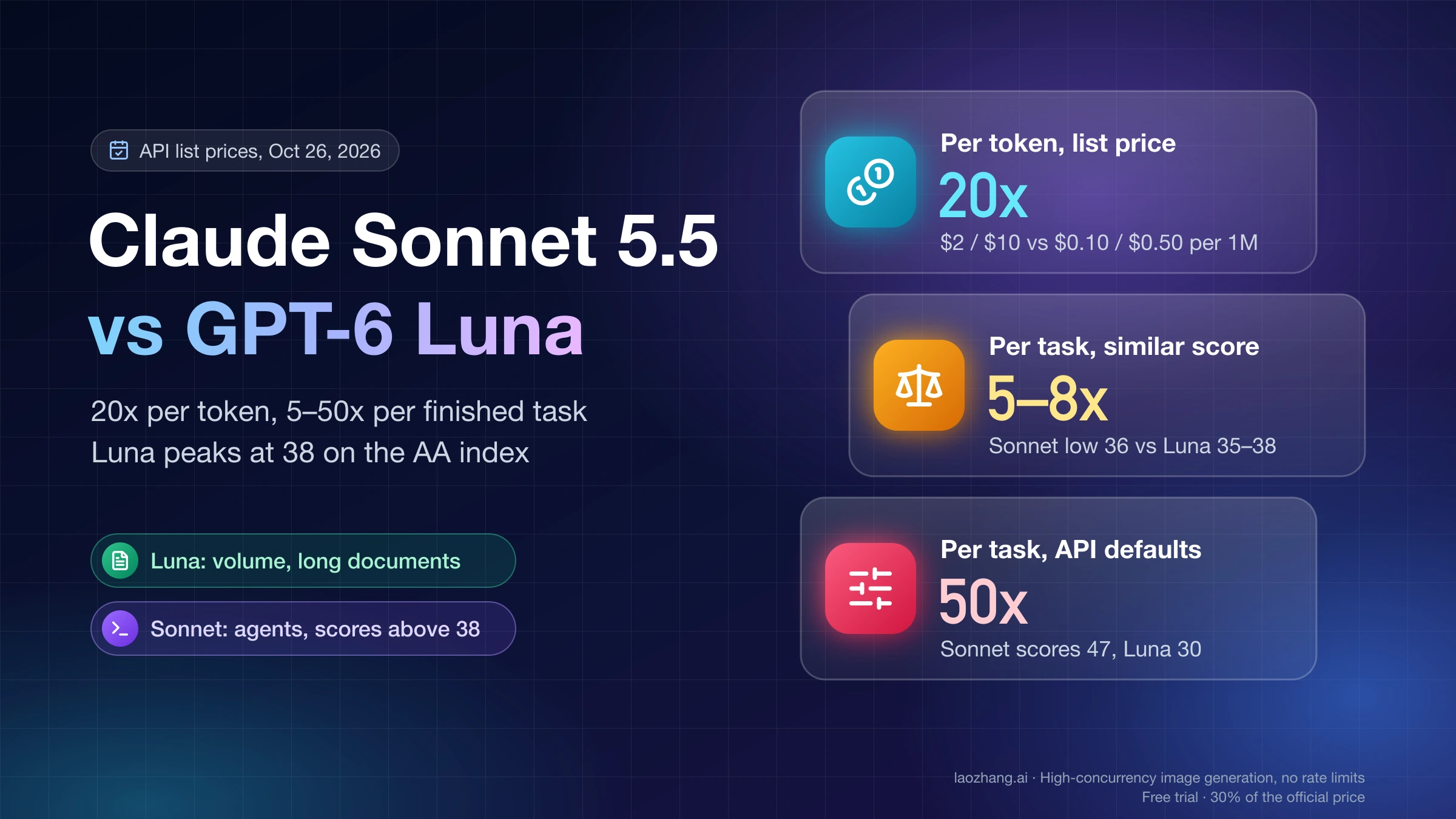
Sonnet 5.5 costs 20x GPT-6 Luna per token and 5–50x per benchmark task. Luna fits volume and long documents; Sonnet fits agentic coding and scores above 38.

Both list at $10/$50 per million tokens, but on October 26, 2026 Fable 5.1 counted 1.45x Astra's tokens for English and cost 1.5–1.6x on tasks both passed.

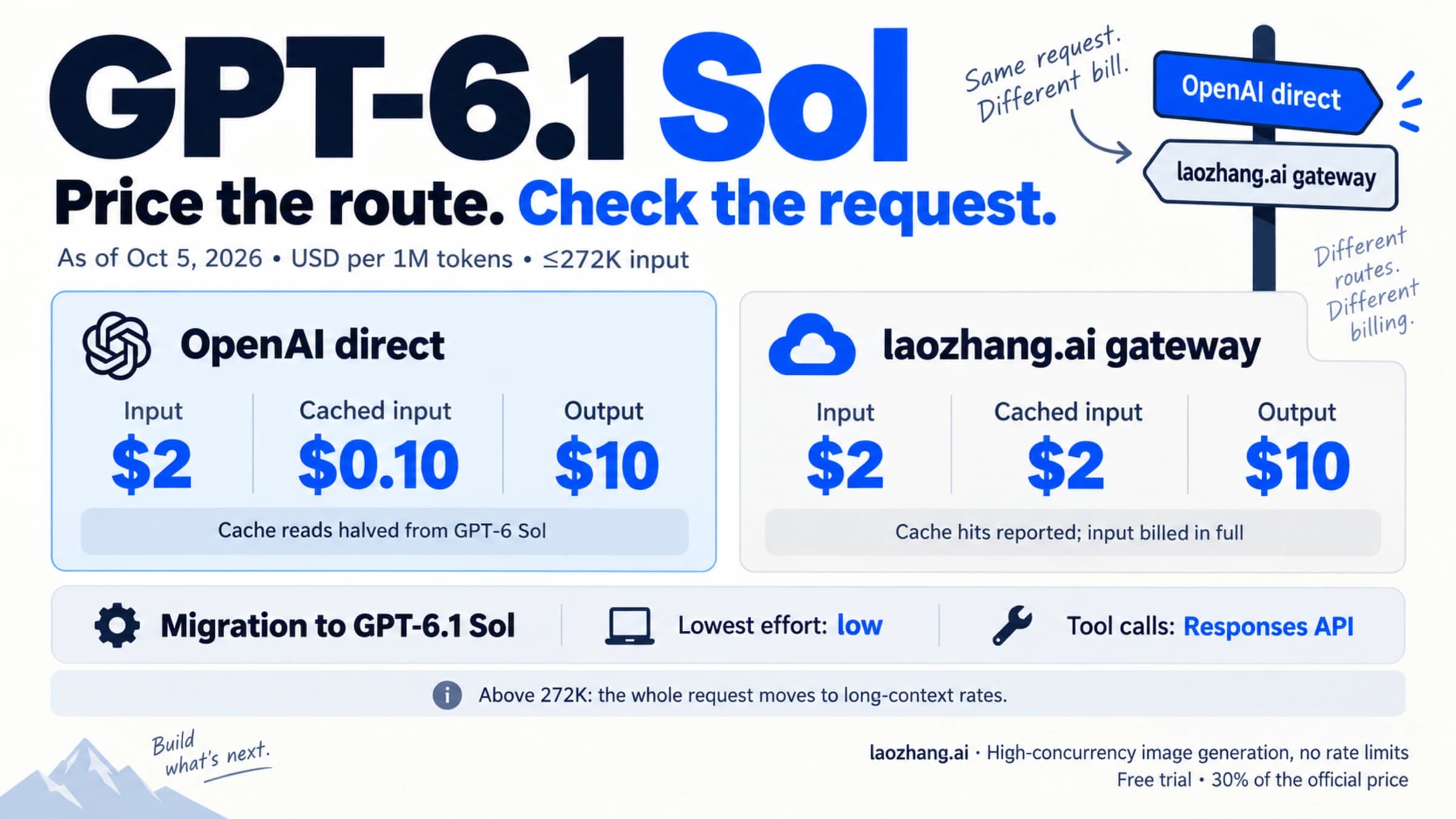
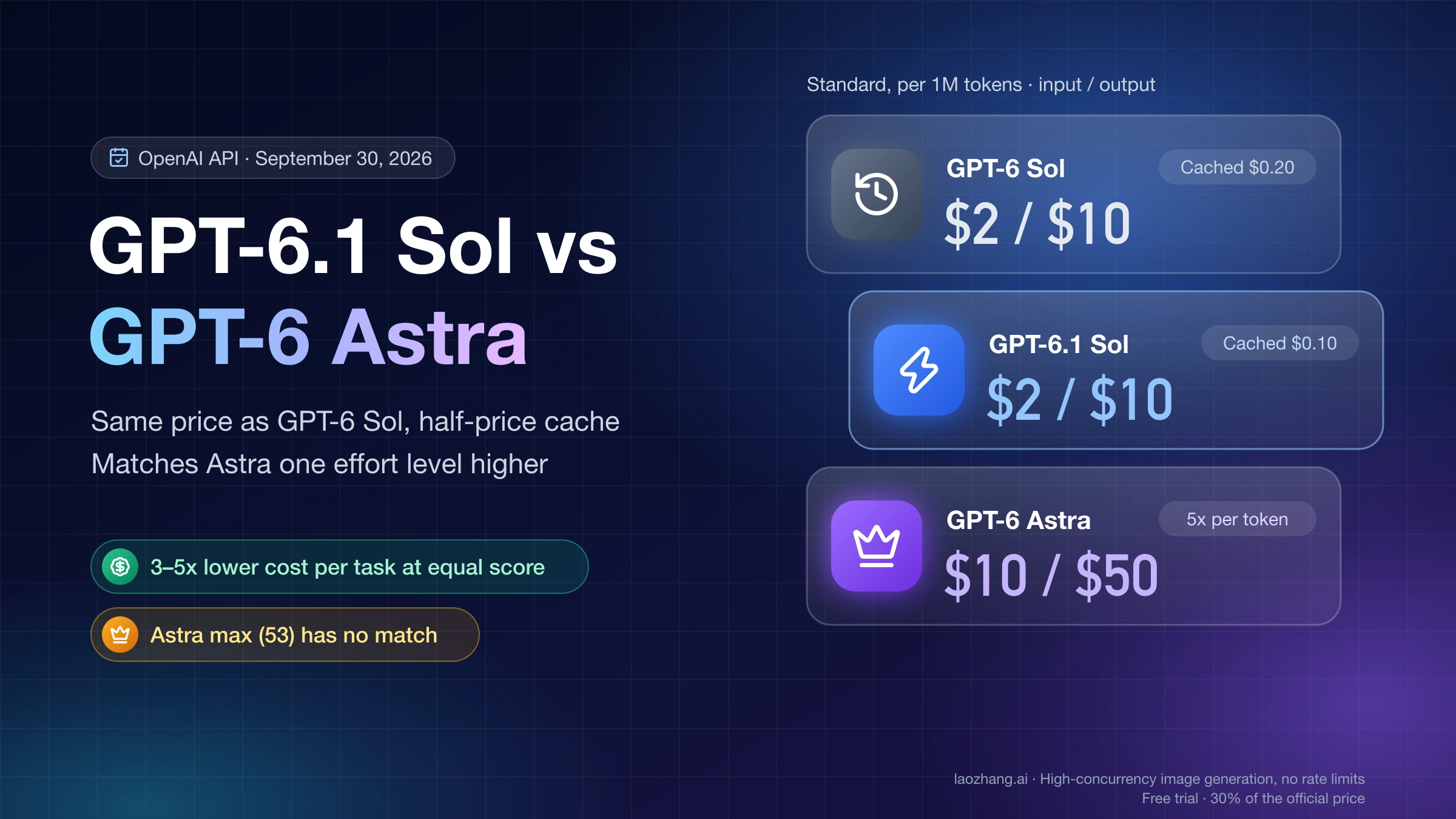
GPT-6.1 Sol keeps GPT-6 Sol's $2/$10 rates but halves cached input to $0.10. Requests using none effort or Chat Completions tools must change.

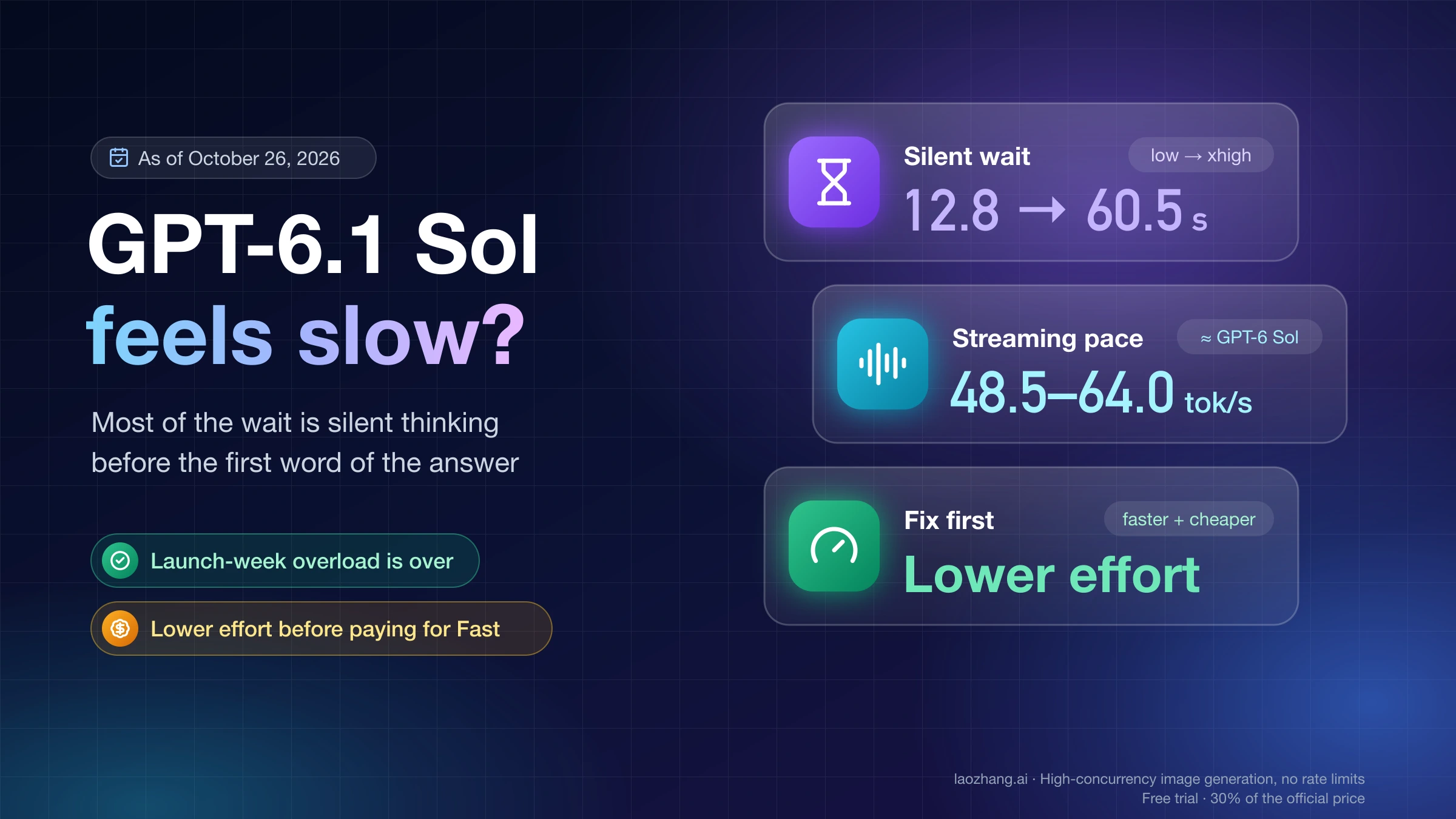
GPT-6.1 Sol's launch-week overload is over; most of today's wait is thinking before the first word. Lower the effort first, then try Fast.

Move gpt-6-sol traffic to GPT-6.1 Sol: same price, higher scores at every effort. Run it one level higher to match Astra for 3–5x less; Astra max has no equal.

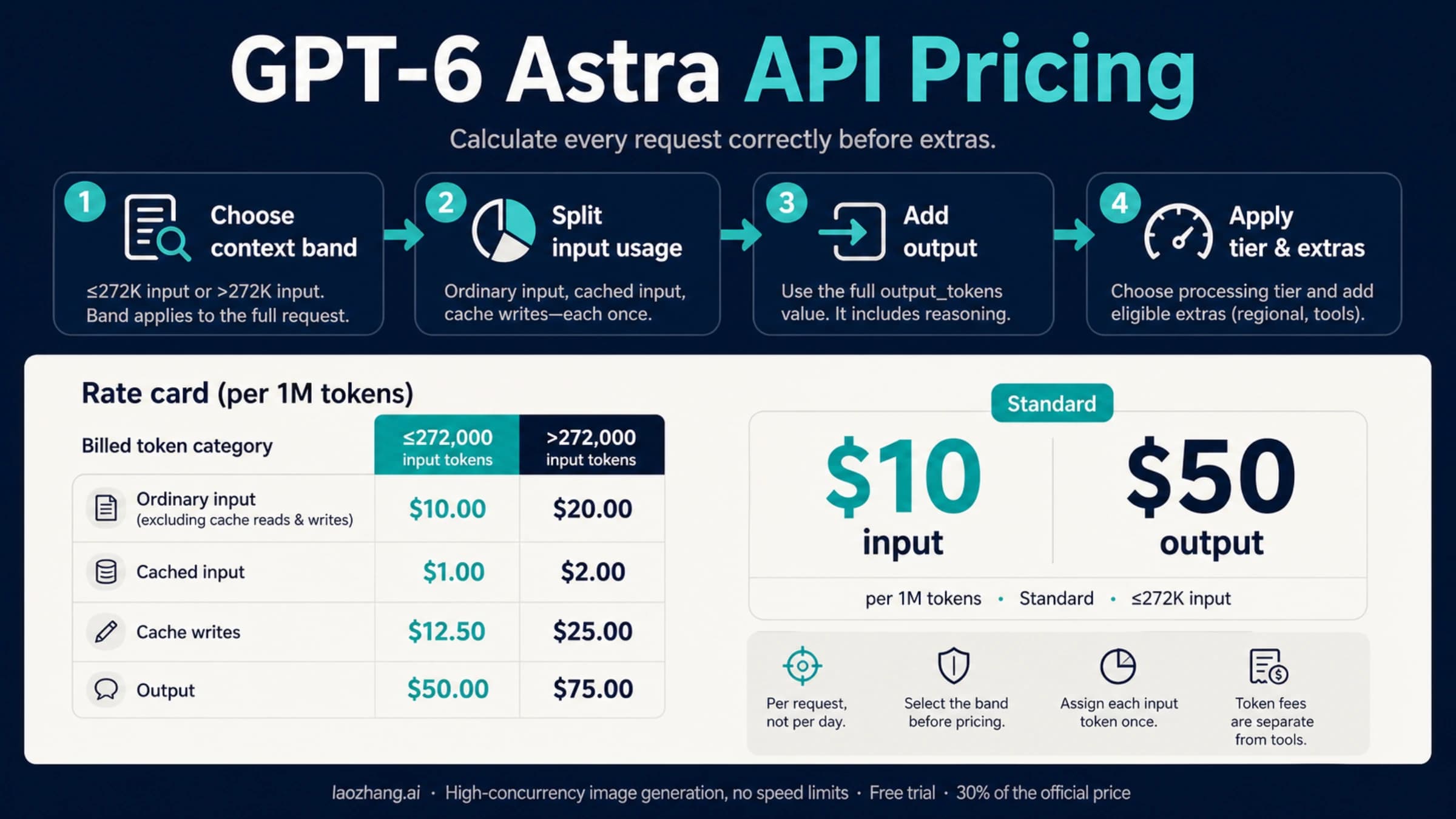
GPT-6 Astra costs $10 input and $50 output per 1M tokens up to 272K. Caching is on by default; writes cost $12.50 (30 min) or $25 (12 h) as of October 26, 2026.

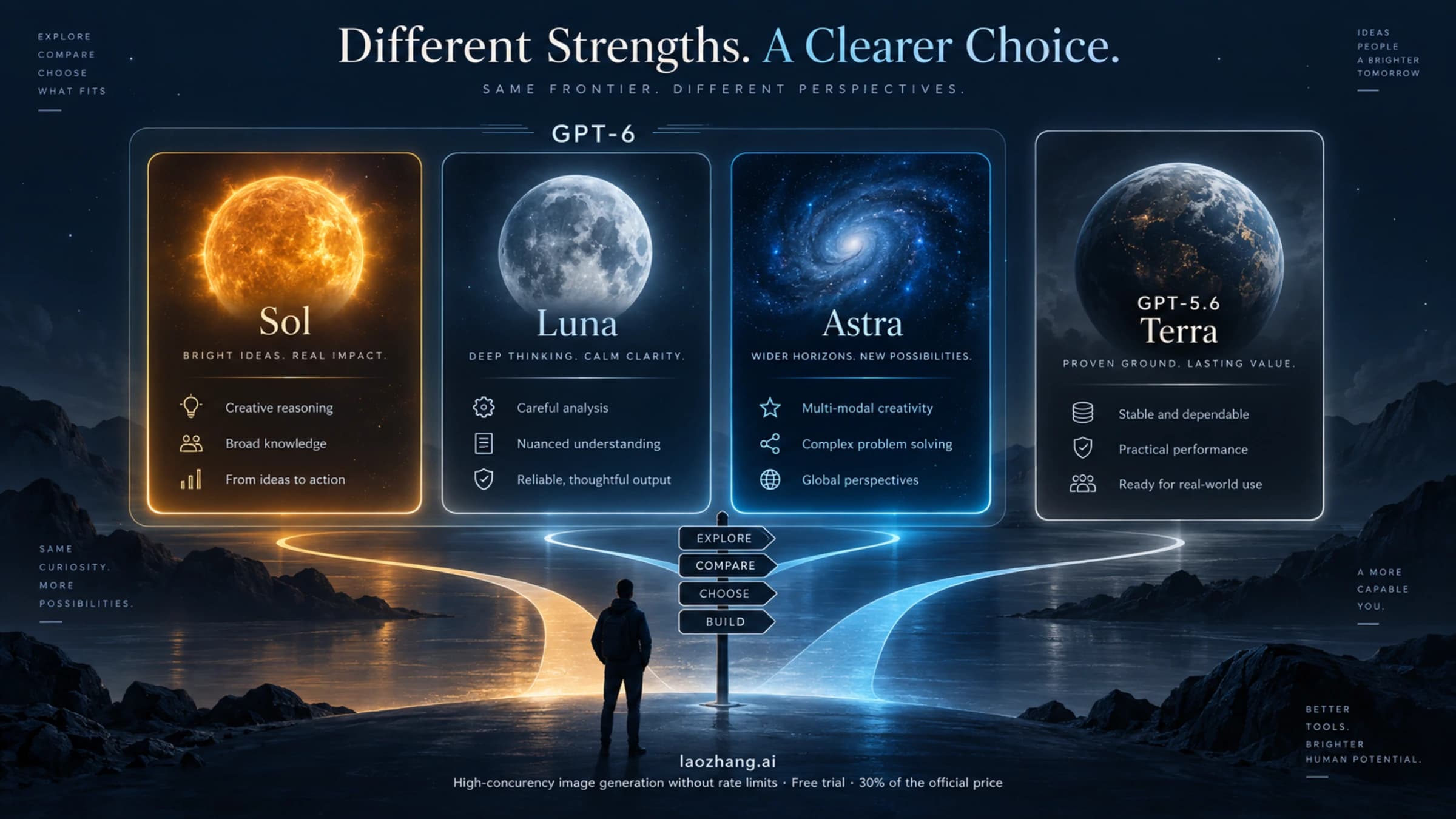
The current Sol is GPT-6.1 Sol; Luna and Astra are GPT-6, and Terra is GPT-5.6. Compare direct-API rates, then test cost per accepted task before switching.

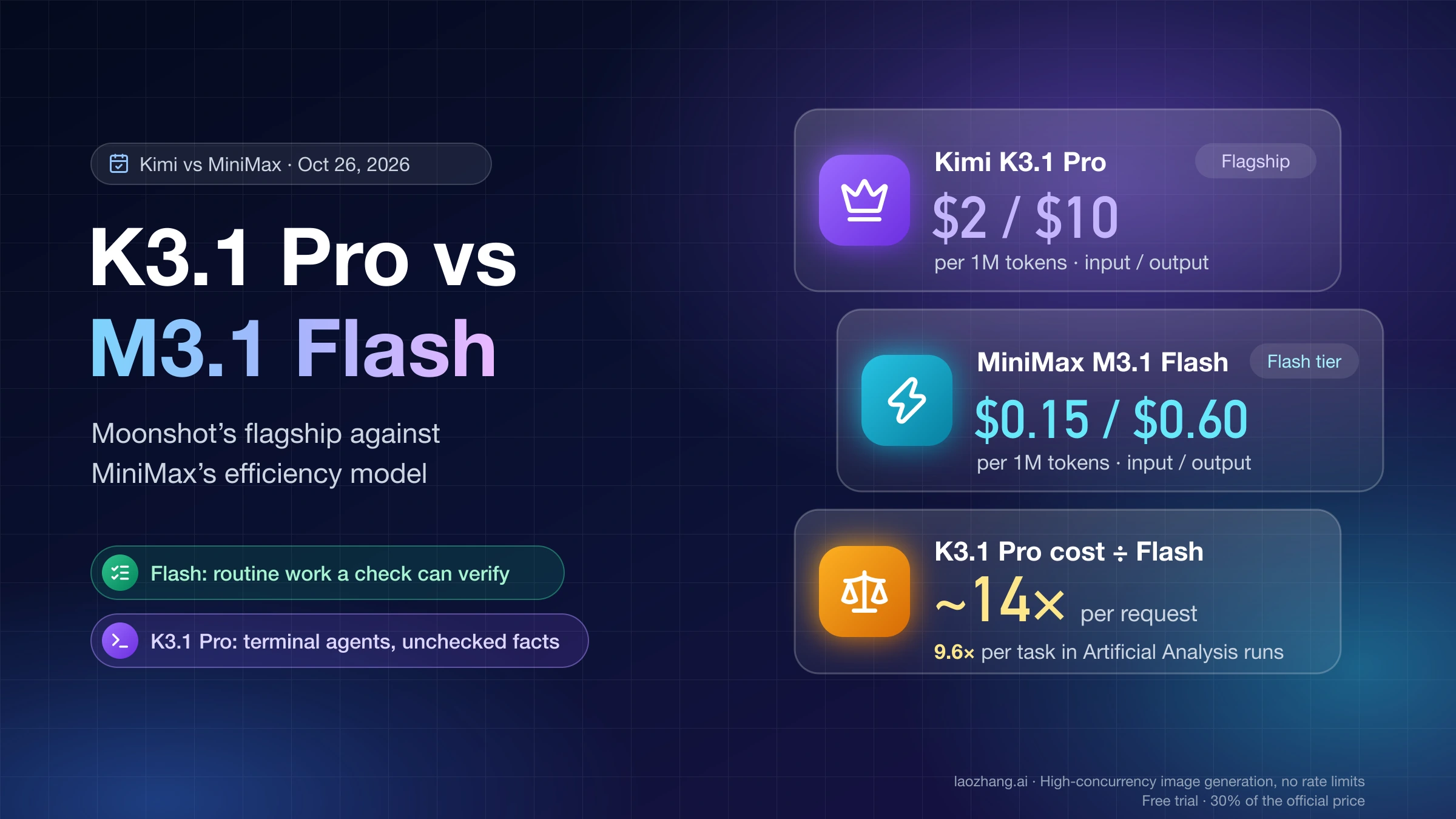
Kimi K3.1 Pro costs about 14× MiniMax M3.1 Flash per request. Flash holds up on routine, checkable work; K3.1 Pro earns its price on agents and facts.

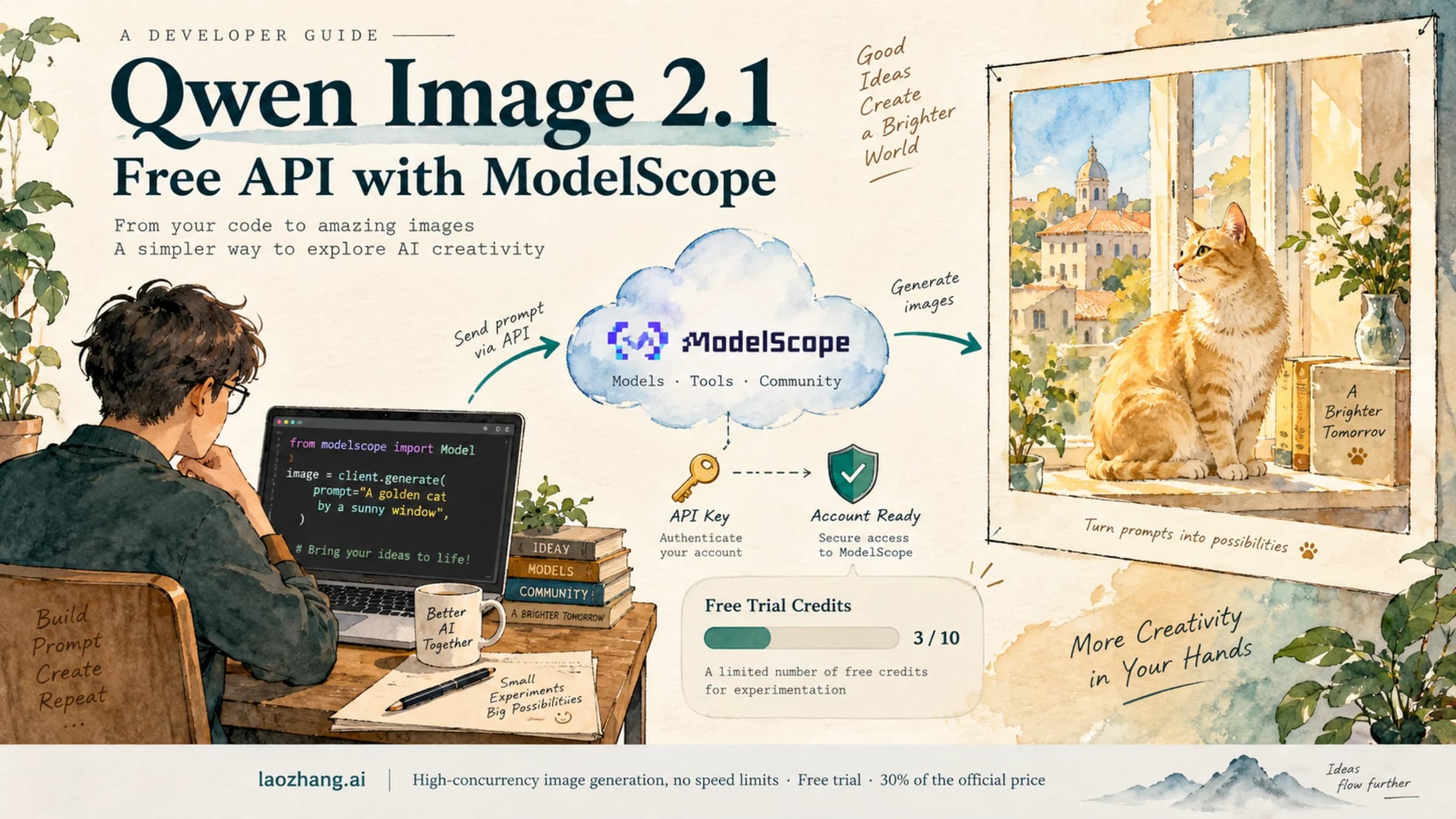
ModelScope runs a free Qwen-Image-2.1 API once you bind a real-name-verified Alibaba Cloud account. At 1 credit per call, that tops out near 250 calls a day.

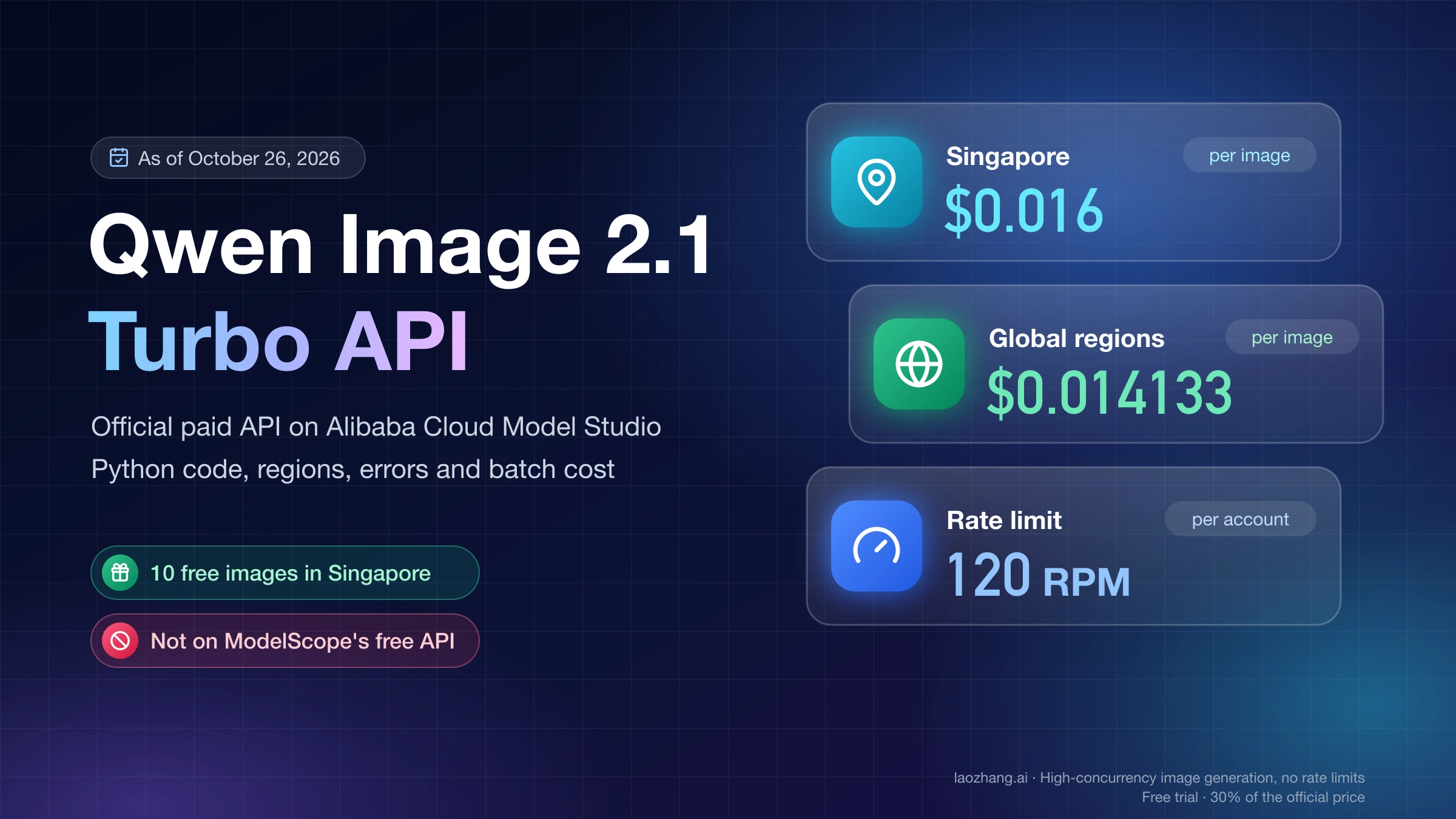
Turbo is live on Alibaba Cloud Model Studio at $0.016 per image in Singapore or $0.014133 in the Global regions, 120 RPM per account. Python code included.

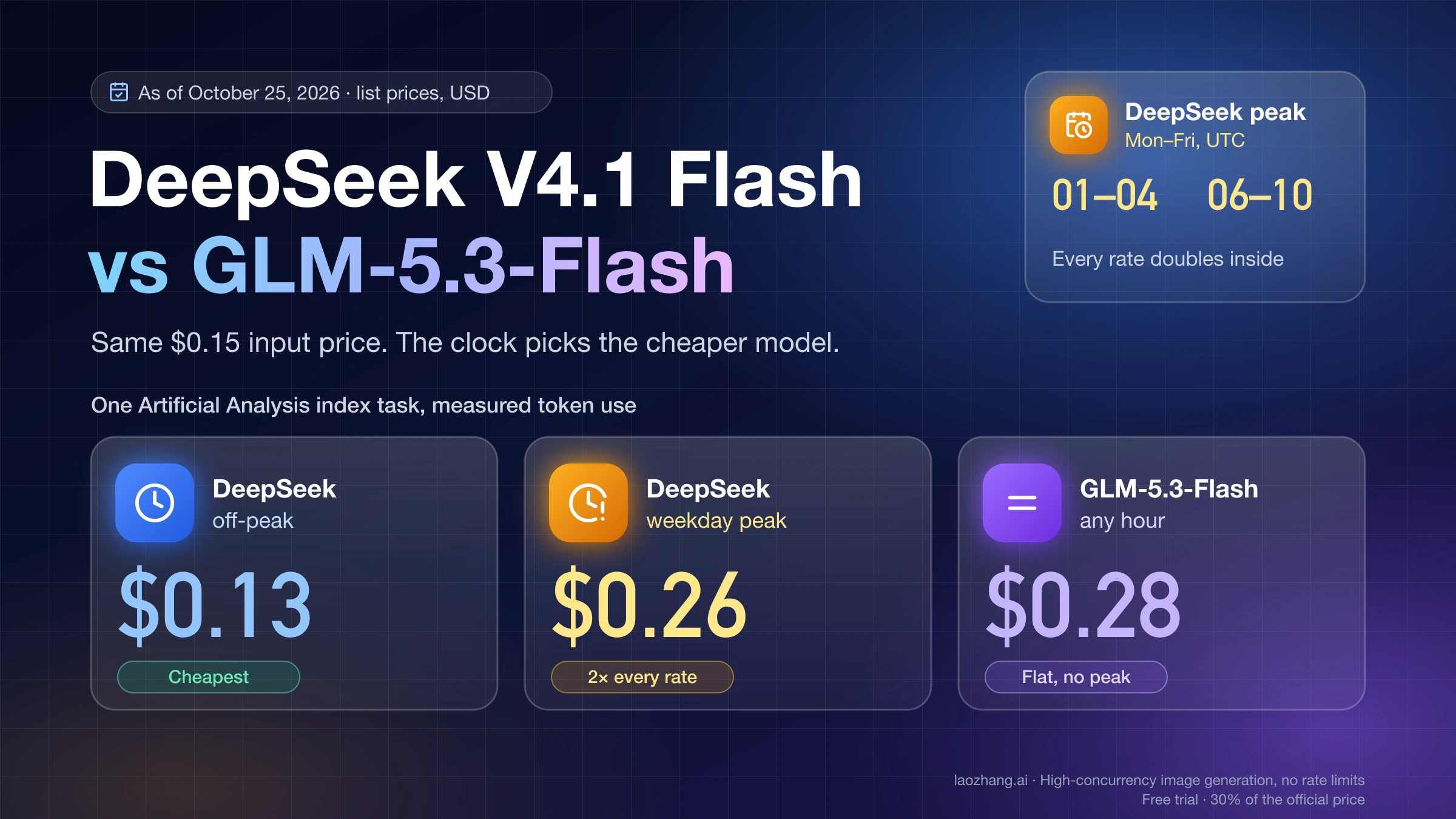
Both list $0.15 per 1M input. Off-peak, DeepSeek V4.1 Flash wins on agent loops and short calls; at its weekday peak, GLM-5.3-Flash often costs less.

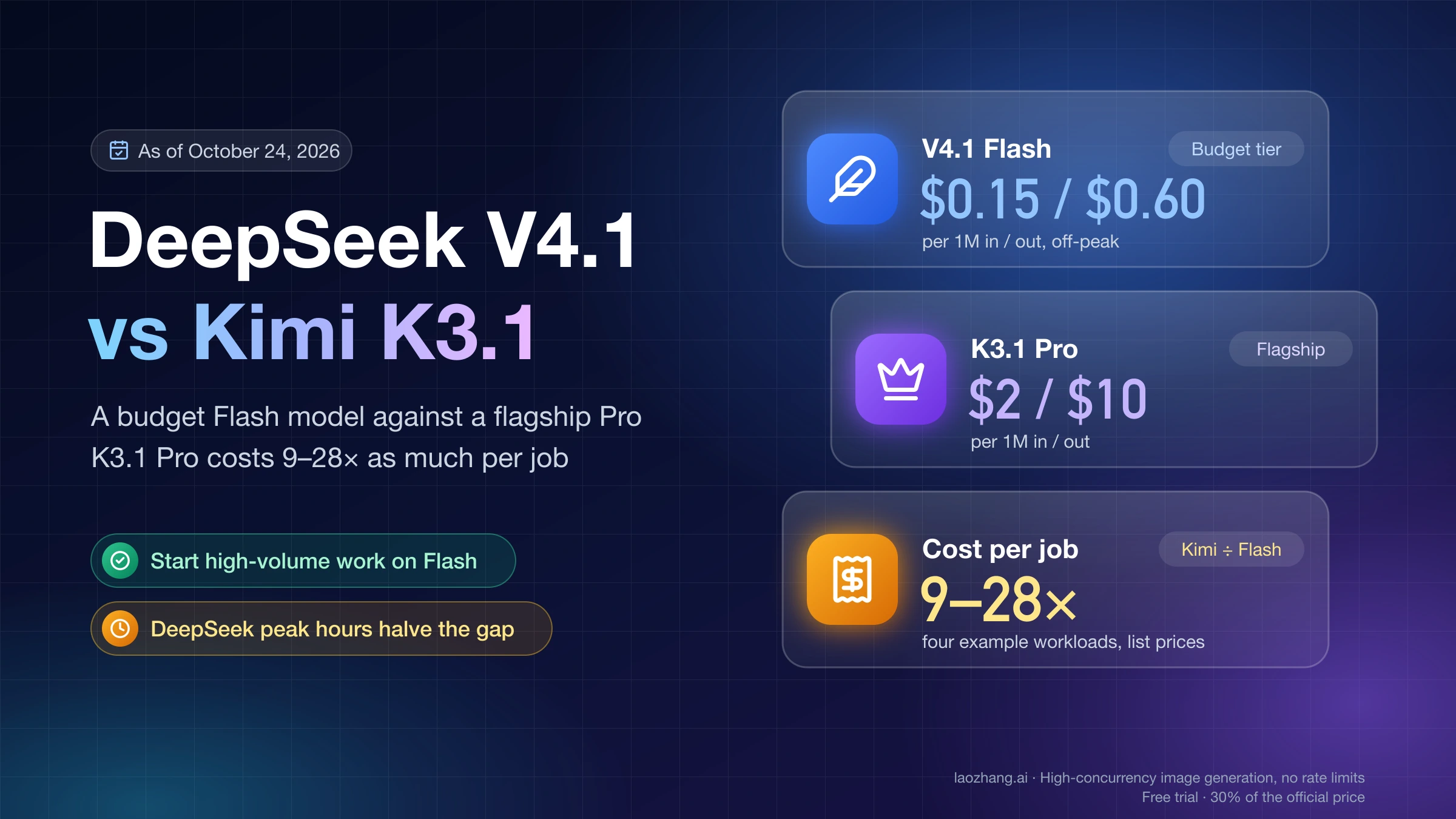
DeepSeek V4.1 is only Flash and Kimi K3.1 only Pro. In an October 25, 2026 test, both got the 3 graded tasks right; K3.1 Pro cost 12.8× as much, 3× slower.

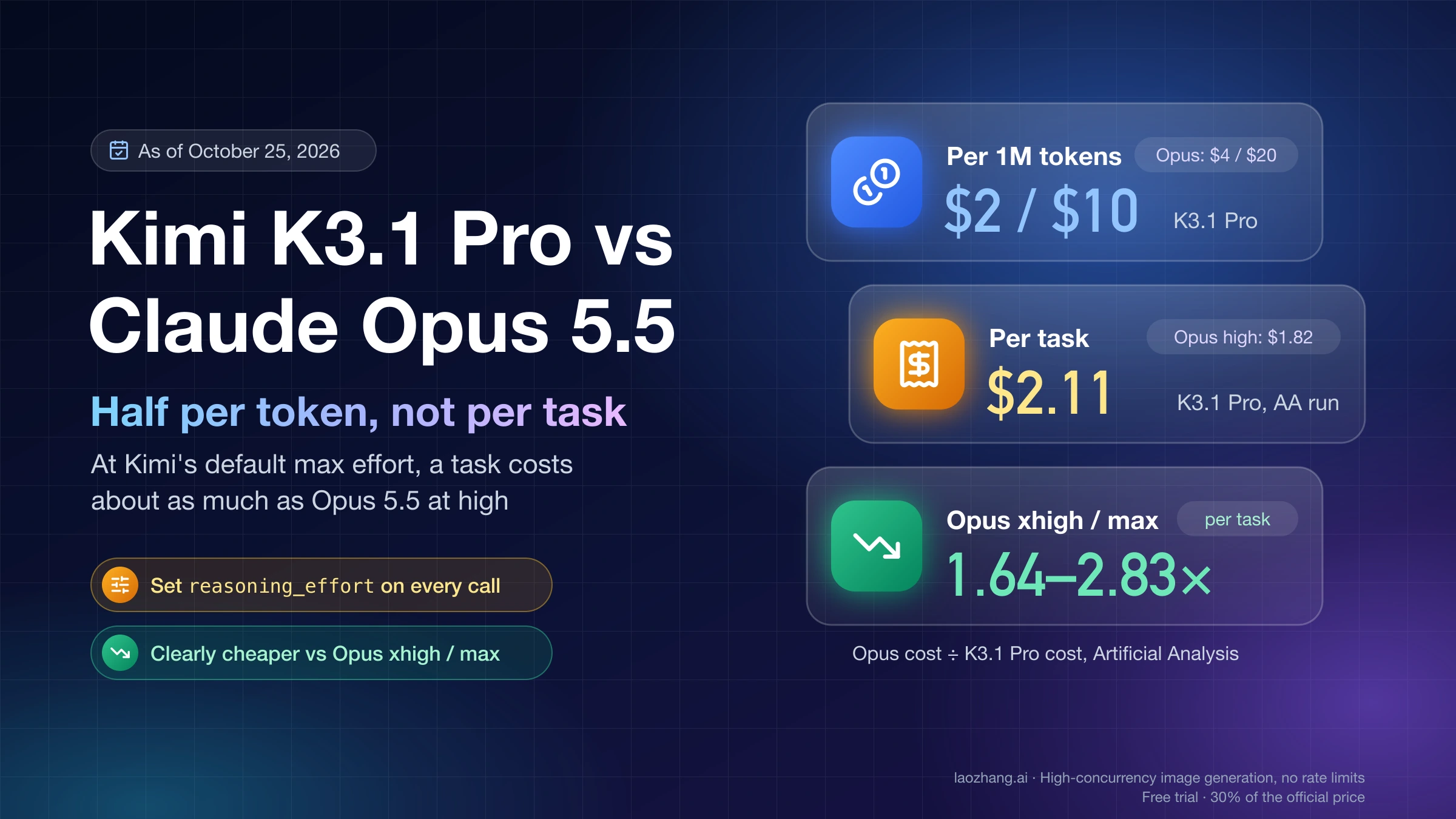
K3.1 Pro's $2/$10 is half of Opus 5.5's $4/$20 per token, yet at Kimi's default max effort a task can cost as much as Opus. Set effort before you switch.

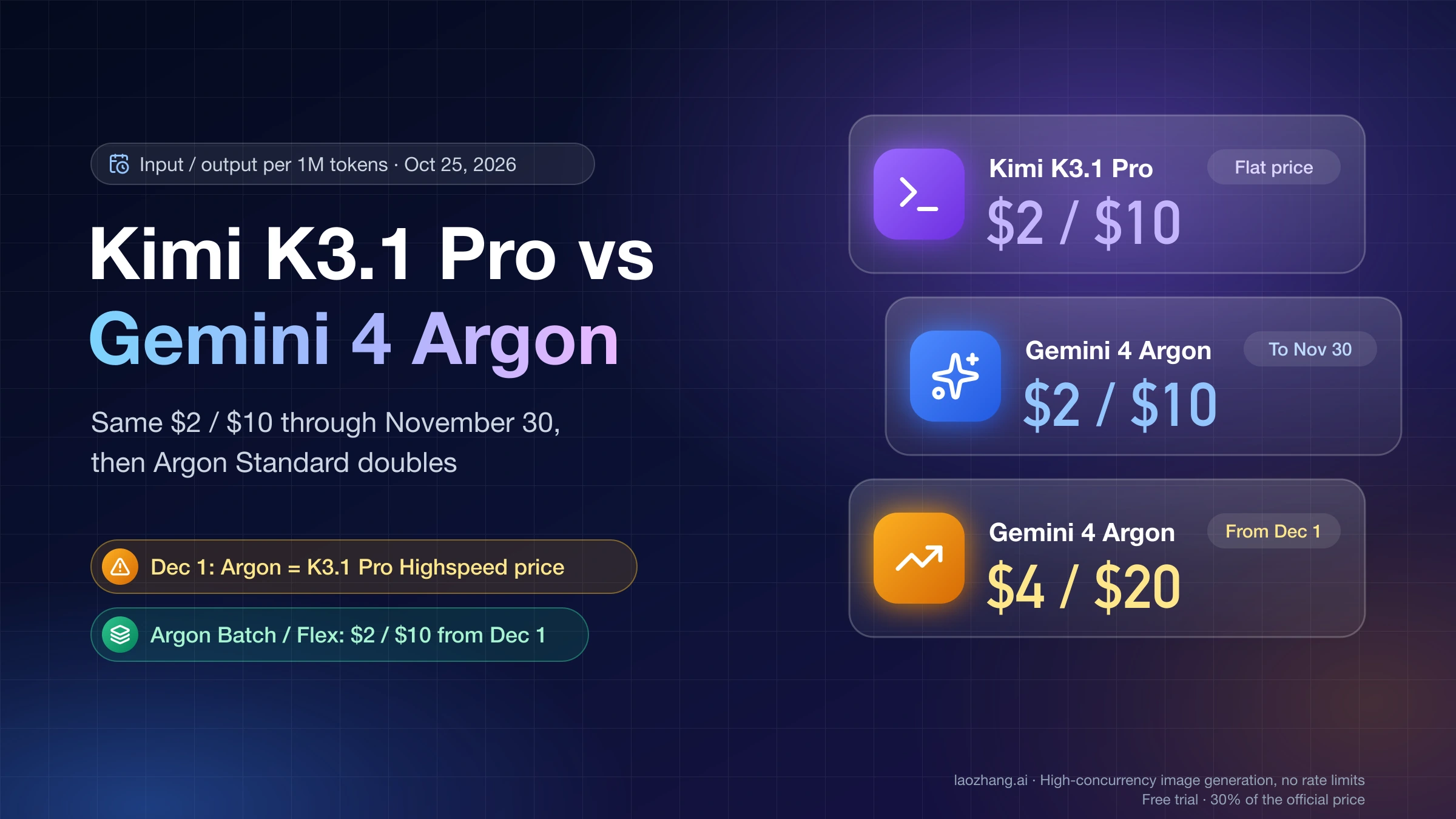
Both list at $2/$10 per 1M tokens through November 30, 2026, then Argon doubles. K3.1 Pro leads terminal coding and long context; Argon leads factual recall.

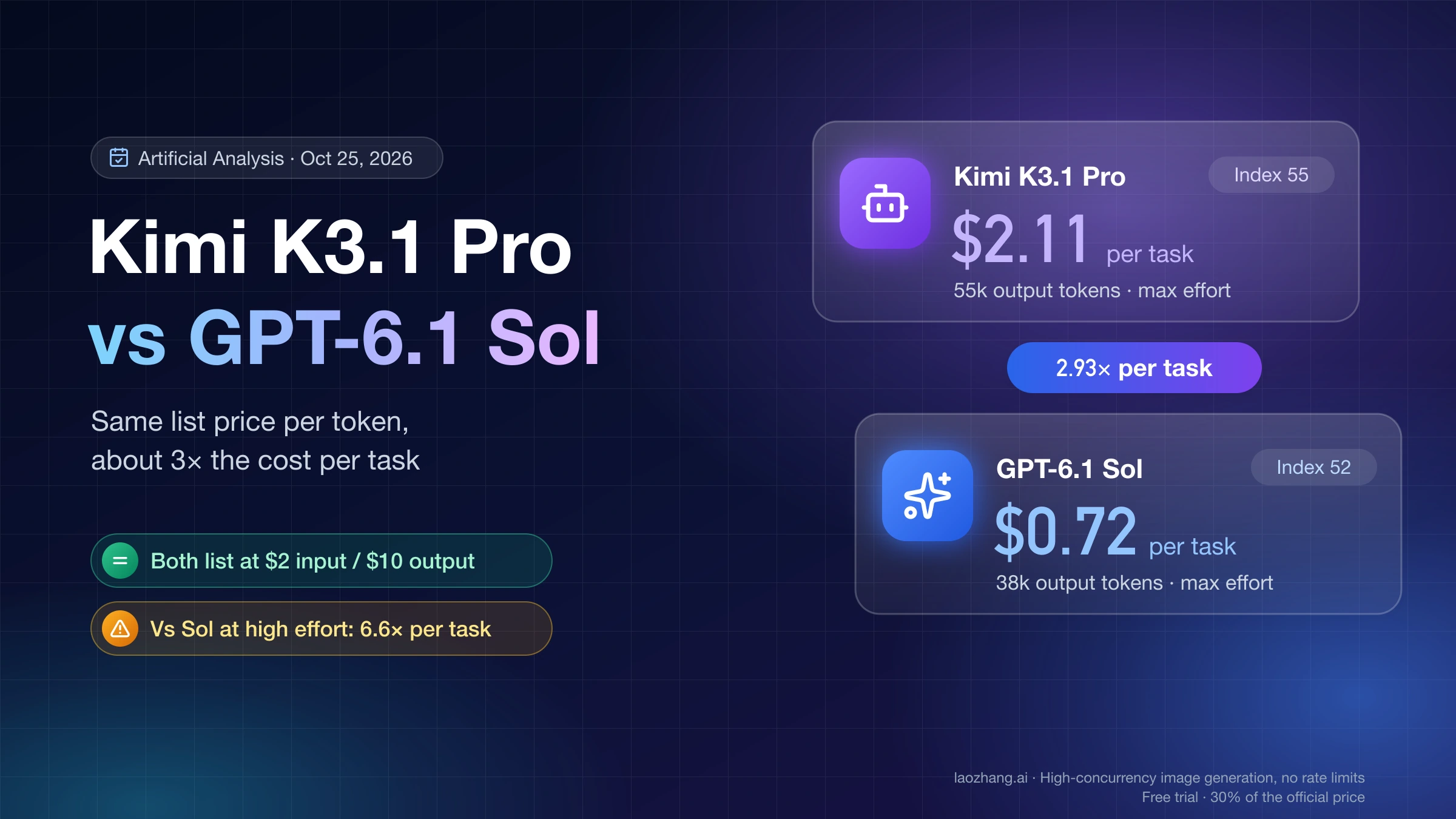
Both list at $2/$10 per million tokens, but Artificial Analysis puts K3.1 Pro at $2.11 per task against $0.72 for Sol at max. Pick by workload, not list price.

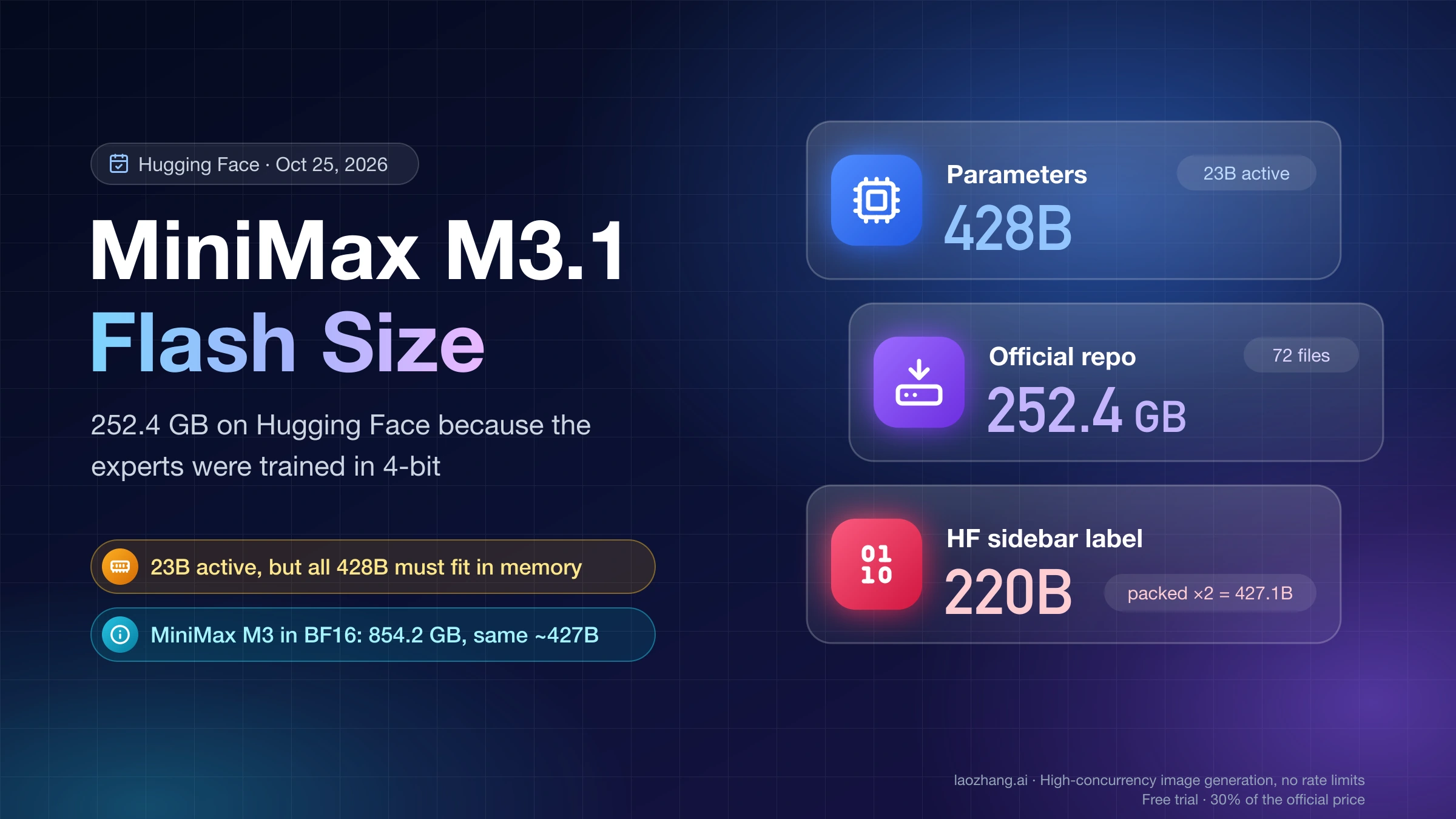
MiniMax M3.1 Flash has 428B parameters (23B active) and a 252.4 GB official download. “Flash” means 4-bit experts, not a smaller model than M3.

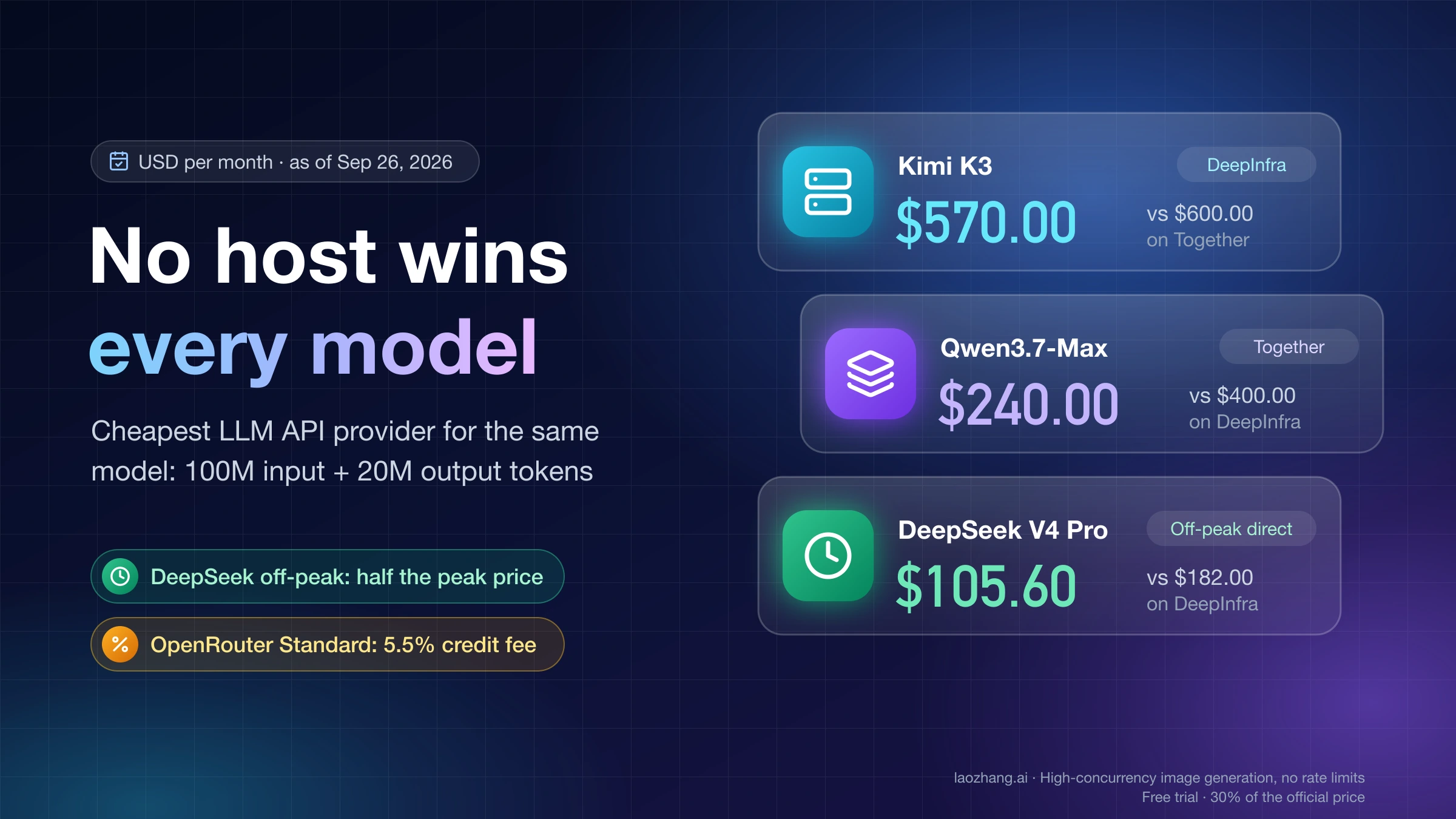
No provider wins for every model. As of October 24, 2026, DeepSeek direct off-peak costs half of hosts charging its peak rate; check versions and router fees.

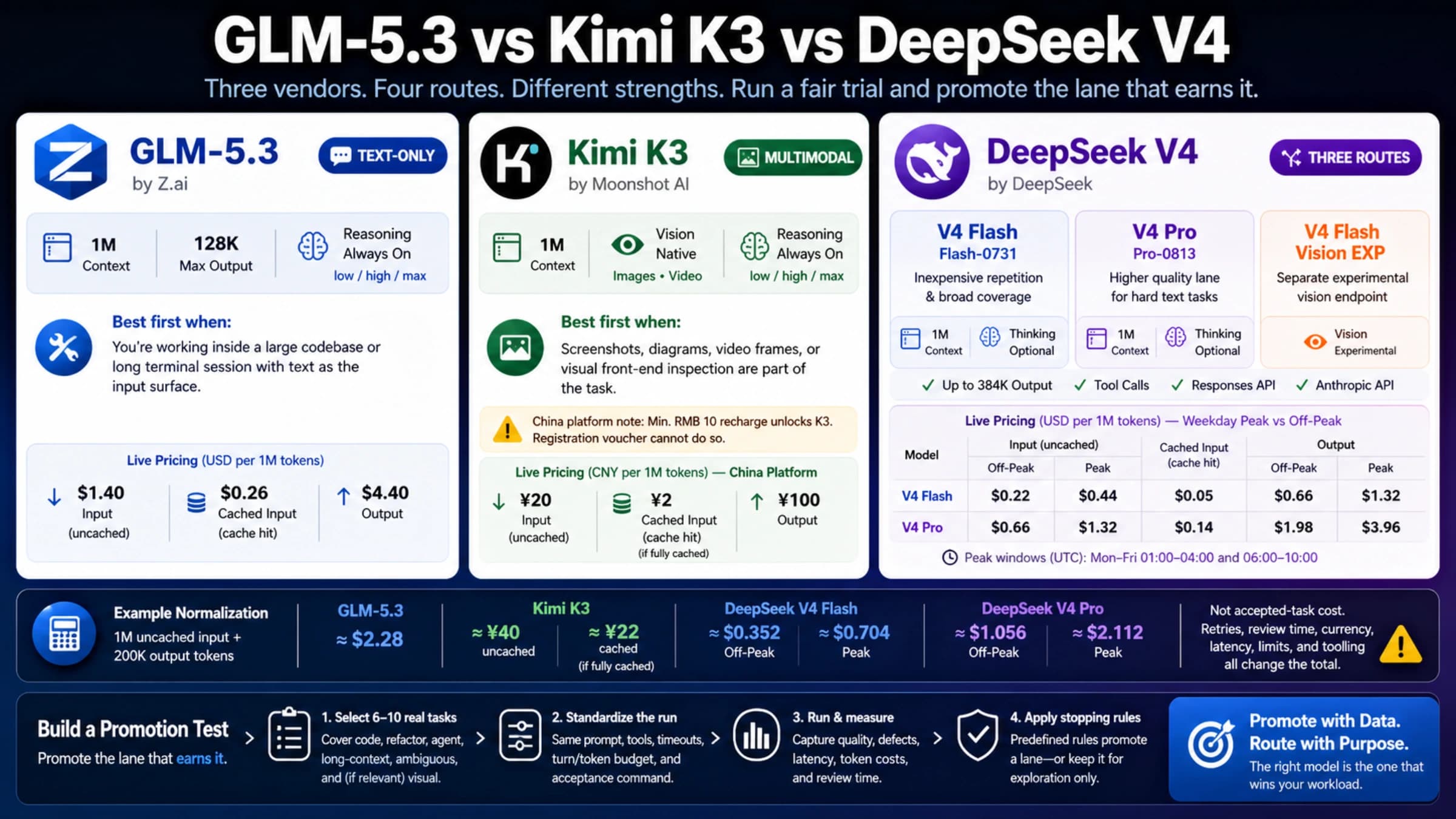
Test GLM-5.3 first for text-only work, Kimi K3.1 Pro or K3 when images are in the loop, DeepSeek V4.1 Flash for cheap repeats, and V4 Pro for hard text tasks.

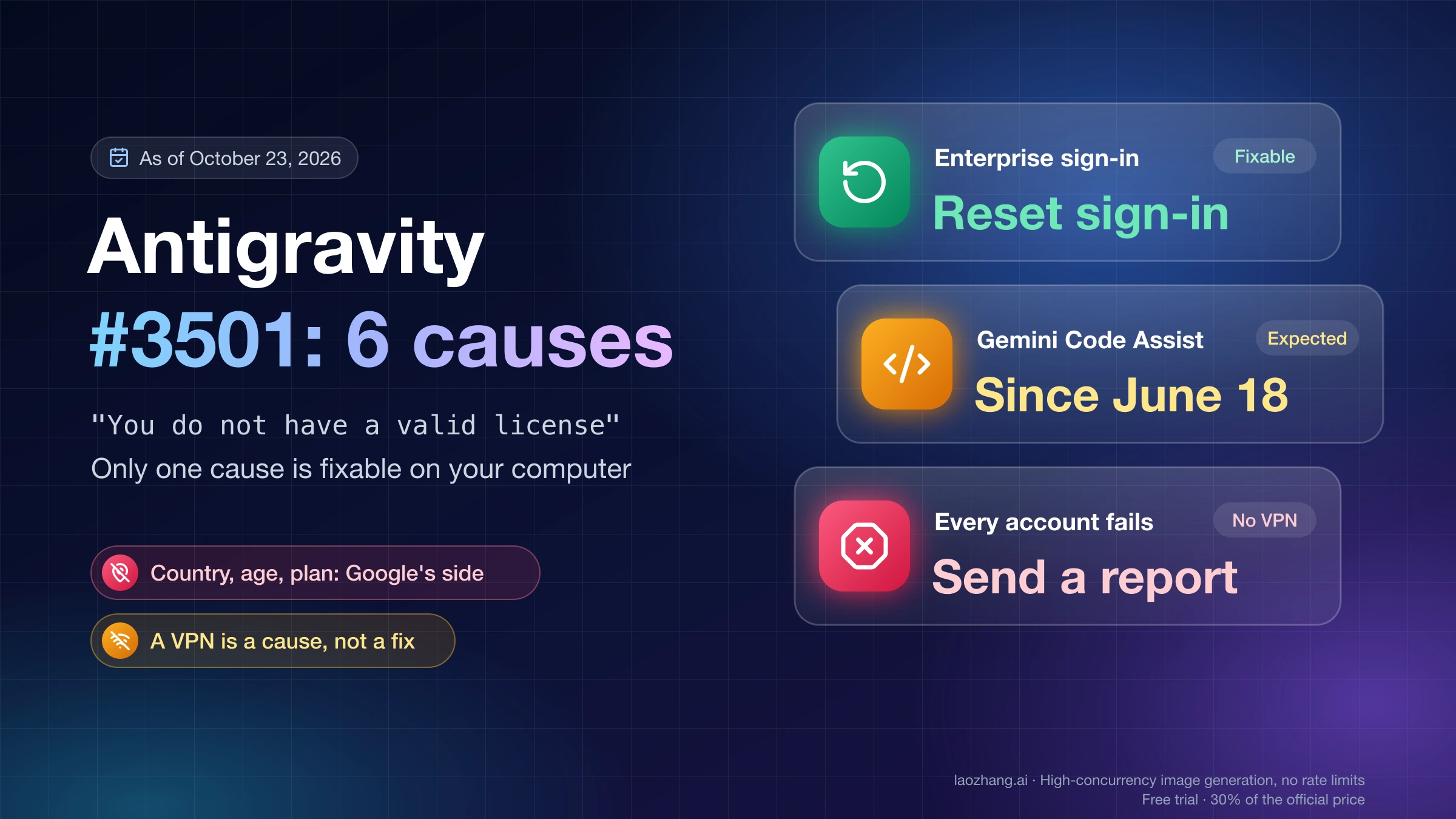
Antigravity #3501 on a personal account: reset the cached enterprise sign-in first. If every account fails with no VPN, it's a region or account block.