LatestModel Comparisons
Claude Opus 5.5 vs GPT-6.1 Terra: 1/9 the Cost Only at Max
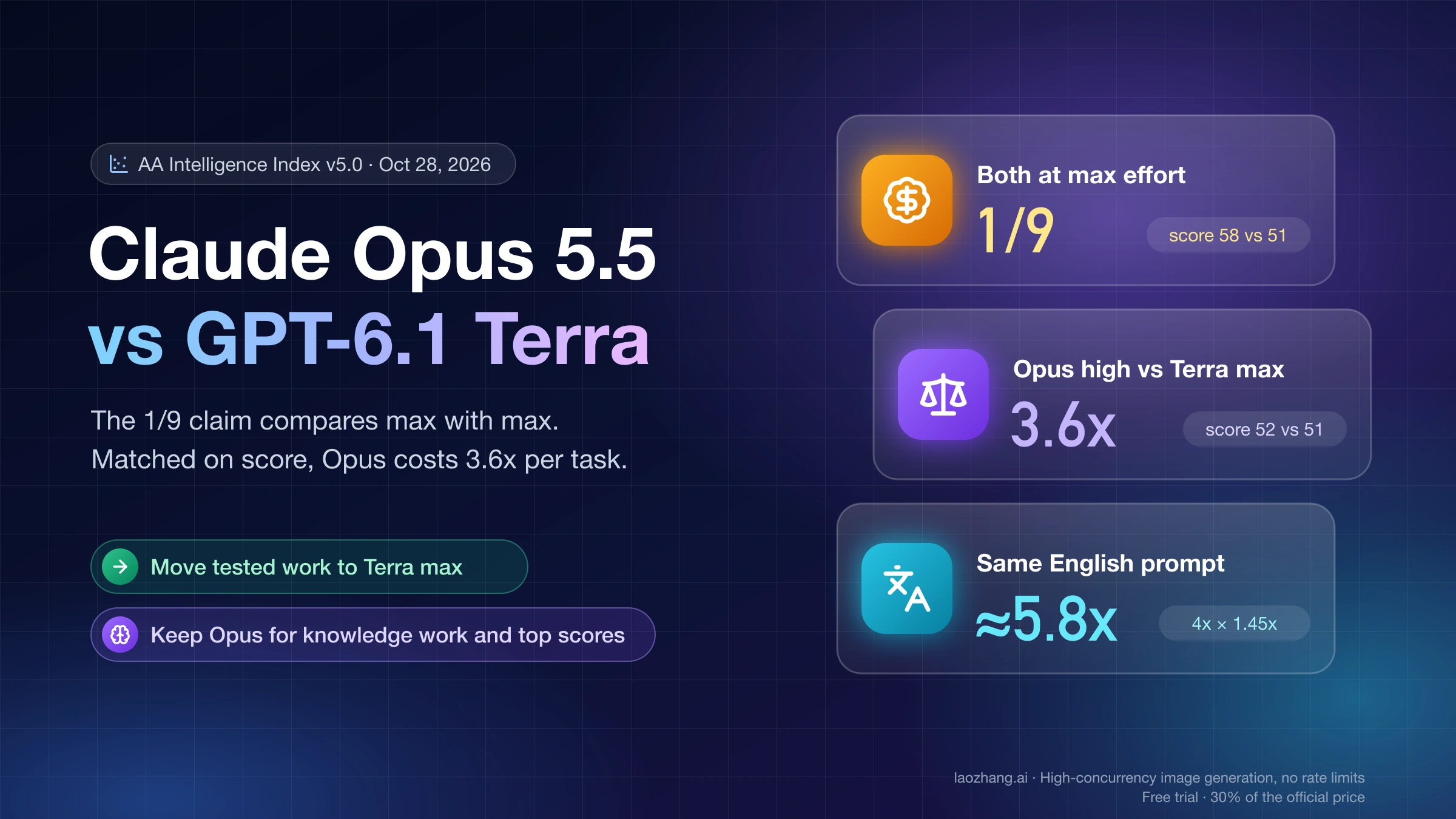
GPT-6.1 Terra's 1/9 cost claim is max vs max. At equal AA scores, Opus 5.5 high costs 3.6x Terra max per task, and English input bills about 5.8x.
16 min
GPT-6.1 Terra's 1/9 cost claim is max vs max. At equal AA scores, Opus 5.5 high costs 3.6x Terra max per task, and English input bills about 5.8x.
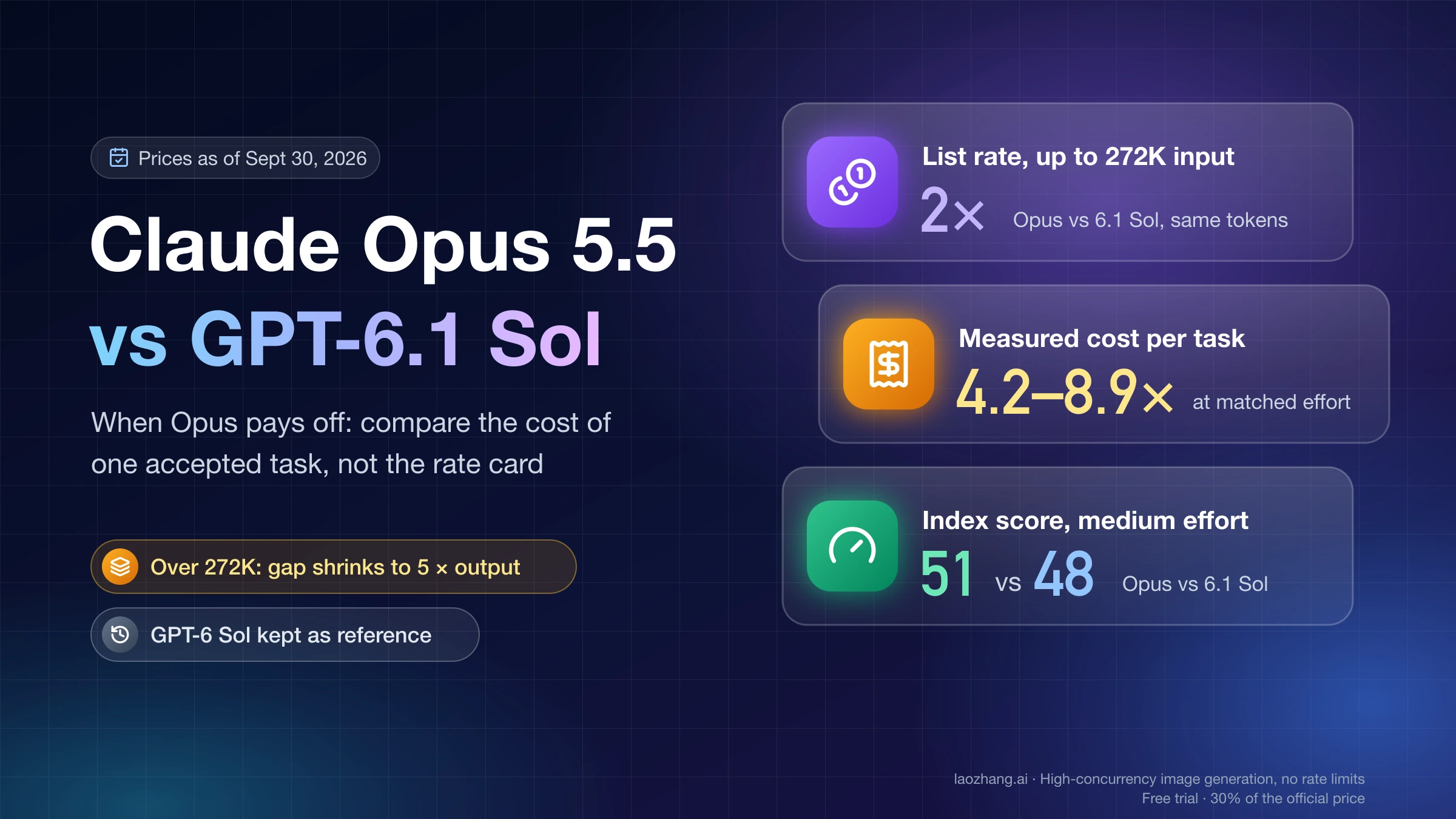
Against GPT-6.1 Sol, Opus 5.5 costs exactly 2x per token under 272K input and stays pricier above. Opus scores higher; pay only where it passes more tasks.
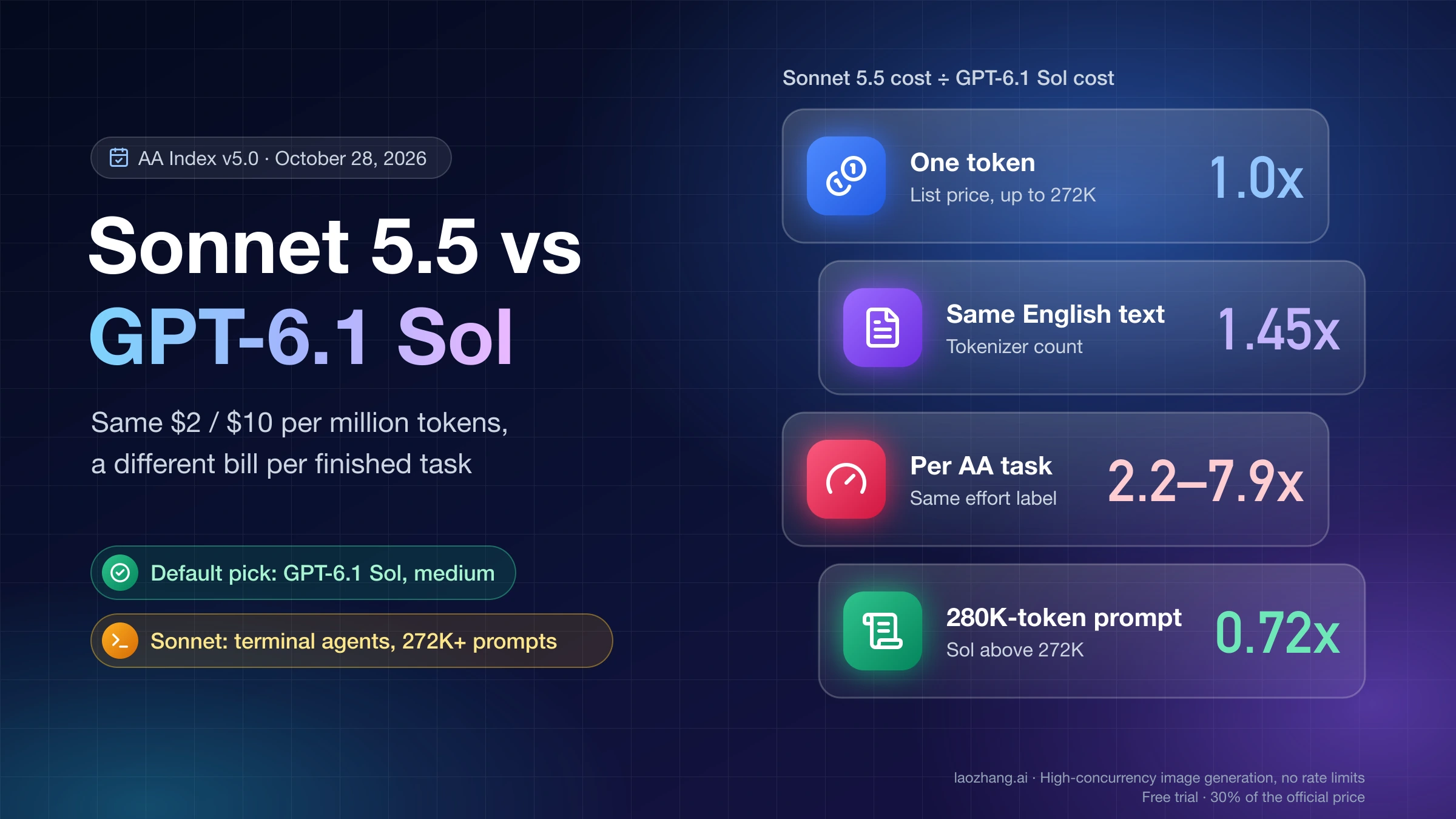
Same $2/$10 list price, but Sonnet 5.5 costs 2.2–7.9x GPT-6.1 Sol per AA task. Start on Sol; use Sonnet for terminal agents and prompts over 272K tokens.
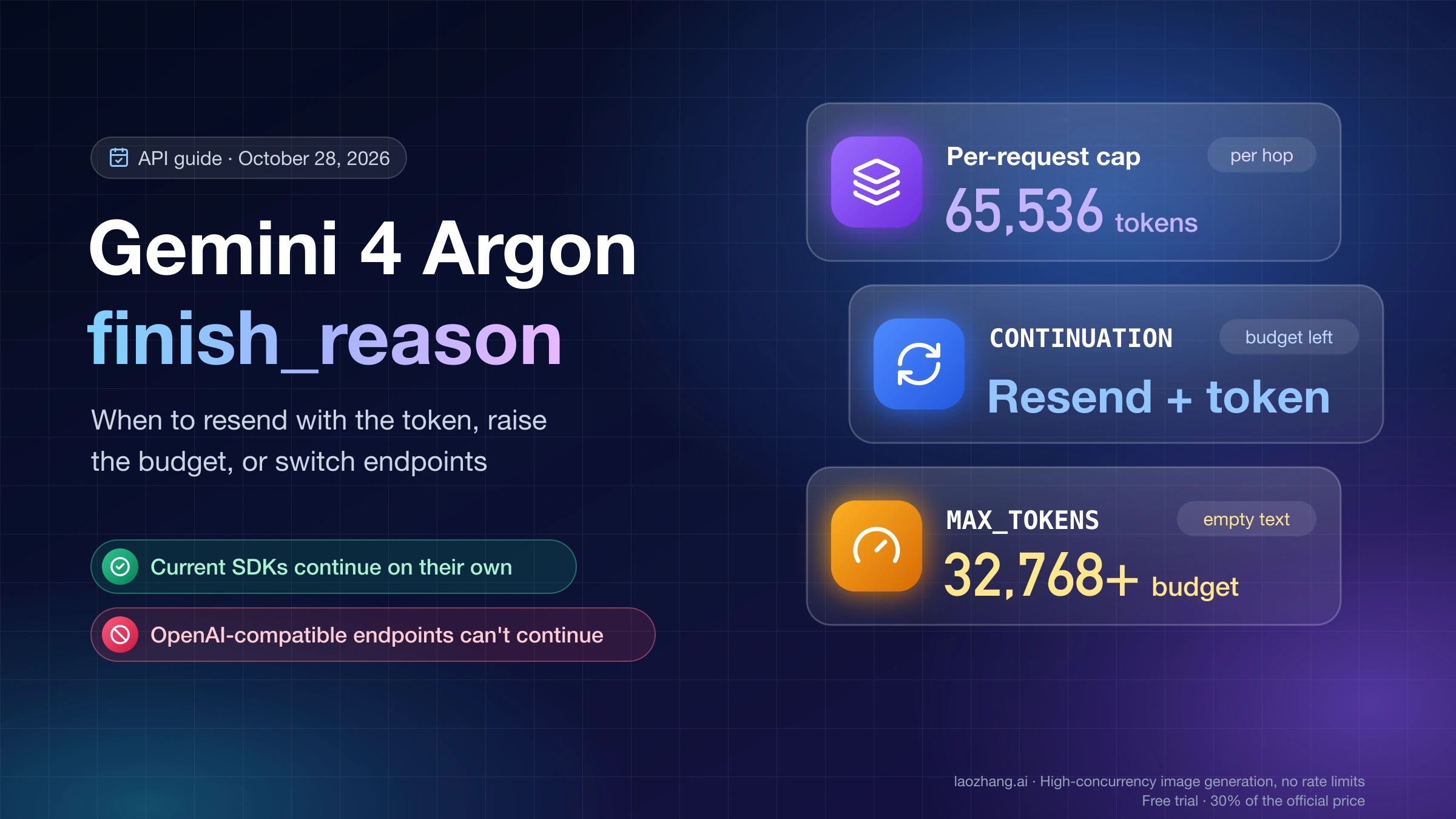
Gemini 4 Argon: resend with continuationToken on CONTINUATION, raise the budget when MAX_TOKENS has no text. OpenAI-compatible endpoints can't continue.
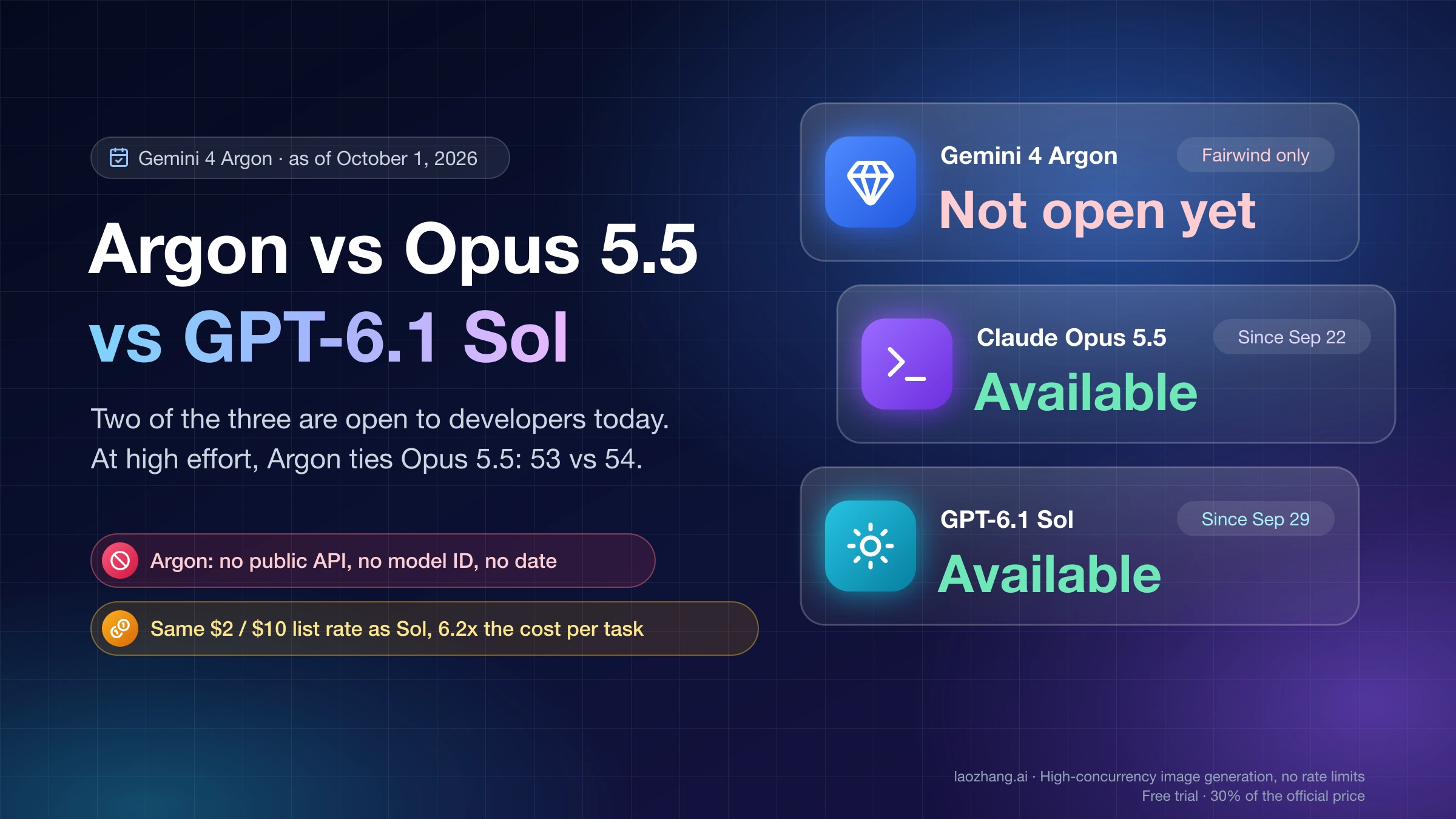
Gemini 4 Argon opened to paid API users on October 13 at $2/$10, doubling December 1. At matched effort it costs more per task than Opus 5.5 and 6.5x GPT-6.1 Sol.
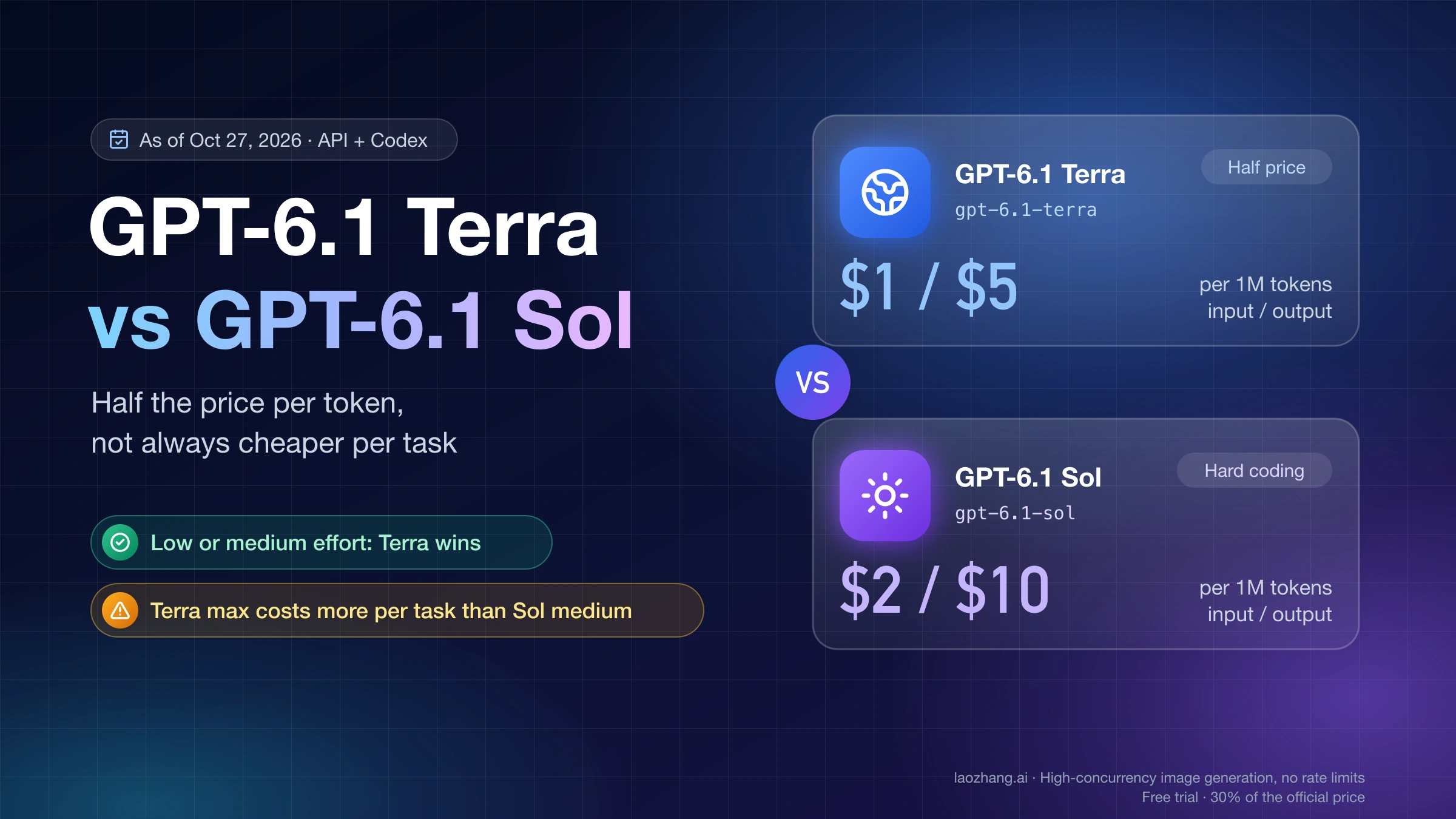
Terra's API and Codex rates are half of Sol's, and it ran small Codex tasks twice as fast. At xhigh effort, though, it costs more per task than Sol at medium.
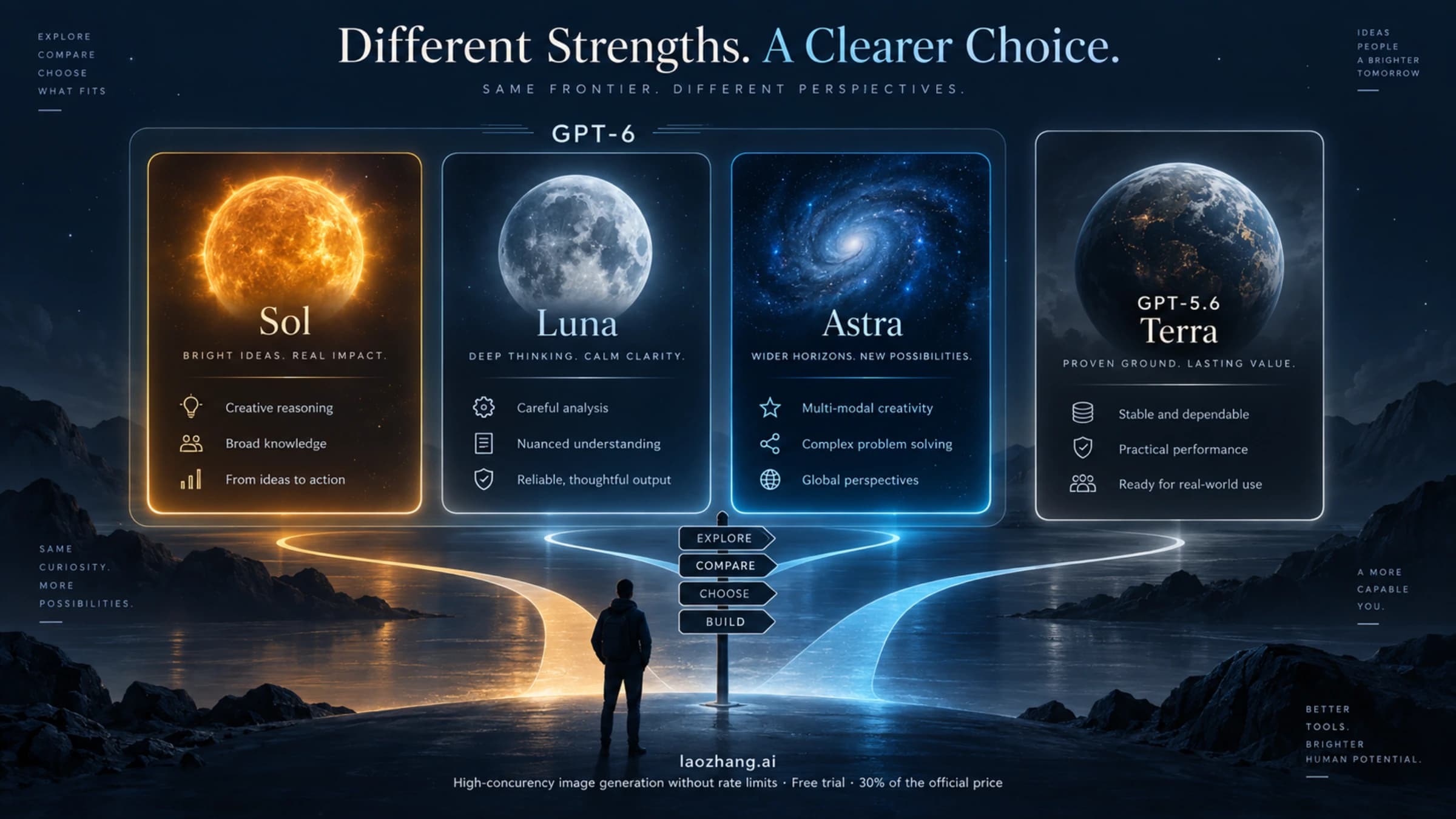
GPT-6 now has a Terra: GPT-6.1 Terra, released October 26, 2026, costs half of GPT-6.1 Sol per token and about 10 times Luna. Pick by workload, then test.
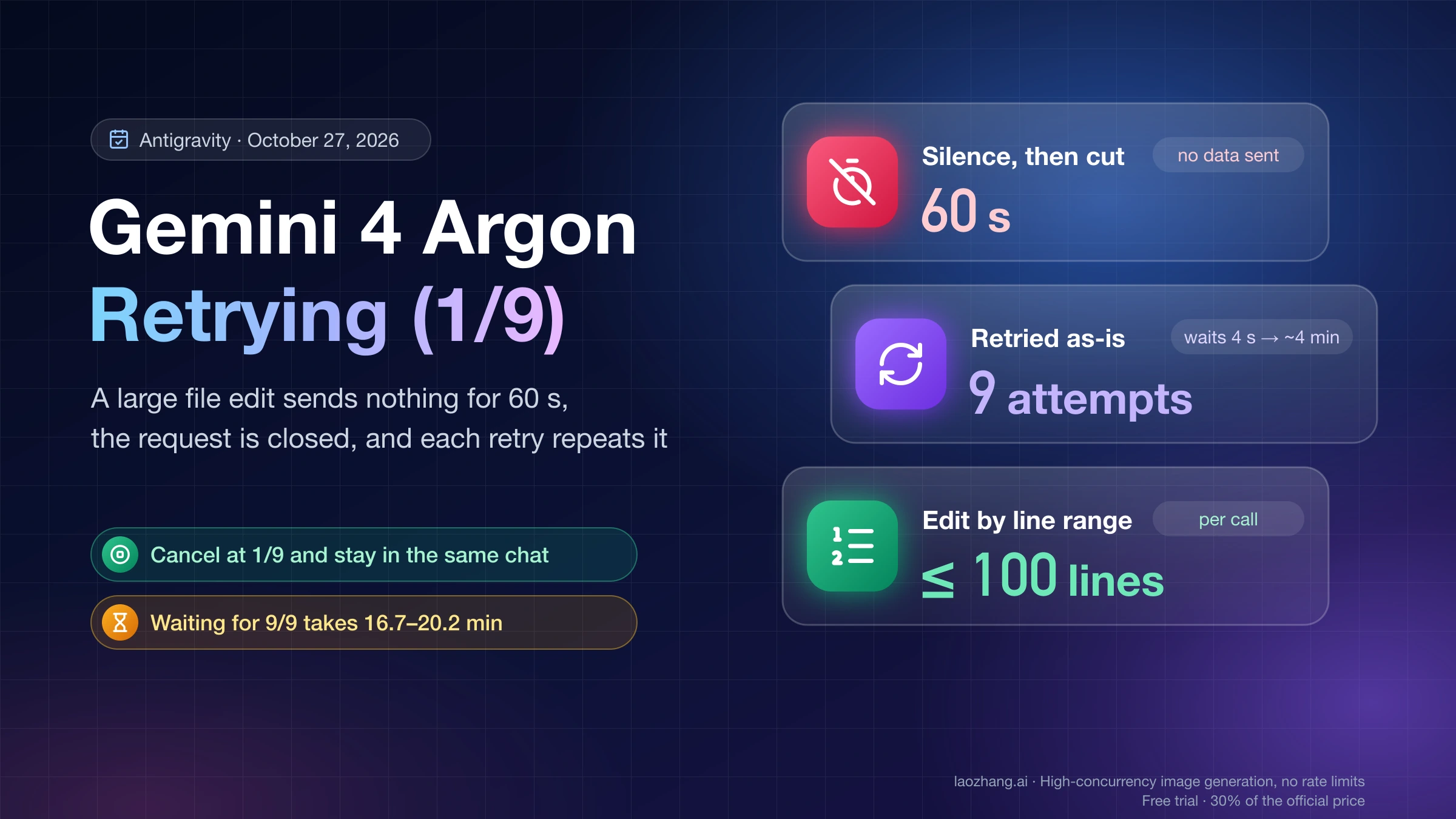
Gemini 4 Argon's "Model unavailable, retrying (attempt 1/9)" in Antigravity usually means a big file edit sat silent for 60 s. Stop and edit by line range.
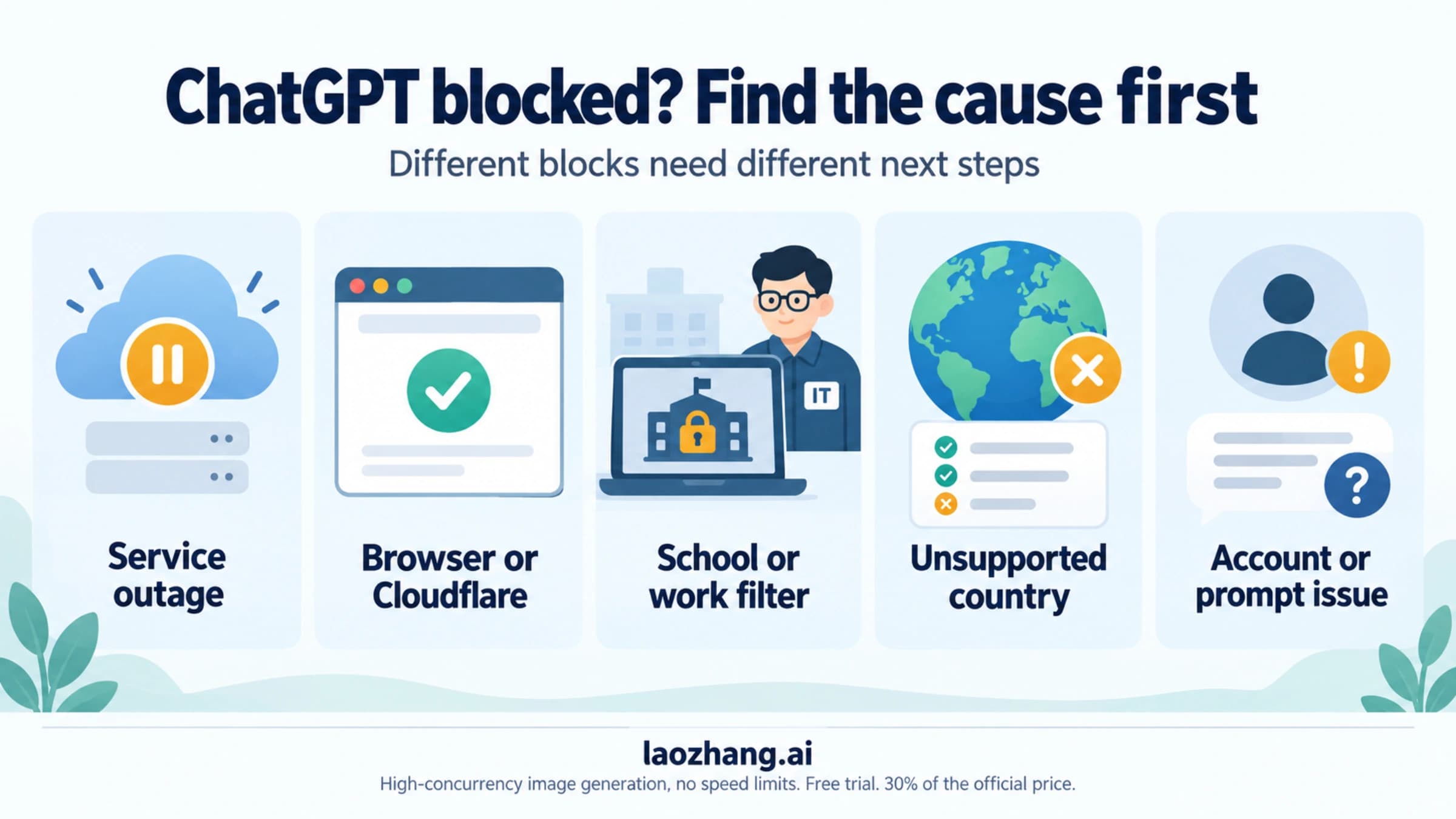
Start with the exact error and OpenAI's status page. Then check whether the problem follows a browser, network or account; school and work restrictions need the responsible administrator.
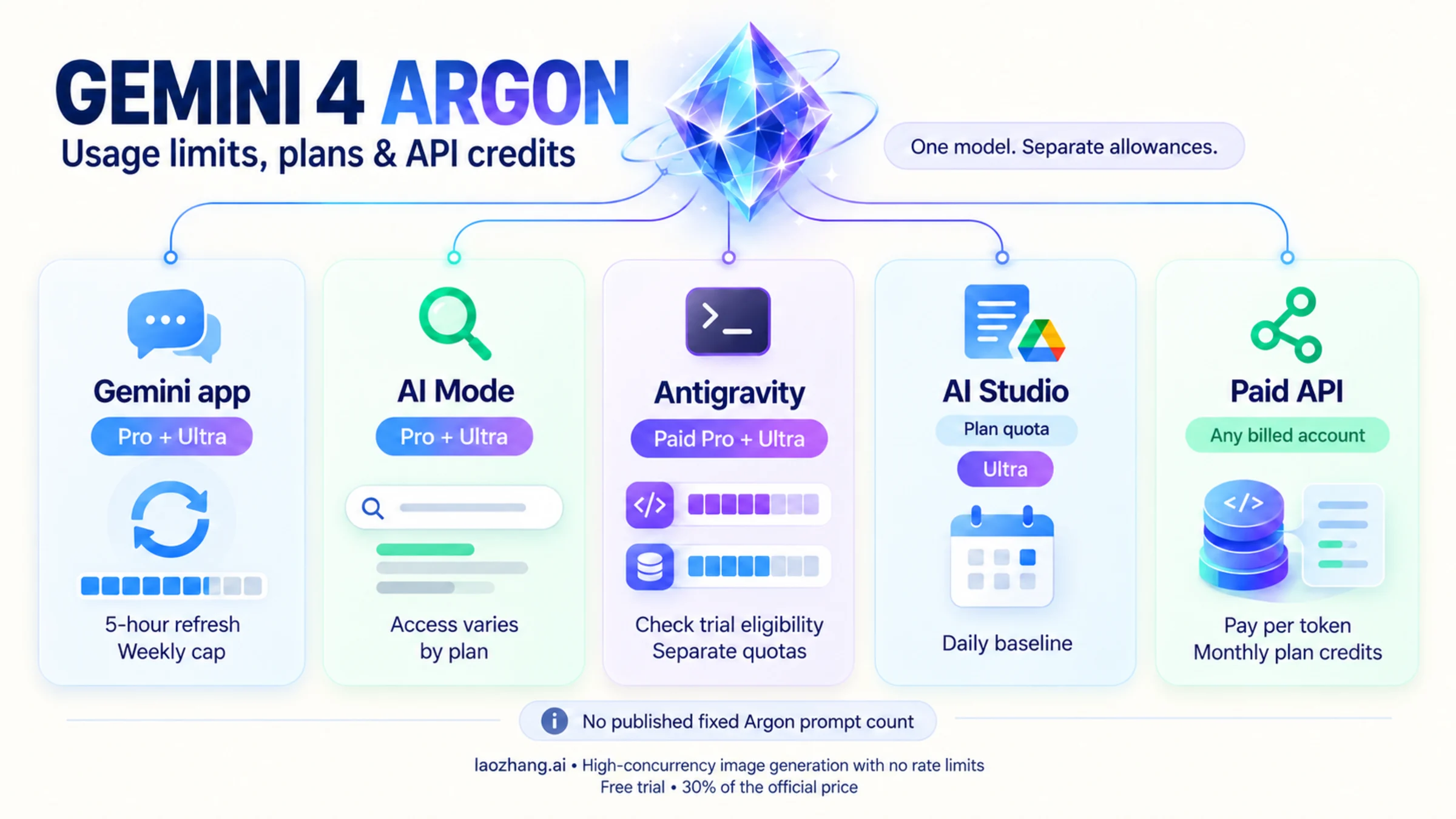
Google AI Pro and Ultra both include Gemini 4 Argon in AI Studio, with higher daily quota on Ultra. Gemini app limits use five-hour and weekly windows; API billing is separate.
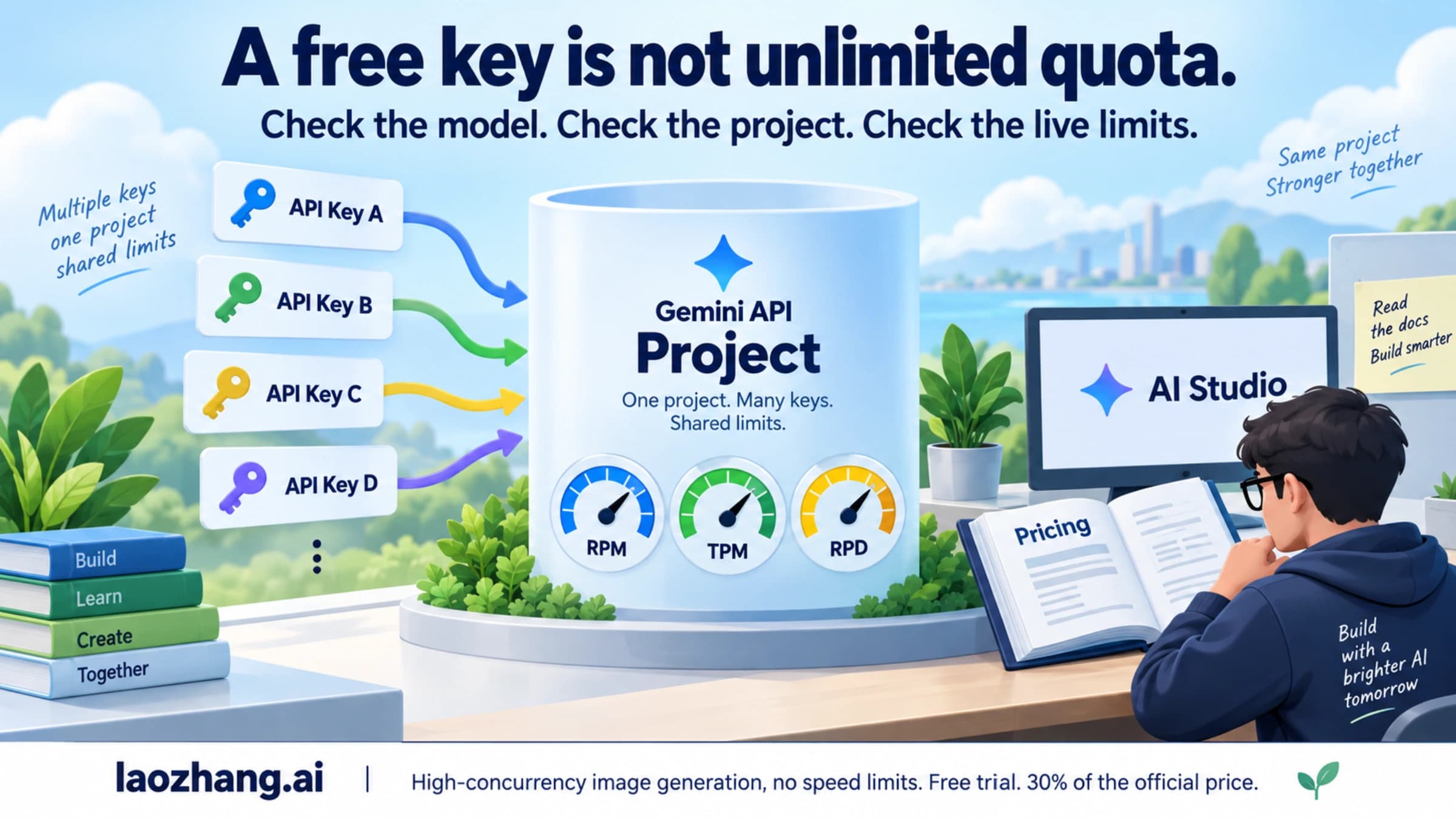
Gemini API keys are free, but free inference requires an eligible project, model and feature. Check live limits, grounding exceptions, 403s and data-use rules.
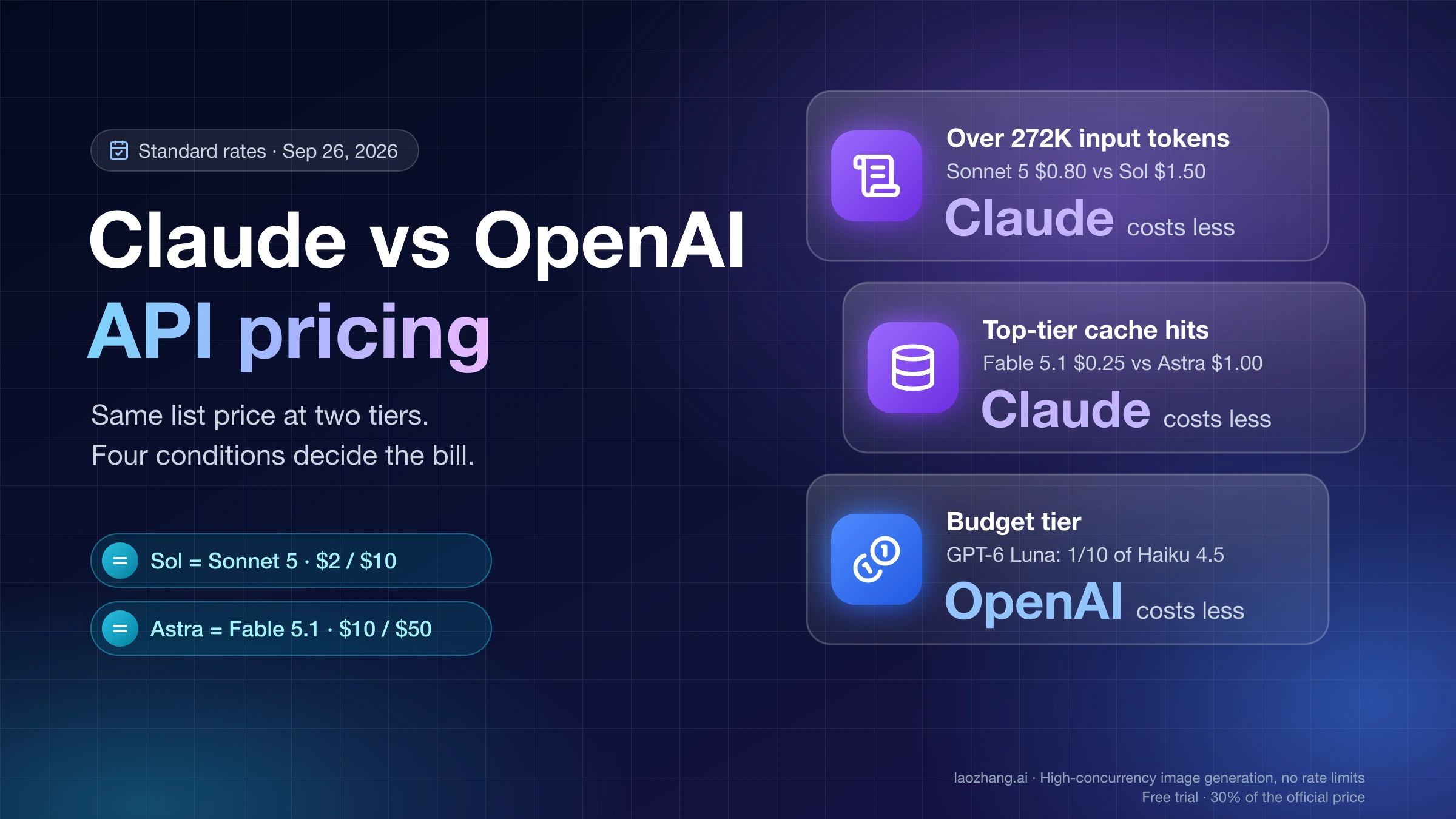
As of September 26, 2026, GPT-6 Sol matches Sonnet 5 and Astra matches Fable 5.1 on list price. Prompts over 272K favor Claude; Luna costs a tenth of Haiku 4.5.
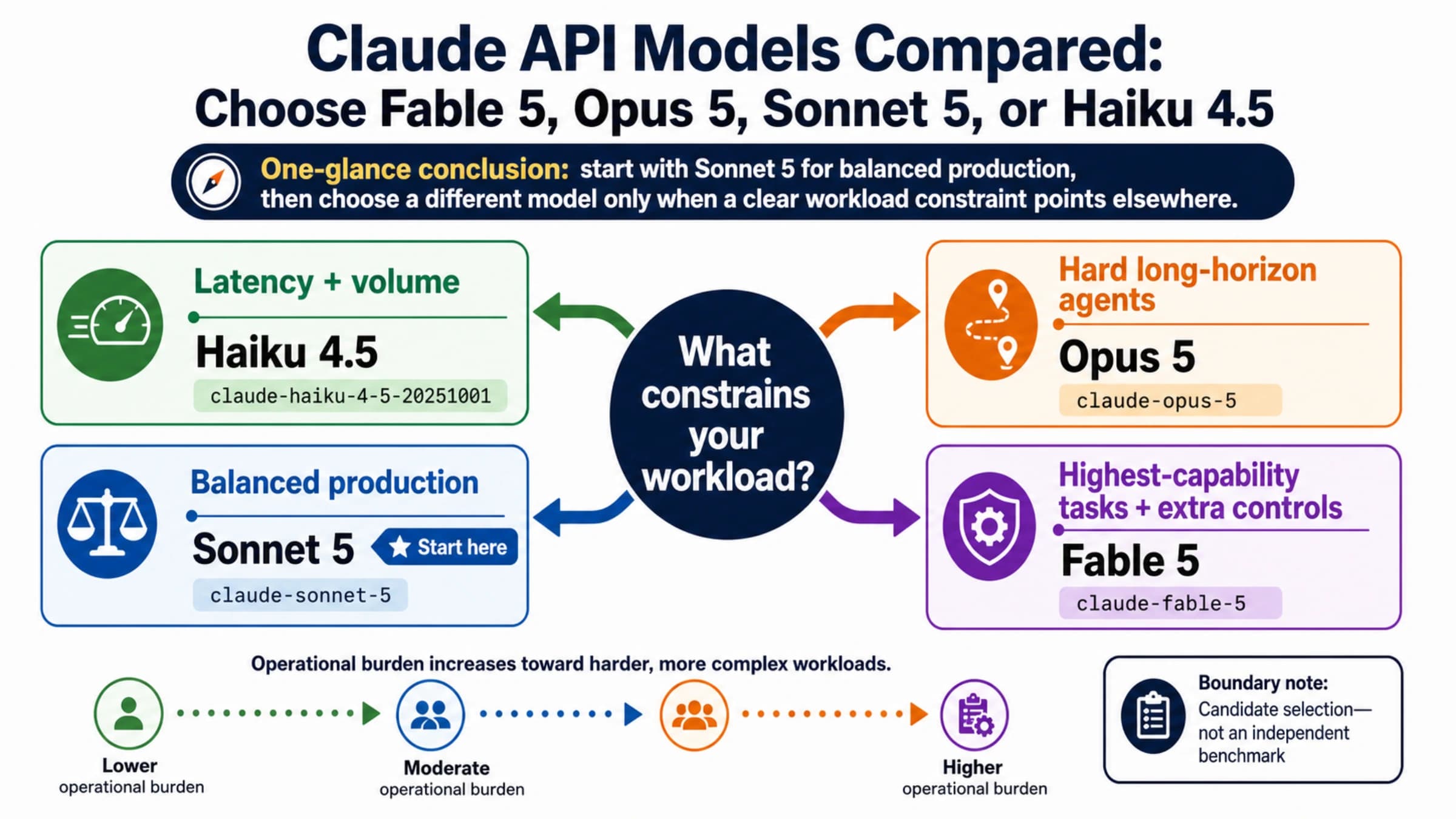
Start with Sonnet 5.5 in the Claude apps and Opus 5.5 in the API, move narrow high-volume work to Haiku 5.5, and try Fable 5.1 only when Opus falls short.
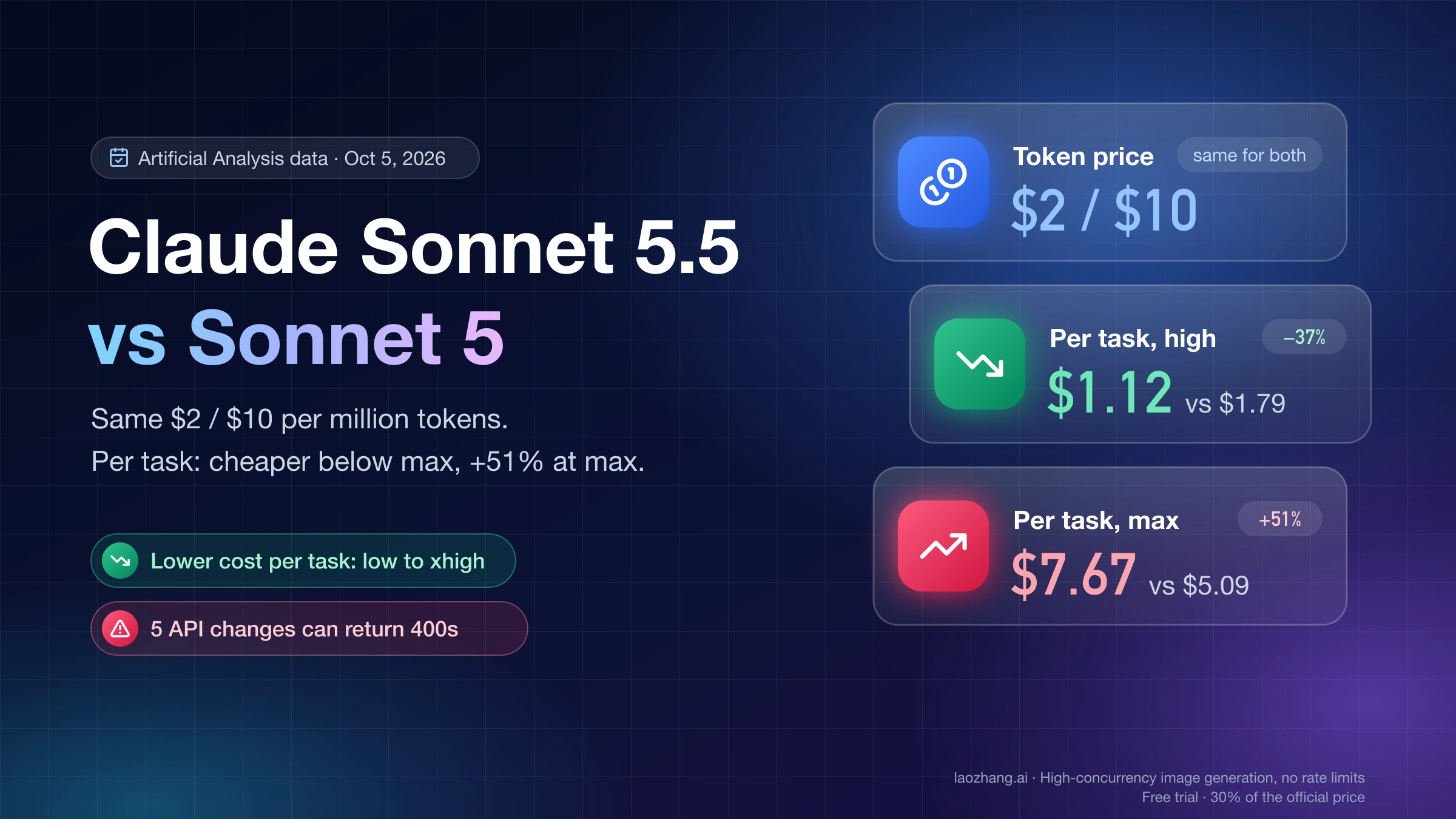
Sonnet 5.5 keeps Sonnet 5's $2/$10 token prices. On Artificial Analysis tests it costs less per task from low to xhigh effort and about 51% more at max.
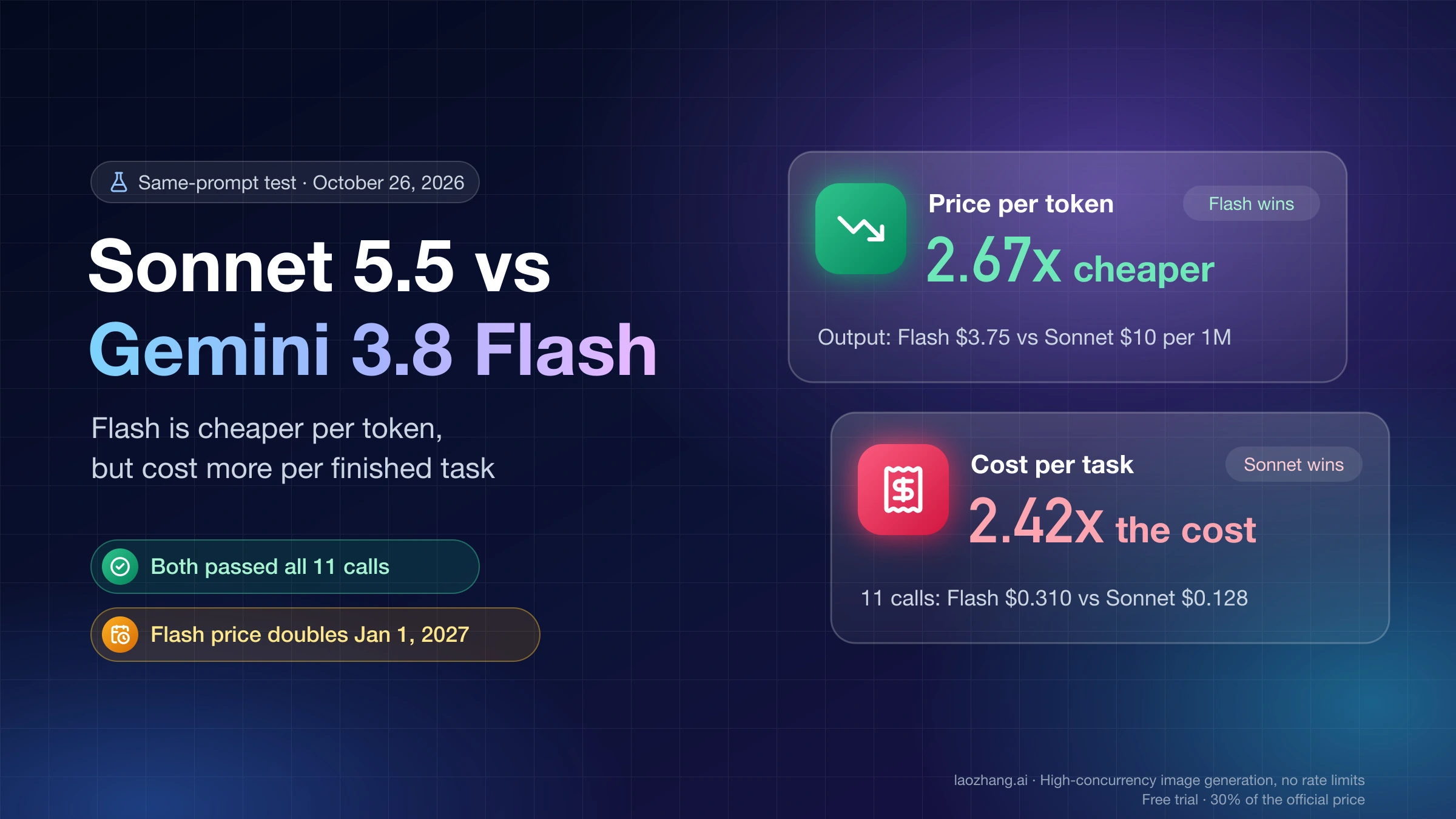
Gemini 3.8 Flash is 2.67x cheaper per token, yet on 11 identical calls at high effort on October 26, 2026 it cost 2.42x as much as Claude Sonnet 5.5.
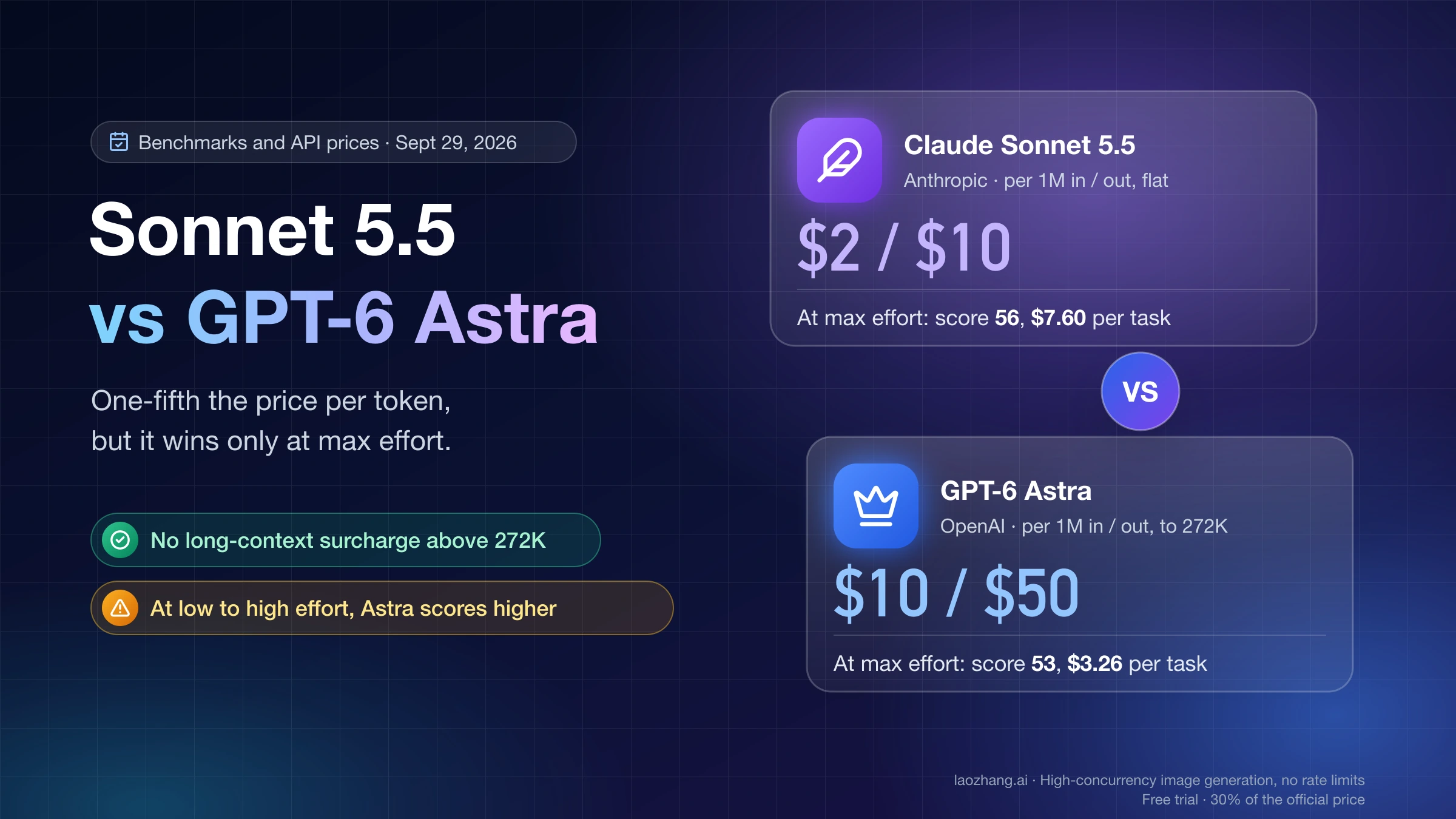
Sonnet 5.5 beats GPT-6 Astra only at max effort, at a higher cost per task. Astra leads from low to high, ties at xhigh; Sonnet's low rates win on long inputs.
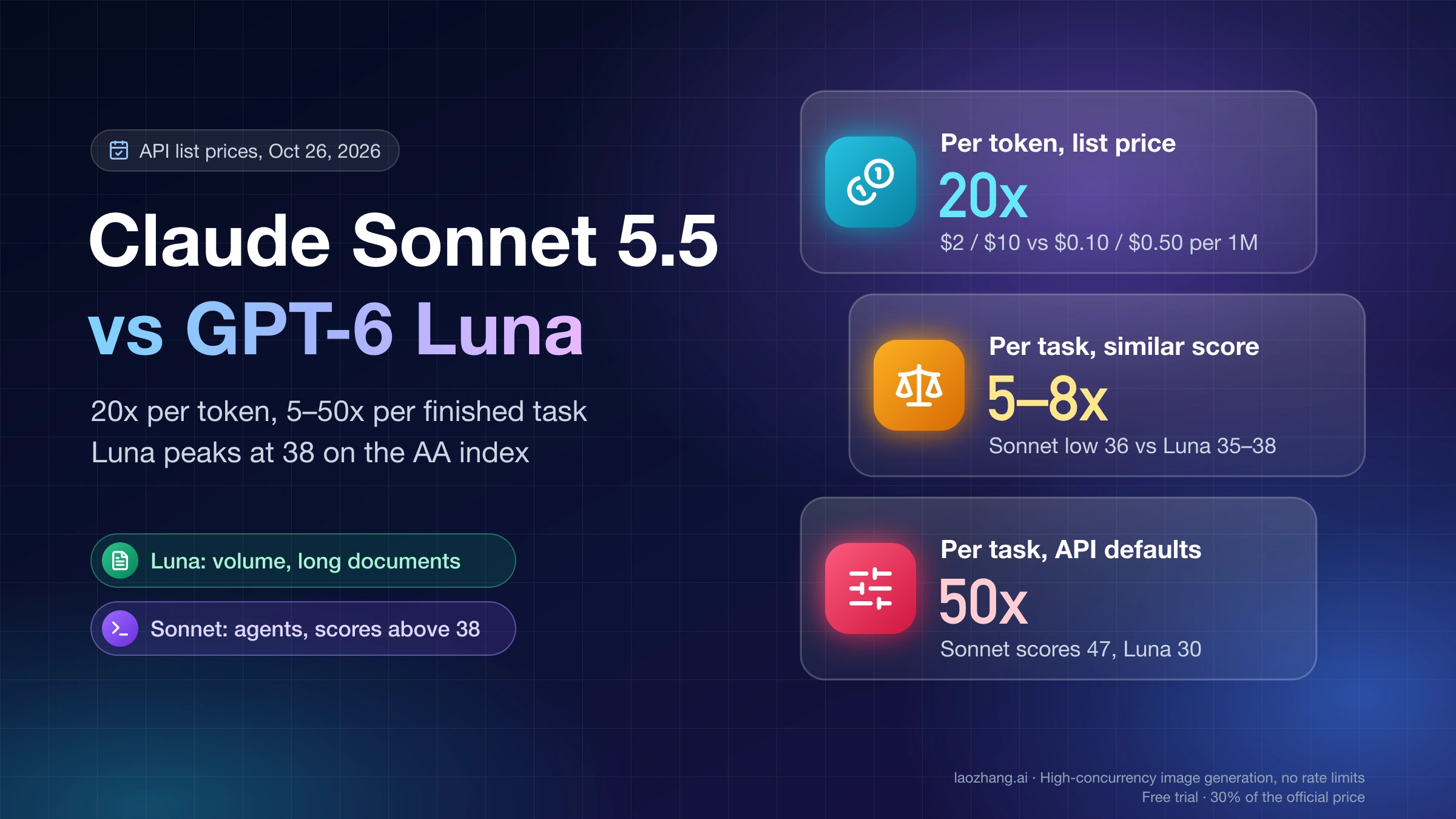
Sonnet 5.5 costs 20x GPT-6 Luna per token and 5–50x per benchmark task. Luna fits volume and long documents; Sonnet fits agentic coding and scores above 38.
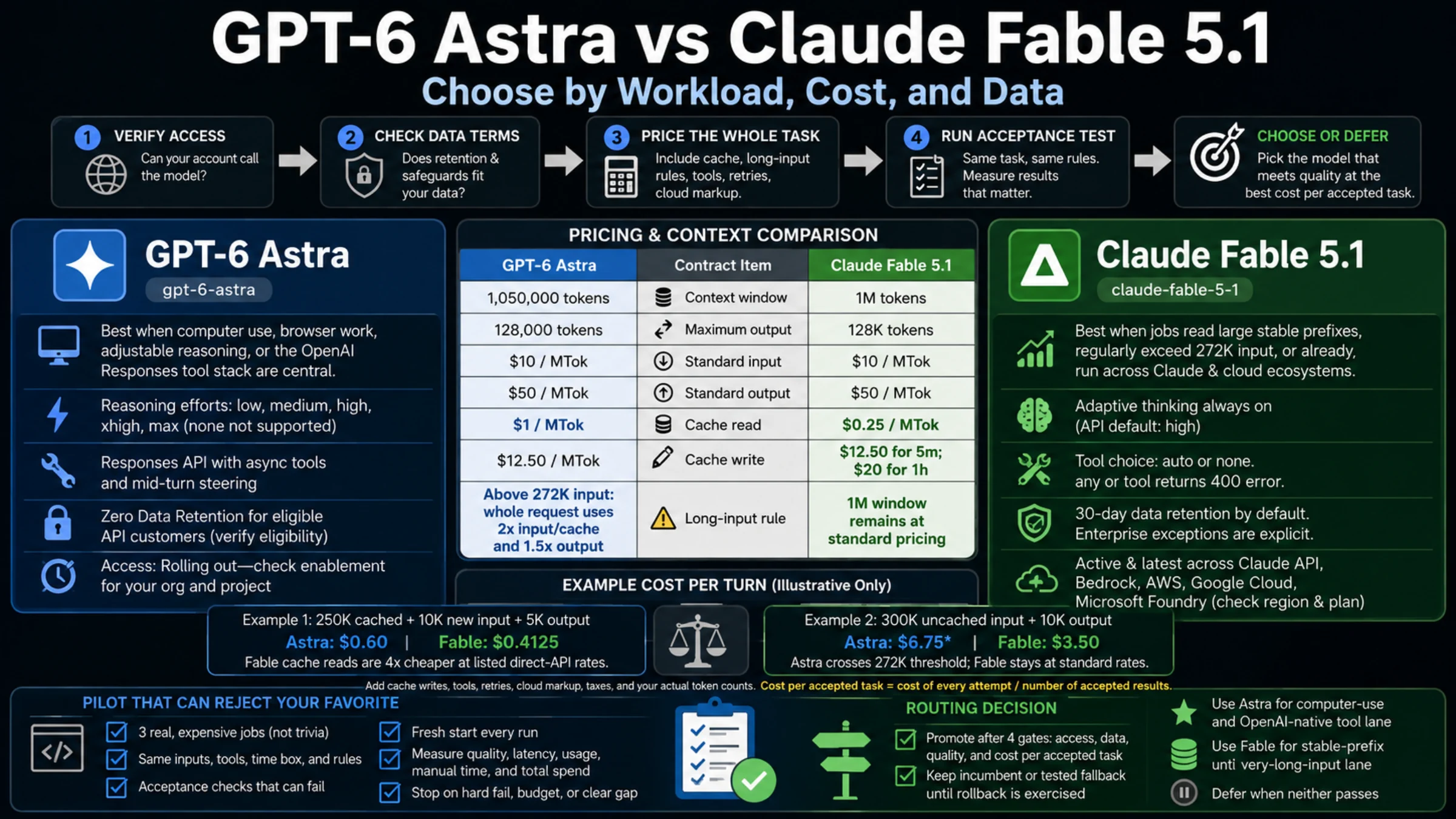
Both list at $10/$50 per million tokens, but on October 26, 2026 Fable 5.1 counted 1.45x Astra's tokens for English and cost 1.5–1.6x on tasks both passed.
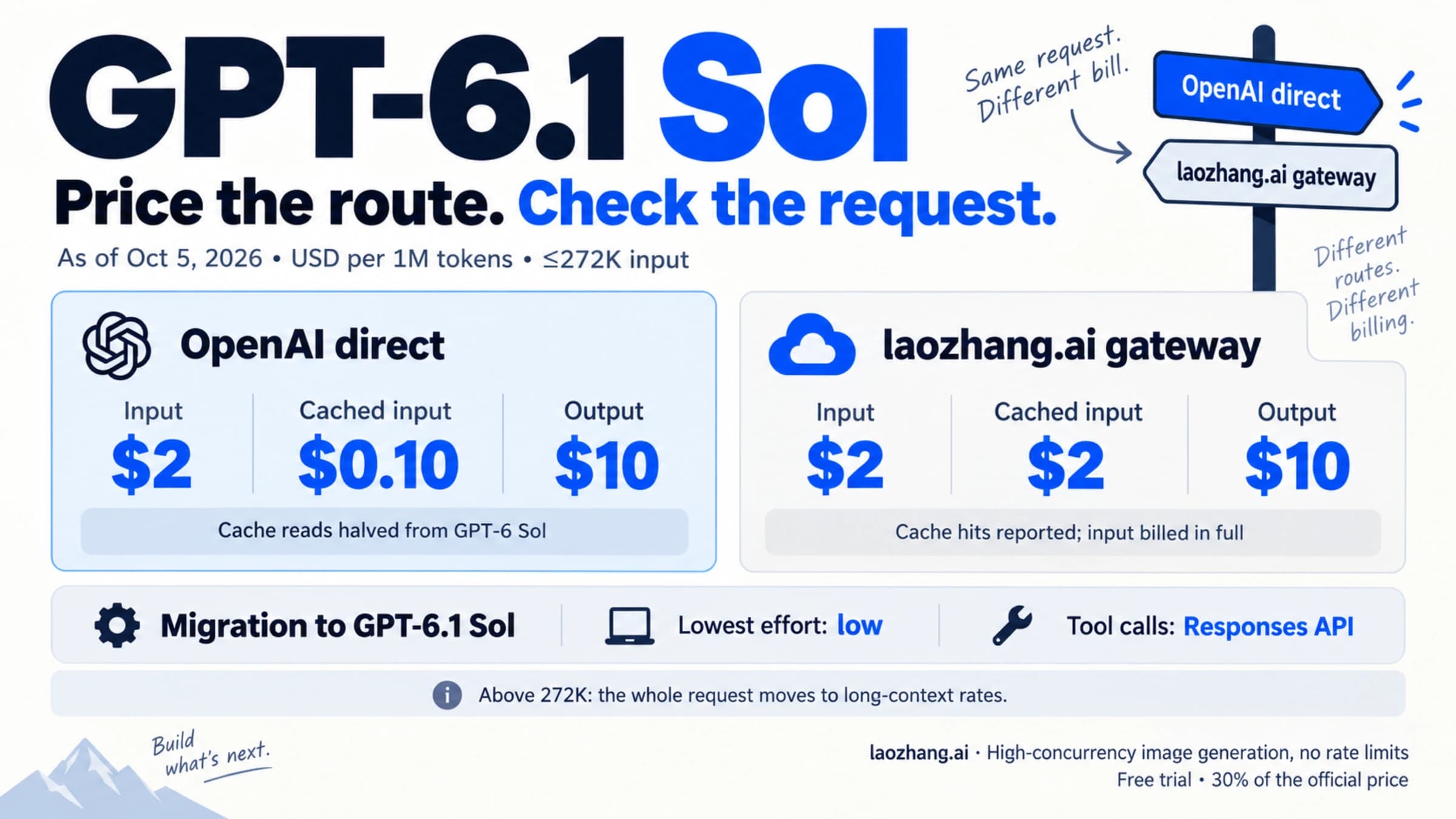
GPT-6.1 Sol keeps GPT-6 Sol's $2/$10 rates but halves cached input to $0.10. Requests using none effort or Chat Completions tools must change.
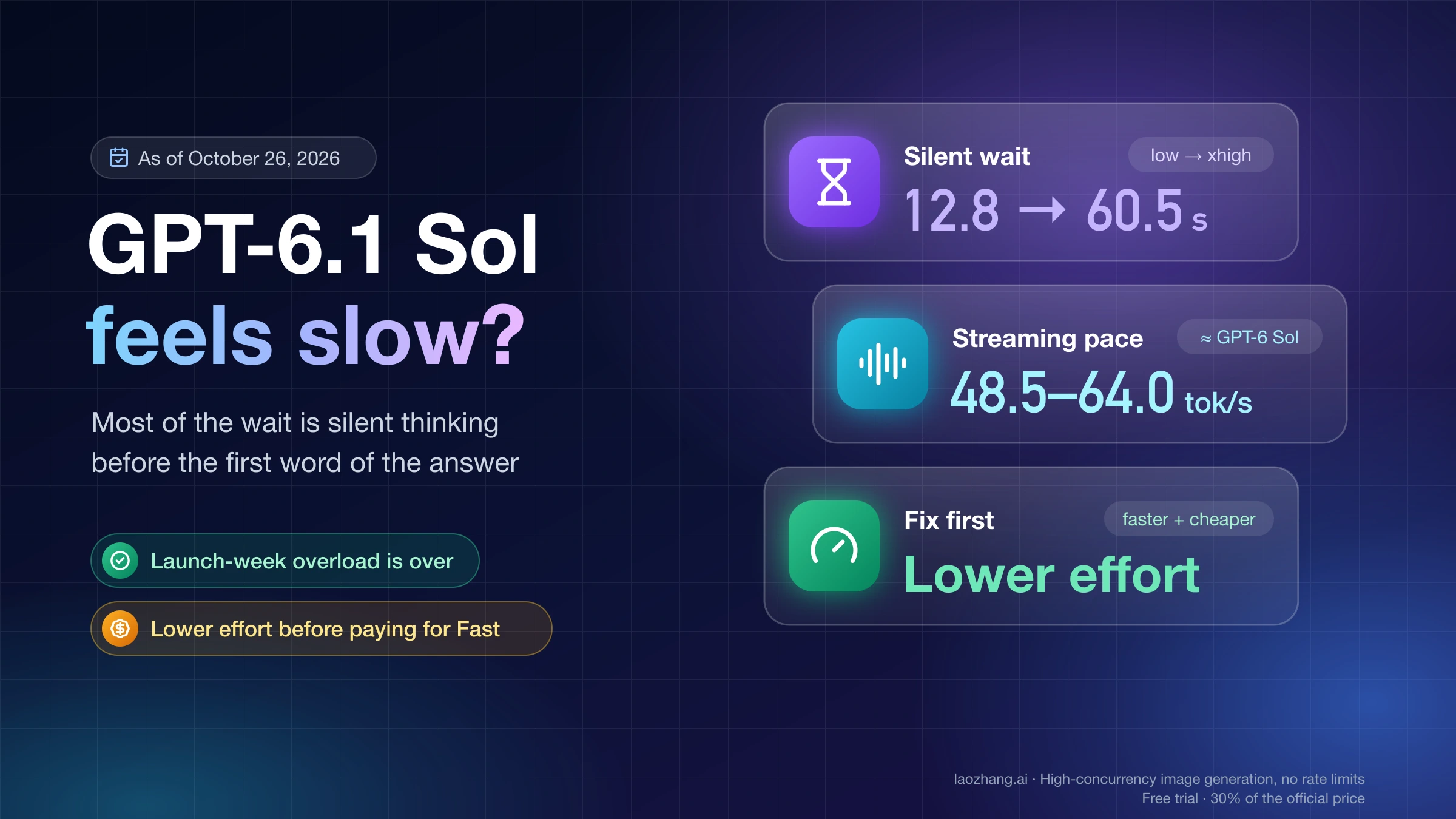
GPT-6.1 Sol's launch-week overload is over; most of today's wait is thinking before the first word. Lower the effort first, then try Fast.
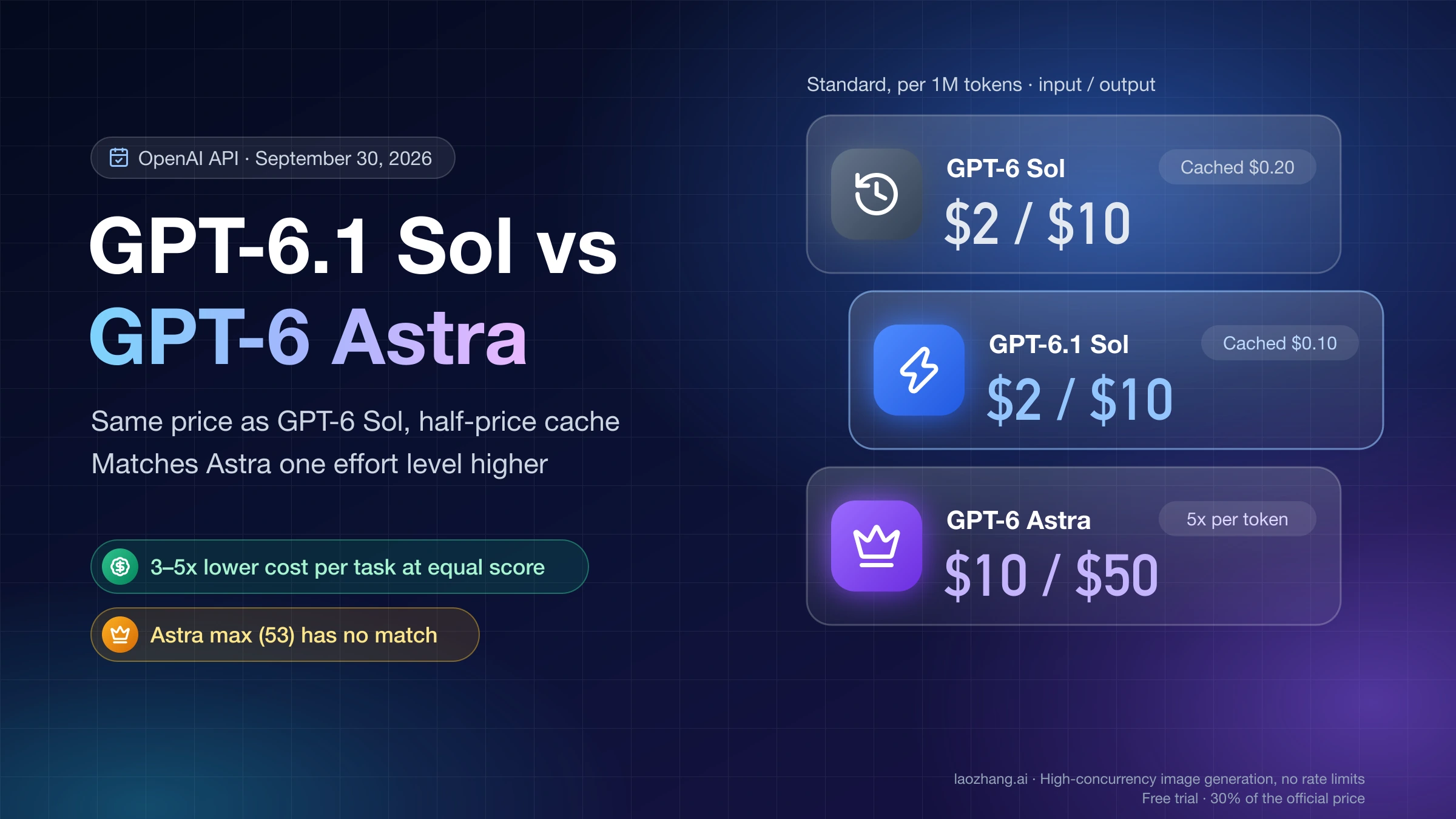
Move gpt-6-sol traffic to GPT-6.1 Sol: same price, higher scores at every effort. Run it one level higher to match Astra for 3–5x less; Astra max has no equal.
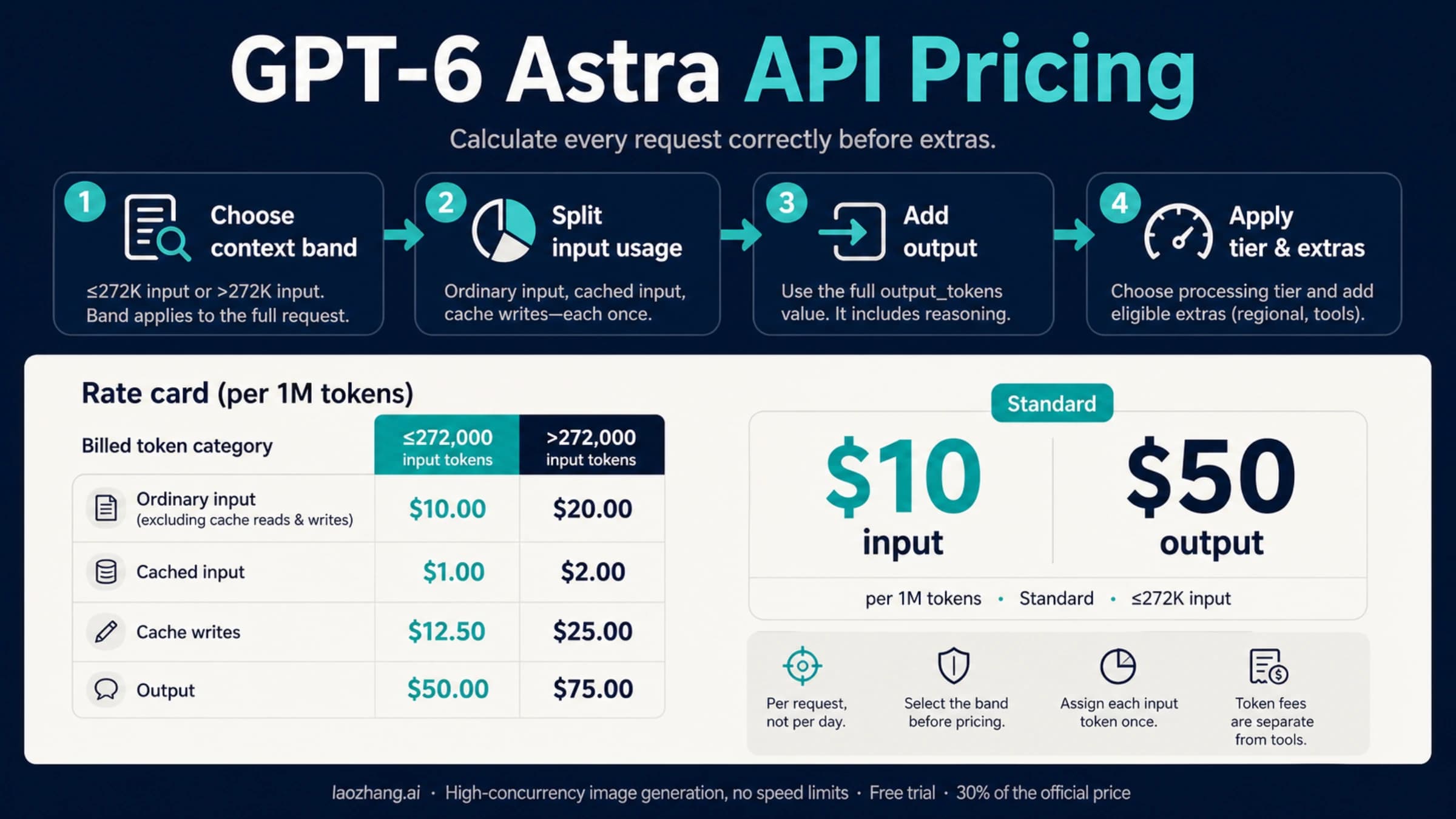
GPT-6 Astra costs $10 input and $50 output per 1M tokens up to 272K. Caching is on by default; writes cost $12.50 (30 min) or $25 (12 h) as of October 26, 2026.
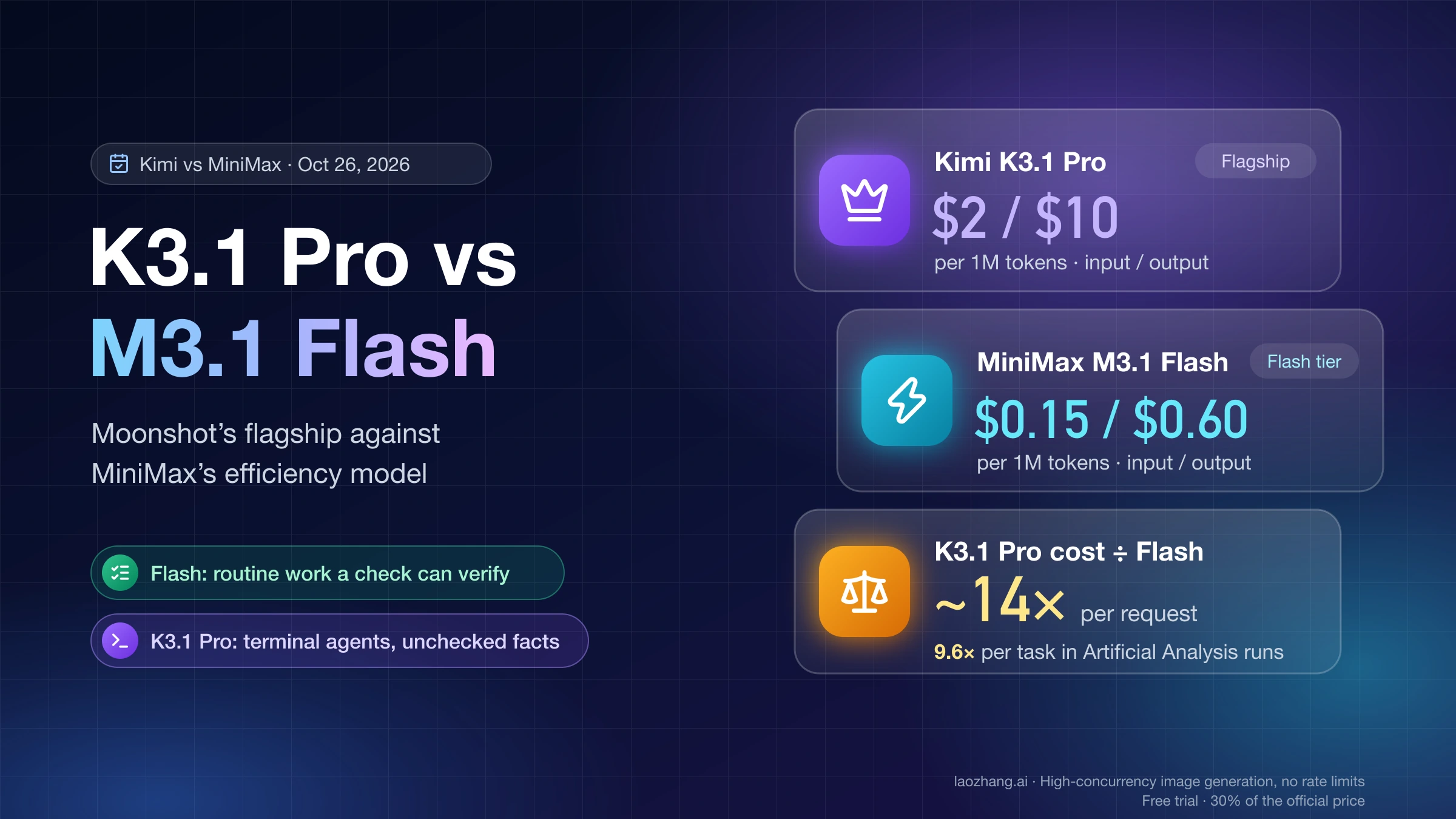
Kimi K3.1 Pro costs about 14× MiniMax M3.1 Flash per request. Flash holds up on routine, checkable work; K3.1 Pro earns its price on agents and facts.
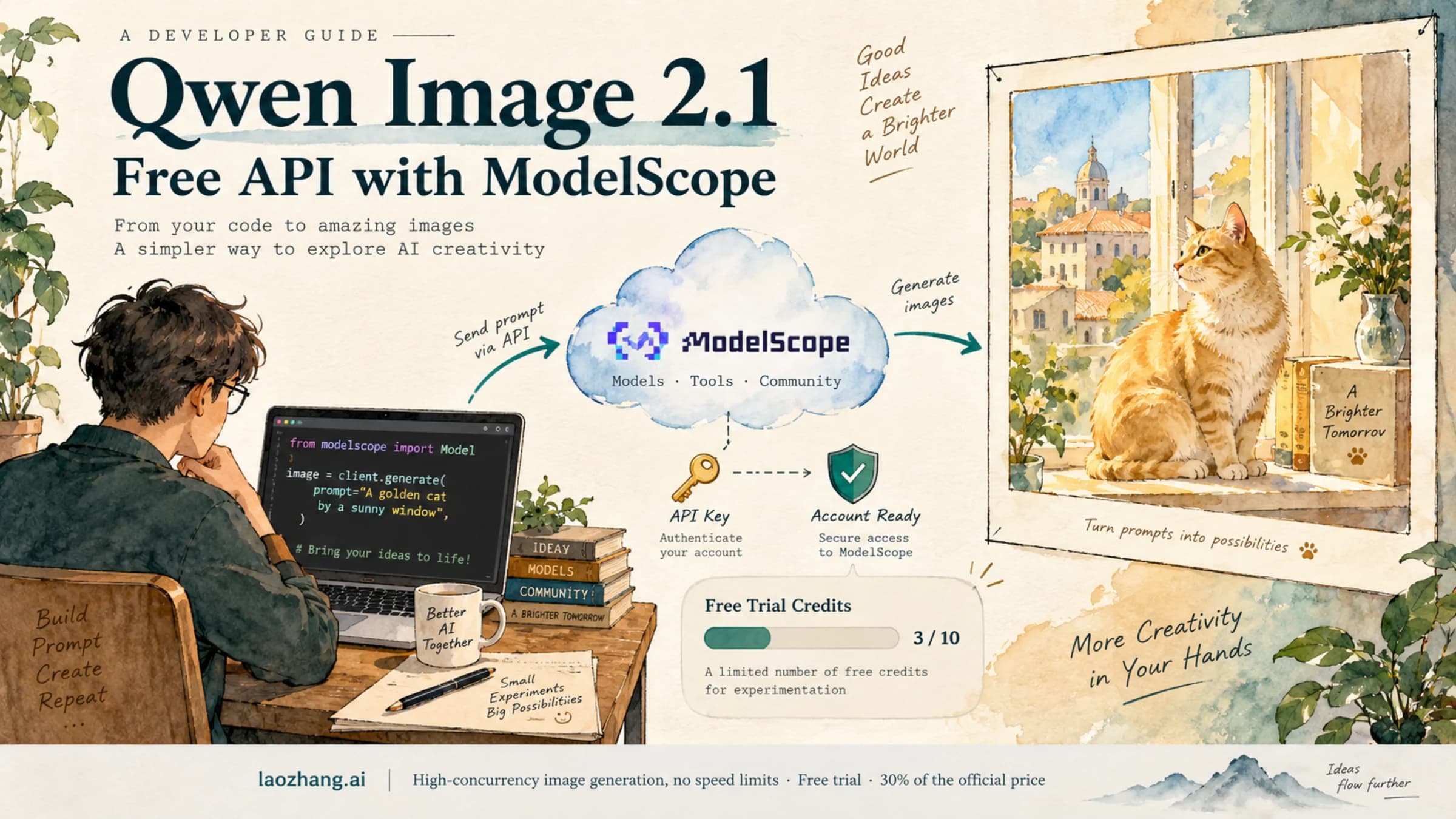
ModelScope runs a free Qwen-Image-2.1 API once you bind a real-name-verified Alibaba Cloud account. At 1 credit per call, that tops out near 250 calls a day.