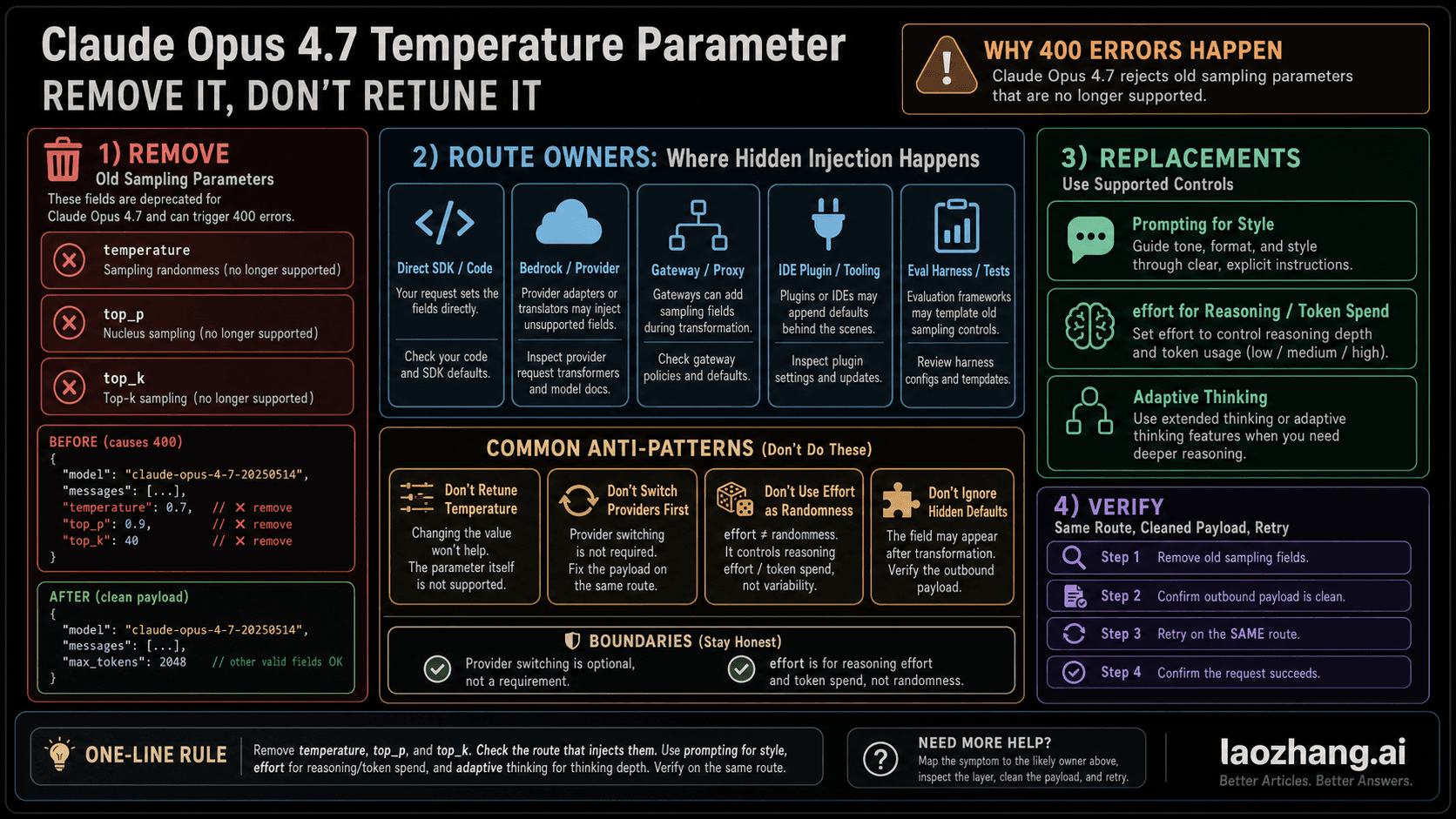
Claude Opus 4.7 Temperature Parameter: Remove It, Do Not Retune It
Claude Opus 4.7 no longer accepts old sampling controls. Remove `temperature`, find the layer injecting it, and use prompting or `effort` for the right replacement job.
11 min
Claude Opus 4.7 no longer accepts old sampling controls. Remove `temperature`, find the layer injecting it, and use prompting or `effort` for the right replacement job.
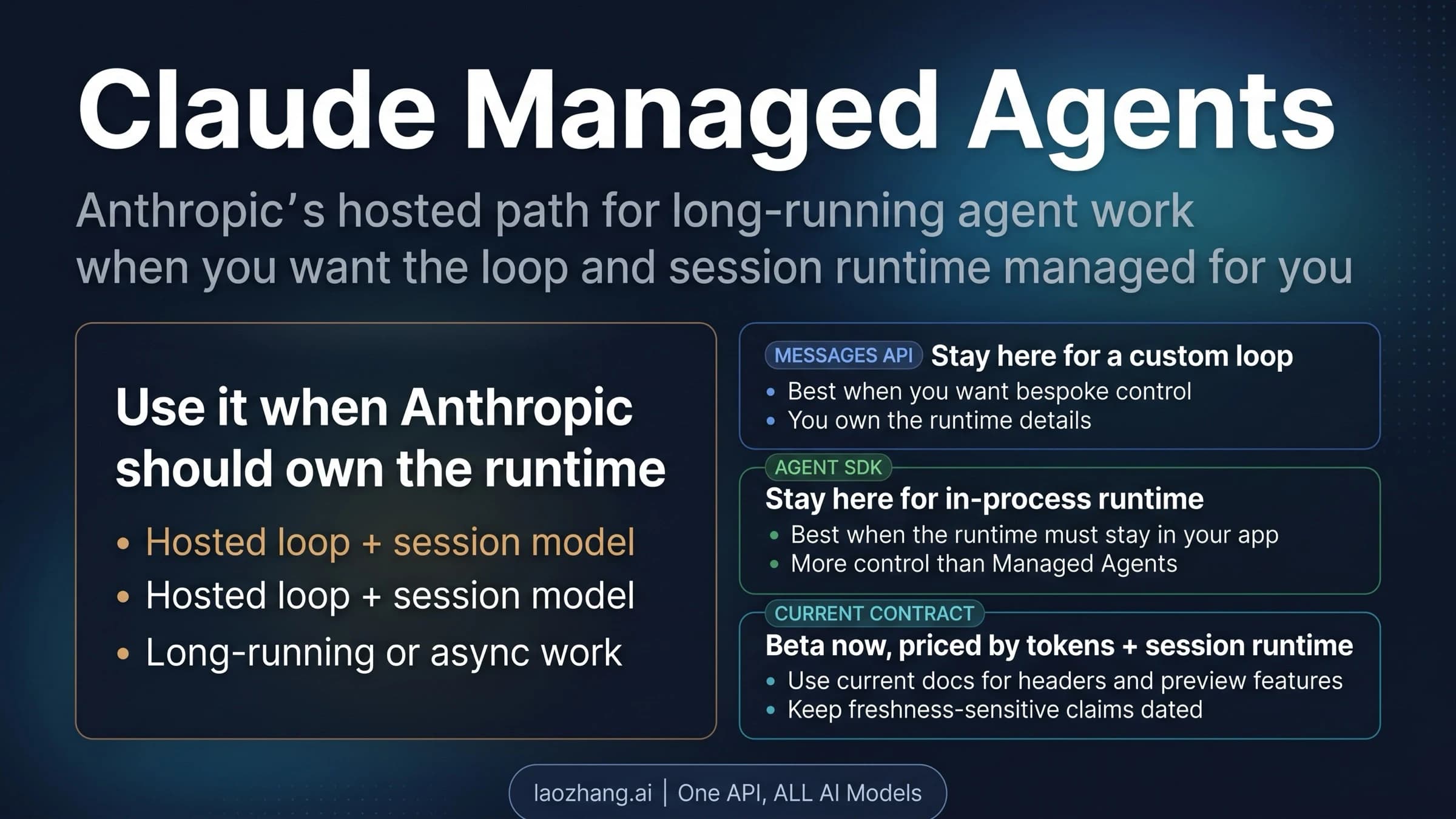
Claude Managed Agents is Anthropic's hosted runtime for long-running agent work. Use it when Anthropic should own the loop and session runtime; stay with Messages API or Claude Agent SDK when control matters more.
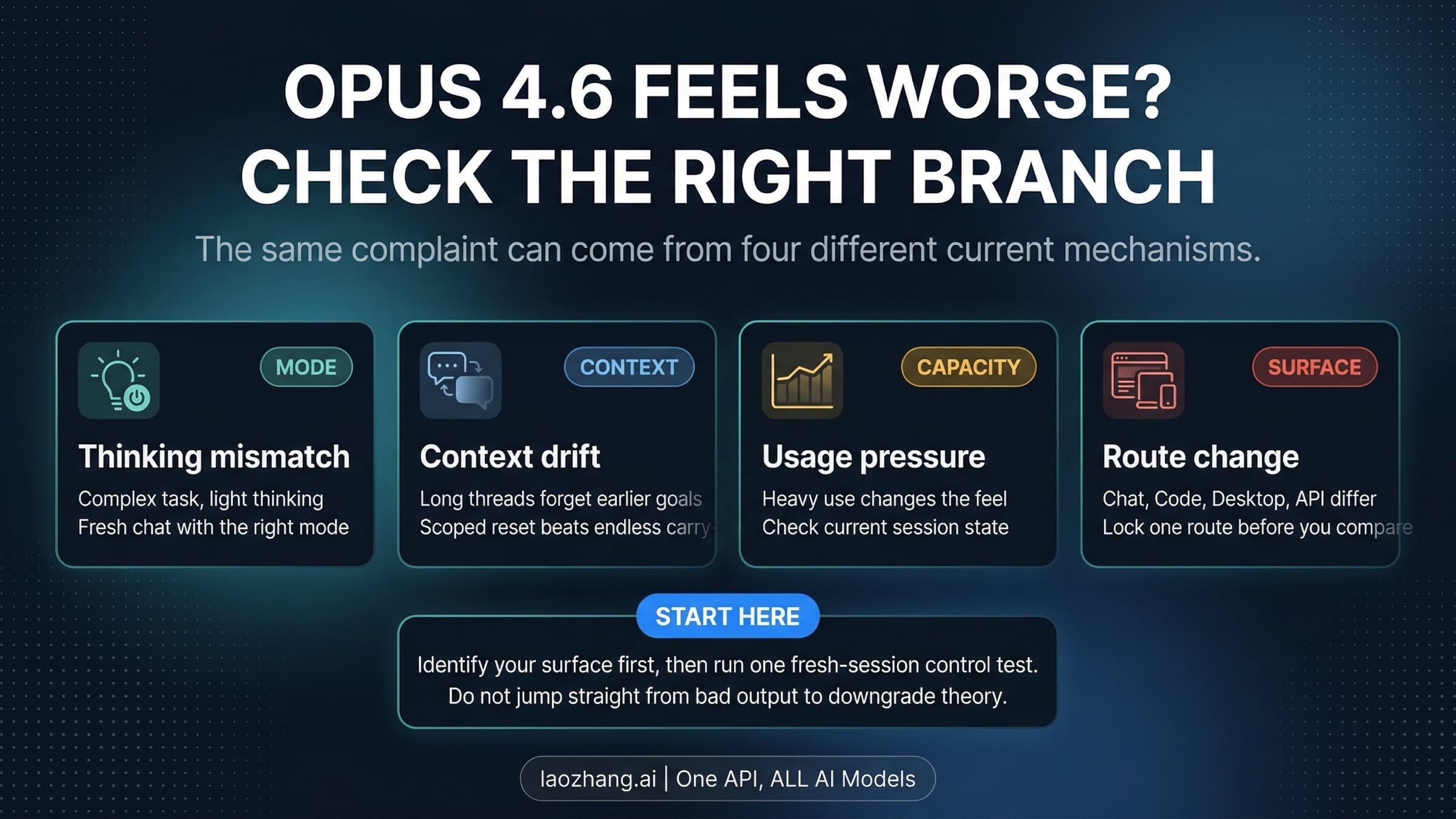
Claude Opus 4.6 can feel worse for four very different reasons: thinking mode mismatch, long-thread context handling, shared usage pressure, or route differences between Claude surfaces. This guide shows how to identify the branch, run the right first test, and know when the problem is serious enough to escalate.
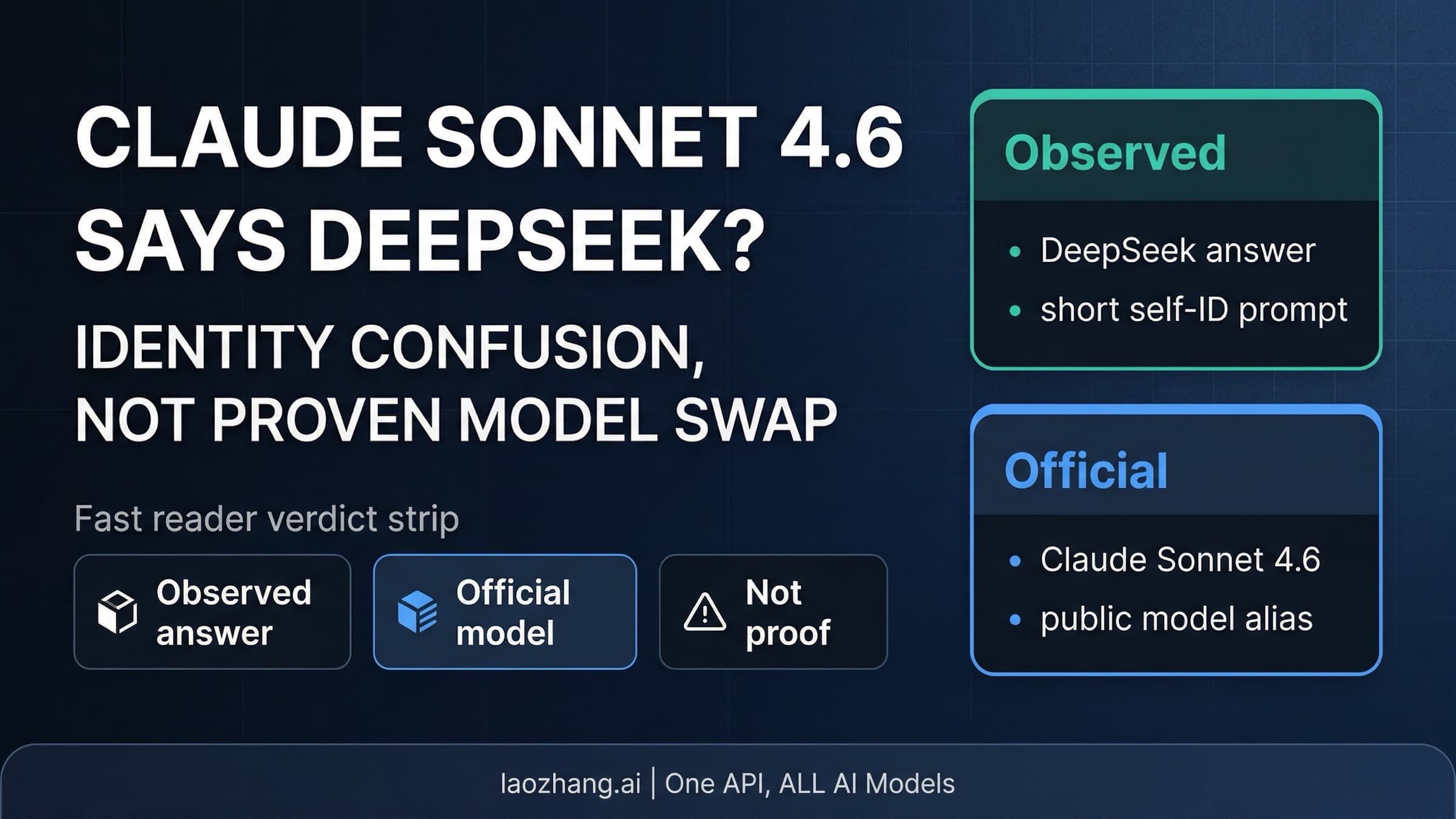
Claude Sonnet 4.6 can sometimes answer that it is DeepSeek when its identity is weakly anchored, especially in Chinese-language self-identification prompts. That output is real enough to explain, but it is not proof that Anthropic secretly replaced Sonnet with DeepSeek or that one screenshot proves distillation.
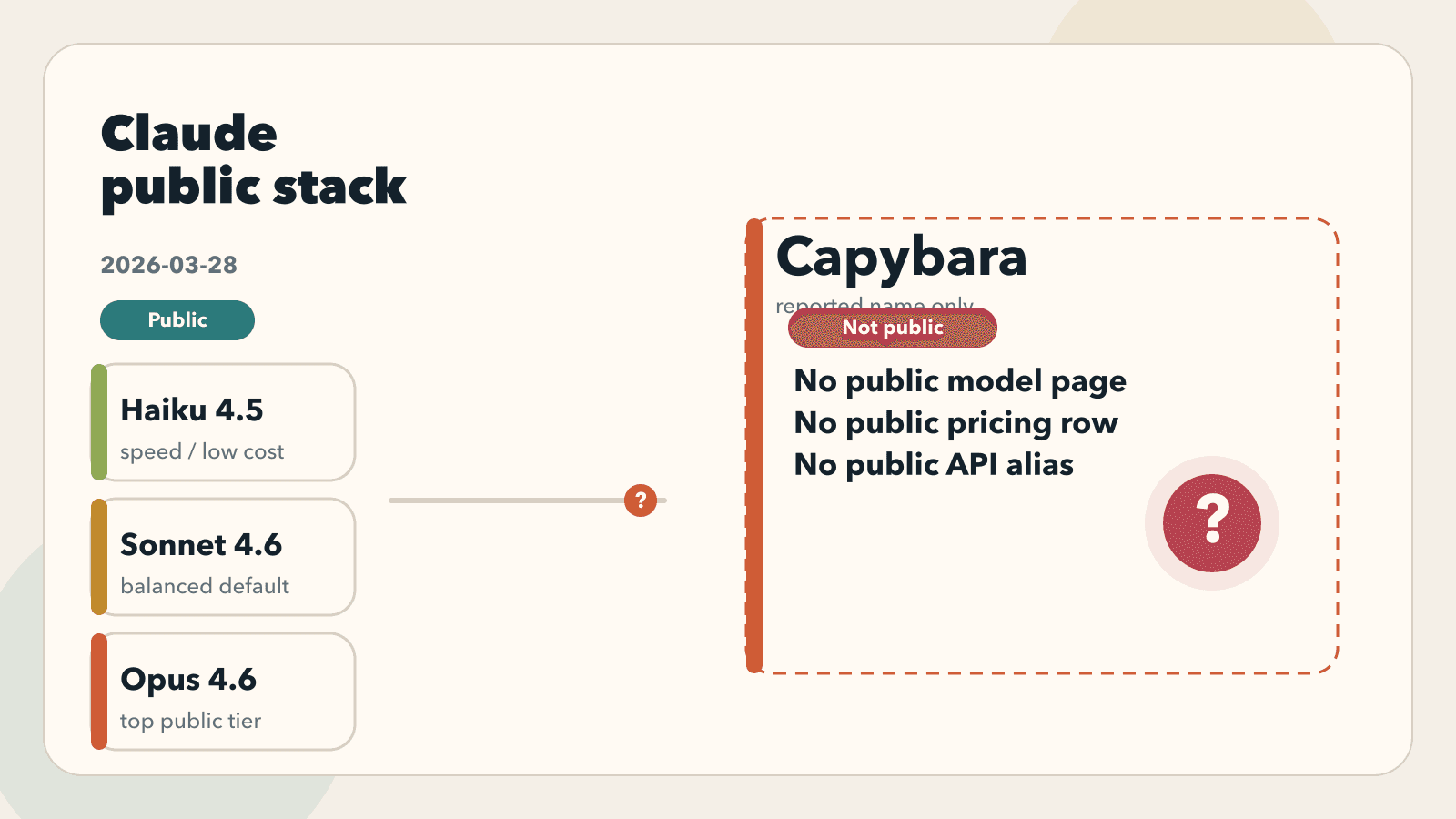
Claude Capybara is not a model you can select in Anthropic's public products on March 28, 2026. Anthropic has acknowledged testing a stronger model, but Capybara and Claude Mythos remain leak-reported names rather than a public API or plan contract.
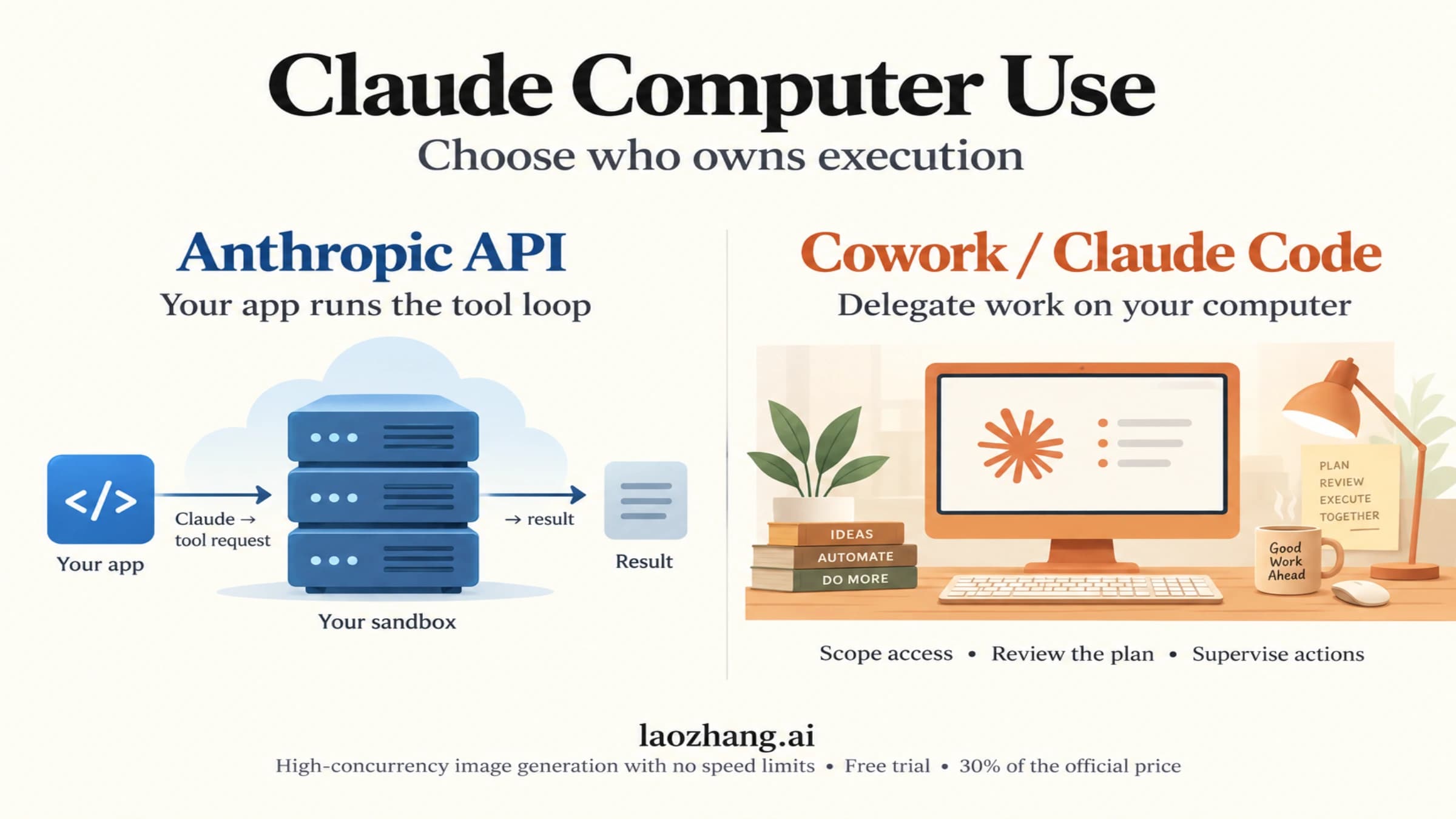
Claude Computer Use now points at two different contracts: Anthropic's API tool for builders who run actions inside their own sandbox, and desktop workflows in Cowork or Claude Code for people who want Claude to act on their own machine. This guide shows which route fits your job, what setup each one needs, and where the safety and retention boundaries differ.
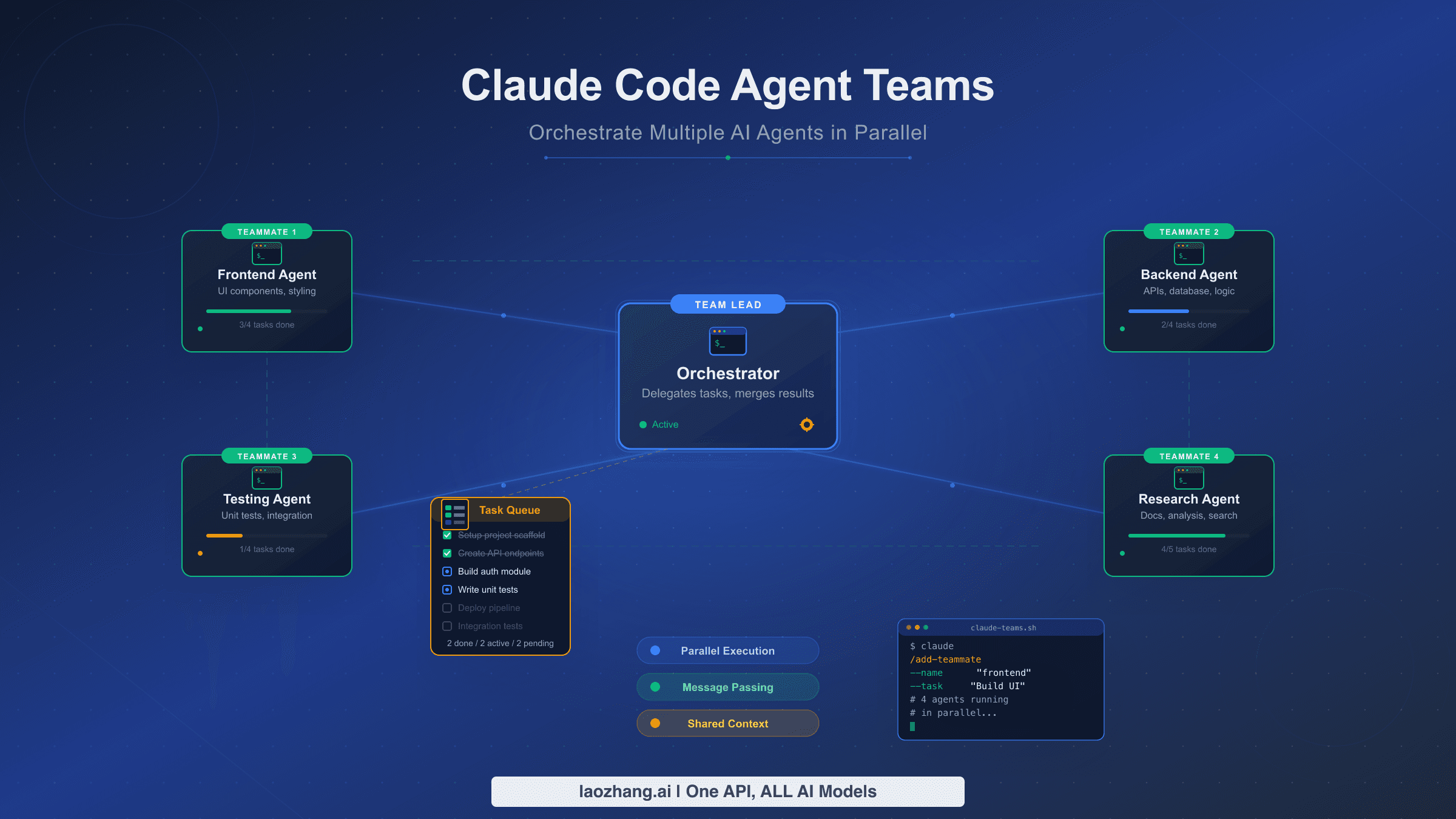
Agent Teams in Claude Code let you orchestrate multiple AI sessions that communicate, share tasks, and self-coordinate. This practical guide covers setup, real dollar-cost calculations for 3 scenarios, 4 proven prompt templates, a decision framework for when to use teams vs subagents, and advanced patterns including delegate mode, hooks, and CLAUDE.md optimization.
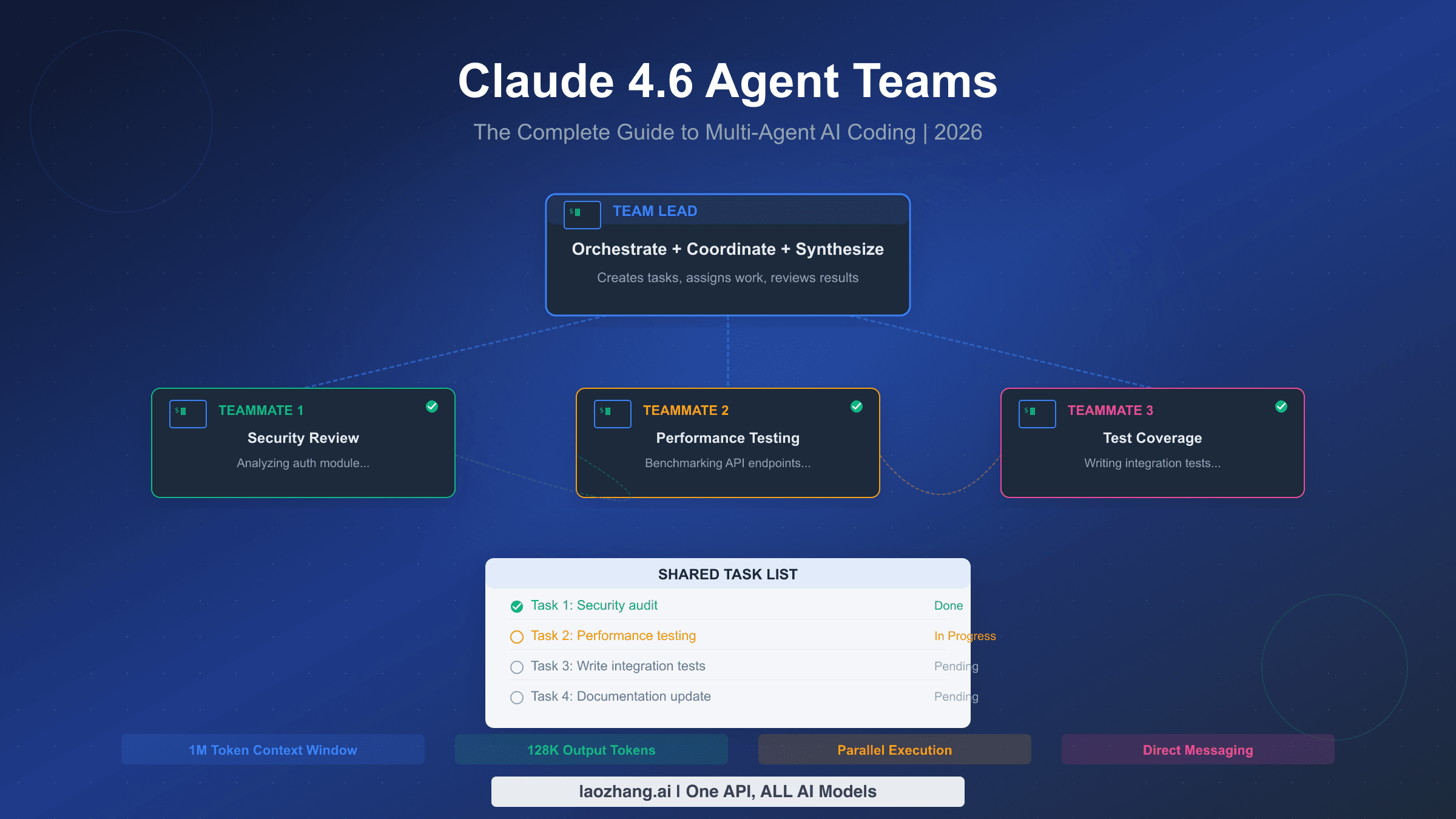
Claude 4.6 Agent Teams is a groundbreaking experimental feature that lets you coordinate multiple AI coding agents working in parallel. This guide covers everything from architecture to setup, real-world use cases, cost analysis, and best practices for multi-agent collaboration.