Цена Grok API: grok-4.7, grok-4.3 и расчёт месячного бюджета
grok-4.7 стоит $2 за 1 млн входных и $6 за 1 млн выходных токенов, grok-4.3 — $1,25 и $2,50. С промпта от 200 тыс. токенов весь запрос идёт по двойной ставке.
Содержание
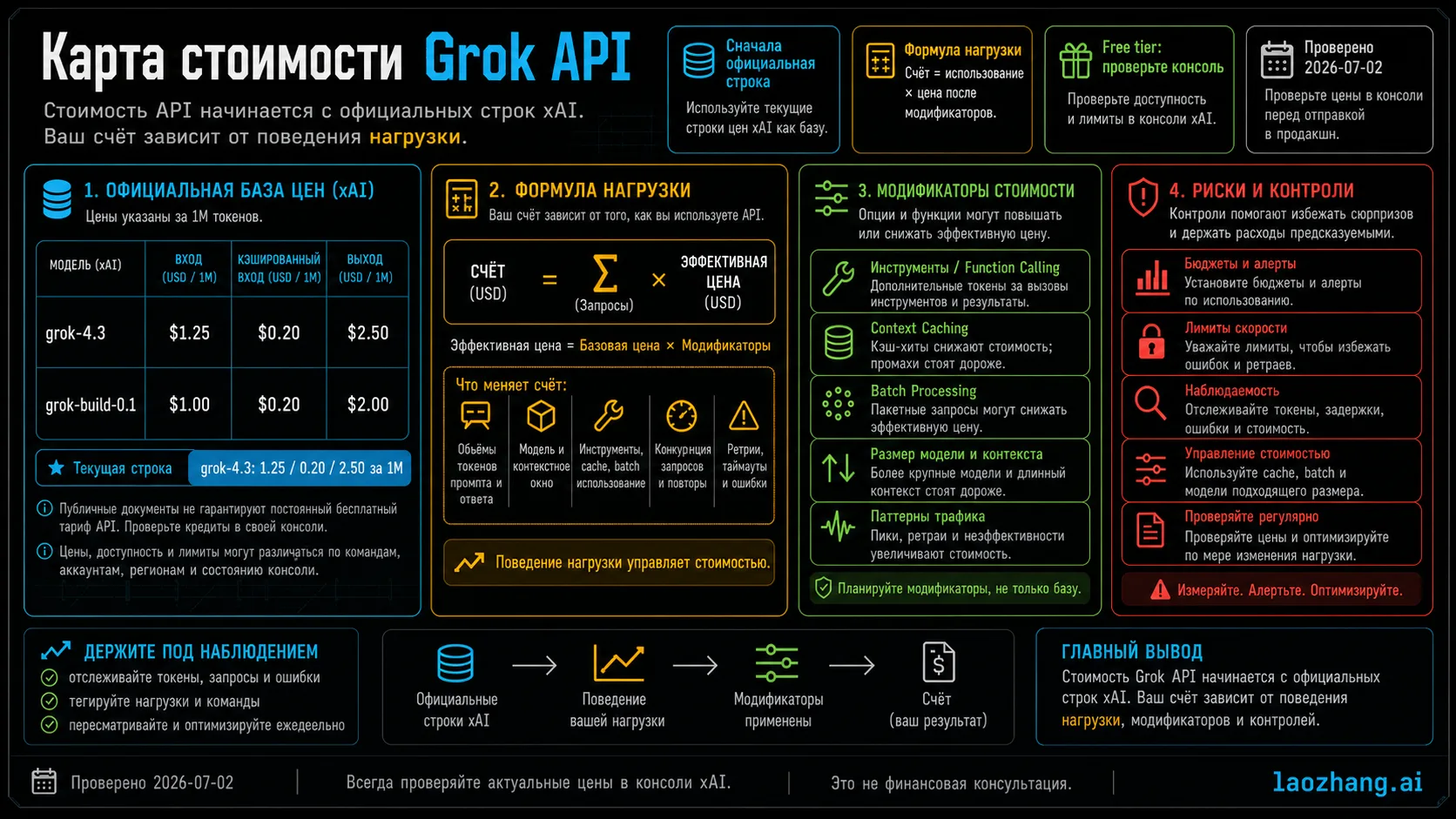
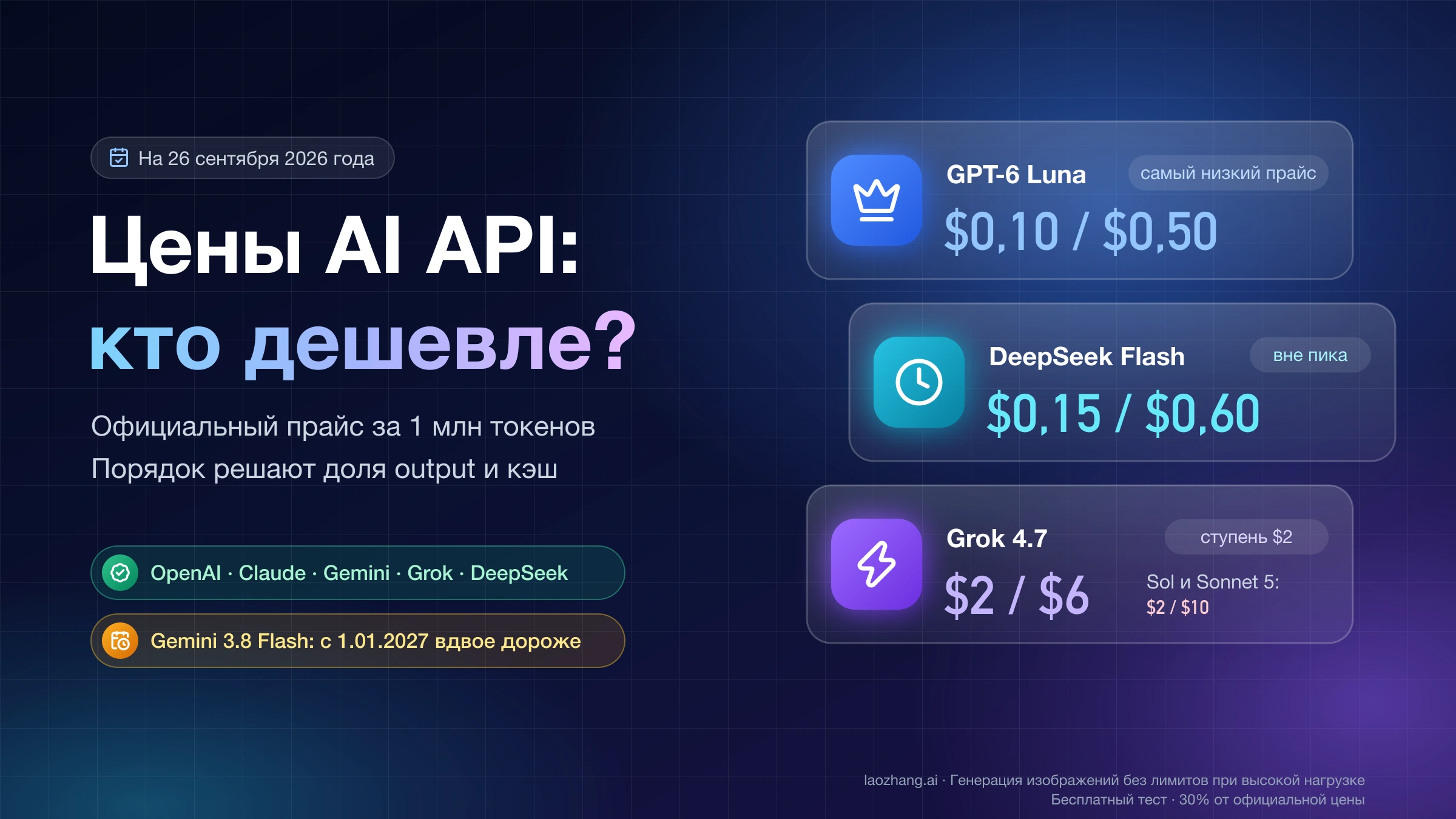
По состоянию на 26 сентября 2026 года флагман xAI grok-4.7 стоит $2 за 1 млн входных токенов, $0,50 за 1 млн кэшированных и $6 за 1 млн выходных. grok-4.3 дешевле: $1,25, $0,20 и $2,50, а контекстное окно у него 1 млн токенов против 500 тыс. у grok-4.7. Самая низкая ставка у модели для программирования grok-build-0.1: $1, $0,20 и $2. Все цены в долларах, по официальной таблице xAI, обновлённой 21 сентября 2026 года.
Счёт отличается от этих ставок в пяти случаях:
- Промпт от 200 тыс. токенов. Тогда весь запрос, включая выход, оплачивается по ставке длинного контекста, то есть вдвое дороже.
- Batch. Скидка 20 % есть только у grok-4.3 и семейства grok-4.20. grok-4.7 через Batch API не работает вовсе.
- Priority Processing удваивает все ставки, US-эндпоинт
us.api.x.aiдобавляет 10 %. - Серверные инструменты (поиск в вебе и X, выполнение кода, поиск по файлам) оплачиваются за каждую 1 000 вызовов поверх токенов.
- Хранение файлов и коллекций оплачивается за каждый день.
Бесплатного лимита для API на официальных страницах нет, а подписки SuperGrok и X Premium оплачиваются отдельно от API.
Официальные цены xAI за 1 млн токенов
В таблице xAI у каждой модели две строки ставок: короткий контекст и длинный, когда промпт достигает 200 тыс. токенов.
| Модель | Контекст | Вход | Кэш | Выход | Вход от 200 тыс. | Кэш от 200 тыс. | Выход от 200 тыс. | Batch |
|---|---|---|---|---|---|---|---|---|
| grok-4.7 | 500 тыс. | $2,00 | $0,50 | $6,00 | $4,00 | $1,00 | $12,00 | не поддерживается |
| grok-4.6 | 500 тыс. | $2,00 | $0,50 | $6,00 | $4,00 | $1,00 | $12,00 | без скидки |
| grok-4.5 | 500 тыс. | $2,00 | $0,30 | $6,00 | $4,00 | $0,60 | $12,00 | без скидки |
| grok-4.3 | 1 млн | $1,25 | $0,20 | $2,50 | $2,50 | $0,40 | $5,00 | −20 % |
| grok-4.20-0309-reasoning, grok-4.20-0309-non-reasoning, grok-4.20-multi-agent-0309 | 1 млн | $1,25 | $0,20 | $2,50 | $2,50 | $0,40 | $5,00 | −20 % |
| grok-build-0.1 | 256 тыс. | $1,00 | $0,20 | $2,00 | $2,00 | $0,40 | $4,00 | без скидки |
Глобальный эндпоинт api.x.ai, цены в долларах США по состоянию на 26 сентября 2026 года. Источник: docs.x.ai/developers/pricing.
Для новых проектов выбор фактически сводится к трём моделям:
- grok-4.7 xAI называет флагманом «для кода и всего остального»: вызов инструментов в агентах, настраиваемая глубина рассуждений, данные обучения по май 2026 года. Batch API на странице модели помечен как не поддерживаемый, так что отложенные задачи на ней дешевле не станут.
- grok-4.3 стоит на 37,5 % дешевле по входу и на 58 % по выходу, держит окно в 1 млн токенов и получает скидку Batch. Разумный выбор, если качество 4.3 проходит ваши тесты. Подробнее о самой модели и переходе на неё: Grok 4.3 API: модель, цены, миграция и план тестирования.
- grok-build-0.1 — модель для агентной разработки и инженерных задач. По цене самая дешёвая, но окно всего 256 тыс. токенов, и скидки Batch у неё нет.
grok-4.6 и grok-4.5 стоят столько же, сколько grok-4.7 (у 4.5 дешевле только кэш), поэтому держать их имеет смысл лишь ради совместимости с уже отлаженным кодом. Если в старом коде остались идентификаторы вроде Grok 3 или Grok 4.1 Fast, сверьте их со списком моделей в консоли xAI: в текущей таблице цен их нет.
Цена привязана к конкретному идентификатору. Псевдоним вида <модель>-latest по правилам xAI переключается на новую версию, и вместе с ней может поменяться ставка. Для бюджета указывайте в коде точный ID, например grok-4.7 или grok-4.3.
Что меняет счёт помимо ставки за токен
Длинный контекст: порог считается на весь запрос
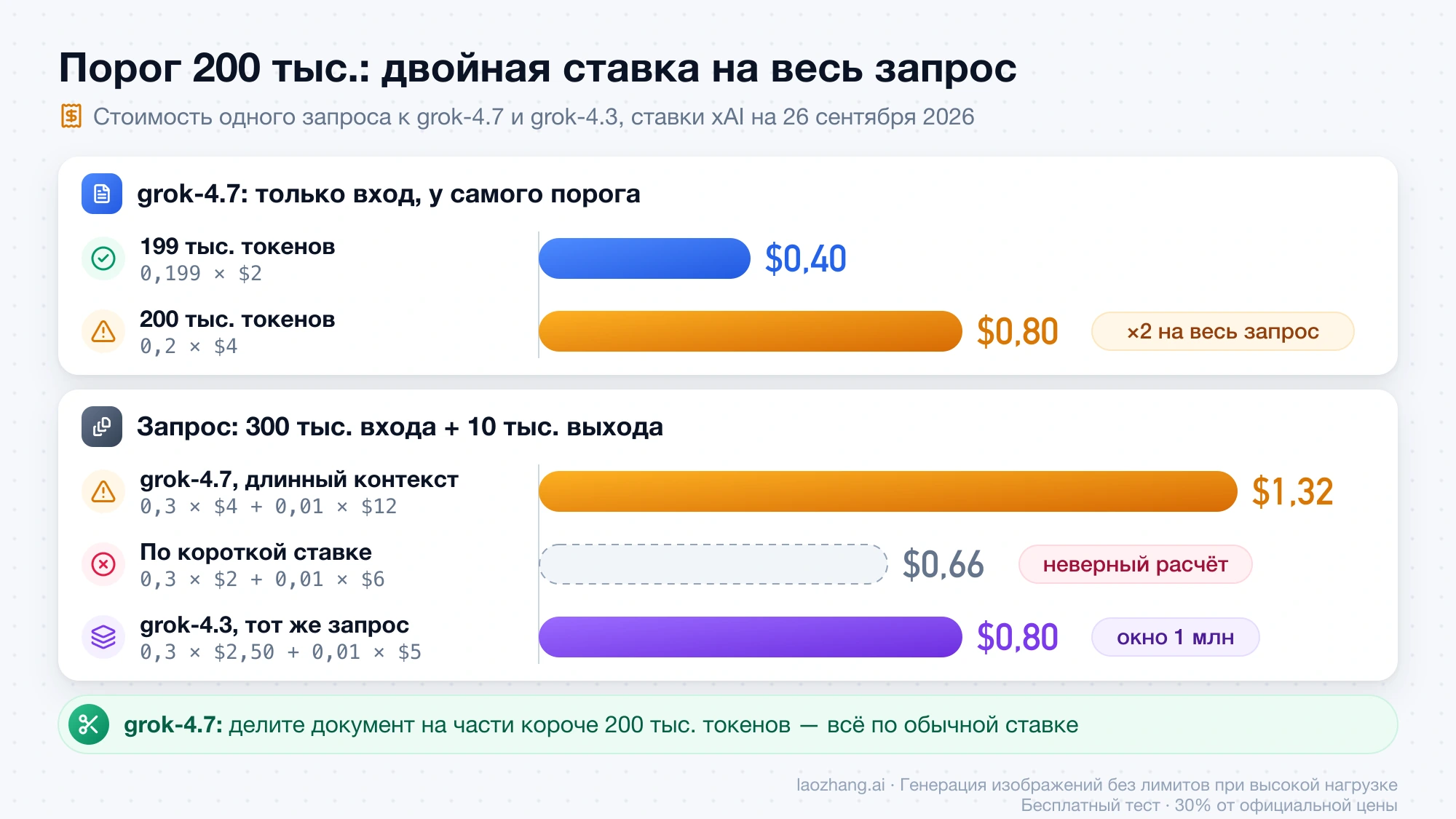
Правило xAI звучит так: как только промпт достигает порога модели, по ставке длинного контекста оплачиваются все токены запроса, а не только те, что выше 200 тыс. Поэтому стоимость запроса на пороге скачком удваивается:
| Запрос к grok-4.7 | Расчёт | Стоимость |
|---|---|---|
| 199 тыс. входных токенов | 0,199 × $2 | $0,40 |
| 200 тыс. входных токенов | 0,2 × $4 | $0,80 |
| 300 тыс. входа + 10 тыс. выхода, по ставке длинного контекста | 0,3 × $4 + 0,01 × $12 | $1,32 |
| Тот же запрос, если ошибочно посчитать по короткой ставке | 0,3 × $2 + 0,01 × $6 | $0,66 |
| Тот же запрос к grok-4.3 (окно 1 млн) | 0,3 × $2,50 + 0,01 × $5 | $0,80 |
Для длинных документов у grok-4.3 два преимущества: окно в 1 млн токенов и ставка длинного контекста $2,50 за вход против $4 у grok-4.7. Если остаётесь на grok-4.7 и задача это позволяет, делите документ на части так, чтобы каждый промпт был короче 200 тыс. токенов: так все токены оплачиваются по обычной ставке.
Batch, Priority и региональный эндпоинт
| Режим | Как меняет цену | Где действует |
|---|---|---|
| Batch API | −20 % на все типы токенов | Только grok-4.3 и семейство grok-4.20. Ответ обычно в течение 24 часов, запросы не расходуют лимиты. Генерация изображений и видео в Batch идёт по обычной цене |
| Priority Processing | ×2 на все типы токенов, скидка за кэш применяется до умножения | Chat Completions и Responses. Двойная цена списывается, только если в ответе "service_tier": "priority" |
US-эндпоинт https://us.api.x.ai/v1 | ×1,1 на вход, кэш и выход, включая длинный контекст | Сейчас только grok-4.7 и grok-4.6. Для grok-4.7 это $2,20 / $0,55 / $6,60 |
| Grok 4.7 Fast | ×2: $4 / $1 / $12, от 200 тыс. — $6 / $1,50 / $18 | Только через Cursor и Grok Build, в публичном API xAI её нет |
Скидку Batch в 50 %, привычную по другим поставщикам, к xAI переносить нельзя. Здесь она зависит от модели: grok-4.7 Batch не поддерживает вовсе, а у grok-4.6, grok-4.5 и grok-build-0.1 скидки нет.
Инструменты, хранение и штрафы
Когда модель сама вызывает серверные инструменты, вы платите за токены (включая найденный текст, который попадает во вход) и отдельно за вызовы:
| Что | Цена |
|---|---|
| Web Search (включая поиск картинок) | $5 за 1 000 вызовов |
| X Search | $5 за 1 000 полученных постов и $10 за 1 000 полученных профилей |
| Code Execution | $5 за 1 000 вызовов |
| File Attachments (поиск по вложениям) | $10 за 1 000 вызовов |
| Collections Search (RAG по вашим коллекциям) | $2,50 за 1 000 вызовов |
| Удалённые MCP-инструменты | вызов бесплатен, оплачиваются токены |
| Хранение файлов | $0,025 за 1 ГиБ в день |
| Хранение коллекций | $0,10 за 1 ГиБ в день |
| Скачивание файлов и коллекций | $0,20 за 1 ГиБ |
| Нарушение правил использования, пойманное до генерации (Responses API) | $0,05 за запрос |
X Search считается не по вызовам, а по каждому полученному посту и профилю, включая родительские и цитируемые посты. Поиск, который вернул 50 постов, стоит $0,25 — столько же, сколько 50 вызовов Web Search. Если нарушение правил обнаружено уже после генерации, оплачивается сама генерация.
Расчёт месяца на трёх нагрузках
Формула, по которой считаются все примеры ниже:
токены   = (новый вход × ставка входа + кэш × ставка кэша + выход × ставка выхода) / 1 000 000
режим    = токены × 2 (Priority) или × 1,1 (US-эндпоинт) или × 0,8 (Batch, только grok-4.3 и grok-4.20)
итого    = режим + вызовы инструментов / 1 000 × цена за 1 000 + хранение (ГиБ × дни × ставка)
Токены рассуждений входят в счёт. Отдельной ставки для них в таблице xAI нет, поэтому в прикидке считайте их вместе с выходом и сверяйте с фактической стоимостью из ответа API (см. ниже раздел о контроле расходов). По умолчанию grok-4.7 рассуждает на уровне high; уровни low и medium для простых задач стоит проверить отдельно.
Чат поддержки: 100 000 ответов в месяц
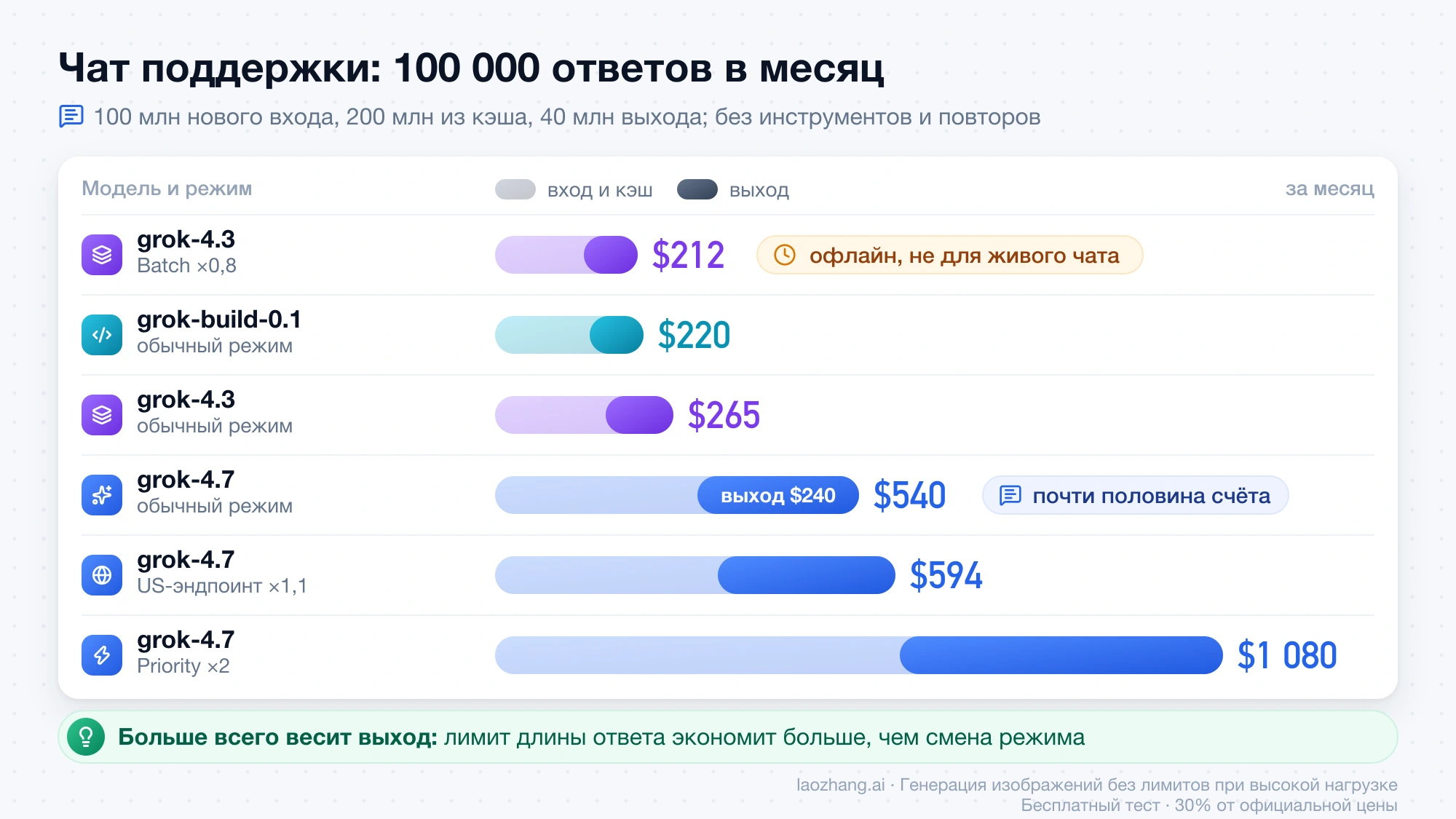
Допущения: каждый ответ — 1 000 новых входных токенов, 2 000 токенов системного промпта из кэша и 400 выходных. За месяц это 100 млн нового входа, 200 млн кэша и 40 млн выхода. Инструменты и повторы не учтены.
| Вариант | Расчёт | За месяц |
|---|---|---|
| grok-4.7 | 100 × $2 + 200 × $0,50 + 40 × $6 | $540 |
| grok-4.7 через US-эндпоинт | $540 × 1,1 | $594 |
| grok-4.7 с Priority | $540 × 2 | $1 080 |
| grok-4.3 | 100 × $1,25 + 200 × $0,20 + 40 × $2,50 | $265 |
| grok-4.3 через Batch | $265 × 0,8 | $212 |
| grok-build-0.1 | 100 × $1 + 200 × $0,20 + 40 × $2 | $220 |
Живой чат не может ждать ответа сутки, поэтому строка с Batch относится к той же нагрузке в офлайне, например к ночной разметке тикетов. Больше всего в этом счёте весит выход: у grok-4.7 40 млн выходных токенов стоят $240, почти половину суммы. Поэтому ограничение длины ответа здесь экономит больше, чем смена режима.
Исследовательский агент: 1 000 задач в месяц
Допущения: на задачу 60 тыс. входных токенов, 3 тыс. выходных и 5 вызовов Web Search. Итого 60 млн входа, 3 млн выхода и 5 000 поисков; текст найденных страниц уже входит в 60 тыс. входа.
- grok-4.7: 60 × $2 + 3 × $6 = $138 за токены и 5 × $5 = $25 за поиск, всего $163.
- grok-4.3: 60 × $1,25 + 3 × $2,50 = $82,50 за токены и те же $25 за поиск, всего $107,50.
Плата за инструменты не зависит от модели. На дешёвой модели её доля в счёте растёт: у grok-4.3 поиск уже почти четверть суммы.
Длинные документы
Если каждый запрос содержит 300 тыс. токенов входа и 10 тыс. выхода, grok-4.7 обойдётся в $1,32 за запрос, grok-4.3 — в $0,80 (расчёт в таблице выше). На 10 000 таких запросов в месяц разница составит $5 200. grok-build-0.1 с окном 256 тыс. такой промпт не примет вовсе.
Grok против ChatGPT и Claude на тех же токенах
Тот же месяц без кэша: 100 млн входных и 20 млн выходных токенов. Ставки OpenAI и Anthropic взяты из их официальных прайсов по состоянию на 26 сентября 2026 года.
| Модель | Вход / выход за 1 млн | Расчёт | За месяц |
|---|---|---|---|
| GPT-6 Sol | $2 / $10 | 100 × $2 + 20 × $10 | $400 |
| Claude Sonnet 5 | $2 / $10 | 100 × $2 + 20 × $10 | $400 |
| grok-4.7 | $2 / $6 | 100 × $2 + 20 × $6 | $320 |
| grok-4.3 | $1,25 / $2,50 | 100 × $1,25 + 20 × $2,50 | $175 |
| grok-build-0.1 | $1 / $2 | 100 × $1 + 20 × $2 | $140 |
| GPT-6 Luna | $0,10 / $0,50 | 100 × $0,10 + 20 × $0,50 | $20 |
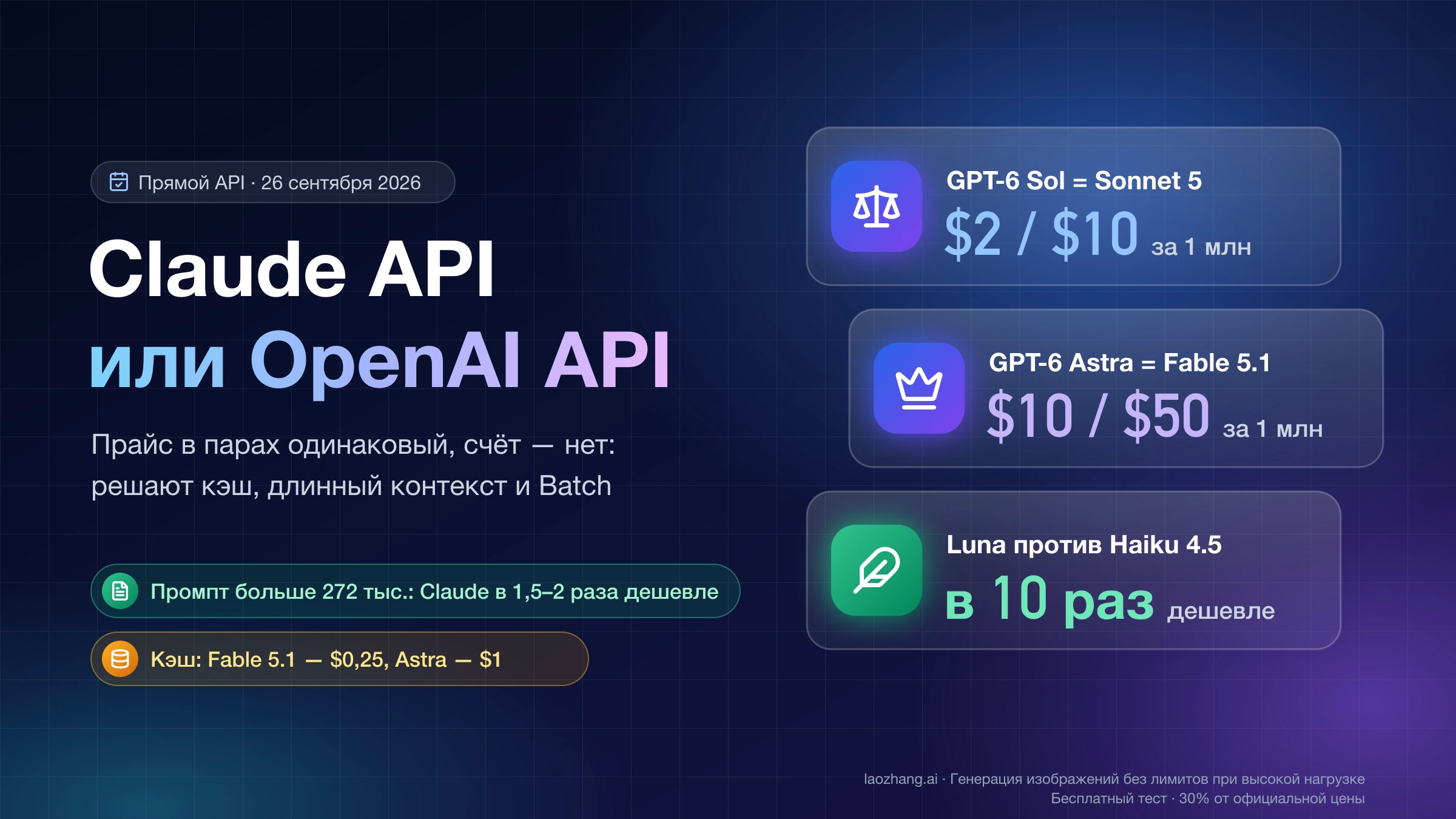
По входу grok-4.7 стоит столько же, сколько GPT-6 Sol и Sonnet 5, а выход у него на 40 % дешевле. Чем больше в нагрузке выходных токенов, тем заметнее разница. Две оговорки. Токенизаторы у компаний разные, и один и тот же текст даёт разное число токенов, поэтому сравнивайте на своих данных. А GPT-6 Luna — лёгкая модель другого класса: на этой нагрузке она в 16 раз дешевле grok-4.7, но выигрыш реален, только если она проходит ваши тесты качества.
Подробное сравнение OpenAI и Anthropic, включая длинный контекст и кэш: Claude API или OpenAI API: где дешевле при вашей нагрузке. Сводная таблица по пяти поставщикам: Сравнение цен AI API: какая модель дешевле для вашей нагрузки.
Есть ли бесплатный Grok API и что даёт подписка
На страницах цен, моделей и лимитов xAI бесплатного лимита токенов для API нет. Tier 0 в таблице лимитов — это уровень для аккаунта с нулевыми тратами, а не бесплатный объём: платить за каждый токен всё равно нужно. Уровни растут с суммарными тратами на API с 1 января 2026 года ($50, $250, $1 000, $5 000) и никогда не понижаются, а в зачёт идут купленные предоплаченные кредиты и оплаченные счета.
Бесплатный Grok есть в самом приложении: на x.ai/pricing у Grok есть план Free, а также SuperGrok, Business и Enterprise. Это потребительские тарифы, их счёт никак не связан со счётом API, и в прайсе API о них нет ни слова. Подписка SuperGrok или X Premium не заменяет пополнение баланса в консоли. Если приложение пишет о перегрузке и приоритетном доступе, это тоже про подписку: Grok перегружен: что значит сообщение о приоритетном доступе.
Ещё одна частая путаница: Groq (groq.com) — отдельная компания со своим облаком для запуска моделей, к xAI и Grok она отношения не имеет. Какие API действительно дают бесплатный объём, разобрано в статье Бесплатный AI API: какой выбрать и что доступно из России.
Официальный ключ и рублёвые цены посредников
Официальный ключ создаётся в консоли xAI (console.x.ai), а оплата идёт с баланса предоплаченных кредитов или по счетам. Доступность моделей, как предупреждает xAI, зависит от страны и ограничений аккаунта, поэтому актуальный список моделей смотрите на странице Models в консоли.
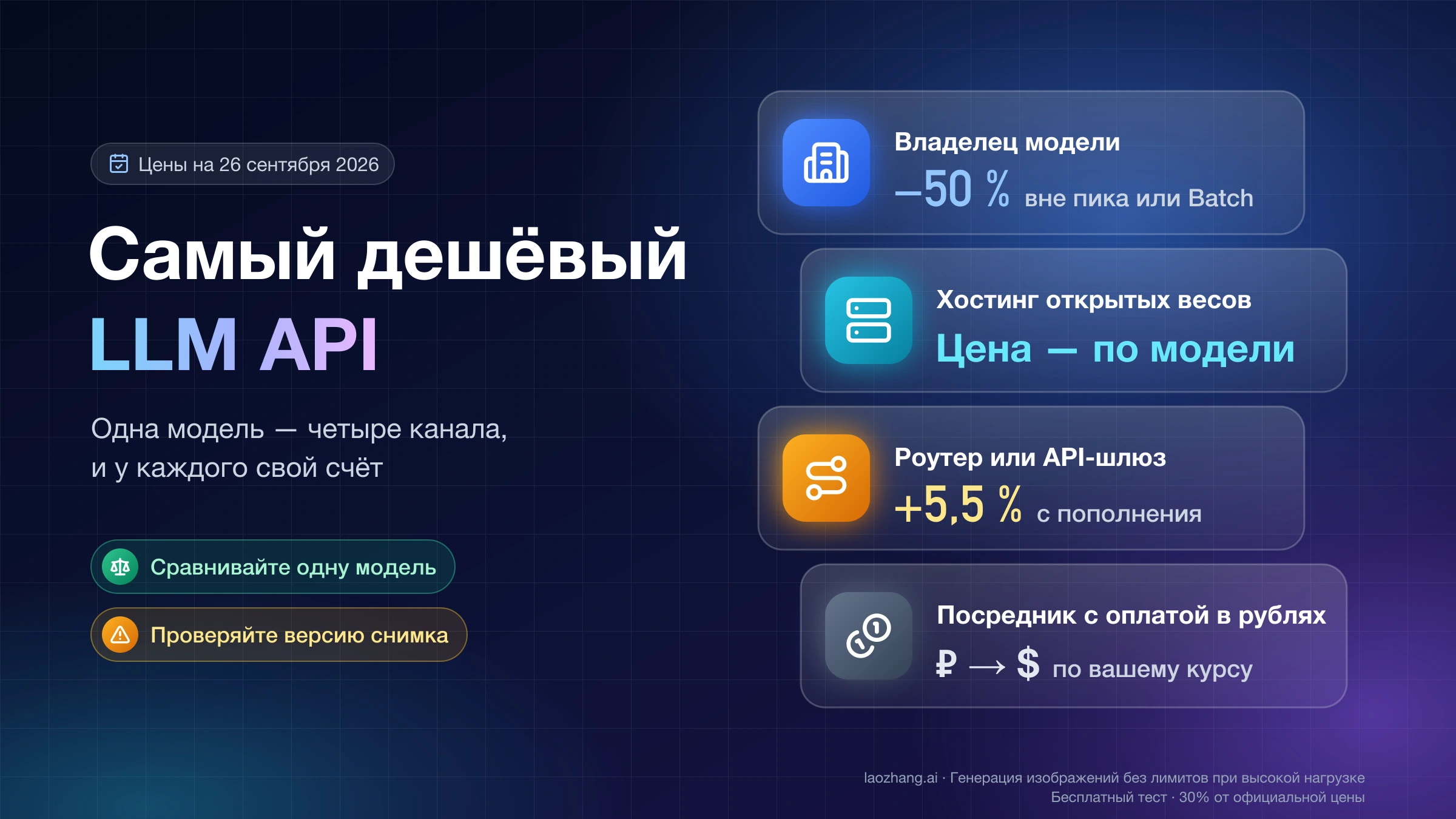
Рублёвые цены за Grok публикуют посредники: сервисы-агрегаторы, которые перепродают доступ через свой API, и магазины, продающие пополнение баланса. Их цена — это отдельный договор с посредником, а не цена xAI. Посредник сам решает, какая модель стоит за названием, какой курс и наценку заложить, какие лимиты поставить и как долго хранить ваши запросы. Чтобы сравнить такую цену с официальной, переведите её в доллары за 1 млн токенов, уточните точный ID модели (в рублёвых прайсах встречаются не только grok-4.7, но и grok-4.20 и grok-4.5) и проверьте, как посредник считает кэш и длинный контекст. На что ещё смотреть при выборе шлюза: Самый дешевый LLM API провайдер: цена, качество, задержка и риск gateway.
Как держать расходы под контролем
Каждый ответ API xAI (Chat Completions, Responses, генерация изображений и видео) содержит поле cost_in_usd_ticks в объекте usage. Это фактически списанная сумма после скидки за кэш, включая плату за серверные инструменты. 1 доллар = 10 000 000 000 тиков:
import os
from openai import OpenAI

client = OpenAI(api_key=os.getenv("XAI_API_KEY"), base_url="https://api.x.ai/v1")
completion = client.chat.completions.create(
    model="grok-4.7",
    messages=[{"role": "user", "content": "Say hello"}],
)
cost_usd = completion.usage.cost_in_usd_ticks / 1e10
print(f"Стоимость запроса: ${cost_usd:.6f}")
При стриминге через OpenAI SDK или REST добавьте stream_options: {"include_usage": true}: стоимость придёт только в последнем чанке. Vercel AI SDK (@ai-sdk/xai) это поле пока не отдаёт.
Что ещё стоит заложить в код и процессы:
- Логируйте
cost_in_usd_ticksпо функциям продукта. Сумма за неделю покажет, какая часть счёта уходит на выход, инструменты и повторы, и подтвердит или опровергнет вашу прикидку. - Ставьте порог на размер промпта. Проверка «вход меньше 200 тыс. токенов» перед отправкой к grok-4.7 защищает от внезапной двойной ставки.
- Проверяйте
service_tier. Если вы включили Priority, двойная цена списывается только при"service_tier": "priority"в ответе; считайте долю таких ответов. - Учитывайте лимиты. У grok-4.7 лимит токенов в минуту растёт с уровнем аккаунта: 50 млн на Tier 0, 100 млн на Tier 4. Кэшированные токены тоже расходуют этот лимит. Превышение возвращает ошибку 429; xAI рекомендует повторять такие запросы с экспоненциальной задержкой.
- Удаляйте ненужные файлы и коллекции. Хранение оплачивается каждый день, и 100 ГиБ коллекций обходятся в $10 в сутки, около $300 в месяц.
Частые вопросы
Сколько стоит Grok API в 2026 году?
По состоянию на 26 сентября 2026 года grok-4.7 стоит $2 за 1 млн входных, $0,50 за 1 млн кэшированных и $6 за 1 млн выходных токенов. grok-4.3 — $1,25, $0,20 и $2,50, grok-build-0.1 — $1, $0,20 и $2. При промпте от 200 тыс. токенов все ставки запроса удваиваются.
Есть ли у Grok API бесплатный тариф?
На официальных страницах xAI бесплатного объёма токенов для API нет: Tier 0 — это уровень лимитов, а не бесплатный доступ. Бесплатный план Free есть у приложения Grok, но к API он не относится.
Входит ли доступ к API в SuperGrok или X Premium?
Подписки оплачиваются отдельно от API, и прайс API их не упоминает. Для запросов через API нужен ключ из консоли xAI и пополненный баланс.
Почему фактический счёт больше расчёта по таблице?
Чаще всего из-за промптов от 200 тыс. токенов (весь запрос по двойной ставке), вызовов инструментов, Priority, US-эндпоинта, хранения файлов, токенов рассуждений и повторов. Поле cost_in_usd_ticks в каждом ответе показывает, сколько на самом деле стоил конкретный запрос.
Grok и Groq — это одно и то же?
Нет. Grok — модели компании xAI, Groq (groq.com) — отдельная компания с собственной инфраструктурой для запуска моделей. Цены и ключи у них разные.