AI Model & API Guides · Page 25 of 26

Source-linked guidance for AI models, API integration, and developer workflows—turning fast-changing prices, quotas, capabilities, and limits into decisions you can verify.
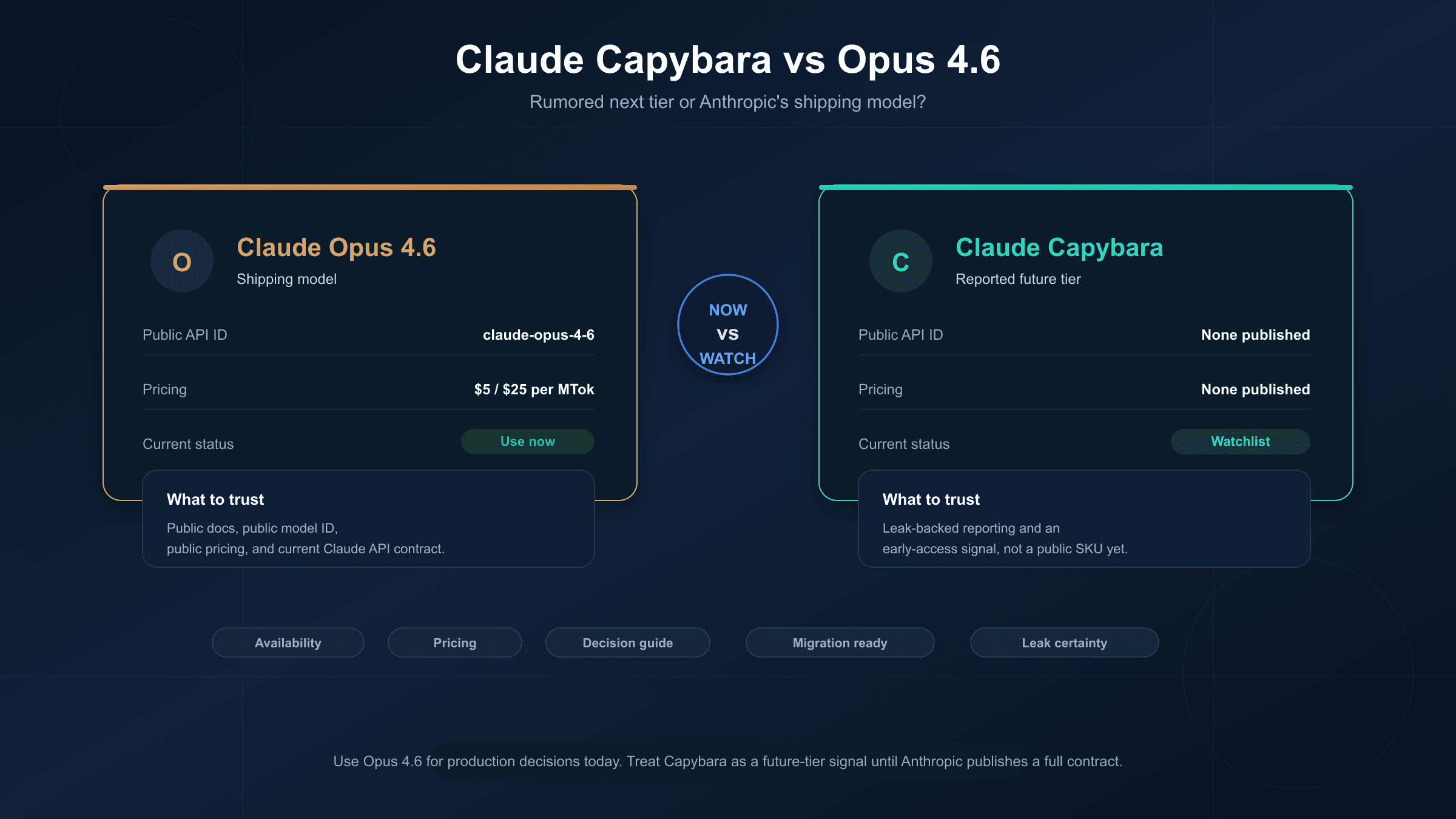
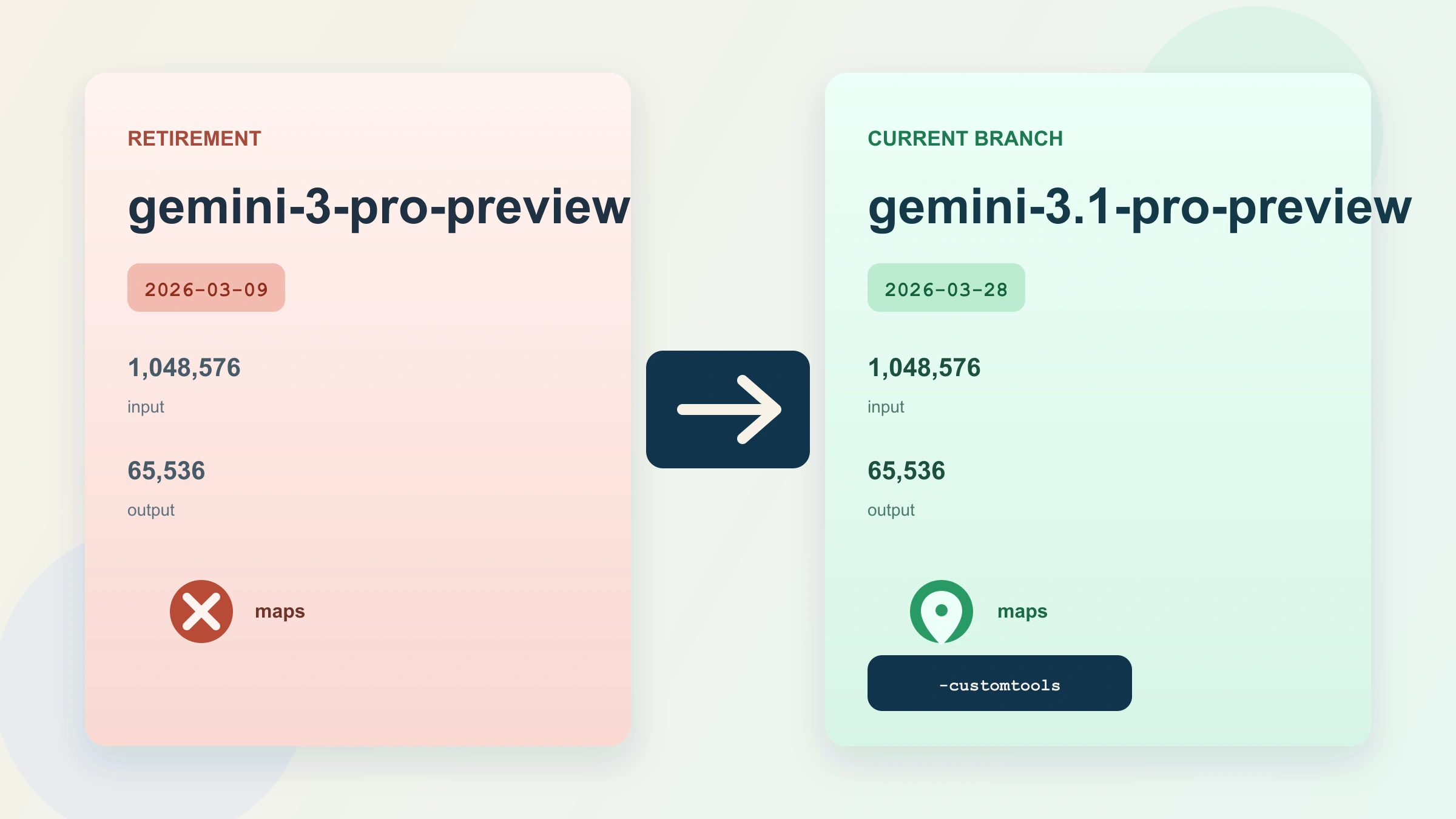
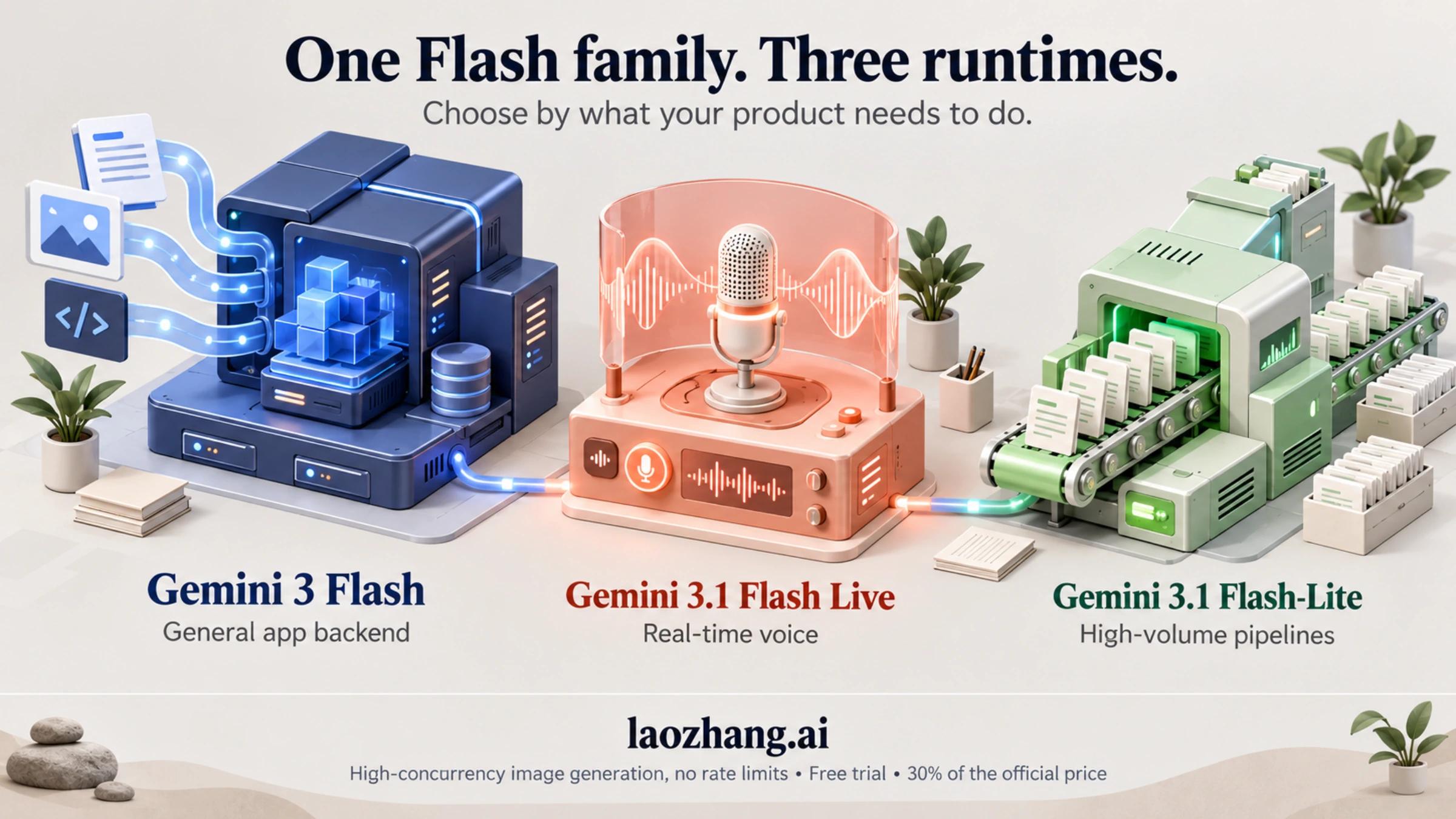
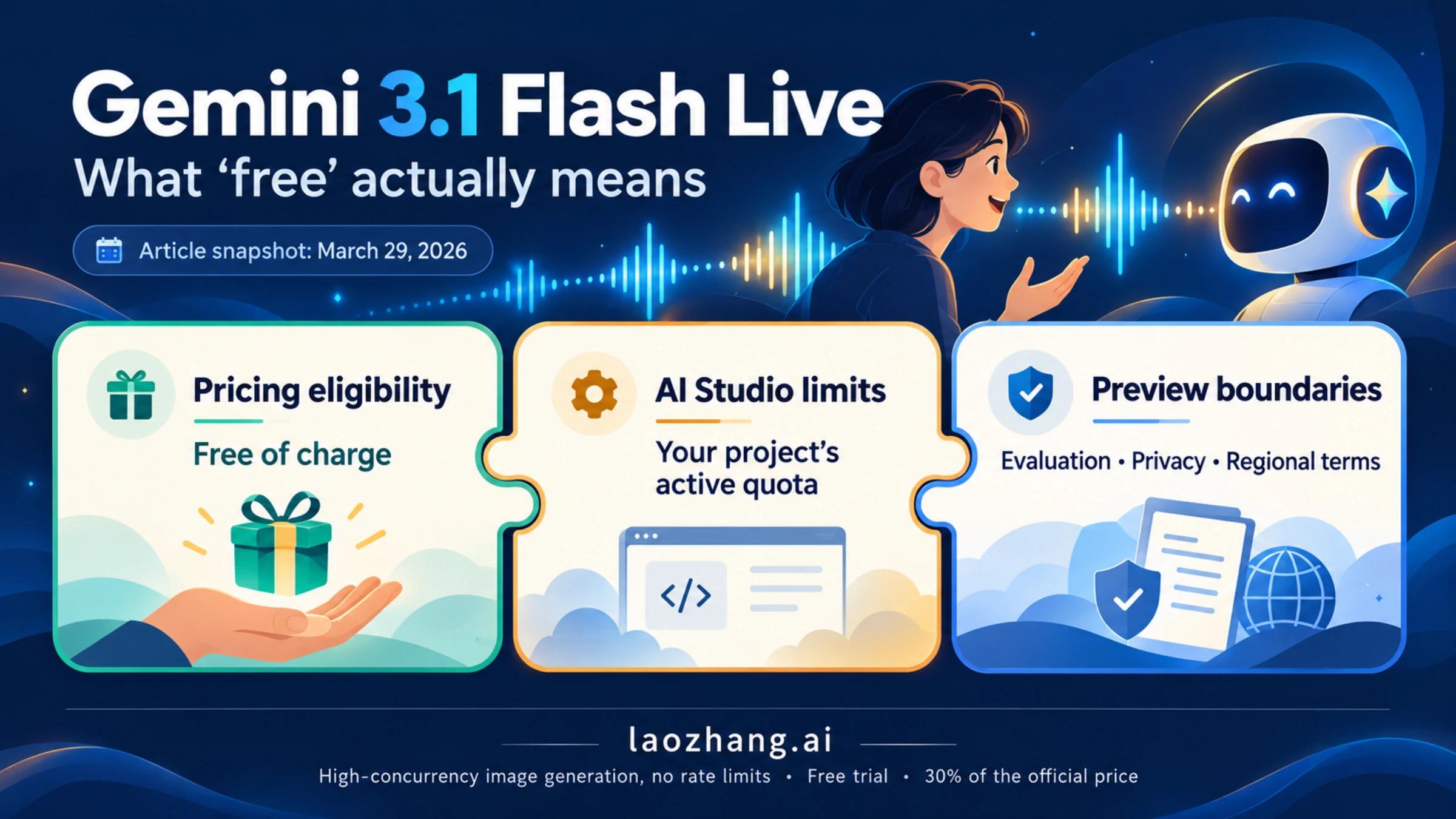
Gemini 3.1 Flash Live free API contract showing pricing eligibility, AI Studio limits, and preview boundaries
API Guides

Gemini 3.1 Flash Live Free API: Is It Actually Free in 2026?

Gemini 3.1 Flash Live still shows free API pricing in March 2026, but that is only the first layer of the answer. This guide explains what is actually free, where your real limits now live, and when free is the wrong contract for a voice app.

11 min
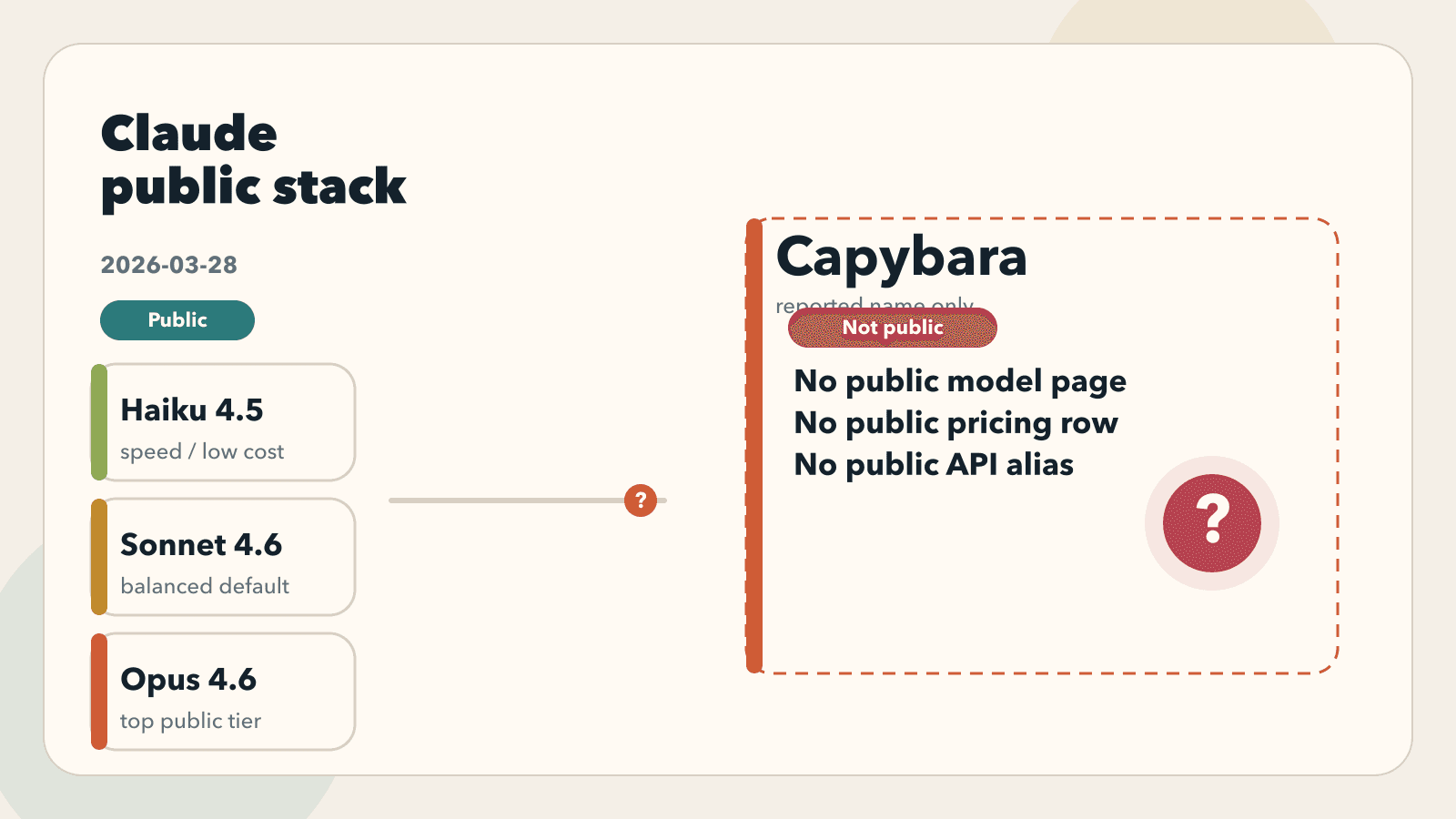
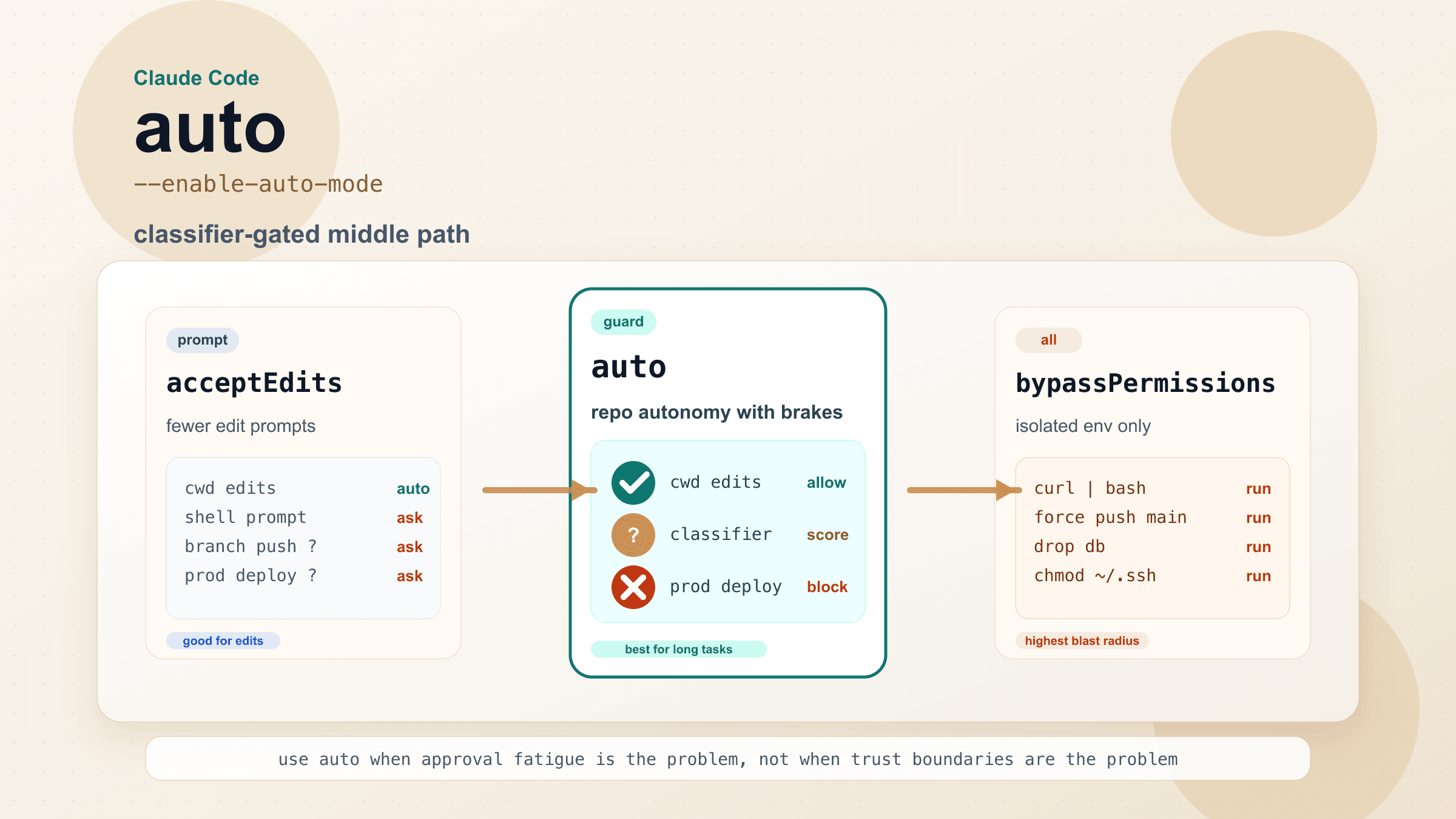
Claude Capybara vs Opus 4.6 framed as watchlist tier versus shipping model
Model Comparisons

Claude Capybara vs Opus 4.6: Should You Wait or Use Opus Now?

Claude Capybara is not a public Anthropic model contract you can select today. Anthropic's public docs still point to Claude Opus 4.6 as the top shipping model, while Capybara remains a leak-backed future-tier signal. Here's how to decide whether to use Opus 4.6 now or keep Capybara on your roadmap watchlist.

9 min
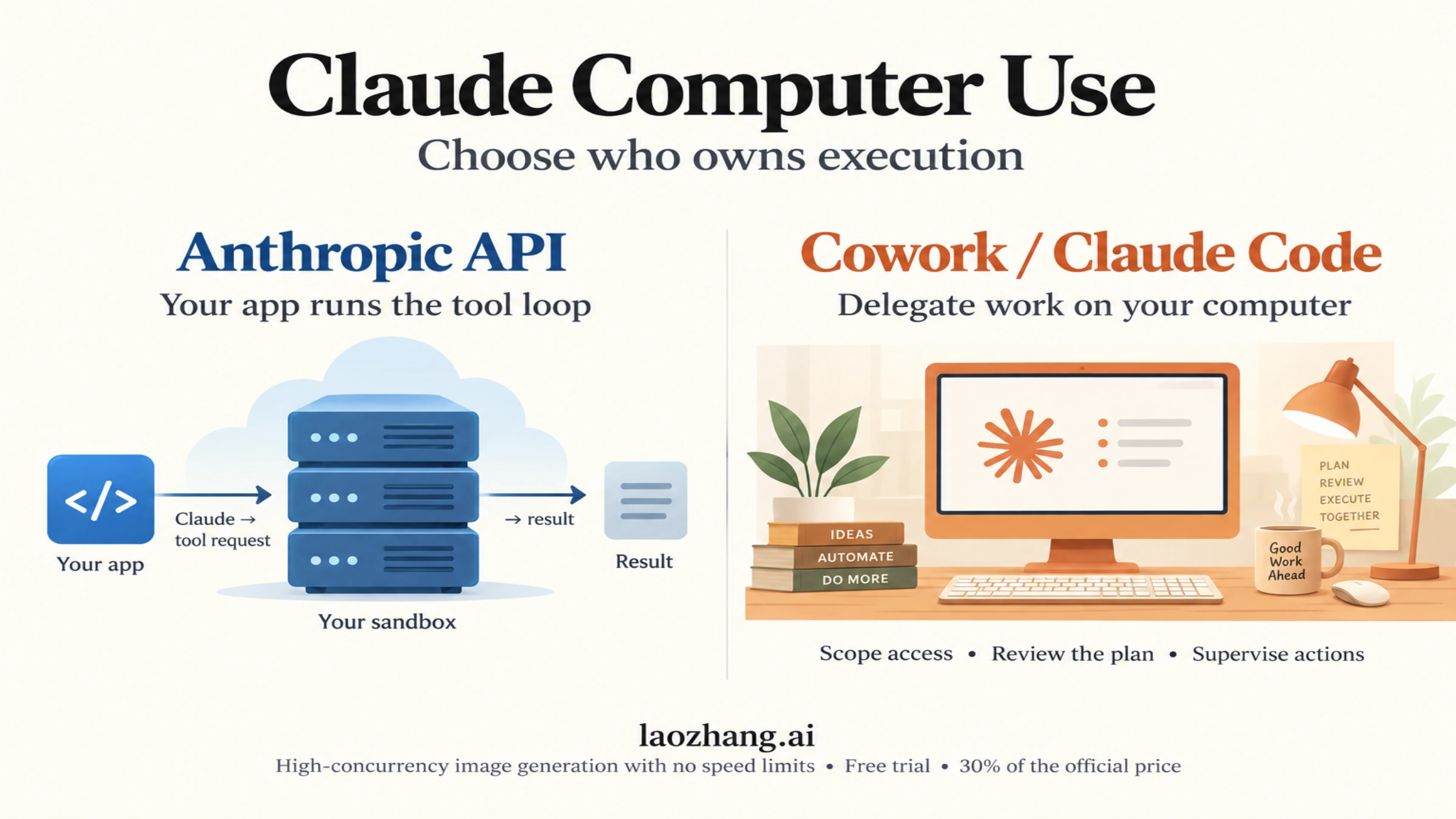
Conceptual comparison of the developer-owned Anthropic API loop and supervised Cowork or Claude Code delegation
Claude & Anthropic

Claude Computer Use in 2026: API Tool vs Cowork vs Claude Code

Claude Computer Use now points at two different contracts: Anthropic's API tool for builders who run actions inside their own sandbox, and desktop workflows in Cowork or Claude Code for people who want Claude to act on their own machine. This guide shows which route fits your job, what setup each one needs, and where the safety and retention boundaries differ.

16 min
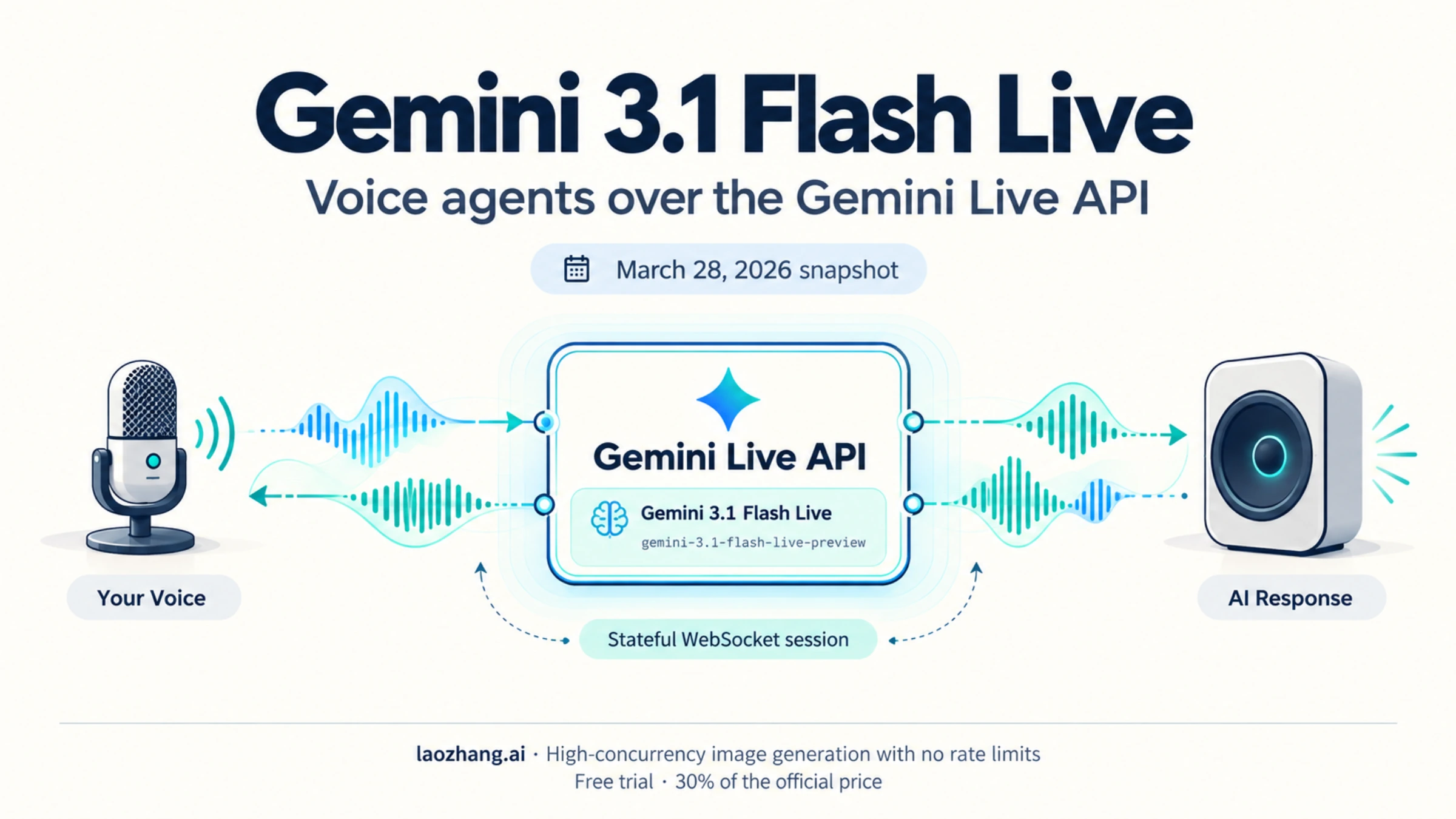
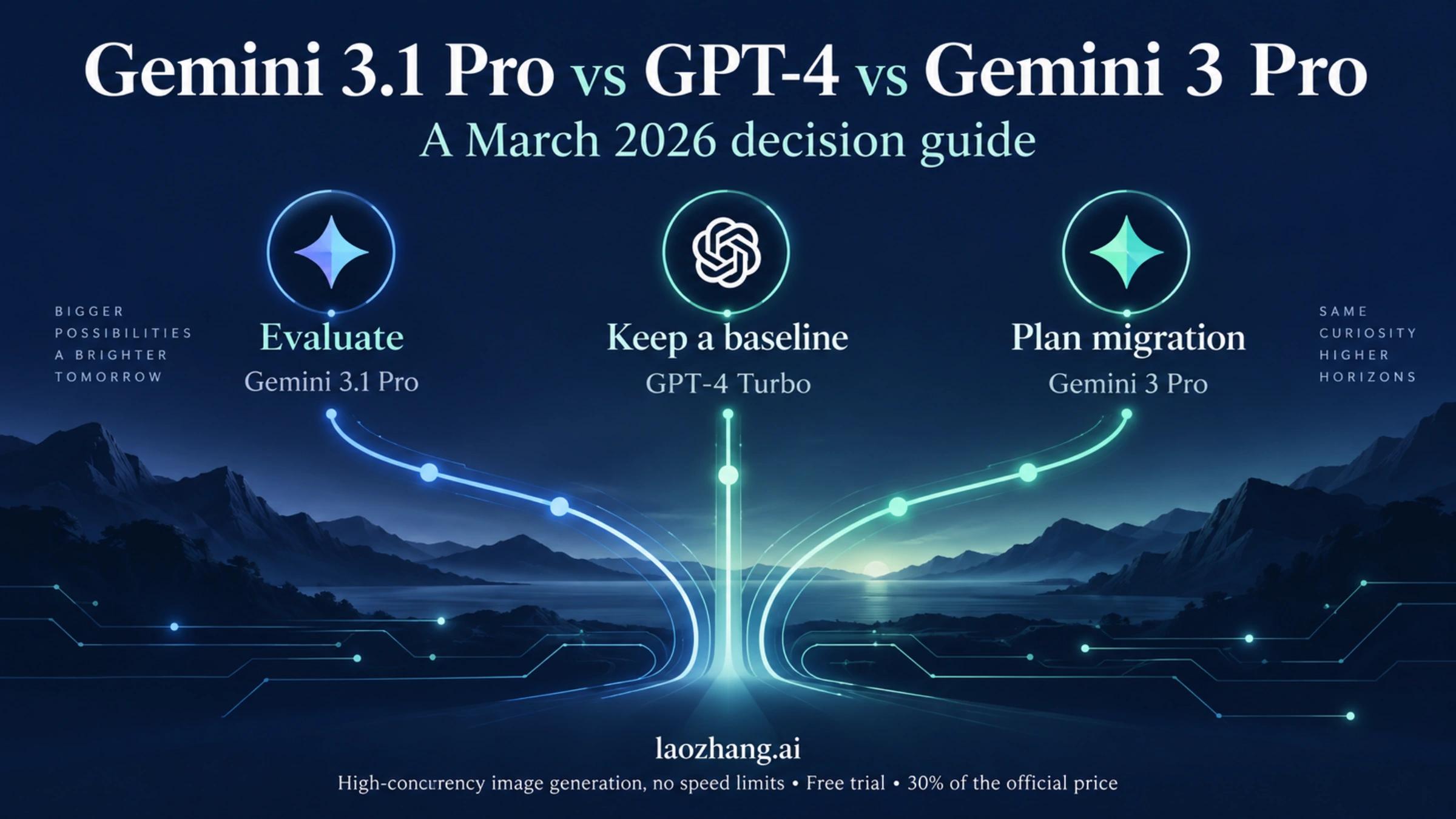
March 2026 comparison of evaluation, legacy baseline, and migration roles
Model Comparisons

Gemini 3.1 Pro vs GPT-4 vs Gemini 3 Pro: What Developers Should Actually Choose (March 2026)

As of March 28, 2026, Gemini 3.1 Pro Preview is the only live flagship choice among these three names. Gemini 3 Pro Preview was shut down on March 9, 2026, and OpenAI describes GPT-4 Turbo as an older model while recommending newer models like GPT-4o. This guide explains what that means for developers choosing, migrating, or benchmarking today.

11 min
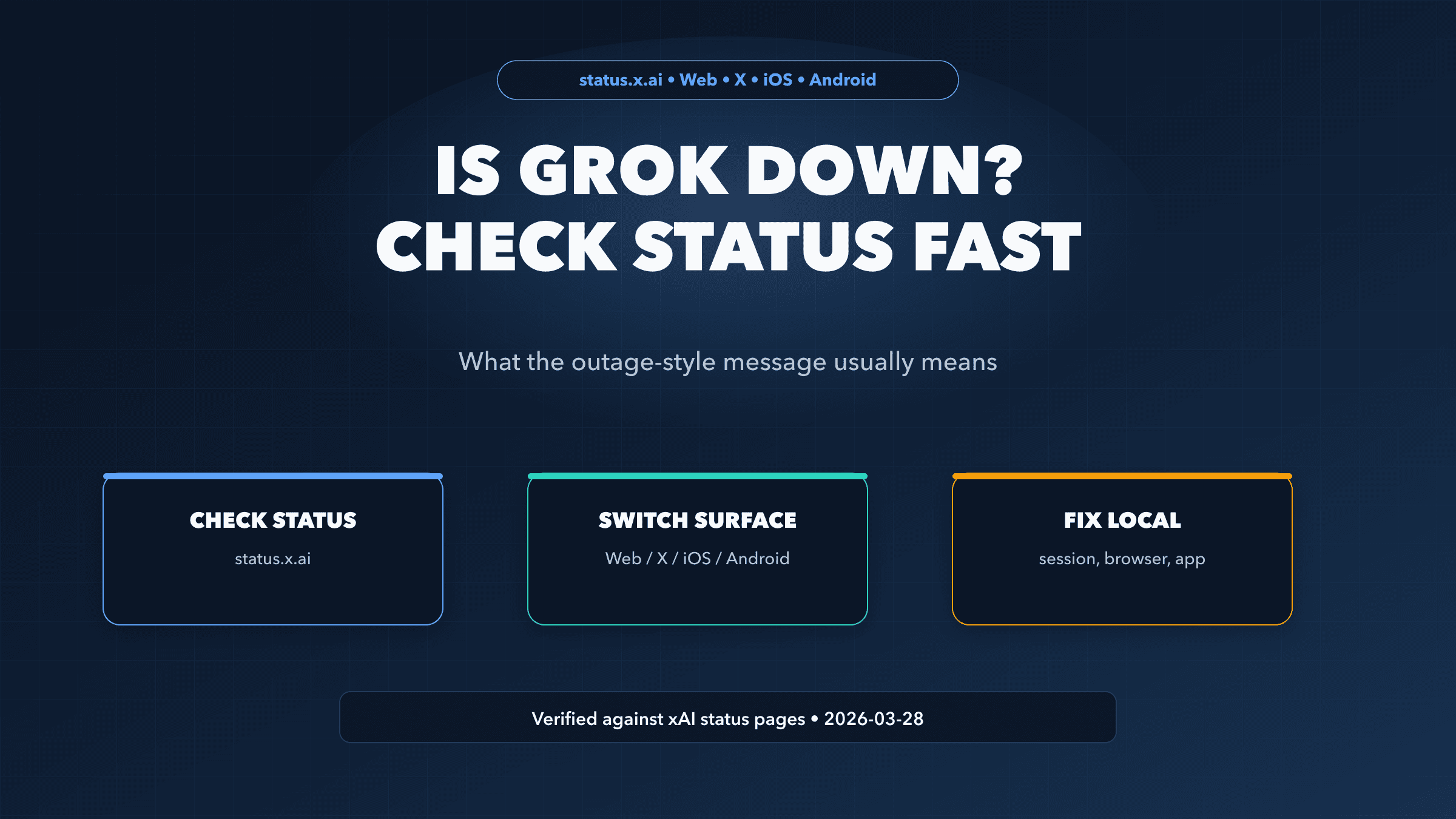
Is Grok down guide showing status check, surface switching, and local troubleshooting
Troubleshooting

Is Grok Down? What "Grok Is Experiencing Issues" Means and What to Do (2026)

If you are seeing "Grok is experiencing issues" or "Grok is Temporarily Unavailable," start with xAI's official status pages. As of the latest official check on March 28, 2026, Grok Web, X, iOS, and Android all showed fully operational, but recent incidents prove real outages do happen. This guide shows how to tell a global outage from a single-surface problem or a local browser and app issue.

15 min
Best free AI image generation tools comparison for 2026
AI Image Generation

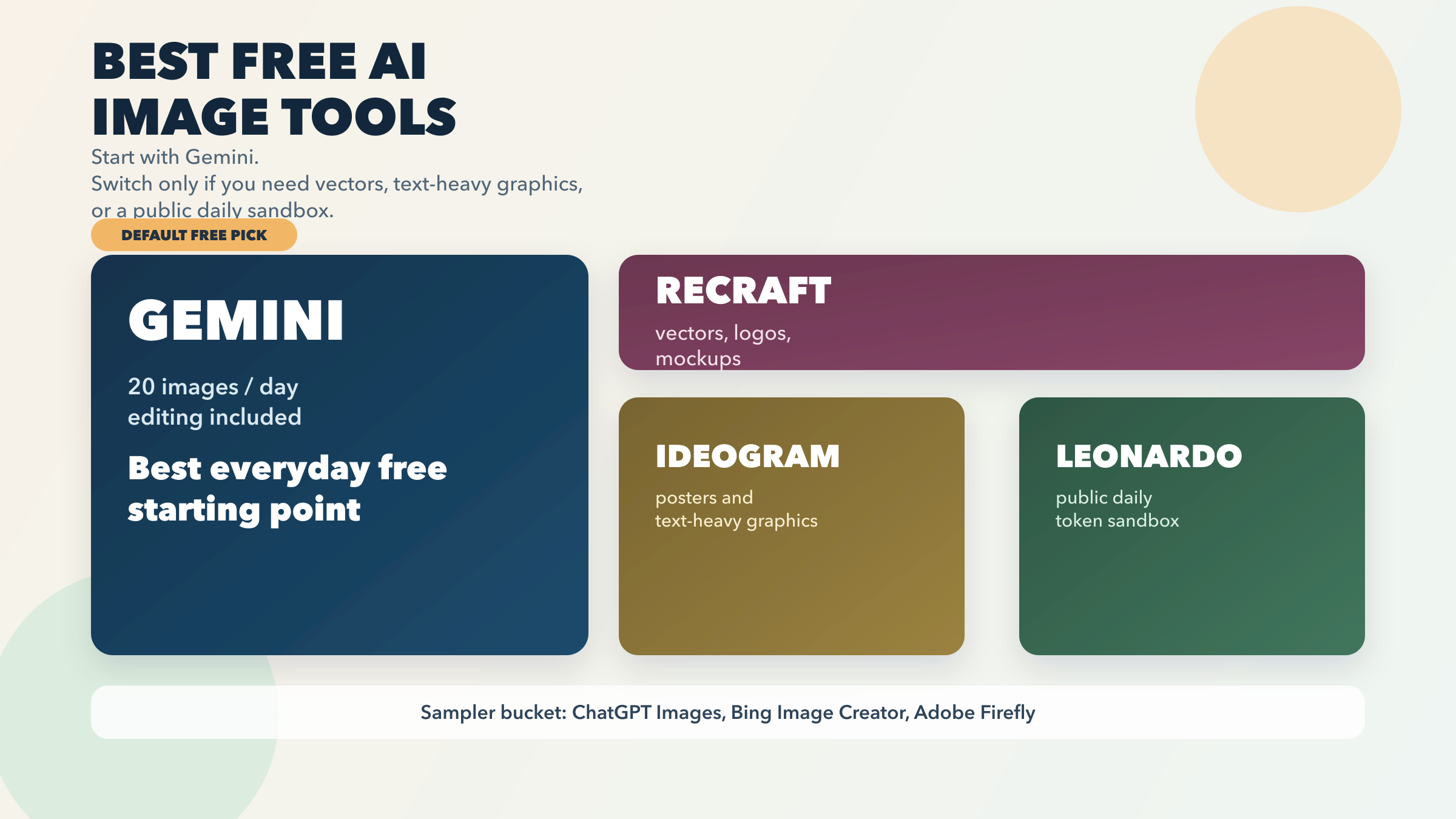
Best Free AI Image Generation Tools in 2026: What Is Actually Free?

If you want one free AI image generator that still feels usable after the signup novelty wears off, start with Gemini. But if you need vectors, text-heavy graphics, or a public daily sandbox, Recraft, Ideogram, or Leonardo may be the better free fit.

15 min
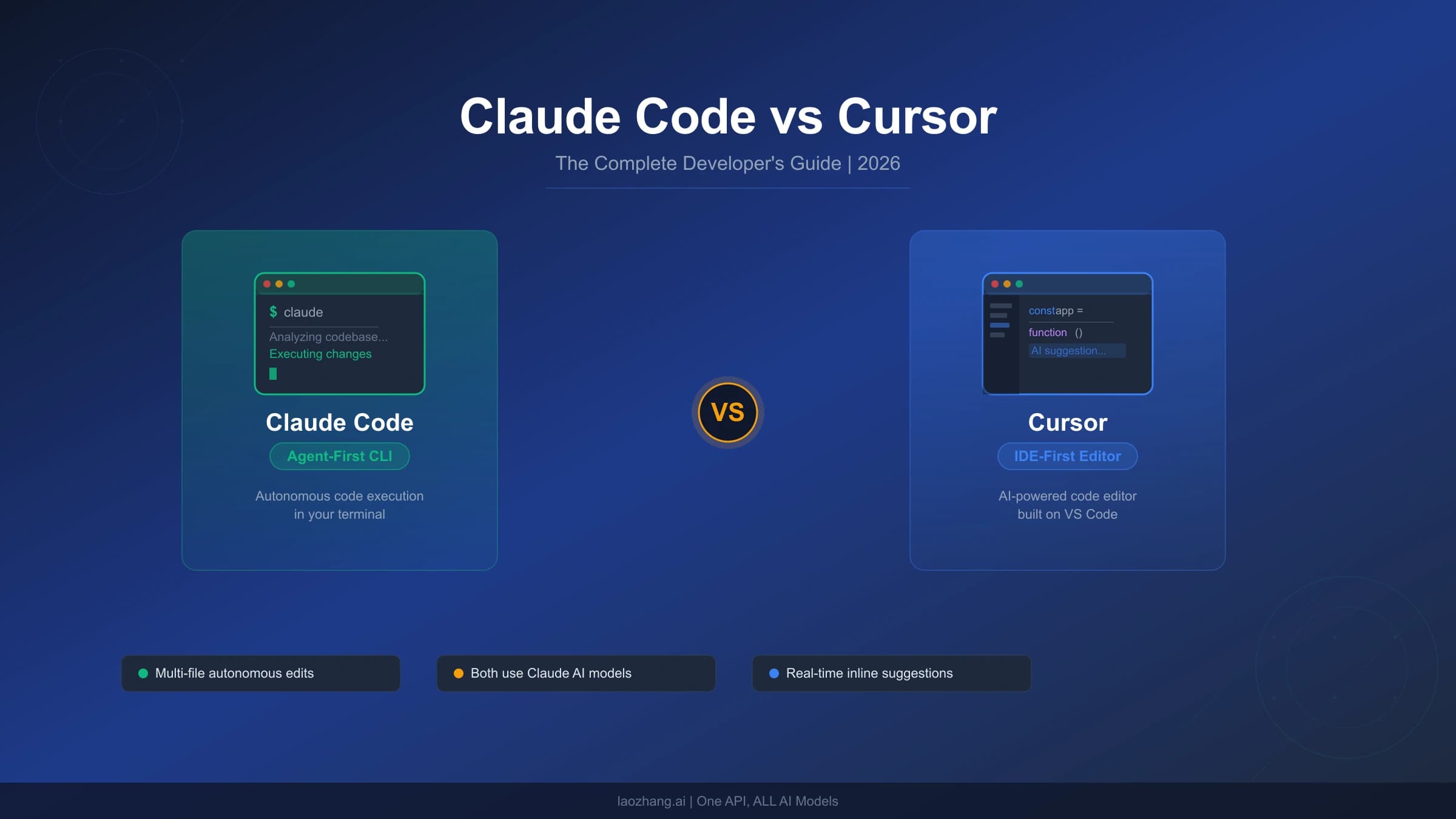
Claude Code vs Cursor complete comparison guide for developers in 2026
Developer Tools & Agents

Claude Code vs Cursor in 2026: The Complete Developer's Guide to Choosing (or Using Both)

Claude Code and Cursor both cost $20-$200/mo but take fundamentally different approaches to AI-assisted coding. Claude Code operates as an autonomous agent in your terminal (using 5.5x fewer tokens), while Cursor enhances your IDE with real-time suggestions. This guide covers architecture differences, real benchmarks, true cost analysis, and includes a developer profile framework to help you decide — or learn why many senior developers use both.

22 min
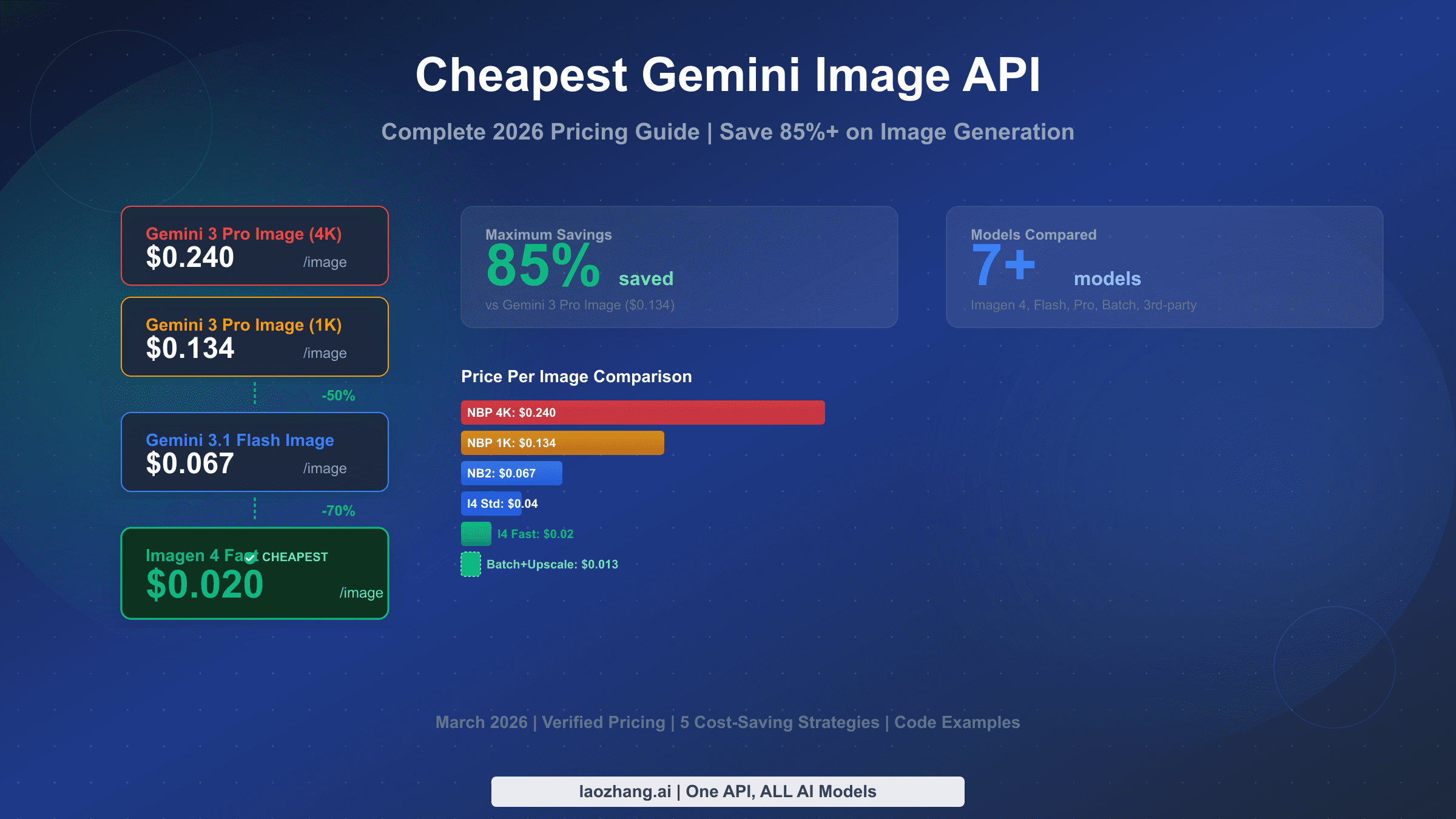
Cheapest Gemini image API pricing guide showing all models from $0.02 to $0.24 per image with cost-saving strategies
API Pricing & Plans

Cheapest Gemini Image API in 2026: Save 85%+ with These 5 Proven Strategies

Google now offers seven different image generation models through its API, with prices spanning from $0.02 to $0.24 per image. This guide compares every option in March 2026 — from Imagen 4 Fast at $0.02/image to Batch API discounts of 50% — and reveals five strategies that can cut your image generation bill by up to 92%. Includes hidden cost analysis, a decision matrix by volume, and working code examples.

22 min
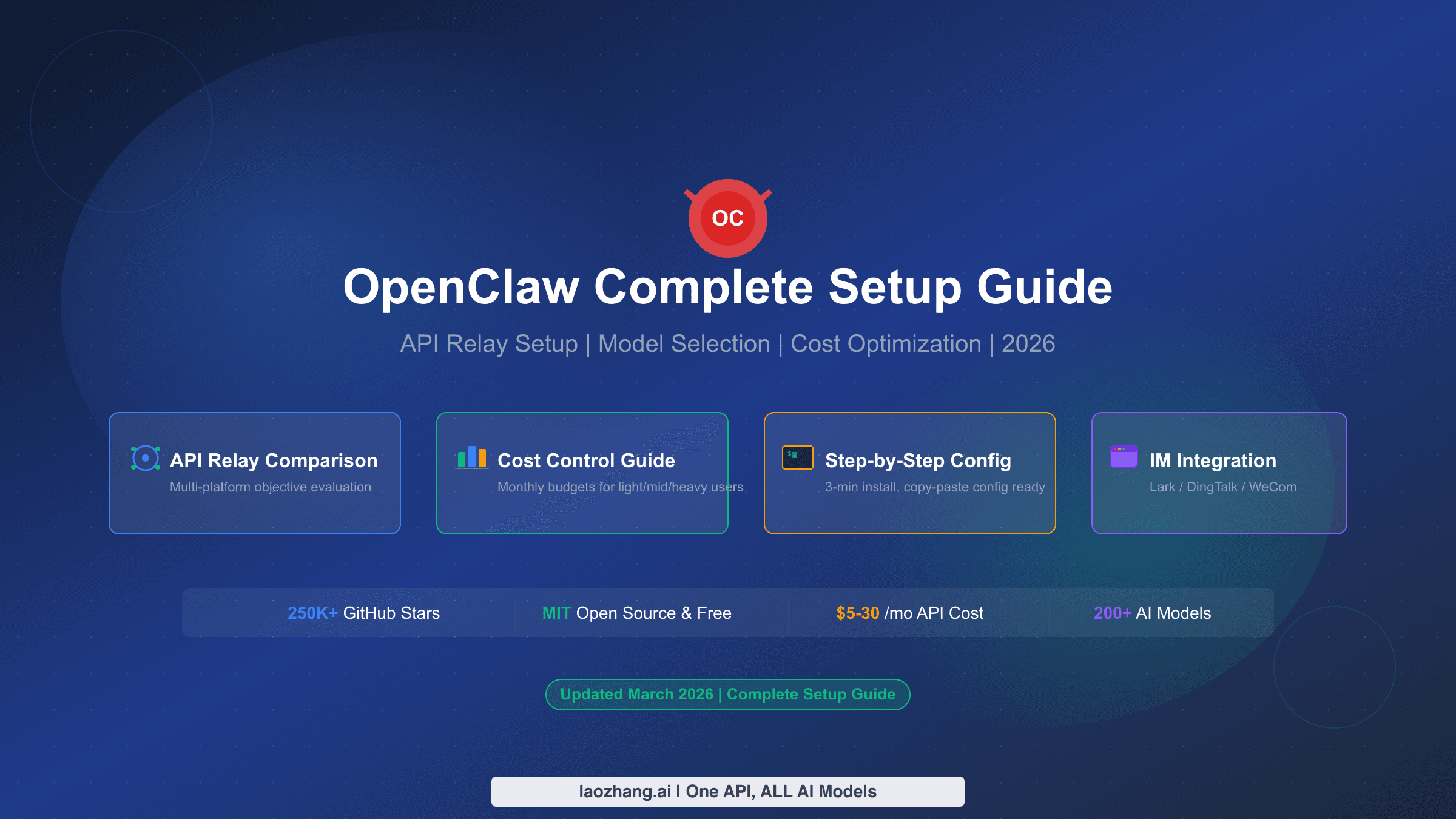
OpenClaw complete setup guide cover image
Developer Tools & Agents

OpenClaw Complete Guide: API Relay Setup, Model Selection & Cost Optimization (2026)

OpenClaw is a 250K+ Star open-source AI Agent platform on GitHub, but users in restricted network regions cannot directly reach overseas AI APIs. This guide provides a full comparison of three relay solutions, ready-to-copy openclaw.json config templates, scenario-based model recommendations, and monthly cost control strategies — helping you go from installation to fully working setup in 3 minutes.

20 min
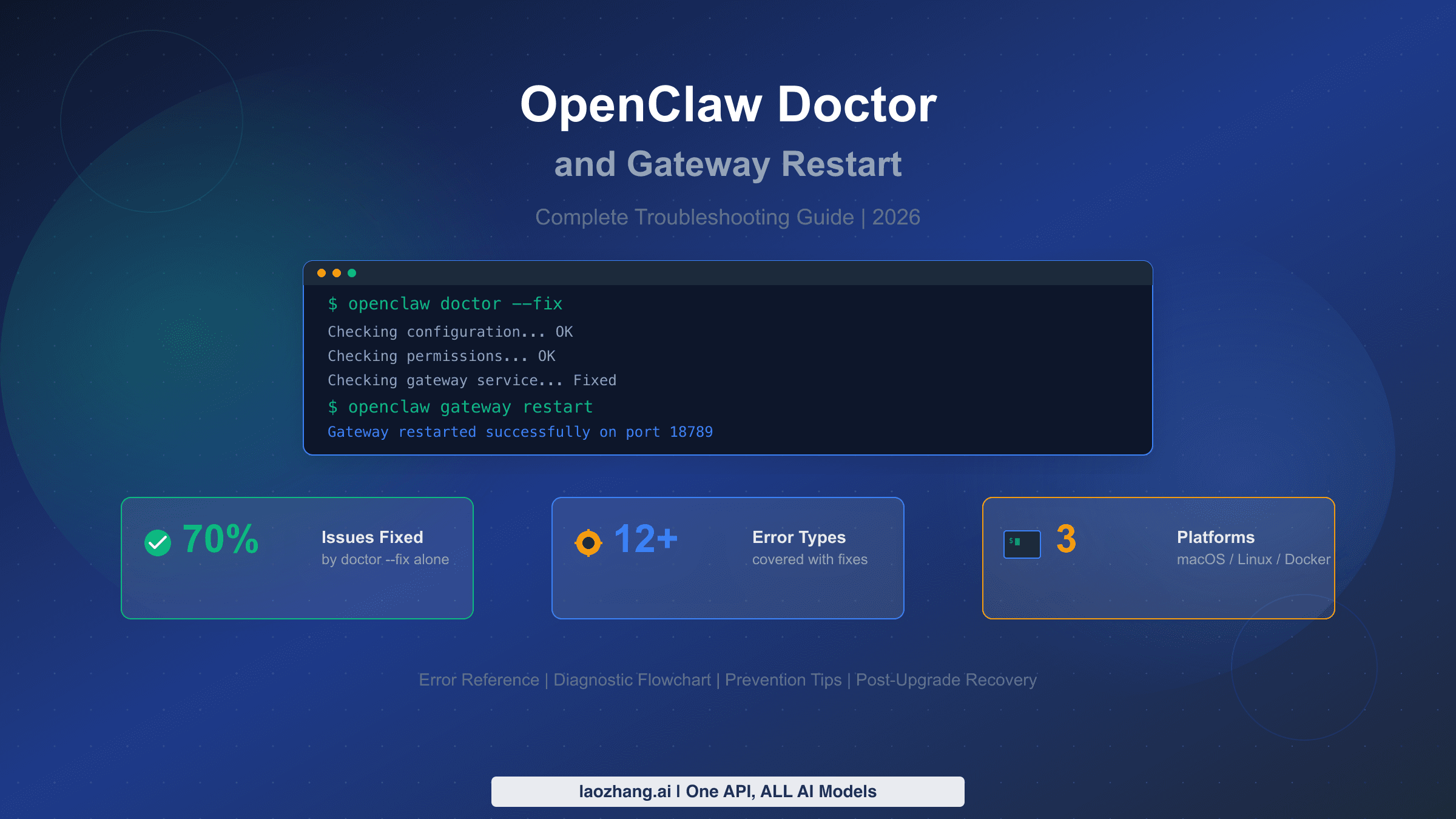
OpenClaw doctor and gateway restart complete troubleshooting guide
Developer Tools & Agents

OpenClaw Doctor and Gateway Restart: Complete Troubleshooting Guide [2026]

OpenClaw's gateway powers every channel connection your bot relies on. When it breaks, openclaw doctor --fix resolves roughly 70% of issues automatically. This guide covers the complete diagnostic workflow — from the 30-second universal fix to platform-specific solutions for macOS, Linux, and Docker — plus 12 error messages with verified fixes and a prevention strategy that keeps your gateway healthy long-term.

22 min
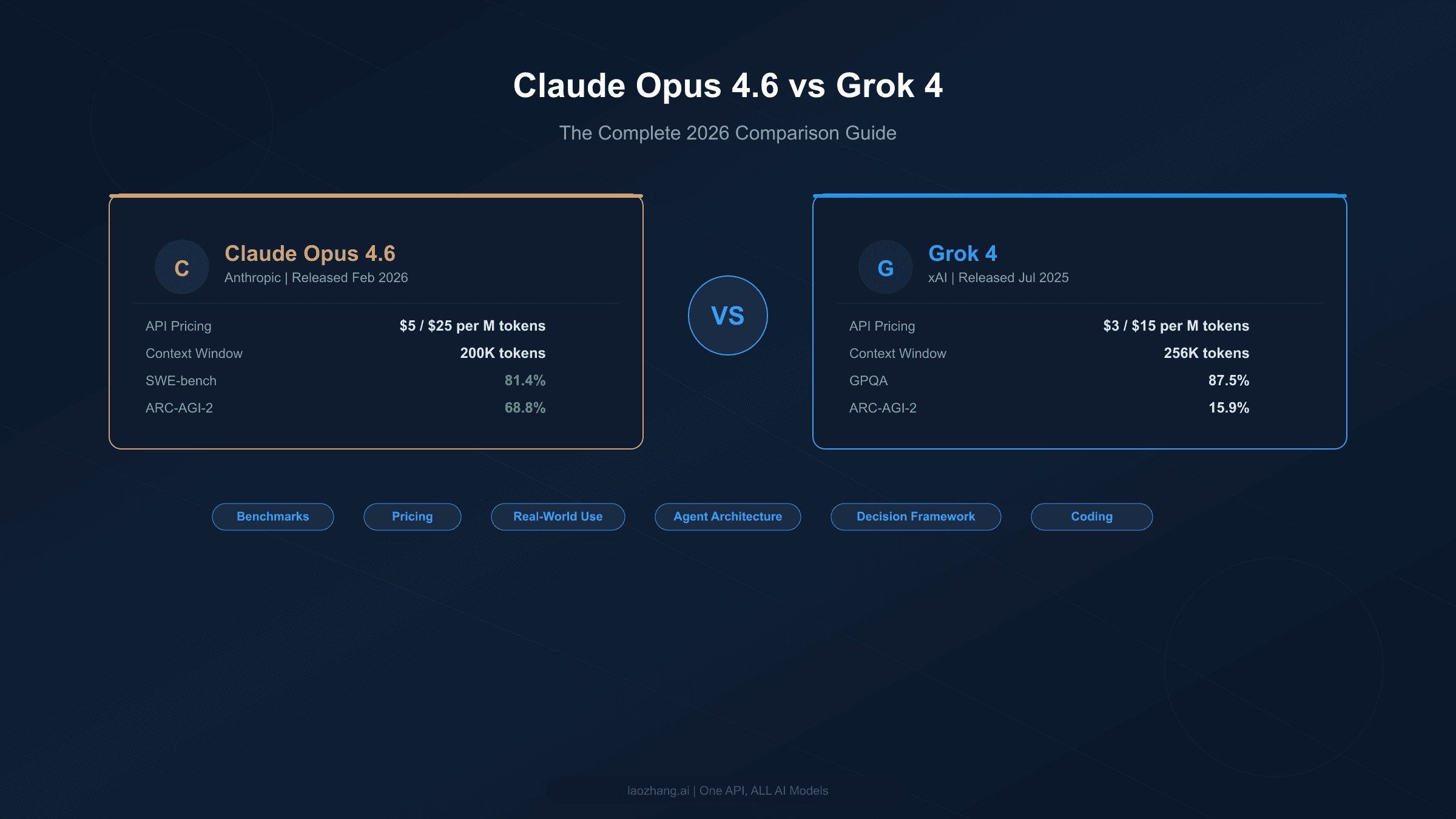
Claude Opus 4.6 vs Grok 4 complete comparison guide with benchmarks and pricing
Model Comparisons

Claude Opus 4.6 vs Grok 4: The Complete 2026 Comparison (Benchmarks, Pricing, Real-World Performance)

Claude Opus 4.6 outperforms Grok 4 on coding benchmarks (81.4% vs ~72% SWE-bench) and reasoning tasks (68.8% vs 15.9% ARC-AGI-2), while Grok 4 costs 40% less at $3/$15 per million tokens. This comprehensive comparison covers benchmarks, pricing, coding capabilities, agent architecture, and provides a scenario-based decision framework to help you choose the right model.

24 min
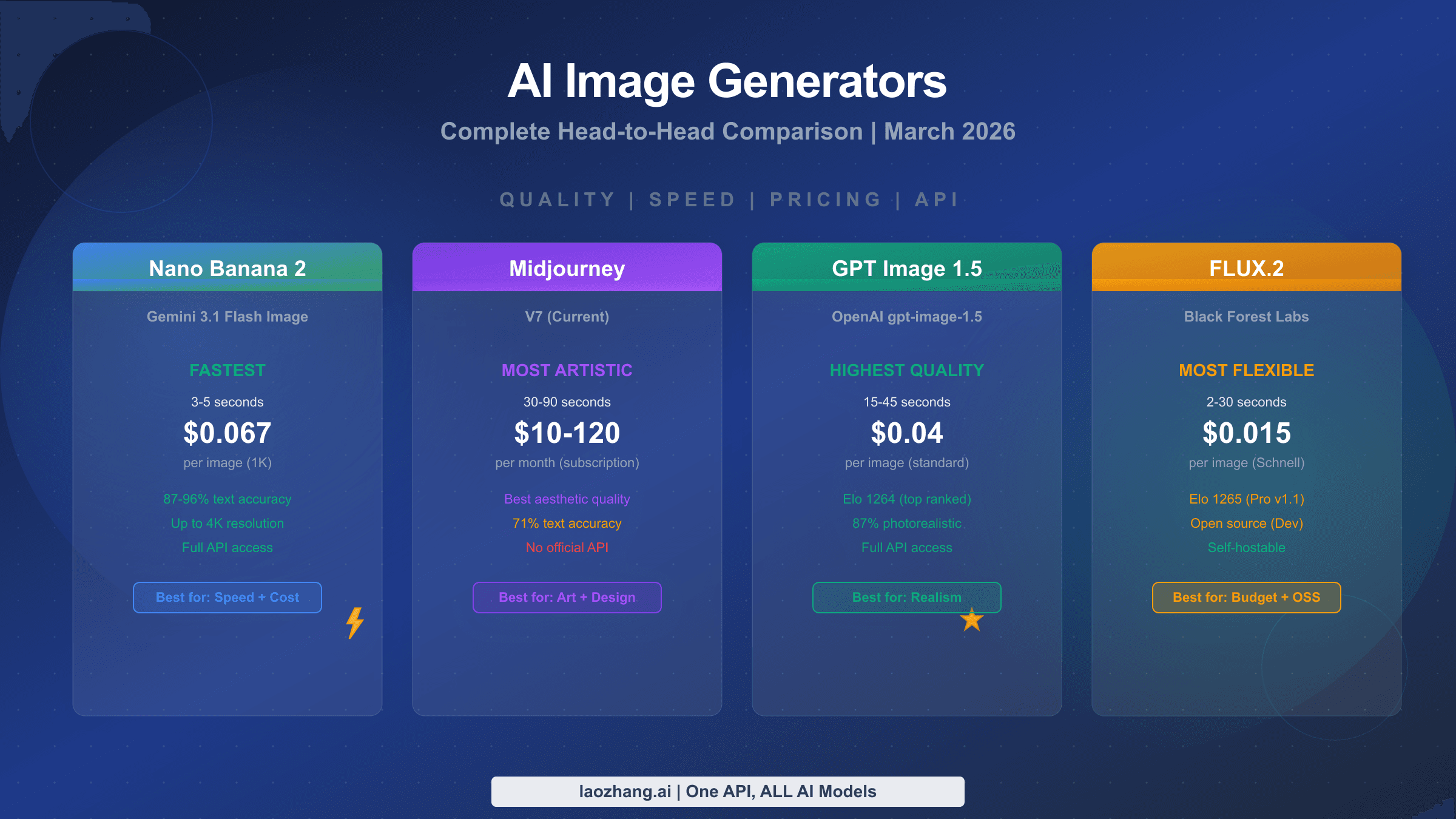
Nano Banana 2 vs Midjourney vs GPT Image 1.5 vs FLUX.2 complete comparison guide
AI Image Generation

Nano Banana 2 vs Midjourney vs GPT Image 1.5 vs FLUX.2: Complete Comparison (2026)

Choosing between Nano Banana 2, Midjourney, GPT Image 1.5, and FLUX.2 in 2026? This comprehensive comparison covers real-world quality tests, generation speed benchmarks, per-image pricing across all tiers, and API integration options. We test each model head-to-head and provide a clear decision framework based on your specific use case — whether you prioritize speed, artistic quality, photorealism, or cost efficiency.

25 min
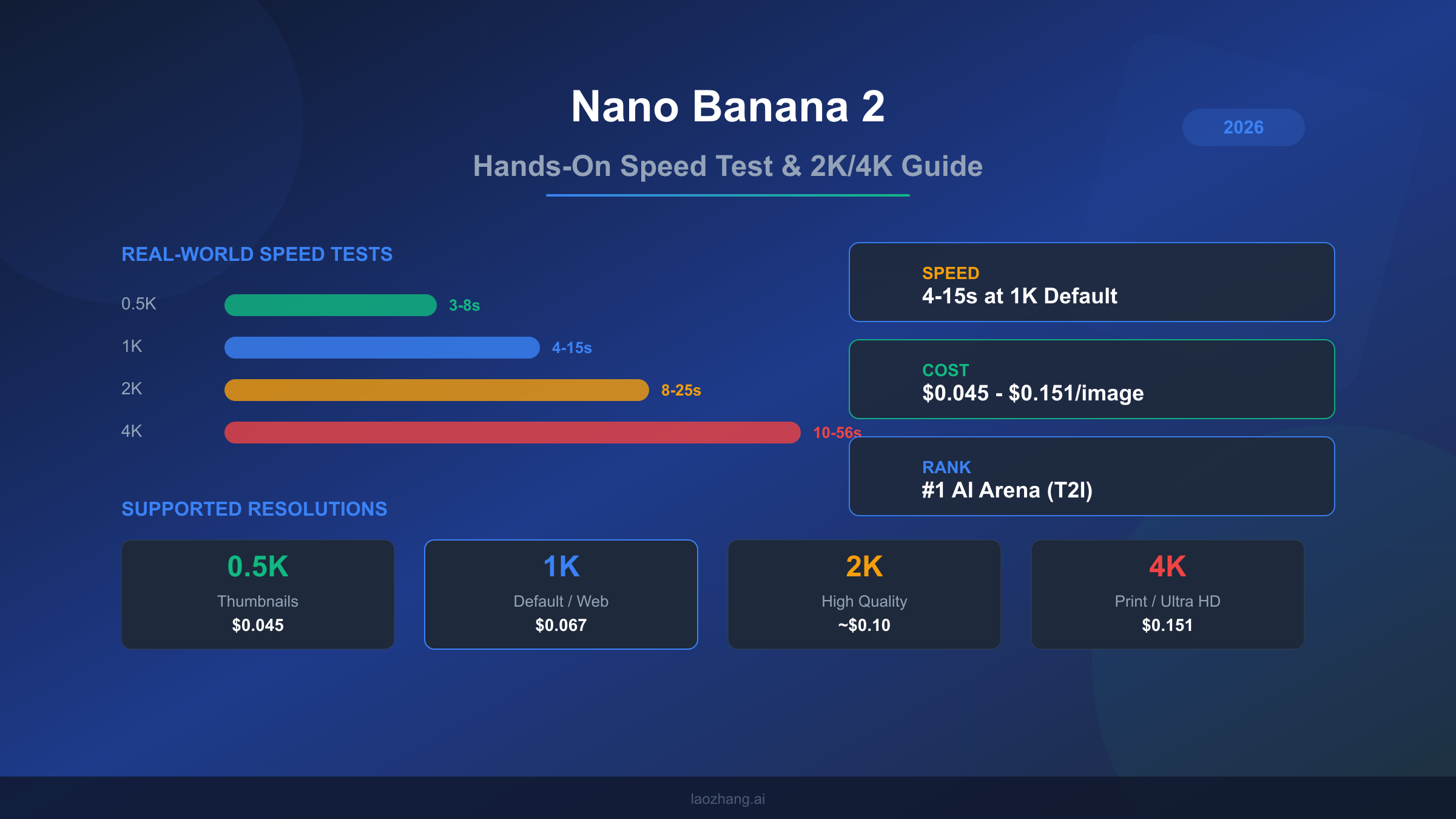
Nano Banana 2 hands-on speed test and 2K/4K generation guide
AI Image Generation

Nano Banana 2 Hands-On: Real Speed Tests and Complete 2K/4K Generation Guide (2026)

Nano Banana 2 (Gemini 3.1 Flash Image) generates images in 4-15 seconds at 1K and 10-56 seconds at 4K in real-world testing. At $0.045-$0.151 per image, it delivers roughly 95% of Pro quality at half the cost. This guide covers hands-on speed benchmarks, step-by-step 2K/4K generation, and cost optimization strategies based on actual API testing.

25 min
Conceptual comparison of Gemini, GPT Image and FLUX across quality, speed, cost and workflow
AI Image Generation

Gemini 3.1 Flash Image vs GPT Image 1.5 vs FLUX.2: The Ultimate Comparison Guide (2026)

Gemini 3.1 Flash Image leads in speed (1-3s) and ranks #1 on Artificial Analysis Arena. GPT Image 1.5 excels at text rendering at just $0.04/image. FLUX.2 Pro dominates photorealism with Elo 1,265. This guide compares all three across quality, speed, pricing, and use cases with normalized data so you can choose the right model for your workflow.

23 min
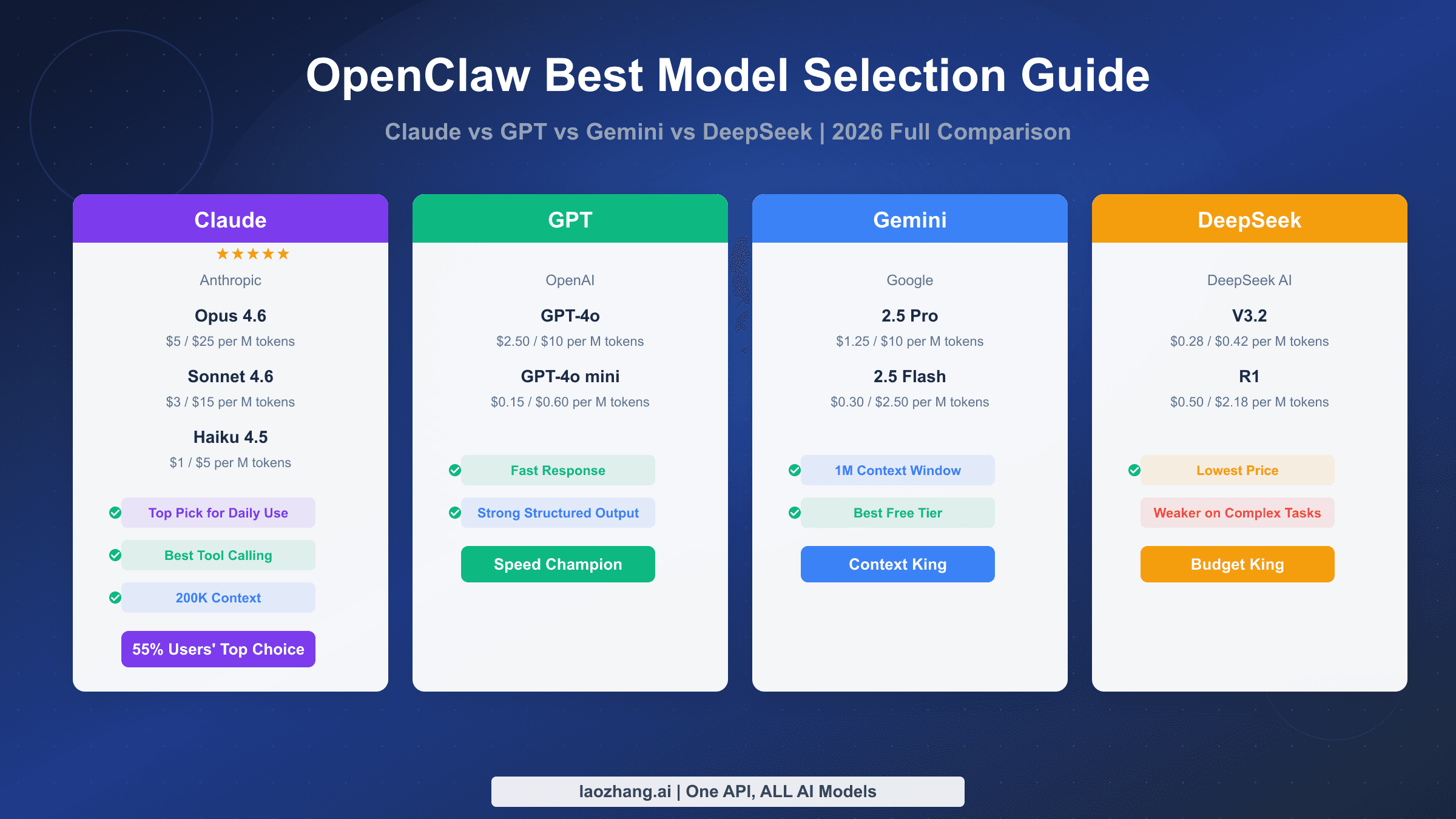
OpenClaw best model selection guide cover image
Model Comparisons

OpenClaw Best Model Selection Guide: Claude vs GPT vs Gemini vs DeepSeek (2026)

OpenClaw supports Claude, GPT, Gemini, DeepSeek, and over a dozen AI models. Claude Sonnet 4.6 ($3/$15/M tokens) is the best starting point for most users, while DeepSeek V3.2 ($0.28/$0.42) suits budget-conscious scenarios. This article compares 9 mainstream models on price, performance, and configuration, and provides a 3-tier routing strategy to save 65-80% on API costs.

22 min