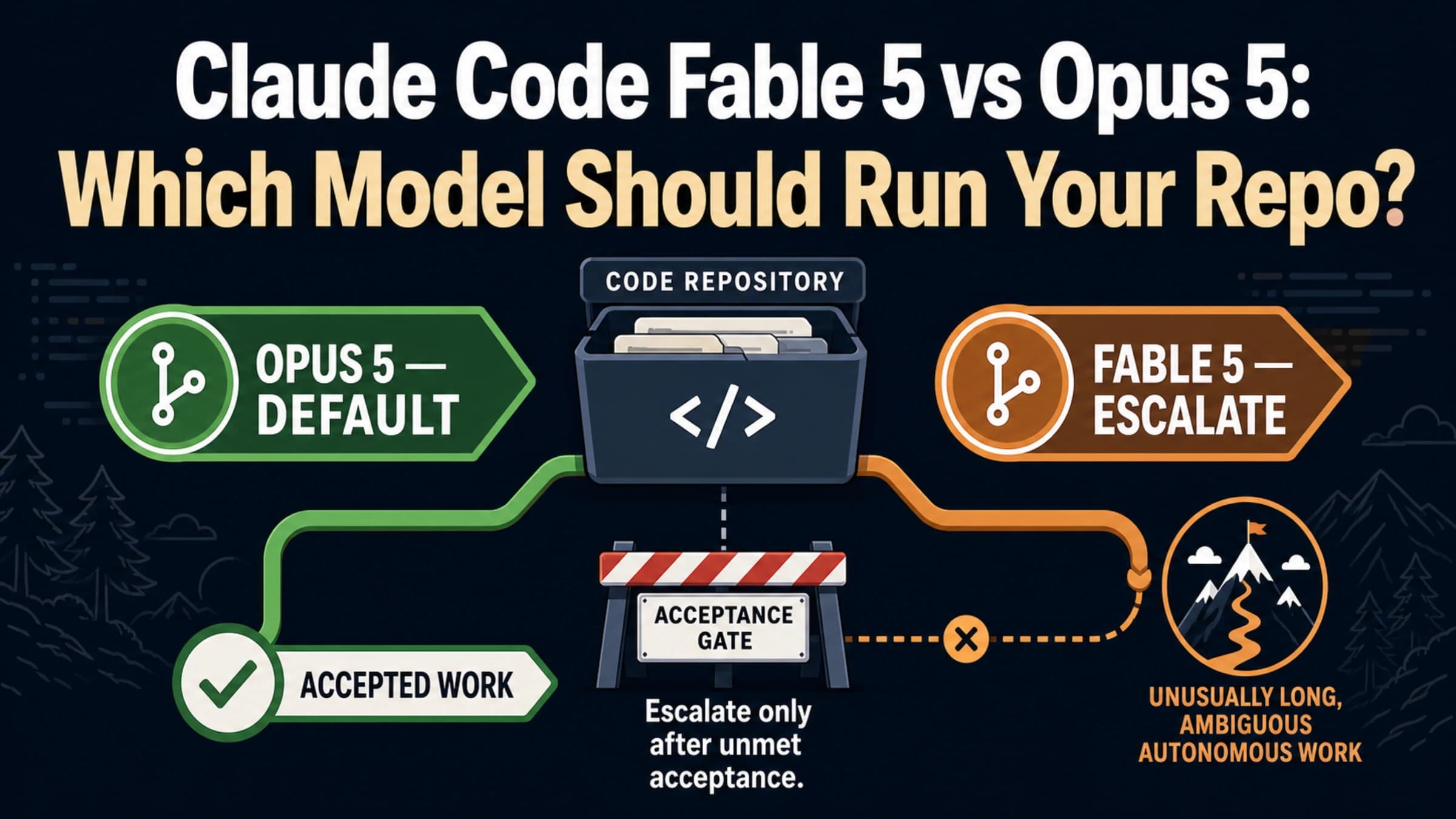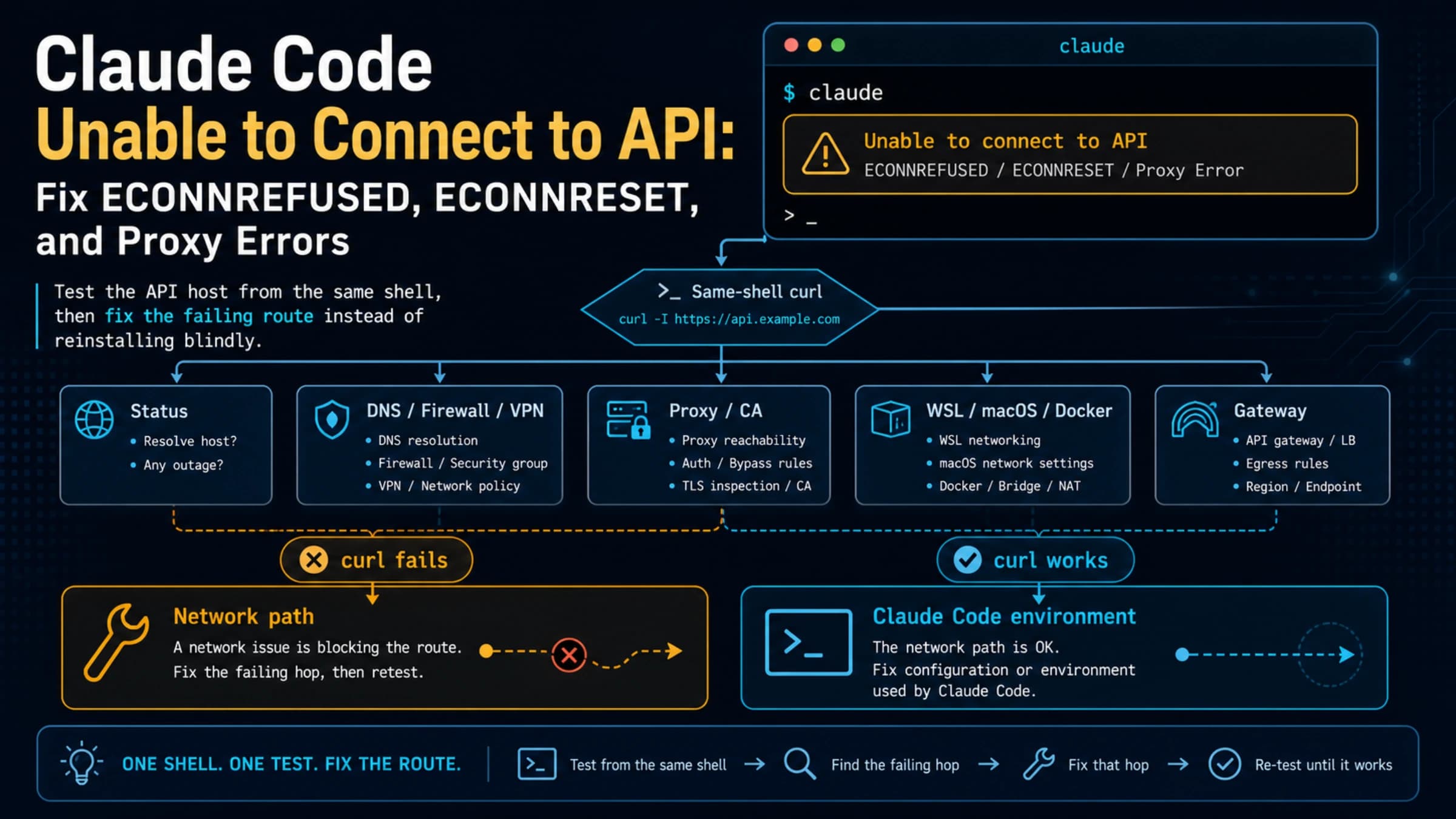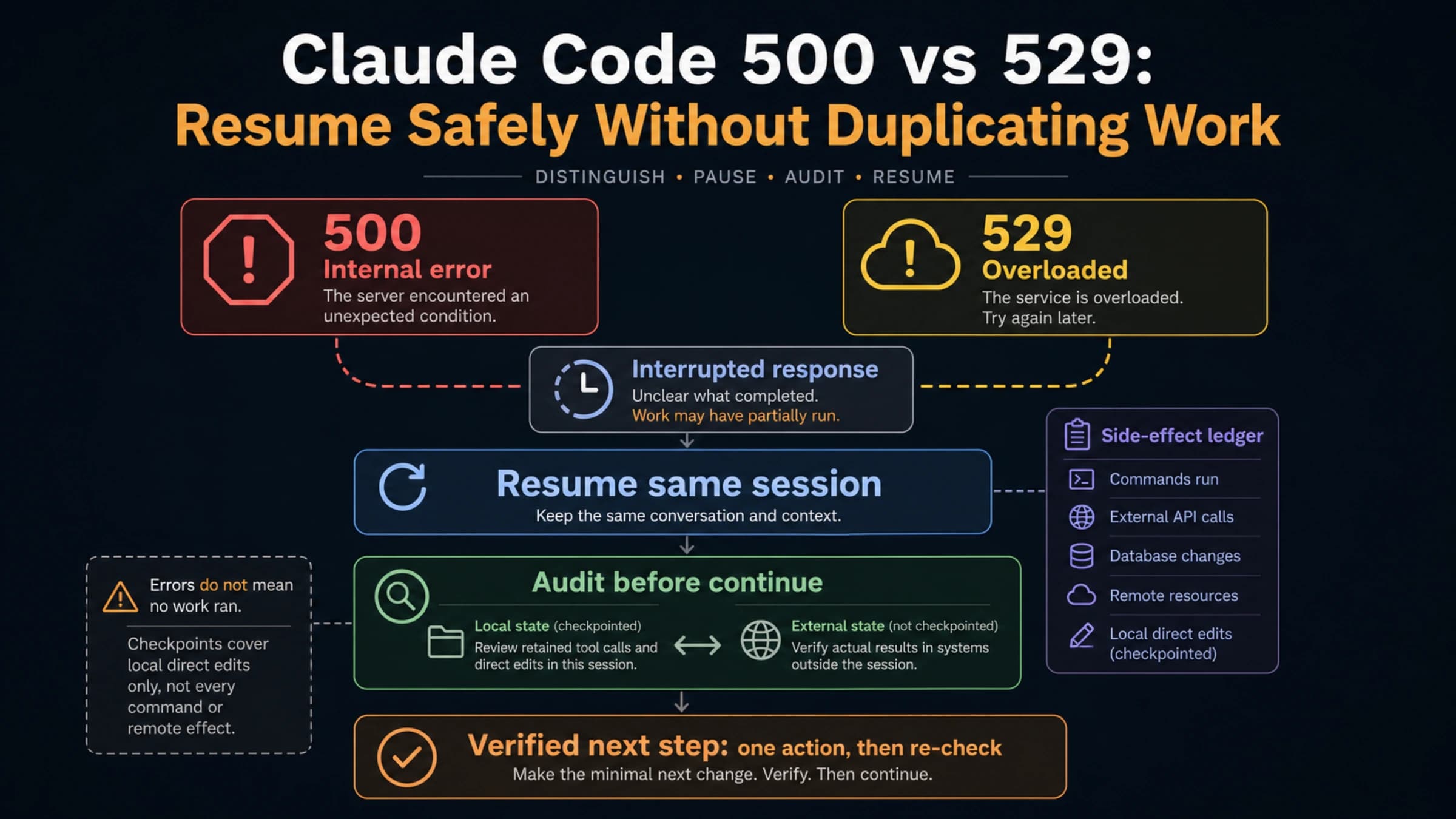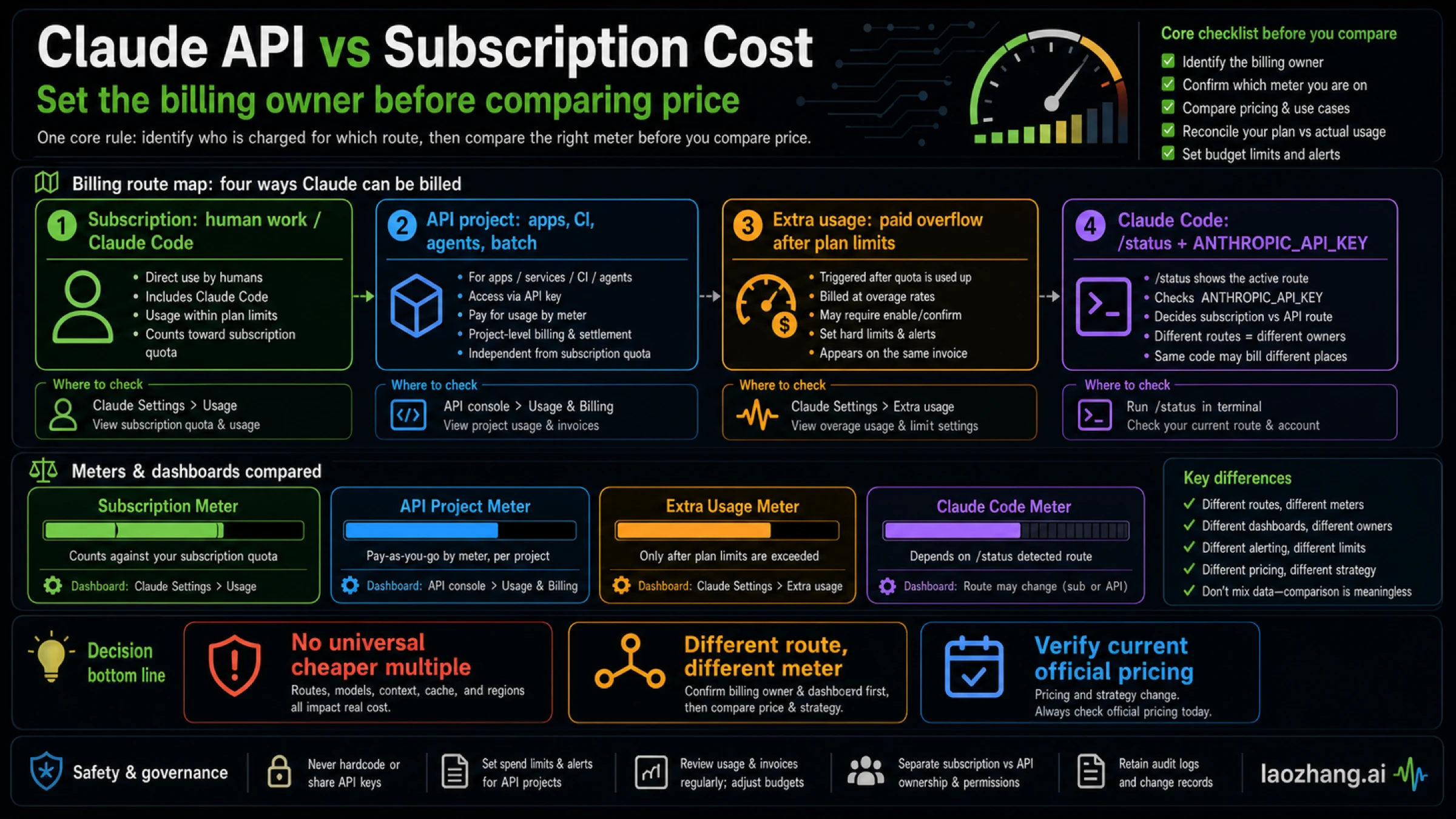
Most heavy Claude Code users should not downgrade a working Pro or Max setup to raw API until the active billing path is clear. If the work is a person driving long terminal or IDE sessions, subscription allocation is usually the default owner. If the work is an app, CI job, scheduled agent, service account, batch process, or project budget, API billing is the correct owner even when a subscription looks cheaper. If the problem is bursts after included limits, usage credits or a usage bundle may be safer than moving the whole workflow to API.
Before comparing prices, answer four checks:
| Check | What to look at | Why it matters |
|---|---|---|
| Active Claude Code route | Run /status | Confirms whether the session is using a Claude subscription route or an API/organization route. |
| API-key override | Inspect ANTHROPIC_API_KEY in the shell that launched Claude Code | A configured API key can move Claude Code spend to API billing even when you keep a subscription. |
| Subscription pressure | Claude Settings > Usage | Shows plan allocation, resets, and paid overflow controls for human Claude and Claude Code use. |
| API spend | Claude Console Usage/Cost or Billing | Shows project-owned token spend, budgets, rate limits, and API usage. |
Checked July 8, 2026: Pro is listed at $20/month or $200/year, Max has 5x and 20x monthly tiers at $100 and $200, subscription and Console/API are separate products, and Claude Code can be subscription-backed or API-backed depending on authentication. API pricing is model and token based; usage credits bill at standard API rates after included plan limits; usage bundles discount paid overflow; and Anthropic's Agent SDK monthly credit change is paused, so it should not be counted as an active downgrade benefit.
The stop rule is simple: do not cancel Max, buy credits, or switch heavy Claude Code work to API until the dashboard that owns the spend is known. A subscription usage bar, Claude Code /usage, and Console usage report different things, and mixing them is how viral "API is cheaper" or "subscription is cheaper" claims become wrong for the actual workload.
The Route Decision In One Table
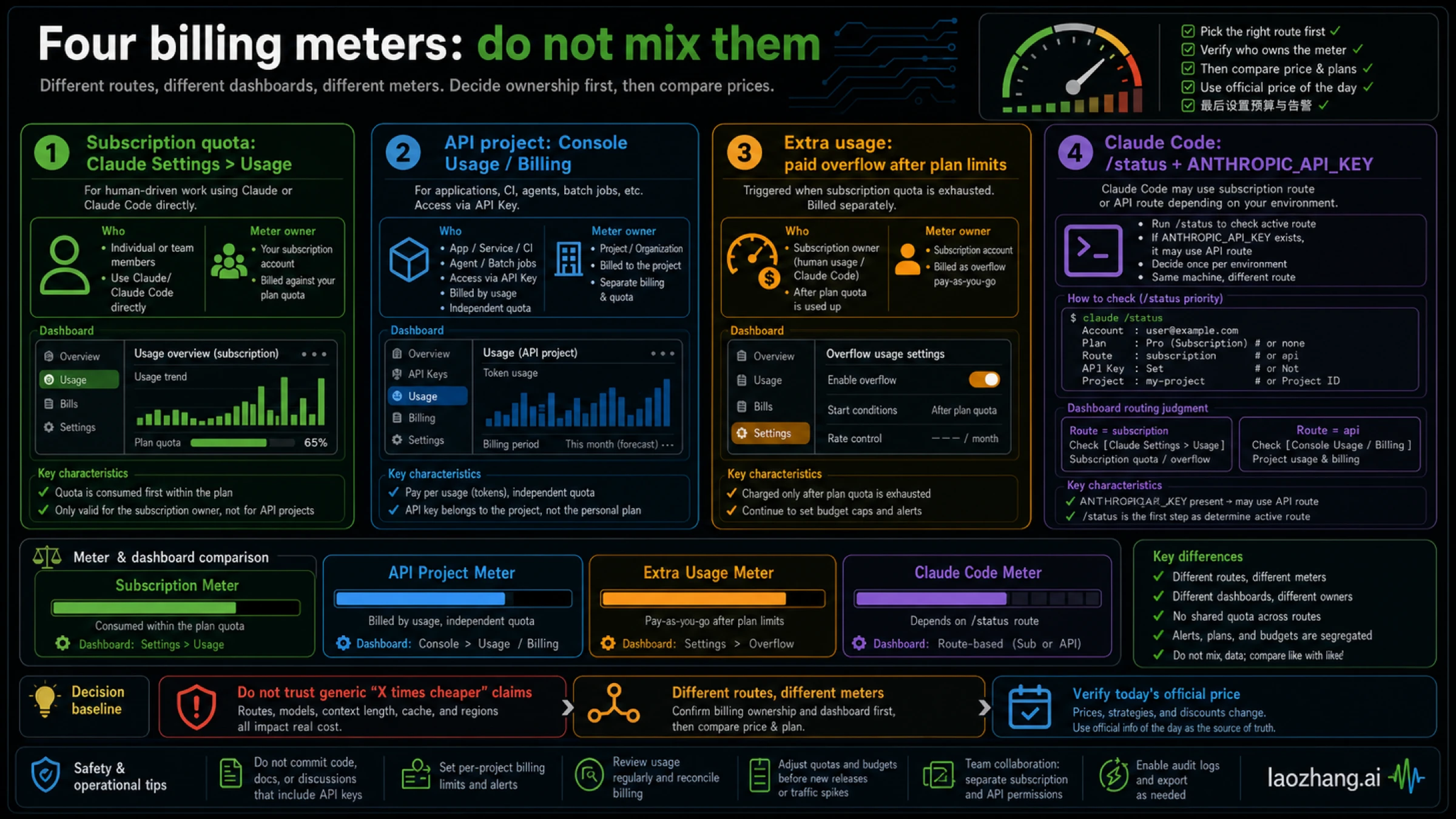
The useful comparison is not subscription price versus one API row. It is billing owner versus workload owner. A heavy human session and an unattended automation run can use the same model family, but they should not be budgeted the same way.
| Workload pattern | Better starting owner | Why | Do not do this |
|---|---|---|---|
| One developer running Claude Code interactively for long sessions | Pro or Max subscription after route check | The work belongs to a named human user, and the value is continuous interactive assistance. | Do not switch to API just because one forum thread reports a cheaper session. |
| The same developer occasionally exceeds included limits | Subscription plus capped usage credits or bundle | Paid overflow can cover burst weeks without moving all interactive work to token billing. | Do not treat usage credits as no-cost or uncapped. |
| Backend feature, customer-facing app, CI, scheduled agent, batch job | Claude API billing | The project needs API keys, spend controls, rate limits, logs, and auditable usage. | Do not squeeze production automation through a personal subscription. |
| Surprise Claude Code API charges | Fix the active route first | An API key can make Claude Code charge Console even while the user keeps a subscription. | Do not upgrade or downgrade until /status and the environment agree. |
| Team with both human coding and automation | Seats for humans, API budgets for automation | Governance is cleaner when people and projects have separate owners. | Do not buy the highest seat tier for automation that belongs in API projects. |
For heavy interactive Claude Code, the default answer is therefore "keep subscription until proven otherwise." That does not mean Pro or Max is always the right plan. It means the first decision is not a downgrade. The first decision is route verification.
What Current Official Sources Change
Older Claude Code cost advice often misses three boundaries.
First, a paid Claude subscription and Claude Console/API billing are separate products. Anthropic's help center says a paid Claude plan does not automatically include API or Console usage. That boundary is why a "subscription versus API" comparison can be wrong before any math starts.
Second, Claude Code can sit on either side of the boundary. The official Claude Code help pages say Pro and Max users can use Claude Code with their Claude credentials, but they also warn that ANTHROPIC_API_KEY can make Claude Code use API billing instead. That means a local shell, IDE, or environment manager can quietly change the owner of the bill.
Third, paid overflow is not a general API replacement. Usage credits and usage bundles are attached to paid Claude plans after included limits. They can be useful for a heavy week, but they do not turn a subscription into an unrestricted API account for apps, CI, or service accounts.
The July 8, 2026 check also matters because Anthropic's Agent SDK credit update is paused. Do not count a monthly Agent SDK credit as an active reason to downgrade or to keep a plan. Treat it as a paused policy note until the official help article says otherwise.
Price Anchors Checked July 8, 2026
Use these rows as dated anchors, not permanent promises. Official plan pages, support articles, and API docs can change.
| Route | Current official anchor checked July 8, 2026 | Use it when | Watch out for |
|---|---|---|---|
| Pro | $20/month or $200/year | One heavy individual uses Claude and Claude Code interactively. | Included usage is not the same as general API access. |
| Max 5x | $100/month | Pro limits interrupt valuable interactive work often enough to justify more subscription allocation. | It is still a human subscription route, not an API project. |
| Max 20x | $200/month | The user needs substantially more interactive subscription allocation. | Do not buy it to fund unattended automation. |
| Team Standard | $25 monthly or $20 annual per member, with a 5-member minimum | A team needs seats, admin controls, and shared governance for human users. | Seat pricing does not replace API budgets for apps. |
| Team Premium | $125 monthly or $100 annual per member, with a 5-member minimum | The organization needs higher team-tier controls and capacity. | Regional taxes, app-store pricing, and enterprise terms can differ. |
| Usage credits | Standard API-rate paid overflow after included limits | A paid user needs controlled extra usage after plan allocation. | It is a separate bill and should have a cap. |
| Usage bundles | Discounted credit bundles, including $50 value for $45, $250 for $200, and $1000 for $700 where eligible | Heavy burst periods where discounted overflow is better than changing the base plan. | Eligibility, monthly caps, and account controls matter. |
| Claude API | Per-million-token input/output rows by model, plus cache, batch, region, and fast-mode mechanics | Apps, CI, agents, services, batch jobs, or project-owned workloads. | Token spend grows with context, output, retries, tools, and concurrency. |
For API model rows, Anthropic's pricing docs list different input/output prices by model. On July 8, 2026, the checked rows included Fable 5 at $10 input and $50 output per million tokens; Opus 4.8, 4.7, 4.6, and 4.5 at $5 and $25; Sonnet 5 at $2 and $10 through August 31, 2026, then $3 and $15 from September 1, 2026; Sonnet 4.6 and 4.5 at $3 and $15; and Haiku 4.5 at $1 and $5. Cache reads were listed at 0.1x base input, 5-minute cache writes at 1.25x, one-hour cache writes at 2x, and the Batch API discount at 50%.
Those API rows are useful only after the workload is API-owned. A human Claude Code session can look expensive if you price every token manually, but a subscription user is not necessarily billed that way. Conversely, an API project can look cheap in a toy example and then become expensive when long context, retries, tool calls, or high output volume arrive.
Claude Code Route Diagnostic
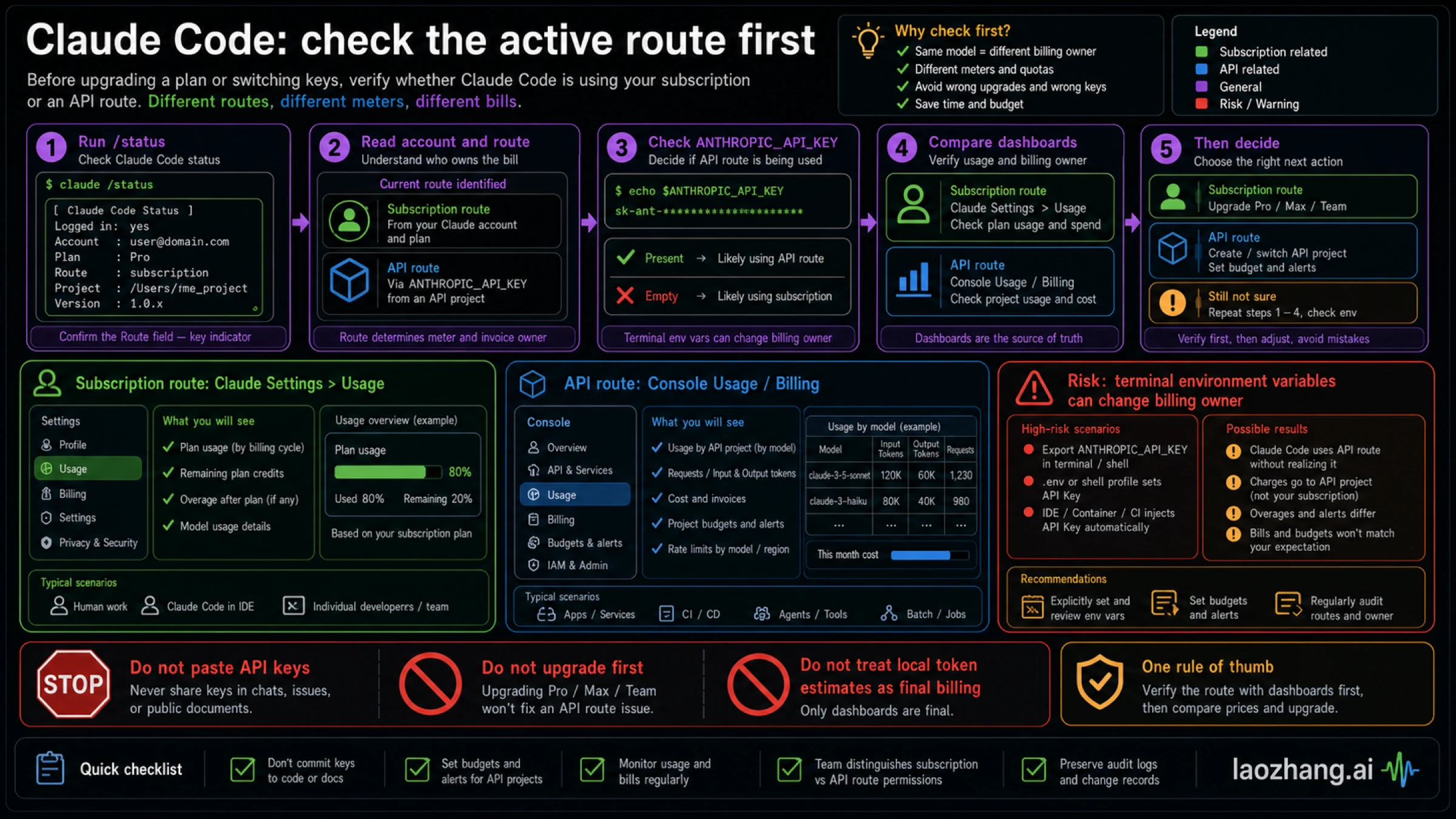
Start every Claude Code cost audit with the active route, not the invoice.
Run this inside Claude Code:
bash/status
Then inspect the environment that launched Claude Code:
bashecho "$ANTHROPIC_API_KEY"
Do not paste the key value into a chat, support ticket, screenshot, or issue. You only need to know whether a value is set. If an API key is present, remove or scope it before assuming Claude Code is using your subscription. If /status shows the expected subscription route and no API key is steering the process, then the problem is likely subscription allocation, plan limits, usage credits, or bundle policy.
Use this source-of-truth map:
| Question | Source of truth |
|---|---|
| What route is Claude Code using right now? | Claude Code /status |
| Is the shell forcing API billing? | ANTHROPIC_API_KEY in the active environment |
| How much subscription allocation remains? | Claude Settings > Usage and plan controls |
| What did an API project spend? | Claude Console Usage/Cost or Billing |
Why did /usage show a cost estimate? | Claude Code cost docs; the session cost display is mainly for API users, while subscribers have included usage and separate usage views. |
If your problem is specifically a surprise API charge while you still have a subscription, read the narrower Claude Code API key vs subscription billing guide. If your problem is choosing between Pro, Max, Team, and usage credits, the broader Claude Code pricing guide covers the plan catalog.
Scenario Math: Keep, Overflow, Or API
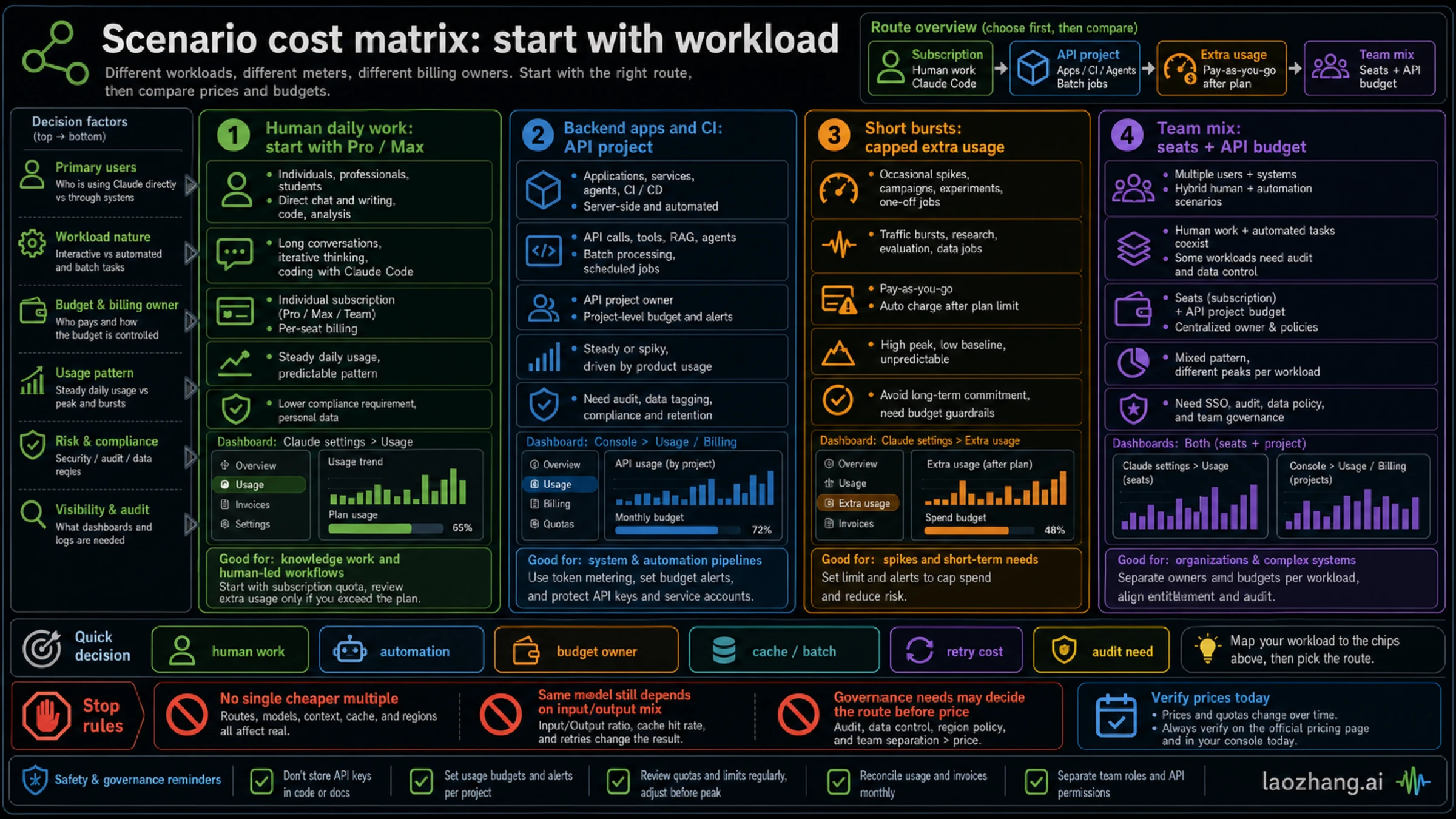
A good scenario calculation starts with shape, not averages.
For API-owned work, estimate:
textAPI monthly cost =
  input MTok * model input price
+ output MTok * model output price
+ cache write cost
+ cache read cost
- eligible batch discount
+ region or fast-mode premium if used
+ retry, tool, and orchestration overhead
For subscription-owned work, estimate:
textSubscription monthly cost =
  seat or plan price
+ usage credits after included limits
+ usage bundle purchase if enabled
+ interruption cost when limits block valuable work
Then apply the scenario.
Daily interactive Claude Code user. Keep subscription as the default. If Pro limits interrupt important work repeatedly, compare Max 5x, Max 20x, or controlled usage credits. Downgrading to API makes sense only if the work is truly token-predictable and you accept project-style billing.
Heavy user with one release spike. Do not rebuild the whole billing route around one week. Usage credits or a bundle can be the cleaner bridge if the user normally fits the plan. Set a cap so paid overflow does not become an unbounded API-like bill.
Backend app or CI pipeline. Use API billing. A subscription is not the right owner for unattended calls, service accounts, customer traffic, test suites, or scheduled agents. API projects give budgets, rate limits, usage reports, Admin API access for organizations, and a clean audit trail.
Surprise API spend from Claude Code. Fix auth before changing plans. A stray environment variable can create the illusion that Max is not enough, when the real problem is that Claude Code moved from subscription allocation to API billing.
Team rollout. Buy seats for human users and use API projects for automation. Team Standard and Premium pricing should be evaluated as seat governance, not as a blanket replacement for API budgets. If some developers need heavier Claude Code usage and others do not, seat assignment matters more than a universal upgrade.
The breakeven is not a single multiple. It is the point where the correct owner, the predictable bill, and the operational controls line up.
When API Is The Right Downgrade
API can be the better route for a heavy user only when the user's "Claude Code usage" is really an API-shaped workload.
Move to API billing when:
- the workload runs without a human actively steering each step
- the project needs API keys, budgets, rate limits, and usage reports
- the work can be batched, cached, retried, or measured as token volume
- the organization needs project-level attribution
- the model mix and token volume are predictable enough to estimate
- you need Admin API usage/cost reporting or Claude Code analytics at the organization level
Do not move to API billing when:
- the user mainly works in long interactive terminal sessions
- the API comparison ignores output tokens, retries, tools, and context growth
- the only evidence is a single local
/usageestimate - the user has not checked
ANTHROPIC_API_KEY - the desired benefit is a paused Agent SDK credit
- the work violates the normal owner split between people and projects
API billing is excellent when the workload is software. It is not a magic discount for every heavy human coding session.
How To Avoid Double Paying
The expensive failure mode is not just choosing the wrong plan. It is paying for both routes without noticing.
Use this monthly check:
- In Claude Code, run
/statusand record whether the route is subscription-backed or API-backed. - In the shell or IDE profile, confirm whether
ANTHROPIC_API_KEYis set. - In Claude Settings > Usage, check subscription pressure, resets, usage credits, and bundle controls.
- In Console Usage/Cost or Billing, check API spend by project and model.
- For API projects, confirm spend limits, rate limits, alerts, and owner labels.
- For teams, separate human seats from automation budgets in the monthly review.
If both subscription pressure and API spend are rising, do not buy more capacity blindly. First identify whether the same work is crossing routes. A developer may have a subscription for interactive use while a local environment variable sends certain Claude Code sessions to Console. A team may buy seats for humans while CI spends through an API project. Both can be legitimate, but they should be intentional.
FAQ
Does a Claude Pro or Max subscription include API calls?
No. Anthropic's help center treats paid Claude subscriptions and Console/API billing as separate products. A subscription can cover eligible Claude and Claude Code usage, but general API calls from apps, services, CI, or projects belong to Console/API billing.
Should heavy Claude Code users downgrade from Max to API?
Usually not before route verification. If the workload is long human-driven Claude Code sessions, keep subscription as the default and compare Pro, Max, usage credits, or bundles. Use API when the workload is project-owned, automated, or needs API controls.
Why do I see API charges if I have a subscription?
Check ANTHROPIC_API_KEY and /status. Official Claude Code help says an API key can make Claude Code use API billing instead of the subscription route. Fix the active authentication path before changing plans.
Are usage credits the same as API credits?
They are paid overflow for eligible paid Claude plans after included limits, billed separately using standard API-rate logic. They are useful for controlled bursts, but they are not a no-cost API allowance and should have a spending cap.
Are usage bundles a reason to avoid Max?
Sometimes. Bundles can discount paid overflow, which may be better for occasional spikes. If the same user exceeds limits every week, a higher subscription tier can still be cleaner. If the volume belongs to automation, API billing is cleaner.
Does the Agent SDK monthly credit change the decision?
Not right now. The official help article checked July 8, 2026 says the June 15 Agent SDK changes are paused and nothing changed, so monthly Agent SDK credit should not be counted as an active value.
What if my team has both Claude Code users and agents?
Split ownership. Use seats for named human users and API projects for apps, CI, scheduled agents, service accounts, and batch jobs. Review both dashboards monthly so the same workload is not accidentally paid twice.
Sources Checked July 8, 2026
- Choose a Claude plan for Free, Pro, Max, Team, and Enterprise positioning.
- What is the Max plan? for Max 5x and 20x monthly prices and plan caveats.
- What is the Team plan? for Team Standard, Team Premium, and the 5-member minimum.
- Anthropic API pricing for model token rows, cache writes, cache reads, Batch API, and premium mechanics.
- Claude Code costs for API-user token charges and subscription-user usage views.
- Use Claude Code with your Pro or Max plan for subscription login and API-key routing.
- Manage API key environment variables in Claude Code for
ANTHROPIC_API_KEYprecedence and/statuschecks. - Manage usage credits for paid Claude plans for paid overflow after included limits.
- Buy usage bundles for bundle values, discounts, and caps.
- Paid Claude subscriptions and API/Console billing are separate for the subscription/API product boundary.
- Claude API rate limits and Usage and Cost Admin API for project spend controls and organization-level reporting.
- Use the Claude Agent SDK with your Claude plan for the paused Agent SDK credit update.