Realtime API와 전사 파이프라인 비용 비교: 같은 음성 작업으로 계산하기
음성 답변까지 필요한 작업은 Realtime과 STT·LLM·TTS의 총비용으로 비교해야 합니다. 자막과 녹음 전사는 별도로 견적을 내고, 통화 시간과 발화 시간, GPT-Live 활성 시간을 구분하면 예산을 다시 계산할 수 있습니다.
목차
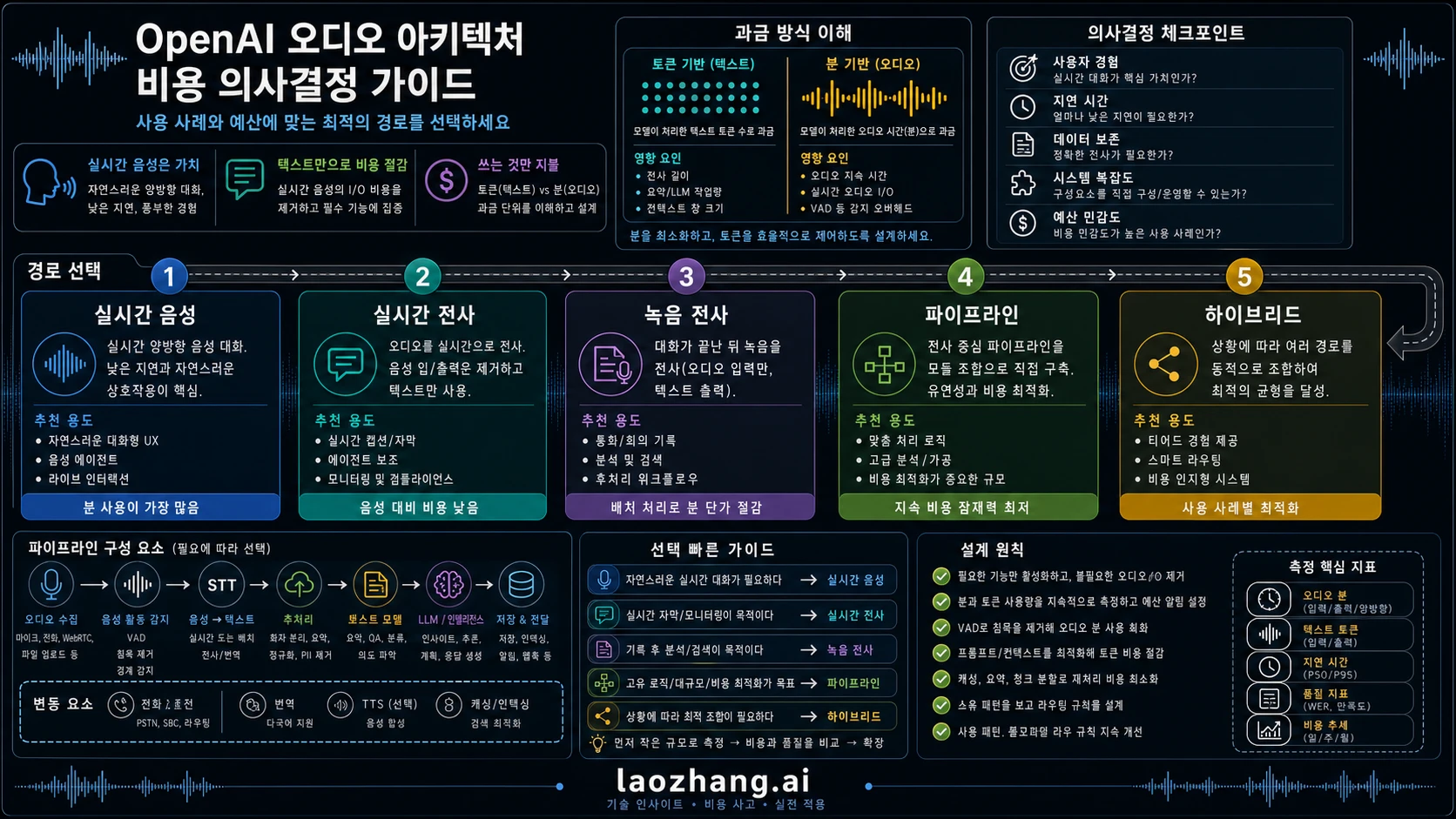
음성으로 답해야 한다면 Realtime API와 STT → LLM → TTS의 전체 비용을 비교하고, 텍스트만 필요하다면 전사 API부터 고르는 것이 맞습니다. 실시간 자막, 녹음 파일의 회의록, 대화형 음성 상담은 같은 오디오를 다뤄도 결과물이 다릅니다. 전사 1분의 가격을 음성 상담 1분의 가격과 바로 비교하면 답변 생성과 음성 출력 비용이 빠집니다.
2026년 10월 6일 기준 새 전사 연동의 공식 출발점은 녹음 파일용 gpt-transcribe와 실시간용 gpt-live-transcribe입니다. 음성 대화에서는 gpt-realtime-2.1-mini가 비용 비교를 바꿉니다. 아래의 가상 상담 예산에서는 mini가 실시간 전사와 TTS를 따로 묶은 파이프라인보다 저렴하게 계산됩니다. 이것은 동일한 작업을 완료한다는 가정하의 산술 결과이며, 한국어 품질이나 응답 속도를 검증한 결과는 아닙니다. OpenAI 전사 선택 안내, 공식 가격표
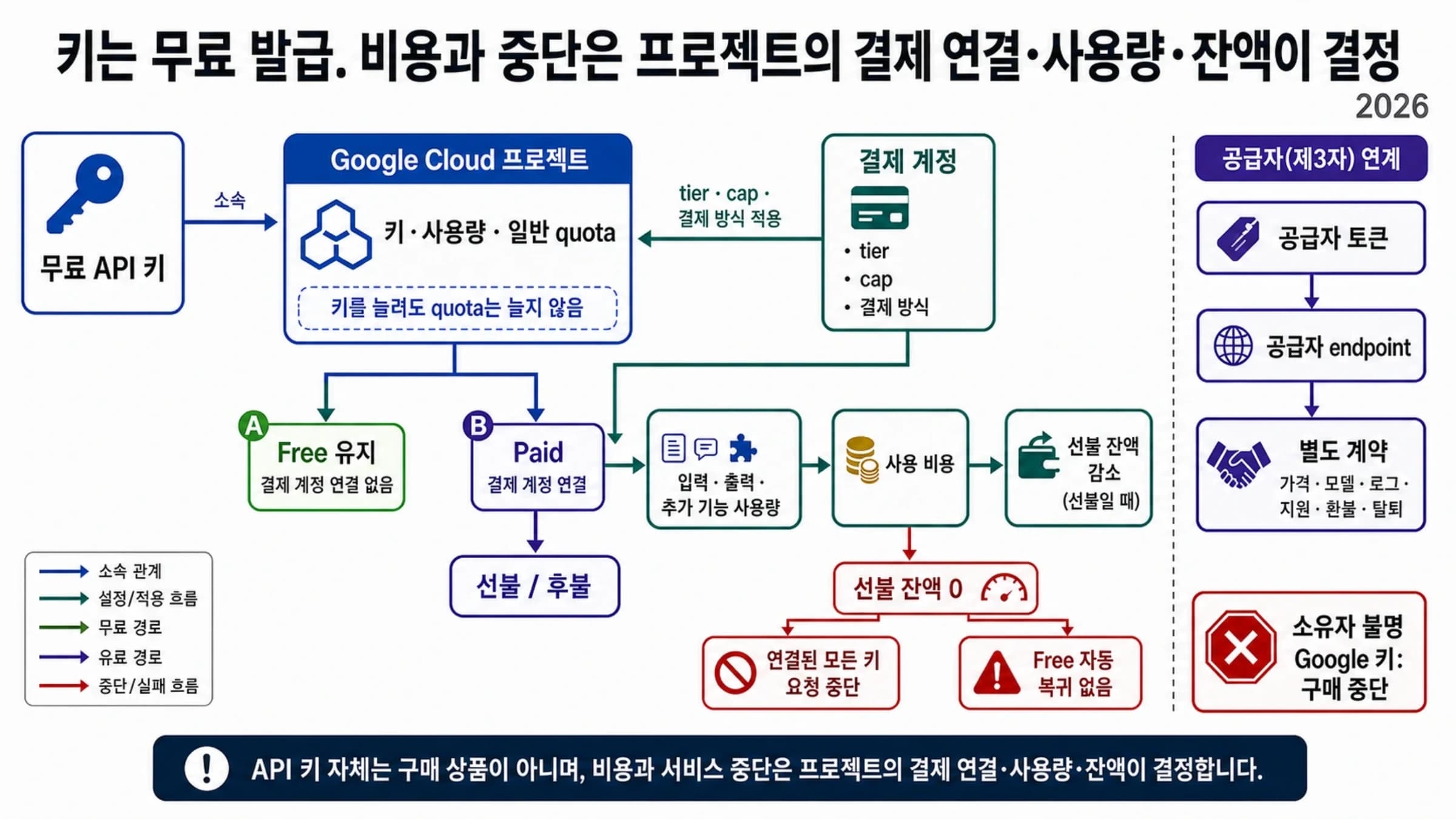
또 하나의 선택지는 GPT-Live입니다. 이 경로는 말한 시간의 토큰 수 대신 세션이 활성 상태인 시간에 음성 비용이 붙고, 판단과 도구 실행을 담당하는 백엔드 비용이 별도로 붙습니다. 따라서 침묵이나 도구 대기가 많은 제품에서는 토큰 단가만으로 선택할 수 없습니다. GPT-Live 비용 안내
무엇을 만들어야 하는지에 따라 첫 견적이 달라집니다
먼저 작업 완료 조건을 한 문장으로 적습니다. “사용자가 주문 상태를 물으면 음성으로 답하고 고객 발화를 기록한다”와 “통화 녹음을 검색 가능한 텍스트로 바꾼다”는 서로 다른 견적입니다.
| 필요한 결과 | 먼저 검토할 경로 | 함께 확인할 조건 |
|---|---|---|
| 통화 중 사용자의 질문에 음성으로 응답 | Realtime 2.1 또는 2.1 mini, 필요하면 GPT-Live와 자체 파이프라인도 비교 | 끼어들기 처리, 도구 실행, 한국어 답변, 작업 완료율 |
| 말하는 동안 자막이나 상담원용 텍스트 표시 | gpt-live-transcribe | 도착 중인 오디오를 처리하는 실시간 전사이며 음성 답변은 만들지 않음 |
| 완료된 녹음의 전사·회의록·검색 자료 | gpt-transcribe와 필요한 텍스트 처리 | 녹음 파일 처리 결과도 스트리밍할 수 있으므로 실시간 세션이 필수는 아님 |
| 전사, 판단, 음성 출력을 각각 제어 | STT → 텍스트 모델 → 필요한 TTS | 구성 요소별 사용량과 연결·운영 비용을 합산 |
| 짧은 음성 안내와 긴 녹음 분석을 함께 제공 | 실시간 구간과 후처리를 나누는 하이브리드 | 어느 구간에서 음성 대화를 끝내고 어떤 텍스트를 재사용할지 결정 |
전사 기본 모델과 특화 기능의 구분은 공식 워크플로 안내를 기준으로 합니다. 화자 구분이 필요하면 gpt-4o-transcribe-diarize, 단어 타임스탬프나 srt·vtt 자막 파일이 필요하면 whisper-1처럼 별도 기능을 확인해야 합니다. 새 기본 모델이 기존 특화 기능을 모두 제공한다고 가정하면 안 됩니다.
가격표의 ‘1분’과 ‘100만 토큰’부터 분리합니다
아래 금액은 2026년 10월 6일 확인한 OpenAI 공식 가격표의 USD 기준입니다. 세금, 통신사, 외부 서비스 비용은 포함하지 않습니다. 원화로 바꾸려면 결제 시점의 환율과 추가 비용을 별도로 적용해야 합니다.
Realtime은 입력과 출력을 각각 계산합니다
| 모델 | 음성 입력 / 캐시 입력 / 출력 | 텍스트 입력 / 캐시 입력 / 출력 | 이미지 입력 / 캐시 입력 |
|---|---|---|---|
gpt-realtime-2.1, gpt-realtime-2 | 32 / 0.40 / 64달러 | 4 / 0.40 / 24달러 | 5 / 0.50달러 |
gpt-realtime-2.1-mini | 10 / 0.30 / 20달러 | 0.60 / 0.06 / 2.40달러 | 0.80 / 0.08달러 |
모든 값은 해당 유형 100만 토큰당 가격입니다. 캐시 입력은 입력 토큰의 일부에 적용되는 별도 단가이며 출력에 적용되지 않습니다. 현재 문서에 남아 있는 gpt-realtime-2를 이미 종료된 모델로 취급할 이유도 없습니다. 새로 비교할 때는 2.1과 mini를 함께 놓고, 기존 연동은 실제 모델과 버전을 기록합니다. 가격표, gpt-realtime-2 모델 문서
전사와 GPT-Live는 서로 다른 시간을 셉니다
| 경로 | 공식 요금 | 60분을 같은 단위로 계산하면 |
|---|---|---|
실시간 전사 gpt-live-transcribe, 기존 gpt-realtime-whisper | 과금 오디오 1분당 0.017달러 | 1.02달러 |
녹음 전사 gpt-transcribe | 과금 오디오 1분당 0.0045달러 | 0.27달러 |
기존 gpt-4o-transcribe, 화자 구분 모델 | 입력 2.50 / 출력 10달러, 각각 100만 토큰당; 분당 추정 0.006달러 | 분당 추정치를 적용하면 약 0.36달러 |
기존 gpt-4o-mini-transcribe | 입력 1.25 / 출력 5달러, 각각 100만 토큰당; 분당 추정 0.003달러 | 분당 추정치를 적용하면 약 0.18달러 |
GPT-Live gpt-live-1 음성 세션 | 활성 시간 1분당 0.05달러, 초 단위 과금 | 활성 60분에 3달러, 백엔드 별도 |
위 표는 공식 가격표의 단위까지 함께 읽어야 합니다. 기존 4o 전사의 분당 금액은 토큰 가격에 따른 추정치이고, 새 전사의 분당 요금이나 GPT-Live 활성 시간 요금과 같은 종류의 고정 견적이 아닙니다.
TTS도 따로 계산합니다. gpt-4o-mini-tts는 텍스트 입력 100만 토큰당 0.60달러, 음성 출력 100만 토큰당 12달러입니다. 기존 tts-1은 100만 문자당 15달러, tts-1-hd는 30달러입니다. 문자 수와 토큰 수를 섞거나, Realtime의 음성 토큰 환산법을 다른 TTS 모델에 그대로 적용해서는 안 됩니다. 발화 속도와 언어가 달라지면 같은 문자 수로 생성되는 음성 길이도 달라집니다. TTS 가격
기존 모델로 운영 중이라면 유지 비용과 전환 일정도 함께 봅니다. 사용 중단 안내는 tts-1·tts-1-hd와 공지에 명시된 두 mini TTS 스냅샷의 종료일을 2027년 1월 6일, gpt-4o-transcribe·gpt-4o-mini-transcribe·gpt-4o-transcribe-diarize·whisper-1의 종료일을 2027년 2월 26일로 안내합니다. 공지에 적힌 정확한 모델과 스냅샷을 확인해야 하며, 사용 중단 예정이라는 말이 오늘 이미 호출할 수 없다는 뜻은 아닙니다.
10분 통화라고 음성 입력·출력이 각각 10분은 아닙니다
Realtime의 음성 토큰은 사용자 입력이 100ms당 약 1개, 어시스턴트 출력이 50ms당 약 1개입니다. 즉, 사용자 발화 1분은 약 600 입력 토큰, 생성된 답변 1분은 약 1,200 출력 토큰입니다. 특수 토큰 때문에 실제 사용량에는 작은 차이가 생길 수 있습니다. Realtime 과금 안내
예를 들어 10분 통화에서 사용자가 4분, 어시스턴트가 3분 말하고 나머지는 침묵이나 도구 대기라고 가정해 봅니다. 새 발화만 계산하면 다음과 같습니다.
Realtime 2.1:
  입력 = 4 × 600 × 32 ÷ 1,000,000 = 0.0768달러
  출력 = 3 × 1,200 × 64 ÷ 1,000,000 = 0.2304달러
  새 음성 합계 = 0.3072달러

Realtime 2.1 mini:
  입력 = 4 × 600 × 10 ÷ 1,000,000 = 0.024달러
  출력 = 3 × 1,200 × 20 ÷ 1,000,000 = 0.072달러
  새 음성 합계 = 0.096달러
이 계산에는 이전 대화의 반복 입력, 텍스트, 도구, 이미지, 별도 전사와 운영 비용이 빠져 있습니다. 실제 청구액이나 모든 세션에 적용되는 최저 금액으로 쓰지 않습니다.
5.76달러라는 계산은 사용자 음성 1시간과 어시스턴트 생성 음성 1시간을 모두 비캐시로 계산한 값입니다. 한 시간짜리 통화의 고정 요금이 아닙니다. 30초씩 번갈아 말하는 대화 1분의 새 음성 비용은 같은 가정에서 full 0.048달러, mini 0.015달러입니다. 이 역시 두 사람의 발화 비율을 정한 계산일 뿐 최종 분당 가격은 아닙니다.
대화 기록과 캐시는 사용량 내역으로 계산합니다
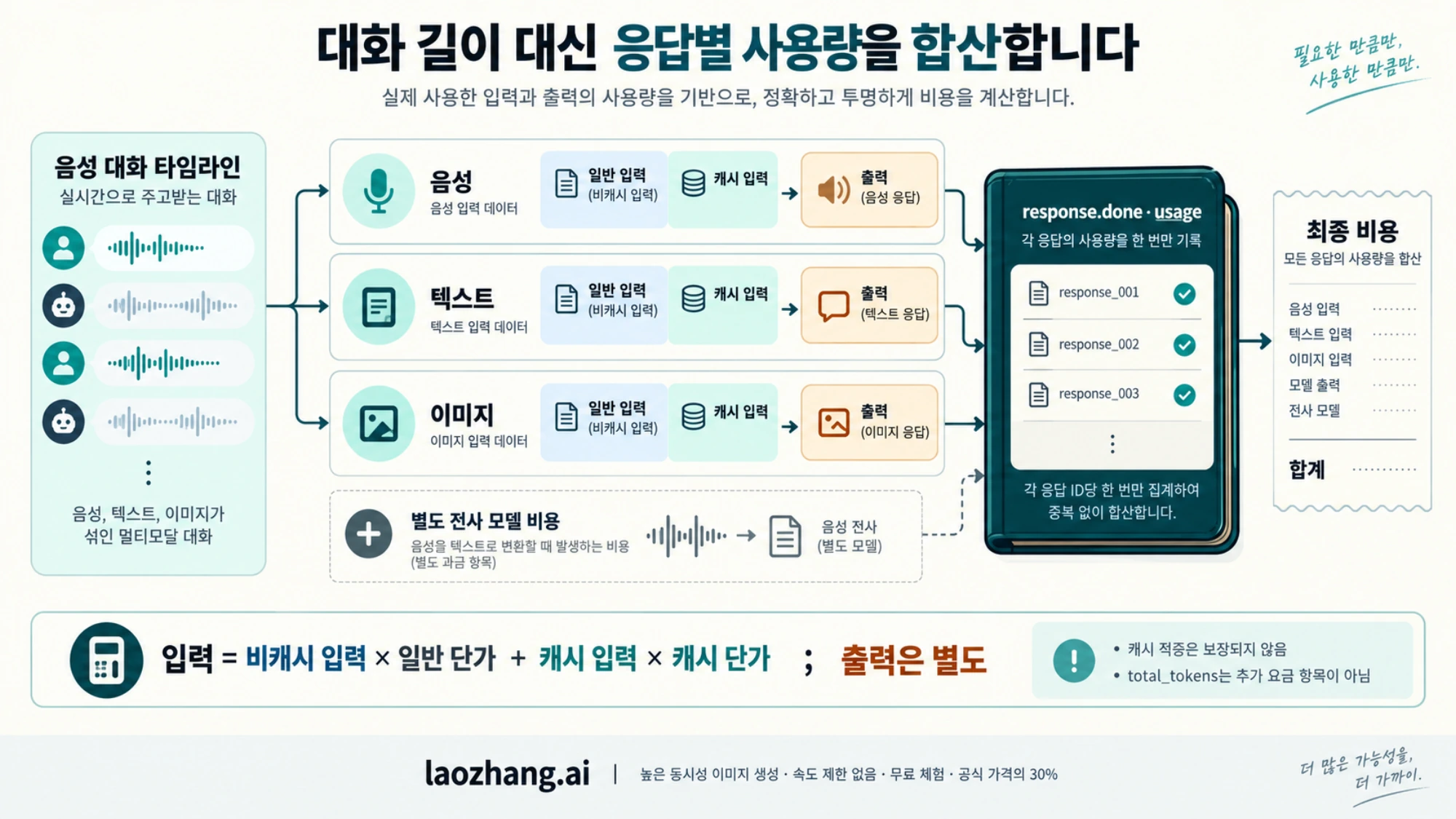
Realtime은 응답을 만들 때 입력과 출력 토큰에 비용이 붙습니다. 이전 대화도 다음 응답의 입력에 다시 들어가므로 발화 시간을 한 번씩 더하는 것만으로는 세션 전체 비용이 나오지 않습니다. 현재 연결과 네트워크 대역폭 자체에는 별도 요금이 없고, VAD는 빈 음성 입력을 걸러 줍니다. 다만 클라이언트가 수동으로 대화 입력에 추가한 오디오는 별도로 봐야 합니다. 응답별 비용 안내
계산은 음성·텍스트·이미지 각각에 대해 다음 식을 적용합니다.
입력 비용 = (전체 입력 − 해당 유형의 캐시 입력) × 일반 입력 단가
          + 해당 유형의 캐시 입력 × 캐시 입력 단가
출력 비용 = 해당 유형의 출력 × 출력 단가
단가가 100만 토큰당 금액이면 각 결과를 1,000,000으로 나눕니다. 예를 들어 음성 입력 4,800개 중 1,800개가 캐시라면 일반 입력은 3,000개입니다. 총 캐시 수를 음성·텍스트·이미지에서 각각 빼면 같은 할인을 중복 적용하게 됩니다.
response.done의 usage.input_token_details와 그 안의 cached_tokens_details, output_token_details를 사용하면 유형별 계산을 할 수 있습니다. total_tokens는 여기에 더하는 추가 비용 항목이 아닙니다. 같은 응답 ID가 다시 전달되면 한 번만 세고, 선택적 입력 전사는 conversation.item.input_audio_transcription.completed의 사용량을 해당 전사 모델의 가격으로 따로 계산합니다. 공식 사용량 필드
캐시는 보장되지 않습니다. 지침, 도구 정의, 이전 대화 내용을 바꾸거나 대화를 잘라 내면 적중률이 달라집니다. 오래된 대화를 요약해서 줄이면 반복 입력이 줄 수 있지만 요약 생성 비용과 정보 손실도 생깁니다. 따라서 “매 턴 비용이 지수적으로 증가한다”거나 “항상 일정 비율이 캐시된다”는 공식을 넣기보다, 응답별 사용량과 실제 캐시 내역을 합산하는 편이 정확합니다.
같은 상담 작업의 전체 예산을 계산해 봅니다
다음은 주문 상태를 조회해 음성으로 설명하고, 고객 발화를 텍스트로 남기는 10분 상담의 가상 예산입니다. 모든 경로가 같은 작업을 완료하고 3분 분량의 음성 답변을 제공하며, 우선 실패나 재시도는 없다고 가정합니다. 실제 운영 예산에서는 실패한 시도와 재시도 비용을 더하고 완료된 작업 수로 나눕니다. 계산은 로컬에서 산술만 확인했으며 실제 API 호출, 한국어 음질, 지연, 계정 청구를 시험한 결과가 아닙니다.
먼저 공식 단가에 넣을 사용량과 별도 가정을 고정합니다.
| 항목 | 이 예산에 넣는 값 | 값의 성격 |
|---|---|---|
| 전체 활성 상담 시간 | 10분 | GPT-Live에 적용할 가정 |
| 사용자 발화 / 생성 음성 | 4분 / 3분 | 새 음성 비용의 참고값 |
| Realtime 음성 입력 / 그중 캐시 / 출력 | 4,800 / 1,800 / 3,600 토큰 | 반복 입력까지 포함한 가상 사용량 합계 |
| Realtime 텍스트 입력 / 그중 캐시 / 출력 | 10,000 / 8,000 / 800 토큰 | 지침·도구 정의·도구 결과를 포함한 가상 합계 |
| Realtime 이미지 입력 | 0 | 이미지가 없는 작업 |
| 실시간 STT의 과금 오디오 | 4분 | 이 예산에서 가정한 과금 길이; 통화 전체 시간과 구분 |
| 기록용 파일 전사 | gpt-transcribe 4분 | Realtime·GPT-Live에서 별도로 기록을 만들 때 |
| 파이프라인 TTS | gpt-4o-mini-tts 입력 2,000 / 출력 8,000 토큰 | 3분 답변에 해당한다고 가정한 사용량; 분당 토큰 공식 아님 |
| 별도 텍스트 백엔드 | 0.012달러 | 파이프라인·GPT-Live의 모델 입력·캐시·출력 합계 가정 |
| 외부 주문 조회 도구 | 0.004달러 | 모든 경로에 같은 가상 비용 |
| 통신·저장·모니터링·검수의 배부 비용 | 0.05달러 | 모든 경로에 같은 가상 운영 비용 |
별도 텍스트 백엔드의 0.012달러는 특정 모델의 공식 견적이 아닙니다. 실제 예산에서는 선택한 모델의 비캐시 입력, 캐시 입력, 출력 토큰과 해당 단가로 대체합니다. 운영 비용도 사용하는 통신사, 저장 기간, 검수 인력에 따라 다시 넣습니다. 알 수 없는 항목은 0으로 확정하지 않습니다.
위 Realtime 사용량을 공식 단가에 적용하면 다음과 같습니다.
Realtime 2.1:
  음성 = (3,000 × 32 + 1,800 × 0.40 + 3,600 × 64) ÷ 1,000,000
       = 0.32712달러
  텍스트 = (2,000 × 4 + 8,000 × 0.40 + 800 × 24) ÷ 1,000,000
         = 0.0304달러
  모델 합계 = 0.35752달러

Realtime 2.1 mini:
  음성 = (3,000 × 10 + 1,800 × 0.30 + 3,600 × 20) ÷ 1,000,000
       = 0.10254달러
  텍스트 = (2,000 × 0.60 + 8,000 × 0.06 + 800 × 2.40) ÷ 1,000,000
         = 0.0036달러
  모델 합계 = 0.10614달러
전체 비교에서는 음성 상담 뒤에 필요한 기록과 운영도 더합니다. 파이프라인은 이미 얻은 실시간 전사 텍스트를 재사용하고, Realtime과 GPT-Live는 이 예산에서 독립된 녹음 전사로 기록을 만듭니다. 제품에서 충분한 텍스트를 이미 얻는다면 그 별도 전사를 빼도 됩니다. 반대로 전체 통화의 양쪽 발화까지 기록해야 한다면 전사 길이와 비용을 늘려야 합니다.
| 비용 구성 | Realtime 2.1 | Realtime 2.1 mini | 실시간 STT → LLM → TTS | GPT-Live |
|---|---|---|---|---|
| Realtime 모델 또는 활성 음성 세션 | 0.35752 | 0.10614 | — | 10 × 0.05 = 0.50 |
| 실시간 전사 | — | — | 4 × 0.017 = 0.068 | — |
| 별도 기록용 전사 | 4 × 0.0045 = 0.018 | 0.018 | 기존 전사 재사용 | 0.018 |
| 별도 텍스트 백엔드 | 모델 합계에 포함 | 모델 합계에 포함 | 0.012 | 0.012 |
| 별도 TTS | 모델 합계에 포함 | 모델 합계에 포함 | 0.0972 | 음성 세션에 포함 |
| 외부 도구 | 0.004 | 0.004 | 0.004 | 0.004 |
| 운영 배부 비용 | 0.05 | 0.05 | 0.05 | 0.05 |
| 상담 1건 합계, USD | 0.42952 | 0.17814 | 0.2312 | 0.584 |
TTS의 0.0972달러는 (2,000 × 0.60 + 8,000 × 12) ÷ 1,000,000입니다. 사용량이 같다는 보장이 없으므로 실제 비교에서는 각 경로가 만든 사용량을 각각 수집해야 합니다. 같은 토큰 수에 다른 단가를 넣은 계산은 가격 차이를 보여 주지만 모델별 성능 차이는 보여 주지 않습니다.
이 가정에서는 mini가 파이프라인보다 저렴하고, full은 파이프라인보다 비쌉니다. 파이프라인의 백엔드와 TTS 합계가 0.05614달러보다 낮아지면 순서가 바뀝니다. 공통 도구·운영비를 제외하고 0.068 + 백엔드 + TTS < 0.10614 + 0.018을 풀면 나오는 기준입니다. 예를 들어 두 항목 합계가 0.04달러면 파이프라인 총액은 0.162달러로 mini보다 낮고, 0.08달러면 0.202달러로 높습니다. 모델이 같은 작업을 완료한다는 전제는 이 경계에서도 유지해야 합니다.
월 10,000건에 위 가정을 그대로 적용하면 각각 4,295.20달러, 1,781.40달러, 2,312달러, 5,840달러입니다. 예산을 건수로 나누는 것만으로 실제 처리 가능한 건수나 서비스 한도가 확정되지는 않습니다.
GPT-Live에서는 기다리는 시간도 비용입니다
GPT-Live의 활성 시간에는 사용자 발화, 어시스턴트 발화, 침묵, 백엔드 처리 대기가 모두 들어갑니다. 마이크를 음소거해도 세션은 종료되지 않습니다. 예를 들어 활성 시간이 90초이고 백엔드 합계가 0.02달러라면 90 ÷ 60 × 0.05 + 0.02 = 0.095달러입니다. 공식 활성 시간 계산 안내
WebRTC 세션을 만들 때 과금되는 초기 15초는 실행된 세션 시간에 충당됩니다. 위 90초를 105초로 다시 계산하면 중복입니다. 다만 실행되지 않은 초기화나 반복 연결 시도의 비용을 요청 시간 초과만 보고 무료라고 처리하면 안 됩니다.
사용량 업데이트인 session.usage.updated는 누적 초 스냅샷입니다. 12초, 24초, 36초가 전달됐다고 72초로 더하지 않습니다. 마지막 값으로 교체하다가 session.closed의 최종 usage.seconds를 한 번 기록합니다. 백엔드는 response.event 안의 response.completed에서 응답 ID별로 한 번씩 계산하고, 앱이 독립적으로 호출한 모델·도구도 합산합니다. 사용량 수집 안내
절약할 대상은 단가만이 아닙니다. 더 빠른 백엔드가 같은 작업을 1분 빨리 끝내고 세션을 닫는다면 음성 비용은 0.05달러 줄어듭니다. 백엔드 추가 비용이 0.03달러라면 합계는 0.02달러 감소합니다. 반대로 값싼 백엔드가 대기나 재질문을 늘리면 총비용이 증가할 수 있습니다. 사용하지 않은 선행 조회, 실패한 도구 호출과 재시도까지 포함해서 판단합니다.
자막·녹음 전사는 음성 상담 예산에서 떼어 냅니다
텍스트가 결과물인 작업에 음성 응답 비용을 넣을 필요는 없습니다. 과금 오디오 60분을 전사하는 작업이라면 gpt-live-transcribe는 1.02달러, gpt-transcribe는 0.27달러입니다. 요약, 검수, 저장이 필요하면 이 금액에 각 비용을 더합니다. 이 숫자는 공식 전사 단가를 적용한 산술이며 두 모델의 정확도 비교가 아닙니다.
실시간 자막이 필요한 경우에는 오디오가 도착하는 중에 전사 결과를 받아야 합니다. gpt-live-transcribe의 현재 경로는 클라이언트 VAD와 수동 커밋을 사용하며 서버 VAD나 semantic VAD를 지원하는 것으로 가정하면 안 됩니다. 완료 이벤트가 순서대로 오지 않을 수 있어 item_id로 대응시켜야 합니다. 단어 타임스탬프, 화자 구분, 신뢰도 점수가 꼭 필요하면 별도 경로를 선택합니다. 실시간 전사 문서
반면 이미 완성된 녹음은 파일 전사를 검토합니다. 파일 업로드 제한은 25MB이며, gpt-transcribe의 stream=true는 파일을 처리하는 동안 결과 텍스트를 받는 기능입니다. 마이크의 실시간 음성 스트림과는 다릅니다. 긴 녹음을 나누면 분할과 재처리 비용을 반영하고, 화자 구분 모델에서 30초가 넘는 입력은 chunking_strategy="auto" 등 해당 조건을 확인합니다. 파일 전사 안내
요약 모델은 입력으로 전사 텍스트를 받으므로 전사 비용에 자동 포함되지 않습니다. 다만 제품이 이미 확보한 전사 텍스트가 다음 작업에 충분하다면 녹음을 다시 전사하지 않고 재사용할 수 있습니다. 비용을 줄이기 위해 필요한 검수나 도메인 용어 확인까지 생략하는 것은 다른 작업을 비교하는 셈입니다.
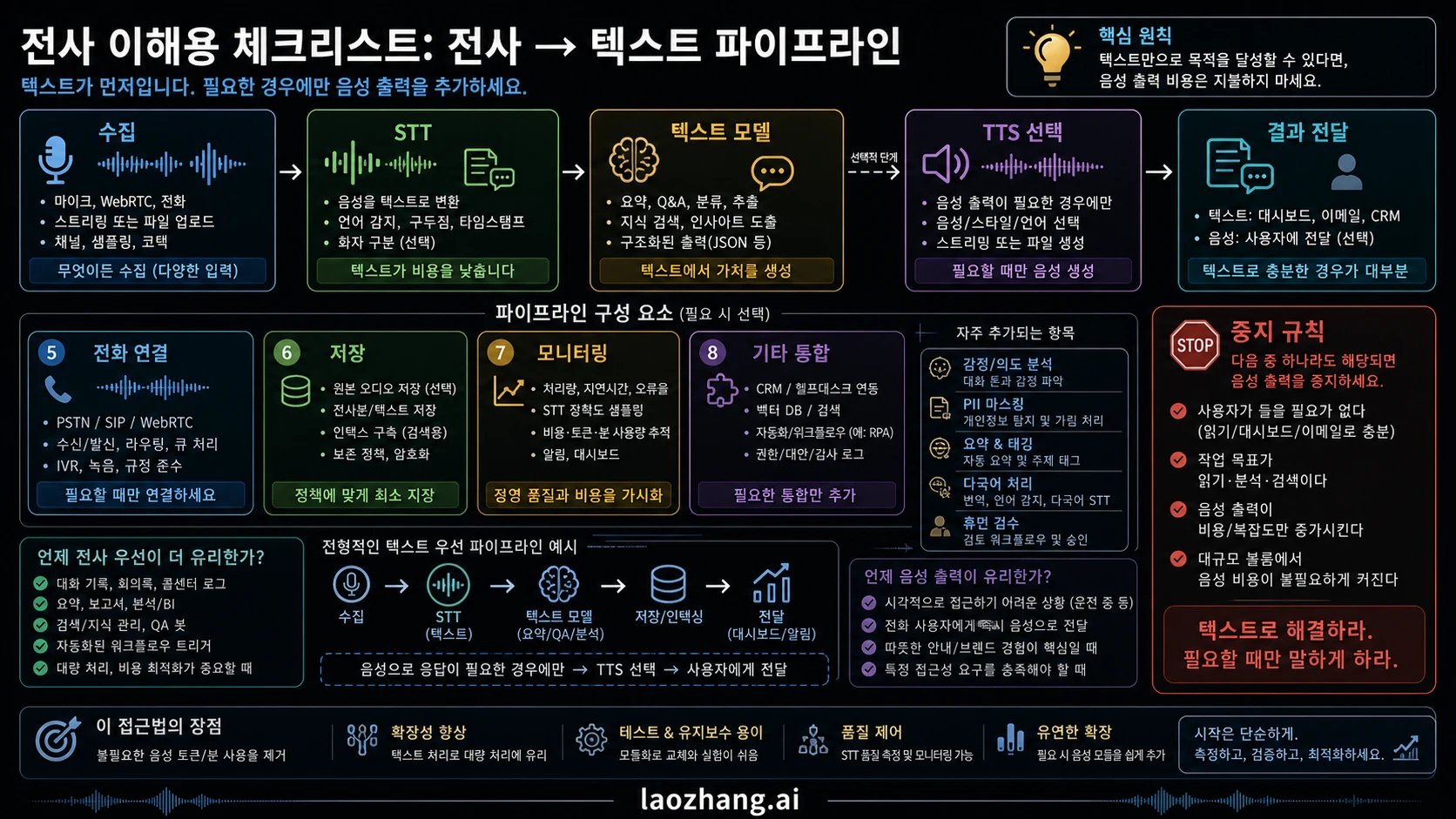
하이브리드에서는 ‘실시간이 끝나는 지점’을 정합니다
하이브리드는 전 구간을 저렴한 경로로 바꾸는 방식이 아니라 음성 상호작용이 필요한 구간과 후처리 구간을 나누는 방식입니다. 예를 들어 상담 중 주문 조회와 안내는 Realtime으로 처리하고, 상담 종료 뒤의 CRM 요약과 품질 검토는 남은 텍스트로 처리할 수 있습니다. 회의 서비스라면 실시간 자막은 전사로 제공하고, 사용자가 요청한 짧은 음성 설명만 별도 대화로 제공할 수 있습니다.
하이브리드 총비용 = 실시간 구간 비용
                 + 부족한 기록을 만드는 전사 비용
                 + 종료 뒤 요약·검색·검토 비용
                 + 공통 운영 비용
핵심은 녹음이 있다는 이유로 전체를 다시 전사하지 않고, 다음 작업에 필요한 기록이 이미 있는지 확인하는 것입니다. 반대로 입력 전사만 확보했는데 어시스턴트 답변까지 포함한 전체 기록이 필요하다면 부족한 부분을 추가해야 합니다. 긴 백엔드 작업 중 GPT-Live 세션을 닫는 설계라면 재연결 비용, 작업 상태 저장과 대화 복원 비용도 같은 예산에 넣습니다.
출시 예산은 성공한 작업 한 건당 비용으로 마무리합니다
견적을 실제 사용량으로 교체할 때는 다음 항목이 연결되어야 합니다.
- 모델·버전·API 경로·단가 확인 날짜를 기록합니다. 변경 예정인 모델은 전환 비용도 별도로 둡니다.
- 통화 시간, 실제 과금 오디오, 생성 음성, GPT-Live 활성 초를 분리합니다.
- Realtime 응답 ID와 유형별 토큰·캐시, 별도 전사, 백엔드·도구 사용량을 모읍니다. 같은 이벤트를 중복 계산하지 않습니다.
- 실패·재시도·중단된 생성·미사용 선행 작업의 확인된 비용을 합산합니다. 최종 사용량이 없으면 ‘미확인 비용’으로 남깁니다.
- 통신·저장·보존·검수·사람에게 넘기는 처리 비용과 월 고정비를 더합니다.
- 총액을 동일한 완료 기준을 통과한 작업 수로 나눕니다.
완료 작업당 비용 = (모든 시도 비용 + 변동 운영비 + 배부한 고정비)
                ÷ 완료 기준을 통과한 작업 수
앞선 mini 월 예산 1,781.40달러에서 9,200건이 완료됐다면 완료 건당 약 0.194달러입니다. 파이프라인 2,312달러에서 9,400건이 완료됐다면 약 0.246달러입니다. 이 완료율도 예시일 뿐입니다. 실제 비교에서는 한국어 주문번호·이름·날짜 처리, 끼어들기 뒤의 응답, 도구 실행 성공, 유효한 기록 생성 등을 같은 기준으로 확인해야 합니다. 전사 정확도나 첫 음성까지의 시간, 전체 답변 완료 시간은 서로 다른 평가 항목입니다.
예산의 다음 과제가 호출 전 지출 제한이라면 LLM 에이전트 API 비용을 공급자 호출 전에 차단하는 방법을 이어서 볼 수 있습니다. 요금 계산을 끝내는 것과 미확인 비용·재시도까지 고려해 새 호출을 허용하는 것은 별도 설계입니다.
자주 묻는 질문
Realtime API는 전사 파이프라인보다 항상 비싼가요?
아닙니다. 텍스트만 필요한 전사와 음성 답변까지 만드는 작업은 직접 비교할 수 없습니다. 같은 음성 작업에서는 Realtime mini와 파이프라인의 STT·텍스트 모델·TTS·운영비를 모두 계산해야 합니다. 위 가상 예산은 mini가 저렴하지만 실제 사용량과 완료율이 달라지면 결과도 바뀝니다. 공식 가격표
실시간 자막에 음성 대화 모델이 필요한가요?
자막만 필요하면 먼저 gpt-live-transcribe를 검토합니다. 음성으로 답하는 어시스턴트는 별도 기능입니다. 녹음이 이미 완성됐다면 gpt-transcribe로 처리하면서 텍스트 결과를 스트리밍할 수도 있습니다. 공식 전사 선택 안내
GPT-Live에서 마이크를 끄면 요금도 멈추나요?
아니요. 활성 시간에는 침묵과 백엔드 대기가 포함되며 음소거는 세션 종료가 아닙니다. 현재 음성 세션은 분당 0.05달러를 초 단위로 계산하고 백엔드 모델·도구 비용을 따로 더합니다. 작업이 끝나면 세션을 닫고 최종 사용량을 수집해야 합니다. GPT-Live 비용 안내, 가격표
Realtime 안에서 전사를 켜면 추가 비용이 있나요?
있습니다. 선택적 입력 전사는 대화 모델과 다른 모델로 처리되며 해당 전사 모델 요금이 붙습니다. 응답 토큰 비용에 이미 들어 있다고 가정하지 말고 전사 완료 이벤트의 사용량을 별도로 계산합니다. 입력 전사 비용 안내
기존 mini 전사 모델이 더 싸면 계속 써도 되나요?
분당 추정 0.003달러만으로 새 연동의 기본 선택을 정하지는 않습니다. 현재 공식 출발점은 파일용 gpt-transcribe, 실시간용 gpt-live-transcribe이며 필요한 특화 기능과 종료 일정도 봐야 합니다. 기존 4o mini 전사는 2027년 2월 26일 종료 예정입니다. 워크플로 안내, 가격표, 사용 중단 공지
참고 자료7
이 글이 링크한 외부 페이지를 본문에 나온 순서대로 정리했습니다. 마지막 업데이트: 2026년 10월 7일.
참고 자료7
이 글이 링크한 외부 페이지를 본문에 나온 순서대로 정리했습니다. 마지막 업데이트: 2026년 10월 7일.
- 1.OpenAI 전사 선택 안내developers.openai.com/api/docs/guides/transcription
- 2.공식 가격표developers.openai.com/api/docs/pricing
- 3.GPT-Live 비용 안내developers.openai.com/api/docs/guides/voice-latency-cost
- 4.gpt-realtime-2 모델 문서developers.openai.com/api/docs/models/gpt-realtime-2
- 5.사용 중단 안내developers.openai.com/api/docs/deprecations
- 6.실시간 전사 문서developers.openai.com/api/docs/guides/realtime-transcription
- 7.파일 전사 안내developers.openai.com/api/docs/guides/speech-to-text